10 Unforgettable National Park Sites And Public Lands In Wyoming
There are states you visit and states that genuinely change your sense of scale, and Wyoming falls firmly into the second category.
Something happens when you stand in front of a landscape that has existed for millions of years and will continue to exist long after everyone in the parking lot has driven home.
Your problems get smaller, your breathing gets slower, and you start wondering why you ever thought a busy city was an acceptable substitute for this. This state does not ease you into it either.
The scenery hits hard and early.
By the time you reach your first overlook or watch your first geyser do its thing on a precise and ancient schedule, you understand completely why people rearrange their entire lives around coming back here.
The national parks alone could fill a lifetime of weekends, and the hardest part of any Wyoming trip is always deciding where to start.
1. Yellowstone National Park
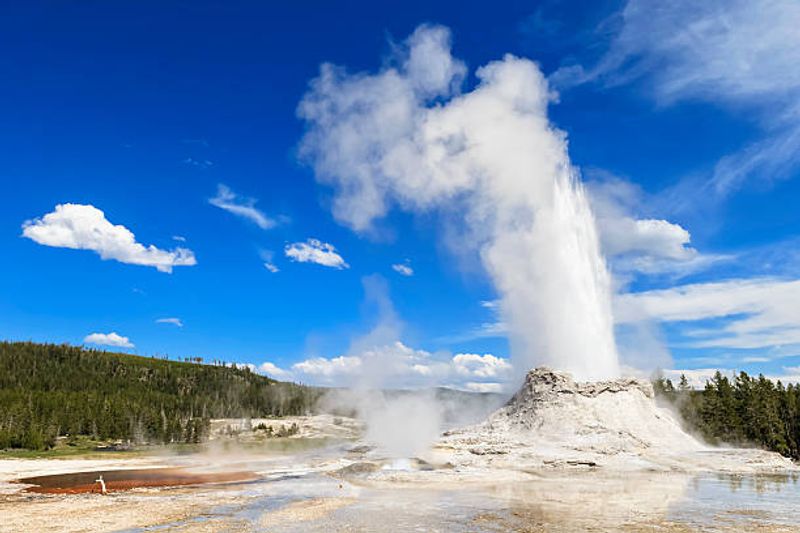
Nothing quite prepares you for the first time Old Faithful erupts right in front of you. Yellowstone National Park sits on top of one of the world’s largest active volcanoes, and the earth here makes sure you know it.
Geysers shoot boiling water into the air, mud pots gurgle like something from a science experiment, and the ground itself hisses with steam.
The Grand Prismatic Spring is worth every step of the walk to see it up close. Its rings of orange, yellow, and deep blue look almost too vivid to be real, yet there it is, sitting in the middle of Wyoming like nature showing off.
Bison roam the valleys freely, and spotting a grizzly bear in Lamar Valley is genuinely one of the more thrilling moments you can have outdoors.
Founded in 1872, Yellowstone was the first national park in the entire world.
The park sits at 2 Officers Row, and covers more than two million acres across Wyoming, Montana, and Idaho. Plan at least three days here because one is simply not enough.
2. Grand Teton National Park
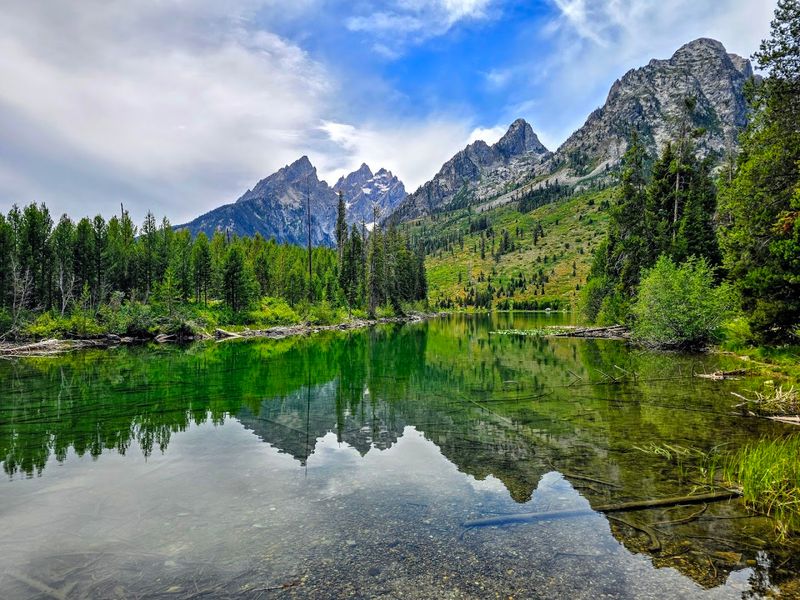
Some mountain ranges ease you in gently. Grand Teton does not.
The Teton peaks shoot straight up from the valley floor with zero warm-up, creating one of the most dramatic skylines in North America.
There are no foothills blocking the view, just raw, vertical rock rising nearly seven thousand feet above Jackson Hole.
Jenny Lake is the park’s social hub, and for good reason. Kayakers, hikers, and photographers all converge there because the reflections of the mountains on the water are simply stunning at almost any hour.
The hike to Hidden Falls and Inspiration Point rewards you with views that make the climb feel effortless in hindsight.
Wildlife sightings here are remarkably common. Moose wade through the Snake River, pronghorn sprint across open meadows, and black bears occasionally stroll along roadsides.
The park headquarters is located at 103 Headquarters Loop in Moose, Wyoming, and rangers there are genuinely helpful with trail recommendations.
Grand Teton pairs perfectly with Yellowstone since the two parks share a border, making a combined trip the obvious and very satisfying choice for anyone visiting this corner of Wyoming.
3. Devils Tower National Monument
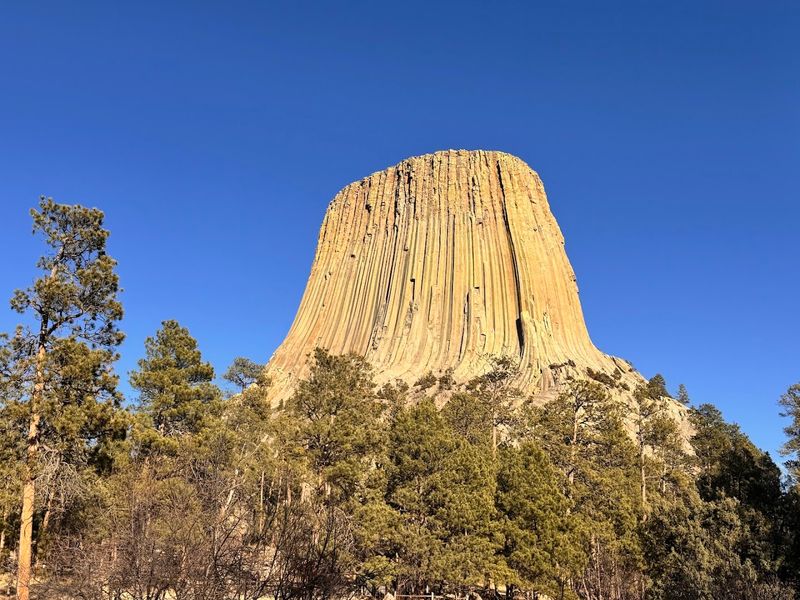
The first time you see Devils Tower rising above the Wyoming plains, your brain takes a second to catch up.
It looks like something that should not exist, a giant column of rock standing 867 feet above the surrounding landscape with no explanation that feels satisfying enough. Scientists call it an igneous intrusion.
Everyone else just calls it incredible.
The tower is sacred to many Native American tribes, including the Lakota, Cheyenne, and Kiowa, and that spiritual significance adds a layer of meaning to any visit.
Walking the Tower Trail around its base takes about an hour and gives you a full 360-degree appreciation of just how strange and magnificent this formation really is.
Prairie dogs pop up along the path and somehow make the whole experience even more charming.
Rock climbers come from across the country to scale its vertical columns, and watching them from below is both impressive and slightly nerve-wracking.
The monument is located at 149 State Highway 110 in Devils Tower, Wyoming.
If you visit in June, be aware that climbers voluntarily avoid the tower that month out of respect for Native American ceremonies, which is a thoughtful tradition worth honoring.
4. Fossil Butte National Monument
Fifty-two million years ago, this part of Wyoming was a warm subtropical lake teeming with fish, turtles, and crocodiles.
Today, Fossil Butte National Monument preserves one of the richest fossil deposits on the planet, and the fossils here are so well preserved that individual fish scales are still visible.
That level of detail after fifty million years is almost impossible to wrap your head around.
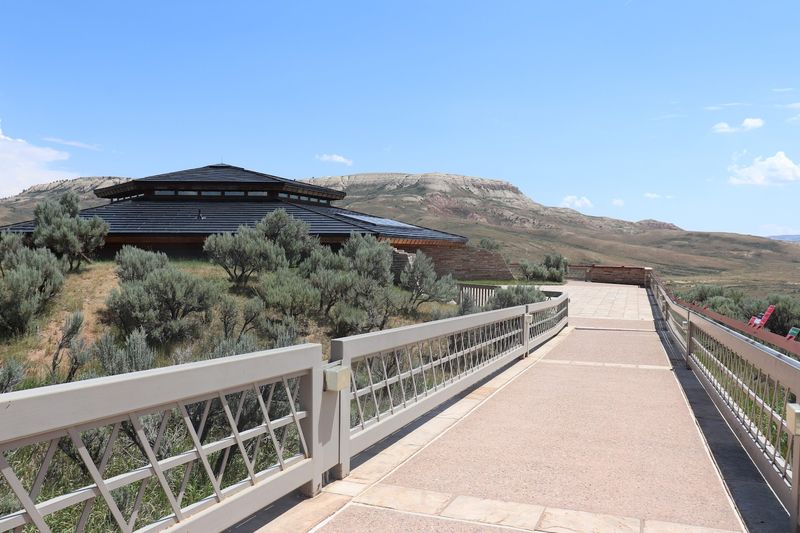
The visitor center displays actual fossils pulled from the butte, including stingrays, palm leaves, bats, and fish so perfectly intact they look like they were pressed into stone just yesterday.
Rangers offer fossil preparation demonstrations where you can watch real specimens being carefully uncovered in real time. It is one of those unexpectedly captivating experiences that sneaks up on you.
The landscape itself is quietly beautiful, with rolling sagebrush hills and layered buttes that glow warm in the late afternoon light. Hiking trails wind through the area and offer sweeping views of the surrounding high desert.
The monument is located at 864 Chicken Creek Road in Kemmerer, Wyoming. Fossil Butte does not get the same crowds as Yellowstone, which honestly makes the whole visit feel more personal and rewarding.
5. Fort Laramie National Historic Site
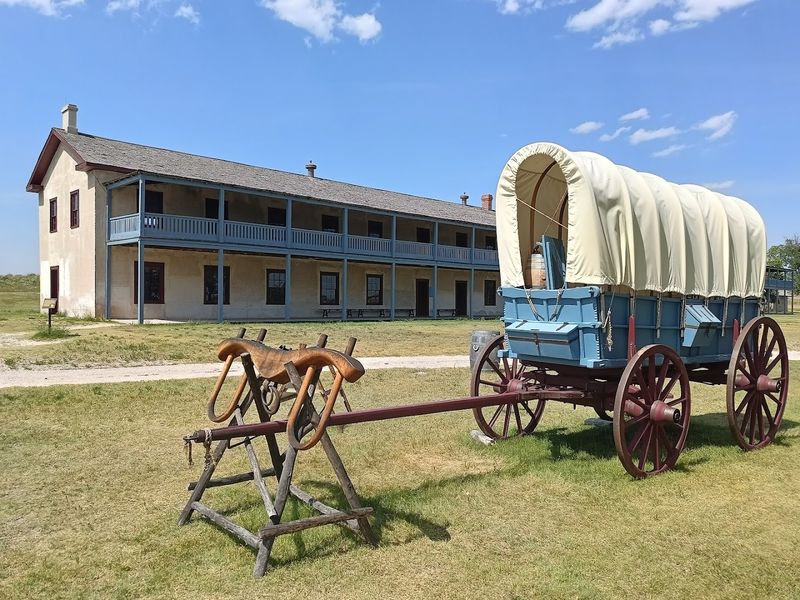
Fort Laramie is the kind of place that makes American history feel genuinely close. This fort served as a major fur trading post, a military garrison, and a critical stop on the Oregon Trail, all before the 20th century even arrived.
Hundreds of thousands of pioneers passed through here on their way west, and you can still feel that weight of movement and ambition when you walk the grounds.
More than a dozen original and restored buildings remain standing, which is remarkable for a site this old.
The Old Bedlam building, the oldest surviving military building in Wyoming, has been carefully preserved and tells the story of life on the frontier with impressive detail.
Costumed interpreters bring the 1800s to life during certain seasons, and their knowledge of daily fort life is genuinely impressive.
The site sits along the North Platte River, and the surrounding landscape has changed surprisingly little since the days of wagon trains.
Located at 965 Gray Rocks Road in Fort Laramie, Wyoming, the historic site is free to enter, which feels almost generous given how much is here.
History enthusiasts and casual visitors alike leave with a much deeper appreciation for what this corner of Wyoming once represented to an entire nation.
6. Bighorn Canyon National Recreation Area
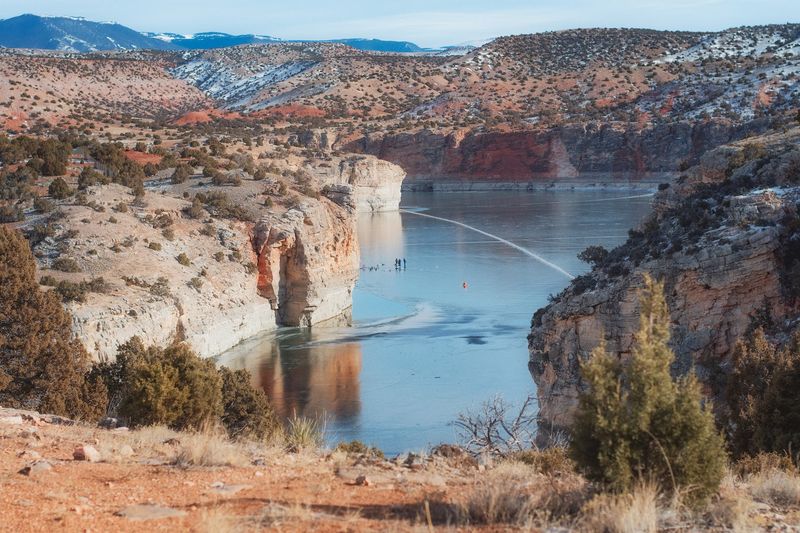
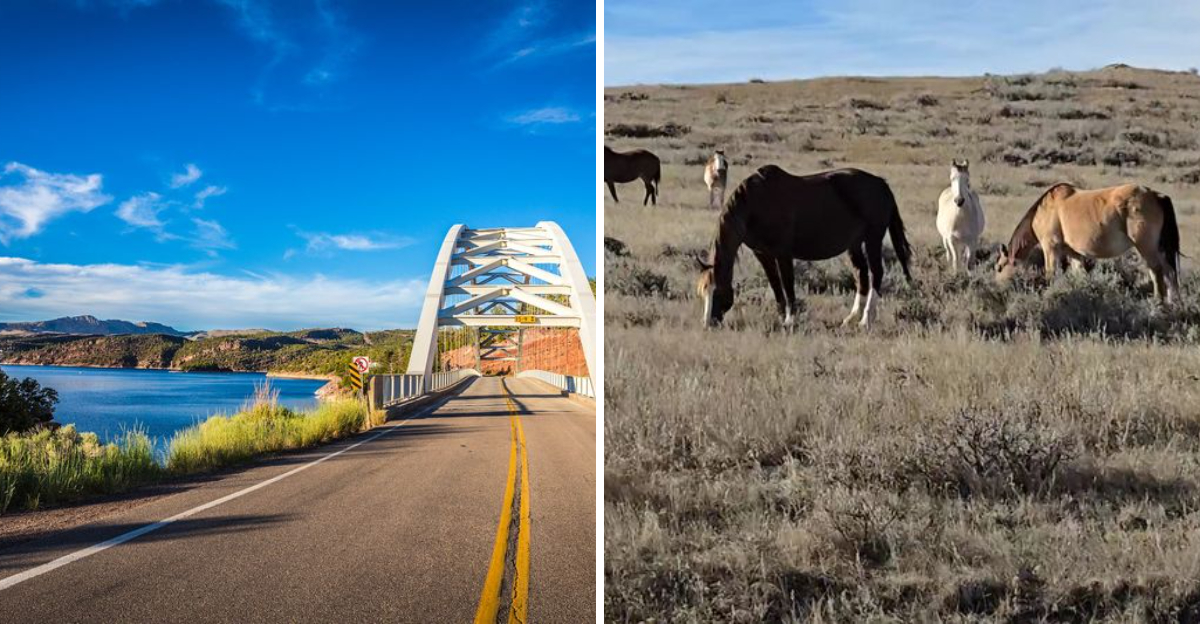
Bighorn Canyon is Wyoming’s best-kept geological secret. The Bighorn River carved this canyon over millions of years, creating sheer limestone walls that drop more than 1,000 feet straight into the water below.
Standing at the rim and looking down at the turquoise reservoir is one of those views that makes you immediately reach for your camera and then realize no photo will ever do it justice.
The Bighorn Lake stretches 71 miles through the canyon, offering some of the finest boating, fishing, and water recreation in the region.
Bass, walleye, and trout fill the lake, making it a serious destination for anglers who know about it.
Wild mustangs roam the Pryor Mountains just above the canyon, and spotting a band of free-roaming horses against that canyon backdrop is an experience that feels almost cinematic.
The recreation area spans both Wyoming and Montana, with the Wyoming visitor center located at 20 US Highway 14A in Lovell.
The south district around Lovell is more accessible and offers excellent overlooks along the canyon rim drive.
Bighorn Canyon rewards travelers who veer off the beaten path, and it consistently surprises people who assumed Wyoming’s best scenery was already behind them.
7. John D. Rockefeller Jr. Memorial Parkway
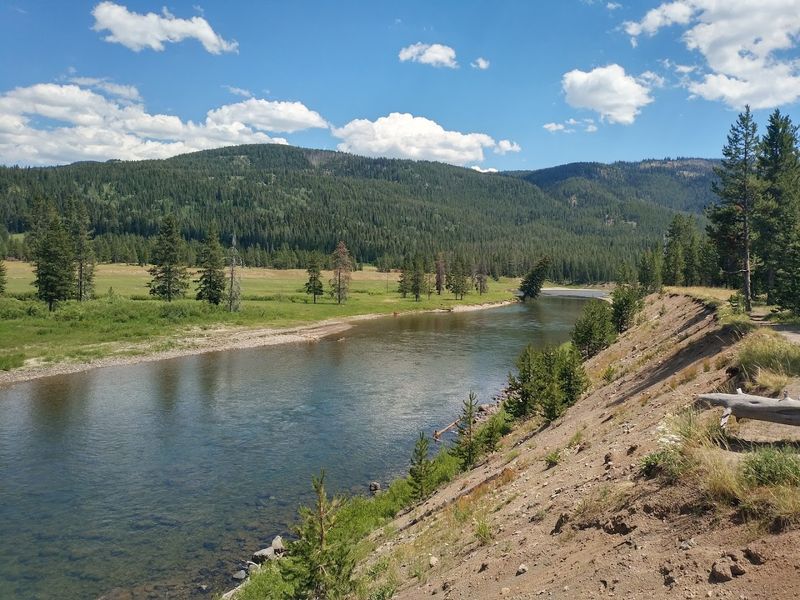
Most parkways get named after presidents or battles. This one honors a philanthropist who quietly donated land to preserve what is now Grand Teton National Park, and the 24,000-acre corridor that carries his name is a fitting tribute.
The John D. Rockefeller Jr. Memorial Parkway connects Yellowstone and Grand Teton, and the drive through it feels like a proper exhale between two very intense national parks.
The parkway runs along the Snake River and through the Potholes area, a landscape shaped by ancient glaciers that left behind a patchwork of small ponds and wetlands.
Trumpeter swans nest here, moose feed in the marshy shallows, and the whole scene has a peaceful, unhurried quality that contrasts nicely with the busier park areas nearby.
It is the kind of stretch of road you find yourself slowing down for even when you are not in a hurry.
Colter Bay Village within the parkway area offers camping, marina access, and a visitor center with exhibits on the region’s natural and cultural history.
The parkway is accessible via US Highway 89 near Moran, Wyoming. Treating this corridor as a destination rather than just a connector road between two parks is a choice you will not regret making.
8. Flaming Gorge National Recreation Area
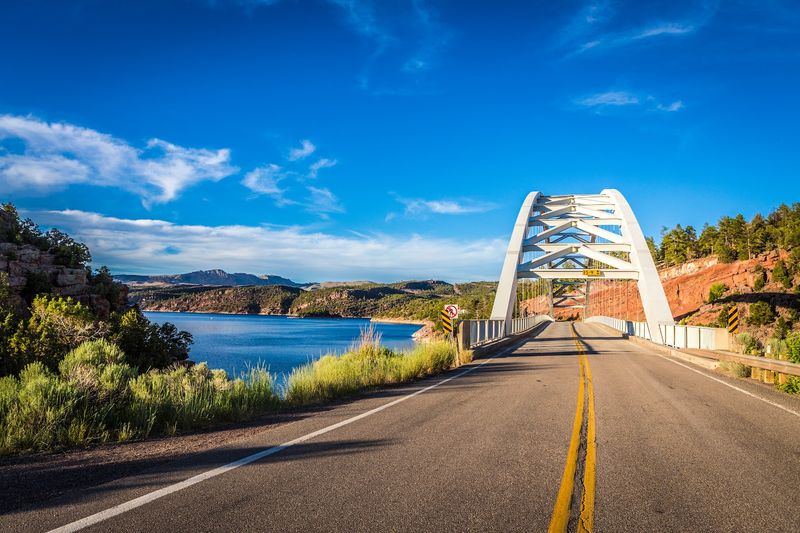
The name alone should tell you this place means business.
Flaming Gorge gets its fiery description from the brilliant red quartzite walls that glow like embers in the afternoon sun, and the contrast against the deep blue of the reservoir below is genuinely striking.
John Wesley Powell named the gorge during his famous 1869 river expedition, and his instinct for dramatic naming was spot on.
The Flaming Gorge Reservoir stretches 91 miles and straddles the Wyoming-Utah border, offering world-class fishing for lake trout, kokanee salmon, and smallmouth bass.
Boating here is a serious pleasure, with calm coves and dramatic canyon walls creating a setting that feels more like a movie set than a real place. Houseboats, kayaks, and fishing charters all share the water comfortably.
Red Canyon Overlook on the Utah side is one of the most photographed spots in the entire region, but the Wyoming entrance near Dutch John offers its own impressive canyon views and is generally less crowded.
The recreation area headquarters is at 25 West Flaming Gorge Way in Dutch John, Utah, just across the border. Plan a full day here at minimum because the scenery demands your complete and unhurried attention.
9. Thunder Basin National Grassland
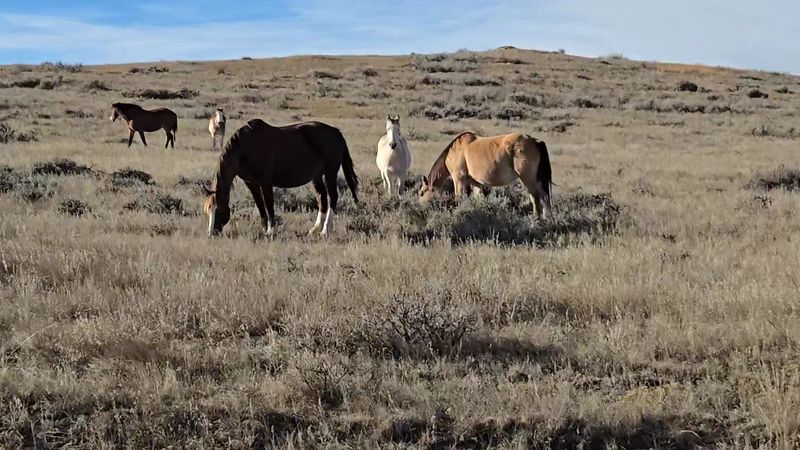
Thunder Basin is proof that flat and open can be just as powerful as tall and dramatic.
This 572,000-acre national grassland in northeastern Wyoming is one of the largest in the country, and its sweeping horizons have a meditative quality that is genuinely hard to find anywhere else.
Standing in the middle of it with nothing but grass and sky in every direction feels both lonely and liberating.
Prairie dog towns dot the landscape, and watching these social little animals interact is unexpectedly entertaining.
Black-footed ferrets, one of North America’s most endangered mammals, have been reintroduced here and are slowly rebuilding their population.
Pronghorn antelope graze across the open flats in numbers that remind you just how wild this part of Wyoming still is.
The grassland also has a significant energy production history, with coal mining and oil extraction shaping parts of the landscape alongside the natural prairie.
Hunters visit during fall seasons for pronghorn, mule deer, and sage grouse. The Thunder Basin office is located at 2250 East Richards Street in Douglas, Wyoming.
This is not a place that announces itself loudly, but it rewards anyone who slows down and pays attention to the quiet drama playing out across its wide open miles.
10. Shoshone National Forest
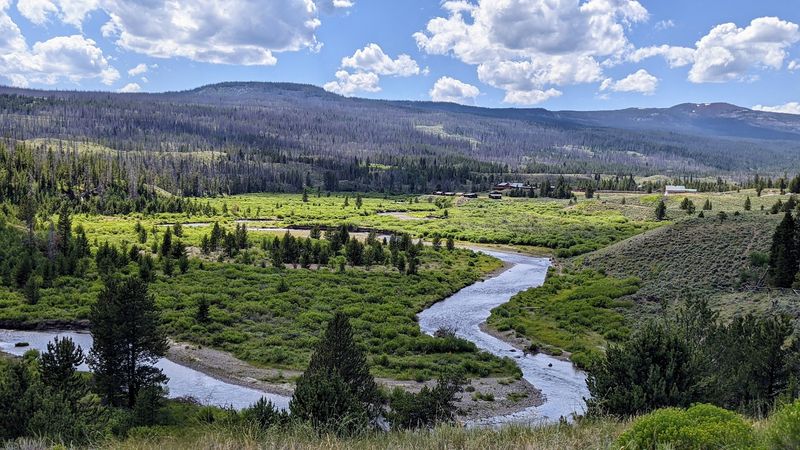
Shoshone National Forest holds a record that most people do not know about. Established in 1891, it was the first national forest in the United States, predating the entire national forest system.
That kind of history gives the place a certain gravitas, and the landscape absolutely lives up to the billing with over 2.4 million acres of mountains, meadows, and wilderness.
The Beartooth Highway, which clips the northern edge of the forest, is consistently ranked among the most scenic drives in America.
Snow lingers on the high passes well into summer, and the views from nearly 11,000 feet elevation are the kind that make you pull over every ten minutes.
The Washakie Wilderness inside the forest offers serious backcountry hiking and horsepacking routes through terrain that feels genuinely untouched.
Grizzly bears, wolves, bighorn sheep, and mountain goats all call this forest home, making wildlife watching a real possibility on almost any trail.
Fly fishing on the North Fork of the Shoshone River is excellent, particularly in the stretches near Wapiti.
The forest supervisor’s office is at 808 Meadow Lane Avenue in Cody, Wyoming.
Cody itself is a fantastic base town with genuine western character, making Shoshone National Forest an easy and very rewarding place to spend several days exploring.