14 Unusual California Food, Cooking And Dining Laws Most People Don’t Know
California has always been ahead of the curve when it comes to food regulations, but some of these laws might surprise even longtime residents.
From what you can serve in restaurants to what kids can put on their hot dogs at school, the Golden State has rules that range from sensible to downright quirky.
These regulations reflect the state’s commitment to public health, animal welfare, and food safety, though some seem like they came straight out of a bizarre trivia book.
1. Allergen Disclosure Coming To Chain Restaurants

Starting in 2026, big restaurant chains will need to list major allergens right on their menus, making California the first state to require this kind of transparency.
Any restaurant with 20 or more locations must clearly identify the top allergens in their dishes, which could be a lifesaver for people with severe food sensitivities.
The law aims to prevent dangerous allergic reactions by giving diners the information they need before they order, eliminating guesswork and awkward conversations with servers.
This regulation shows how seriously California takes food safety and customer protection in an era where food allergies are increasingly common.
2. Foie Gras Ban Protects Birds

California made waves in 2012 by banning the production and sale of foie gras, the controversial delicacy made from fattened duck or goose liver.
The law specifically targets the force-feeding process used to create foie gras, which animal welfare advocates consider cruel and unnecessary.
Restaurants throughout the state had to remove this once-popular item from their menus, and chefs found creative alternatives to satisfy adventurous diners.
This ban reflects California’s strong stance on animal rights and ethical food production, even when it means saying goodbye to traditional gourmet foods.
3. School Hot Dogs Must Go Ketchup-Free

Kids in California public schools face an unusual restriction at lunchtime: they cannot put ketchup on their hot dogs, according to a state regulation.
The law was designed to promote healthier eating habits by discouraging excessive condiment use, since ketchup contains surprisingly high amounts of sugar and salt.
While mustard and other condiments might still be available, the ketchup ban specifically targets this sweet tomato topping that kids tend to overuse.
This quirky rule shows how far California will go to shape better nutrition habits, even if it means dictating condiment choices.
4. Alligator Meat Stays Off The Menu

California restaurants cannot legally sell or serve alligator meat, a restriction that ties into the state’s comprehensive food safety standards.
This prohibition ensures that only approved meats meeting California’s strict consumption guidelines make it onto dining tables throughout the state.
While alligator is considered a delicacy in Southern states like Louisiana and Florida, Golden State diners will have to travel elsewhere to try this exotic protein.
The law reflects California’s cautious approach to food safety and its preference for regulating which animals can be commercially served to the public.
5. Cottage Food Operations Have Special Rules
California allows home-based food entrepreneurs to sell certain products through cottage food operations, but the regulations are surprisingly specific about what’s permitted.
Bakers can sell items like cookies, cakes, and bread from their homes, but anything requiring refrigeration or considered potentially hazardous is strictly off-limits.
The law requires special registration, proper labeling with ingredient lists, and limits on annual sales to keep these small operations within safe boundaries.
This framework helps aspiring food business owners get started while protecting consumers from potential foodborne illness risks associated with home preparation.
6. Restaurants Must Provide Free Water

Every restaurant in California must offer free tap water to customers upon request, a law that seems obvious but is actually quite specific.
During drought periods, some modifications allowed restaurants to serve water only when specifically asked for it, rather than automatically bringing it to every table.
This regulation balances public health needs with water conservation efforts, ensuring people can stay hydrated without being forced to purchase bottled beverages.
The law particularly benefits families, budget-conscious diners, and anyone who prefers plain water over sugary drinks while eating out in the Golden State.
7. Raw Milk Sales Face Heavy Restrictions
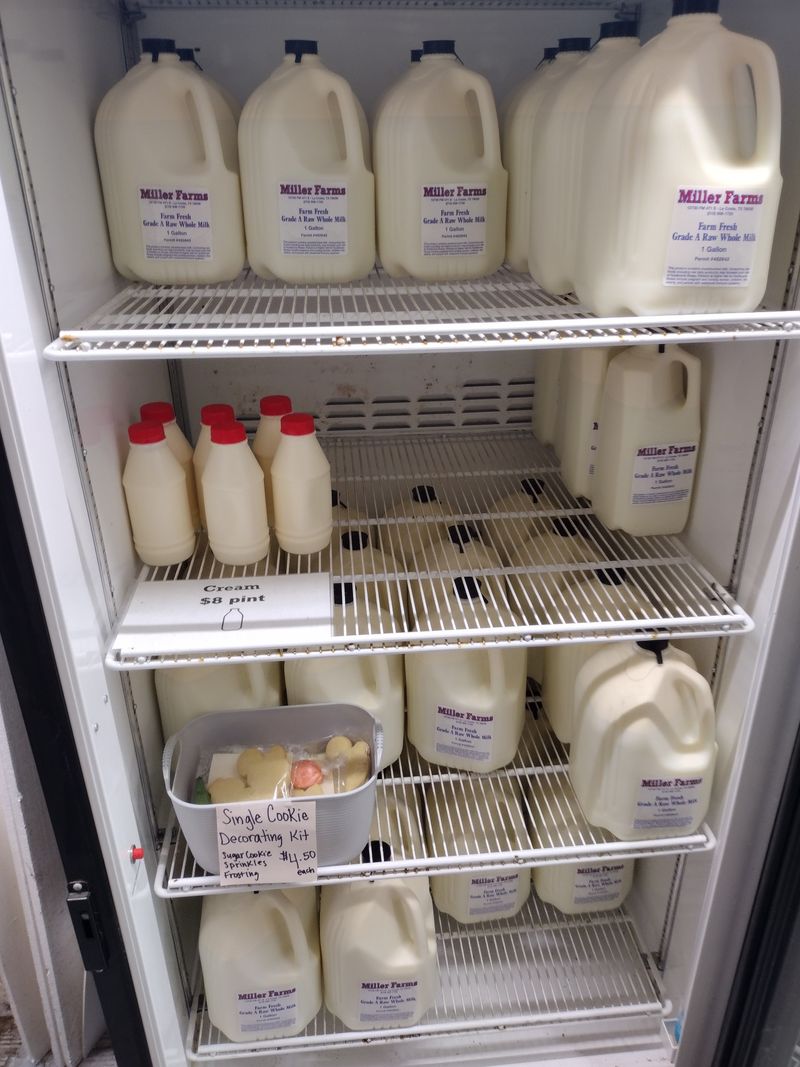
California permits raw milk sales but surrounds them with some of the nation’s strictest regulations and labeling requirements to warn consumers about potential risks.
Bottles must carry prominent warnings about the dangers of consuming unpasteurized dairy products, especially for children, pregnant women, and those with weakened immune systems.
Only licensed dairies meeting rigorous testing standards can sell raw milk, and regular inspections ensure these producers maintain proper sanitation and animal health protocols.
These rules attempt to balance consumer choice with public health concerns, since raw milk can harbor dangerous bacteria eliminated by pasteurization.
8. Shark Fin Ban Protects Ocean Wildlife

California banned the possession, sale, and distribution of shark fins in 2011, making it one of the first states to tackle this environmental issue.
The law targets the shark fin soup trade, which has devastated global shark populations through a practice called finning, where sharks are caught, their fins removed, and their bodies discarded.
Restaurants serving traditional Chinese cuisine had to remove this delicacy from their menus, despite some cultural pushback from communities where shark fin soup held ceremonial significance.
This bold regulation demonstrates California’s willingness to prioritize marine conservation over culinary traditions when species survival is at stake.
9. Caffeinated Drinks For Minors Get Limited

California restricts the sale of highly caffeinated beverages to children, recognizing that excessive caffeine consumption can harm developing bodies and minds.
The law specifically targets energy drinks and sodas with caffeine levels that could cause sleep problems, anxiety, and other health issues in young people.
Retailers must be mindful of these restrictions when selling to minors, though enforcement can vary depending on the specific product and caffeine content involved.
This regulation reflects growing awareness about how stimulants affect children differently than adults, prioritizing long-term health over unrestricted beverage access for kids.
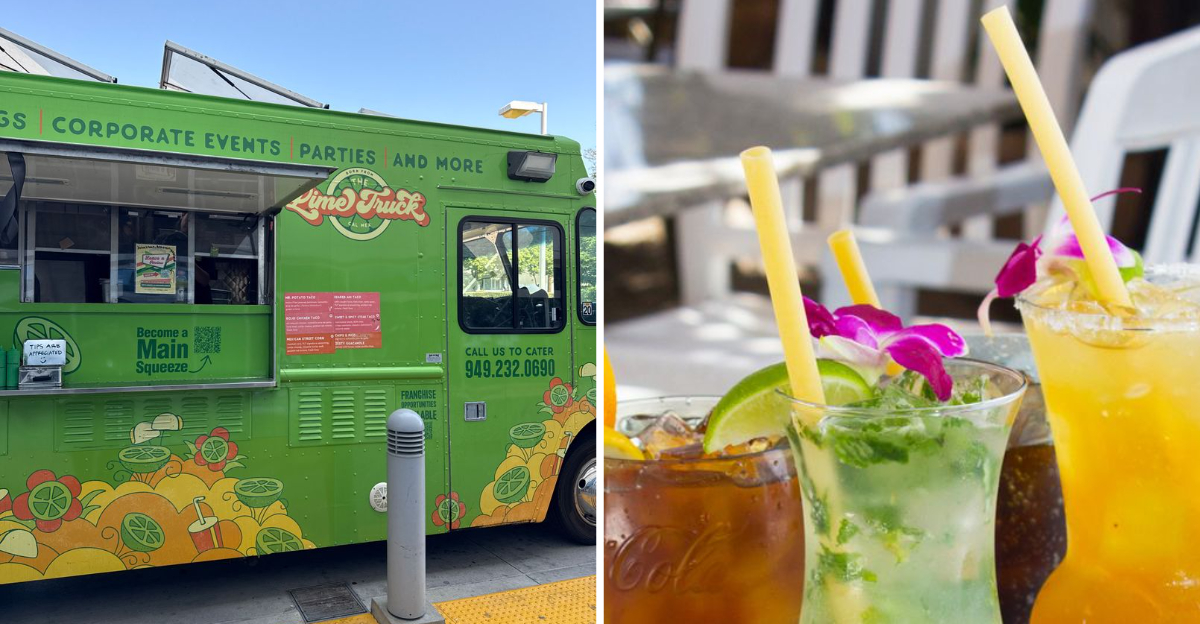
10. Food Trucks Need Multiple Permits
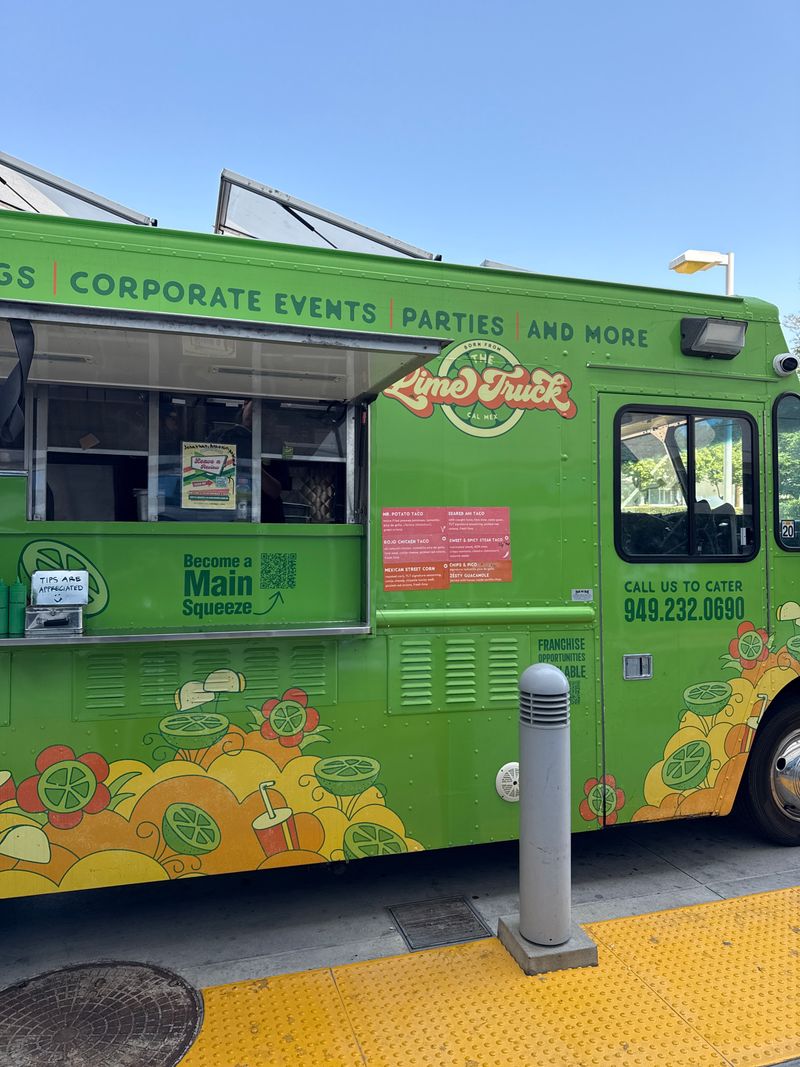
Operating a food truck in California requires navigating a complex web of permits, licenses, and regulations that vary by city and county.
Vendors need health permits, business licenses, parking permits, and sometimes special event permissions just to serve tacos or sandwiches from a mobile kitchen.
Each jurisdiction has its own rules about where trucks can park, how long they can stay, and what safety equipment they must have onboard.
These regulations ensure food safety and fair competition but can feel overwhelming for entrepreneurs trying to launch their mobile food dreams in the Golden State.
11. Calorie Counts Must Appear On Chain Menus

Chain restaurants in California must display calorie information directly on menus and menu boards, giving customers nutritional data before they order.
This requirement applies to restaurants with 20 or more locations, covering most fast-food chains and many casual dining establishments throughout the state.
The law aims to combat obesity and help people make more informed food choices by revealing just how many calories are in that double cheeseburger or loaded burrito.
While some diners ignore the numbers, others find this transparency helpful for managing their daily caloric intake and maintaining healthier eating patterns.
12. Plastic Straws Only Upon Request

California became one of the first states to restrict plastic straw distribution, requiring restaurants to provide them only when customers specifically ask.
The law addresses ocean pollution and plastic waste by reducing the automatic distribution of single-use straws that often end up in landfills and waterways.
Restaurants can still offer straws, but the request-only policy has significantly decreased overall straw usage and encouraged adoption of paper or reusable alternatives.
This seemingly small regulation represents California’s broader commitment to environmental protection and reducing unnecessary plastic consumption in everyday dining situations.
13. Hemp And CBD Products Face Gray Areas

California food and beverage businesses face confusing regulations around adding hemp-derived CBD to edibles, drinks, and other consumable products.
While hemp is federally legal, California health departments have issued guidance preventing restaurants from adding CBD to food until proper regulations are established.
Packaged CBD products sold in stores face different rules than restaurant preparations, creating a patchwork of enforcement that varies by county and city.
This regulatory uncertainty leaves many food entrepreneurs unsure whether they can legally incorporate CBD into their recipes, despite consumer demand for these products.
14. Farmers Market Vendors Need Special Certification

Selling food at California farmers markets requires special certification beyond regular business licenses, ensuring vendors meet agricultural and safety standards.
Certified producers must prove they actually grew or produced what they’re selling, preventing resellers from passing off wholesale goods as farm-fresh local products.
The regulations protect consumers who specifically shop at farmers markets to support local agriculture and get genuinely fresh, locally grown produce and goods.
These rules maintain the integrity of farmers markets throughout California, though they add another layer of bureaucracy for small-scale farmers and artisan food producers.