9 Unusual Georgia Museums That Are Far More Interesting Than You Might Expect
I judge a building by its parking lot, and this one told me absolutely nothing. Gravel, a faded sign, maybe six spaces total, the kind of place you drive past without a second thought.
Curiosity got the better of me anyway, and within minutes I stood surrounded by objects I could not explain and stories I never expected to hear. No gift shop, no crowd, just one strange collection after another built by people who clearly loved what they were doing.
Georgia hides places like this everywhere, small buildings holding oversized personalities and collections nobody bothers to advertise. I have learned that the plainest doors often lead to the best surprises.
Georgia keeps proving that theory correct, one odd little museum at a time. These eleven spots make the case better than I ever could.
1. Waffle House Museum, Decatur
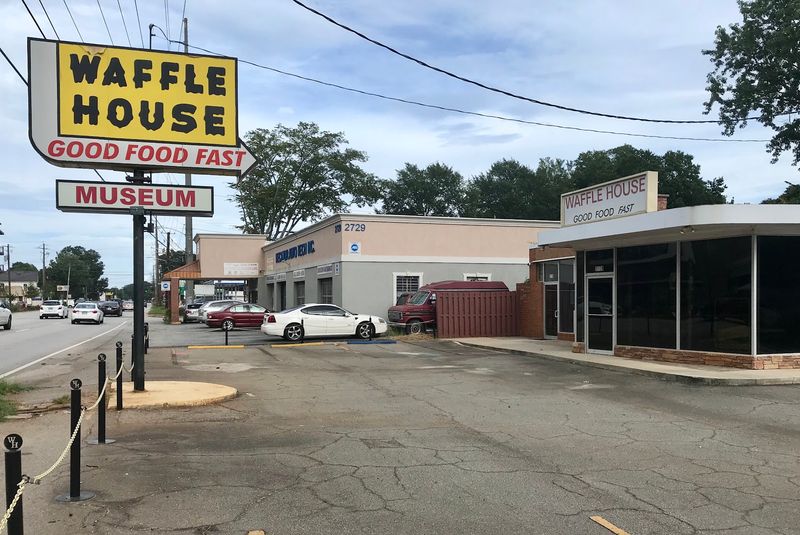
Scattered, smothered, and covered began somewhere, and that somewhere is a small building on East College Avenue. The very first Waffle House opened here on Labor Day weekend in 1955, launching a chain that would eventually become a Southern institution.
Founders Joe Rogers Sr. and Tom Forkner ran the place as a real restaurant for years, building the model that thousands of locations would later follow. The building later housed other businesses before the company bought it back and restored it in the mid-2000s, returning it to something close to its original form.
Inside, the dining room has been rebuilt to look like it did in 1955. Vintage menus, old uniforms, original dishware, and photographs fill the space, giving visitors a real sense of what the first customers actually experienced.
My favorite detail involves the Waffle House Index. Federal emergency agencies track whether locations stay open after hurricanes to gauge how badly an area was hit, a strange but oddly reliable measure of disaster impact.
Another piece of Georgia food history unfolded in Hapeville, where Chick-fil-A founder S. Truett Cathy developed his original chicken sandwich recipe.
Breakfast history and fast food history overlap more than you would guess in this one small area.
Planning matters here. The museum is not a working restaurant, and its guided tours for the remainder of 2026 are already fully booked.
Several open house events happen each year, and those are free and lively. Find it at 2719 E College Ave, Decatur, GA 30030.
2. Babyland General Hospital, Cleveland
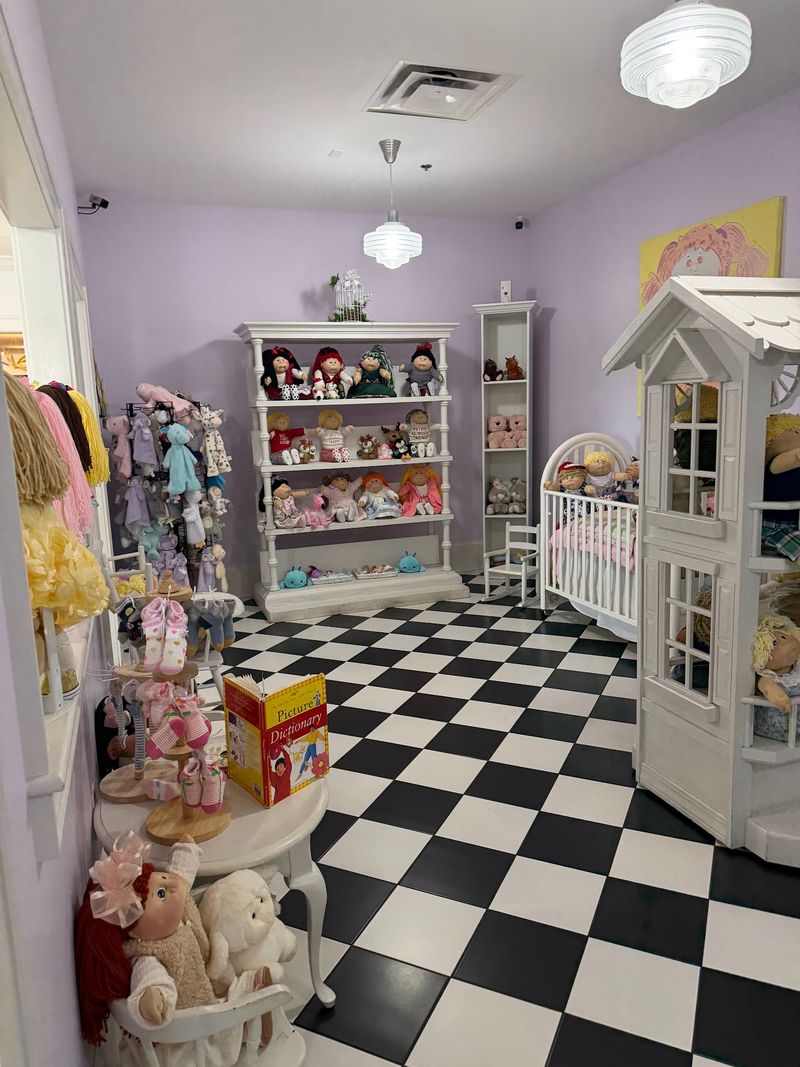
Picture a white mansion in the north mountains where nurses in scrubs care for dolls. That is the honest description of Babyland General Hospital.
Cabbage Patch Kids were born here, both literally and commercially. Artist Xavier Roberts began his soft sculpture babies in this part of the state, and the brand exploded in the 1980s.
The building looks like a grand country clinic. Rocking chairs, nursery rooms, and delivery areas fill the floors.
The main event is the Mother Cabbage tree. Staff members announce a birth, and visitors gather to watch a new doll arrive with plenty of theatrical flair.
Kids lose their minds over it. Adults who owned one in third grade get quietly emotional, which I found more charming than embarrassing.
Admission is free, which surprises almost everyone. You can adopt a doll, complete with paperwork and an oath, if the moment gets you.
Weekends draw crowds, so mornings are calmer. The grounds are pretty, and the drive through the hills makes a good half day.
The address is 300 NOK Dr, Cleveland, GA 30528. Bring a camera and low expectations for restraint.
3. The Foxfire Museum, Mountain City
A high school English class in the 1960s accidentally created one of the most important folk archives in the South. Students interviewed their grandparents about mountain life, and the Foxfire books followed.
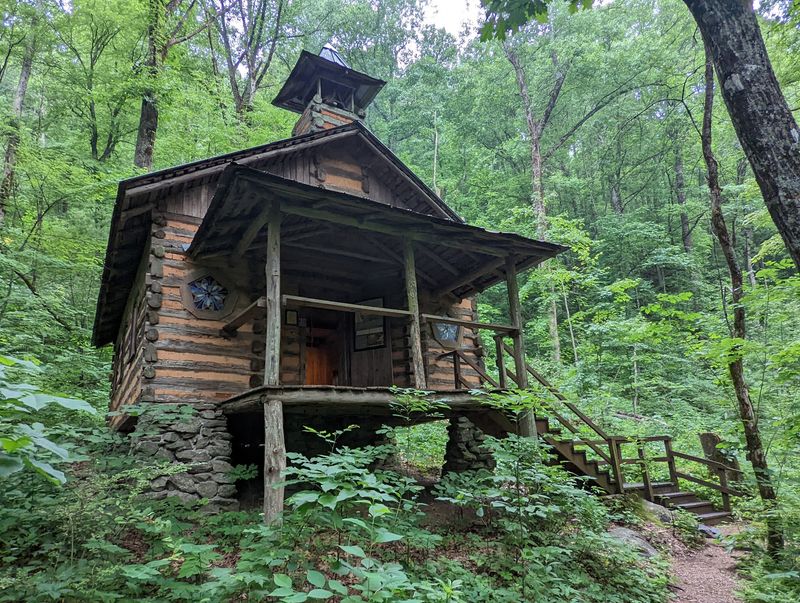
The museum grew out of that project. It sits on a wooded hillside with more than twenty historic Appalachian structures moved here and rebuilt.
You walk among log cabins, a chapel, a blacksmith shop, and a gristmill. Tools hang exactly where working hands once left them.
What makes the place different is the focus on skills. Basket weaving, soap making, wood joinery, and hide tanning all get explained in plain terms.
The trail is short but steep in spots. Sturdy shoes help more than you would think.
Guides here know the stories behind individual objects, not just general history. Ask about the chimney construction or the moonshine still exhibit and you will get a real answer.
Fall color makes the visit prettier, though spring is quieter. Craft classes run through the year for anyone who wants to try their hands.
Head to 98 Foxfire Ln, Mountain City, GA 30562, and allow ninety minutes minimum.
4. Ty Cobb Museum, Royston
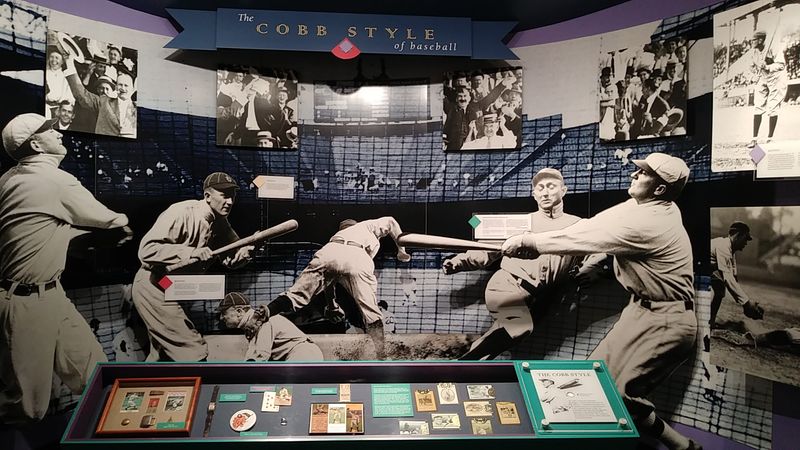
Baseball fans argue about Ty Cobb more than almost any player in history. His hometown museum handles that complicated legacy head on.
Cobb grew up in this small northeast community. He became one of the first five players inducted into the Baseball Hall of Fame in 1936.
The collection holds bats, gloves, uniforms, contracts, and photographs from the dead ball era. Seeing the actual equipment makes early baseball feel rougher and more physical.
His career batting average remains among the highest in Major League history. The exhibits explain how he played, not just how he scored.
There is a second story here that surprises people. Cobb funded a hospital and an education foundation that has sent thousands of students to college.
The museum sits inside a healthcare center, which feels odd until you learn that connection. A short film runs in a small theater and does a solid job of covering both sides of his reputation.
Admission is inexpensive, and the whole visit takes about an hour. Sports history buffs will linger longer.
You will find it at 461 Cook St, Royston, GA 30662.
5. Elberton Granite Museum, Elberton
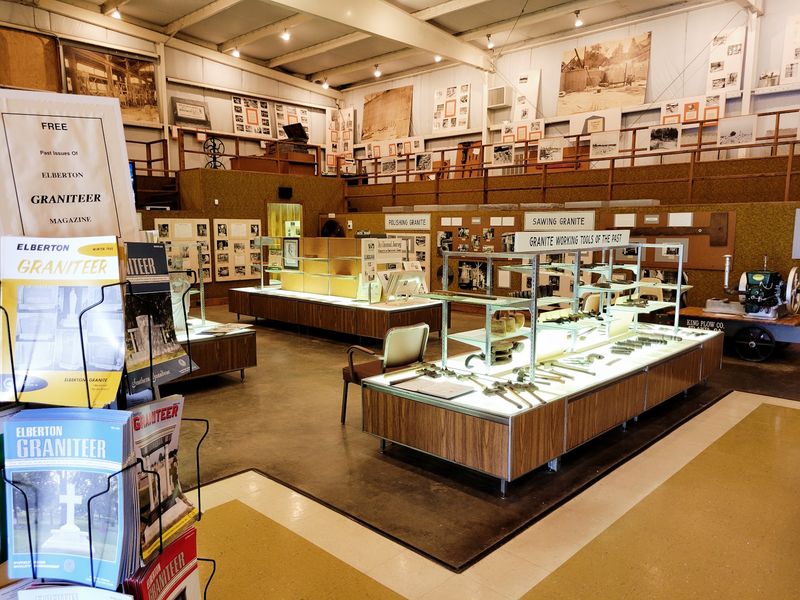
Rock does not sound thrilling until you see what people carve from it. Elberton calls itself the granite capital of the world, and the numbers back that claim.
Dozens of quarries and finishing plants operate around the town. Millions of tons of stone have shipped from this corner of the state.
The museum walks through the whole process. Drilling, splitting, hauling, polishing, and lettering each get their own explanation.
Old quarry tools sit beside modern diamond blades. The contrast shows just how brutal early stonework was.
Carved samples fill the exhibit hall, from delicate lettering to full sculptures. A monument shaped like a baseball player once stood in a local park and now draws smiles inside.
Displays also cover the Georgia Guidestones, the granite structure built nearby in 1980. The museum keeps records and photographs from that project.
Admission is free, which feels generous for the amount on display. Staff can point you toward quarry viewing spots around town.
Allow forty-five minutes, longer if you enjoy industrial history. Stop by 1 Granite Plaza, Elberton, GA 30635.
6. American Prohibition Museum, Savannah
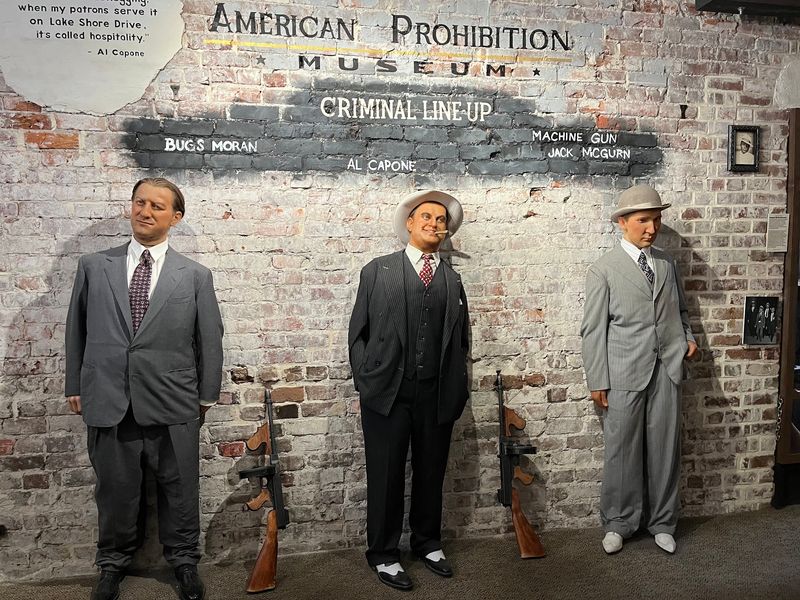
Wax figures, vintage cars, and 1920s storefronts fill a museum just off City Market. The subject is the era when America banned a product and created chaos instead.
The museum focuses on the social history of the 1920s. Temperance rallies, federal agents, smugglers, and jazz clubs all appear across the exhibits.
Costumed guides move through the rooms and stay in character. Their explanations make the timeline click faster than reading panels would.
Savannah played a real role in the story because of its port and coastline. Boats moved cargo along the marshes with impressive creativity.
Detail work impressed me most. A recreated street corner includes storefront windows, newspapers, and a period police vehicle.
Interactive elements keep teenagers engaged. Short films, photo backdrops, and speakeasy style rooms break up the reading.
Expect about ninety minutes for a full walkthrough. The location makes it easy to combine with a stroll through the historic squares.
Weekday afternoons are less crowded than weekends. The entrance sits at 209 W Saint Julian Street, Savannah, GA 31401, right in the middle of the busy district.
7. EXPEDITION:BIGFOOT! The Sasquatch Museum, Blue Ridge
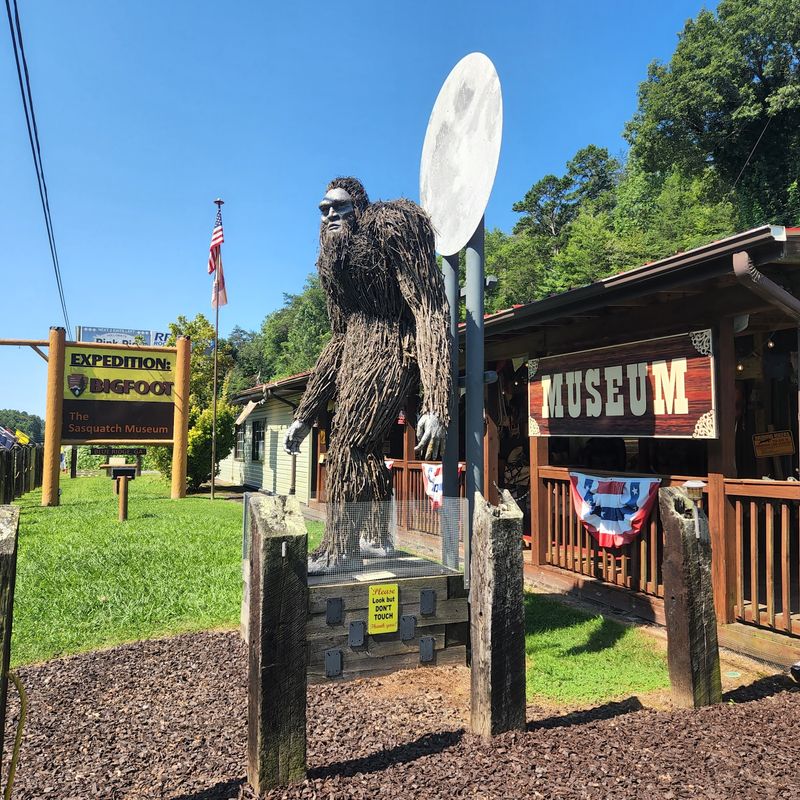
A museum devoted entirely to Sasquatch sounds like a joke until you walk through it. The collection here is organized, sourced, and genuinely fun, built by people who clearly take the subject more seriously than most visitors expect.
Plaster footprint casts fill display cases, gathered from across North America. Each one lists a location and date, turning the whole wall into a strange kind of travel log.
Research gear appears too, including trail cameras, thermal equipment, and audio recorders. The gear shows how seriously some people pursue this hobby, treating it more like fieldwork than folklore.
Maps track reported sightings by state, and the southern Appalachians light up more than skeptics expect. Believer or not, the pattern is interesting enough to make you pause and look closer.
A forest diorama with a life size figure makes an excellent photo. Kids treat it like a haunted house and adults grin the whole time, phones out before anyone even suggests it.
Newspaper clippings, books, and film analysis round out the exhibits. There is a section on the famous 1967 footage and the debate around it, presented with more nuance than you might expect.
The gift shop leans hard into humor, which fits the mood. Souvenirs are cheap and ridiculous in the best way.
Budget an hour. Blue Ridge has a walkable downtown nearby for lunch afterward.
Look for 1934 GA-515, Blue Ridge, GA 30513.
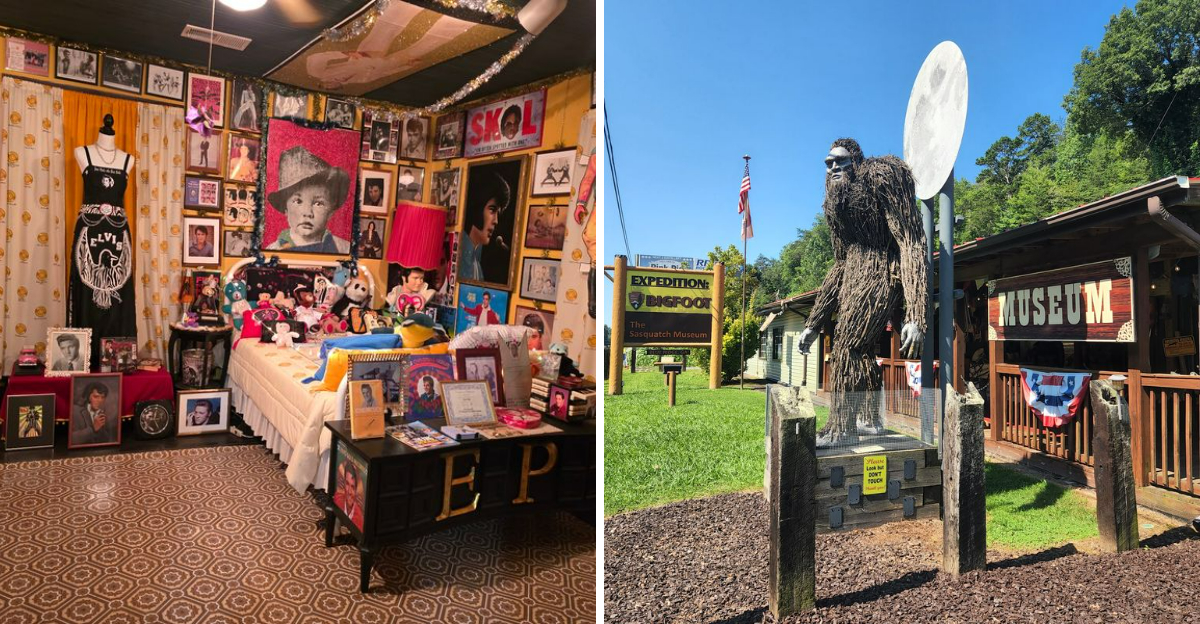
8. Loudermilk Boarding House & Everything Elvis Museum, Cornelia
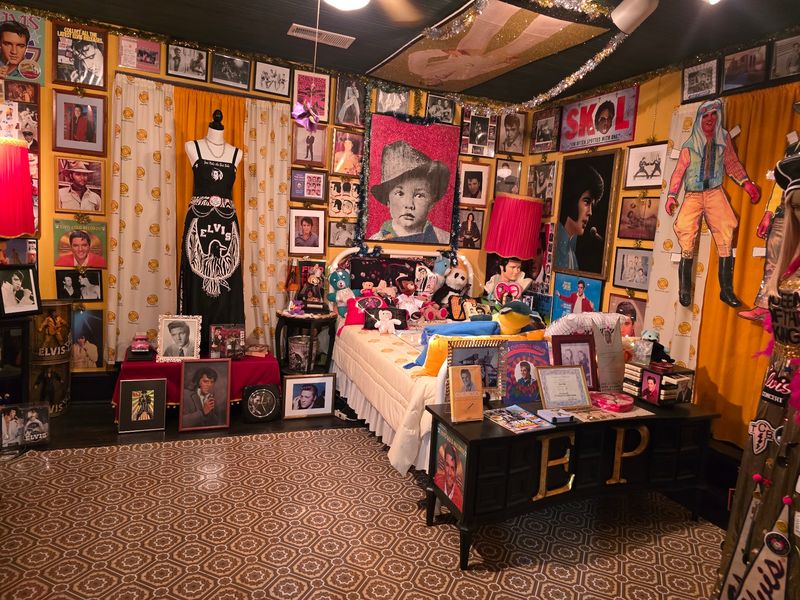
Two completely different museums share one address, and somehow the combination works. Upstairs, a restored boarding house from the early 1900s.
Downstairs, an enormous Elvis collection.
The house belonged to the family of songwriter John D. Loudermilk, who wrote hits recorded by major artists.
Period furniture, wallpaper, and household items fill the rooms.
The Elvis portion holds thousands of items gathered over decades. Records, concert photographs, clothing, jewelry, magazines, and personal memorabilia crowd every wall.
Some pieces came directly from people connected to the singer. Provenance is explained during the tour, item by item.
Guides run the visit personally, which keeps things lively. Questions get answered with detail rather than a script.
Tours are by appointment, so a phone call ahead is essential. Skipping that step means a locked door.
The mix of small town history and pop culture obsession makes it memorable. I left knowing more about north mountain life and 1950s music than I expected.
Set aside about an hour and a half. The property stands at 271 Fore Acre St, Cornelia, GA 30531.
9. Paradise Garden Foundation, Summerville
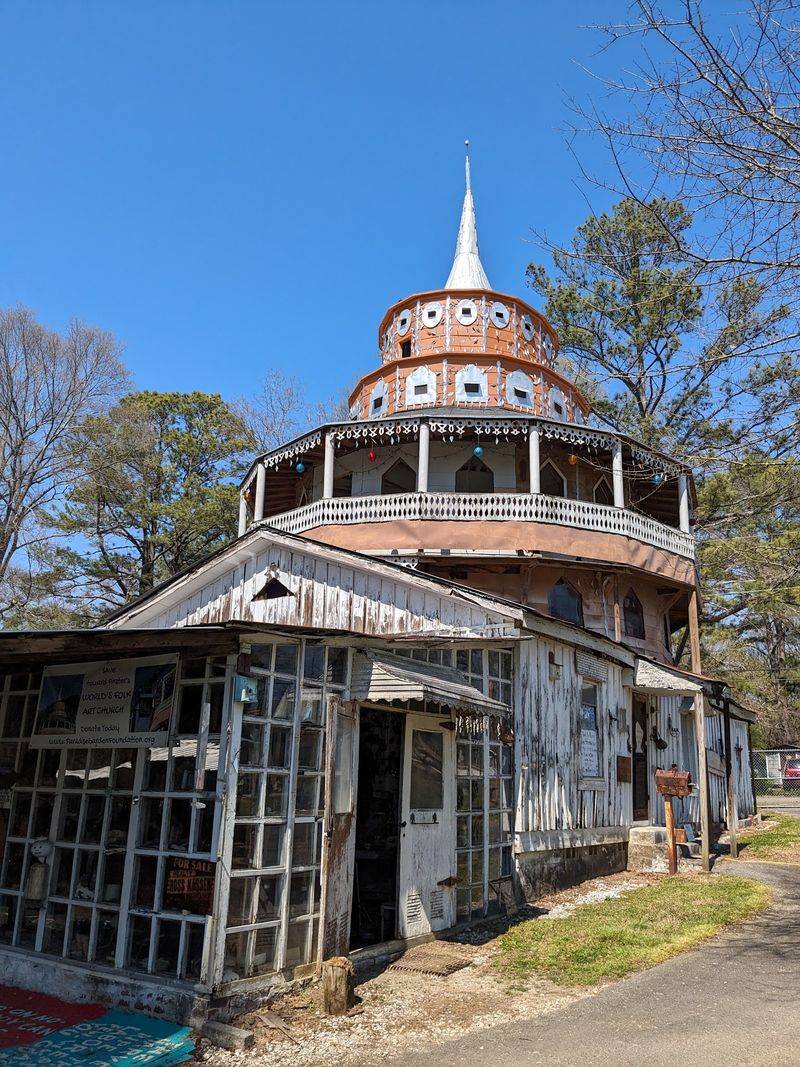
Imagine a few acres where every surface is painted, carved, or covered in mosaic, with barely an inch left untouched. Paradise Garden is the life work of folk artist Howard Finster, built piece by piece over decades with whatever materials happened to be nearby.
Finster built the place starting in the 1960s on swampy land behind his home, turning discarded scraps into something entirely his own. Bottles, mirrors, bicycle parts, and concrete became walkways, walls, and towers, each piece fitted into the next until the whole garden felt like one continuous thought.
His paintings became widely known in the 1980s, reaching far beyond the small town where he worked. Album covers for R.E.M. and Talking Heads carried his work to a huge audience, introducing his style to people who had never heard of Summerville.
The garden itself feels like walking through someone’s imagination, unpredictable at every turn. A five story structure, a chapel, and a bicycle tower anchor the grounds, each one stranger and more personal than the last.
Hand lettered messages cover almost everything, part scripture and part personal reflection. Reading them slowly is part of the experience, and rushing through means missing most of what makes this place special.
Restoration work continues, funded by admission and events. Seeing that effort up close adds meaning to the visit, knowing the garden survives because people keep choosing to preserve it.
A visitor center displays original artwork and explains his methods. Prints and folk art from other regional artists are available for anyone wanting to take a piece home.
Wear shoes you do not mind getting dusty. Paths are uneven and partly outdoors.
Ninety minutes is a comfortable visit. The entrance is at 200 N Lewis St, Summerville, GA 30747, and photography is welcome throughout.