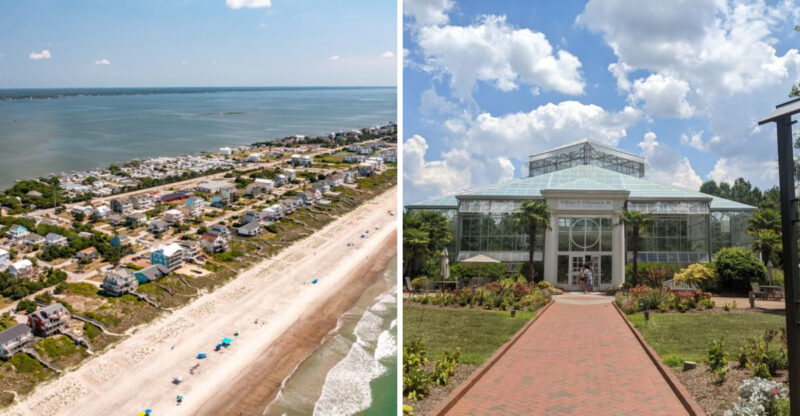
Vacation In Style: North Carolina’s Most Exciting Cities
North Carolina serves up an irresistible mix of charming mountain towns, sun-soaked coastal escapes, and lively cities buzzing with personality, making it a dream destination for every kind of traveler.
One day you might be strolling through historic neighborhoods rich with stories, and the next you’re kayaking along scenic waterways or hiking trails with jaw-dropping views.
From artsy streets and music-filled nights to beach breezes and Blue Ridge backdrops, the state’s cities offer adventure, relaxation, and surprise around every corner.
Add in crave-worthy Southern cuisine and warm local hospitality, and you’ve got destinations that don’t just fill your itinerary, they turn your vacation into something truly unforgettable.
1. Charlotte
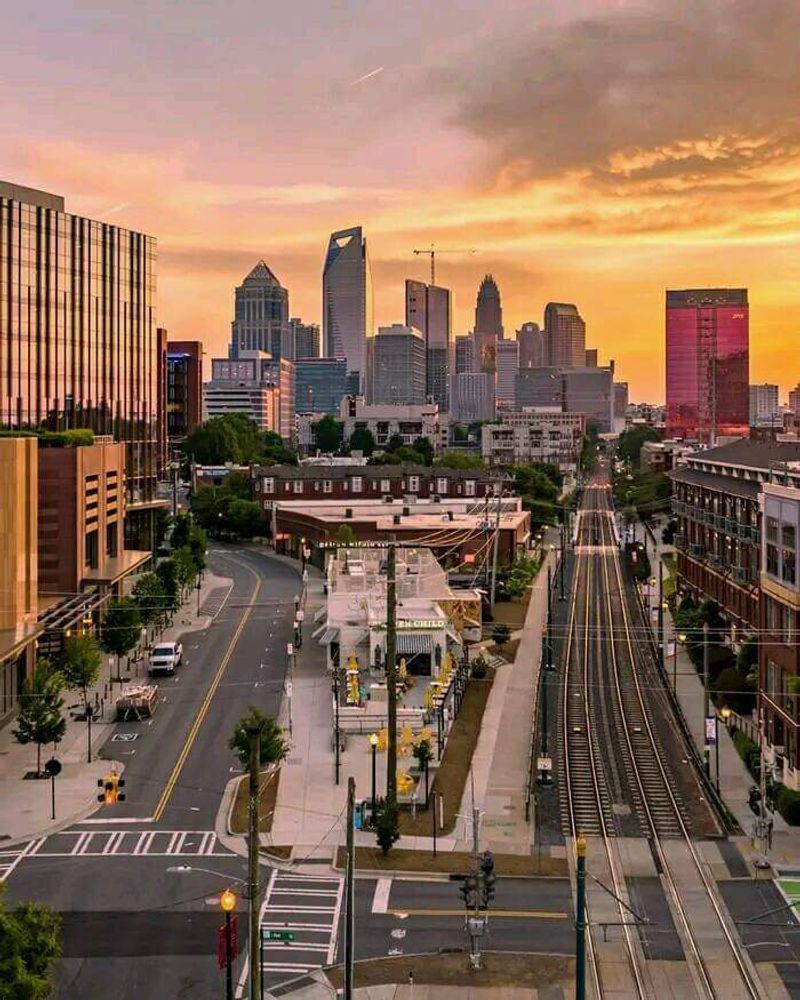
Picture skyscrapers gleaming under Carolina blue skies, and you’ve got the energy of this powerhouse metropolis. Charlotte pulses with life at every corner, from its sleek Uptown district to its creative NoDa neighborhood.
The NASCAR Hall of Fame sits proudly at 400 E M.L.K. Jr Blvd, Charlotte, offering interactive exhibits that bring racing history roaring to life.
Sports fans find their paradise here with the Panthers and Hornets delivering year-round excitement. The U.S.
National Whitewater Center at 5000 Whitewater Center Parkway transforms adventure seekers into rapids-riding enthusiasts within minutes. Restaurants span every cuisine imaginable, with food halls like 7th Street Public Market at 224 East 7th Street showcasing local flavors.
Art installations pop up in unexpected places throughout the city, turning ordinary walks into gallery experiences. The Levine Museum of the New South at 401 S Tryon Street tells compelling stories about regional transformation.
Freedom Park offers 98 acres of green space where locals jog, picnic, and paddle boat.
Charlotte’s growth never stops, yet it maintains a welcoming Southern hospitality that makes visitors feel instantly at home. Every neighborhood reveals something different, keeping exploration fresh and exciting.
2. Raleigh
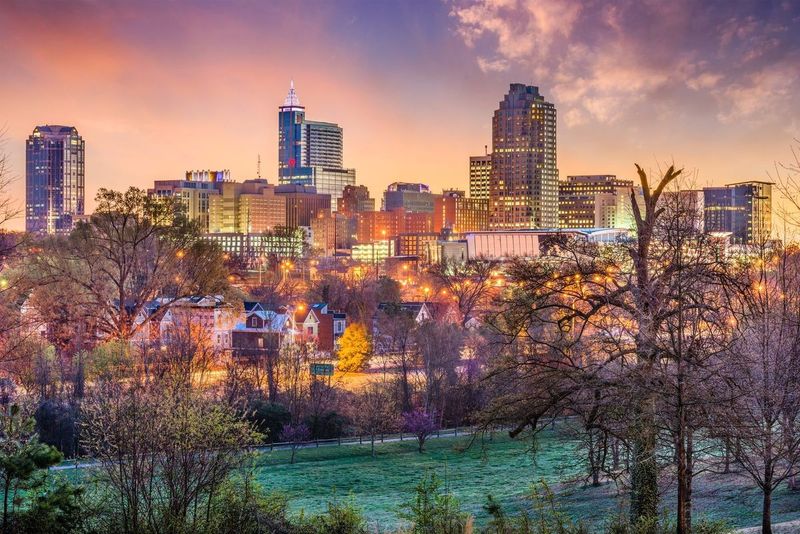
Sprawling oak trees shade streets where history and innovation walk hand in hand through the state capital. Raleigh combines Southern tradition with cutting-edge research, creating a city that honors its past while building its future.
The North Carolina Museum of Natural Sciences at 11 West Jones Street captivates visitors with massive dinosaur skeletons and living conservatories teeming with butterflies.
Downtown buzzes with energy as food trucks park alongside James Beard-nominated restaurants, offering everything from Korean tacos to traditional barbecue. The Historic Oakwood neighborhood showcases Victorian homes painted in cheerful colors that transport you back to the 1800s.
Pullen Park at 520 Ashe Avenue claims the title of one of America’s oldest amusement parks, with a carousel that’s delighted children since 1921.
The Research Triangle surrounds the city, bringing world-class minds and innovative companies that fuel economic growth. Farmers’ markets overflow with local produce every weekend, connecting urban dwellers to North Carolina’s agricultural roots.
Museums dot the landscape, many offering free admission that makes culture accessible to everyone.
Raleigh’s tree-lined streets create a canopy that cools summer strolls and frames autumn in golden hues. This city rewards curiosity with discoveries around every corner.
3. Durham
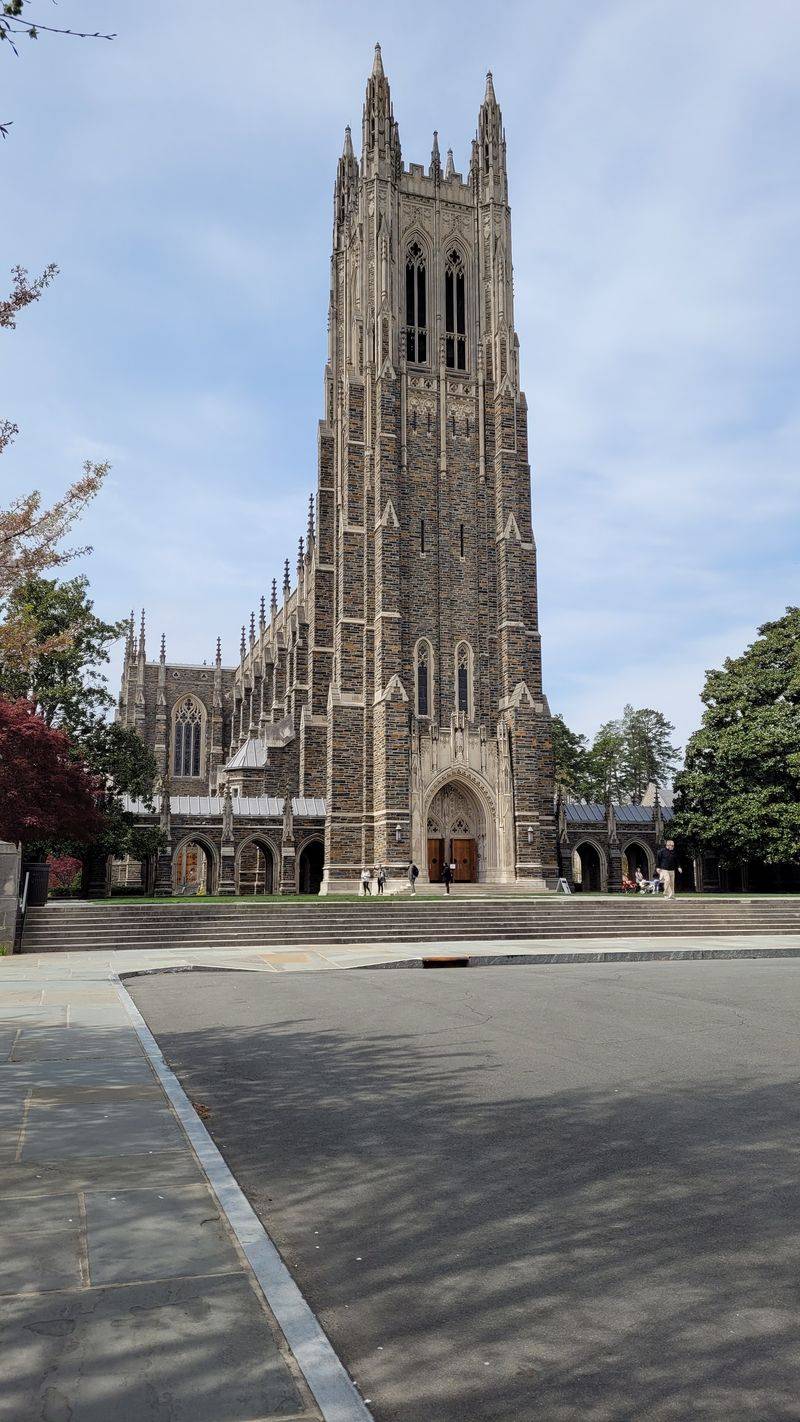
Tobacco warehouses transformed into trendy restaurants tell the story of reinvention that defines this creative powerhouse. Durham has shed its industrial past to become a cultural hotspot where artists, scientists, and food lovers converge.
The American Tobacco Campus at 300 Blackwell St #104, stands as a testament to adaptive reuse, with brick buildings now housing offices, eateries, and event spaces overlooking a scenic plaza.
Duke University’s Gothic architecture creates a campus that feels transplanted from Europe, with Duke Chapel’s 210-foot tower visible from miles away. The Durham Bulls Athletic Park brings baseball magic to life, inspiring the beloved film that put minor league charm on the map.
Food trucks cluster around downtown, serving inventive dishes that reflect the city’s diverse population.
Museums like the Nasher Museum of Art at 2001 Campus Drive showcase contemporary works alongside ancient artifacts. The city’s craft beverage scene thrives in former industrial spaces where creativity flows as freely as the locally-made drinks.
Community gardens and urban farms dot neighborhoods, connecting residents to sustainable food sources.
Durham’s gritty-yet-sophisticated vibe attracts people who appreciate authenticity over polish. This city proves that transformation doesn’t mean forgetting your roots.
4. Wilmington
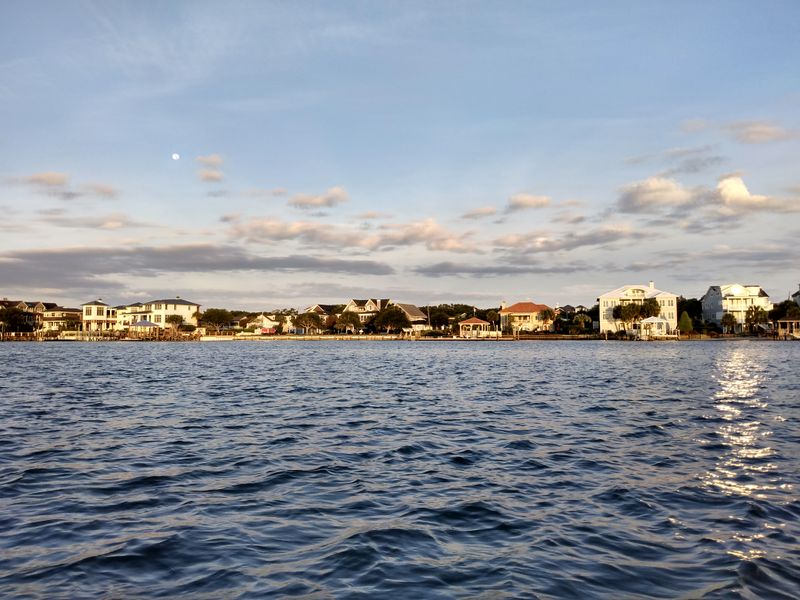
Salt air mingles with the scent of magnolias in this riverside city where history flows as steadily as the Cape Fear River. Wilmington charms visitors with cobblestone streets, antebellum homes, and a waterfront that begs for sunset strolls.
The Riverwalk stretches along the water at Water Street, connecting restaurants, shops, and historic sites in a mile-long pedestrian paradise.
Battleship North Carolina sits permanently docked at 1 Battleship Road, offering self-guided tours through nine decks of World War II history. The historic district preserves hundreds of buildings from the 1800s, their pastel facades creating a photographer’s dream backdrop.
Wrightsville Beach lies just minutes away, delivering perfect waves for surfers and calm shores for families.
Film crews frequently choose Wilmington as their production location, earning it the nickname “Hollywood East” with Screen Gems Studios at 1223 North 23rd Street. Seafood restaurants serve catches so fresh they were swimming that morning, prepared with recipes passed down through generations.
Airlie Gardens at 300 Airlie Road explodes with azaleas each spring, transforming 67 acres into a floral wonderland.
Ghost tours wind through shadowy streets after dark, sharing tales that make even skeptics glance over their shoulders. Wilmington balances relaxation with adventure in perfect coastal harmony.
5. Asheville
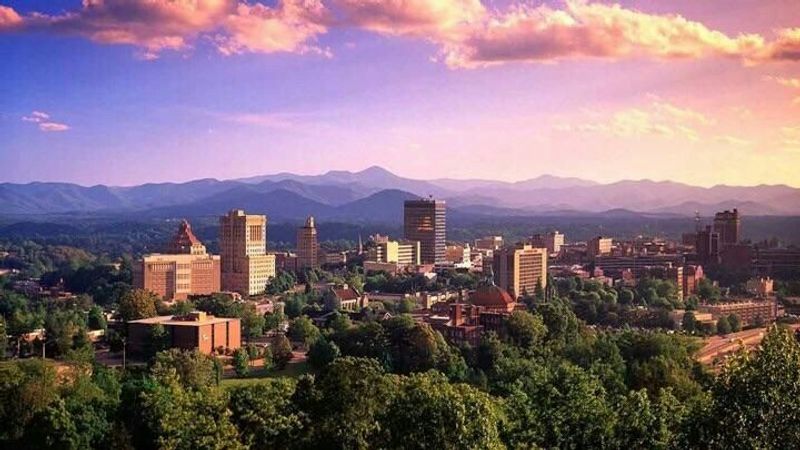
Mountains embrace this bohemian mountain town where creativity flourishes in the crisp alpine air. Asheville has earned a reputation as an artistic haven, attracting musicians, painters, and free spirits who thrive on its eclectic energy.
The Biltmore Estate at 1 Lodge Street stands as America’s largest privately-owned home, with 250 rooms showcasing Gilded Age opulence across 8,000 acres of manicured grounds.
Downtown streets come alive with buskers performing everything from bluegrass to jazz while galleries display works by local artisans. The River Arts District transforms former industrial buildings into working studios where visitors watch artists create pottery, paintings, and sculptures.
Restaurants emphasize farm-to-table dining, with menus changing seasonally to highlight ingredients from nearby mountain farms.
Hiking trails radiate from the city in every direction, leading to waterfalls, panoramic overlooks, and quiet forest glens. The Blue Ridge Parkway winds through the mountains just outside town, offering America’s favorite scenic drive right at Asheville’s doorstep.
Craft beverage makers have turned the city into a destination for those seeking locally-produced drinks made with mountain water.
Street drummers perform impromptu concerts in Pritchard Park, creating rhythms that echo off surrounding buildings. Asheville’s mountain magic casts a spell that keeps visitors returning year after year.
6. Greensboro
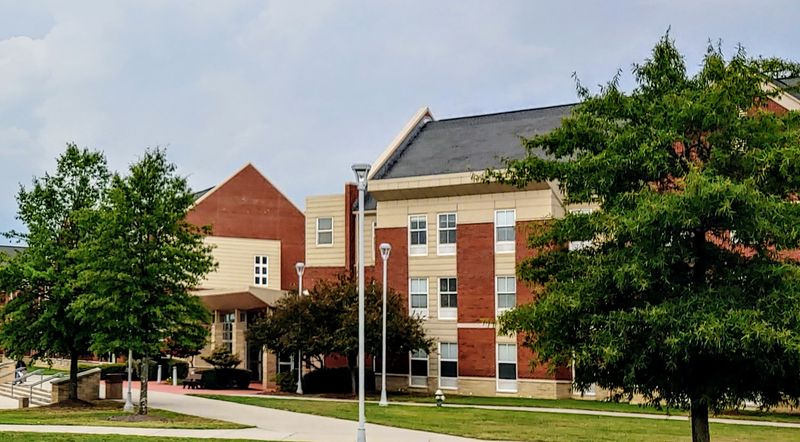
Civil rights history resonates powerfully through this Piedmont city where four college students sparked a movement. Greensboro honors its pivotal role in American history while building a future focused on education and innovation.
The International Civil Rights Center & Museum at 134 South Elm Street preserves the original Woolworth’s lunch counter where the 1960 sit-ins began, offering powerful exhibits that educate and inspire.
Parks blanket the city with over 3,000 acres of green space, including the Greensboro Science Center at 4301 Lawndale Drive, combining aquarium, zoo, and museum under one admission. The Greensboro Coliseum Complex hosts everything from concerts to sporting events, bringing world-class entertainment to the Triad region.
Downtown’s revitalization has attracted restaurants and breweries that breathe new life into historic buildings.
The Bog Garden at 1101 Hobbs Road offers a peaceful boardwalk through wetlands where turtles sun themselves, and birds nest in the reeds. Universities dot the landscape, creating a youthful energy that keeps the city progressive and forward-thinking.
Sculpture gardens and public art installations turn ordinary spaces into outdoor galleries.
Greensboro’s central location makes it an ideal base for exploring North Carolina’s diverse regions. This city proves that honoring the past and embracing the future aren’t mutually exclusive goals.
7. Chapel Hill
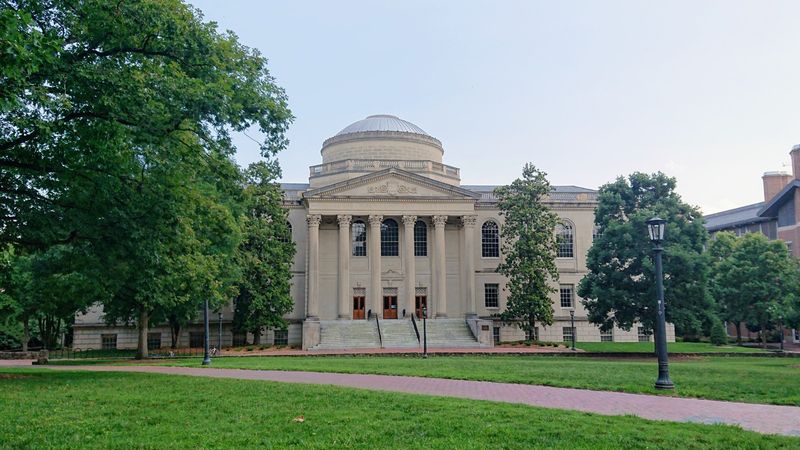
College town charm permeates every brick-lined street in this intellectual hub where Tar Heel pride runs deep. Chapel Hill revolves around the University of North Carolina, with campus landmarks like the Old Well at Cameron Avenue and Columbia Street serving as the town’s symbolic heart.
Franklin Street forms the main artery, packed with bookstores, restaurants, and music venues that have launched countless careers.
The Morehead Planetarium at 250 East Franklin Street once trained astronauts and now transports visitors across the cosmos through immersive shows. Basketball reigns supreme here, with the Dean Smith Center at 300 Skipper Bowles Drive hosting games that feel more like religious experiences than sporting events.
Restaurants range from hole-in-the-wall favorites to upscale dining, all benefiting from a student population that demands quality and affordability.
The North Carolina Botanical Garden at 100 Old Mason Farm Road showcases native plants across 700 acres of preserved land. Live music spills from venues almost nightly, continuing a tradition that’s made Chapel Hill a launching pad for Southern musicians.
Coffee shops fill with students debating philosophy, writing novels, and solving complex equations.
Tree-covered quads provide perfect spots for reading, napping, or tossing frisbees on sunny afternoons. Chapel Hill’s intellectual energy creates an atmosphere where ideas matter, and conversations run deep.
8. Fayetteville
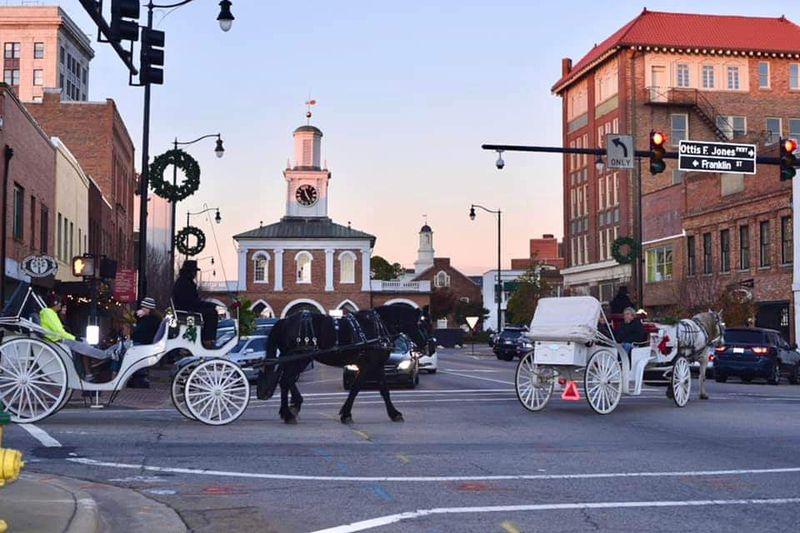
Military heritage runs through the veins of this city where patriotism and Southern hospitality blend seamlessly. Fayetteville sits adjacent to Fort Liberty (formerly Fort Bragg), creating a community deeply connected to service members and their families.
The Airborne & Special Operations Museum at 100 Bragg Boulevard offers free admission to world-class exhibits honoring elite military units through interactive displays and authentic artifacts.
Downtown’s revitalization brings new restaurants and entertainment venues to historic buildings along Hay Street and Person Street. The Cape Fear River winds through the city, with the Cape Fear Botanical Garden at 536 North Eastern Boulevard showcasing regional plants across 80 acres of landscaped grounds.
Festival Park hosts events throughout the year, from outdoor concerts to cultural celebrations that bring the community together.
The Fayetteville Area Transportation and Local History Museum at 325 Franklin Street preserves the city’s past through fascinating collections. Parks and trails provide recreational opportunities for active families, with Arnette Park at 2165 Wilmington Hwy, Fayetteville, offering playgrounds, sports fields, and picnic areas.
The Cameo Art House Theatre at 225 Hay Street screens independent films and hosts live performances.
Fayetteville’s military connection creates a transient population that keeps the city diverse and welcoming to newcomers. This community honors service while building a vibrant civilian identity all its own.
9. High Point
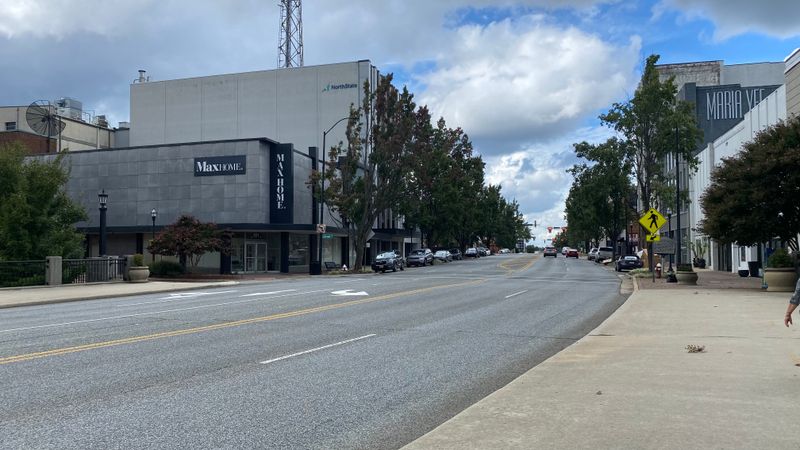
Furniture showrooms stretch for miles in this city that’s built its identity on craftsmanship and design. High Point earns its title as the “Furniture Capital of the World” through the massive High Point Market at 164 South Main Street, attracting designers and retailers from across the globe twice annually.
Outside market season, many showrooms open to the public, offering designer pieces at factory-direct prices.
The city doesn’t live on furniture alone, with attractions like the High Point City Lake Park at 602 West Main Street providing 355 acres for hiking, fishing, and paddling. Downtown’s revitalization brings murals and public art that transform ordinary buildings into canvases celebrating local culture.
The High Point Museum at 1859 East Lexington Avenue preserves regional history through exhibits covering everything from Native American heritage to textile mills.
The World’s Largest Chest of Drawers stands at 508 North Hamilton Street, a quirky roadside attraction that perfectly captures the city’s furniture obsession. Restaurants reflect the international visitors who flood the city during the market, offering diverse cuisines alongside Southern classics.
Parks and greenways connect neighborhoods, encouraging walking and biking throughout the community.
High Point proves that a city can build prosperity on a single industry while maintaining diverse appeal. This community takes pride in its craftsmanship heritage while welcoming visitors year-round.
10. Gastonia
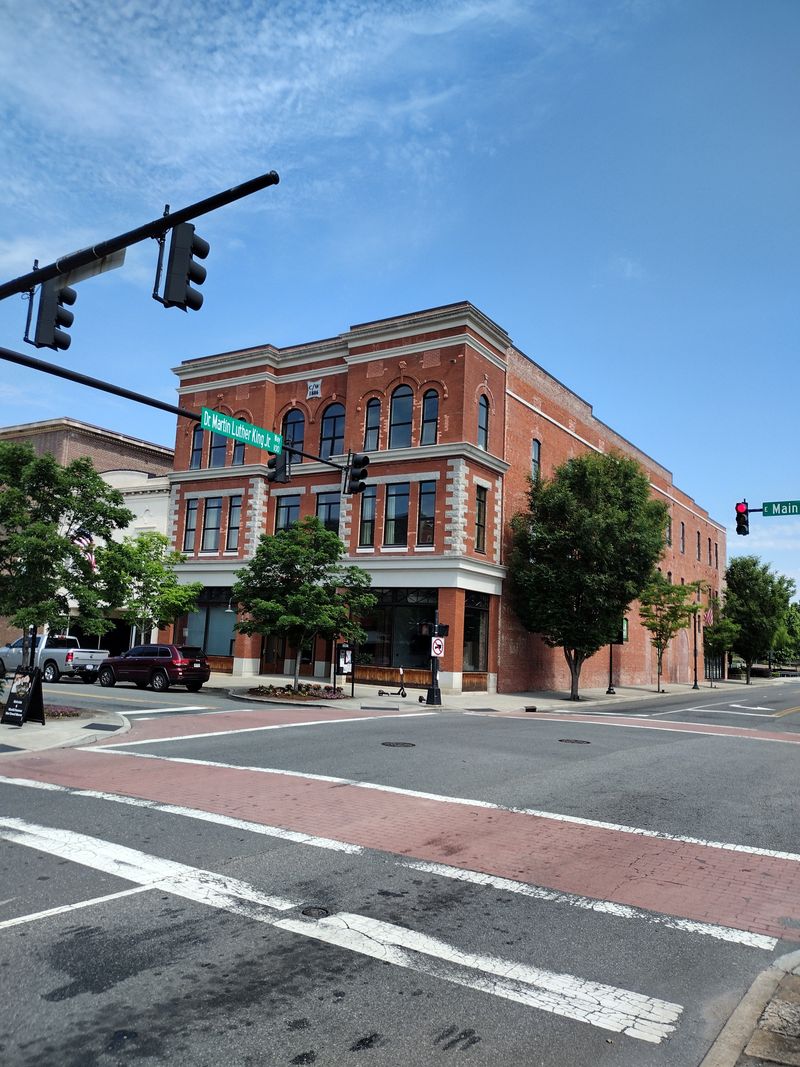
Textile mill history meets modern suburban living in this city that’s successfully transitioned from its industrial past to a diverse present. Gastonia sits just west of Charlotte, offering small-town charm with big-city access within a short drive.
The Schiele Museum of Natural History at 1500 East Garrison Boulevard impresses with its planetarium, nature trails, and exhibits covering everything from dinosaurs to Native American cultures.
Downtown’s Main Avenue has experienced a renaissance, with restored buildings now housing locally-owned restaurants, boutiques, and coffee shops. The U.S.
National Whitewater Center lies nearby, making Gastonia an ideal base for adventure seekers who prefer quieter accommodations. Parks like Rankin Lake Park offer fishing, paddle boats, and picnic areas perfect for family outings.
The CaroMont Regional Medical Center anchors the city as a major employer, bringing healthcare professionals from diverse backgrounds. Historic mill villages preserve architecture from Gastonia’s textile heyday, with renovated mill houses now serving as desirable residences.
Community events like the Friday Night Concert Series bring neighbors together for free entertainment.
Gastonia’s proximity to Charlotte International Airport makes it convenient for travelers while maintaining affordable accommodations and lower costs. This city offers the perfect balance for visitors wanting urban access without urban prices or crowds.
11. Jacksonville
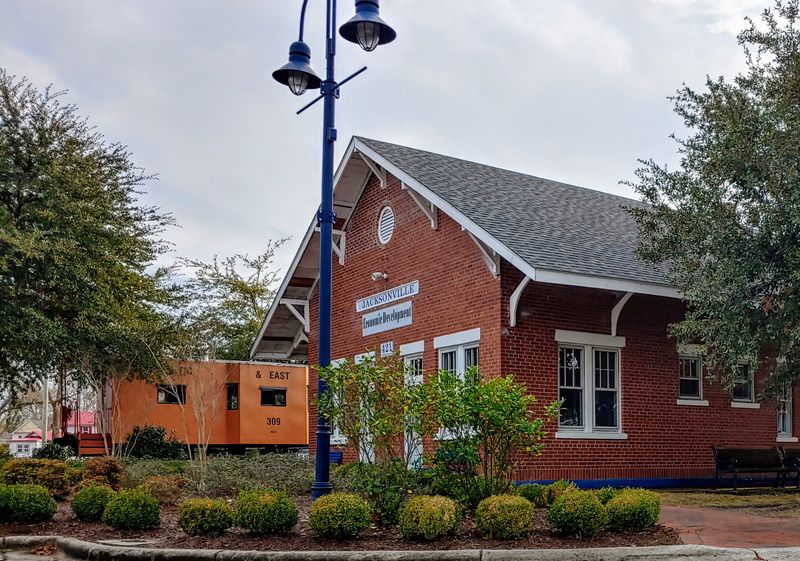
Coastal breezes carry the sound of military helicopters over this city where Marine Corps culture shapes daily life. Jacksonville sits adjacent to Camp Lejeune, creating a community that understands sacrifice and service at its core.
The Lejeune Memorial Gardens at Marine Boulevard honors fallen Marines with a peaceful setting featuring monuments, reflecting pools, and meticulously maintained grounds that inspire quiet reflection.
New River offers access to coastal waterways perfect for kayaking, fishing, and exploring marshlands teeming with wildlife. Downtown’s revitalization brings new energy to Court Street, with restaurants and shops catering to young military families.
The Onslow County Museum at 301 South Wilmington Street preserves local history through exhibits covering Native American settlements through modern military presence.
Beaches lie within easy reach, with Onslow Beach on base and public beaches nearby offering Atlantic Ocean access. The city’s transient military population creates a welcoming atmosphere for newcomers, with established residents understanding the challenges of frequent moves.
Parks and recreational facilities serve active families who appreciate outdoor activities year-round.
Jacksonville may not top typical tourist lists, but its authentic military community offers visitors a glimpse into a lifestyle centered on service. The genuine hospitality here stems from people who understand what it means to be far from home.
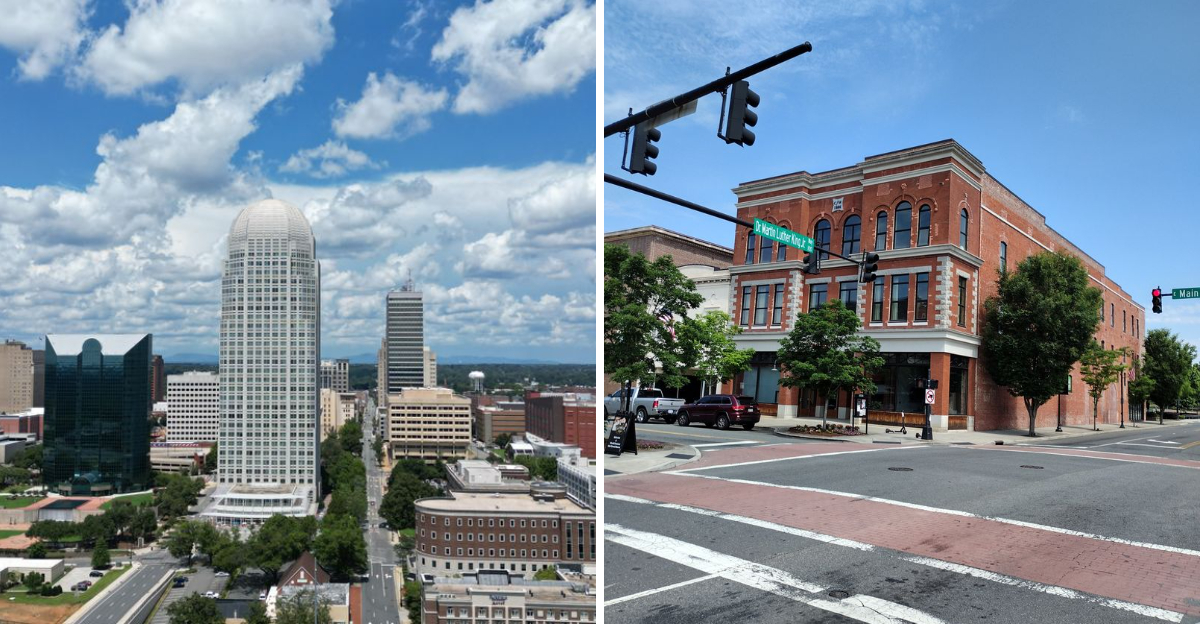
12. Winston-Salem
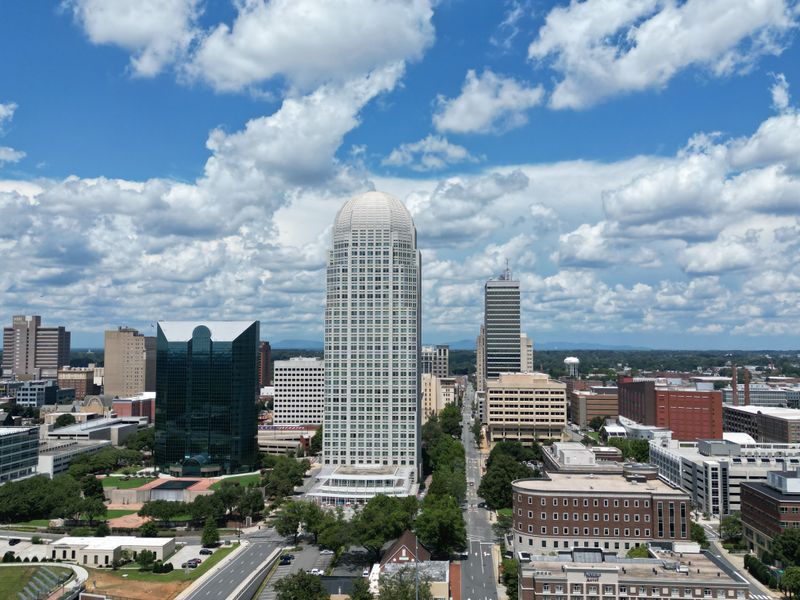
Moravian heritage blends with tobacco history in this Twin City, where tradition and innovation create unexpected harmony. Winston-Salem preserves its past through Old Salem Museums & Gardens at 900 Old Salem Road, where costumed interpreters demonstrate 18th-century trades in authentically restored buildings.
The aroma of sugar cookies baked in a wood-fired oven draws visitors to Winkler Bakery, continuing a tradition that’s delighted taste buds since 1800.
Reynolda House Museum of American Art at 2250 Reynolda Road showcases masterpieces within a preserved country estate that once belonged to tobacco magnate R.J. Reynolds.
Downtown’s Arts District thrives with galleries, studios, and performance spaces that have earned the city recognition as a cultural destination. The Innovation Quarter transforms former tobacco factories into research facilities, bringing cutting-edge science to historic spaces.
Pilot Mountain State Park lies just outside the city, offering hiking trails and rock climbing on the distinctive peak visible for miles. Local restaurants serve Moravian chicken pie and other regional specialties alongside contemporary farm-to-table cuisine.
Community festivals celebrate everything from film to food, drawing crowds throughout the year.
Winston-Salem’s dual identity creates fascinating contrasts at every turn, where preserved history meets forward-thinking innovation. This city rewards visitors who appreciate complexity and layers of meaning beneath the surface.