Vacuums From The 1800s Fill An Entire Idaho Museum Built Around The History Of Cleaning
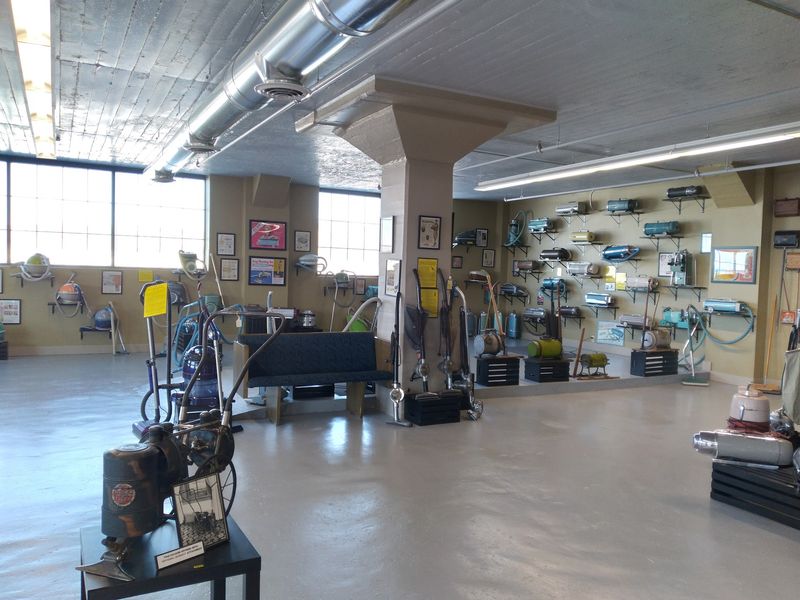
Somewhere in Idaho sits a carpet sweeper patented in 1860, and it’s believed to be the only one of its kind left. It shares a building with nearly a thousand vintage vacuums.
Some are older than the light bulb.
The collection runs from 1869 to 1969. There’s a hand-cranked machine called The Whirlwind, and only three are known to exist.
There’s also an elephant built entirely from old vacuum parts.
I love that one man’s passion for tidiness grew into a full museum campus. It has a three-story kids zone, toilets with stories, and a 20-foot janitor statue.
Honestly, I can’t imagine a better excuse to finally respect your own vacuum.
So how did a love of clean floors become one of the quirkiest stops in southeastern Idaho? The answer starts with a teenager and a mop.
A Whole Museum Devoted To Getting Things Spotless
Dust bunnies have a nemesis in southeastern Idaho. The Museum of Clean in Pocatello celebrates the tools, history, and ideas behind keeping things tidy.
The campus covers roughly 74,000 square feet. That’s a lot of floor space for a subject most of us dodge every Saturday morning.
Inside, the exhibits trace how people scrubbed, swept, and washed across centuries. You’ll find brooms, tubs, washing machines, irons, soap, and toilets with surprisingly colorful backstories.
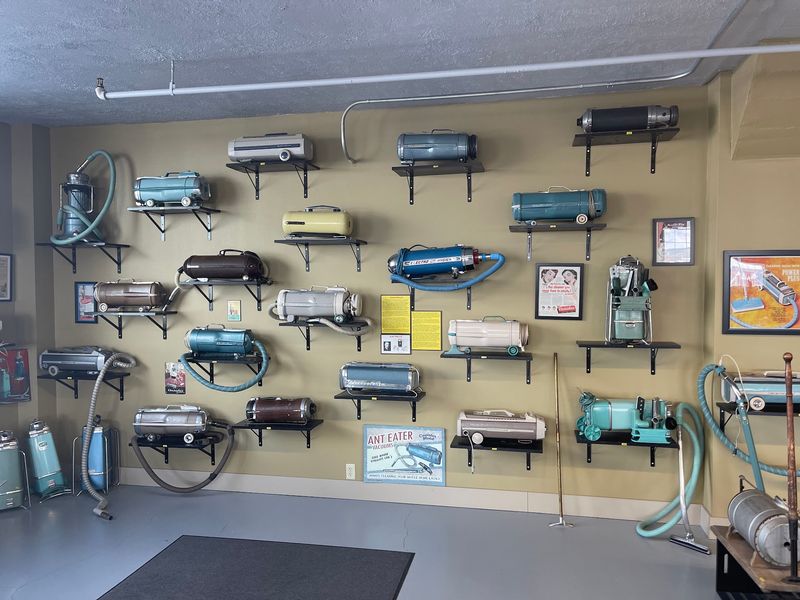
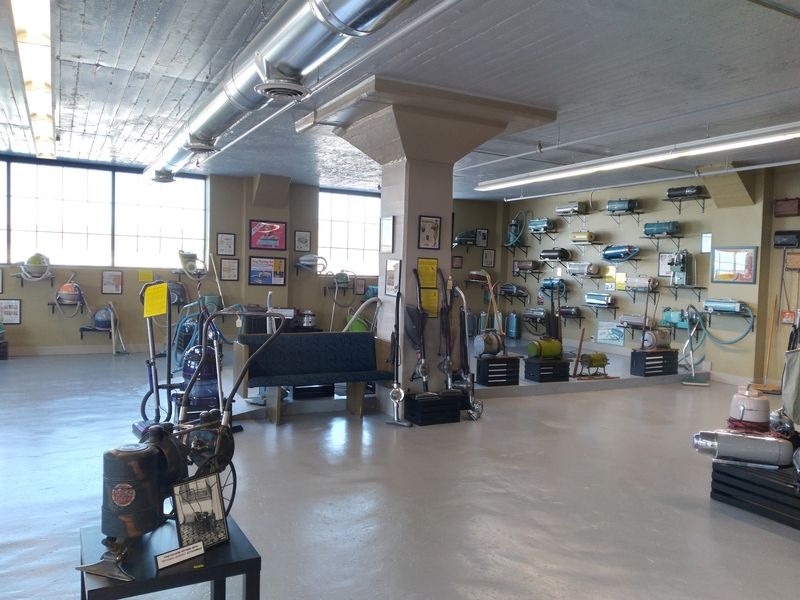
The star attraction, though, is the vacuum collection. Nearly a thousand machines show how suction went from muscle-powered gadgets to electric household staples.
Pocatello sits in the heart of southeastern Idaho, right off Interstate 15. The museum makes an easy stop for families crossing the Snake River Plain or anyone exploring the Portneuf Valley.
It’s playful without being silly. The descriptions lean funny, and the displays mix history with humor in a way that keeps grown-ups reading.
Kids get plenty to do as well. Several floors offer hands-on play, so younger visitors aren’t stuck staring at glass cases for long.
For a place built around chores, it’s oddly hard to leave. That might be the cleverest trick in the building.
The Teenage Janitor Who Became The King Of Clean
Don Aslett started a cleaning business at just eighteen. That company, Varsity Contractors, grew into a major commercial cleaning operation.
Along the way, Aslett became a bestselling author on decluttering and housekeeping. Fans started calling him the King of Clean, and the nickname stuck.
His collection began with cleaning supplies. Eventually he owned around 250 pre-electric vacuums, which is far more than any closet could hold.
So he built a home for them. The Museum of Clean opened in 2011 as a monument to his lifelong fascination with order and hygiene.
Aslett believed clean meant more than tidy floors. To him, it covered clean air, clean water, clean language, and even clean living in everyday choices.
That bigger idea shapes the whole museum. Exhibits explore clutter, waste, and why simple habits matter as much as fancy gadgets.
Aslett passed in 2024, but his voice still fills the halls. The exhibit signs carry his humor, and his staff keeps his vision running.
His sense of fun shows up everywhere. It’s hard to walk past a witty label without grinning, and he’d likely count that as a win.
Old Brick Walls With A Fresh Green Twist
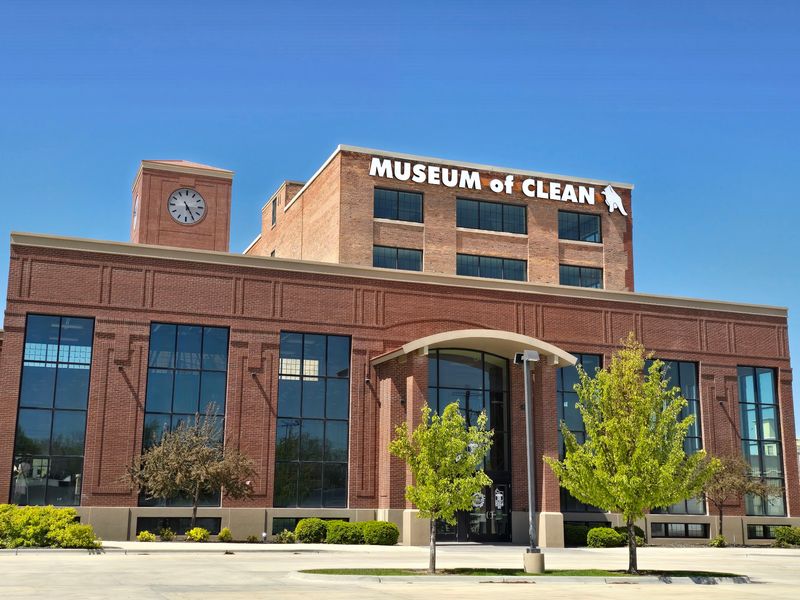
Long before vacuums moved in, the building served as the State Hardware building. The handsome brick structure dates to 1916 and wears a stately clock tower on top.
Change and history meet nicely here. Pocatello kept a piece of its downtown past while giving it a brand-new purpose.
The renovation leaned hard into the museum’s theme. About 80 percent of materials from the original building were recycled during the makeover.
Rainwater also does double duty. The roof collects it for irrigation and for flushing toilets inside.
That fits Aslett’s idea of clean perfectly. Living lightly on the planet counts as part of the message, not just shiny floors.
Inside, the space feels modern and open. Big rooms give the collections breathing space, and the layout spreads across several levels.
You’ll find the museum at 711 S 2nd Ave, Pocatello, ID 83201. It sits close to the historic heart of town, so it pairs easily with a downtown stroll.
Idaho has plenty of repurposed old buildings. Few, however, recycled themselves this thoroughly while honoring the cleaning world inside.
You Won’t Believe How Old These Vacuums Get
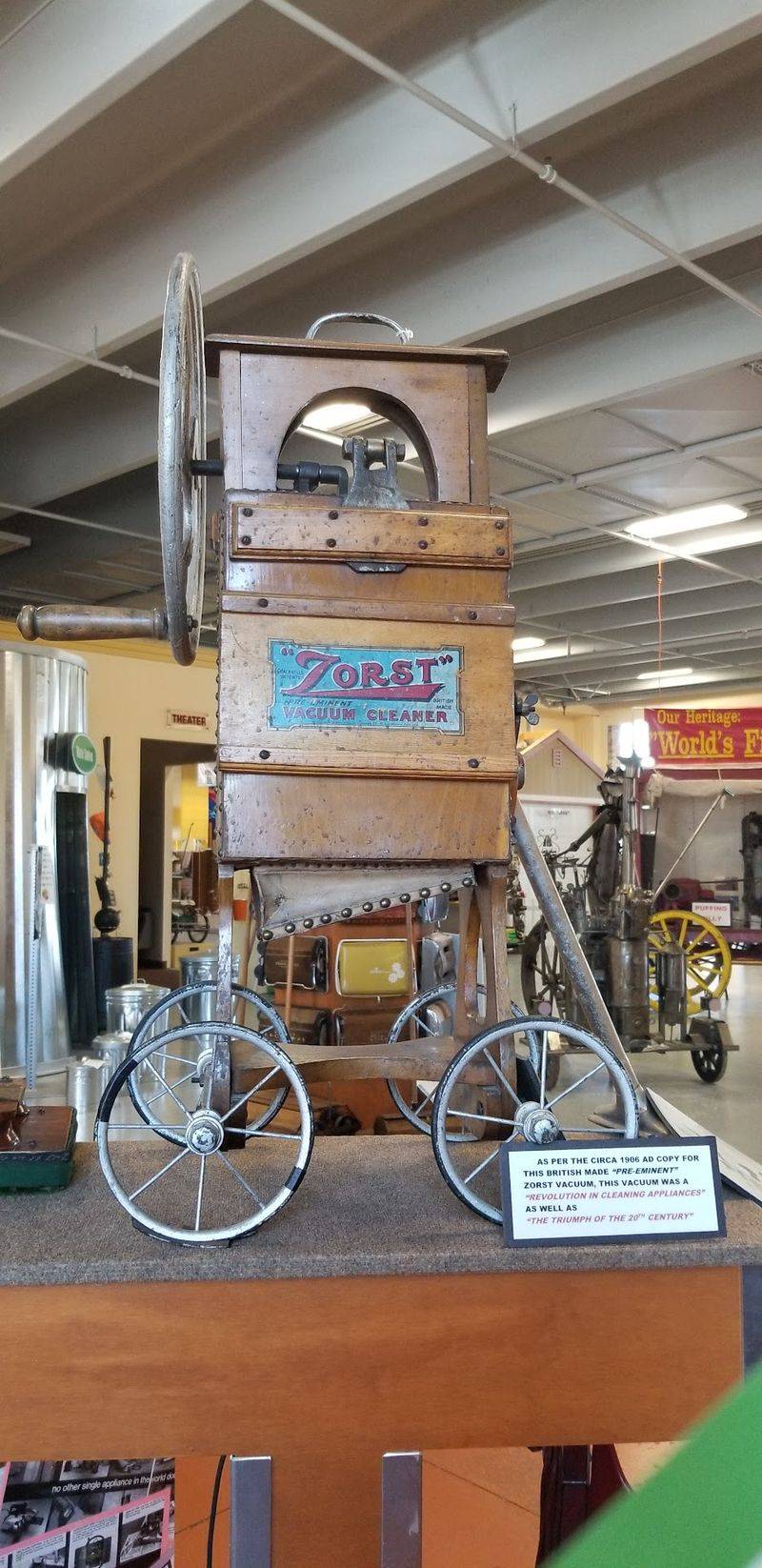
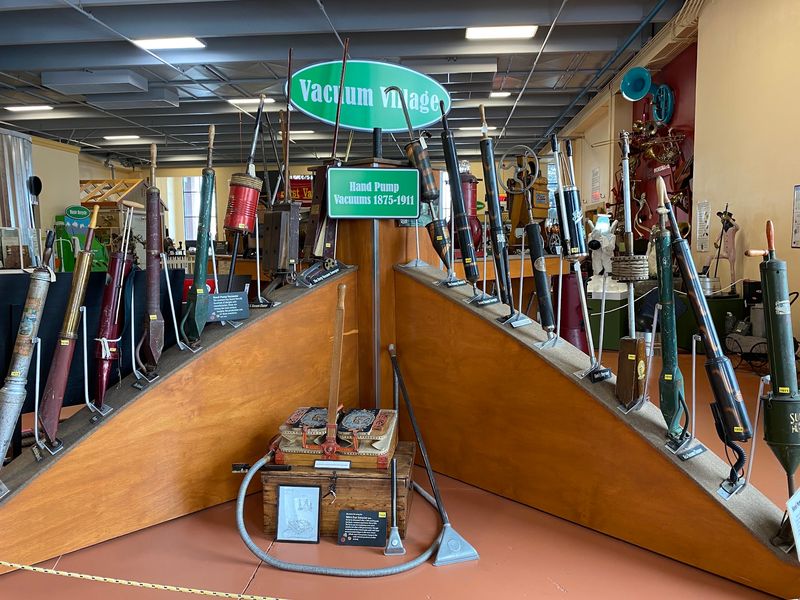
An 1860 carpet sweeper patented by Daniel Hess anchors the collection. It’s considered the first vacuum cleaner, and it’s believed to be the only one still in existence.
Then comes The Whirlwind from 1869. It was the second vacuum ever patented, and only three examples are known worldwide.
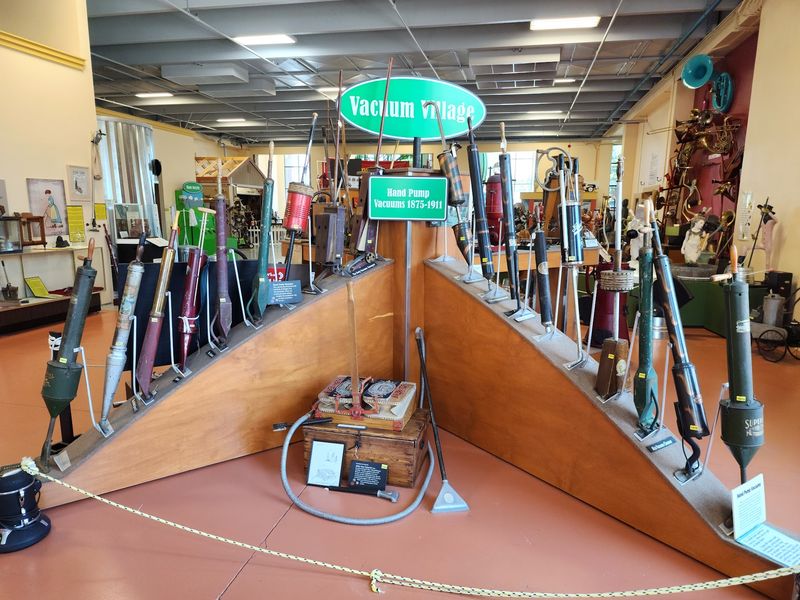
The full lineup spans 1869 through 1969. That century of machines shows wild experiments with bellows, cranks, pumps, and eventually motors.
Many early models needed two people to operate. One person pumped while the other pushed, which sounds like a fine way to start a family argument.
Nearly a thousand vacuums fill the displays. Watching them evolve feels like flipping through an engineering scrapbook.
Some look like furniture. Others resemble musical instruments or odd farm equipment, and guessing their purpose becomes half the fun.
The later electric models may spark memories. Older visitors might spot a machine that once rumbled through Grandma’s living room.
Honestly, it changes how a modern stick vacuum looks. After a tour through this room, that little cordless gadget starts seeming like pure luxury.
Toilets, Tubs, And A Duchess With Travel Plans
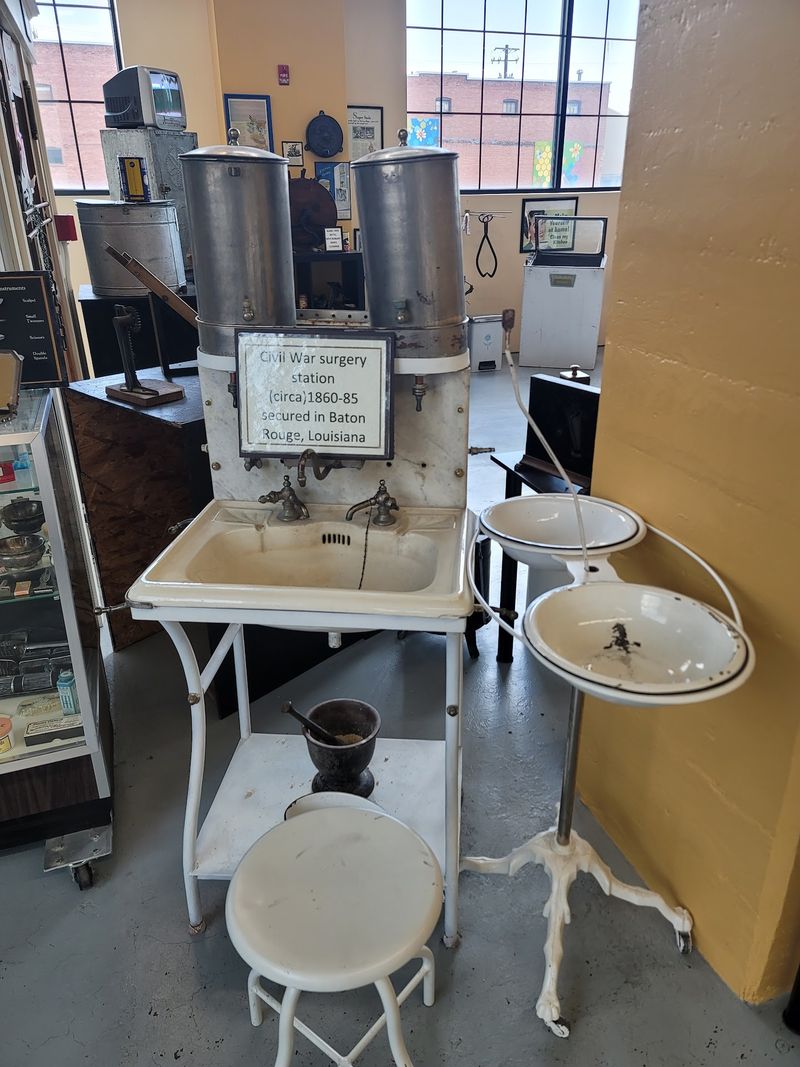
Vacuums grab the spotlight, but the bathroom exhibits steal plenty of attention. A whole section tracks toilet history, from chamber pots to modern plumbing.
One standout is a portable commode used by a duchess. Apparently royalty needed travel solutions too.
The displays carry just enough potty humor to keep things light. Nobody leaves without at least one snicker.
Washing machines get their turn as well. Old washboards, wringers, and tubs show how laundry once swallowed entire days.
Irons and soap round out the domestic story. Some irons were heated on stoves, which makes modern steam settings feel downright pampered.
Brooms appear in impressive variety. Shapes, bristles, and handles changed with every generation and region.
Each piece connects to real daily life. That’s what makes these rooms click, because everyone does laundry and everyone uses a bathroom.
It’s easy to wonder how anyone stayed clean before modern conveniences. These exhibits answer that question, sometimes with a wince and often with a laugh.
Plan extra time here. The labels deserve reading, and the history tucked inside them is better than expected.
An Elephant Made Of Vacuums And A Very Tall Janitor
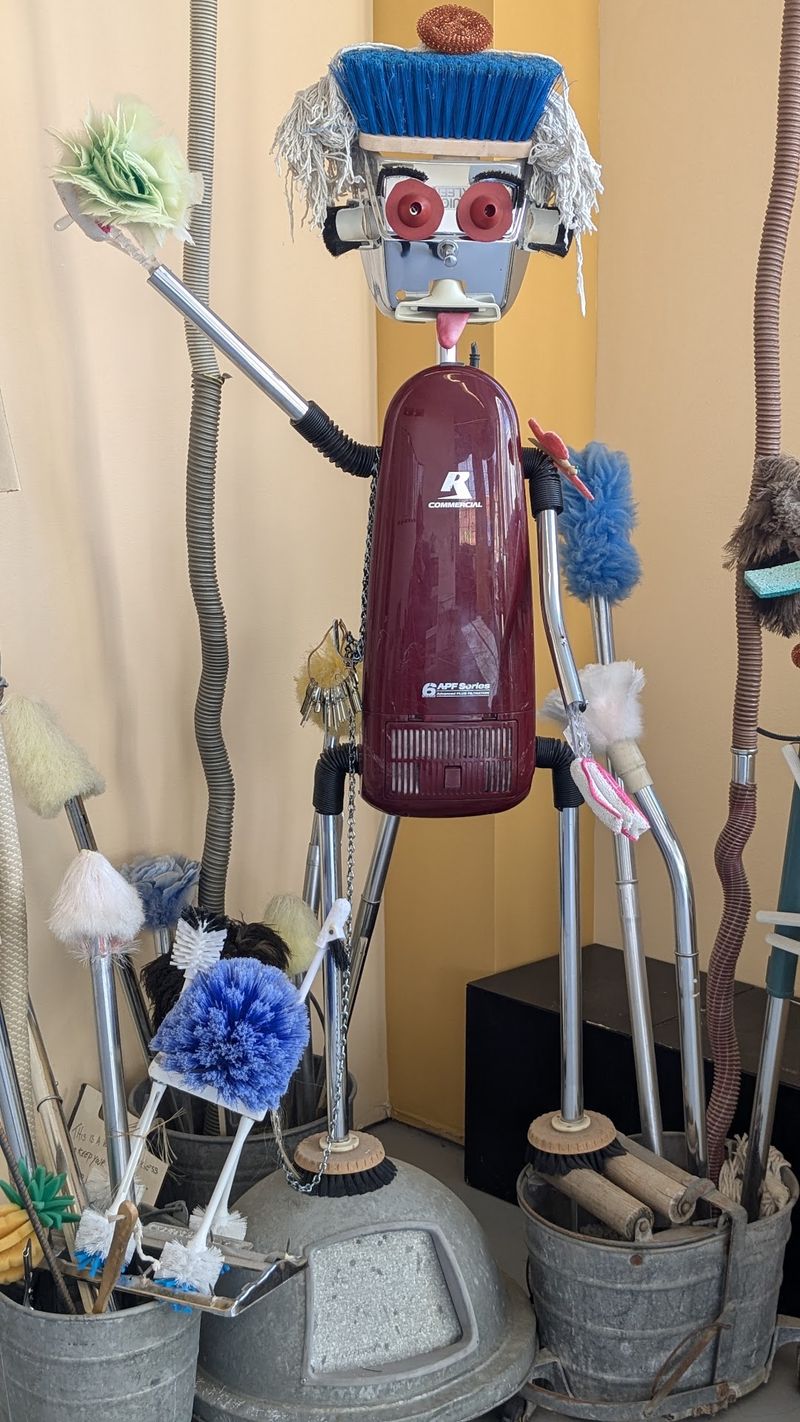
Clyde the elephant might be the museum’s most famous resident. He’s built entirely from old vacuum parts, and he fits right in.
Larry Aslett, Don’s artist brother, crafted the sculpture. Hoses, canisters, and attachments somehow became trunk, legs, and ears.
Then there’s Big Don. The 20-foot statue gets billed as the world’s largest janitor.
Bigness turns into a running theme. One exhibit features what’s been called the world’s largest dust mop, nicknamed a Texas broom.
A Texas-sized trashcan sits among the displays too. It nudges visitors to think about waste in a fun, oversized way.
A Texas-sized object scavenger hunt adds a game to the visit. Kids tend to take that mission very seriously.
Odd artifacts keep popping up. A NASA trash compactor proves that cleaning challenges follow humans even into space.
There’s also an art gallery and a clean orchestra display. A replica of Noah’s Ark nods to water’s role in washing the world.
None of it feels stuffy. Every quirky piece makes the larger point that clean can be clever.
Kids Get Whole Floors Built Just For Them
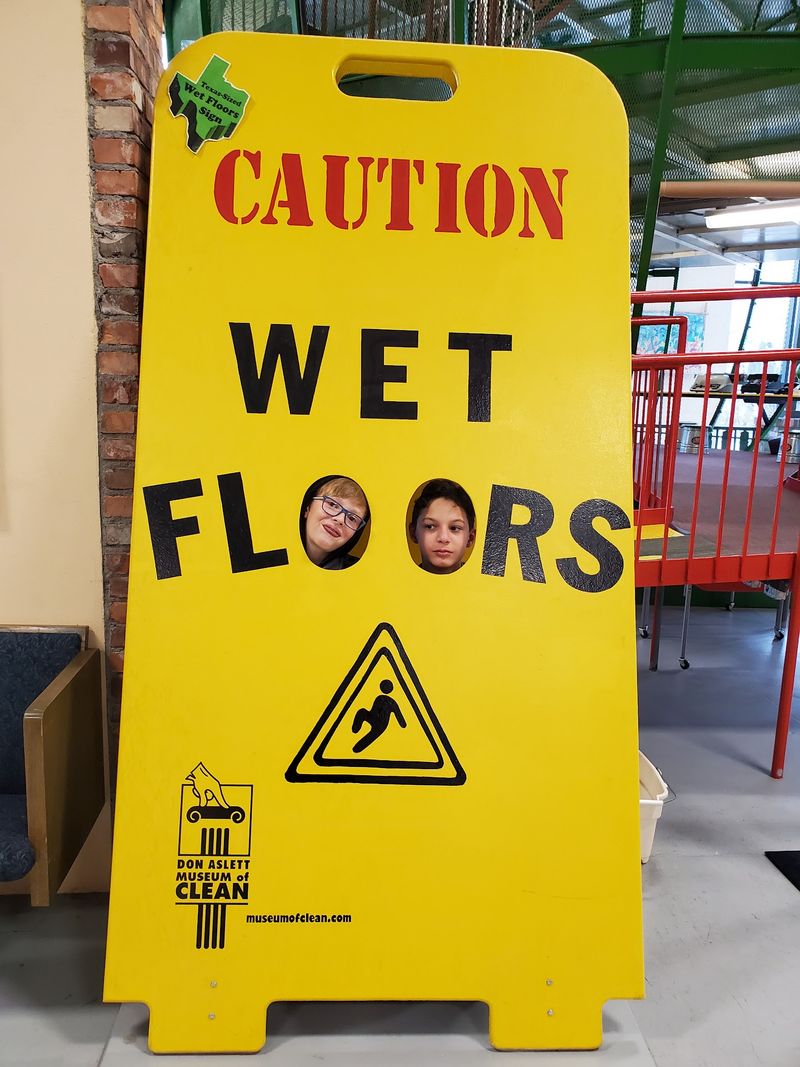
Good luck pulling young visitors away from the play areas. The museum gives children entire floors of hands-on activity.
Kids Clean World is a three-story playground designed around everyday skills. Children practice things like sweeping and making beds without realizing they’re learning.
Plenty of families mention the Kid Planet and kid dome by name. A game area on the bottom floor adds even more room to burn energy.
The interactive displays aren’t limited to playgrounds. Many exhibits invite touching, testing, and poking around.
More recently, the My World Discovery Museum moved into the same building. That children’s museum adds another layer for families across southeastern Idaho.
So adults can read about 19th-century suction while kids climb and explore. Everybody gets something, which is rare on a rainy afternoon.
One fair heads-up is worth sharing. Grown-ups hoping for a quiet, scholarly visit may find the family energy livelier than expected.
For parents and grandparents, though, that’s the appeal. A museum where children cheer about brooms deserves some credit.
Humor Makes The History Stick
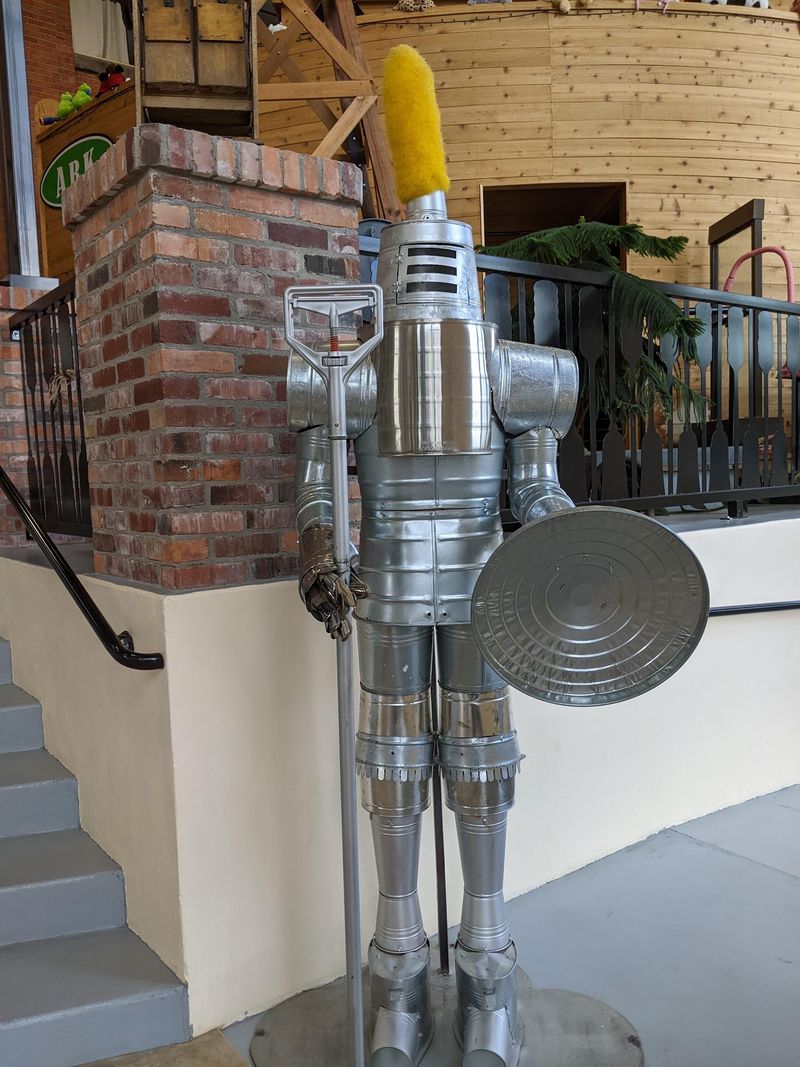
Who knew a museum about cleaning could be this funny? Don Aslett curated nearly every element, and his wit runs through the signage.
The descriptions lean playful. Facts arrive with a wink, which helps them actually stay in your head.
A garage exhibit takes on clutter. Most of us will recognize a little too much of our own storage habits there.
The museum focuses on the idea of being clean, not only on methods. That gives the visit a thoughtful layer under the jokes.
Staff walk-throughs are available too. Guided tours come up often, and the team aims to help first-timers find their way around.
Visitors also may leave with a souvenir worth reading. The museum has offered guests a free book written by the founder at the end of a visit.
That fits his teaching spirit. He wanted people to carry the message home, preferably to a tidier closet.
Bring a light mood and an open mind. The building rewards curiosity, and the punchlines land best on people ready to laugh.
Plan A Few Hours And Check The Calendar First
Timing matters, since the museum keeps a Tuesday-through-Saturday schedule. It closes Sundays and Mondays, so check before driving.
Doors open in the morning and close in early evening on open days. Hours can shift for events, so a quick look ahead saves frustration.
Admission stays budget-friendly. Expect to spend just a few dollars per person, which suits families watching their spending.
Most groups spend somewhere between one and two hours. Families with active kids might happily stretch that longer.
A gift shop sits on site for cleaning-themed souvenirs. There’s also a small cafe, handy when little stomachs start rumbling.
The building includes an event center as well. That makes it a gathering spot for more than museum visits.
Getting there is simple from Interstate 15. Pocatello sits about two and a half hours from Boise’s direction toward eastern Idaho, closer still from Idaho Falls.
Parking near downtown is generally straightforward. Pair the stop with lunch nearby or a stroll through Old Town Pocatello.
Arriving early in the day leaves time to linger. The vacuum floors alone can eat an hour.
Why This Odd Stop Earns A Spot On Your Idaho List
Few road trips include a vacuum pilgrimage. Yet the Museum of Clean makes a convincing case for adding one.
History buffs get rare artifacts found nowhere else. That 1860 sweeper and the 1869 Whirlwind alone justify the trip.
Families get floors of play and learning. Kids burn energy while adults wander through a century of suction.
Anyone who loves quirky Americana will feel at home. A vacuum elephant and a giant janitor statue don’t exactly appear on every corner.
The collection does lean heavily toward vacuums. Visitors expecting a deep chemistry lesson on cleaning products might want slightly more.
Still, the mix of humor, history, and hands-on fun works. It’s a Pocatello original that feels fully Idaho in its practical, good-natured spirit.
Don Aslett spent a lifetime arguing that clean matters. Strolling through his collection, it’s hard to disagree.
Next time you drag the vacuum across the living room, you might think about its ancestors. Somewhere in southeastern Idaho, they’re standing in tidy rows, waiting to be admired.