10 Virginia Bird Sanctuaries Where A Quiet Morning Can Turn Into Something Unforgettable
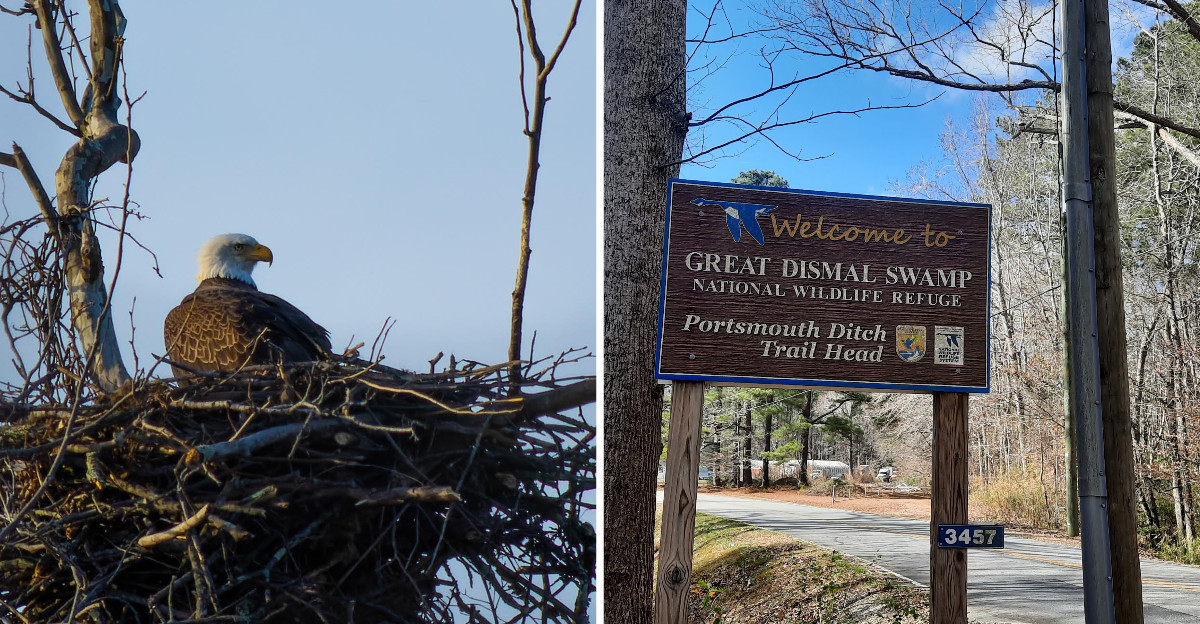
Virginia mornings get wildly more interesting when your coffee comes with bald eagles, tundra swans, and a chance encounter you did not plan for.
That is the thrill here!
One refuge may feel calm for ten minutes, then a flock sweeps in and suddenly nobody is looking at the trail anymore.
Early starts help, but the real reward is how unpredictable each outing feels. Marshes, meadows, and shorelines all bring different surprises.
You may arrive hoping for one sighting and leave with a camera roll full of moments you never expected. That makes the alarm clock much easier to forgive.
1. Back Bay National Wildlife Refuge, Virginia Beach
It makes you wonder, doesn’t it, how much wildness hides beside a famous beach town?
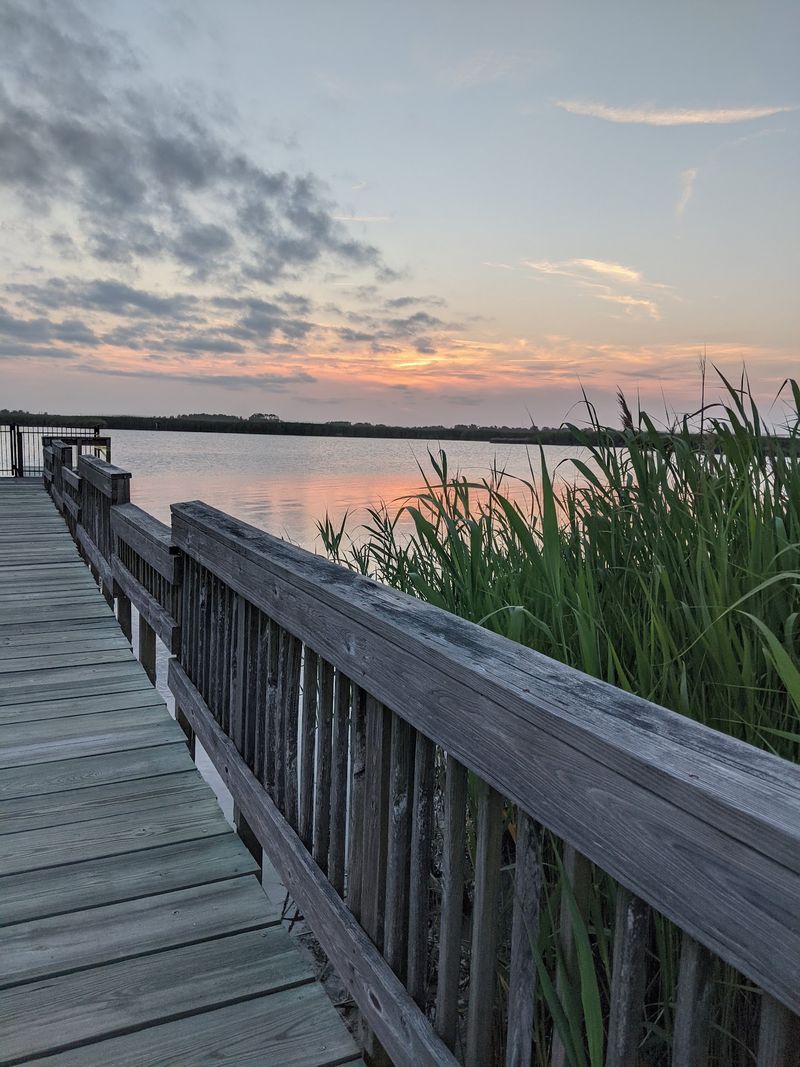
Back Bay National Wildlife Refuge answers with barrier-island dunes, freshwater marshes, coastal woods, and a long sweep of protected shoreline.
The refuge now covers 9,175 acres in Virginia Beach and supports more than 300 documented bird species. Winter is especially impressive.
Thousands of tundra swans, snow geese, Canada geese, and ducks use the refuge, with waterfowl numbers typically reaching their seasonal high in December and January.
Spring and fall shift the focus toward shorebirds and migrating songbirds. Summer brings brown pelicans over the coast, while loggerhead sea turtles use protected beach habitat during nesting season.
More than eight miles of trails give birders several ways to explore. The short Raptor Trail crosses bald cypress stands and freshwater marsh before reaching viewing platforms over Back Bay.
From April through October, either the East or West Dike Trail opens for longer hikes and bike rides toward False Cape State Park.
The beach works differently from a resort shoreline. Hiking, wildlife watching, photography, fishing, and shell collecting are welcome, while swimming, surfing, and sunbathing are not.
A zoom lens earns its space. Start at 4005 Sandpiper Rd and let the habitat set the agenda. A quiet winter morning here can turn noisy very quickly when the swans arrive.
2. Chincoteague National Wildlife Refuge
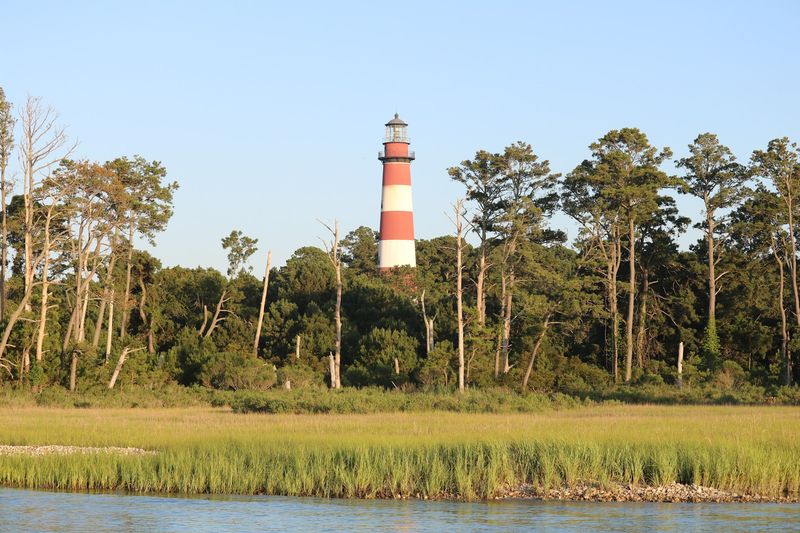
Would you believe me if I told you that ponies might steal the show from the birds? Chincoteague National Wildlife Refuge gives both plenty of room on the coastal landscape of Assateague Island.
More than 320 bird species use the refuge regularly for nesting, feeding, resting, migration, or wintering.
Fourteen managed wetland units add dependable feeding and resting habitat for waterfowl, shorebirds, and other coastal species. Spring brings a broad mix of migrating shorebirds and songbirds.
Summer shifts attention to nesting American oystercatchers, least terns, and threatened piping plovers, with protected areas helping keep sensitive beach habitat undisturbed.
Winter brings another change as waterfowl gather across the marshes and managed pools. The famous Chincoteague ponies remain part of the experience without needing to dominate it.
They can sometimes be seen from Beach Road or from the overlook along the 1.6-mile Woodland Trail. Longer routes reach quieter areas where another part of the herd may appear.
Beach, dune, salt marsh, and maritime forest sit close together, so even a short outing can move through several ecosystems. That variety keeps binoculars busy.
Binoculars matter more than a schedule. The main refuge entrance is at 8231 Beach Rd. Arrive early, scan slowly, and leave plenty of space around nesting areas.
Virginia’s Eastern Shore rarely makes you choose between memorable birds and unforgettable scenery.
3. Eastern Shore Of Virginia National Wildlife Refuge, Cape Charles
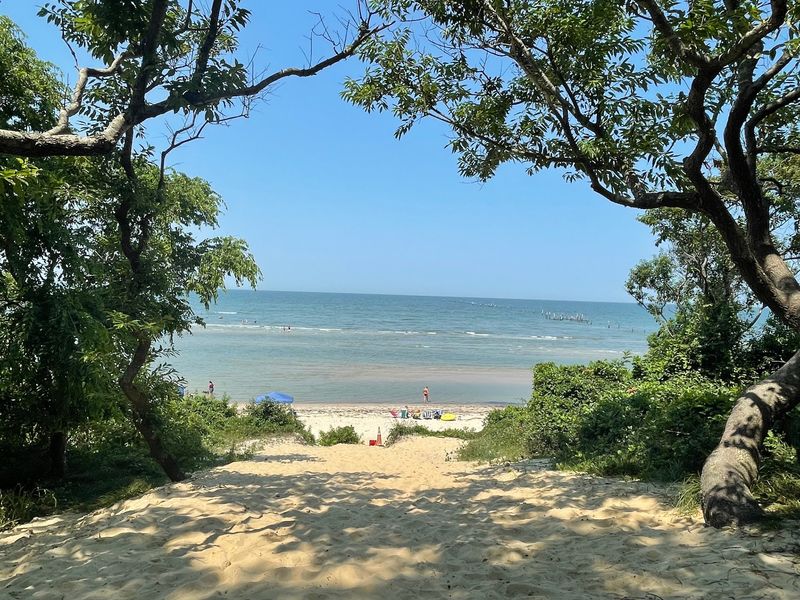
Just imagine for a second millions of wings funneling toward one skinny point of land. Geography does a lot of heavy lifting at the southern tip of the Delmarva Peninsula.
This refuge sits between the Atlantic Ocean and Chesapeake Bay, creating a major stopping point for animals moving south.
Each fall, millions of songbirds and monarch butterflies and thousands of raptors converge here to rest and refuel before continuing their migration.
The spectacle does not arrive all at once. From late August through November, different waves move through with changing weather.
Hawks and ospreys cross overhead, tree swallows gather around ponds, and yellow-rumped warblers work through shrubs and woodland edges. On strong monarch days, huge overnight roosts can form.
Several easy trails make the refuge approachable without turning the morning into a long hike.
The Wildlife Trail loops through mixed hardwoods and reaches a salt-marsh overlook, while the longer Southern Tip Bike and Hike Trail opens more of the landscape to walkers and cyclists.
The visitor center adds indoor exhibits and a wildlife observation area, making it useful before heading outside. Hours vary by day, so planning ahead is sensible.
Set your route for 32205 Seaside Rd in Cape Charles. The birds may be traveling hundreds of miles, but this narrow coastal stop gives them, and anyone carrying binoculars, a reason to pause.
4. Rappahannock River Valley National Wildlife Refuge, Warsaw
Here’s a thought worth chewing on before sunrise. What if a slow, winding river were the best bird guide in Virginia?
Rappahannock River Valley National Wildlife Refuge works differently from a single fenced preserve.
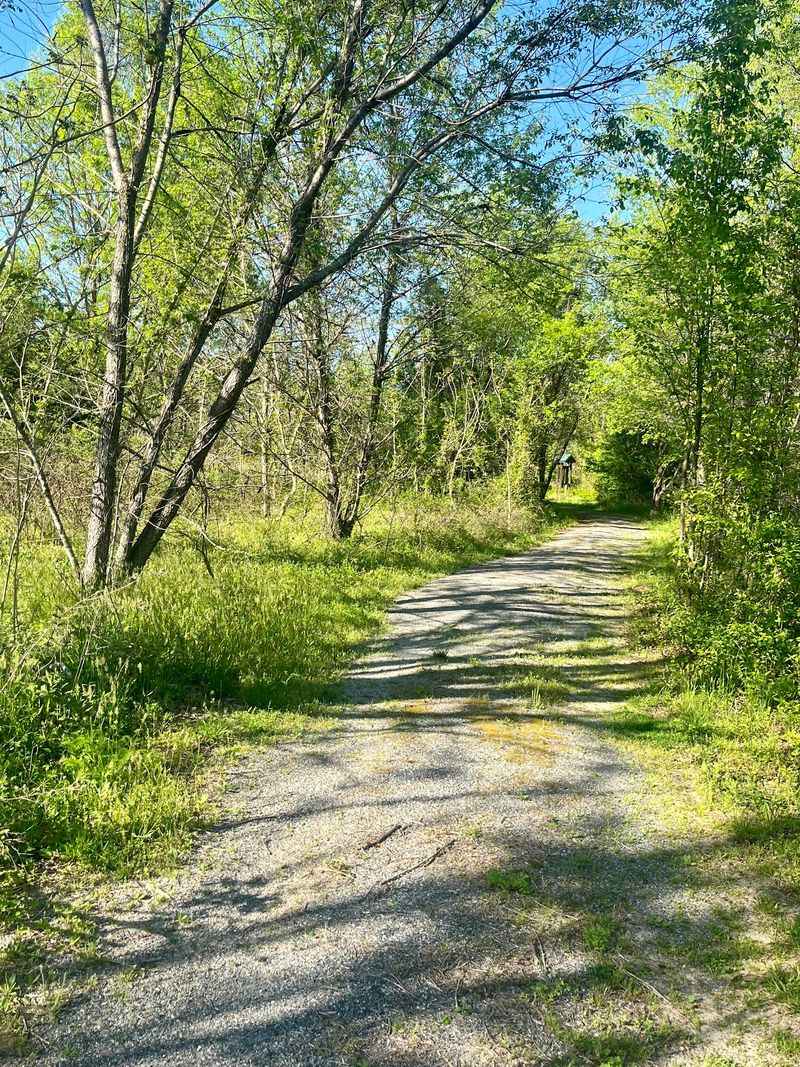
Its public areas are divided among separate units along the Rappahannock watershed, protecting tidal marshes, forest, grassland, creeks, ponds, and upland habitat.
Five public units are open year-round from dawn to dusk. Trails stay fairly gentle, with little elevation gain, and several routes circle ponds or follow creeks where scanning the edges can pay off.
Bald eagles are the major draw. The refuge supports nesting and roosting eagles, while the river becomes an especially important winter gathering area.
Cat Point Creek can hold particularly strong concentrations. Great blue herons are also regular sights around wetlands and waterways.
Season changes keep the bird list moving. Fall brings shorebirds, songbirds, and marsh birds passing through the Atlantic Flyway.
Winter adds Canada geese and black ducks. In summer, indigo buntings and warblers bring more color and sound to the morning.
The administrative office is at 336 Wilna Rd near Warsaw. Pick one unit instead of trying to conquer the whole refuge, then let the river and the season decide what appears.
5. Hoffler Creek Wildlife Preserve, Portsmouth
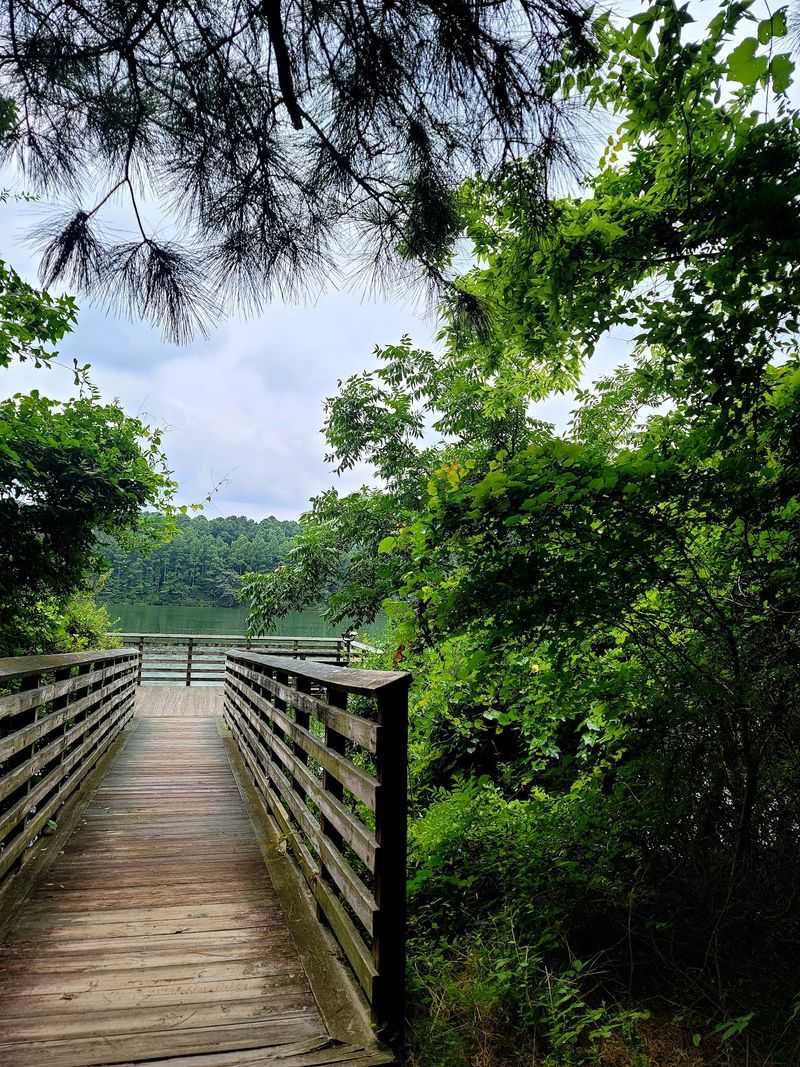
Small but mighty might be the best way to sum this one up. Plenty of big parks could learn a trick or two from this compact preserve.
Hoffler Creek Wildlife Preserve protects 142 acres in Portsmouth, with more than three miles of trails weaving among woodland, meadow, Lake Ballard, tidal creek, and salt-marsh habitat.
Lake Ballard covers about 39 acres and forms the quiet center of the preserve. Waterfowl use the freshwater lake, while herons work the salt marsh and ospreys patrol overhead.
Bald eagles nest in the forest, and eastern bluebirds raise young in nesting boxes across the meadow.
The trail network stays manageable. The quarter-mile Bluebird Trail crosses wildflower habitat on the way to the Salt Marsh Deck, while the half-mile Riparian Trail follows the creek and passes a bird blind.
Kayaking adds a completely different angle. Rentals run seasonally from May through October, weather permitting, and the creek launch opens access to tidal water where shoreline birds can appear at eye level.
Find the entrance at 4510 Twin Pines Rd. It is proof that coastal birding does not always require an enormous refuge, just several good habitats packed close together.
6. Occoquan Bay National Wildlife Refuge, Woodbridge
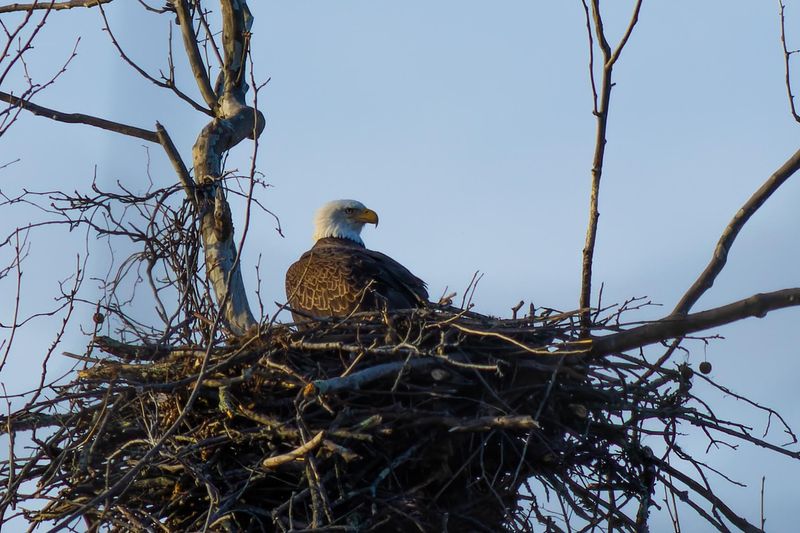
Call me crazy, but traffic noise and warbler songs make an oddly charming duet. Northern suburbs hide more wildlife than most commuters ever guess today.
Occoquan Bay National Wildlife Refuge sits about 20 miles south of Washington, where the Potomac and Occoquan waters meet.
Established in 1998, the refuge now protects roughly one square mile of grassland, tidal marsh, forest, wetland, and open-water habitat.
More than 200 bird species use the area through the year. Grassland birds become especially noticeable from late April, when eastern meadowlarks, indigo buntings, common yellowthroats, and field sparrows claim open territory.
Spring and late-summer migration bring warblers, vireos, thrushes, and flycatchers through the wooded edges.
Water changes the bird list again. Bald eagles and ospreys work the shoreline, while fall and winter bring ducks to shallow marshes and deeper bays.
About four miles of gravel roads are reserved for people exploring on foot. Another two-mile loop functions as a one-way wildlife drive, giving visitors a broader look at the property without mixing cars into the pedestrian routes.
This is not a picnic park, and pets are generally not permitted inside the refuge gates. The emphasis stays firmly on wildlife observation.
Head to 14050 Dawson Beach Rd in Woodbridge. A few minutes beyond the suburban traffic, the soundscape can shift from engines to meadowlarks surprisingly fast.
7. Huntley Meadows Park, Alexandria
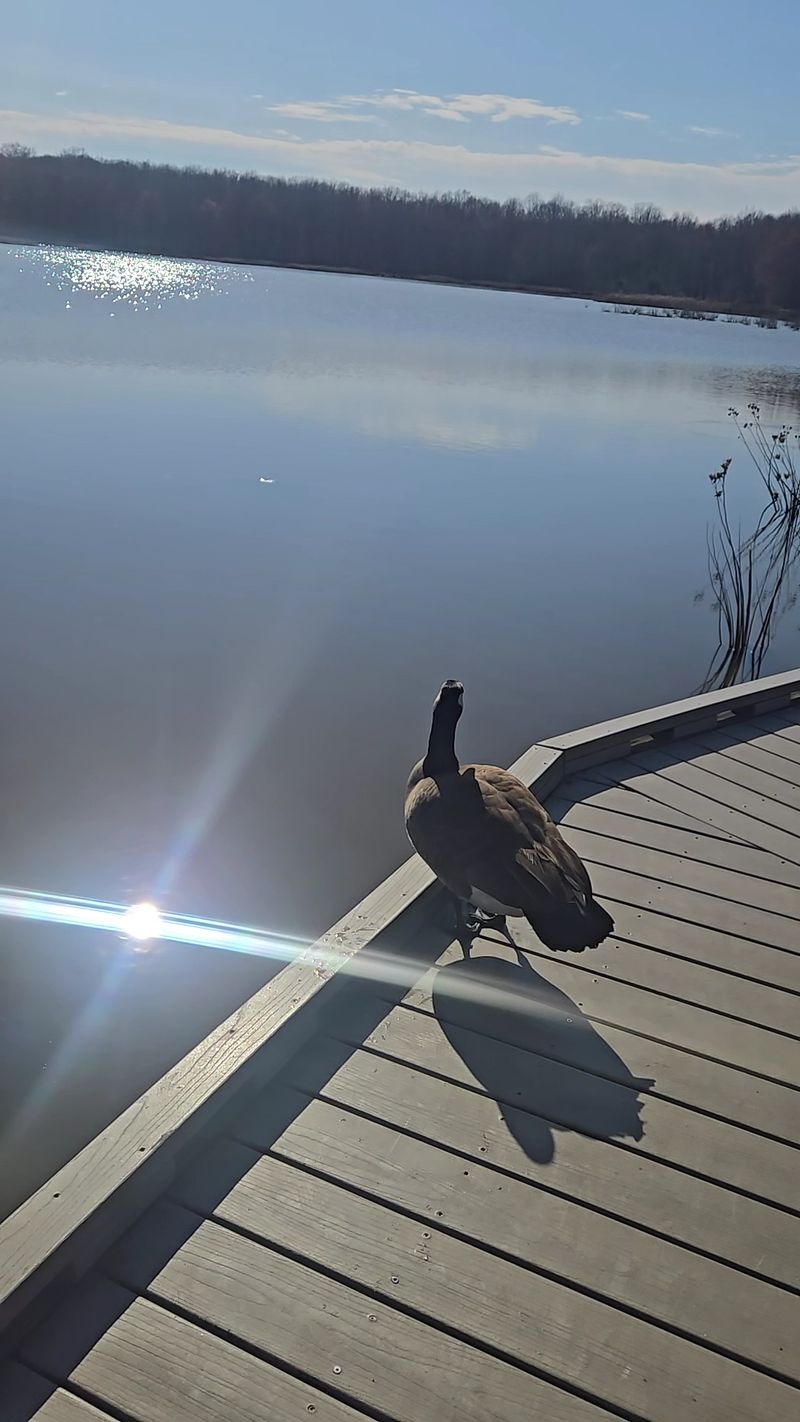
Let’s be real for a second, boardwalks make birding so much easier. No muddy sneakers, no wobbling over wet logs, just a direct route into the marsh.
Huntley Meadows Park in Alexandria protects a little more than 1,500 acres, with its wetland forming the heart of the property.
A half-mile raised boardwalk crosses the marsh and leads to an observation tower, putting open water, cattails, and wetland edges directly in view.
More than 200 bird species have been identified here. Great blue herons are regular boardwalk sights, while ducks, songbirds, and other seasonal species shift with migration and changing water conditions.
Dawn and dusk often bring the strongest wildlife activity. The boardwalk sits about half a mile from the visitor center along a natural-surface trail.
Another paved route reaches the wetland from the South Kings Highway side, and accessible trail connections make the marsh easier to experience with mobility devices.
Birding programs run through the year, including beginner-focused outings that help newcomers connect calls, field marks, and habitat.
A few rules protect the wetland atmosphere. Pets are not permitted on the boardwalk or the Heron and Restoration trails, and bikes remain on the designated paved route.
Head to 3701 Lockheed Blvd in Alexandria. The city feels close, but once the boardwalk reaches the cattails, the morning quickly belongs to wings, ripples, and whatever appears next.
8. Great Dismal Swamp National Wildlife Refuge, Suffolk
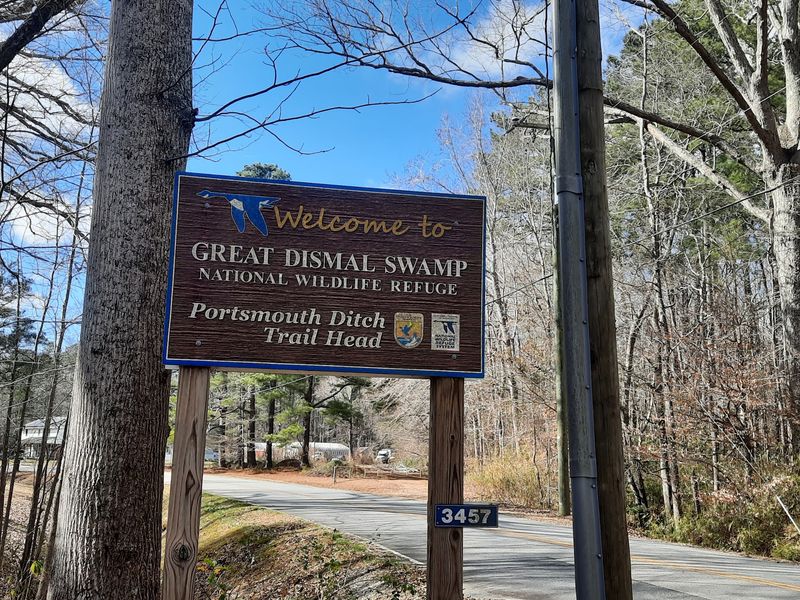
I’m still trying to wrap my head around a swamp this huge sitting so close to cities. Despite the gloomy name, the scenery is far from dismal.
Great Dismal Swamp National Wildlife Refuge protects about 113,000 acres of forested wetland in the southeastern corner of the state and preserves the largest intact remnant of a swamp that once covered more than a million acres.
More than 200 bird species use its forests, ditches, marshes, and open water. At the center sits Lake Drummond, a natural lake of roughly 3,100 acres.
Winter can bring tundra swans and snow geese to the lake, while quieter trails around the refuge support songbirds, woodpeckers, and other woodland species throughout the year.
Birders have more than 40 miles of trails and boardwalks to explore. The Washington Ditch, Jericho Lane, Portsmouth Ditch, and Lake Drummond Wildlife Drive entrances each reveal a different slice of the refuge.
A 1.5-mile TRACK Trail loop offers a shorter option. The landscape also holds deep cultural meaning.
Paddlers can reach Lake Drummond through designated routes, while the wildlife drive provides another way to approach the lake.
Begin at 3100 Desert Rd in Suffolk. Bring binoculars, long sleeves, and enough time to let this enormous landscape unfold at its own pace.
9. State Arboretum Of Virginia At Blandy Experimental Farm, Boyce
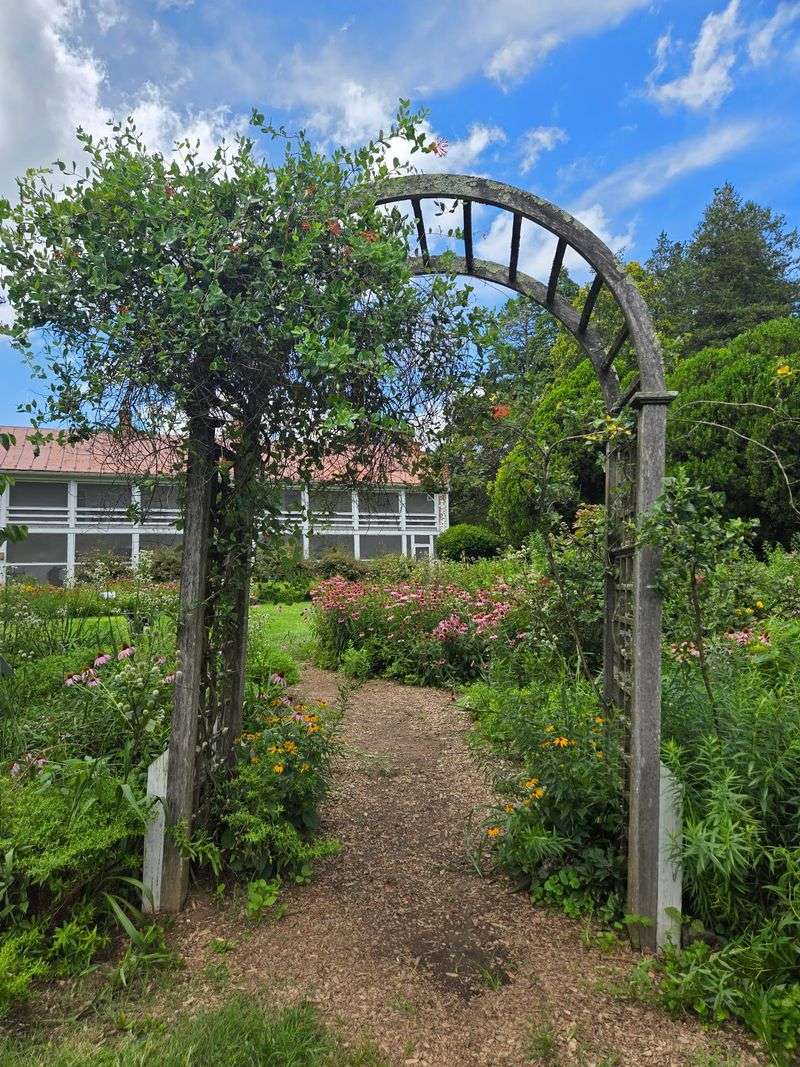
You would take the words right out of my mouth if you called science and scenery a perfect pair. Trees from around the world make an unusual backdrop for birding.
The arboretum occupies the central 172 acres of Blandy Experimental Farm in Boyce, while the wider university field station covers more than 700 acres.
Gardens and labeled collections meet meadows, woodland, fields, and seasonal wet areas across the property.
The plant collection is reason enough to slow down. More than 300 ginkgo trees create a fall display, the conifer collection is the largest in the Southeast, and the boxwood garden holds more than 160 cultivars.
Those plantings also add layers of cover, food, and perching space for birds.
Open country broadens the possibilities. Bluebird nest boxes are spread through the farm, and the surrounding grasslands and woodland edges can produce kestrels, sparrows, woodpeckers, and seasonal migrants.
The Native Plant Trail adds a closer look at plants that support local wildlife. For a wider overview, the gravel loop road reaches quieter parts of the farm and can be combined with shorter footpaths around the arboretum collections.
Set your route for 400 Blandy Farm Ln. Come with binoculars for the birds, but expect the trees to compete hard for attention.
10. Belle Isle State Park, Lancaster
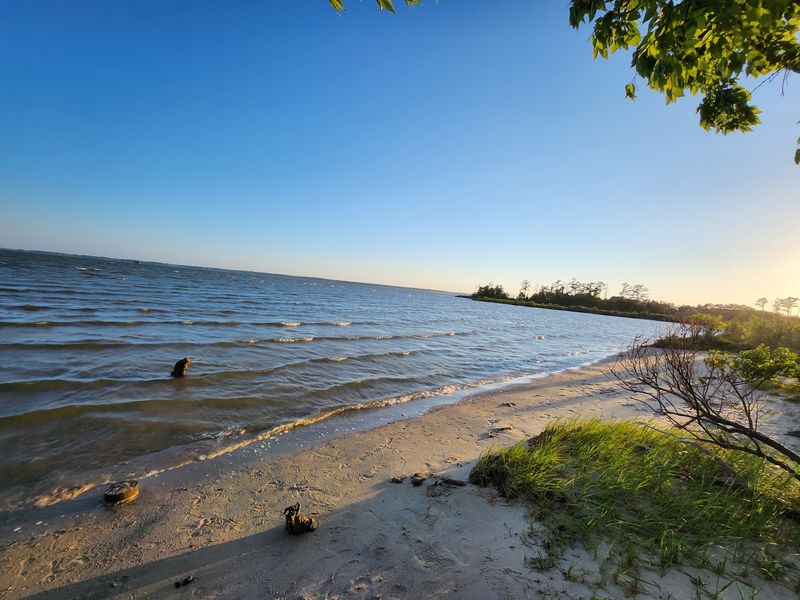
Saving a riverside favorite for last seemed only fair. Some mornings deserve a slow paddle and a long look around.
Belle Isle State Park in Lancaster spreads across 892 acres and follows about seven miles of shoreline along the Rappahannock River, Mulberry Creek, and Deep Creek.
Tidal wetlands, farm fields, and upland forest create several birding habitats within one park.
Ospreys are especially noticeable along trails in spring and summer. Bald eagles become easier to spot in fall and winter, while waterfowl gather around creeks, marshes, and the fishing pier.
Open fields add opportunities for songbirds and other edge species.
Almost 10 miles of trails cross the property, most of them gravel and multi-use. Hikers, cyclists, and horseback riders can cover long loops, while shorter secondary paths explore field edges and quieter corners.
The universally accessible Mulberry Creek boardwalk offers a simpler route into wetland scenery. It also works well for anyone who wants birding without committing to a long trail.
Water changes the perspective again. Kayaks are available seasonally, and the park has launch points for exploring its creeks slowly. Guided canoe trips also appear during summer programming.
The entrance is at 1632 Belle Isle Rd. Among Virginia’s river parks, this one makes it unusually easy to switch between trail, boardwalk, shoreline, and paddle without rushing the morning.