10 Virginia Towns Where Everyday Costs Stay Surprisingly Manageable
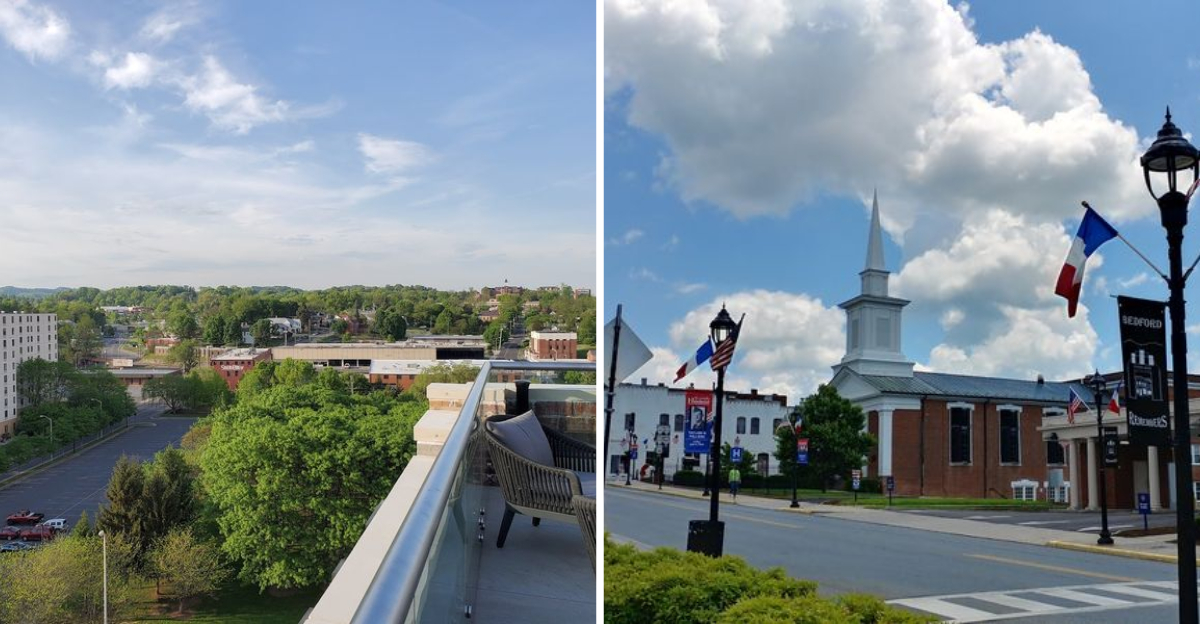
Virginia offers a rare blend of historic beauty and genuine affordability that can fit perfectly into your daily life.
These towns provide the chance to enjoy charming streets and mountain views without straining your budget. Comfort shouldn’t be a luxury, right?
Authentic living remains surprisingly attainable within the Blue Ridge peaks and quiet coastal corners.
Every one of these communities shows you that a rich, fulfilling routine doesn’t require a big-city salary.
A better balance is waiting. Are you ready to see what these towns have to offer?
1. Roanoke
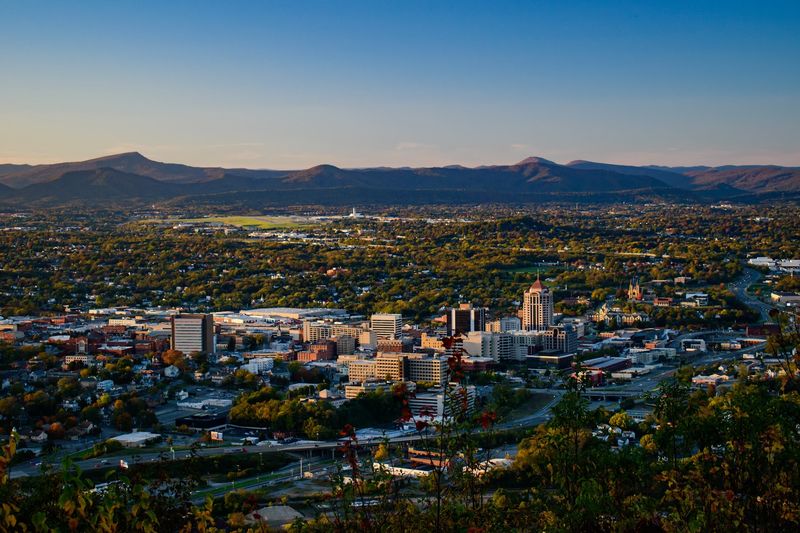
You really need to spend a few days here to appreciate how a city can feel this energetic without demanding a big-city paycheck.
Roanoke manages to pack plenty of urban spirit into a surprisingly wallet-friendly package. This hub is found in a valley cradled by the Blue Ridge Mountains, offering scenery that costs nothing to enjoy.
The cost of living here sits noticeably below the national average. Affordable housing options range from historic bungalows in the Grandin Village neighborhood to modern apartments near the downtown market district.
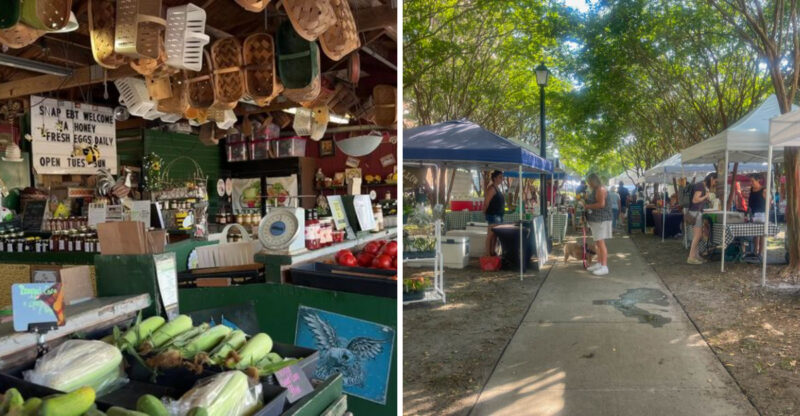
Grocery costs are reasonable for most residents. The Roanoke City Market, one of the oldest continuously operating farmers markets in Virginia, lets you pick up fresh produce without paying premium prices.
Getting around is easy and inexpensive. Valley Metro bus routes connect most neighborhoods at low fares, keeping transportation budgets in check.
Outdoor recreation is essentially free for everyone. The Roanoke River Greenway stretches for miles, while Mill Mountain Park has hiking trails and stunning city views at no cost whatsoever.
The arts scene punches well above its weight too. The Taubman Museum of Art generally offers free general admission on a regular basis, making culture accessible to all.
Eating out does not have to drain your budget either. Local spots in the downtown market area serve hearty meals at prices that would make a big-city resident do a double-take.
2. Lynchburg
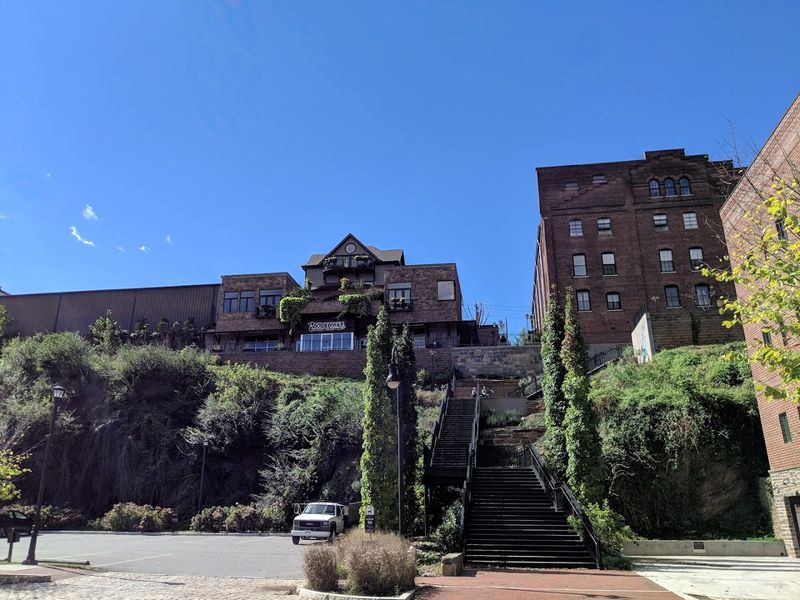
If you’re into historic hills and riverfront walks, this unhurried city offers a high quality of life for a remarkably low price.
Lynchburg carries a kind of unhurried confidence that comes from knowing it does not need to be expensive to be worth your time. This city is situated above the James River on a series of rolling hills.
Housing costs here are well below the Virginia state average. The Wyndhurst and Rivermont neighborhoods offer charming older homes at prices that feel almost old-fashioned in the best possible way.
The city is home to several colleges. This presence means a steady supply of affordable coffee shops, bookstores, and casual dining options that cater to students and locals alike.
Everyday grocery runs are easy on the wallet. Multiple budget-friendly supermarkets are spread across the city, ensuring competitive pricing for residents.
The Blackwater Creek Natural Area provides miles of free hiking and cycling trails. Outdoor fun remains a simple pleasure here that never requires a paid ticket.
Lynchburg also has a rich arts and history scene. The Anne Spencer House and Garden is a historic landmark tied to the Harlem Renaissance, with guided visits available.
Utility costs in this region of central Virginia tend to run lower than in the DC suburbs. Few cities offer this much river-view charm for so little financial commitment.
3. Martinsville
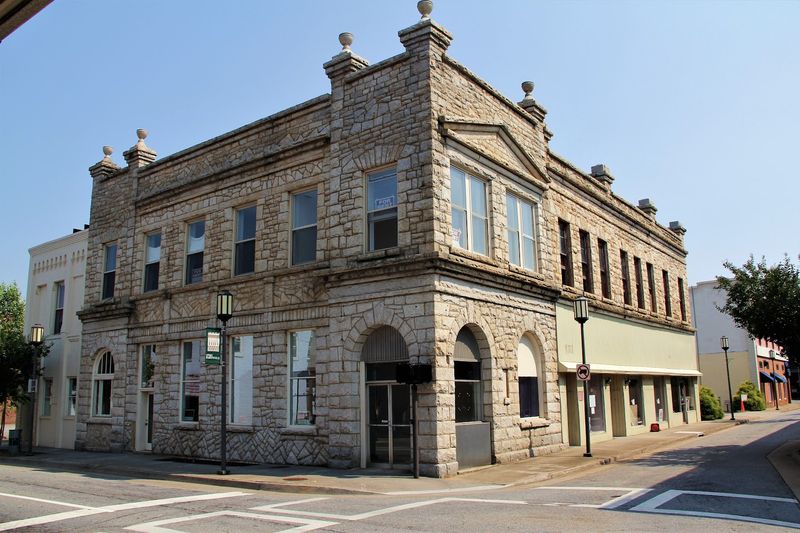
Prepare to be surprised by how much further your dollar goes in a town famous for its speedway and its small-town soul.
Racing fans might know Martinsville for its famous short-track NASCAR speedway, but the town’s real headline is its affordability. This community is located in the southern piedmont region of Virginia near the North Carolina border.
Martinsville consistently ranks among the most affordable small cities in the entire state. Home prices here are remarkably low, and renters will find well-maintained properties at rates that seem almost too reasonable to believe.
The local economy has historically been tied to furniture manufacturing. This industrial heritage has kept the town grounded and unpretentious in a way that big resort towns never quite manage.
Martinsville City Park has free outdoor recreation for the whole community. A public pool in summer, walking trails, and sports facilities are used constantly without anyone spending a cent.
The local dining scene leans heavily toward Southern comfort cooking. Independent restaurants around the downtown area serve generous portions at prices that reflect the town’s no-nonsense character.
Utility rates in Henry County tend to be competitive compared to many other Virginia localities. For anyone seeking a genuinely low-cost base in southern Virginia, Martinsville deserves serious consideration.
4. Danville
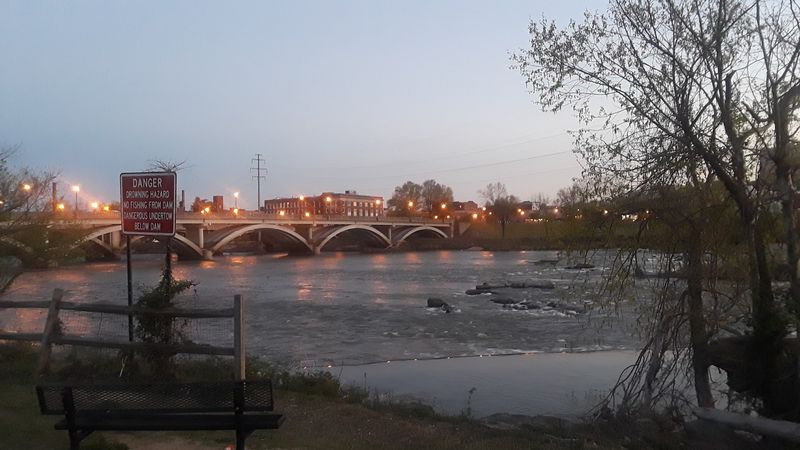
You will love the way this former tobacco hub has reinvented itself into a creative, affordable riverside sanctuary.
Danville has always possessed a slightly independent, go-its-own-way personality. This city sits right on the Virginia-North Carolina border and maintains a very accessible cost of living.
The River District, once a bustling tobacco warehouse hub, has transformed into a neighborhood of converted lofts. Apartments and creative studios here can be far more affordable than those in Richmond.
Median home prices in Danville are among the lowest in the state. This makes it a genuine option for first-time buyers or anyone relocating from a higher-cost metro area.
The Dan River runs right through the heart of the city. The Riverwalk Trail has miles of free waterfront walking and cycling that connect neighborhoods in a satisfying loop.
Fresh produce and everyday groceries are easy to find at competitive prices. The local farmers market adds seasonal variety without the typical seasonal price spikes.
Danville’s history as a textile and tobacco center left it with a collection of beautifully detailed historic architecture. You can explore these structures entirely on foot at no charge.
Restaurants in the River District focus on Southern and Appalachian-influenced menus. Their price points make eating out a regular pleasure rather than a special-occasion expense.
5. Pulaski
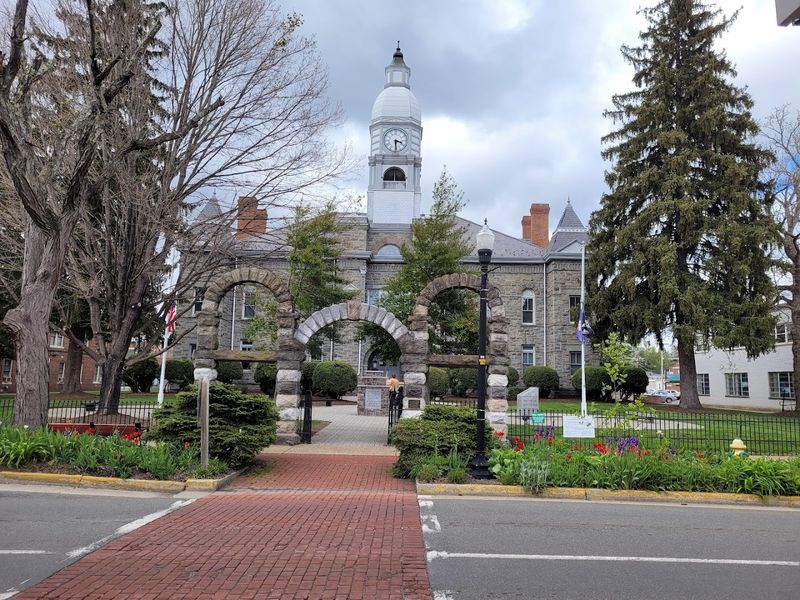
Trust me, there is a rare kind of peace in a town that prioritizes simple living and natural beauty over expensive flash.
Pulaski is the kind of town that does not try too hard to impress you. This understated honesty is exactly what makes it so easy to live in affordably.
The New River Valley in southwestern Virginia is where you will find this small town of roughly eight thousand residents. Housing costs here remain at a level that feels generous compared to the rest of the state.
Single-family homes in established neighborhoods near downtown routinely list at modest prices. Rental options are similarly accessible for those looking to save.
The New River, one of the oldest rivers in North America, flows nearby. It provides free recreational access for fishing, kayaking, and riverside hiking along a 57-mile rail-trail in New River Trail State Park.
Local grocery stores and a functional downtown core keep everyday errands short and inexpensive. The town’s historic train depot now serves as a community landmark.
A small but earnest downtown revitalization effort has brought independent shops and casual dining to the main street corridor. These local spots avoid the high prices of big-city districts.
Utility costs in this part of Virginia tend to be manageable. Pulaski proves that simplicity and affordability can share the same zip code beautifully.
6. Marion
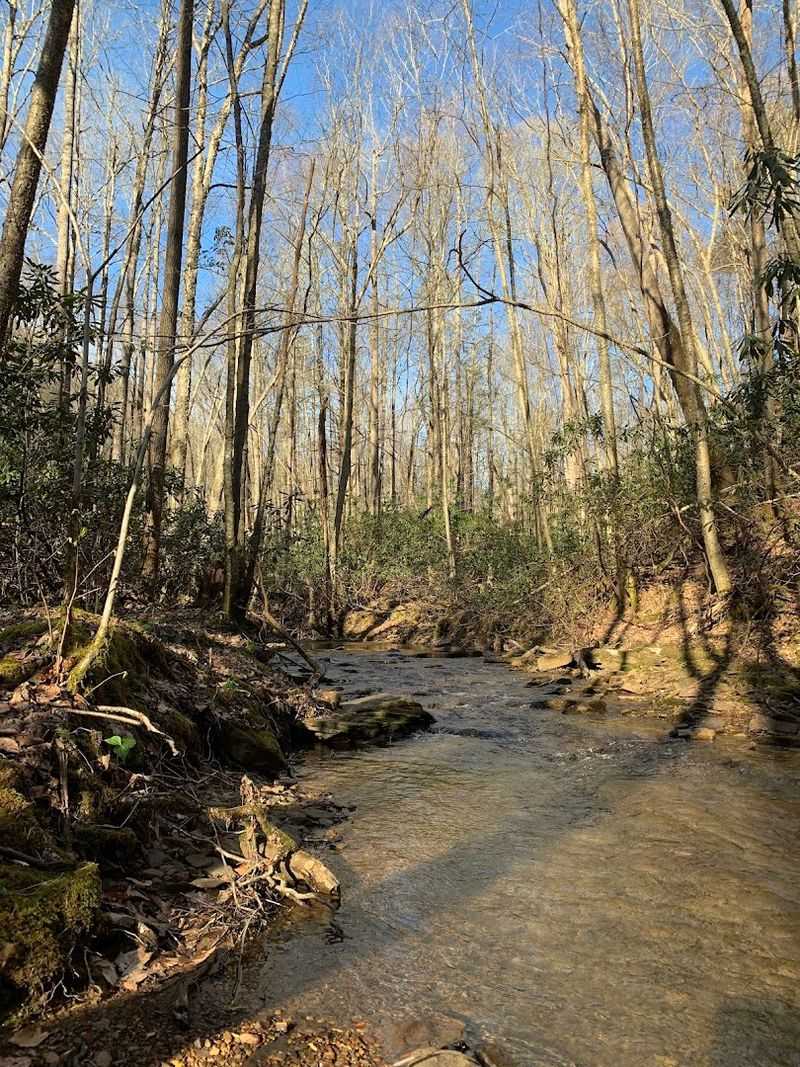
Standing among these peaks will remind you that a million-dollar view doesn’t have to come with a million-dollar mortgage.
Mountain towns in Virginia have a habit of charging extra for the scenery, but Marion keeps things fair. Smyth County in the southwestern corner of the state is the setting for this high-elevation community.
Marion sits at a height that gives it cooler summers and spectacular fall foliage. Despite these perks, home prices and rental rates remain among the lowest in the region.
The town is an appealing base for remote workers and young families looking to reduce monthly expenses. It provides a way to cut costs without retreating from civilization.
The downtown area has experienced a quiet but meaningful revival. Independent shops and a beloved used bookstore keep prices local rather than tourist-oriented.
Hungry Mother State Park is just a short drive away. It offers camping, lake swimming, and hiking at very low daily fees, making it a favorite weekend destination for residents.
The town also hosts the Lincoln Theatre, a beautifully restored 1929 venue. It brings live music and cultural programming to the community at ticket prices that remain genuinely accessible.
Everyday costs for groceries and utilities in Smyth County track well below state averages. Marion quietly makes the case that mountain living and manageable budgets are compatible.
7. Abingdon
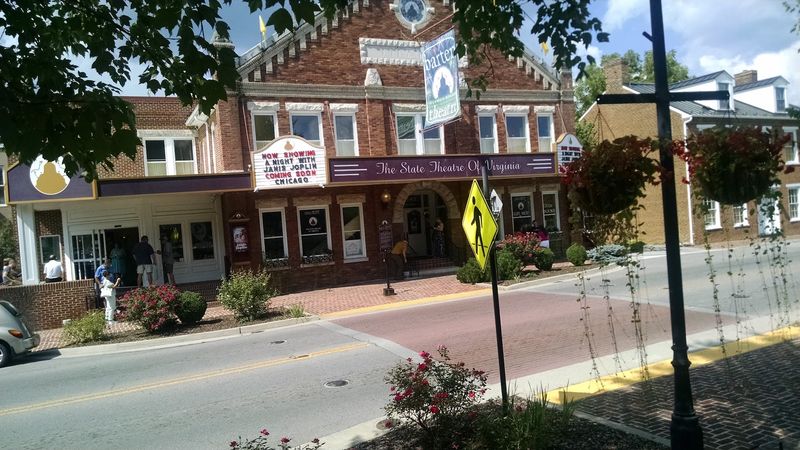
If you’re into world-class theater and historic charm, you won’t believe how grounded and affordable this cultural hub remains.
Abingdon has a theatrical flair that most small towns can only dream about. Washington County in the far southwestern tip of Virginia is where this town of eight thousand people resides.
The Barter Theatre, the oldest state theatre in America, is located right downtown. Professional productions run year-round at ticket prices that remain accessible to regular working families.
The historic Main Street corridor is lined with well-maintained Federal and Victorian architecture. Wandering through this district costs nothing beyond the time it takes to look up.
Housing in Abingdon is affordable by almost any comparison. A healthy mix of historic homes and newer construction is available at prices well below Virginia’s state median.
The Virginia Creeper Trail begins in Abingdon and runs for 34 miles through mountain terrain. It provides cycling and hiking opportunities that attract outdoor enthusiasts from across the region.
Local restaurants along Main Street lean into Appalachian and Southern culinary traditions. They serve real food at real prices rather than inflated tourist menus.
Grocery options are solid, and the broader Washington County area keeps property tax burdens manageable. Abingdon is proof that culture and affordability can coexist with grace.
8. Bedford
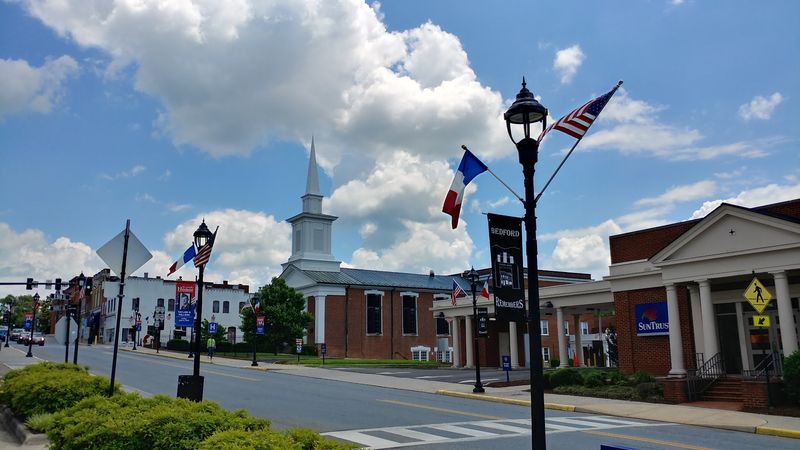
You must visit the foothills of the Blue Ridge here to see how history and financial common sense go hand in hand.
Some towns wear their history lightly, and Bedford is one of them. This community is situated in the foothills of the Blue Ridge Mountains in central Virginia.
The town is perhaps best known as the home of the National D-Day Memorial. This striking monument honors an extraordinary sacrifice and draws respectful visitors throughout the year.
Beyond its history, Bedford has some of the most affordable housing in the entire central Virginia region. Median home prices sit comfortably below both state and national averages.
The town’s compact downtown square has a classic Virginia courthouse-town character. Independent shops and a hardware store maintain a diner culture that has not been replaced by chains.
Smith Mountain Lake is just a short drive from Bedford. It is one of Virginia’s most popular recreational lakes, offering boating and fishing at accessible public access points.
The Peaks of Otter area along the nearby Blue Ridge Parkway provides free scenic drives and hiking trails. Residents treat these natural wonders as their own backyard.
Grocery prices and utility costs in Bedford County track below the Virginia average. Bedford rewards those who value quiet beauty and financial sensibility in equal measure.
9. Staunton
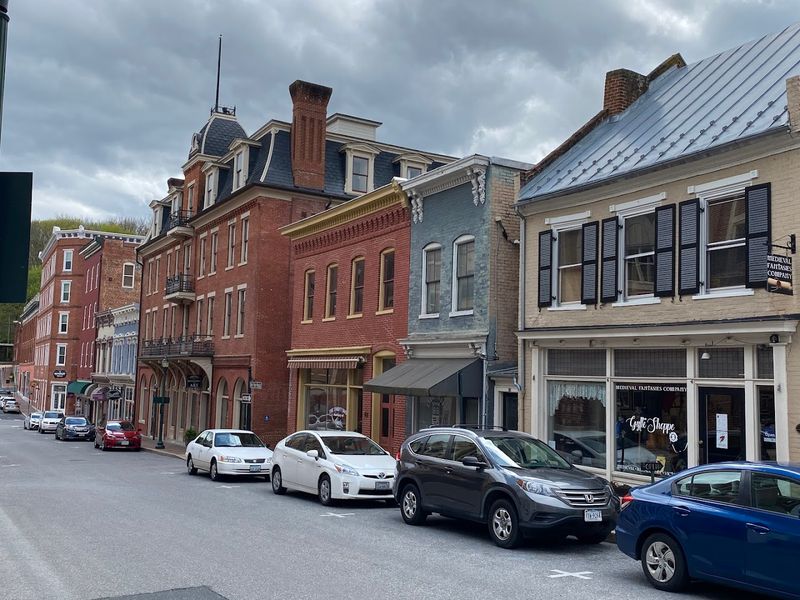
You’ll be shocked to find such a perfectly preserved Victorian masterpiece that is actually cheap enough to call home.
Beverley Street in Staunton gives the distinct impression that someone forgot to tell this town it was supposed to be expensive. The Shenandoah Valley is where you will find this Victorian architectural jewel.
In my opinion, Staunton is one of the best-preserved downtowns in the entire Mid-Atlantic region. It maintains that splendor while keeping housing costs well below what you would expect for such charm.
The Newtown neighborhood and Gospel Hill historic district offer beautifully detailed older homes. These properties represent value compared to other towns in the valley.
The Woodrow Wilson Presidential Library and Museum provides a rich cultural experience at modest admission rates. Staunton is also the birthplace of the 28th president.
The American Shakespeare Center stages professional productions throughout the year. Their ticket prices prioritize community access, making high art an everyday option.
Farmers markets and independent grocery options keep eating costs in a reasonable range. A local food scene ensures quality without the high-end price tag.
Utility expenses in Augusta County tend to run lean compared to urban Virginia localities. Staunton makes affordability feel like a feature rather than a compromise.
10. Bristol
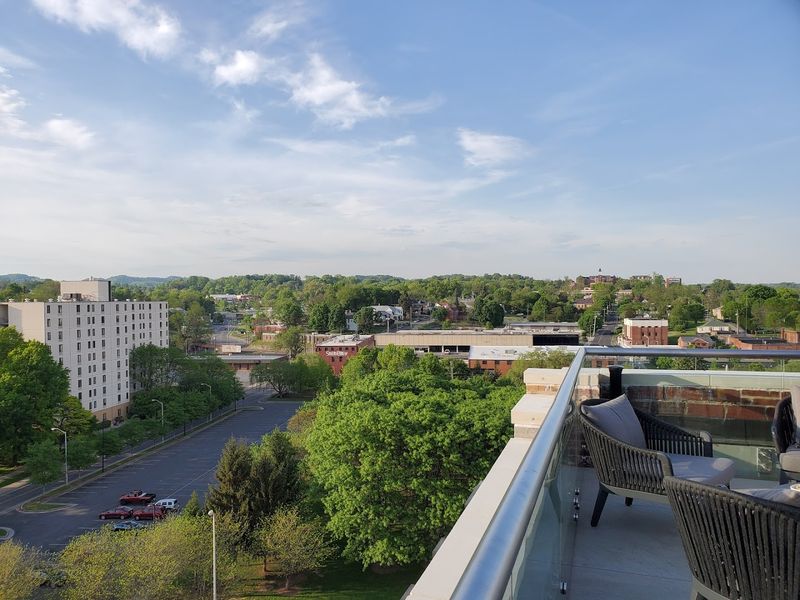
For anyone who wants to live in two places at once, this musical landmark offers the ultimate “two-for-one” deal on affordability.
Few towns in America can claim to literally straddle two states. Bristol is found right on the border, using that geographic quirk to deliver a cost of living that draws from both Virginia and Tennessee.
State Street runs right down the center of Bristol, dividing the two states. Residents can shop, eat, and live in whichever state offers the better deal on any given day.
Housing costs on the Virginia side of Bristol are among the lowest in the southwest. Both historic properties and modest residential neighborhoods offer value for buyers.
The town is internationally recognized as the Birthplace of Country Music. This title is celebrated by a local museum that honors the legendary 1927 Bristol Sessions.
The Appalachian Highlands surrounding Bristol provide free outdoor recreation in every direction. Nearby Appalachian Highlands has access to trails like the Appalachian Trail within a short drive.
Restaurants along State Street serve hearty Appalachian fare at prices that reflect the town’s working-class roots. There is very little tourist markup here.
Everyday grocery costs and utility rates in Bristol track well below national averages. Bristol is where American music history and financial common sense share the same address.