Visitors Are Finding Stagecoaches And A Mining Walkthrough At A Free Museum In Tiny Murphy, Idaho
A brand-new barn packed with horse-drawn buggies, stagecoaches and wagons just opened in one of the smallest county seats in America.
More rigs are scheduled to roll in on June 24, 2026, so the collection is still growing.
The barn is only one piece of a bigger puzzle.
The same grounds hold a mining walkthrough, a schoolhouse, a working player piano and a wall of bits and spurs.
I like that all of this sits out in the Idaho high desert, far from any big city.
Admission is free, with donations welcomed, which feels almost too generous for this much history.
I believe the best small museums tell one story well instead of a hundred stories badly.
This one tells the story of a rugged county built on gold, silver, cattle and grit. So how much can one tiny town hold?
A Big Museum Hiding In A Very Small County Seat
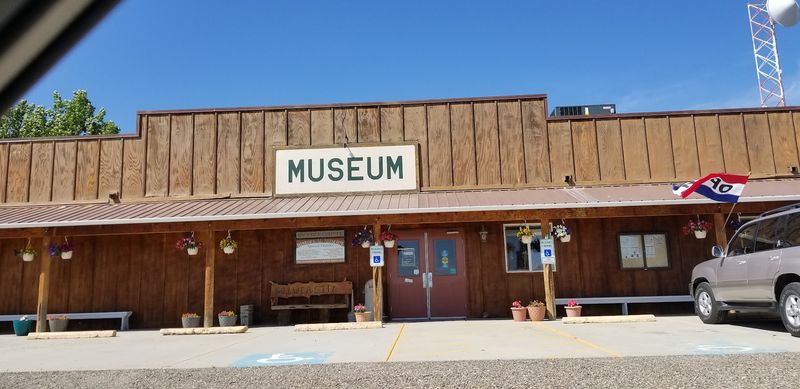
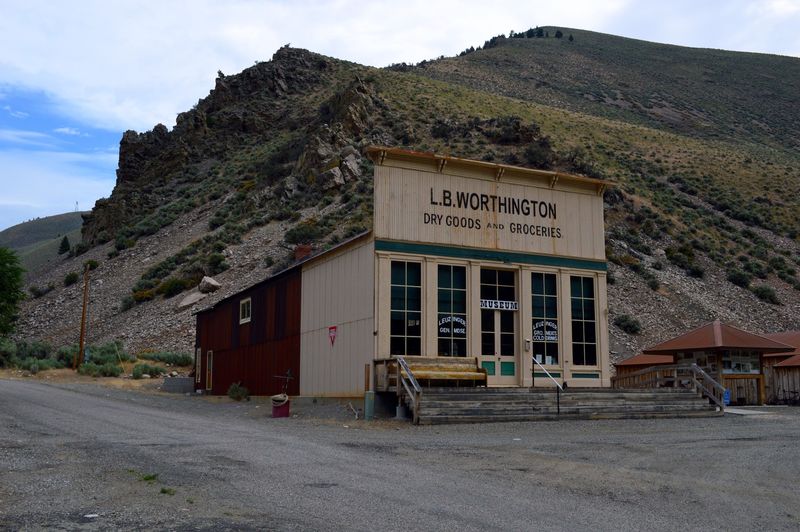
Murphy, Idaho, ranks among the smallest county seats in the United States. Yet it holds the Owyhee County Museum & Library, a collection that punches far above the town’s size.
The museum covers the whole sweep of Owyhee County history. Mining, ranching, transportation and early electrical power all share the spotlight here.
From the road, the place looks like a modest roadside stop. Step through the grounds, though, and you’ll find several separate buildings spread across the property.
That layout matters more than it sounds. Each building handles a different chapter, so the visit unfolds like a book instead of a junk drawer.
The Owyhee County Museum & Library also doubles as a research library. Families tracing relatives and history buffs chasing old records both have reasons to come.
I can’t imagine a better way to understand this corner of Idaho in one afternoon. The county is huge and rugged, and the museum makes it feel knowable.
Think of it as the front porch of Owyhee County. You get the backstory before heading out into the canyons and old mining country beyond.
Gold, Silver And The Boom Years That Built Owyhee County
Mining money put Owyhee County on the map long before cattle drives became its calling card. The museum’s displays trace how big this area grew during the boom years.
Silver City, up in the Owyhee Mountains, sits at the heart of that story. The museum ties its exhibits directly to the old mining camps that once poured riches out of the hills.
What makes these displays work is the connection between pieces. You see how mining fed ranching, how ranching fed transportation, and how all of it needed power.
Pioneer-era artifacts fill the rooms, and they’re original pieces rather than reproductions. That gives the whole collection a grounded, handled-by-real-people feel.
Gold mining gets plenty of attention here. So does the hard business of simply getting across the plains and into this rough country in the first place.
It’s humbling to see how much effort went into every ounce of ore. The tools look heavy because they were heavy.
By the end of these rooms, the county’s wealth stops feeling abstract. You can practically hear the stamp mills thumping somewhere up the mountain.
Chasing The Legend Of The Blue Bucket Mine
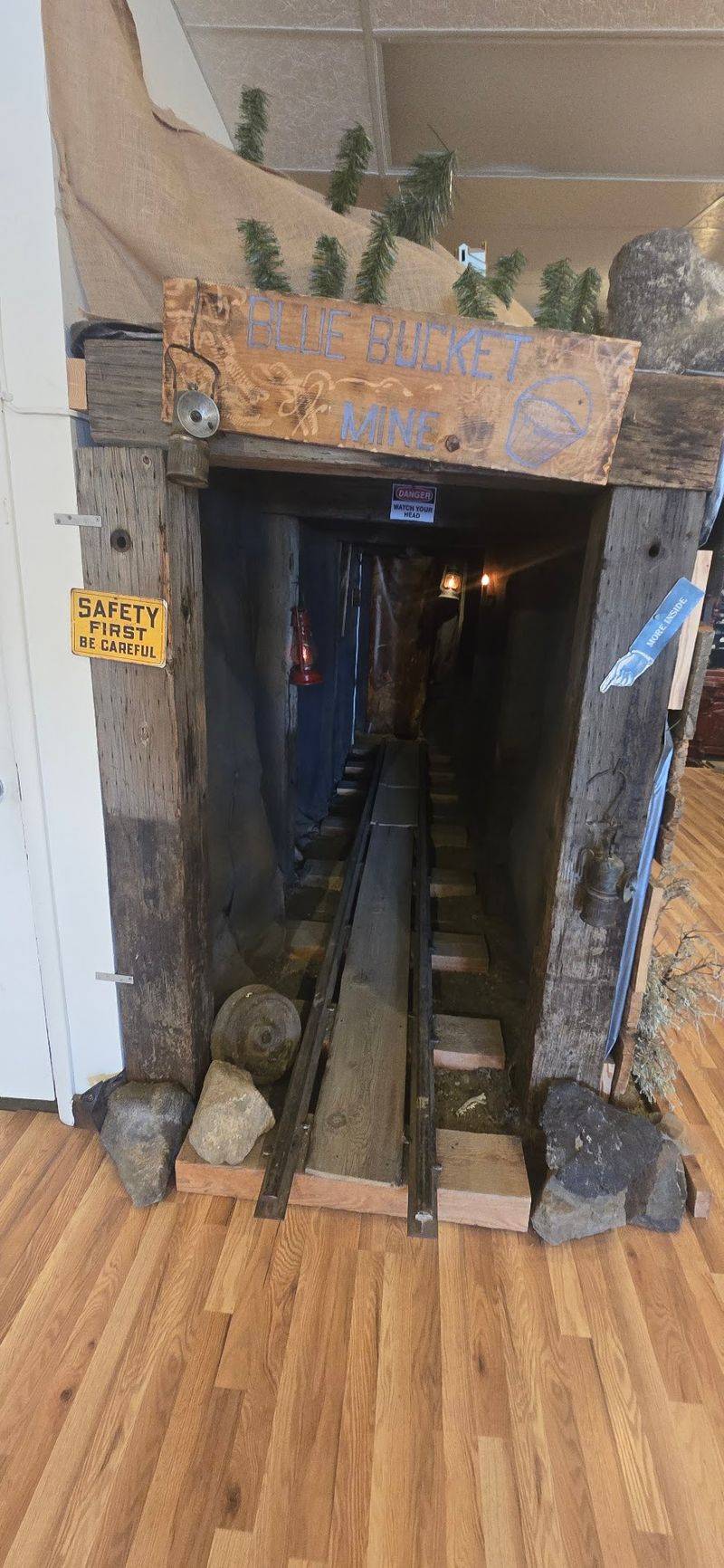
Lost gold stories never go out of style, and the Blue Bucket Mine might be the West’s favorite. The Owyhee County Museum & Library gives the legend its own walkthrough exhibit.
The tale centers on emigrants who reportedly found gold nuggets and tossed them in a blue bucket. Nobody could ever find the spot again, which kept prospectors searching for years.
A walkthrough format suits a story like this. You move through it step by step, the same way the searchers moved through the desert.
Legends like this one helped pull people toward the region. Even a rumor of gold could send whole parties into rough, unmapped country.
Kids tend to latch onto treasure stories fast. Adults, meanwhile, get a reminder that the real mining boom started with plenty of hope and guesswork.
It also sets up the rest of the mining displays nicely. First comes the dream, then comes the hard work that followed.
So is the Blue Bucket gold still out there somewhere? The museum won’t hand you a map, but it will make you wonder.
High-Voltage History Most Museums Skip Entirely
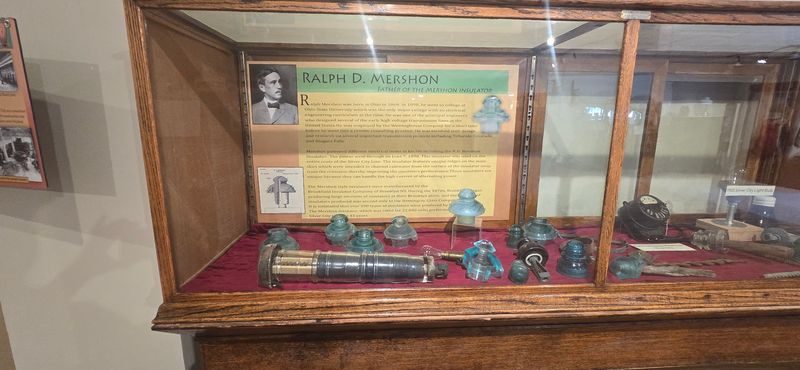
Electricity rarely gets top billing at a pioneer museum. Here, though, the Ralph D.
Mershon and Silver City powerline exhibit earns real attention.
Mershon was an electrical engineer tied to early high-voltage transmission work. His connection to the Silver City powerline brings a surprisingly technical chapter to this rural museum.
The display puts early insulators and equipment up close. Seeing that level of engineering history in a small county museum is genuinely rare.
Why does power matter to a mining story? Mines needed energy to run, and moving electricity across rugged terrain was a serious challenge in those days.
This exhibit connects the dots between money in the ground and machinery above it. Suddenly the mining boom looks less like luck and more like a giant engineering project.
Engineers and tinkerers will probably linger here the longest. The glass and porcelain insulators also happen to look pretty great in a display case.
Good luck walking past without learning something. Even folks who barely understand their own fuse box will leave with a new respect for early linemen.
A Wall Of Bits And Spurs Worthy Of Any Buckaroo
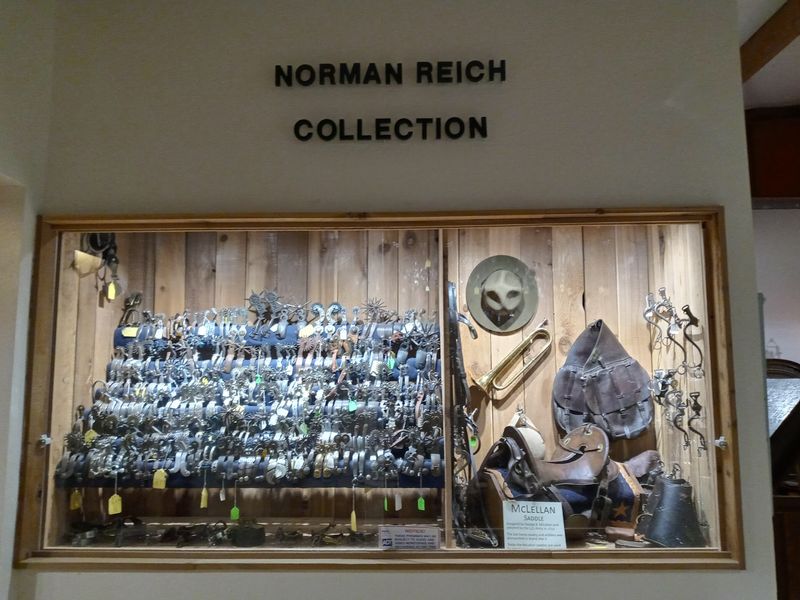
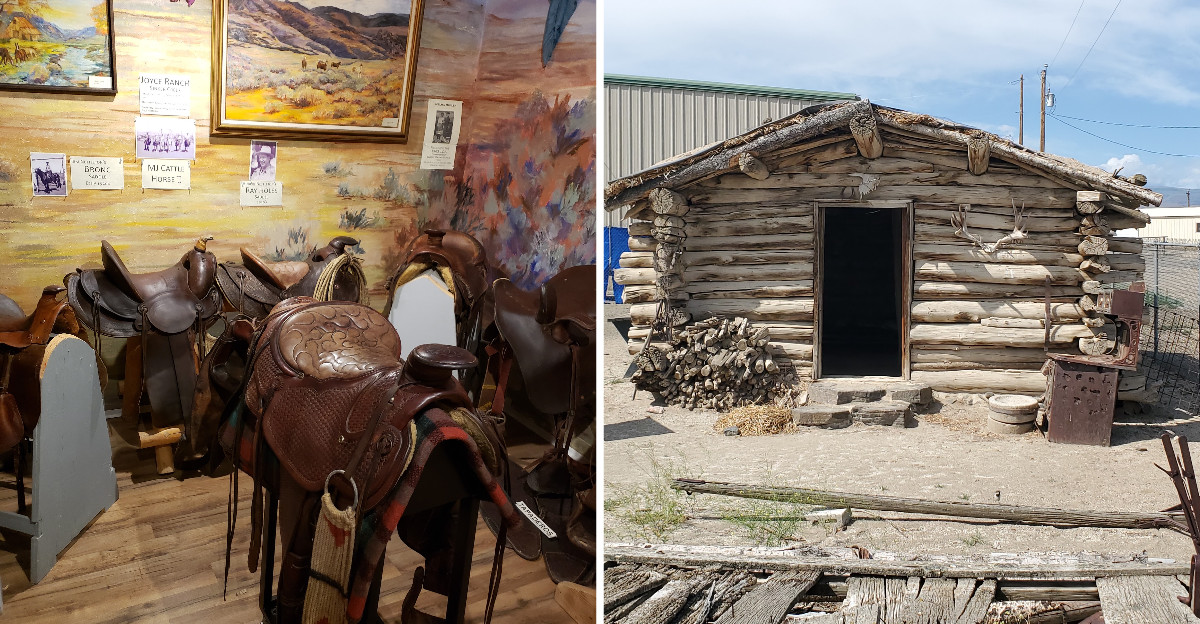
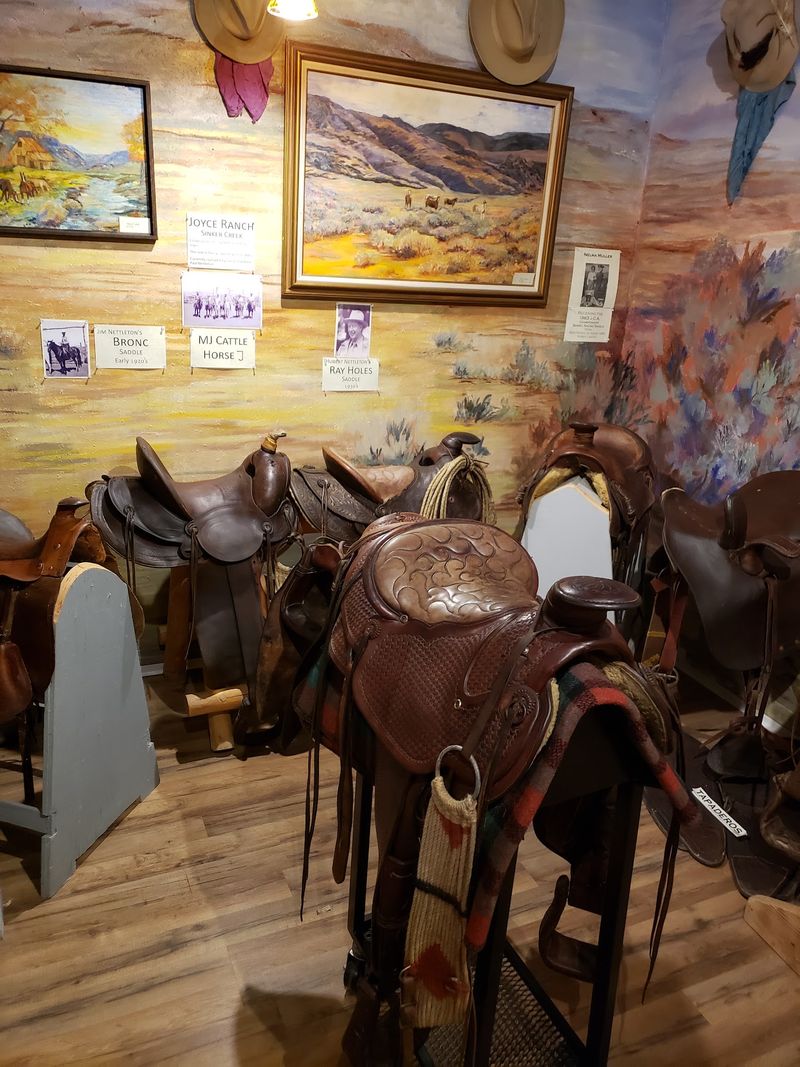
Cattle country runs deep in Owyhee County, and the horse gear collection proves it. Bits, spurs and tack fill this part of the museum in impressive numbers.
The collection stands among the most extensive of its kind you’ll find in a small museum. It’s also well displayed, so each piece gets room to show off.
Spurs and bits might sound like a niche interest. Then you notice the variety of shapes, metalwork and designs, and the craftsmanship pulls you in.
Ranching shaped this county just as much as mining did. Once the boom years faded, cattle and horses kept the local economy moving.
Anyone who rides will spot familiar styles and plenty of unusual ones. Folks who’ve never touched a saddle still get a vivid look at daily ranch life.
The gear also tells a quieter story about skill. Every bit and spur reflects a working partnership between a rider and a horse.
I like how this room honors the people who stayed after the mines quieted down. Idaho ranch heritage gets a proper stage here, polished and proud.
The New Wagon Barn Steals The Whole Show
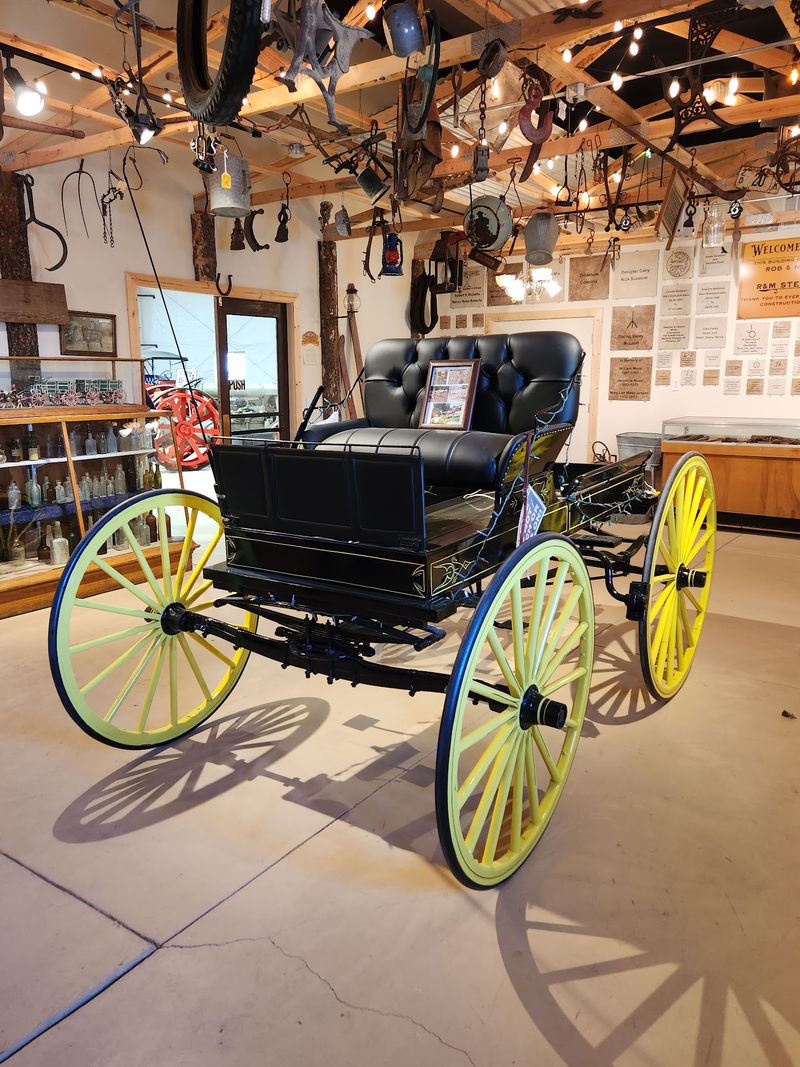
Stagecoaches, buggies and freight wagons now have a grand home on the property. The Mike Hanley Wagon Barn is the newest building at the Owyhee County Museum & Library.
It sits toward the back of the grounds and houses a recently donated collection of horse-drawn vehicles. The barn itself is immense, which makes sense once you see the rigs inside.
The layout lets you walk around most of the vehicles. That means you can study wheels, springs, seats and woodwork from every angle.
And the collection isn’t finished yet. More vehicles are scheduled to arrive on Wednesday, June 24, 2026.
Stagecoaches were the long-haul buses of their day. Standing beside one makes you grateful for modern seat cushions and paved roads.
Families will find this building especially easy to enjoy. Big wheels and old coaches need very little explanation to spark curiosity.
If you visited before the barn opened, you’ve got a fresh reason to return. It changes the scale of the whole museum in one swoop.
Outbuildings Turn The Grounds Into A Small Village
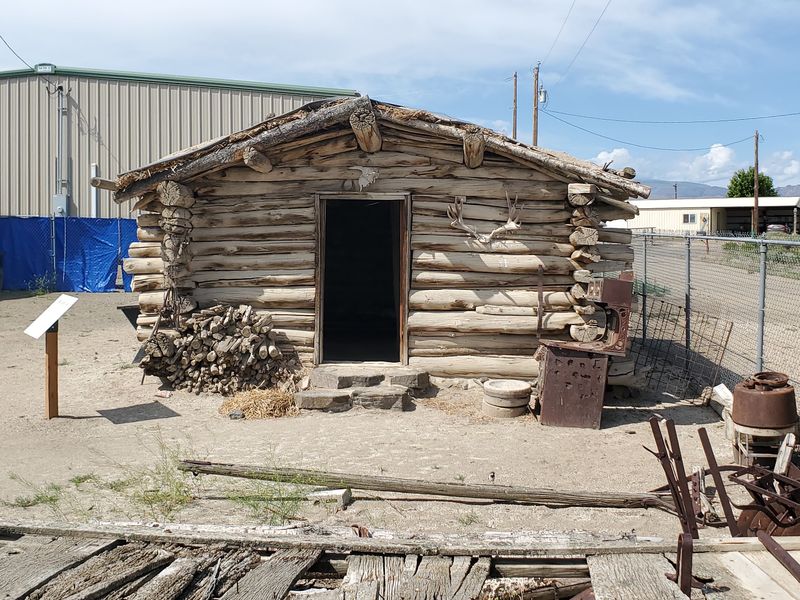
Several outbuildings dot the museum property, and one of them is a schoolhouse. Wandering between buildings gives the visit a pleasant, open-air rhythm.
The Owyhee County Museum & Library is much bigger than it appears from the street. Multiple structures spread the collection out so nothing feels crammed.
A school building brings the story down to kid level. It’s easy to imagine young students learning their lessons in a place this remote.
Homeschool groups have used the museum for field trips. That makes sense, since the grounds offer plenty to see and space to move.
Moving outdoors between exhibits also gives you a taste of the setting. Sagebrush, open sky and desert quiet frame the whole experience.
The surrounding desert has room for walks, too. In spring, wildflowers can bloom across the hills around Murphy.
So pace yourself and plan to roam. The outbuildings reward anyone willing to stroll a little and peek inside each door.
Know Before You Go To Murphy
Timing your trip is simple once you know the schedule. The museum opens Tuesday through Saturday from 10 AM to 4 PM, and closes Sunday and Monday.
Admission is free, and donations are gladly accepted. A suggested donation helps keep the exhibits and new projects going.
You’ll find the Owyhee County Museum & Library at 17085 Basey St, Murphy, ID 83650. Murphy sits in southwestern Idaho, southwest of the Treasure Valley.
The museum makes an easy stop on the way toward Silver City. Pairing the two gives you the mining story and the mountain setting in one day.
Allow more time than you think you’ll need. Many people plan a quick look and end up staying for hours.
The museum also hosts community events through the year, including an Ice Cream Social. Past gatherings have featured Model T rides, wagon rides and live music.
Families with kids will feel welcome here. The displays work for every age, and the staff keep the mood warm and easygoing.