2026 Visitors Are Rediscovering This Retro Amusement Park In Georgia
A giant dinosaur out front is usually a good sign you are about to experience something different. Southern Forest World in Waycross, Georgia leans into that sense of curiosity, offering a museum that feels part roadside attraction, part deep dive into the region’s forestry roots.
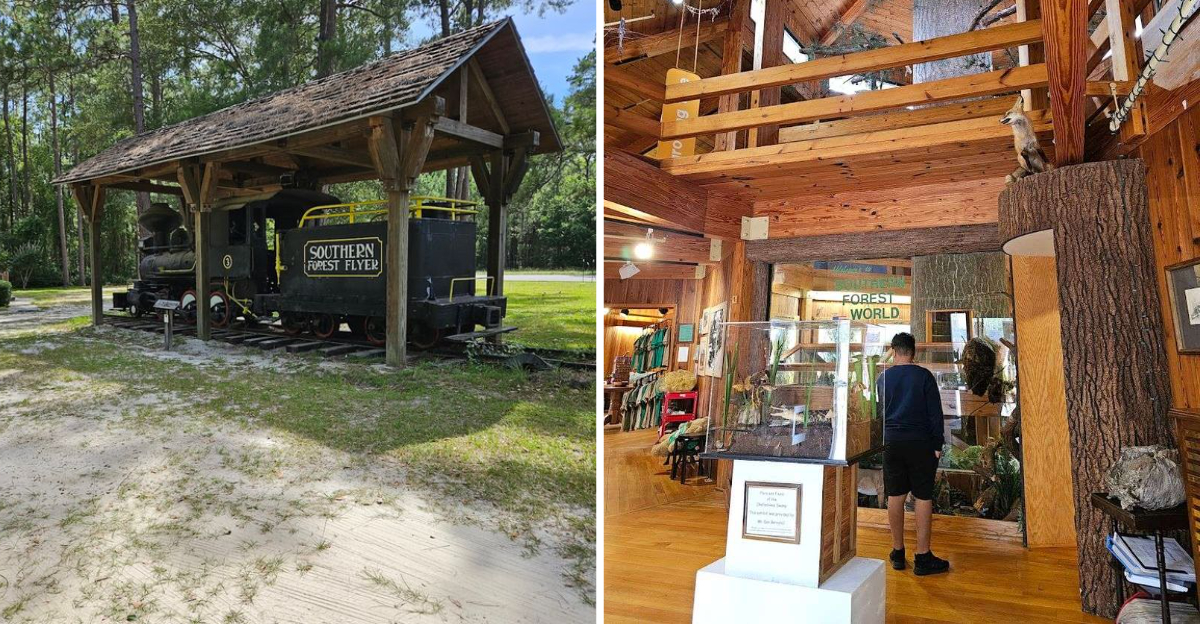
Inside, the exhibits range from vintage logging equipment to displays that highlight how forests have shaped life across the Southeast. It is informative without feeling heavy, mixing real history with a touch of quirky charm that keeps things interesting as you move through the space.
The experience works for a wide range of visitors. Kids are drawn in by the unexpected elements, while adults often find themselves appreciating the stories and details behind the industry that helped build the region. It is the kind of place where you do not quite know what you will see next.
For anyone passing through Waycross or planning a road trip across South Georgia, Southern Forest World offers a stop that feels unique, a little nostalgic, and genuinely worth the detour.
1. Interactive Exhibits That Bring Forestry History to Life
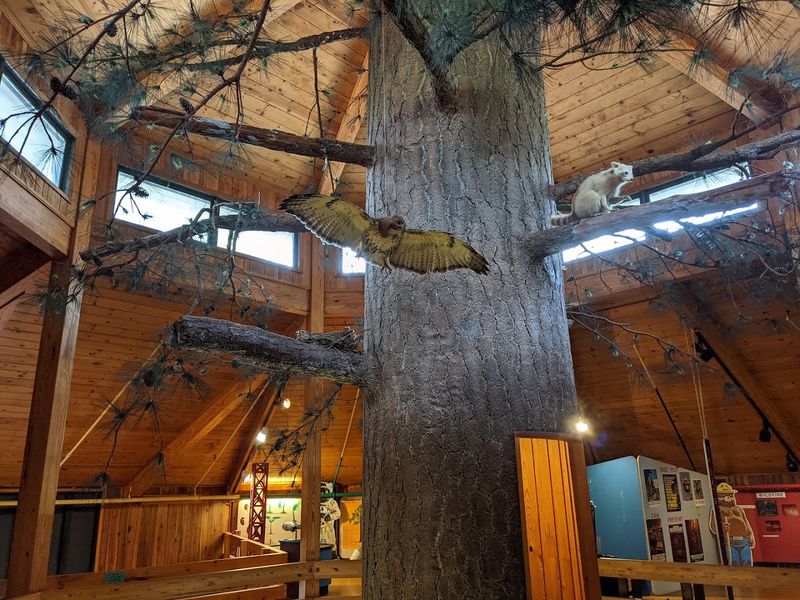
Some museums make history feel like homework, but Southern Forest World flips that script entirely. Located at 1440 N Augusta Ave, Waycross, GA 31503, this museum uses hands-on displays to walk visitors through centuries of forestry evolution in the Southeast. Touching real wood samples, reading illustrated panels, and engaging with physical models makes the experience surprisingly absorbing.
The exhibits cover everything from colonial-era timber use to modern sustainable tree farming techniques. Each station is designed to appeal to multiple age groups, so younger kids stay curious while adults absorb the deeper context. The layout flows naturally, making it easy to spend an hour without realizing how much time has passed.
Weekday visits tend to be quieter, which means more breathing room around each display. Knowledgeable staff are usually nearby to answer questions and add colorful context. For anyone curious about how forests shaped Southern life, this is a genuinely rewarding starting point.
2. The Talking Tree Experience
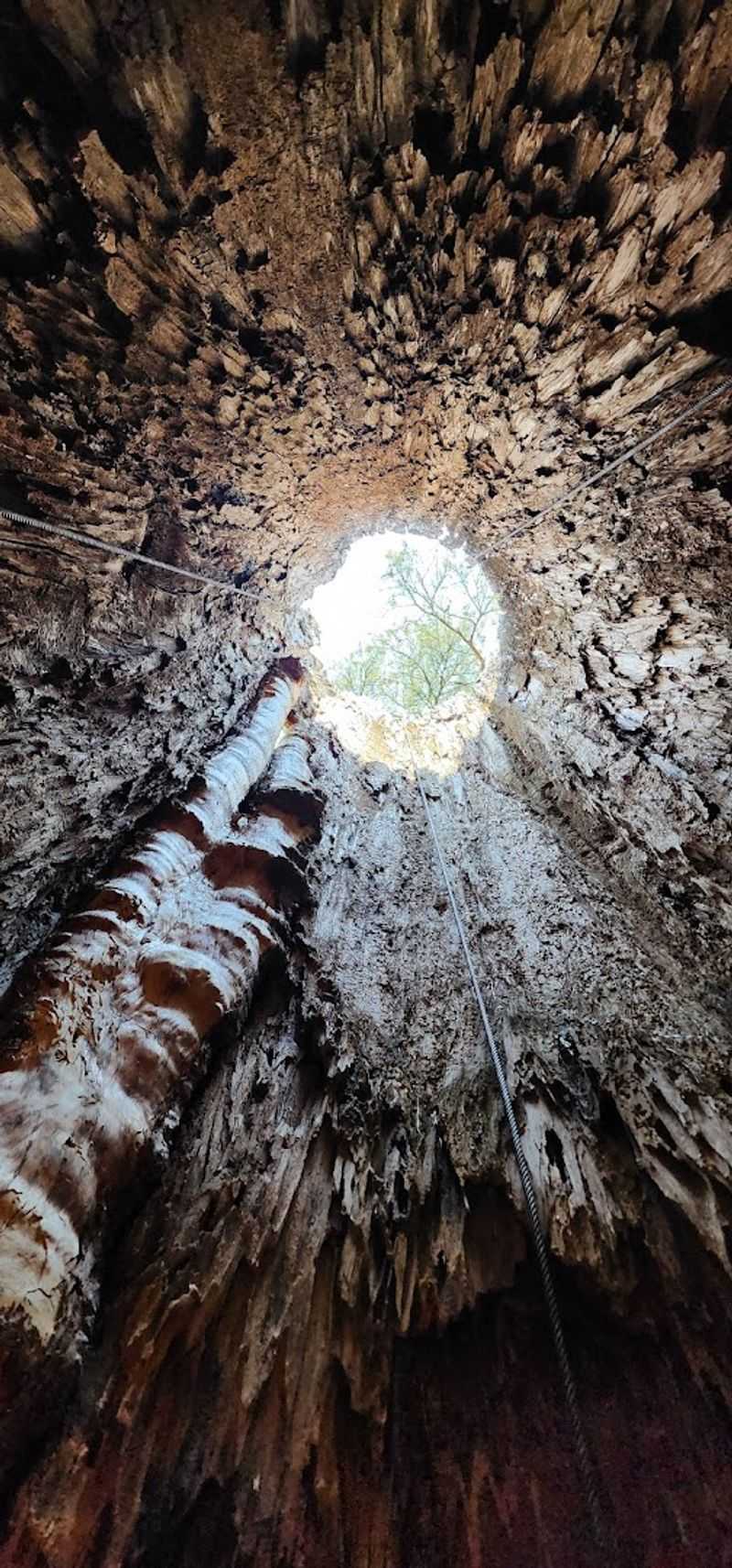
Few museum exhibits earn the kind of wide-eyed reaction that the Talking Tree consistently delivers. Positioned as a centerpiece attraction at Southern Forest World this animated exhibit uses voice and movement to explain tree biology and forest ecology in a way that feels almost magical. Children especially tend to stop mid-step when they first notice it speaking.
The Talking Tree simplifies complex botanical concepts into friendly, digestible storytelling. It covers topics like photosynthesis, root systems, and how trees communicate with their environment, all without requiring any prior science knowledge. The presentation style is warm and slightly theatrical, which keeps attention locked in.
Even adults who expected to breeze past end up lingering longer than planned. The exhibit works well as an icebreaker for younger visitors who might feel hesitant about a museum setting. Starting here before exploring the rest of the museum tends to set a curious, enthusiastic tone for the whole visit.
3. Stuckie the Mummified Dog
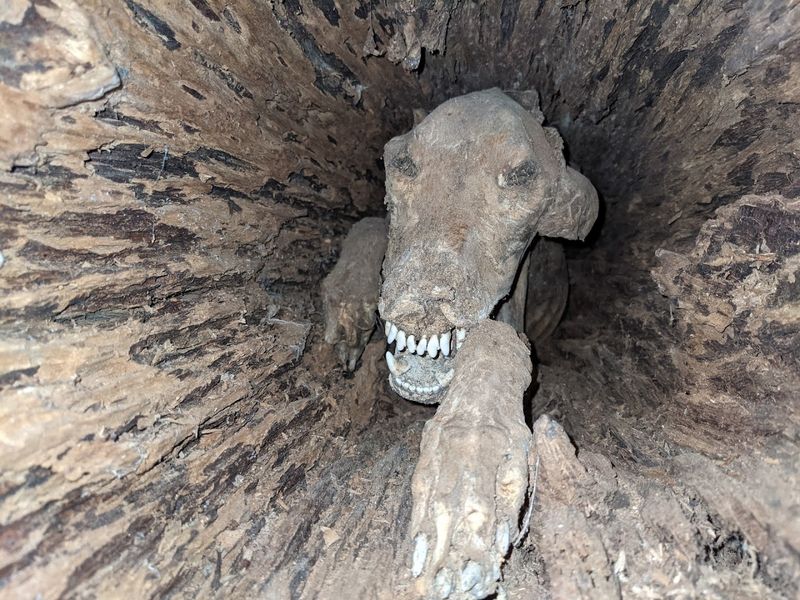
Arguably the most talked-about exhibit in the entire museum, Stuckie has earned a reputation that stretches far beyond Waycross. At Southern Forest World, this naturally mummified dog was discovered wedged inside a hollow chestnut oak log during logging operations decades ago. The dog became so well preserved due to the tree’s natural tannins and upward airflow that it was once featured at Ripley’s Believe It or Not.
Stuckie now rests in the same log section, displayed for visitors in a respectful and informative setting. Signage explains the science behind the mummification process, turning what could feel eerie into a genuinely fascinating natural history lesson. The exhibit draws a mix of reactions, from amazed to slightly spooked, but almost everyone agrees it is unforgettable.
Photographers and curiosity-seekers make a point of visiting specifically for this exhibit. Arriving with an open mind and a love for the unusual makes the encounter far more enjoyable than approaching it with hesitation.
4. Walking Inside a Hollow Cypress Tree
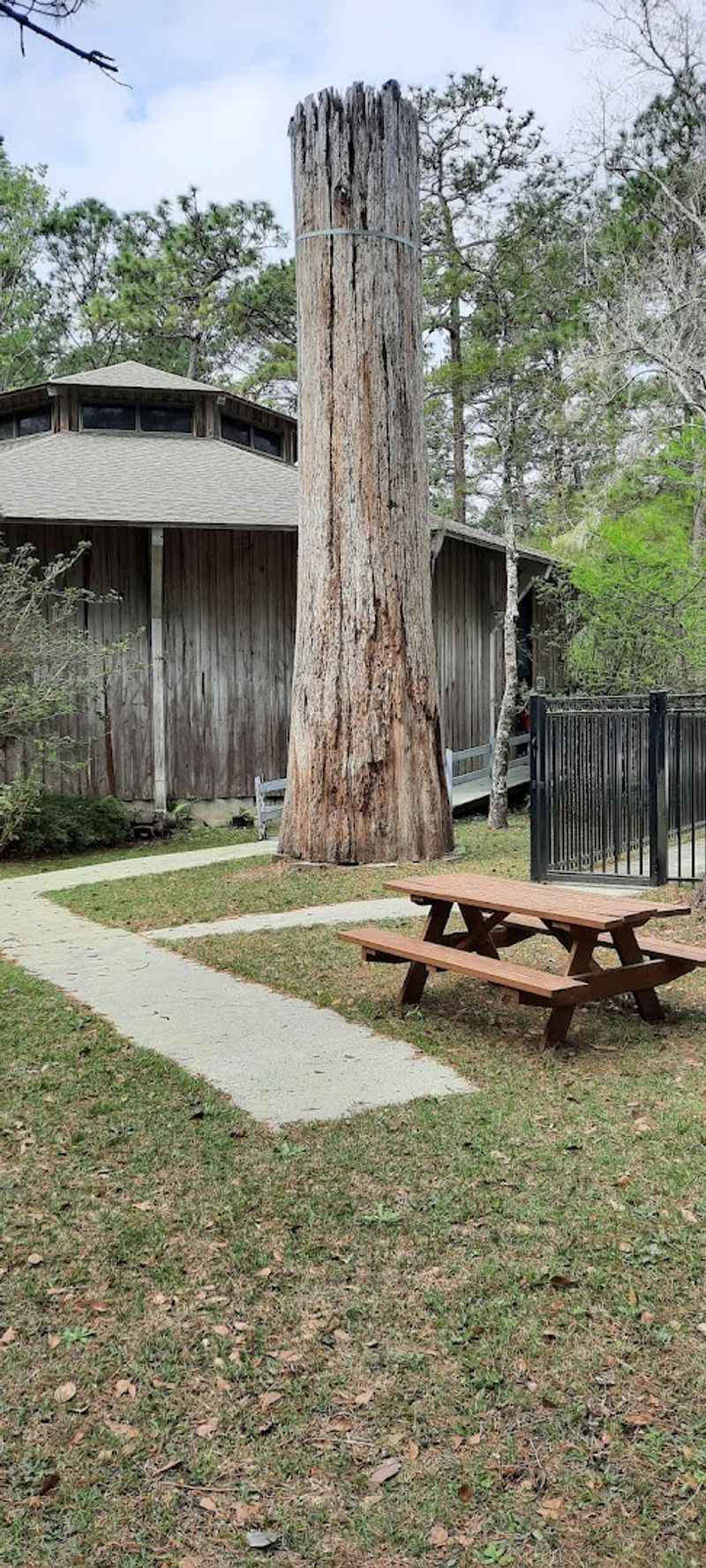
There is something undeniably thrilling about stepping inside a tree rather than just looking at one. Southern Forest World, features a hollow cypress tree large enough for visitors to actually walk through. The experience gives an immediate, physical sense of just how massive old-growth trees in the Southeast can grow over centuries.
The inside of the tree carries a distinct earthy, woody scent that adds to the immersive feel. Interpretive panels nearby explain how cypress trees develop hollow cores, the role those hollows play in swamp ecosystems, and why the species thrives in Georgia’s wetland environments. It is the kind of exhibit that turns abstract facts into something genuinely felt.
Kids tend to be especially excited by this one, though adults often linger just as long. Wearing comfortable shoes makes navigating this section easier, particularly for visitors with mobility considerations. The experience is brief but memorable in a way that sticks long after the visit ends.
5. The 38-Foot Loblolly Pine with Spiral Staircase

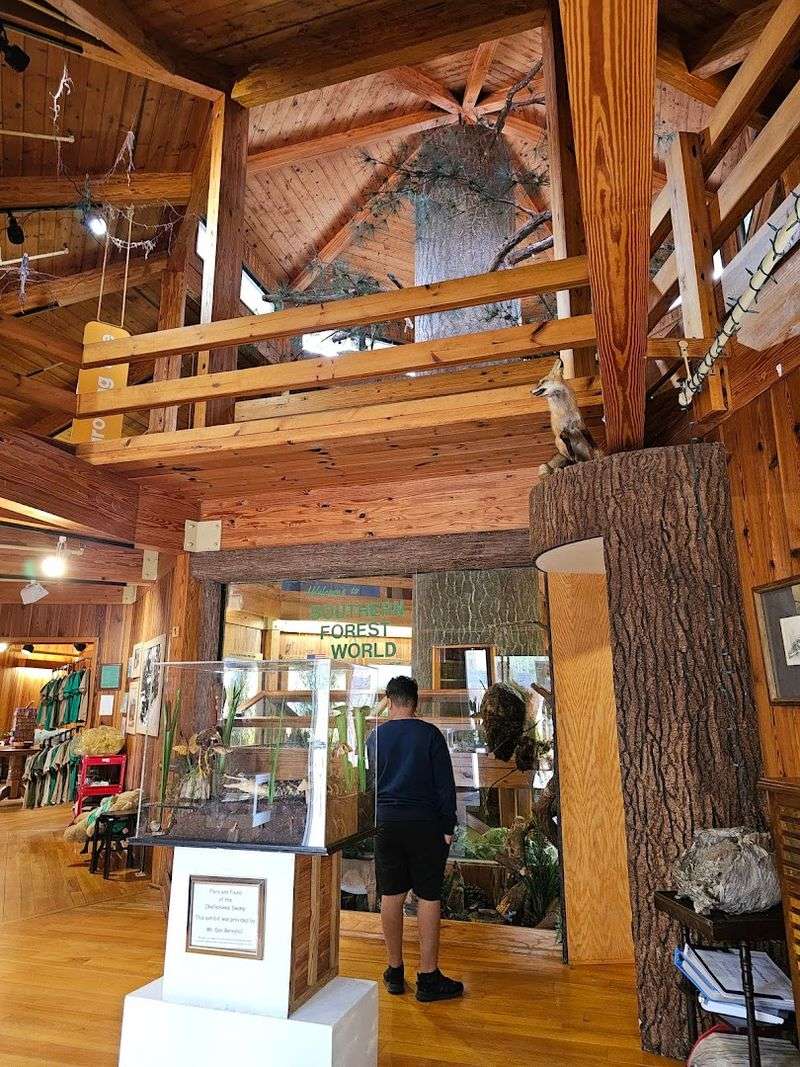
Standing nearly four stories tall inside a museum, the loblolly pine replica at Southern Forest World is a jaw-dropping centerpiece that commands attention the moment visitors walk in. This 38-foot fiberglass recreation of a loblolly pine comes complete with a spiral staircase that winds upward through its trunk. Climbing it offers a playful sense of scale and a bird’s-eye perspective of the surrounding exhibits below.
The loblolly pine is one of the most economically significant tree species in the American South, used in everything from paper production to construction lumber. Displays around the base of the exhibit highlight these commercial and ecological contributions in clear, approachable language. The combination of physical scale and informational depth makes this exhibit particularly effective for school groups.
Visitors with a fear of heights may prefer to appreciate the structure from ground level, which still offers plenty of visual impact. The staircase is sturdy and well-maintained, and the view from the top is genuinely worth the climb.
6. The Okefenokee Swamp Room
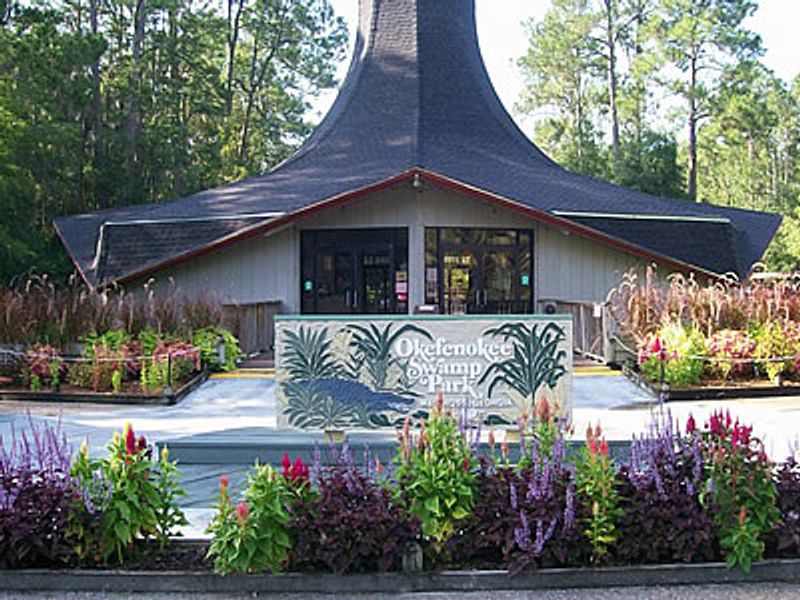
Georgia’s Okefenokee Swamp is one of the oldest and largest blackwater swamps in North America, and Southern Forest World dedicates an entire room to honoring its wild complexity. This atmospheric exhibit surrounds visitors with detailed murals, taxidermied wildlife, and informational displays that capture the layered ecosystem of the swamp. The room has a moody, immersive quality that feels like stepping into the wetlands without getting muddy.
The exhibits cover native species like alligators, herons, and pitcher plants, explaining how each organism fits into the swamp’s delicate balance. There is also historical context about Indigenous peoples who lived alongside the swamp and early European settlers who relied on its resources. The depth of information here rewards slow, attentive reading.
Visitors planning to also explore the actual Okefenokee National Wildlife Refuge nearby will find this room serves as an excellent primer. It builds genuine appreciation for what makes the swamp ecologically irreplaceable before experiencing it firsthand.
7. Historical Logging Equipment on Display
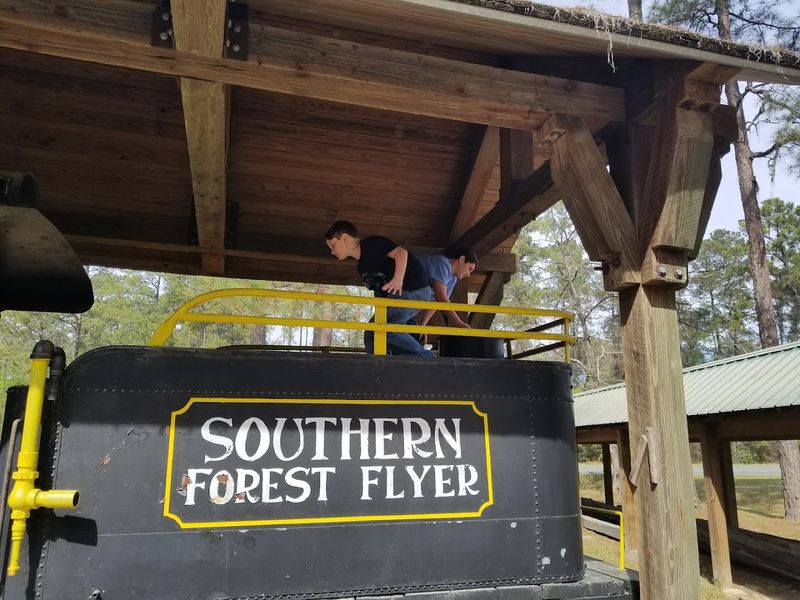
Old tools have a way of telling stories that no textbook quite can, and the logging equipment collection at Southern Forest World does exactly that. The museum preserves a range of antique logging implements alongside a scale model of a fire still used in turpentine production. Together, these artifacts paint a vivid picture of how physically demanding and technically inventive early Southern forestry actually was.
Each piece of equipment is accompanied by clear explanations of its purpose and the era it represents. Visitors can trace the evolution from hand-powered tools to early mechanized logging machinery, gaining a real sense of how the industry transformed over generations. The turpentine still is a particular highlight, as few people today realize how central naval stores production was to Georgia’s economy.
History enthusiasts and hands-on learners tend to gravitate toward this section for longer stretches. The tangible, weathered quality of the original equipment adds an authenticity that replica exhibits simply cannot replicate.
8. The Saturn Rocket Pine Products Connection
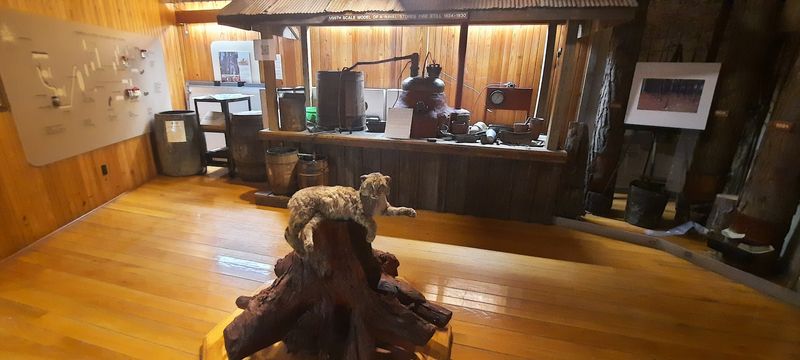
Few visitors expect to find a space exploration connection inside a forestry museum, which makes this exhibit one of Southern Forest World’s most pleasantly surprising moments. The museum displays a 7-foot-tall scale model of the Saturn V rocket alongside an explanation of how pine-derived products contributed to the Apollo missions. It is a genuinely unexpected detail that reframes the humble pine tree as a material with cosmic reach.
Pine resin and wood-based compounds were used in insulation, adhesives, and other components that helped make early space travel possible. The exhibit connects local forestry heritage to one of humanity’s greatest technological achievements, which tends to spark real excitement in visitors of all ages. The storytelling here is tight, focused, and satisfyingly surprising.
This section works especially well for sparking conversations between adults and curious kids. Pairing this exhibit with the broader loblolly pine display nearby creates a natural narrative arc about just how versatile Southern pine resources truly are.
9. Educational Programs for All Ages
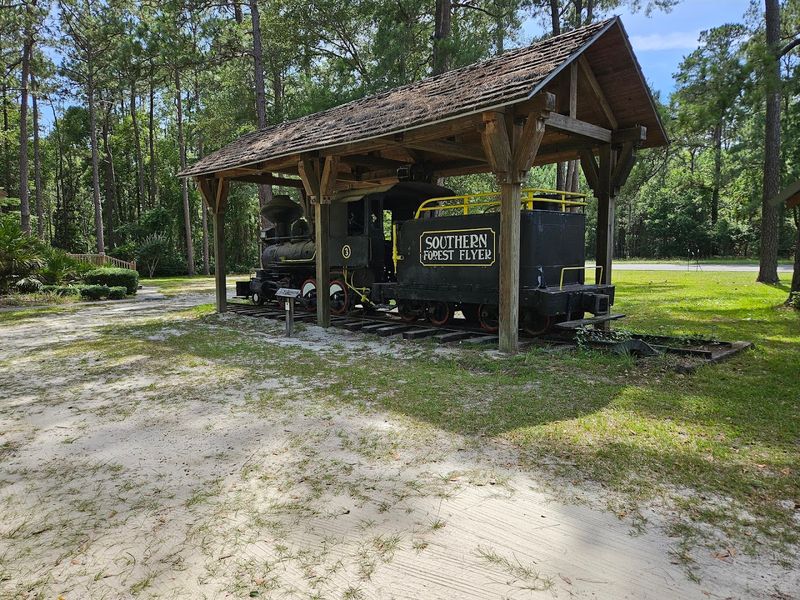
Beyond the permanent exhibits, Southern Forest World offers structured educational programming that deepens the experience for curious visitors. The museum has developed programs that explore forestry science, ecology, and regional history in formats suited to different age groups and learning styles. School field trips are a popular use case, but the programs are accessible to homeschool groups and general visitors as well.
Topics can range from tree identification and forest management to the economic history of timber in the South. Guided sessions allow participants to ask questions and engage with material at a pace that suits the group. The staff who lead these programs tend to bring genuine enthusiasm to the subject, which makes a noticeable difference in how the content lands.
Booking in advance is recommended for groups, especially during spring when school trip season peaks. Individual visitors can often benefit from joining a scheduled program even without prior reservation, though checking availability ahead of time is a smart move.
10. Nature Trails Through Real Georgia Woodland
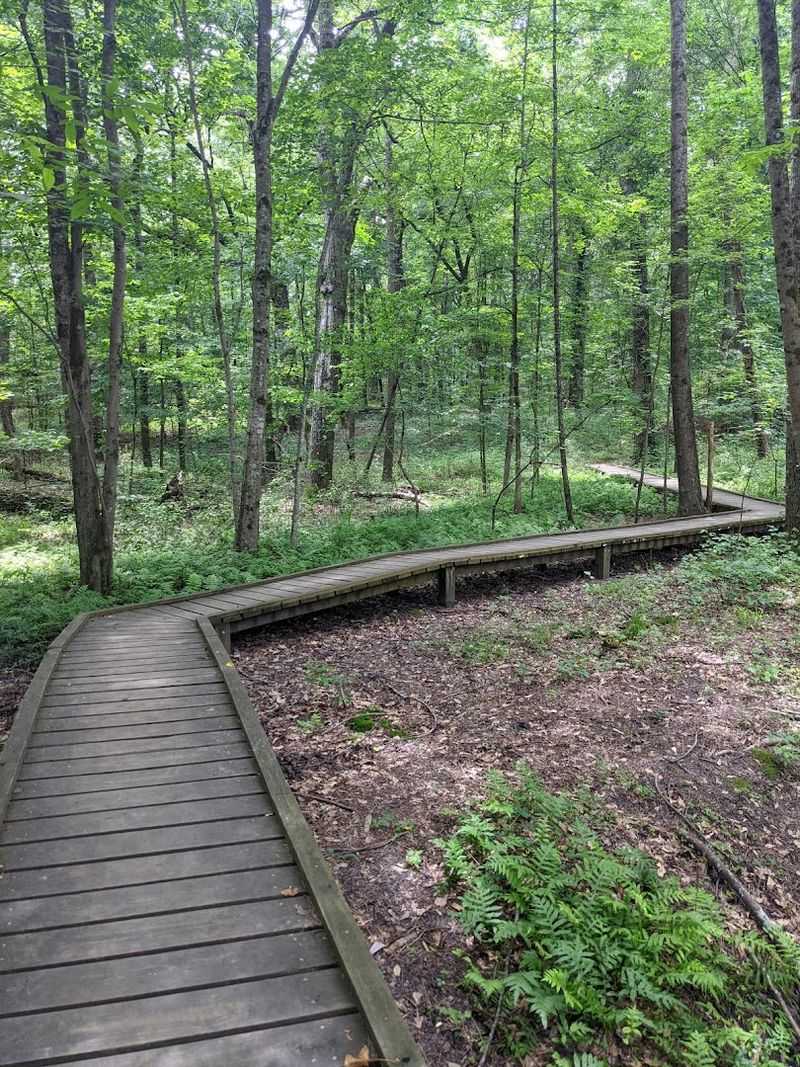
After spending time indoors with exhibits, stepping outside onto the nature trails behind Southern Forest World offers a refreshing change of pace. The trails wind through a natural wooded area adjacent to the museum giving visitors a direct encounter with the same forest environment they just learned about inside. The contrast between exhibit and reality makes both experiences more meaningful.
The trails are relatively gentle and manageable for most fitness levels, though sturdy footwear is always a sensible choice for uneven forest terrain. Seasonal changes affect the look and feel of the trails considerably, with spring and fall offering particularly pleasant walking conditions in Georgia’s moderate climate. Birdwatchers may find the area especially rewarding during morning hours.
Families with children who have extra energy after the indoor exhibits will find the trails a natural outlet. The wooded setting also provides excellent photo opportunities, particularly in the golden light of late afternoon when the pine canopy filters the sun in warm, layered tones.
11. Outdoor Playground with Climbing Structures
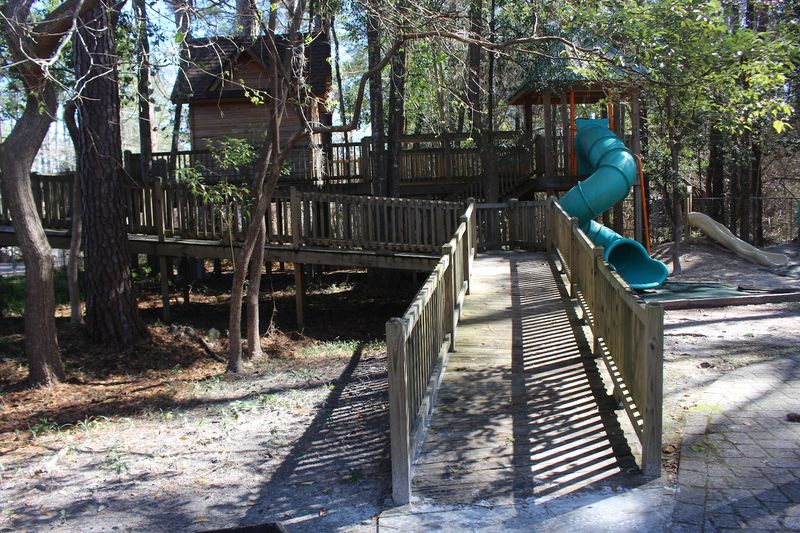
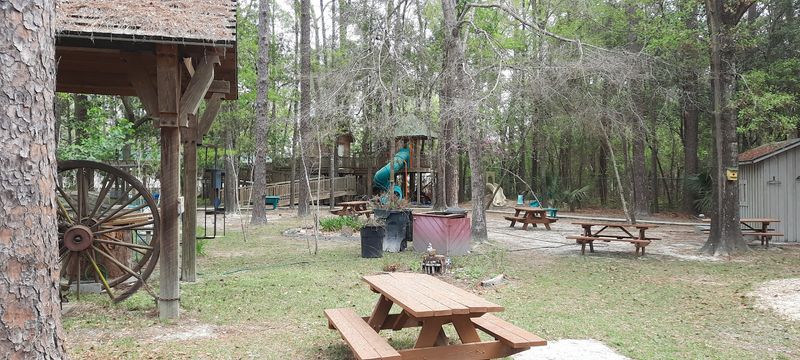
Keeping younger visitors engaged throughout a museum trip can be a real challenge, and the outdoor playground at Southern Forest World solves that problem with genuine flair. The play area features a spider web climbing structure that children tend to make a beeline for the moment they spot it. The outdoor setting, surrounded by natural Georgia woodland, gives the playground a relaxed, summer-camp kind of energy.
The play equipment is designed with physical activity and imagination in mind, offering kids a chance to burn off energy in a safe, shaded environment. Parents can relax nearby while children explore, making this a practical pit stop for families who need a natural break in the middle of a longer visit. The area is well-maintained and generally clean.
Visiting on a weekday keeps the playground less crowded, which younger kids often appreciate. Bringing a light snack or water bottle to enjoy in the outdoor space turns a quick break into a pleasant, unhurried rest before heading back inside.
12. The Gift Shop Full of Unique Finds
Not every museum gift shop earns a second look, but the one at Southern Forest World is genuinely worth browsing before heading out. Located inside the museum the shop carries a thoughtful mix of items including wood-carved bowls, forestry-themed t-shirts, coloring books, and various handcrafted goods that reflect the museum’s mission. The selection leans toward quality over quantity, which makes gift-hunting feel purposeful rather than overwhelming.
Many items are locally sourced or produced with regional materials, giving purchases a meaningful connection to the Southern forestry heritage the museum celebrates. Coloring books and activity sets make particularly practical picks for families with young children, extending the educational experience well beyond the visit itself. Prices tend to be reasonable compared to larger tourist attraction shops.
Purchases here also support the museum’s non-profit operations, which adds an extra layer of satisfaction to every transaction. Allowing a few extra minutes at the end of a visit to browse the shop is a low-pressure way to wrap up the experience on a pleasant note.
13. A Genuinely Family-Friendly Atmosphere
Some attractions market themselves as family-friendly while quietly catering only to adults, but Southern Forest World earns that label honestly. The museum is laid out with multi-generational groups in mind, offering exhibits that shift in complexity depending on the visitor’s age and background knowledge. Toddlers, teens, and grandparents can all find something to connect with during the same visit.
The pacing of the museum is flexible, with no fixed route or time pressure. Families can linger at the exhibits that spark the most conversation and move briskly past ones that hold less interest for their group. Staff are approachable and accustomed to answering questions from visitors of all ages, which contributes to the relaxed, welcoming tone throughout.
Admission pricing is generally affordable, making it accessible for larger family groups. The combination of indoor exhibits, outdoor trails, and playground means the visit can be shaped around what works best for the energy levels and interests of any particular family on any given day.
14. Deep Historical Significance of Georgia Forestry
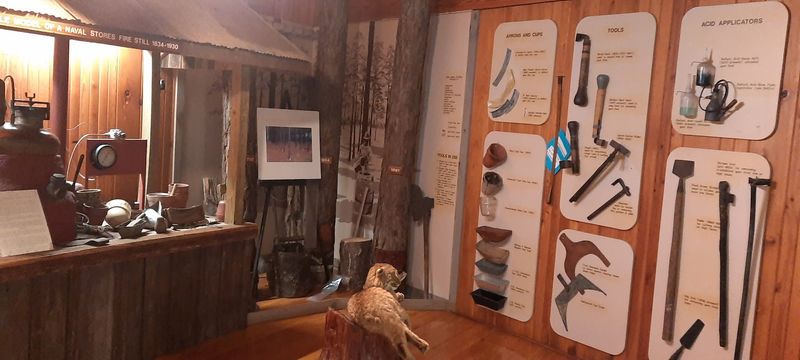
Georgia’s forests have shaped the state’s economy, culture, and landscape for centuries, and Southern Forest World exists specifically to honor that legacy with accuracy and depth. The museum traces the arc of forestry from early colonial timber harvesting through the turpentine boom, the rise of industrial logging, and the modern era of sustainable forest management. The historical narrative is cohesive and well-researched throughout.
Exhibits touch on the social dimensions of forestry as well, including the communities that formed around logging camps and the economic cycles that defined entire regions of South Georgia. This broader context transforms the museum from a simple nature exhibit into a meaningful window on Southern history. Visitors with family roots in rural Georgia may find certain exhibits carry personal resonance.
The museum’s approach to history is honest and layered, avoiding both romanticization and oversimplification. That balance makes it a credible resource for anyone genuinely curious about how Georgia’s natural landscape and its human story have always been deeply intertwined.
15. Supporting a Non-Profit That Preserves Regional Heritage
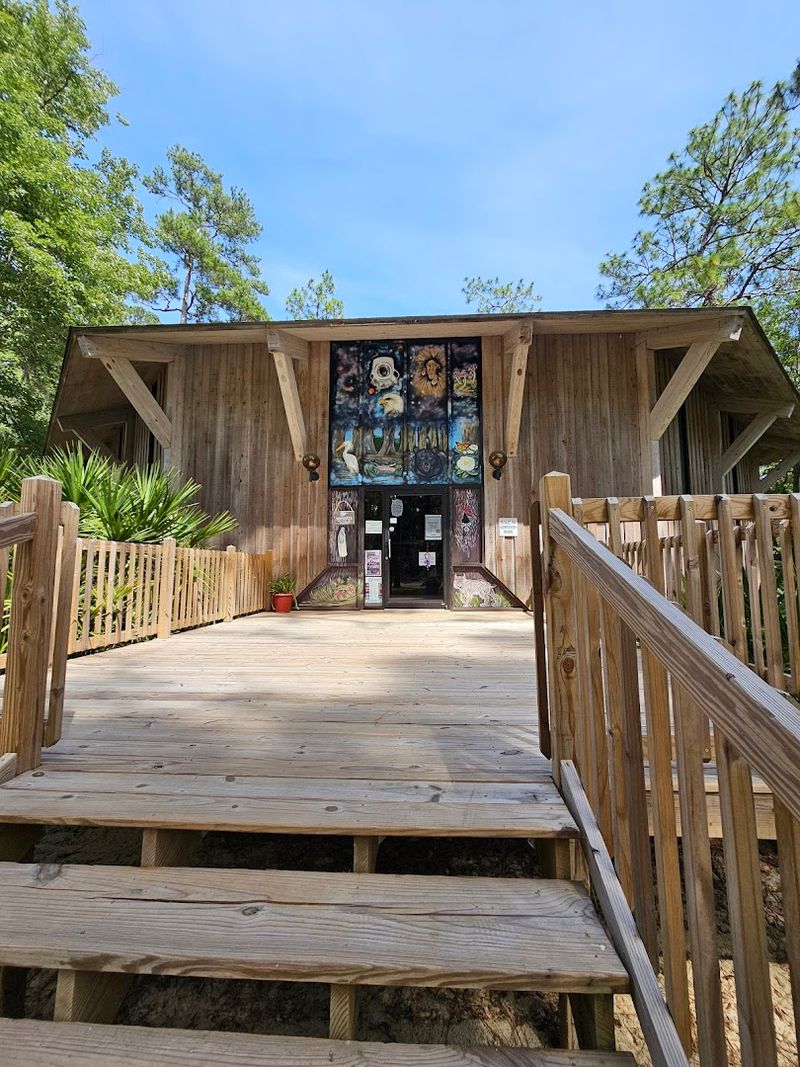
Every admission ticket and gift shop purchase at Southern Forest World goes toward sustaining a non-profit organization with a clear and worthwhile mission. The museum operates without the commercial backing of larger attractions, relying on visitor support, memberships, and community partnerships to keep its exhibits maintained and its programs running. That context gives a visit here a slightly different emotional weight than a trip to a for-profit theme park.
The organization actively works to preserve artifacts, documents, and stories related to Southeastern forestry that might otherwise be lost over time. Supporting that work through a visit is a small but tangible contribution to keeping regional heritage visible and accessible for future generations. Membership options are available for those who want to engage more deeply with the museum’s ongoing mission.
Traveling with intention and choosing destinations that give back to local communities is a growing priority for many 2026 visitors. Southern Forest World fits that ethos naturally, offering authentic value without the noise and commercialization that can sometimes dilute the travel experience.