Visitors Can Tour EBR-1 Near Arco, Idaho, The World’s First Nuclear Plant To Produce Usable Electricity
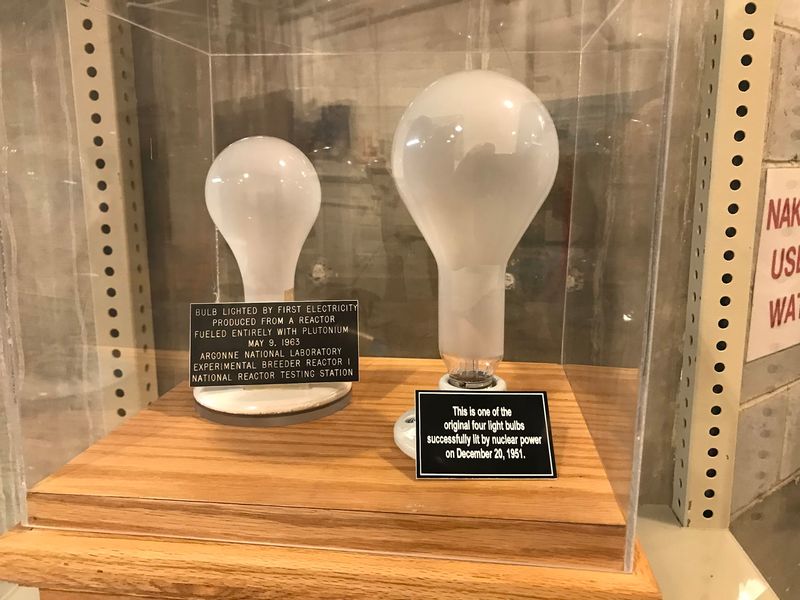
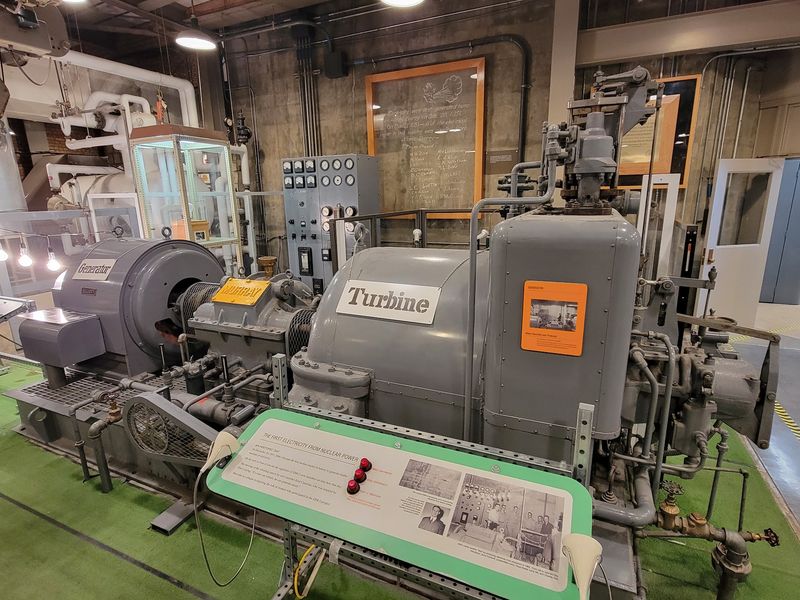
Four light bulbs. That’s how the world’s first usable electricity from atomic power announced itself, glowing on December 20, 1951.
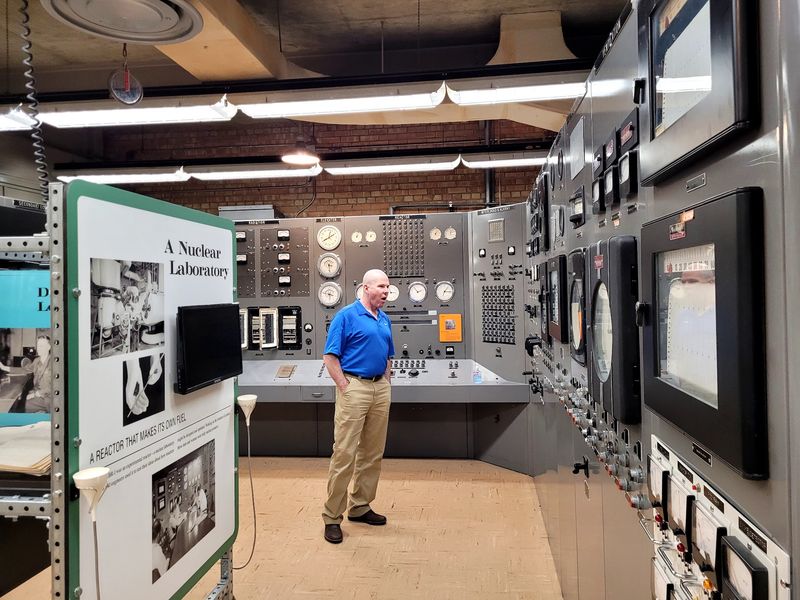
The building where it happened still stands in the Idaho desert. You can walk inside it, poke around the original control room, and even press buttons on a real reactor panel.
Admission costs nothing at all.
I love that such a huge moment came with such a humble signal. No fireworks, no parade, just a few bulbs on a string flickering to life.
I can’t imagine how those engineers felt in that quiet room.
The site sits along a lonely stretch of highway that many drivers zip past without a second glance. Some of them turn around once they realize what they missed.
So what exactly waits behind those walls?
The Reactor That Lit Up History Sits Right Off the Highway
Out on the Snake River Plain, a plain-looking building holds one of science’s biggest bragging rights. The Experimental Breeder Reactor-I, better known as EBR-1, became the first power plant on Earth to produce usable electricity from atomic energy.
Today the site operates as the EBR-I Atomic Museum, and it’s a designated National Historic Landmark. It sits within the vast Idaho National Laboratory site, a place tied to nuclear research for decades.
The museum doesn’t ask you to imagine history from a distance. You get to stand in the actual rooms where engineers made it happen.
That’s a rare thing for any museum to offer.
The setting adds its own drama. Miles of sagebrush stretch in every direction, and the drive out can feel like a scene from a vintage sci-fi film.
EBR-1 is part science lesson and part road trip reward. It appeals to anyone who enjoys machines, history, or simply finding something unexpected along an Idaho highway.
Plenty of travelers spot the sign on the way to somewhere else. Then curiosity wins.
Given what’s inside, that’s a very good outcome for everyone involved.
Four 200-Watt Bulbs and One Very Big Day
December 20, 1951, started like a normal winter workday in eastern Idaho. By the end of it, a small team had changed the story of energy forever.
Engineers at EBR-1 used atomic power to light four 200-watt light bulbs. It doesn’t sound like much on paper.
Yet it marked the first time a nuclear plant produced electricity people could actually use.
The next day, the reactor generated enough power to run the entire building. That leap from a few bulbs to a whole facility showed the idea worked in practice.
I like how modest the proof was. There was no giant city grid involved, just simple bulbs that anyone could understand.
The museum honors that moment with its exhibits and stories about the people who worked here. You’ll learn about the individuals behind the science, not just the equipment.
Standing in the place where it all happened gives the history real weight. Textbooks can explain the milestone.
Only a visit lets you share the same floor where those bulbs first glowed.
Yes, It Made More Fuel Than It Used
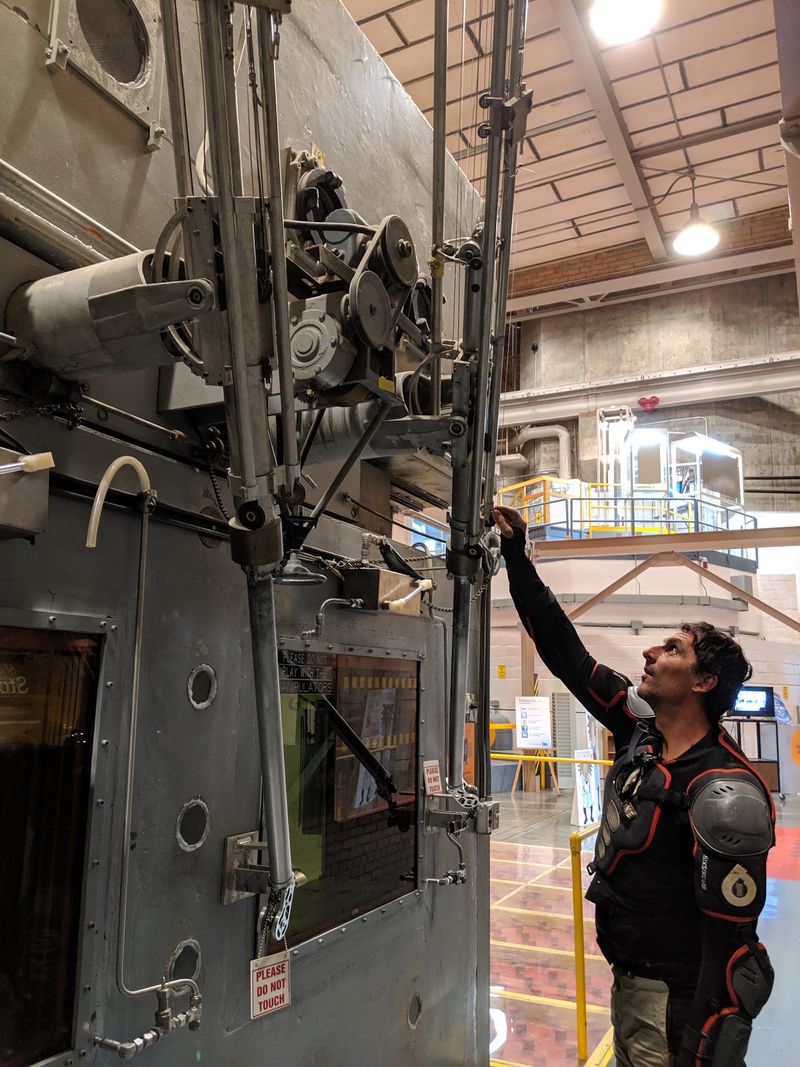
Lighting bulbs was only part of the achievement. EBR-1 had another job, and its name gives the secret away.
A breeder reactor aims to create more nuclear fuel than it consumes. Many people doubted that was possible in real conditions.
In 1953, experiments at EBR-1 confirmed the concept. The reactor bred more fuel than it burned, making it the world’s first true breeder reactor.
That result mattered for the future of nuclear power. It suggested fuel supplies could stretch much further than expected.
The museum explains these ideas in plain terms, which helps if physics class feels like a distant memory. Displays break down how the reactor worked and why the breeding result was such a big deal.
There’s also a short movie covering the physics and history of the site. It’s a handy primer before you start exploring the rooms on your own.
Honestly, it’s a little wild to think a remote Idaho building proved two major scientific milestones within a couple of years. Most landmarks are happy with one claim to fame.
EBR-1 collected a pair.
Go Ahead and Press the Buttons in This Control Room
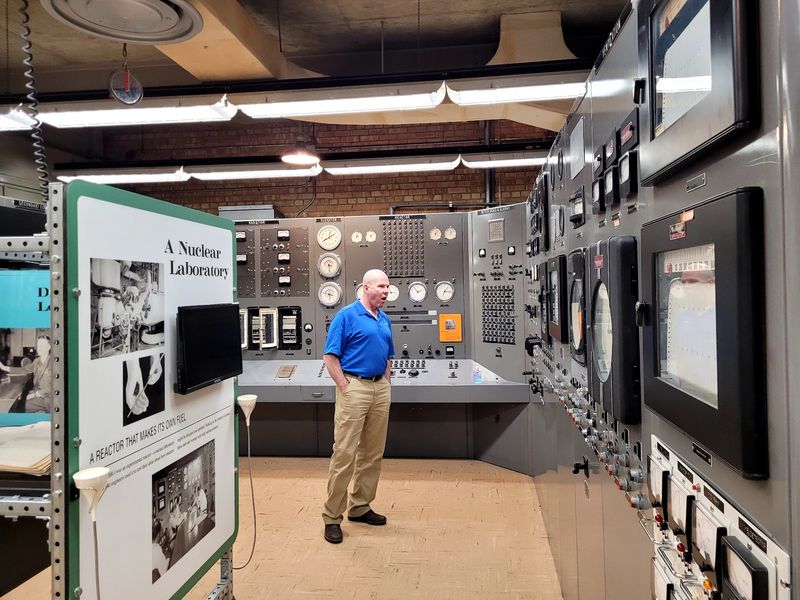
Most museums post signs begging you not to touch anything. The original control room at EBR-1 flips that rule in a delightful way.
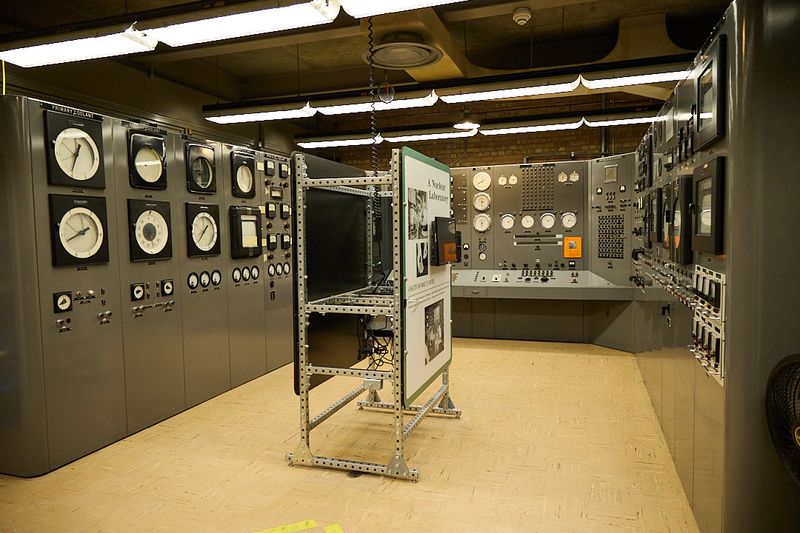
Banks of vintage dials, switches, and gauges line the room. It’s a time capsule of mid-century scientific equipment, preserved in remarkable shape.
Visitors are welcome to push the buttons on the control panel. Nothing happens to the long-retired reactor, of course, but the thrill is very real.
Keep an eye out for the SCRAM button. It’s the emergency shutdown control, and its story is one of the fun bits of nuclear lore the museum shares.
Even the chalkboards add character. The handwriting on them is impressively neat, a small detail that makes the room feel like the crew just stepped out.
Kids with lots of questions will find plenty to point at here. Grown-ups who grew up on retro science fiction may feel right at home too.
For many folks, this room becomes the highlight of the whole trip. Where else can you sit at the controls of the reactor that lit the first atomic-powered bulbs?
Atomic Airplane Engines That Never Got Off the Ground
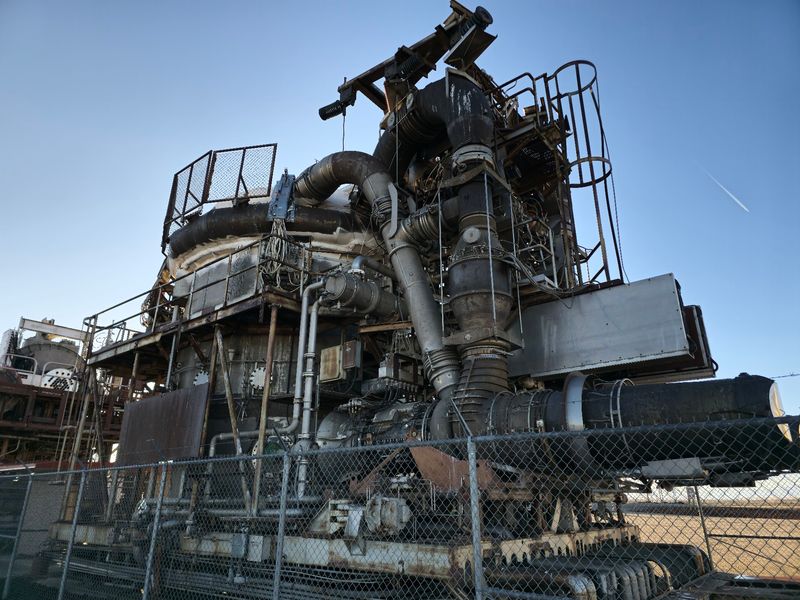
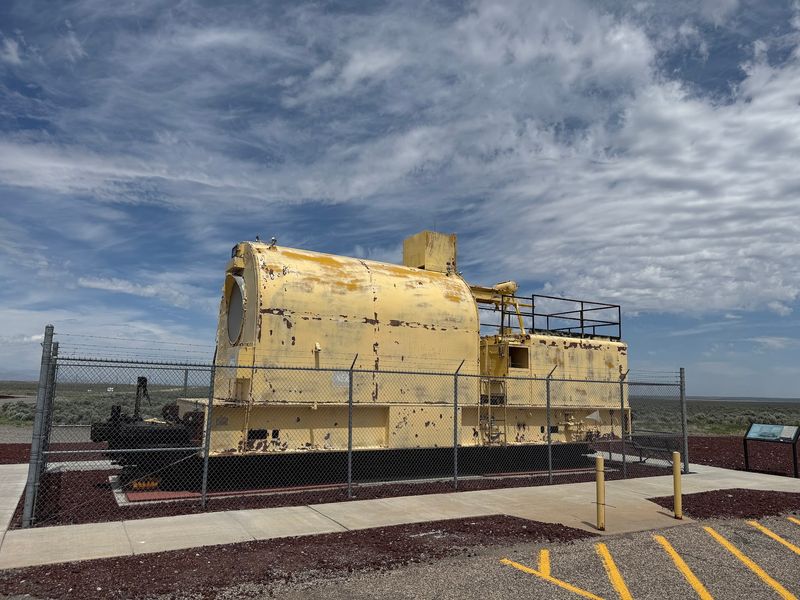
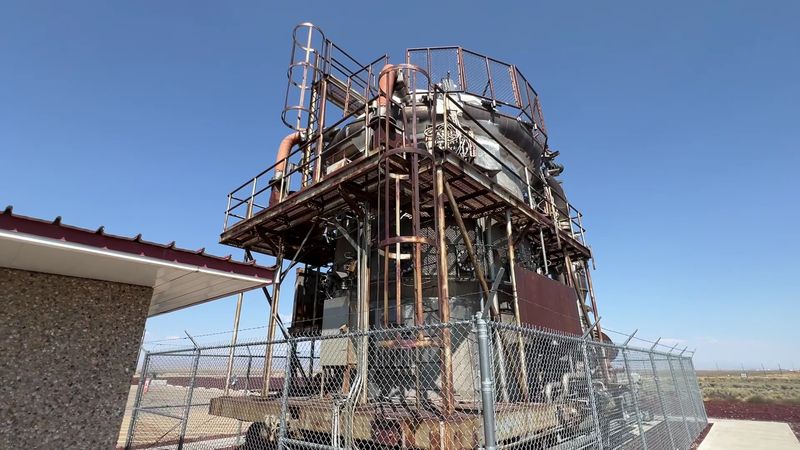
Back in the 1950s, someone looked at a jet engine and wondered whether atomic power could run it. The answer sits outside EBR-1 in steel form.
Two aircraft nuclear propulsion prototypes are on display at the museum. They were built for a program to power airplanes with nuclear energy, an idea that was eventually abandoned.
Altogether, the site lets you see four nuclear reactors up close. That count includes EBR-1 itself and these two hulking engine experiments.
The prototypes are massive. Seeing them against the open Idaho desert makes their size even more striking.
They also capture the spirit of the era beautifully. People in the 1950s truly believed atomic power would run nearly everything, from cities to aircraft.
Fans of retro-future video games and movies will recognize that optimism instantly. These engines look like props, yet they were serious engineering projects.
Bring a camera for this stop. The engines make a great photo backdrop, and they spark plenty of fun conversations on the drive home about what might have been if the planes had flown.
Robot Arms and Glove Boxes Make Science Feel Hands-On
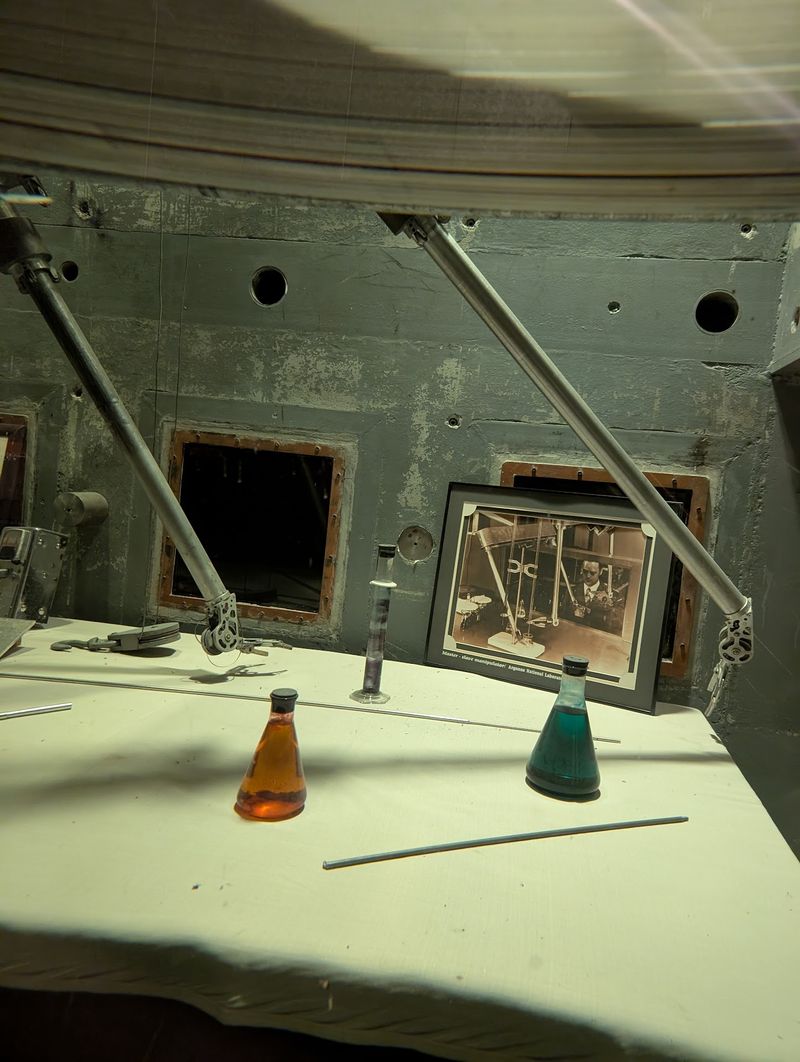
Scientists in the early nuclear days couldn’t just pick up radioactive materials. They needed clever tools, and EBR-1 lets you try a few.
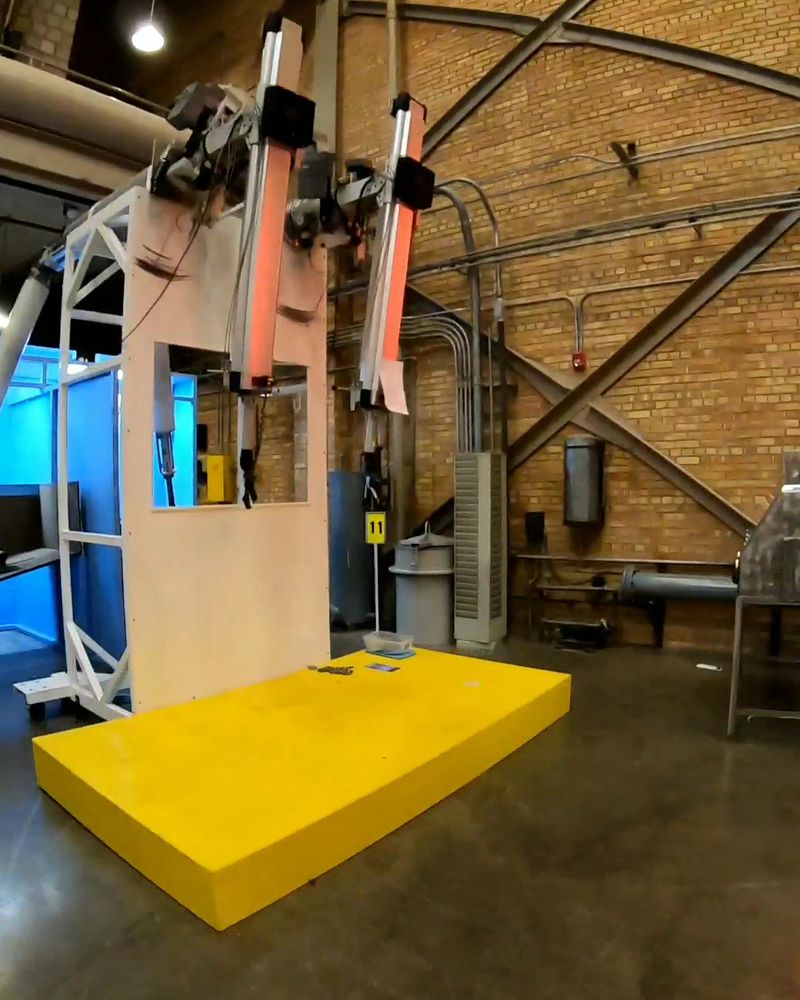
The museum features remote handling devices called manipulators. These mechanical arms let workers move objects from behind protective barriers.
There’s also a glove box exhibit. Researchers used these sealed boxes to handle materials safely without direct contact.
Trying them out is harder than it looks. Your hands quickly learn some respect for the people who did this work every day.
Hands-on displays like these help younger visitors stay engaged. They turn abstract ideas into something you can feel and fumble with.
Fair warning, though. The museum leans technical, and some kids may lose interest faster than their science-loving parents.
Families with curious children tend to do best with a guided tour. A guide can answer those endless questions while the kids test the equipment.
Teens and adults who enjoy tinkering will likely linger longest. There’s real satisfaction in moving a small object with a mechanical arm and finally getting it right.
Pick a Guide or Wander at Your Own Pace
Some travelers love a good storyteller. Others prefer to roam with a brochure and zero schedule.
EBR-1 happily serves both crowds.
Free guided tours lead visitors through several floors of the decommissioned facility. Guides explain how nuclear power works, the site’s operational history, and its safety features.
Guided tours may not run on a fixed clock, so you might need to wait for the next one. If time is tight, a self-guided option is always available.
The self-guided brochure covers the highlights clearly. You can move through the building at whatever speed suits your curiosity.
Plan on about an hour for a basic visit. Serious history fans can easily stretch that to two hours.
The building has three levels connected by stairs. Comfortable shoes are a smart choice.
Staff members greet visitors and explain the options when you arrive. That friendly welcome makes the place easy to navigate even for first-timers.
My vote? Take the guided tour if you can.
Stories from someone who knows the building turn old equipment into something truly memorable.
Free Admission, But Mind the Summer Calendar
Good news first. Admission to EBR-1 is free, and so are the guided tours.
That makes it one of the easiest family outings in eastern Idaho to fit into a budget. You don’t have to stop at the gift-shop math, either.
The catch is timing. The museum runs on a seasonal schedule, generally open daily from Memorial Day weekend through Labor Day weekend.
Outside that window, you may arrive to locked doors. Hours and dates can shift, so check before driving out.
The building is clean, with restrooms on site. Some areas show their age, and the cooling may struggle on hot summer afternoons.
Parking is plentiful, with room for both cars and RVs. That’s handy for road trippers hauling a camper across the Snake River Plain.
Services are limited in this remote stretch. Fill up the tank and pack water and snacks before you go.
Can’t make the season? The TravelStorys app offers a free virtual tour of the exhibits.
It also includes a narrated driving tour along U.S. 20 between Arco and Idaho Falls.
Getting There Means Embracing the Wide-Open Desert
Finding EBR-1 is simple, even if the scenery looks nearly empty. The museum sits on U.S.
Highway 20/26, about 18 miles southeast of Arco.
Its official location is listed as GX6V+J9, Arco, ID 83213. Many maps also show it simply along US-20 near Arco.
From Idaho Falls, it’s roughly 50 miles west. The drive takes less than an hour, which makes it a fine half-day outing.
The road crosses part of the Idaho National Laboratory site. Expect long, straight stretches with sagebrush and big sky in every direction.
The views around the building have a stark kind of beauty. That desolate feel is part of the appeal.
Signs along the highway point the way. Plenty of drivers spot one and make a spontaneous detour.
Cell service and gas stations are sparse out here. A little planning keeps the trip relaxed.
The remote setting also explains why the reactor was built here in the first place. Wide-open land offered space for bold experiments, far from busy towns.
Worth the Detour, Especially With Craters of the Moon Nearby
Arco itself carries a proud atomic footnote. In 1955, it became the first city in the world lit by nuclear power, thanks to another reactor called BORAX-III.
That makes a stop at EBR-1 feel like part of a bigger local story. Pair the two, and you get a full chapter of Idaho science history.
Craters of the Moon National Monument sits a short drive beyond Arco. Its black lava fields make a wild contrast with the reactor building.
Many travelers combine both in one day. Science in the morning, otherworldly landscapes in the afternoon sounds like a solid plan.
So who should go? History buffs, engineering fans, and anyone who enjoys pressing buttons that once mattered will feel rewarded.
Younger kids may need a guide to keep the wonder going. Teens and adults usually leave with plenty to talk about.
I believe EBR-1 is one of the most unusual free stops in Idaho. It honors a moment that reshaped the world, and it does so with a friendly, open door.
Four little bulbs deserve that kind of visit.