Visitors Say This Unusual North Carolina Lake Looks Like A Swamp Straight Out Of A Mystery Novel
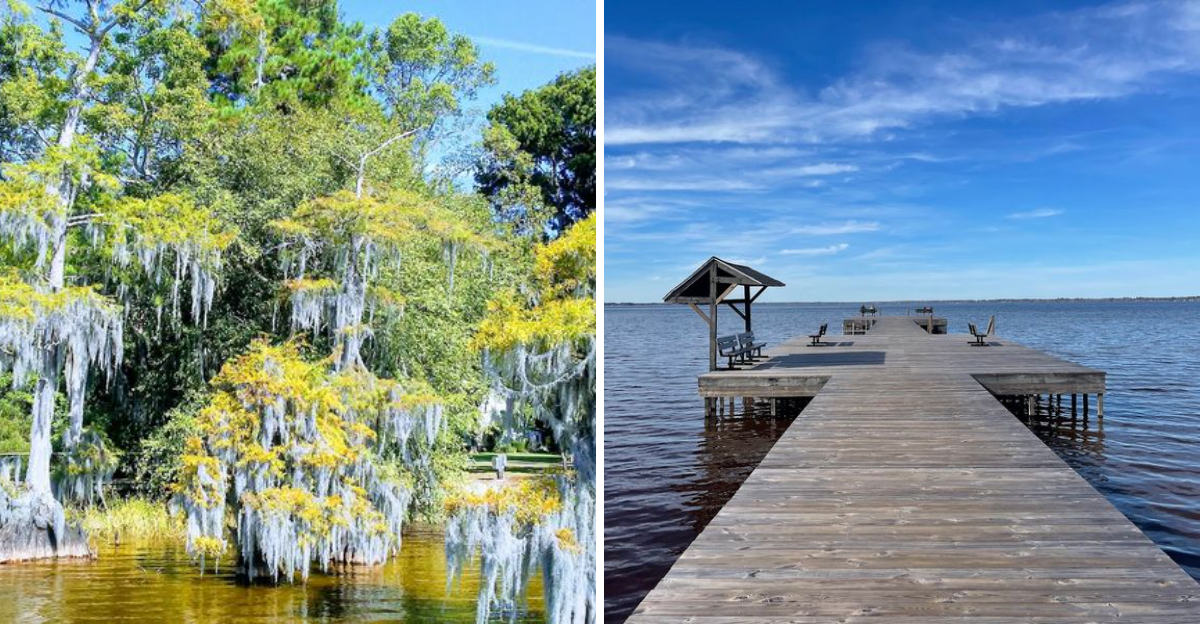
North Carolina keeps a lake out in Columbus County that feels like it was designed by someone with a lantern, a secret, and excellent taste in weird scenery.
Regular blue water apparently felt too predictable, so this place went with a dark tea-colored glow that makes the whole shoreline look like it knows a rumor.
Cypress trees stand around with ancient confidence, the quiet gets almost theatrical, and every bend seems to ask why the lake looks this moody on purpose.
It is not spooky in a cheap way.
It is stranger, prettier, and much better than that.
A simple walk can turn into full detective mode before the first bench appears.
The Tea-Colored Water Mystery
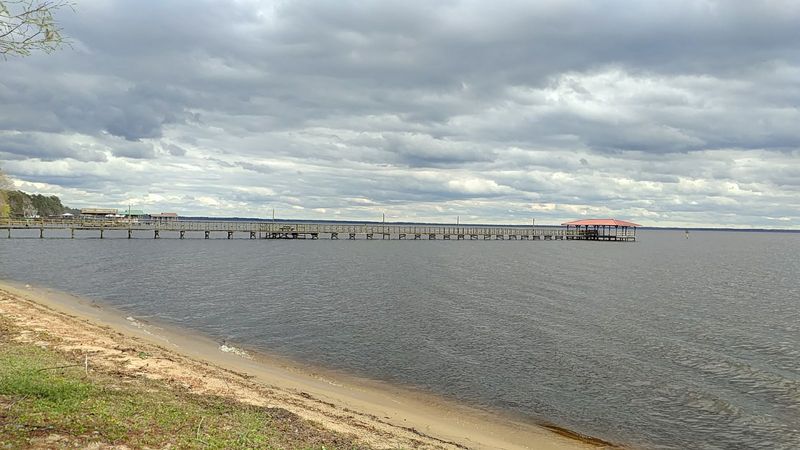
Amber water gives Lake Waccamaw much of its eerie charm. The warm brown tone comes from tannins released by leaves, roots, and wetland vegetation, creating a natural tea-colored look common in parts of the coastal plain.
Rather than making the lake unhealthy, that color belongs to the surrounding ecosystem. Lake Waccamaw stands apart because its limestone bluff helps balance acidity, allowing clearer, less acidic water than many other Carolina bays.
Shallow areas can reveal aquatic life and lake-bottom details when light hits the surface just right. On cloudy days, the lake can look darker and more mysterious; under sun, the water shifts toward bronze, amber, and gold.
Visitors expecting a bright blue mountain lake may be surprised at first, but that surprise is exactly the point. Lake Waccamaw’s color makes the place feel ancient, quiet, and slightly secretive, like a setting built for slow walks and second glances.
A Carolina Bay Unlike Any Other
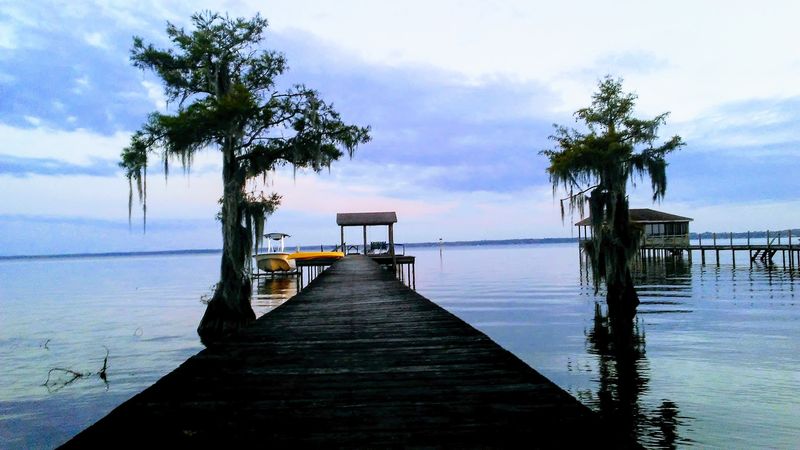
Science gives Lake Waccamaw much of its quiet intrigue. Carolina bays are shallow, oval depressions scattered across the southeastern United States, and their exact origins remain a topic of scientific discussion.
Many bays hold dense vegetation, marsh, or seasonal water, but Lake Waccamaw stands out because it contains a broad open lake that visitors can see, paddle, and explore from the shoreline.
North Carolina State Parks identifies it as the largest Carolina bay lake in the state, making it a rare example of this unusual landform.
The oval shape is easier to understand on a map than from the ground, but the landscape still feels different when standing near the shore. Flat water, low woods, sandy soil, wetland edges, and long sightlines create a scene that does not resemble the mountain lakes many travelers picture first.
Lake Waccamaw proves that geological drama does not always need height. Sometimes the mystery sits low, wide, and quietly hidden in plain sight.
That rare shape gives every shoreline stop a subtle sense of scientific mystery and natural patience here today for careful visitors.
Trees And Swampy Edges
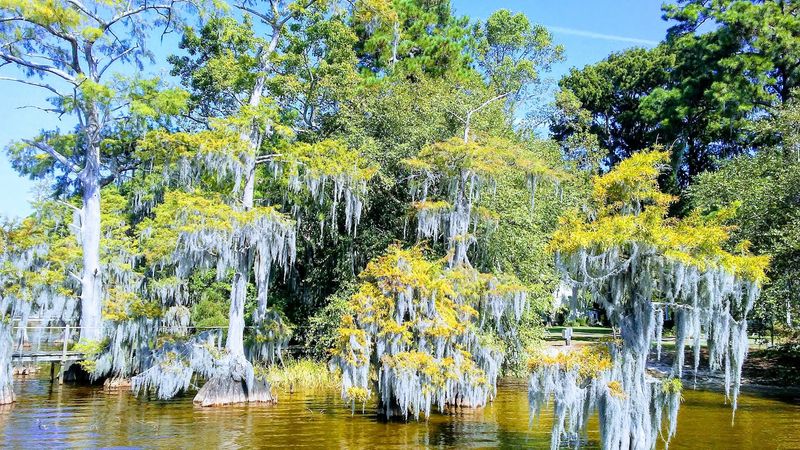
Cypress-lined edges give Lake Waccamaw its most atmospheric scenery, especially where trees, roots, dark water, and wetland plants meet near the shoreline. The effect can feel cinematic without needing any exaggeration.
Bald cypress trees, wooded banks, and shadowed shallows make certain views look like they belong in a Southern mystery story, particularly during misty mornings or late afternoons when light slips through the branches.
The park is not a deep swamp in every direction, but its wet edges and tea-colored water create that same moody feeling visitors often remember.
Walking near the shore reveals small changes in texture: sandy ground, pine needles, roots, reeds, and occasional open views across the lake. Photographers get their best scenes when the weather adds softness, while quiet walkers can enjoy the stillness without needing a major overlook.
This is not scenery that shouts. It whispers through reflections, tree shapes, bird calls, and the strange pull of water that looks darker than expected.
Rare Species Found Nowhere Else

Wildlife science makes Lake Waccamaw more than a pretty or unusual-looking lake.
The park protects habitat for rare species found only here, including the Waccamaw silverside, Waccamaw killifish, and Waccamaw darter, along with distinctive freshwater mussels tied to the lake’s special conditions.
Those species depend on the unusual balance created by the lake’s geology, especially the limestone influence that reduces acidity and supports a richer aquatic environment. For visitors, knowing this changes the way the water feels.
Every ripple belongs to an ecosystem that cannot simply be replaced somewhere else. The visitor center helps explain the rare biology in a way that families can understand, turning a scenic stop into a natural history lesson.
Children may come for the trails or water views, but the idea that animals live only in this lake tends to capture attention quickly. Lake Waccamaw’s mystery is not only visual.
It is biological, delicate, and deeply tied to one specific place in North Carolina. That fragile uniqueness gives the park a deeper purpose beyond scenery, picnics, paddling, and peaceful walks here for curious visitors today.
Trails With A Moody Atmosphere

Walking at Lake Waccamaw State Park feels gentle, quiet, and steadily absorbing. The park has about 10 miles of trails, with routes that move through forest, wetland edges, and shoreline scenery rather than steep climbs.
The Lakeshore Trail is the main long route, offering extended views of dark water through trees, while shorter paths give visitors easier ways to sample the landscape.
Warm months can bring humidity and mosquitoes, so bug spray, water, and breathable clothing make the experience more comfortable.
Cooler months often suit longer walks, especially when the air feels crisp and the lake looks still under pale light. The trails are not built around dramatic elevation changes or strenuous challenges.
Their strength comes from repetition, shade, quiet sounds, and the feeling that the landscape is revealing itself slowly. Every bend may offer a slightly different mood: open water, dense trees, bird movement, wet ground, or a view that feels like the opening scene of a mystery.
Wildlife Encounters Worth The Trip
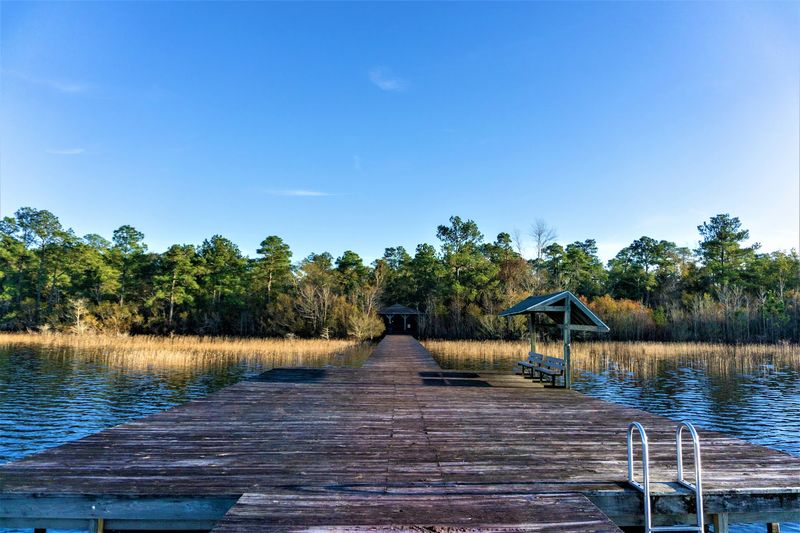
Few parks in the eastern United States offer the variety of wildlife encounters that Lake Waccamaw State Park provides, and visitors regularly return just to see what they might spot on any given day.
Just outside the park boundaries, wild alligators have been seen in the swampy areas near the lake, adding a genuine edge of excitement to any shoreline walk.
Inside the park, birds are everywhere.
Herons, egrets, ospreys, and songbirds fill the trees and shoreline, making this a great spot for birdwatching in a natural, undisturbed setting.
Turtles bask on logs in the shallower coves, and deer are commonly spotted along the wooded trails during early morning and late afternoon hours.
The park is open every day from 7 AM to 9 PM, and the phone number for visitor inquiries is 910-646-4748. Bringing binoculars and a field guide will significantly enhance any wildlife-watching experience here.
The combination of swamp, forest, and open water creates a layered habitat that supports an impressive range of creatures, making every visit feel fresh and full of potential surprises.
Camping Beside A Mysterious Lake

Camping at Lake Waccamaw State Park gives visitors a deeper sense of the landscape after day-use crowds disappear. The park offers primitive camping options, including hike-in and group sites, with reservations handled through the North Carolina state parks system.
Campers should check current rules before arriving because amenities vary, and some sites do not include water or electricity. That simplicity suits travelers who want a quieter outdoor stay rather than a resort-style campground experience.
Evening changes the lake quickly. Amber water darkens, insects grow louder, trees become silhouettes, and the shoreline feels more remote than it did in daylight.
Morning can be even better, especially when mist hangs over the lake and birds begin moving through the trees. A camping trip here works best for people who enjoy natural sounds, basic facilities, and a little atmospheric mystery with their overnight plans.
The setting feels calm, but never plain. Lake Waccamaw has a way of making silence feel alive.
The Visitor Center Experience
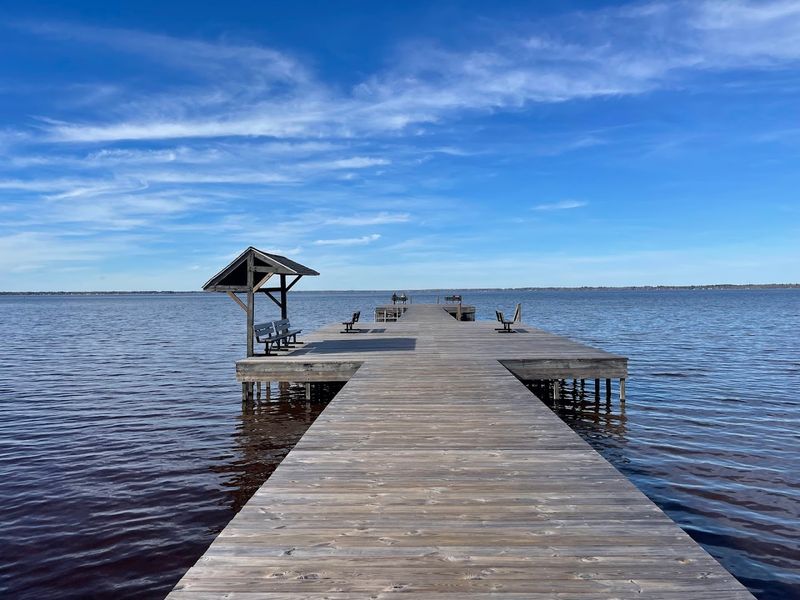
Starting your visit at the Lake Waccamaw State Park visitor center is genuinely one of the best decisions you can make before hitting the trails.
The center features a beautifully painted mural that captures the full richness of a Carolina bay ecosystem, from the aquatic life below the surface to the birds and plants thriving above it.
Staff members here have earned consistent praise from visitors for their warmth and enthusiasm, often going out of their way to make families and younger guests feel welcome.
Fun extras like printed joke sheets and temporary tattoos have delighted children, making the stop feel lively and playful rather than just informational.
Trail maps and restroom facilities are available here as well, which is a practical bonus before a long hike.
The center is open during regular park hours, and the phone number 910-646-4748 is available for any questions before your arrival. Exhibits explain the park’s geological history, rare endemic species, and the broader Waccamaw watershed in a way that is easy for all ages to enjoy.
Leaving the visitor center, most guests feel genuinely excited about what they are about to explore outside.