Walk Beside Real Dinosaur Tracks At This Prehistoric Park In Connecticut
Ever wanted to step back in time and walk alongside creatures that roamed the Earth millions of years ago? Well, now you can!
Picture yourself in the heart of Connecticut, where ancient dinosaur footprints are preserved for all to see. The excitement of standing right next to these real-life relics is nothing short of awe-inspiring.
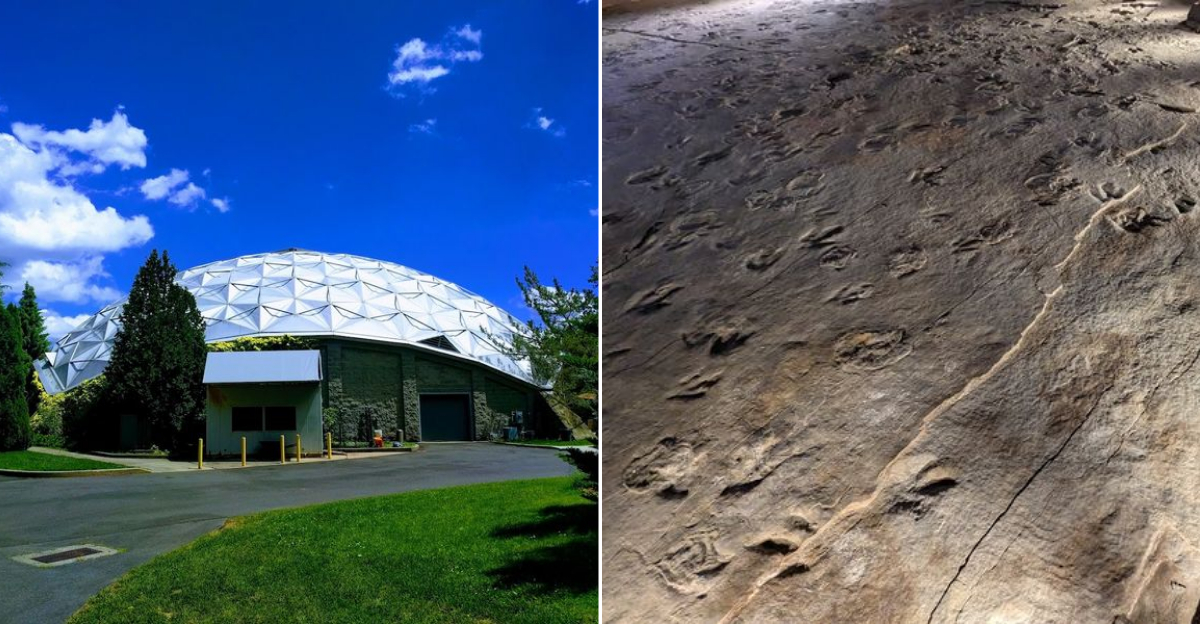
You’ll walk through a striking geodesic dome that houses some of the largest and most well-preserved dinosaur tracks in North America. But that’s not all.
The surrounding park offers a variety of trails and exhibits that bring this prehistoric world to life with hands-on displays and interactive learning. It’s the perfect spot for both kids and adults to let their imaginations run wild.
Whether you’re a history buff, a family looking for fun, or just curious about the ancient past, this adventure is one that’s sure to leave you in awe.
1. Discover One Of The Largest Dinosaur Track Sites In North America
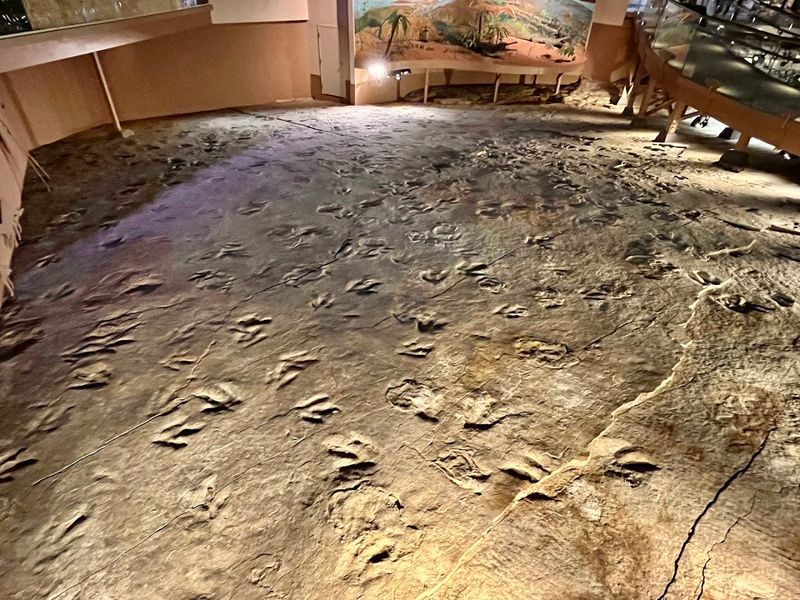
Back in 1966, a bulldozer operator working on a state laboratory construction site made a discovery that stopped everything in its tracks. Hundreds of dinosaur footprints were uncovered in the earth near Rocky Hill, Connecticut, and scientists quickly realized the site was something extraordinary.
The area was preserved and officially became Dinosaur State Park in 1968.
Located at 400 West St, Rocky Hill, CT 06067, the park now protects over 750 early Jurassic dinosaur tracks estimated to be around 200 million years old. That makes it one of the largest dinosaur track sites on the entire continent.
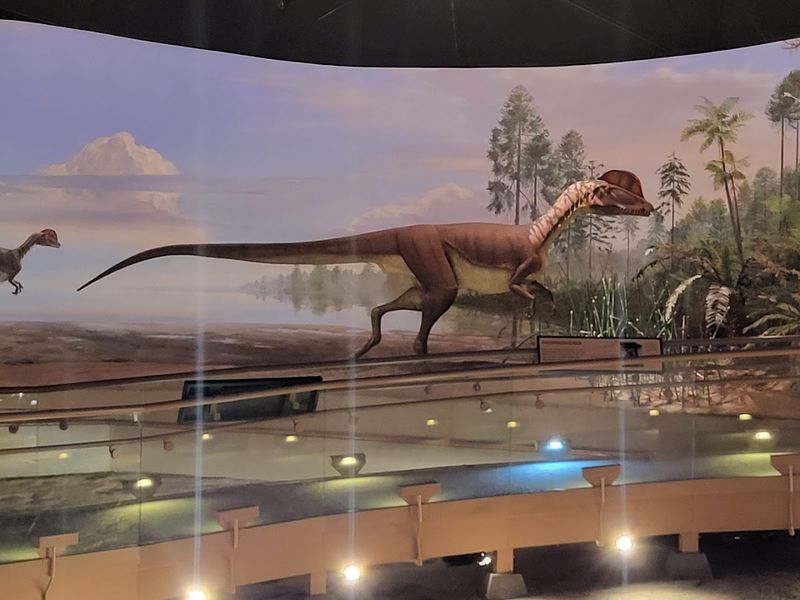
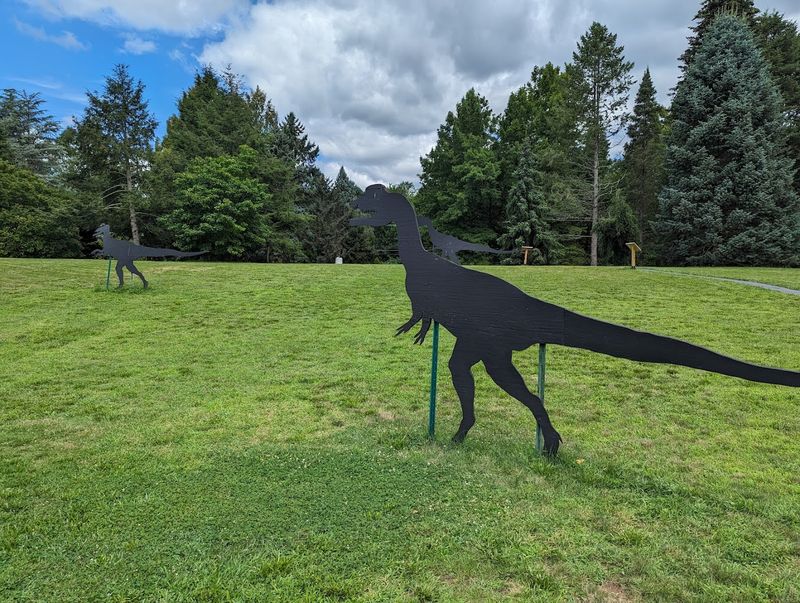
The footprints are believed to have been made by a dinosaur similar to Dilophosaurus, a two-legged predator from the Jurassic period.
The grounds, nature trails, and picnic areas are free to access daily. The Exhibit Center operates Tuesday through Sunday from 9 AM to 4:30 PM, so planning around those hours ensures the best experience.
2. Walking Through The Massive Geodesic Dome
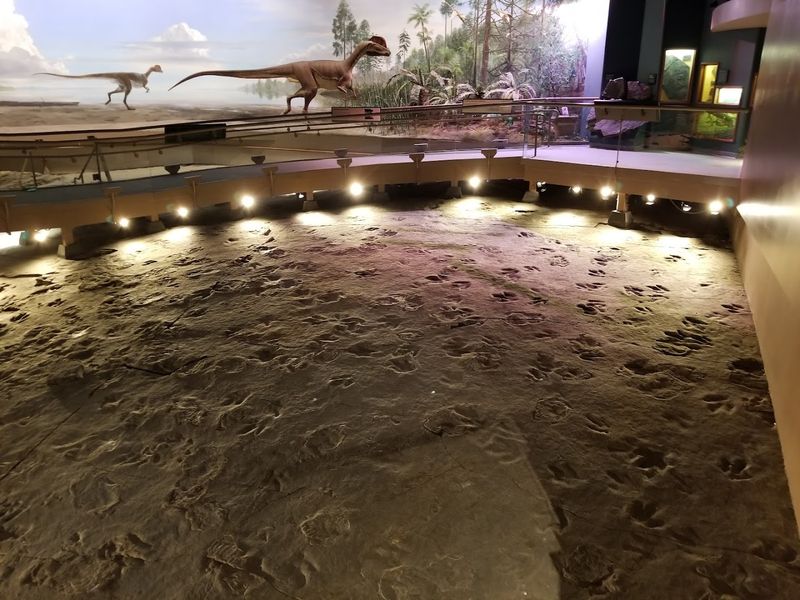
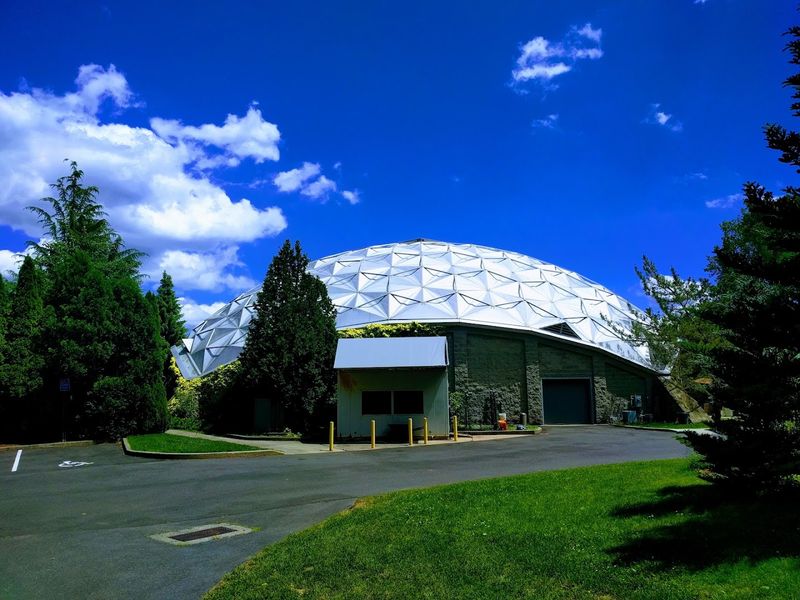
There is something genuinely surreal about stepping inside a large geodesic dome and realizing that the floor beneath the ramp holds actual dinosaur footprints.
The dome was built specifically to shelter the exposed trackway from weather and deterioration, and it creates a warm, enclosed atmosphere that feels both scientific and a little magical.
Visitors walk along an elevated ramp that circles the preserved track surface, giving clear sightlines down to the impressions below. The lighting inside the dome is designed to highlight the depth and texture of each footprint, making them easier to see and appreciate.
Standing above them and looking down at those ancient shapes pressed into stone tends to create a moment of genuine quiet awe.
The dome also houses a life-size model of a Dilophosaurus, the dinosaur most associated with the tracks. Seeing the full scale of that creature beside the actual footprints it likely left behind helps put the whole site into perspective.
The space feels educational without being overwhelming, and the layout is easy to navigate for visitors of all ages and mobility levels. All-terrain wheelchairs are available with advance reservation for those who need additional accessibility support.
3. Seeing Real Jurassic Footprints Up Close
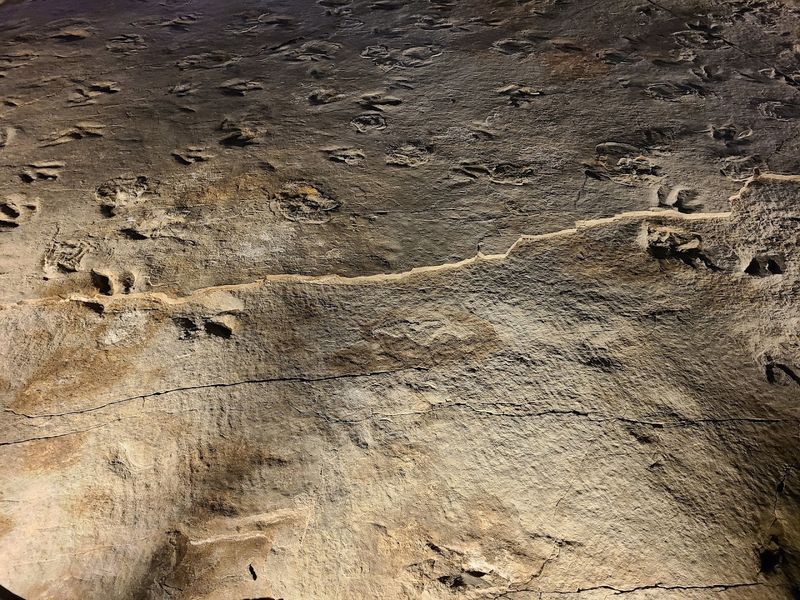
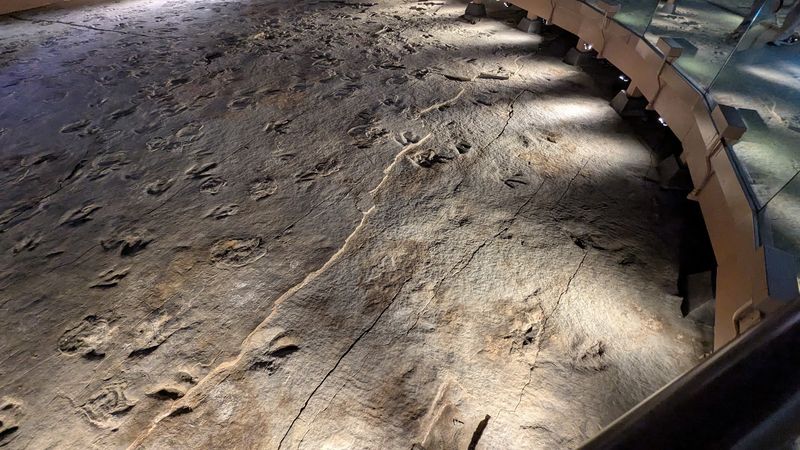
Few experiences compare to standing just a few feet away from a footprint made by a living dinosaur over 200 million years ago. The tracks at this park are not replicas or reconstructions.
They are the real thing, preserved in the original stone where they were made during the early Jurassic period.
Each footprint tells a small story about the creature that made it. The three-toed impressions are clear and well-defined, showing the weight and movement of an animal that no human has ever seen alive.
Scientists estimate that the tracks were made in soft mud near an ancient body of water, and the mud eventually hardened and preserved the shapes through millions of years of geological change.
The ramp inside the dome brings visitors close enough to study the individual toe marks and the spacing between each stride. Informational signs along the route explain what researchers know about the dinosaurs that passed through and the environment they lived in.
For anyone who has ever been curious about prehistoric life, seeing these footprints in person feels very different from reading about them in a book or watching a documentary. The connection to deep time feels immediate and real.
4. Interactive Exhibits That Bring Prehistory To Life
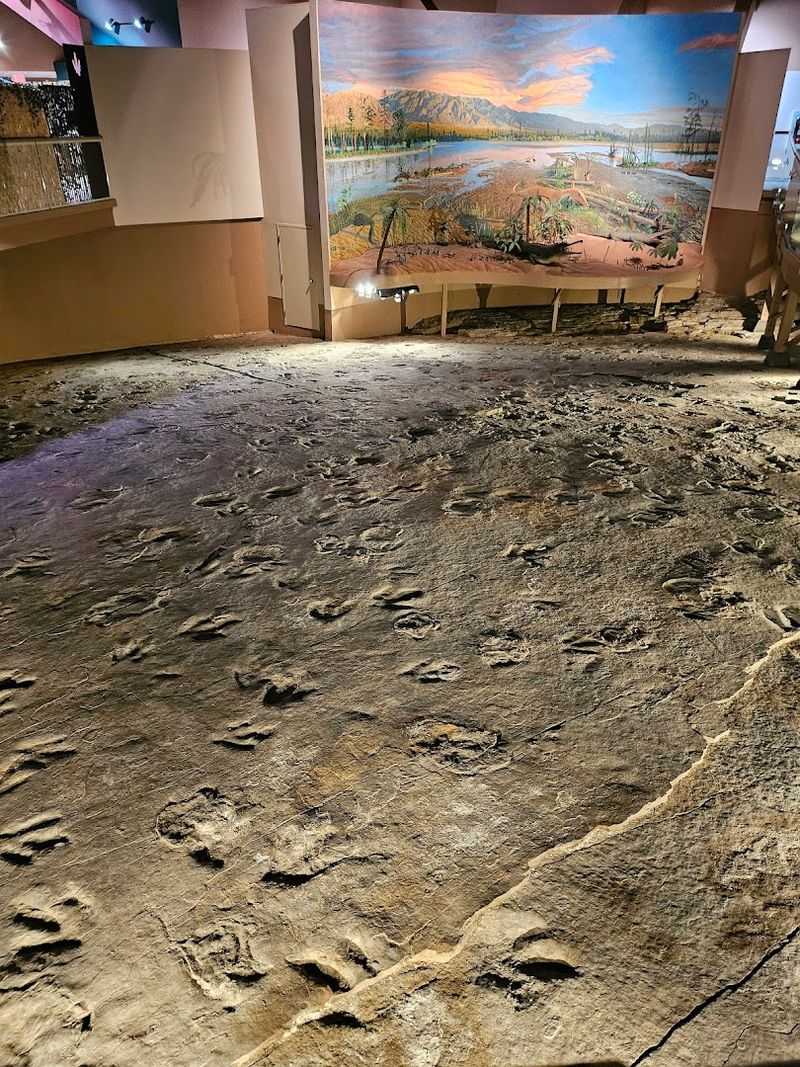
Beyond the trackway itself, the Exhibit Center holds a thoughtful collection of displays that help visitors understand the world these dinosaurs lived in.
Dioramas recreate Triassic and Jurassic environments with detailed scenery that shows what Connecticut might have looked like hundreds of millions of years ago.
The visual storytelling makes it easier to picture a world without any of the landscapes familiar today.
Live animals are also part of the experience inside the dome. Snakes, lizards, turtles, frogs, and other reptiles and amphibians are housed in exhibits throughout the center.
Staff members lead scheduled animal encounter programs where visitors can get close to the animals and even touch some of them. These encounters tend to be especially memorable for younger visitors who light up at the chance to hold a real snake or gecko.
There is also a dedicated discovery room with dinosaur toys, coloring activities, and interactive games designed for younger children. A mineral and fossil display lets kids handle rocks and examine specimens behind glass.
A 3D projector and an interactive projector screen add a more modern layer to the learning experience. The gift shop near the exit carries dinosaur-themed toys, books, and geology gifts at reasonable prices.
5. Nature Trails Beyond The Tracks
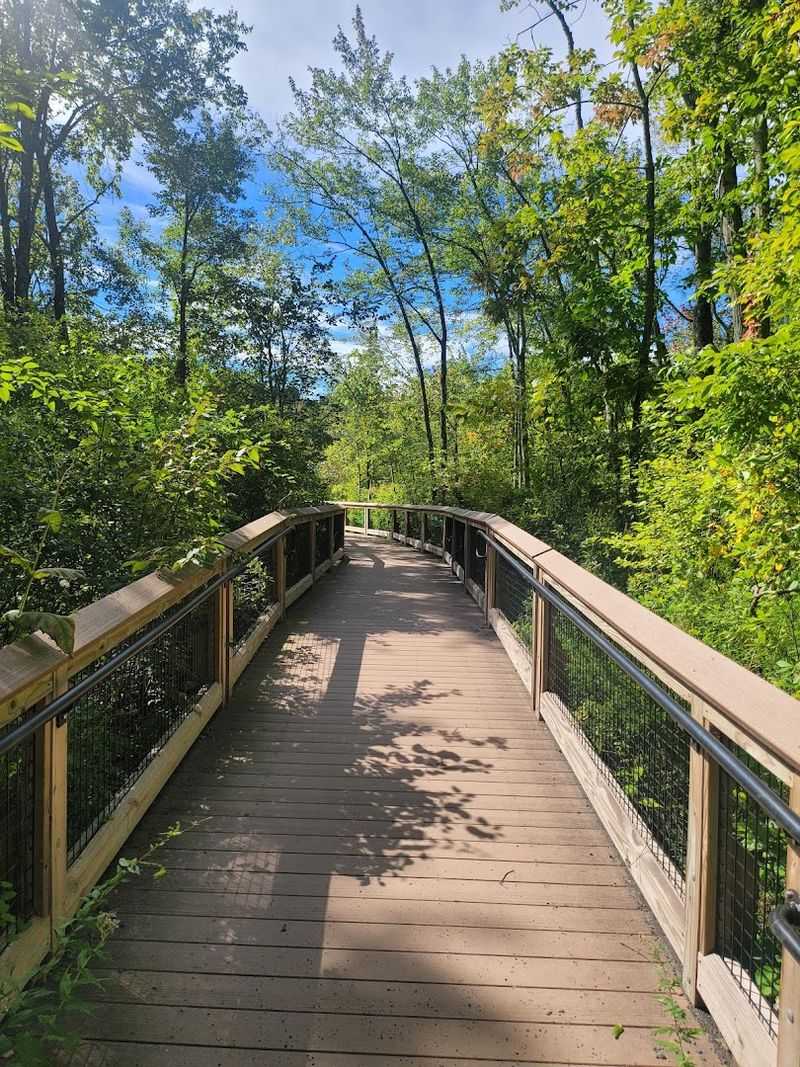
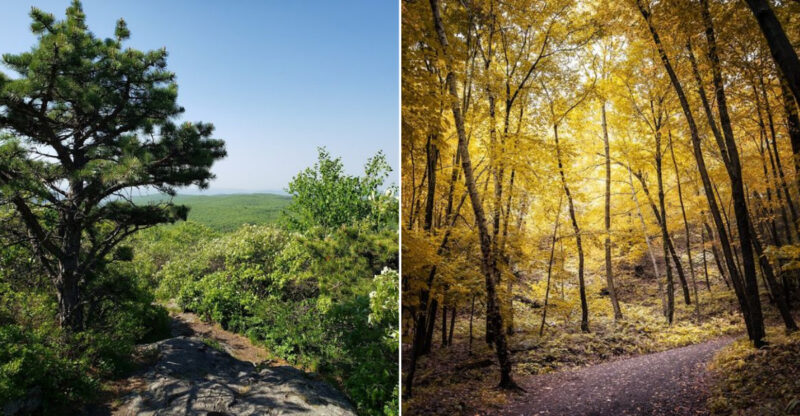
Stepping outside the dome opens up a completely different side of the park. More than two miles of well-marked nature trails wind through a variety of habitats including dense forest, swampy wetland areas, and open meadow.
The blue trail is a loop that is generally manageable for most fitness levels, including older visitors and younger children with adult supervision.
Trail markers are color-coded and clearly posted throughout the route, making it easy to stay on track without a guide. Signs along the way identify plant species and share information about the local geology and wildlife.
The trails feel genuinely peaceful and unhurried, with natural light filtering through the tree canopy and the soft sounds of a wetland environment nearby.
The park also maintains a ten-acre arboretum featuring over 250 species of plants that are related to those from the Mesozoic era. Walking through it feels like a living extension of the indoor exhibits, connecting the prehistoric world to the natural one still growing around visitors today.
Bug spray is a practical item to bring along for trail visits, especially during warmer months when insects are more active near the wetland sections. Pets are not permitted on the nature trails or inside the Exhibit Center.
6. Family Activities And Hands-On Learning
Hands-on activities set this park apart from a typical museum visit. From May through October, an outdoor fossil casting station lets visitors make their own plaster cast of a real dinosaur footprint to take home.
The materials for casting are not provided by the park, so bringing plaster of Paris, cooking oil, and a container in advance is necessary for participating. Specific supply instructions are available on the park website.
A gem and fossil mining sluice is another seasonal highlight where kids can sift through sand and gravel to find minerals and fossil specimens. The activity keeps younger visitors thoroughly engaged and gives them a tangible souvenir from the experience.
A sand play area near the outdoor exhibits also tends to hold attention for a surprisingly long time.
Picnic tables and charcoal grills are scattered throughout the grounds, making it easy to pack a lunch and spend a full half-day or longer at the park. The picnic areas are open daily from 9 AM until 30 minutes before sundown.
Families who bring lunch can settle in between the trails and exhibits without feeling rushed. EV charging parking spots are available in the main lot, which is a practical bonus for electric vehicle owners visiting the park.
7. Seasonal Programs And Special Events
Throughout the year, the park runs a variety of programs designed for different age groups and interests. Guided school programs are available for grades PreK and up during the school year, covering topics like paleontology, geology, and Connecticut natural history.
These programs typically include presentations, guided trackway tours, films shown in the auditorium, and interactive activities tailored to each grade level.
The auditorium screens educational dinosaur films on a regular schedule, and the showings are included with Exhibit Center admission. Checking the daily schedule posted at the entrance helps visitors plan around film times and animal encounter presentations.
Staff members who lead these sessions tend to be knowledgeable and enthusiastic, making the programs engaging for both children and adults.
Seasonal events throughout the year bring added variety to the park experience. Scavenger hunts have been a popular activity for families visiting with children, adding an exploratory element to the visit.
Special programming around school breaks and holidays tends to draw larger crowds, so visiting on a weekday during non-peak seasons may offer a quieter experience.
The park encourages donations at the gift shop and during programs to help support ongoing preservation and educational efforts at the site.
8. Tips For First-Time Visitors
Arriving with a bit of preparation makes the visit run much more smoothly. The Exhibit Center is open Tuesday through Sunday from 9 AM to 4:30 PM and is closed on Mondays, so double-checking the schedule before heading out avoids a wasted trip.
The grounds and nature trails are open daily from 9 AM until 30 minutes before sundown and are free to access even when the center is closed.
Parking is free and the lot is spacious, with EV charging stations available. The entrance to the park on West Street can be easy to miss when approaching from certain directions, so slowing down and watching for signage helps.
First-time visitors who want to do the fossil casting activity should review the supply list on the park website ahead of time since materials are not sold or provided on site.
Comfortable walking shoes are a good idea for both the indoor ramp and the outdoor trails. Bringing water, sunscreen, and bug spray covers most of the practical needs for a full visit.
The Exhibit Center is small enough that a focused visit takes roughly an hour, but combining it with the trails, picnic area, and seasonal activities can easily fill a half-day outing. Arriving earlier in the day tends to mean smaller crowds and a more relaxed pace overall.
9. Why This Park Is A Must-See In Connecticut
Very few places in the world let visitors stand beside actual dinosaur footprints from the Jurassic period without traveling to a remote research site or paying steep admission fees.
At just $6 for adults and $2 for children ages 6 to 12, the Exhibit Center offers genuine scientific and historical value at an accessible price point.
The combination of real fossils, live animals, nature trails, and hands-on activities makes it a well-rounded destination rather than a single-attraction stop.
Connecticut tends to be underestimated as a travel destination, but Dinosaur State Park stands as a strong example of what the state has to offer beyond its more famous coastal towns.
The park sits on 80 acres and manages to balance scientific preservation with family-friendly programming in a way that feels thoughtful rather than commercialized.
The staff bring genuine enthusiasm to their roles, and that energy tends to shape the overall atmosphere of a visit.
Whether stopping in during a road trip or planning a dedicated day out, the park delivers the kind of experience that sticks with visitors long after they leave.
Standing beside footprints made by an animal that walked the earth 200 million years ago is the sort of moment that is hard to replicate anywhere else in New England.