Wallace Idaho Put Every Downtown Building On The National Register To Stop A Freeway
The last stoplight on Interstate 90 once blinked over a tiny mining town, and when it finally went dark, folks held a funeral for it. A real procession.
For a traffic signal.
That retired light now hangs inside a small museum on Bank Street. It stands as a trophy from one of the strangest freeway fights in Idaho history.
Townspeople got their whole historic district listed on the National Register so the interstate couldn’t flatten it.
I love that a community beat highway planners by proving its brick buildings mattered. The freeway ended up soaring above town on a viaduct instead.
The museum tells that story, plus a century of silver mining, the 1910 Big Burn, and a famous firefighting tool. So how does a town of under 800 people win a fight like that?
A Small Museum With A Very Big Story On Bank Street
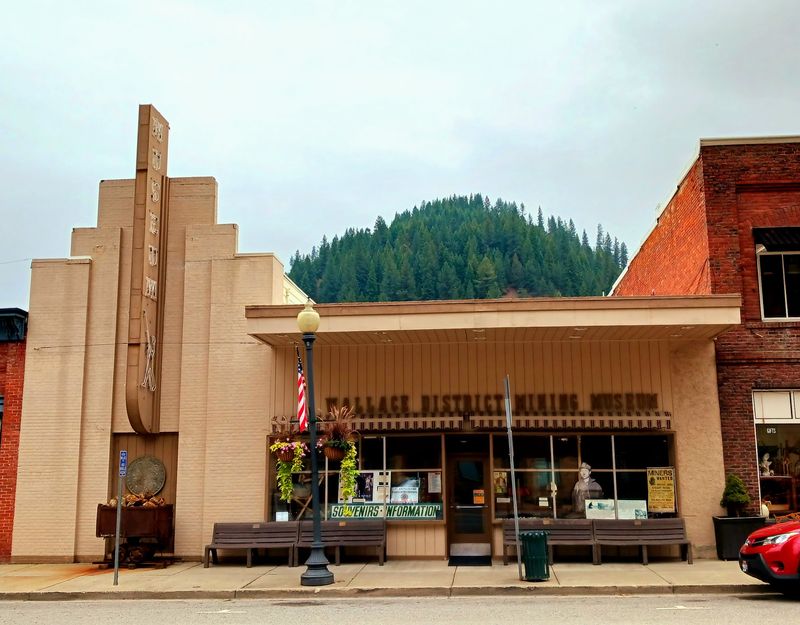
Silver built this town, and the Wallace District Mining Museum keeps that story within easy reach. It sits in the heart of downtown Wallace, Idaho, in the Silver Valley of the Panhandle.
Wallace calls itself the Silver Capital of the World. The museum explains why that nickname isn’t just bragging.
The collection is compact but packed. The museum offers about 50 exhibits, more than 5,000 photos, and interactive displays covering local mining life.
You’ll also find one oddly famous object hanging inside. That’s the last stoplight from the entire transcontinental Interstate 90.
Think of the museum as a key to the whole town. Once you understand the mines and the freeway fight, every brick storefront outside starts making sense.
The place feels made for curious people who like reading every placard. Families, history buffs, and road-trippers crossing North Idaho all fit right in.
Downtown Wallace itself is part of the exhibit, in a way. Nearly the whole town sits within a historic district listed on the National Register of Historic Places.
That listing is the reason the museum’s neighborhood still stands. It’s also the reason you can stroll from here to cafes and shops without dodging interstate traffic.
How One Town Outsmarted Interstate 90
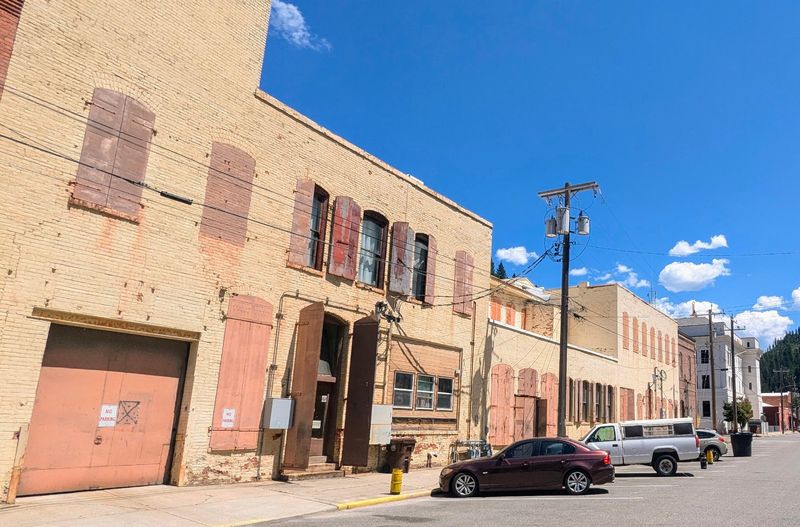
In the 1970s, highway planners had a route drawn right through downtown Wallace. Old brick buildings stood squarely in the path of Interstate 90.
Local lawyer and developer Harry Magnuson led the pushback. The community even sued the Idaho Transportation Department over the plan.
Their sharpest tool turned out to be paperwork. The Wallace Historic District joined the National Register of Historic Places in 1979 with 42 buildings in the commercial core.
In 1983, a boundary increase stretched the district to the entire city limits of the time. That added roughly 500 homes to the protected list.
Federal highway projects must weigh impacts on listed historic sites. Suddenly, bulldozing downtown became a far harder sell.
The final compromise lifted the freeway onto an elevated viaduct above town. Construction even moved the 1901 Northern Pacific Depot in 1985 to clear space.
The bypass opened in 1991, and downtown survived intact. Some sources still call Wallace the last town entirely listed on the National Register.
The Wallace District Mining Museum helps you connect those dots. Standing on Bank Street afterward, you can look up at the viaduct and feel a little smug on the town’s behalf.
The Stoplight That Got Its Own Funeral
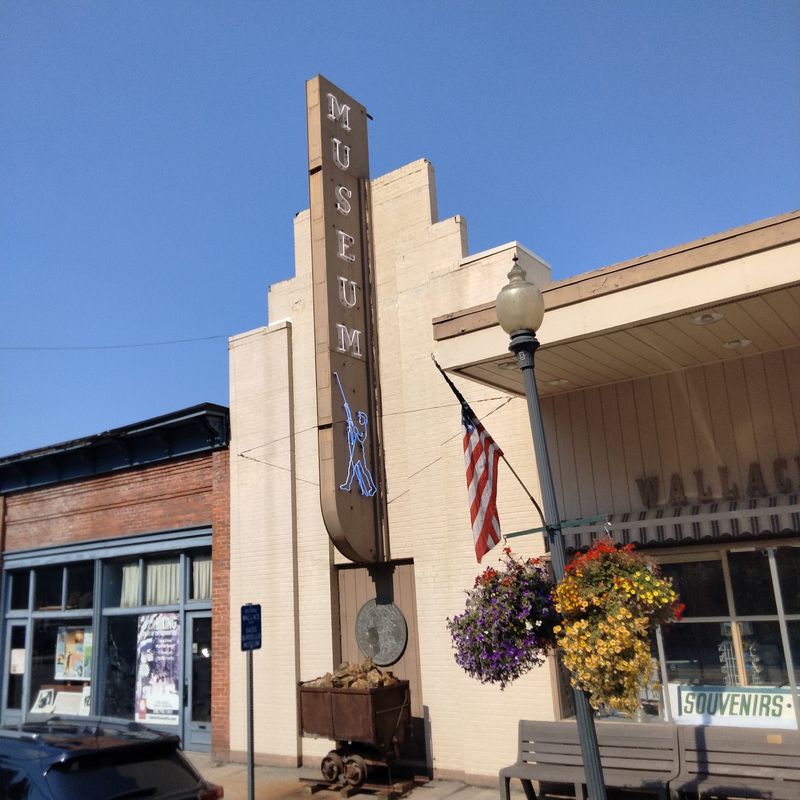
Few traffic signals ever earn a eulogy. Wallace gave one anyway when its famous stoplight was retired in 1991.
For years, it was the last stoplight on all of Interstate 90. Drivers heading coast to coast had to pause right in downtown Wallace.
Once the elevated bypass opened, the light had nothing left to do. The town responded with a mock funeral, which tells you plenty about local humor.
Today the signal rests at the Wallace District Mining Museum. It might be the most celebrated piece of traffic equipment in Idaho.
I like how one ordinary object carries the whole freeway saga. It marks the moment Wallace stopped interrupting cross-country traffic but kept its downtown.
Kids usually get the joke right away. A town threw a funeral for a stoplight, and now it lives in a museum.
Adults tend to see something bigger in it. The light stands for a small community choosing its own history over convenience.
Snap a photo, then head back outside. The viaduct overhead is the living sequel to the story this little light started.
Mine Models And Exhibits That Go Deep
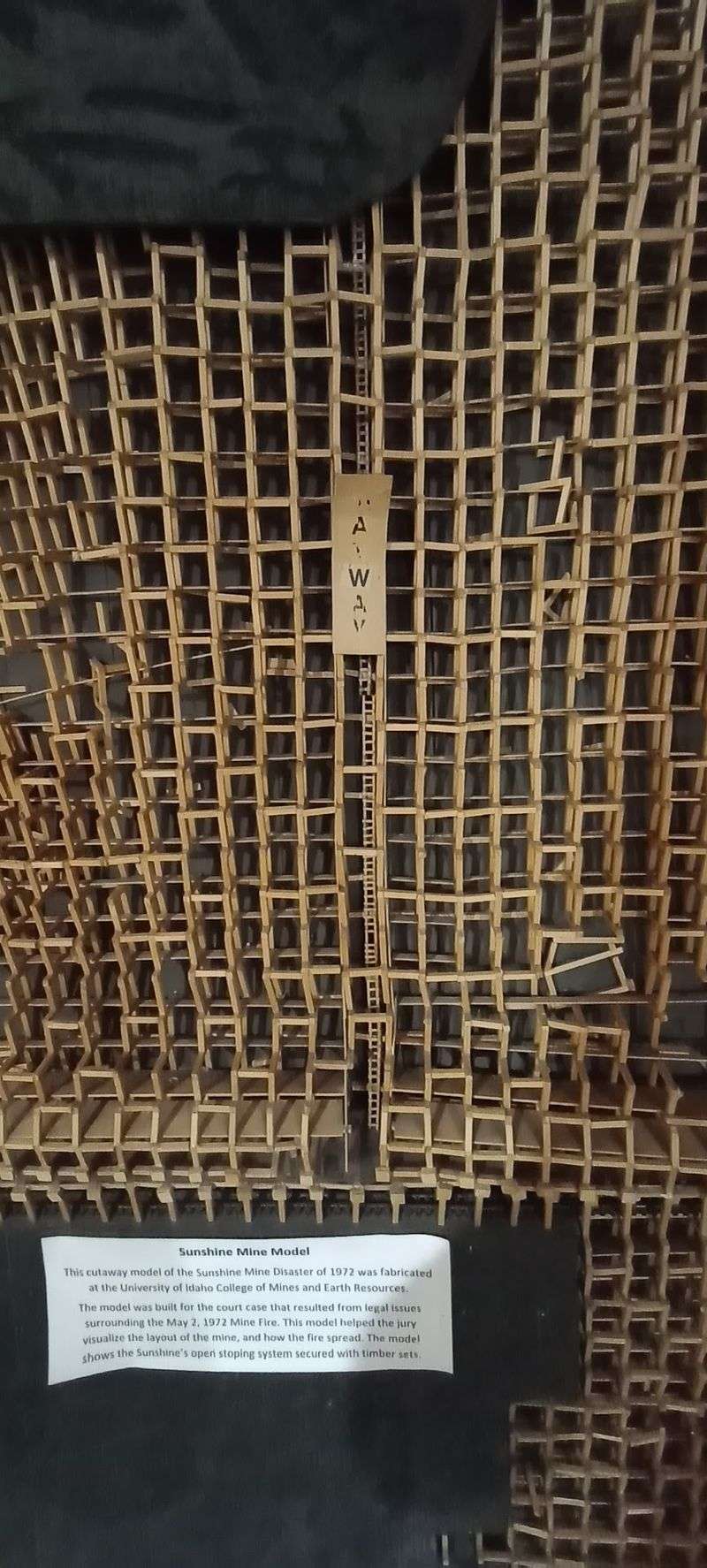
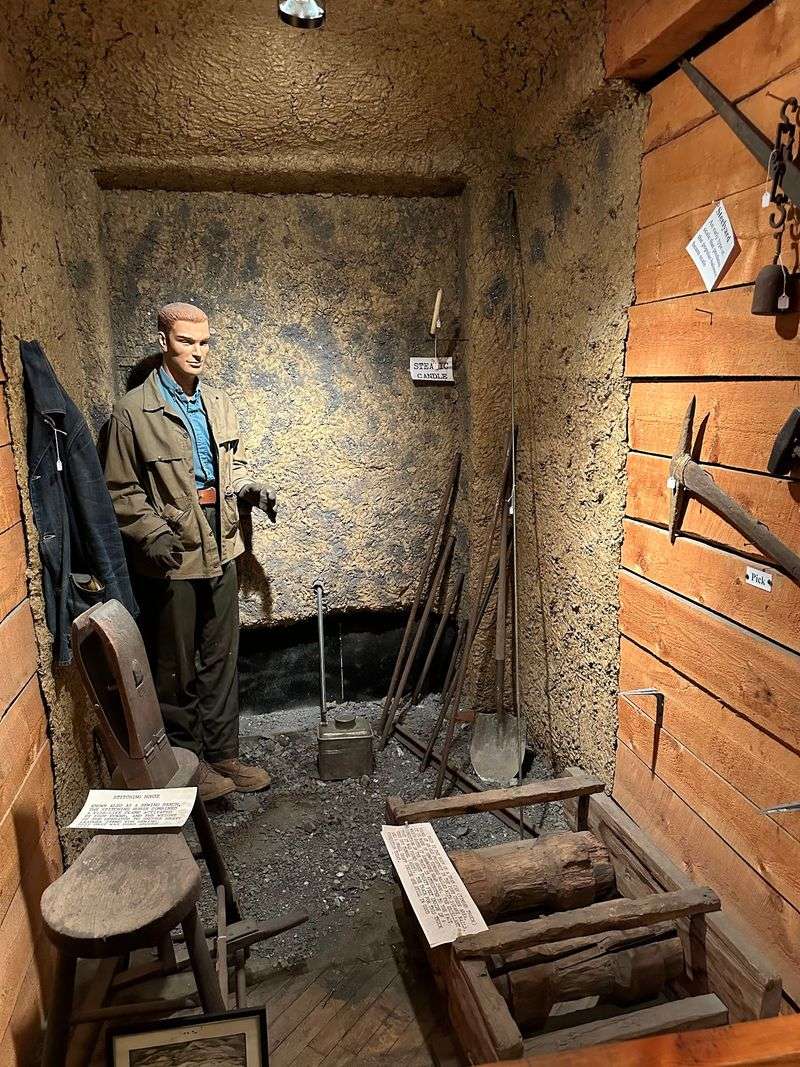
Underground mining is hard to picture from a sidewalk. The museum fixes that with three-dimensional models showing how local mines stretch deep beneath the mountains.
Depth maps reveal just how far the tunnels go. Seeing those layers stacked up helps the scale finally click.
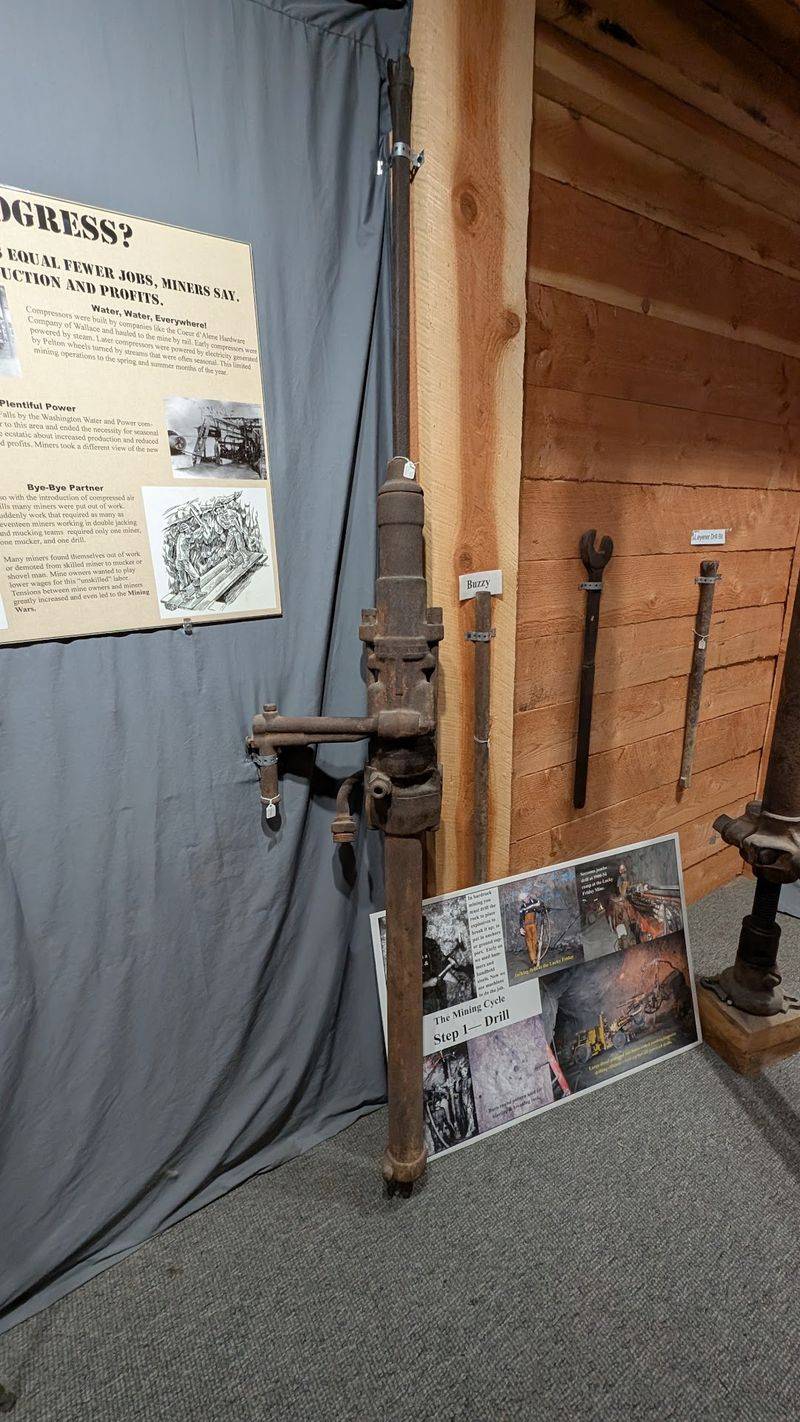
A walkthrough area adds historic mining equipment to the mix. It’s set up so you feel like you’re moving along a mine passage.
Displays explain the mining process step by step. If drills, ore, and hoists were always a mystery, this is a friendly place to learn.
Antiques fill the rooms too, from tools to everyday objects. Some areas are a bit tight, so move slowly and enjoy the details.
The museum also covers topics beyond pure mining. One exhibit highlights the Buffalo Soldiers bicycle corps, a surprising chapter of Western history.
Photographs add faces to all that machinery. With thousands in the collection, the Silver Valley’s working families come into focus.
Plan more time than you expect. A small footprint doesn’t mean a quick visit when every wall has something worth reading.
Ed Pulaski’s Original Tool And The Big Burn
Wildland firefighters across the country know the Pulaski tool. The museum displays the original one, linked to Forest Service ranger Ed Pulaski.
That’s a serious bragging point for a small-town museum. It connects Wallace to firefighting history far beyond Idaho.
The tool ties into the Great Fire of 1910, often called the Big Burn. A display at the museum covers that enormous blaze.
The fire reshaped Wallace itself. After fires in 1890 and 1910, much of downtown was rebuilt in brick, and many of those buildings still stand.
Pulaski’s story continues just outside town. The Pulaski Tunnel Trail traces the route he took during the 1910 fire.
Pairing the trail with the museum makes a satisfying day. You see the artifact first, then walk the ground where the story unfolded.
It’s also a quiet reminder of how fragile mountain towns can be. The brick that survived those fires later became the reason Wallace won its freeway fight.
History loops back on itself here in neat ways. One fire built the downtown that the National Register later protected.
Room For Curious Kids And Patient Grownups
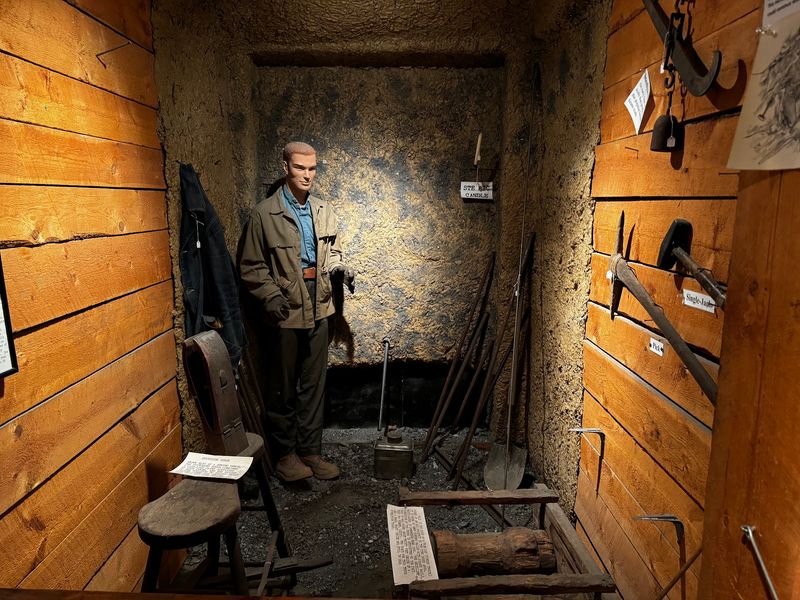
Kids and mining museums can be a gamble. This one tilts the odds with hands-on displays and a motion-sensor exhibit that sets the mood of a working mine.
Staff have handed out scavenger hunts to young visitors. It’s a clever way to get kids reading labels instead of racing through.
The gift shop adds a small treat. Little vials of gold, silver, and ash have long been popular souvenirs here.
A book or two might follow you home as well. The shop leans toward local history, which suits the setting perfectly.
Accessibility gets attention too. The museum is wheelchair accessible, though a few spaces feel snug.
Grownups who love detail will be happy here. Retirees, history fans, and anyone who reads every caption can easily lose an afternoon.
Restrooms are on site, which matters on a day of downtown wandering. Small comforts like that make a family outing easier.
Keep expectations right about size. It’s a compact museum with a lot crammed inside, not a giant hall with acres of space.
Plan Your Visit Before You Hit The Road
Getting there is easy from anywhere along Interstate 90. Take Exit 61, and the Wallace Visitor Center sits right off the freeway with free maps.
The museum is at 509 Bank St, Wallace, ID 83873. It’s an easy stroll from the visitor center into downtown.
The museum typically keeps daytime hours several days a week and closes on some days. Hours can shift, so check before driving, especially from far away.
Admission runs just a few dollars per person. Donations help keep this collection going, and they’re worth considering.
Pair your visit with nearby stops. The Sierra Silver Mine Tour is close by, and it complements the museum’s displays nicely.
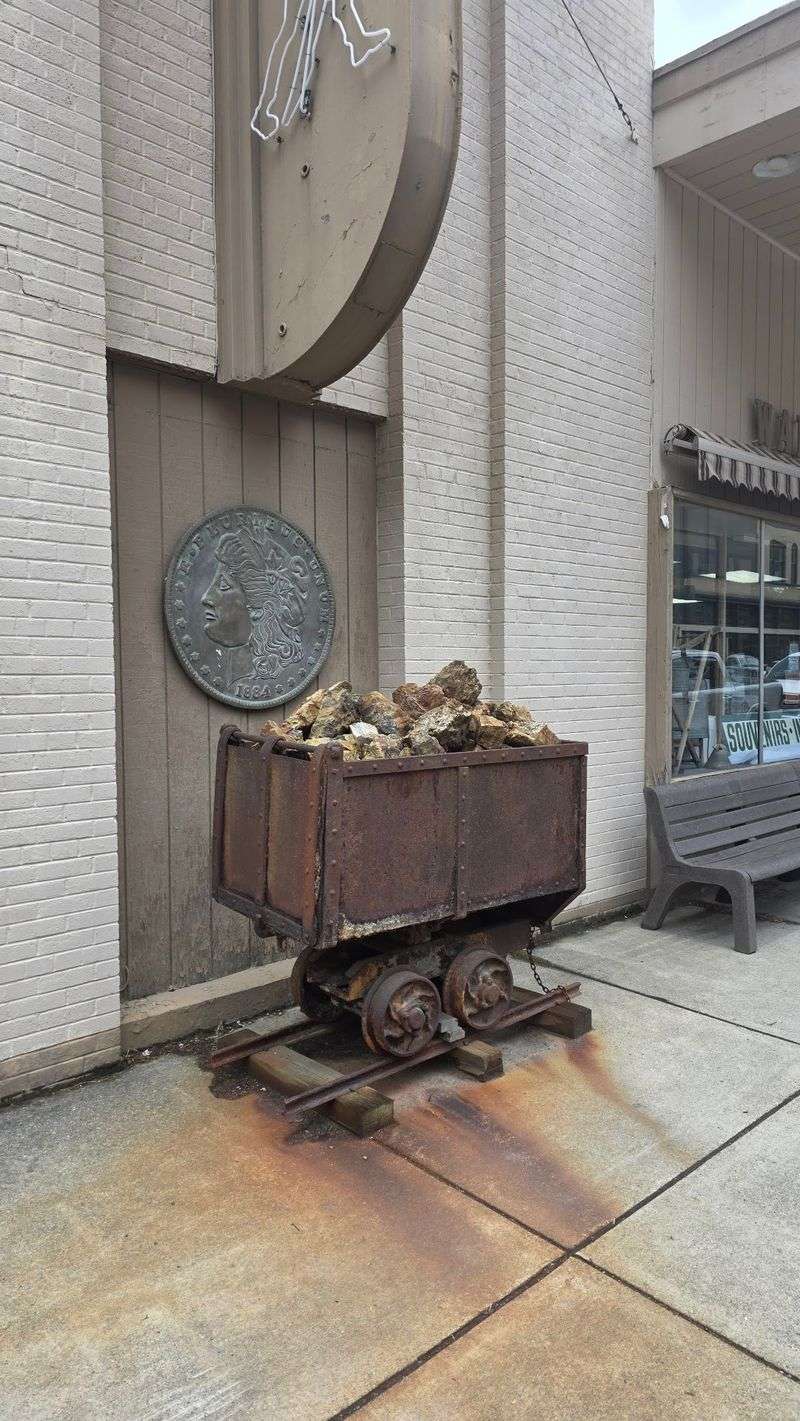
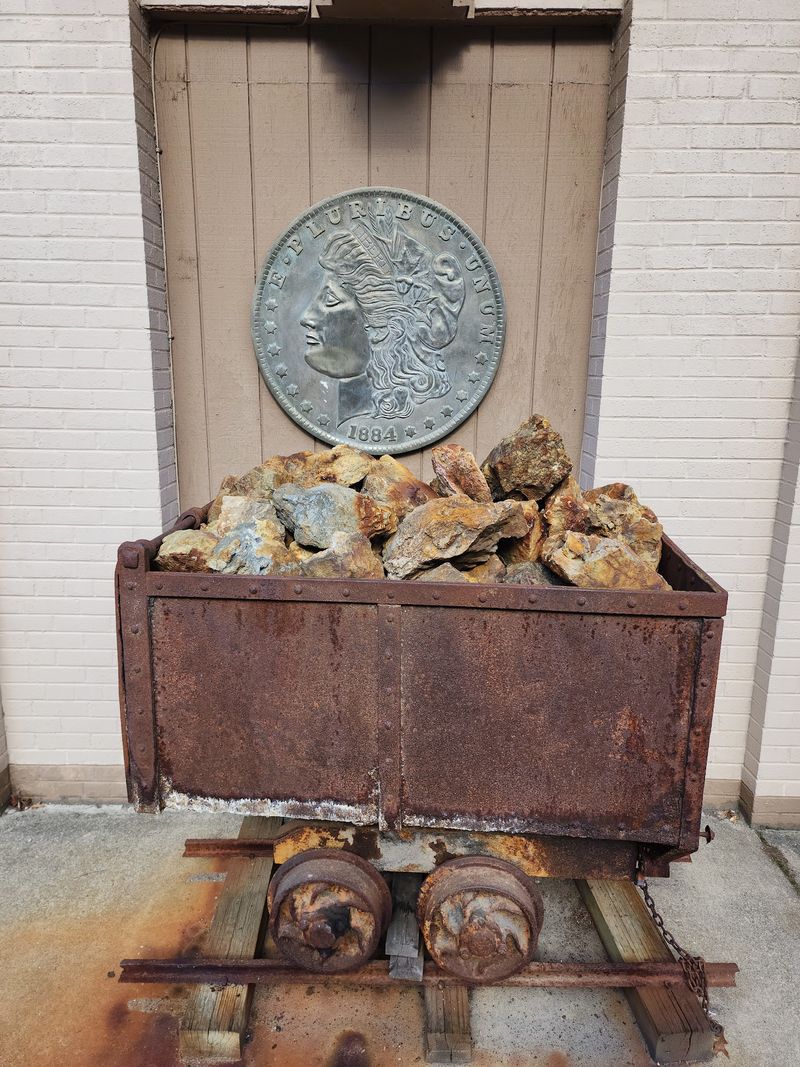
The free outdoor Mining Heritage Exhibit near the visitor center adds big equipment to the day. The visitor center grounds cover four acres.
Don’t skip the corner of Bank and Sixth Street either. A manhole cover there marks the official Center of the Universe, proclaimed by the mayor in 2004.
Nobody has disproven it yet. Stand on it for a photo, then keep exploring downtown.
Why This Stop Belongs On Your Silver Valley Day
Plenty of museums display old tools. Few can point outside and say the whole town is still standing because neighbors refused to give up.
That’s what makes the Wallace District Mining Museum stick with you. It’s a mining museum, a freeway story, and a firefighting chapter rolled into one.
I believe it’s the best first stop in Wallace. Everything you see afterward, from brick storefronts to the viaduct, gains new meaning.
The town around it rewards lingering. Rail trails, mine tours, the depot museum, and seasonal festivals keep the Silver Valley busy.
Day-trippers from Coeur d’Alene or Spokane can reach Wallace easily. Families on a budget will appreciate the modest admission too.
Bring some patience for reading. The exhibits pack in more than a quick glance can handle.
Idaho has bigger museums, sure. Very few hold a stoplight with a funeral history and Ed Pulaski’s original tool under the same roof.
Wallace fought hard to stay exactly as it was. Spending an hour or three in this little museum feels like a fitting way to say thanks.