Warm & Welcoming: 11 Maine Rug Styles That Beat The Cold
Maine winters can be harsh, with biting winds and heavy snowfall that make staying warm a top priority.
Choosing the right rugs for your home isn’t just about decorating – it’s about creating a cozy space where cold floors become comfortable and every room feels like a warm hug.
The Pine Tree State offers unique rug styles inspired by its maritime heritage, dense forests, and rugged outdoor culture that bring both beauty and practical warmth to any space.
From recycled fishing rope to classic wool patterns, these Maine-inspired rugs transform chilly rooms into inviting retreats that celebrate local tradition while keeping toes toasty all winter long.
1. Lobster Trap Rope Rugs
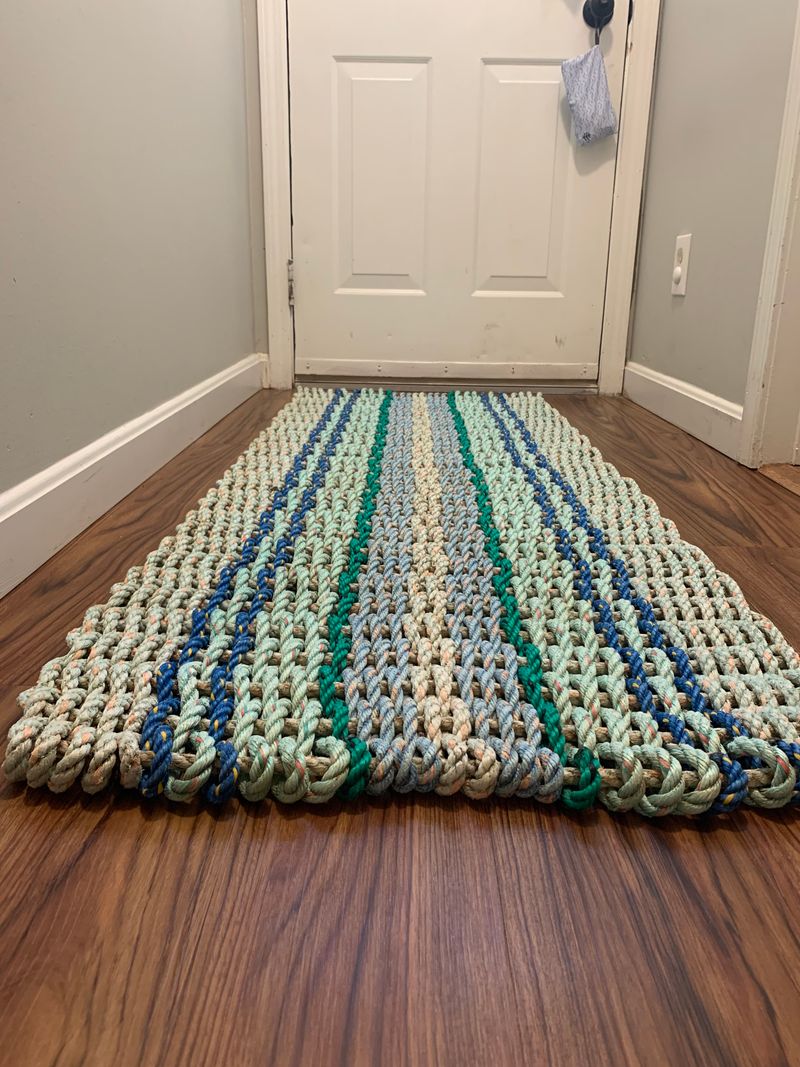
Recycled fishing ropes get a second life as charming circular mats that carry the spirit of Maine’s coastline right into your home.
These rugs are surprisingly soft underfoot despite their rugged origins, and their tightly woven construction creates a cushiony layer between feet and cold floors.
The ropes come in vibrant blues, reds, yellows, and greens – colors that once marked different fishing territories – creating eye-catching patterns that add personality to any room.
Mudrooms and entryways benefit most from these durable beauties since they handle moisture and heavy foot traffic without complaint.
Salt air and sea spray taught these materials to withstand tough conditions, making them perfect for homes where winter boots track in snow and slush.
Each rug tells a story of Maine’s fishing heritage while providing practical warmth and a splash of coastal charm that reminds everyone of sunny harbor days even during the coldest months.
2. Balsam Fir-Scented Scatter Mats

Walking barefoot across a cold floor becomes a sensory treat when small scatter mats release the fresh, crisp aroma of Maine’s forests with every step.
Artisans infuse these compact rugs with balsam fir needles, creating a natural air freshener that doubles as floor insulation.
The scent isn’t overwhelming – just a gentle reminder of walking through evergreen woods on a winter morning.
Bathrooms, bedrooms, and reading nooks become instantly cozier with these fragrant additions that warm both body and spirit.
The mats work especially well in spots where you tend to stand still, like beside the bed or in front of the bathroom sink, giving cold-sensitive feet a soft landing.
As temperatures drop outside, the woodsy fragrance inside grows more noticeable, turning ordinary moments into little escapes to Maine’s peaceful wilderness.
These scatter mats prove that beating the cold involves more than just temperature – it’s about creating an atmosphere that feels genuinely welcoming.
3. Vintage L.L.Bean Braided Ovals

Freeport’s legendary outfitter has been crafting these tightly woven wool wonders for generations, and their reputation for lasting warmth is well-earned.
The oval shape fits naturally in dining rooms, beside beds, and under coffee tables, providing a substantial barrier against cold floors while complementing both modern and traditional furniture.
Each rug features wool strands braided together so tightly that drafts simply can’t sneak through, creating a thermal layer that holds heat close to the floor.
Colors range from earthy neutrals to deep jewel tones, all chosen to hide the dirt that Maine’s muddy spring thaws and snowy winters inevitably bring indoors.
The weight of these rugs means they stay put without slipping, offering stable footing even when rushed morning routines have everyone hurrying around.
Families pass down vintage L.L.Bean ovals like heirlooms because quality wool only gets softer and more beautiful with age, developing character that reflects years of warm memories made standing on them.
4. Pine Needle Floor Coverings
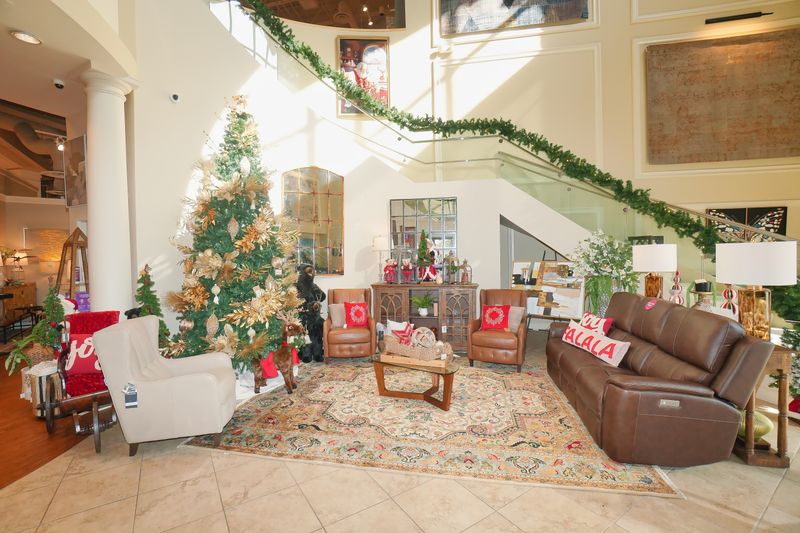
Maine’s abundant pine forests provide the raw material for elegant coiled mats that bring nature’s insulation indoors with artistic flair.
Skilled artisans gather fallen needles and carefully coil them into flat, sturdy mats that feel surprisingly smooth despite their wild origins.
The natural oils in pine needles give these floor coverings a subtle, pleasant scent while also making them naturally resistant to moisture and mildew – important qualities in a state where humidity swings wildly between seasons.
Earthy brown and amber tones blend seamlessly with wooden furniture and stone fireplaces, creating visual harmony that makes rooms feel larger and more cohesive.
These mats work beautifully in cabins and cottages where the goal is connecting indoor spaces with the surrounding wilderness.
The coiling technique creates natural texture underfoot, offering gentle massage-like sensations that feel wonderful after a day spent hiking or skiing.
Pine needle rugs represent sustainable luxury, transforming what would otherwise become forest floor mulch into functional art that keeps homes warmer.
5. Braided Rag Rugs From Recycled Textiles
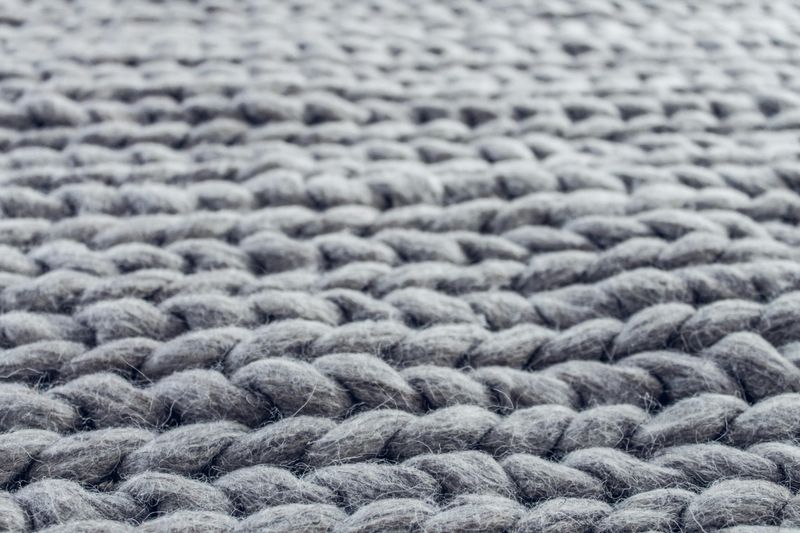
Thrifty Maine homemakers have been braiding fabric scraps into cheerful rugs for centuries, turning worn clothing and linens into colorful floor warmers that waste nothing.
Each rug becomes a patchwork memory quilt of sorts, with strips of old flannel shirts, cotton dresses, and wool blankets all braided together into durable mats.
The layered fabric construction creates impressive insulation, and the varied textures add visual interest that machine-made rugs can’t match.
Kitchens benefit especially from these washable wonders, which cushion feet during long cooking sessions while adding folk-art charm to the heart of the home.
The braiding technique allows for any size or shape, so custom fits for awkward spaces become possible without special orders or high costs.
Local craft fairs and artisan shops throughout Maine still sell handmade versions, supporting traditional skills while providing genuinely useful home goods.
The environmental benefits feel good too – choosing rugs made from recycled materials reduces waste while celebrating the Yankee values of resourcefulness and practicality that have always defined Maine living.
6. Lumberjack Plaid Wool Carpets
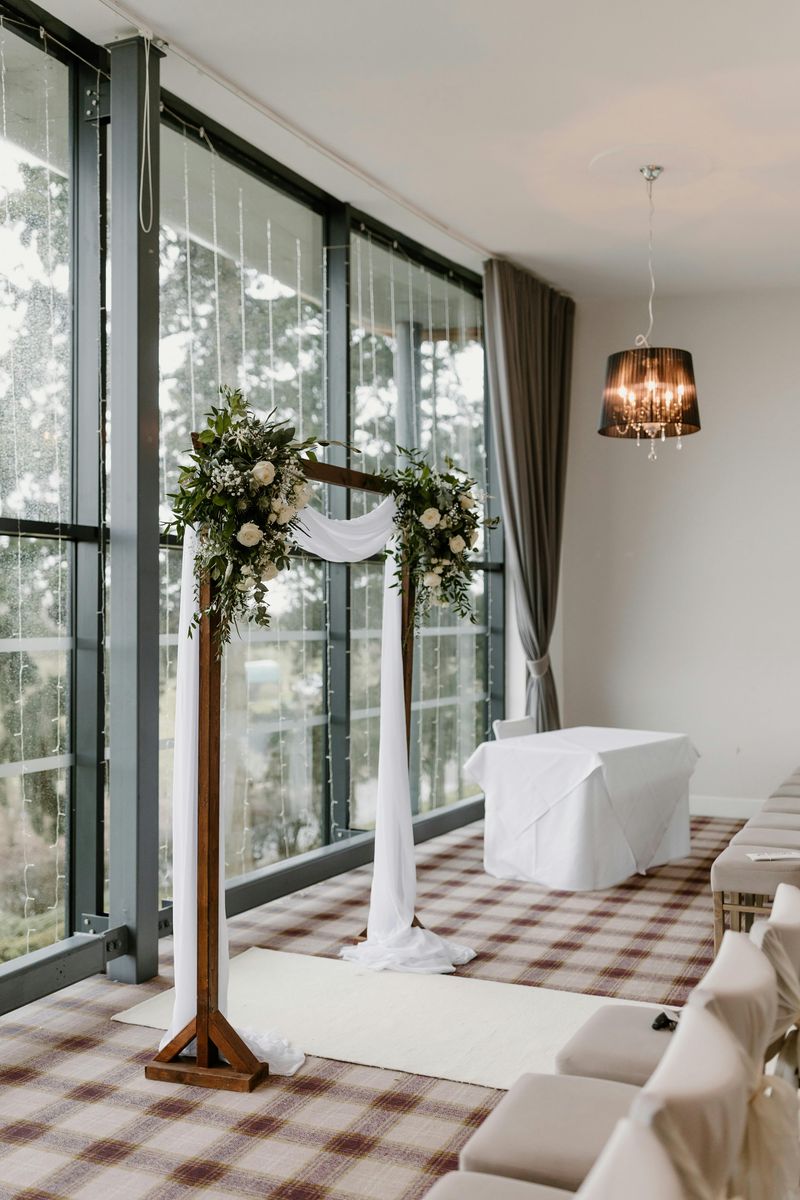
Bold red and black buffalo checks march across heavyweight wool carpets that pay tribute to Maine’s logging heritage with unabashed confidence.
These aren’t timid accent pieces – they’re statement rugs that anchor entire rooms with their graphic patterns and substantial presence.
The thick wool pile traps warm air near the floor, creating a noticeable temperature difference that makes walking barefoot comfortable even when outdoor thermometers plunge below zero.
Dens, family rooms, and covered porches gain instant character from these rugs, which pair naturally with leather furniture, wood paneling, and stone accents.
The pattern hides stains and wear remarkably well, making them practical choices for homes with active families, dogs, or frequent guests.
Something about the classic plaid evokes flannel shirts, hot cocoa, and crackling fires – the essential elements of surviving winter with good cheer.
Modern versions come in various color combinations beyond traditional red and black, but the original palette remains most popular because it captures the rugged, no-nonsense spirit that defines Maine’s interior regions.
7. Wool Hooked Lighthouse Motif Rugs
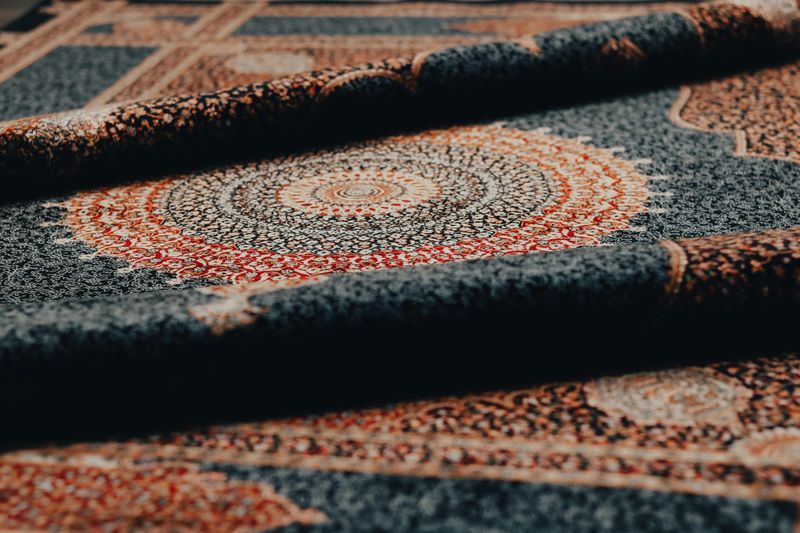
Lighthouses standing guard along Maine’s rocky coast inspire charming hooked rugs that bring maritime history and warmth together in artistic packages.
Crafters use a traditional hooking technique, pulling wool strips through burlap backing to create raised, textured images of iconic beacons like Portland Head Light or West Quoddy Head.
The dense wool pile provides excellent insulation, while the folk-art aesthetic adds personality that sparks conversations and complements coastal decorating themes.
Hallways, bathrooms, and bedrooms gain focal points from these smaller rugs, which work as both functional floor coverings and wall-hangable art.
The hooking process allows for incredible detail – waves, seabirds, and even the candy-stripe patterns of specific lighthouses can be rendered with impressive accuracy.
Colors typically feature nautical blues, sandy tans, and crisp whites with pops of red from lighthouse markings, creating palettes that feel fresh rather than cold.
These rugs celebrate Maine’s maritime identity while serving the practical purpose of keeping feet warm when padding around the house during long winter evenings.
8. Sheepskin Throws And Pelts
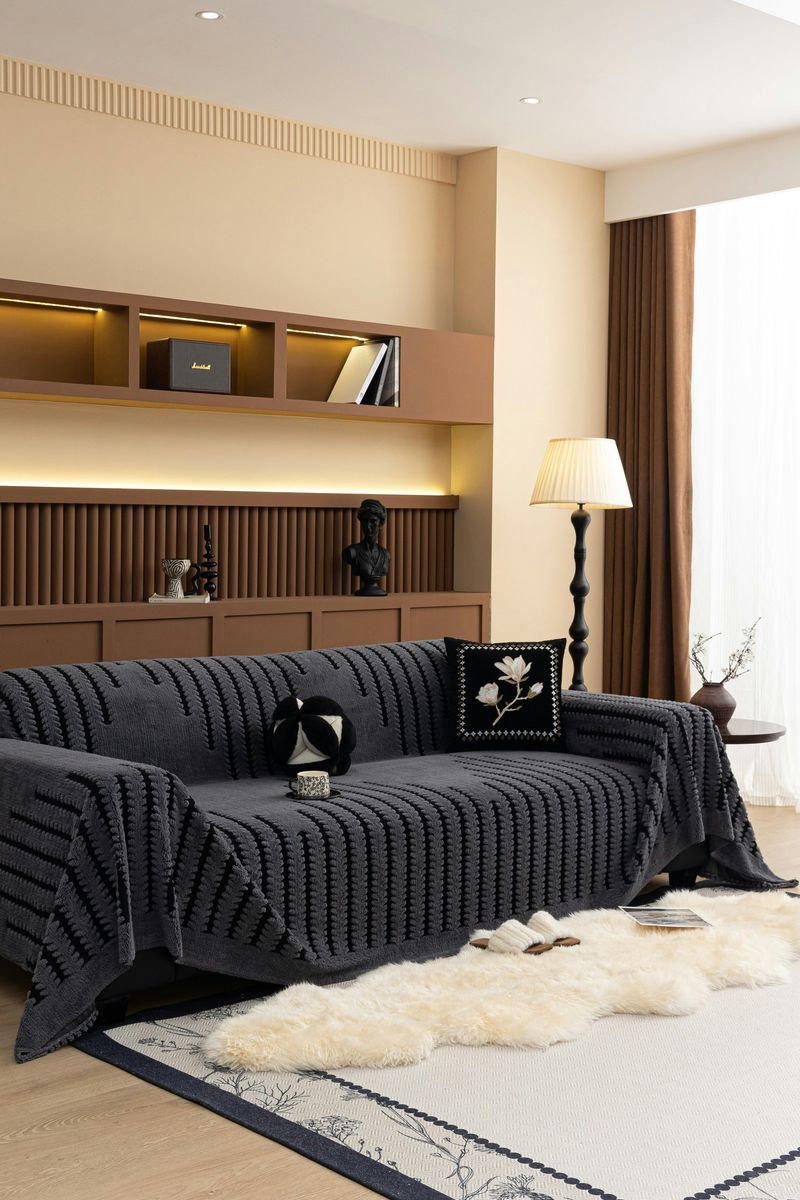
Nothing beats the luxurious warmth of genuine sheepskin when bare feet hit cold floors on frosty Maine mornings.
These natural pelts offer unmatched insulation because the wool fibers trap body heat while wicking away moisture, keeping feet both warm and dry.
The lanolin naturally present in sheepskin adds softness and helps repel dirt, making these throws surprisingly low-maintenance despite their plush appearance.
Bedrooms become instant sanctuaries when sheepskins are placed beside the bed, offering a warm landing spot that makes getting up on dark winter mornings slightly less painful.
Living rooms benefit from throws draped over chairs or sofas, creating cozy reading nooks where the sheepskin’s temperature-regulating properties keep readers comfortable for hours.
Maine sheep farmers often sell pelts directly, supporting local agriculture while providing homeowners with ethically sourced, high-quality materials.
The natural cream, gray, and brown colors blend with virtually any decorating style, from rustic cabins to contemporary condos, proving that practical warmth and sophisticated aesthetics can absolutely coexist in the same fluffy package.
9. Jute And Sisal Layered Rugs
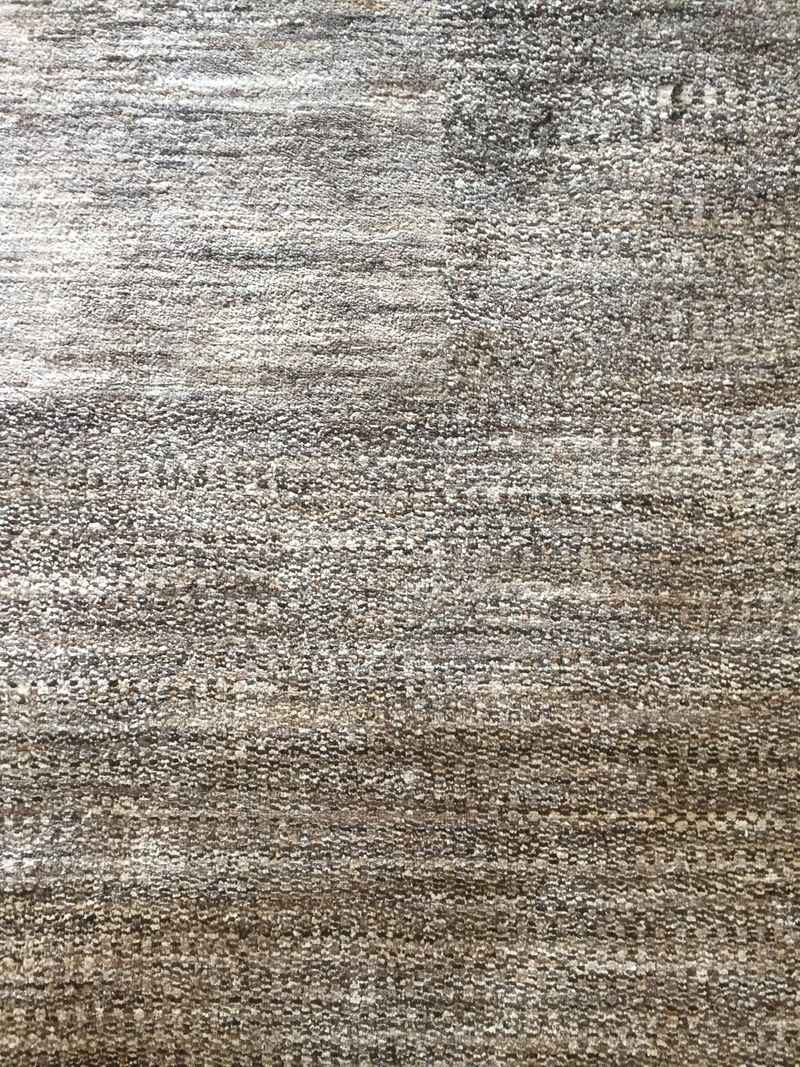
Natural fiber rugs might seem like warm-weather choices, but layering jute and sisal creates surprisingly effective cold-weather floor coverings with coastal Maine appeal.
The secret lies in the layering – a thick sisal base provides structure and insulation, while a softer jute topper adds comfort underfoot without sacrificing the natural, textured look that complements Maine’s casual lifestyle.
These plant-based fibers are incredibly durable, handling sandy boots and wet paws without showing immediate wear.
Sunrooms, enclosed porches, and casual dining areas suit these rugs perfectly, especially in homes where the decorating philosophy leans toward relaxed, beach-cottage vibes.
The neutral tan and beige tones serve as perfect backgrounds for colorful furniture and accessories, letting other design elements shine while quietly doing the important work of insulating floors.
Jute and sisal breathe well, preventing the musty odors that sometimes develop under rugs in humid coastal climates, and they’re naturally resistant to static electricity that builds up during dry winter months.
These eco-friendly options prove that sustainable choices don’t require sacrificing comfort or style.
10. Moose And Wildlife Motif Area Rugs
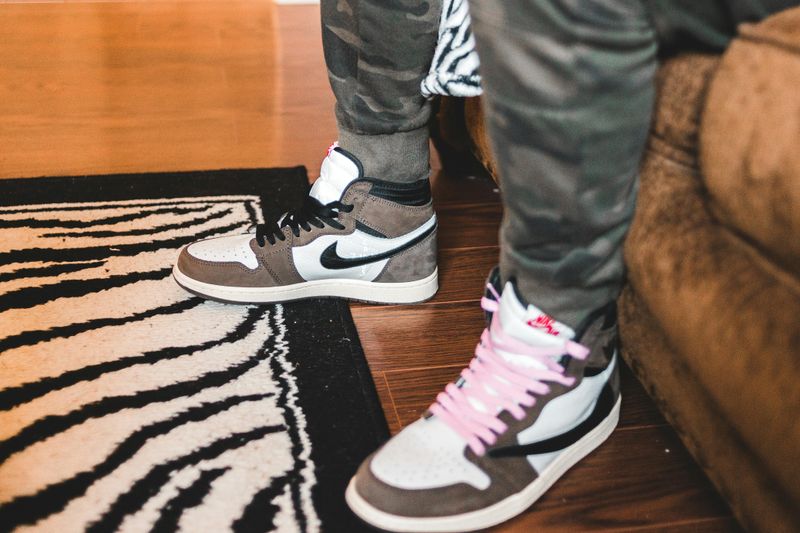
Majestic moose, black bears, and pine trees march across area rugs that celebrate Maine’s abundant wildlife while providing serious thermal protection.
These rugs typically feature rich browns, forest greens, and deep reds that hide dirt and create warm visual atmospheres even before their physical insulation kicks in.
The designs range from realistic wildlife portraits to stylized silhouettes, offering options for both traditional lodge aesthetics and more contemporary interpretations of rustic themes.
Great rooms and family spaces gain instant character from these statement pieces, which work especially well in homes near Baxter State Park or other wilderness areas where spotting actual moose isn’t uncommon.
The wildlife motifs create connections between indoor comfort and outdoor adventure, reminding residents why they love living in Maine even when winter keeps them inside.
Quality versions use dense synthetic or wool pile that stands up to heavy use while maintaining their insulating properties season after season.
Kids particularly love these rugs, which turn ordinary floors into imaginative landscapes where stuffed animals can roam and adventures can unfold, all while staying warm and comfortable.
11. Woven Cedar Bark Mats
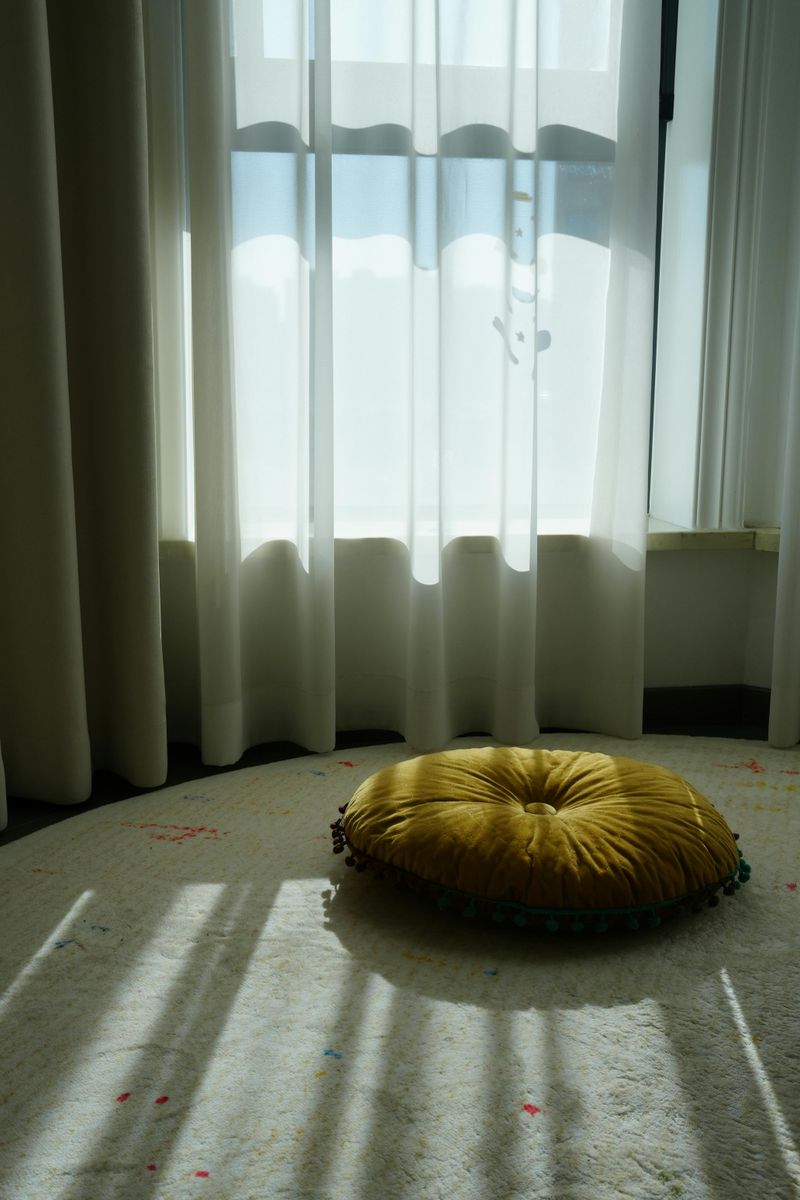
Indigenous crafting traditions live on in woven cedar bark mats that offer both cultural significance and practical warmth for modern Maine homes.
Wabanaki artisans have been weaving cedar bark for generations, creating flexible yet durable mats that naturally repel moisture and insects while providing insulation.
The weaving process softens the bark strips, resulting in surprisingly comfortable surfaces that feel pleasant underfoot despite their rustic appearance.
Entryways and mudrooms benefit from these water-resistant mats, which handle wet boots and dripping umbrellas without deteriorating or developing mildew.
The natural cedar scent – subtle but present – adds another layer of sensory warmth, evoking forest walks and outdoor adventures.
Purchasing authentic Wabanaki cedar bark mats supports Native artisans and helps preserve traditional skills that might otherwise fade away.
The neutral browns and grays blend seamlessly with various decorating styles while adding texture and cultural depth that mass-produced rugs simply cannot provide.
These mats represent a beautiful intersection of practicality, sustainability, and cultural respect, making them meaningful additions to homes that value both warmth and heritage.