9 Washington Coastal Towns Locals Say Are Packed With Tourists
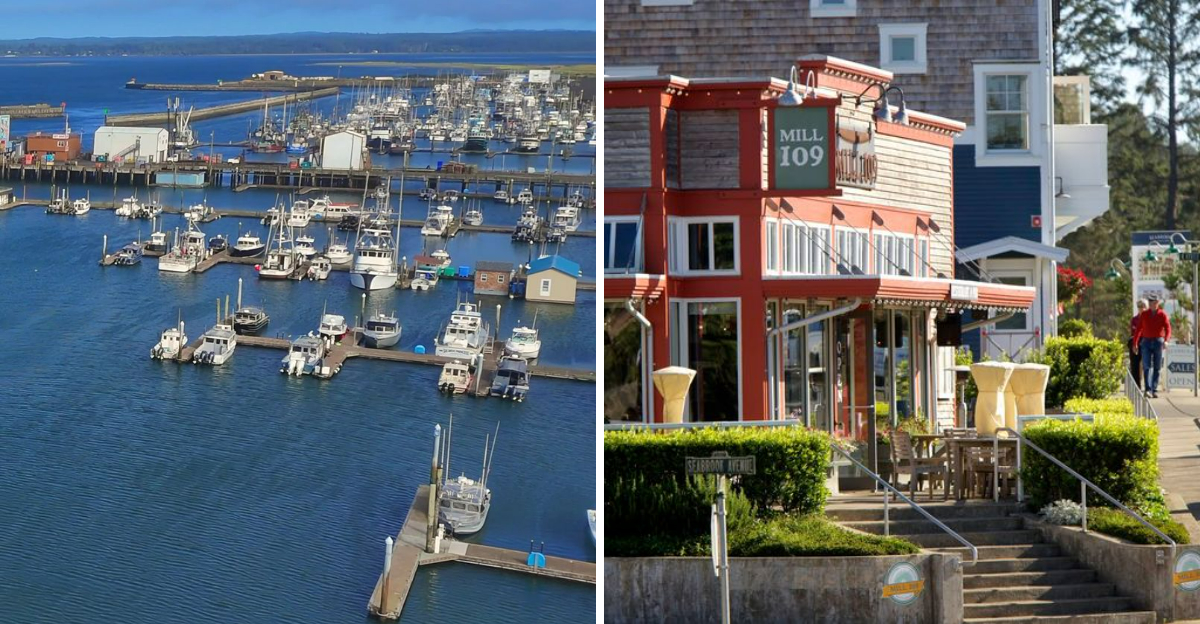
Washington’s coast offers miles of sandy beaches, rugged cliffs, and charming small towns. Many of these communities have seen massive changes as more visitors discover their beauty.
What locals once knew as quiet retreats now face packed streets, crowded beaches, and rising costs that push longtime residents away. For long-time locals, the coastal lifestyle they once loved has shifted into something that feels more commercial than personal.
The peaceful boardwalks and slow mornings have turned into busy weekends, constant traffic, and lines stretching out of small cafés and seafood shacks.
Tourism brings more restaurants, new shops, and money to the area, but it also brings challenges that are hard to ignore.
Parking becomes impossible, housing becomes unaffordable, and long-standing businesses sometimes disappear to make room for new developments. The influx of visitors changes how these communities look, feel, and even function.
Locals often find themselves asking a difficult question: how do you protect the beauty and spirit of these coastal towns without turning away the very people who want to experience them?
1. Ocean Shores
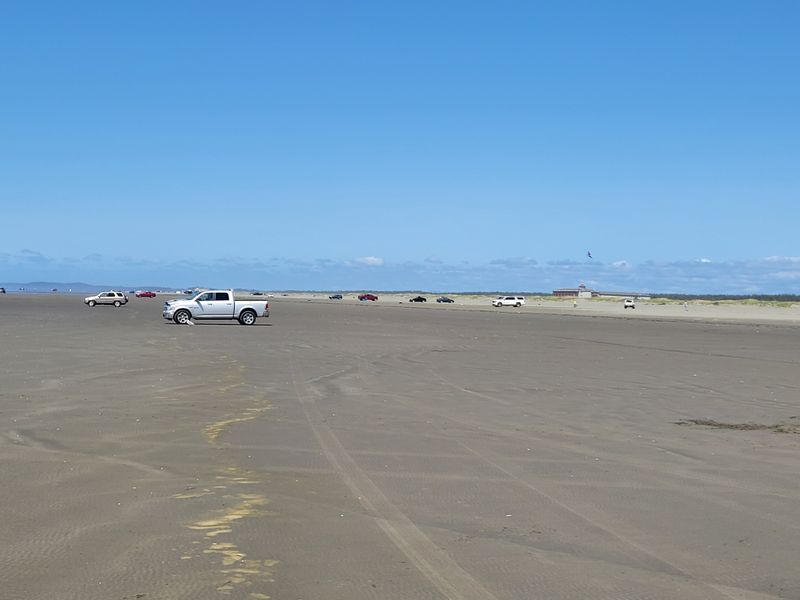
Traffic jams on summer weekends have become the new normal here.
Locals plan their grocery trips carefully because store shelves empty faster than staff can restock them during peak season.
Property values have climbed so high that many families who lived here for generations can no longer afford to stay.
Vacation rentals have replaced homes where actual residents once lived year-round.
Every beachfront cottage that gets torn down makes way for another mansion, pushing property taxes higher.
The town that once felt like a peaceful escape now resembles a crowded highway during tourist months.
Longtime community members have watched their hometown transform into something unrecognizable.
2. Seabrook
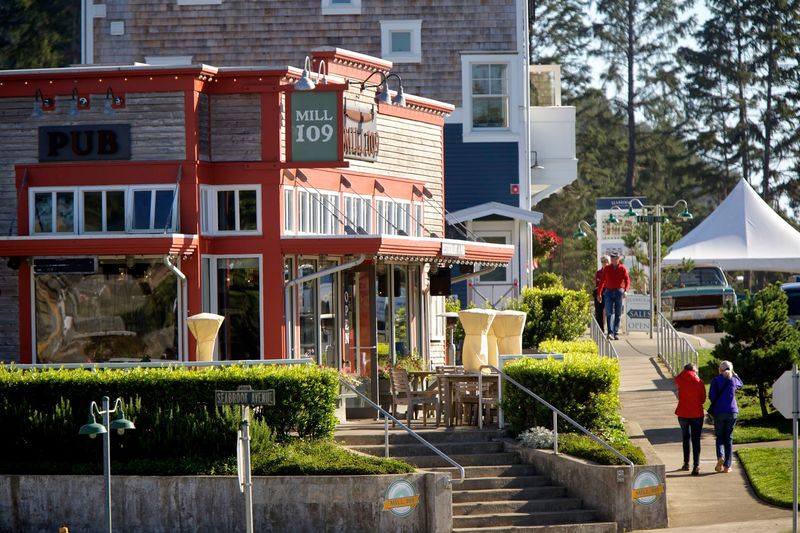
Walking through this place feels like stepping onto a movie set rather than a real neighborhood.
Almost every house sits empty most of the year because they’re second homes for wealthy visitors.
Home prices have shot past the million-dollar mark, making it impossible for working families to live here.
The designer cottages look beautiful, but there’s hardly any sense of community when nobody actually lives here full-time.
You won’t find locals hanging out at the coffee shop or kids playing in the streets.
Everything feels staged and perfect, like a theme park version of what a coastal town should be.
Real people with real lives can’t afford this exclusive enclave anymore.
3. Westport
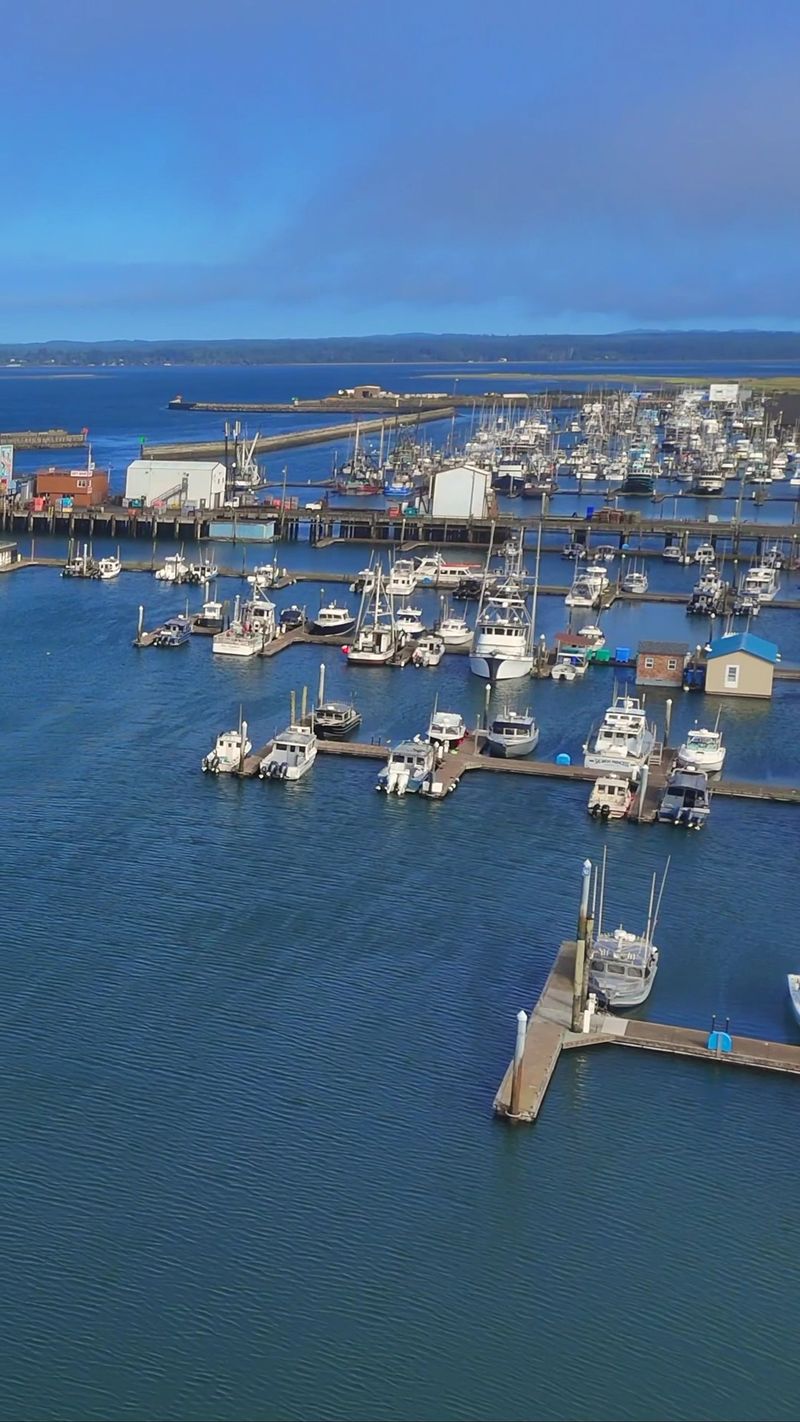
Commercial fishing boats once dominated this harbor, hauling in massive catches of salmon and tuna.
These days, charter boats for tourists seem to outnumber the working vessels that built this town’s reputation.
The place earned fame as the salmon capital of the world, but that identity has shifted dramatically.
Recreational fishing has taken over, and the harbor feels more like a tourist marina than a working port.
Local fishermen navigate around visitors who want photo opportunities with their catches.
The authentic fishing culture that defined this community for decades is fading.
What was once purely industrial now caters primarily to weekend warriors seeking adventure.
4. Long Beach
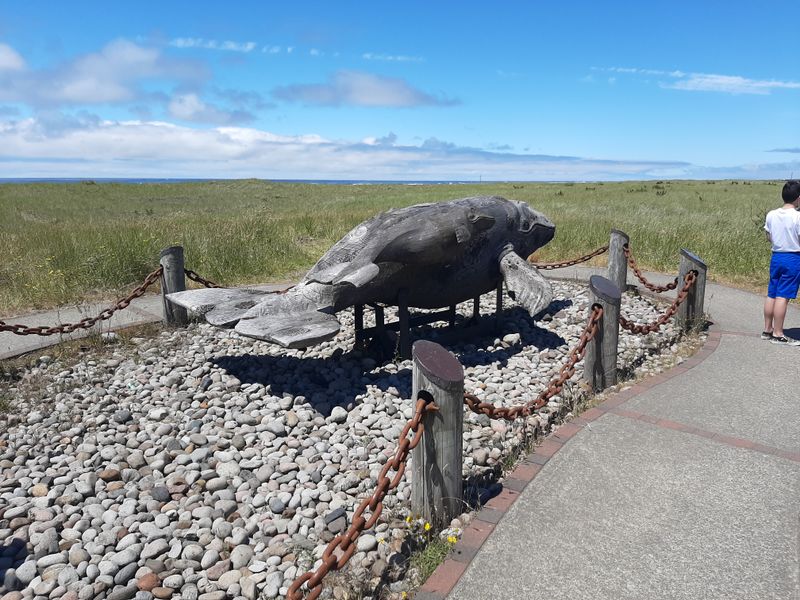
Twenty-eight miles of coastline attract massive crowds, especially when kite festivals take over the sky.
Residents have learned to divide the year into two seasons: when tourists are here and when they’re not.
Most locals avoid downtown completely from Memorial Day through Labor Day because simple errands become all-day affairs.
The single main road through town backs up with traffic so badly that getting milk can take hours.
Finding parking near your favorite spots becomes nearly impossible when visitors flood in.
People who live here year-round feel like strangers in their own town during summer.
The sense of community disappears under the weight of endless tourist traffic.
5. Ilwaco & Cape Disappointment
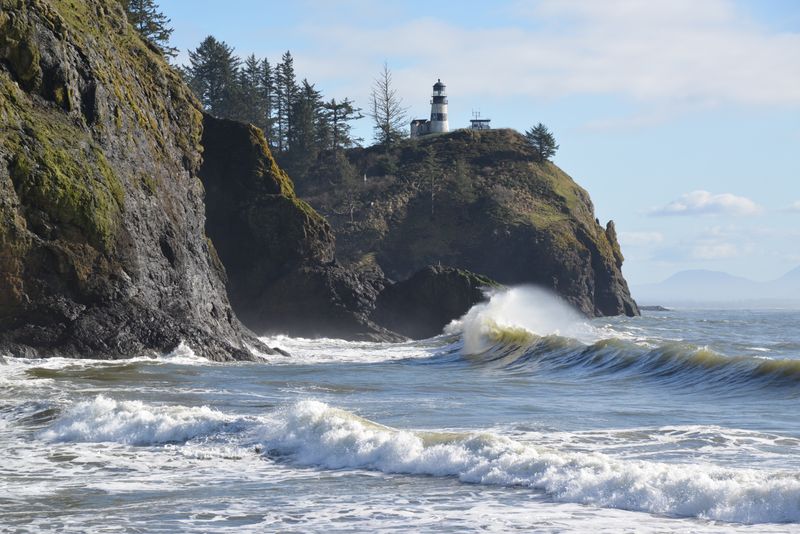
Rangers frequently close the park gates because parking areas fill up completely.
This fishing port at the Columbia River’s mouth struggles with two competing identities that don’t always mesh well.
Commercial fishermen work alongside tourists who want to photograph their catches and explore the historic lighthouse.
Locals time their grocery runs for weekday mornings to avoid the weekend rush of visitors.
The hiking trails and scenic viewpoints draw so many people that finding solitude becomes impossible.
Workers in the fishing industry navigate through crowds just to do their jobs.
What was once a working waterfront now feels like a tourist attraction first and a fishing port second.
6. Moclips
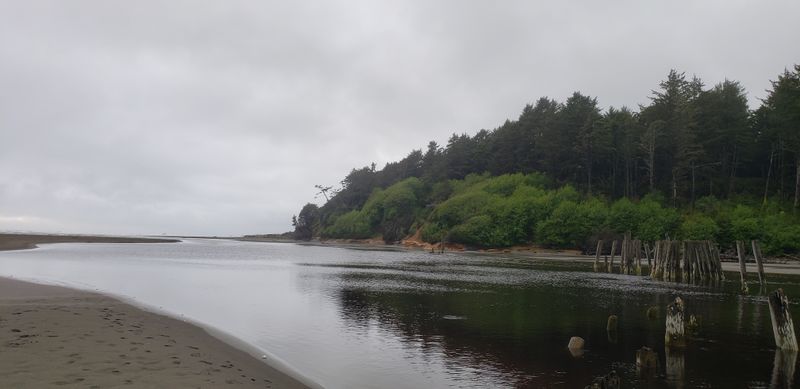
Instagram and travel blogs exposed this once-hidden gem to the world.
Vacation rentals have multiplied rapidly, changing what used to be a quiet retreat into a busy destination.
Residents report strangers wandering onto their property just to snap photos for social media.
Beach access points fill with vehicles from Seattle and Portland, especially during whale watching season.
The handful of rental properties that existed before has grown into a full-blown vacation rental industry.
Privacy has become a rare commodity when your front yard becomes someone else’s photo backdrop.
The tiny community that residents cherished for its seclusion is now on every traveler’s must-visit list.
7. Grayland
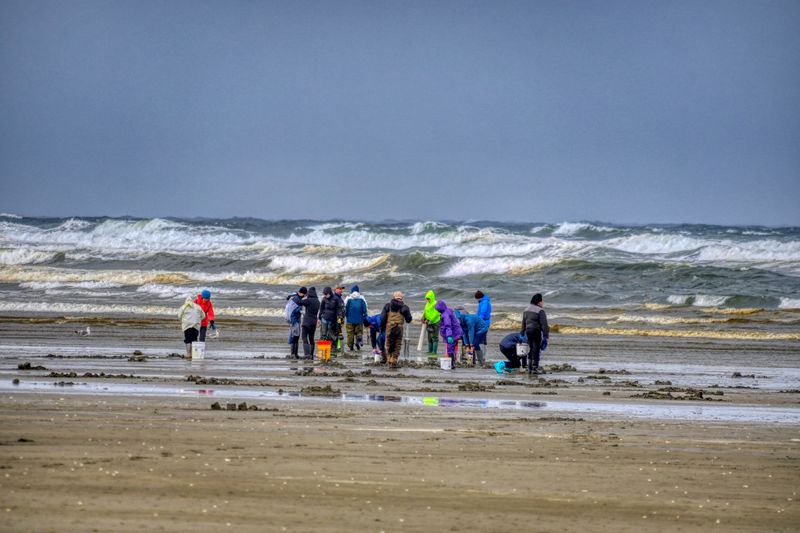
Cranberry bogs and quiet shorelines once defined this agricultural community.
Vacation homes have replaced farmland at an alarming rate as the seasonal population swells dramatically.
Locals joke about needing passports to access their own beaches during summer months.
The strange feeling of becoming an outsider in your hometown hits hard when crowds arrive.
Beach driving areas that provided peaceful solitude now look like parking lots on sunny weekends.
Longtime residents describe watching their community’s character change before their eyes.
The balance between agriculture and tourism has tipped heavily toward visitors, leaving locals feeling displaced in familiar spaces.
8. Pacific Beach & Tokeland
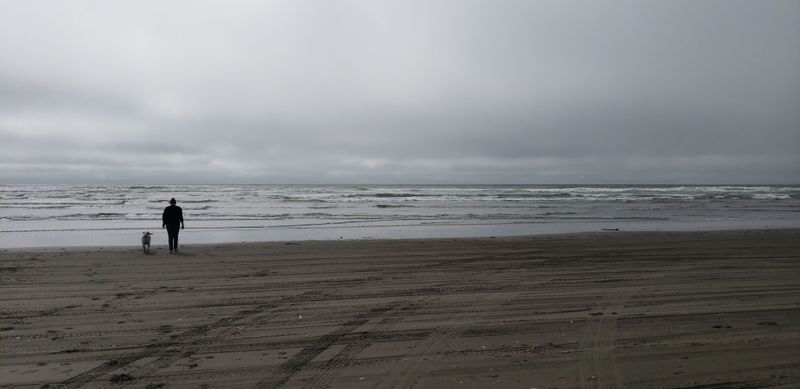
Rugged shorelines and wildlife viewing drew visitors who discovered these neighboring spots.
The single grocery store can’t keep up with demand when summer population spikes hit.
Residents report tourists ignoring signs about protected wildlife areas, disturbing habitats that locals work hard to preserve.
The peaceful atmosphere that attracted many to settle here has vanished under weekend traffic jams.
Vacation homes sit empty most of the year while housing costs rise for everyone.
People who chose these communities for their tranquility now deal with constant noise and congestion.
The dramatic changes happened faster than anyone expected, leaving longtime residents frustrated and displaced.
9. Ocean Park & Surfside
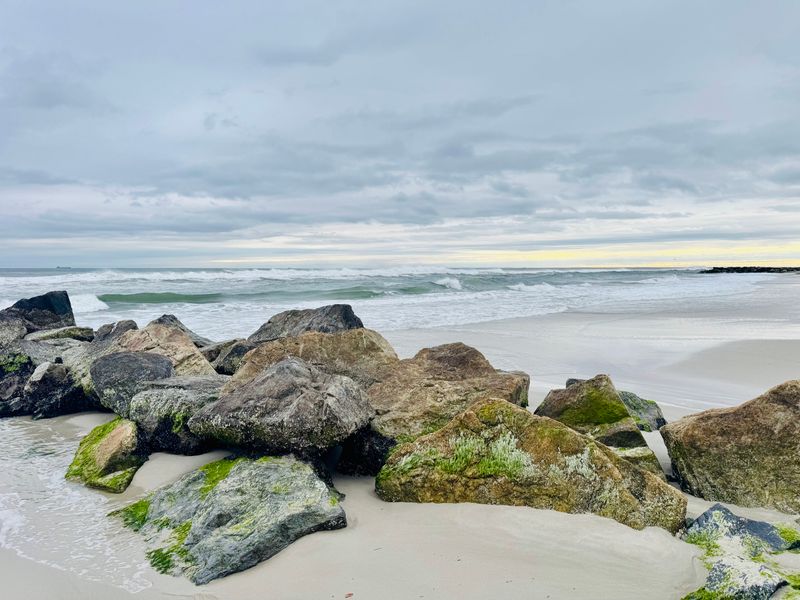
Visitors seeking alternatives to busier destinations discovered this northern peninsula area.
Summer weekends bring bumper-to-bumper traffic on narrow roads that were never designed for such volume.
Housing prices have skyrocketed as vacation rentals and second homes take over the market.
Water supply and waste management systems struggle during peak tourist seasons because infrastructure wasn’t built for these numbers.
Once-sleepy communities now face serious challenges maintaining basic services.
Locals watch their cost of living climb while their quality of life declines.
The quiet charm that made these places special has been buried under tourist traffic and development pressure that shows no signs of slowing.