12 Washington Small Towns That Could Easily Be Film Locations
My jaw dropped the first time I drove through Winthrop. Fake?
No, just that cinematic. Washington State has a strange talent for making its small towns feel like someone built them specifically for a movie that hasn’t been made yet.
Weathered storefronts. Church steeples cutting through morning fog.
Streets so quiet you half-expect a film crew to yell “action.” The state doesn’t just have scenery, it has atmosphere, the kind Hollywood spends millions trying to manufacture. Some of these towns feel frozen in another decade.
Others carry that eerie, too-perfect quality that makes your skin prickle. Either way, Washington’s smallest corners pack more visual drama than most major cities.
Keep reading and you’ll see exactly what I mean.
1. Leavenworth
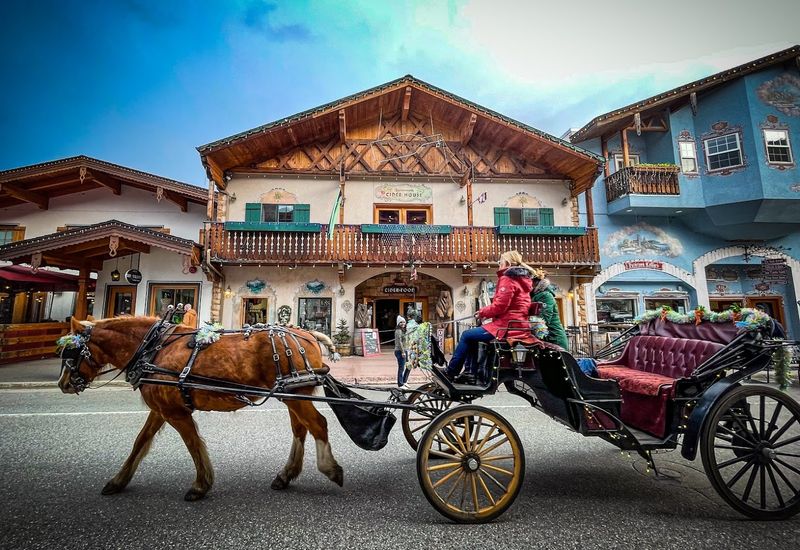
Picture a Bavarian village that somehow teleported into the middle of the Cascade Mountains. That is exactly what Leavenworth feels like the moment you round the bend on Highway 2 and see the painted storefronts and flower boxes.
Absurdly charming. Completely committed. Totally cinematic.
The town was actually struggling economically in the 1960s when residents decided to rebrand around a Bavarian theme. What sounds like a desperate idea turned into one of the state’s most visited destinations.
The architecture is consistent, the streets are walkable, and every corner feels composed.
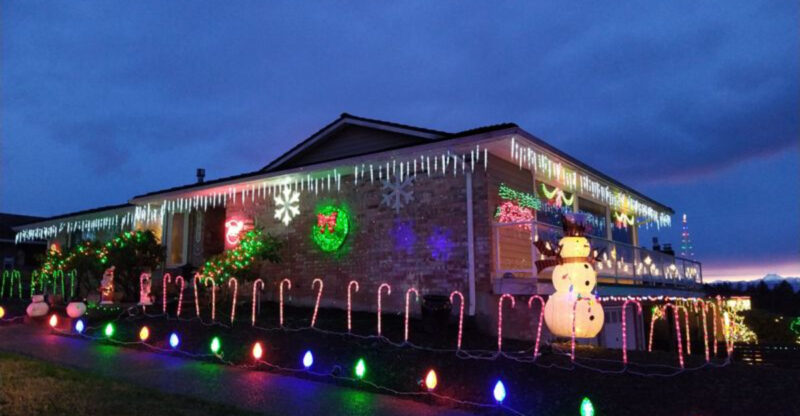
Leavenworth sits along the Wenatchee River valley, deep in the Cascades. In winter, thousands of lights transform the whole place into the most obvious Christmas movie set that no one has fully claimed yet.
A romantic comedy set here would basically write itself. The backdrop shifts with every season, from cherry blossoms in spring to golden larches in fall, giving any film crew multiple looks without moving a single camera.
Leavenworth is not pretending to be somewhere else. It just fully committed to a vision and stuck with it, which is more than most towns can say.
2. Winthrop
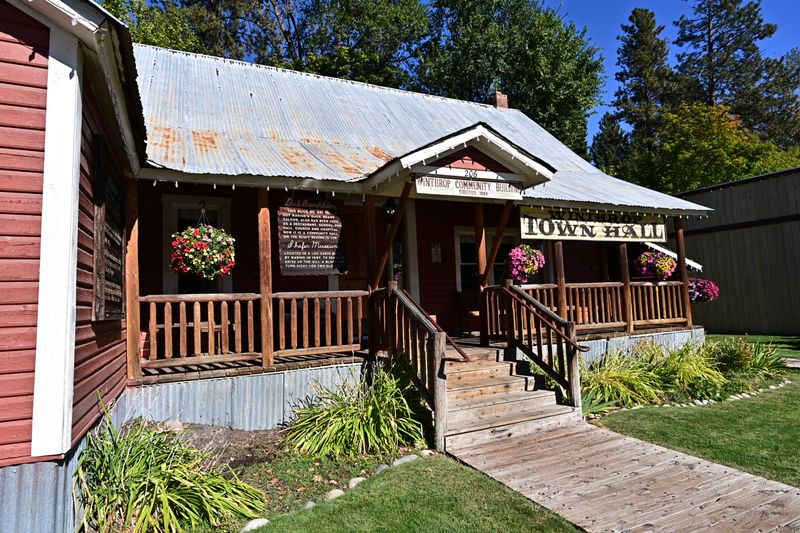
Wooden boardwalks, hitching posts, and storefronts that look lifted straight from a Western set. Winthrop does not just suggest the frontier, it fully inhabits it.
Tucked into the Methow Valley in Okanogan County, this town rebuilt its entire downtown in an Old West architectural style during the 1970s and never looked back.
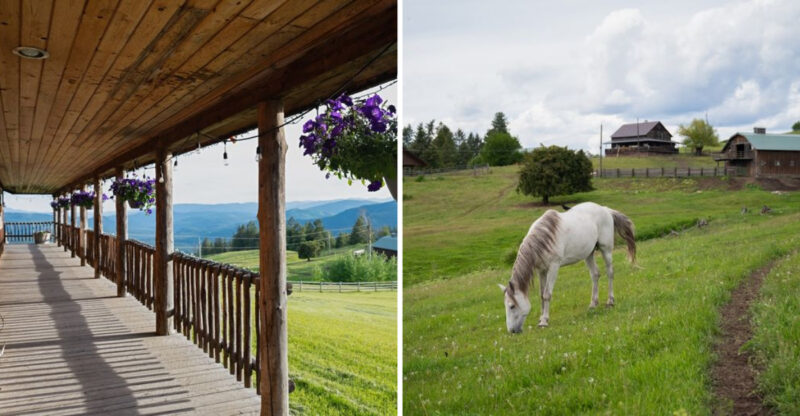
The surrounding landscape seals the deal completely. Ponderosa pines, wide open meadows, and the Methow River running through the valley create a backdrop that would cost a film production team millions to recreate on a studio lot.
Here, it is just Tuesday. The light in the Methow Valley is also remarkable, golden and directional in a way that photographers and filmmakers chase across the world.
Winthrop sits at the eastern end of the North Cascades Highway, which means it gets real seasons. Snow-covered winters make it feel like a period drama.
Dry, bright summers lean toward action and adventure. The town hosts rodeos and community events that reinforce the frontier identity without feeling like a theme park.
Located on Highway 20, the main street is short enough to walk in minutes but detailed enough to keep a camera busy for days. A Western filmed here would need zero set dressing.
3. Coupeville
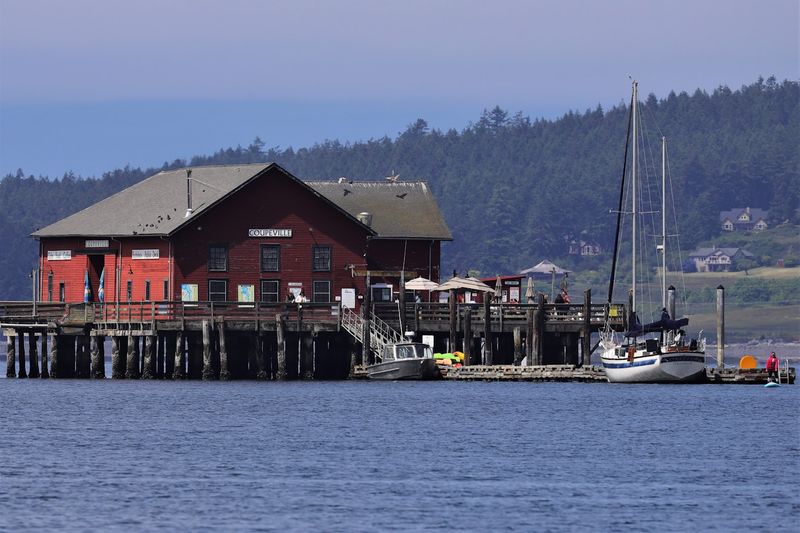
Fog rolls across Penn Cove before the rest of the world wakes up. The old wharf creaks.
A Victorian storefront catches the gray morning light just right. Coupeville does not need a film crew to look dramatic. It already is.
This small town on Whidbey Island is one of the oldest in the state, incorporated in 1910 but settled well before that.
The historic district is remarkably intact, with Victorian-era homes lining the bluff above the water and a wharf that has been photographed so many times it practically poses on its own.
The Island County Historical Museum sits at the edge of town and adds another layer of texture to the atmosphere.
What separates Coupeville from other charming waterfront towns is the mood. There is something genuinely unresolved about the place, in the best way.
The mist does not always burn off by noon. The streets stay quiet even in summer.
That slow, slightly unsettled quality is exactly what a gothic mystery or a slow-burn drama needs to breathe. Few places in the Pacific Northwest carry this much atmosphere per square foot.
4. Concrete
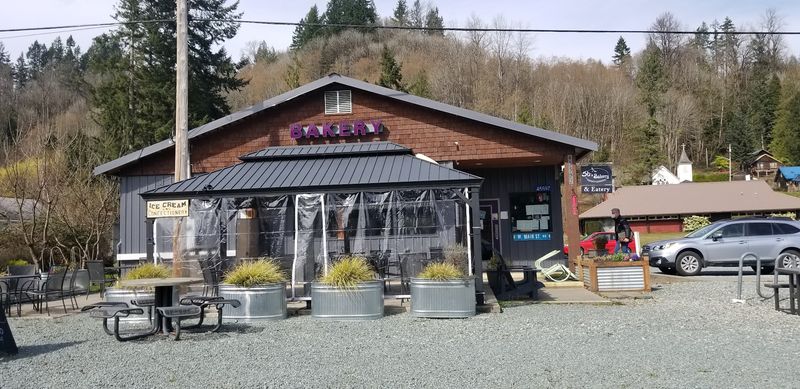
The name alone sounds like a post-apocalyptic film title. Concrete sits along the Skagit River in Skagit County, and it carries the quiet, unsettled energy of a place that once had big plans and then watched them slowly fade.
The town grew around cement production in the early 1900s. Weathered buildings, empty lots, and structures that seem to be in ongoing conversations with entropy give Concrete a visual texture that cannot be faked or built on a studio lot.
For dystopian or post-apocalyptic storytelling, this town offers something rare: authenticity. The streets are not dramatically ruined, they are just quiet in a way that feels loaded.
The surrounding Cascade foothills press in on every side, and the Skagit River moves steadily through it all with complete indifference. Baker Lake Road leads north toward the mountains, adding dramatic landscape options within minutes.
Concrete has a small but real community, and it hosts events that remind visitors the town is very much alive. But the visual story it tells is one of resilience wrapped in atmosphere, which is exactly what great film needs.
5. Index
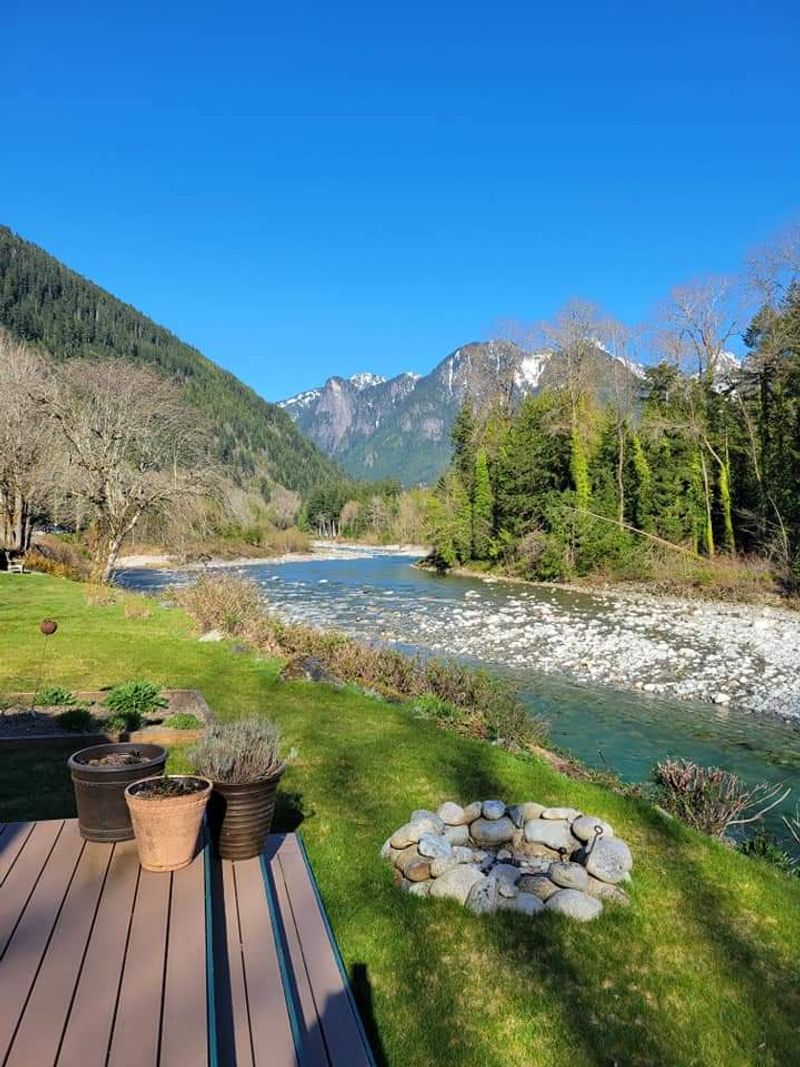
Standing in Index feels like standing at the bottom of a very large, very serious conversation between the earth and the sky. The granite walls of Mount Index rise almost directly behind the town, making every building look miniature and every person look like a character in a survival story.
Index sits along the Skykomish River in Snohomish County, accessible via US Route 2. The town has a very small population, with roughly 150 to 160 residents.
There are no chain stores, no traffic lights, and no distractions from the landscape that surrounds everything.
For an indie horror film or a survival thriller, Index is almost unfairly well-suited. The scale of the granite walls creates immediate visual tension.
The river adds sound and movement. The dense forest closes in from every direction, and the single road in and out makes the geography feel inherently claustrophobic.
Even on a clear day, the place has weight. The historic Index Town Wall is a landmark for rock climbers, and the area around the Bush House Inn has genuine historical bones.
Index does not perform for visitors. It simply exists, massive and indifferent, which is exactly the kind of setting that makes great cinema.
6. Port Townsend
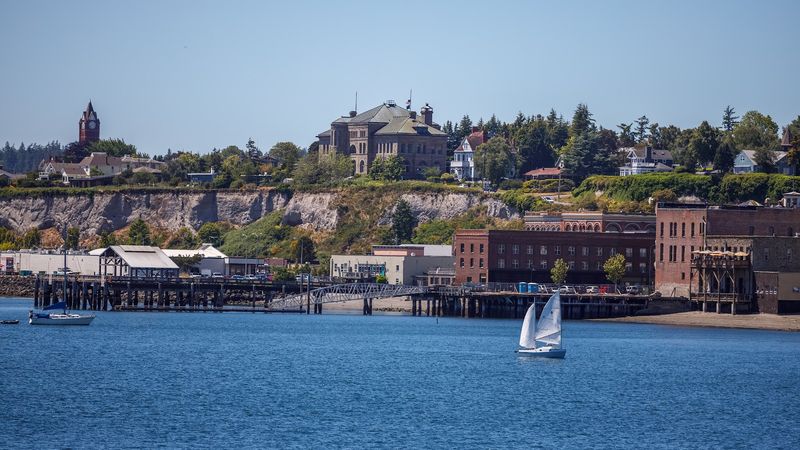
There is a version of Port Townsend that exists in the 1890s, and it never fully left. The Victorian mansions on the bluff above downtown are so well-preserved that walking past them feels less like tourism and more like time travel with better coffee.
Port Townsend was supposed to become the major commercial hub of the Pacific Northwest. When the railroad bypassed it in the late 1800s, the economic boom collapsed and development froze.
That accident of history is exactly why the architecture survived. The town did not get torn down and rebuilt. It just stayed.
Located at the northeastern tip of the Olympic Peninsula, Port Townsend is now a designated National Historic Landmark District. The downtown on Water Street is lined with ornate brick buildings housing bookshops, galleries, and cafes.
The bluff above holds grand homes with wraparound porches and views of Puget Sound.
Fort Worden State Park sits just north of downtown and adds wide open grounds and sweeping water views to the mix. For a period piece, a ghost story, or a moody detective noir, the visual vocabulary here is extraordinary.
The combination of elegance, isolation, and preserved character makes Port Townsend one of the most cinematically complete small towns in the entire Pacific Northwest.
7. Oakville
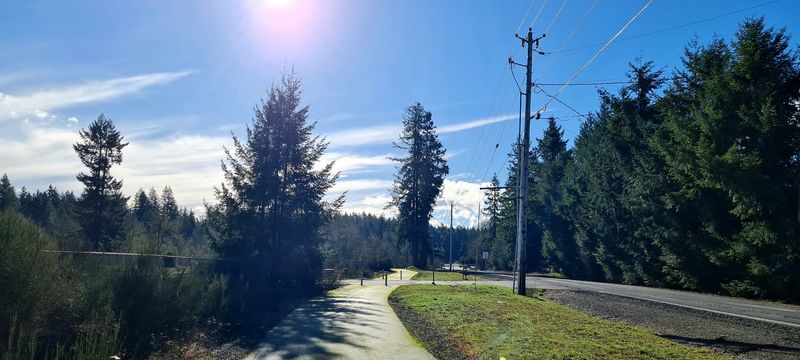
Flat land, morning mist, dairy farms stretching in every direction, and a silence so complete you can hear your own thoughts getting nervous. Oakville sits in Grays Harbor County, and it does not try to be interesting.
It simply is, in the way that only genuinely remote rural places manage to be.
The town is small enough that most people drive through without slowing down. That invisibility is part of what makes it so compelling as a film setting.
There are no landmarks competing for attention, no scenic overlooks demanding a photo. Just fields, fog, and the particular stillness of a place that exists entirely on its own terms.
Stephen King built a career on towns exactly like this one. The flat geography means the sky dominates every frame, which gives cinematographers enormous creative control over mood and tone.
A quiet rural drama set here would feel immediate and grounded. A small-town horror film would feel genuinely unsettling rather than manufactured.
Located along US Route 12, Oakville is close enough to the coast to carry marine air and persistent cloud cover through much of the year. That weather is not a limitation.
For the right story, it is the entire point. Some places earn their atmosphere honestly, and Oakville is one of them.
8. La Conner
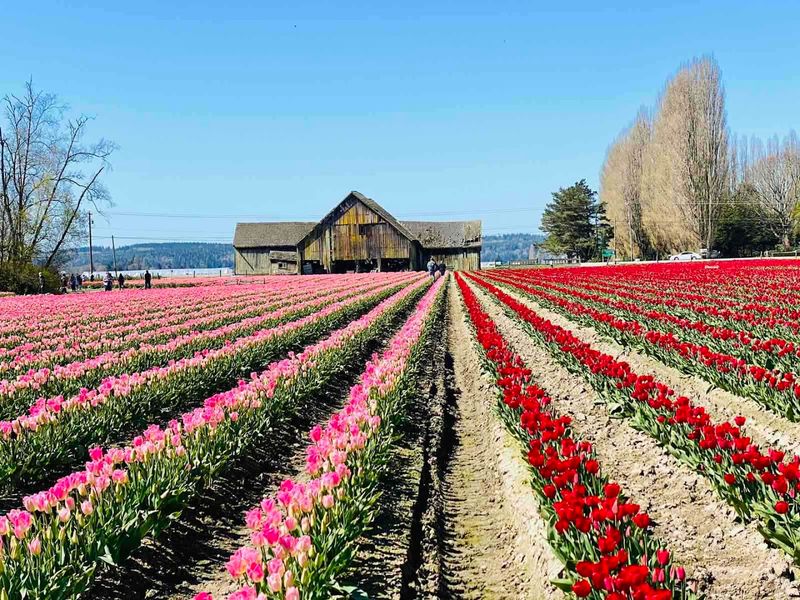
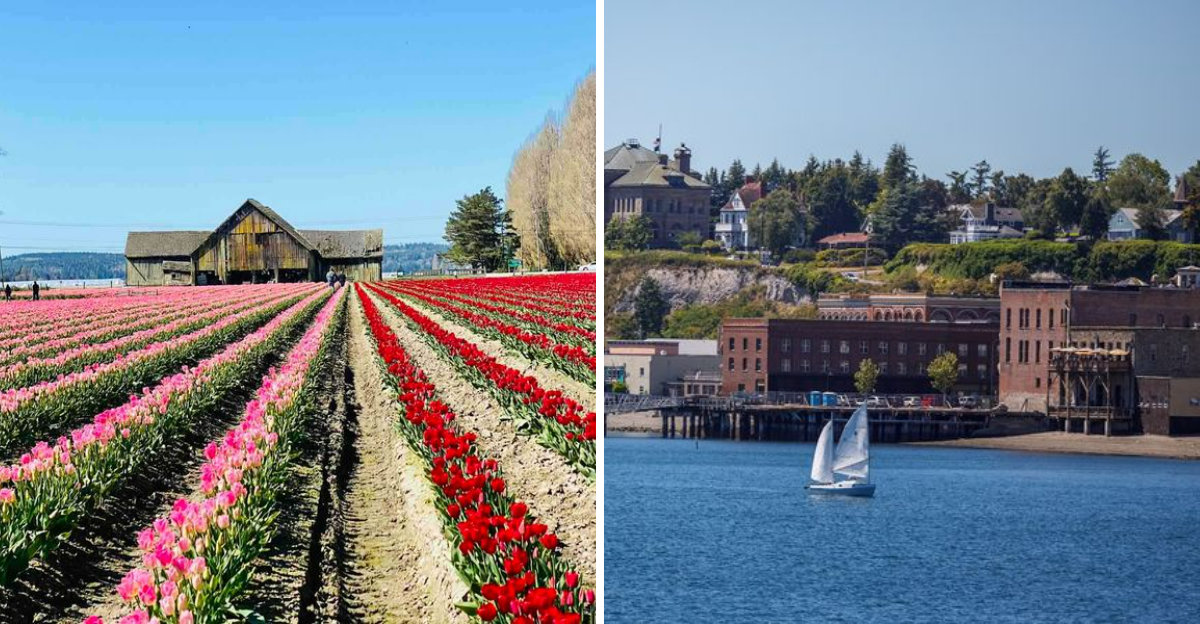
Rows of tulips stretching to the horizon. A quiet channel reflecting painted storefronts.
The kind of moody Pacific Northwest sky that makes everything look like a scene that needs to be filmed. La Conner has all of it, and it barely has to try.
The town sits along the Swinomish Channel in Skagit County, surrounded by farmland that explodes into color every April during tulip season.
The historic district along First Street is compact and well-preserved. Brick buildings house galleries and small shops, and the boardwalk along the water gives the whole place a storybook quality.
A sweeping romance filmed here would have audiences immediately convinced of every emotional beat.
What makes La Conner especially interesting for storytelling is the contrast. The pastoral fields feel open and hopeful, while the narrow streets and low-hanging clouds carry a quieter, more uncertain mood.
That tension is exactly what a mystery thriller needs. The Skagit Valley Tulip Festival draws large crowds in spring, but outside that window, the town settles into something much stiller and more atmospheric.
The Rainbow Bridge nearby adds an unexpected graphic element to the landscape. Few places in the state offer this many visual layers in such a small geographic footprint.
9. Roslyn
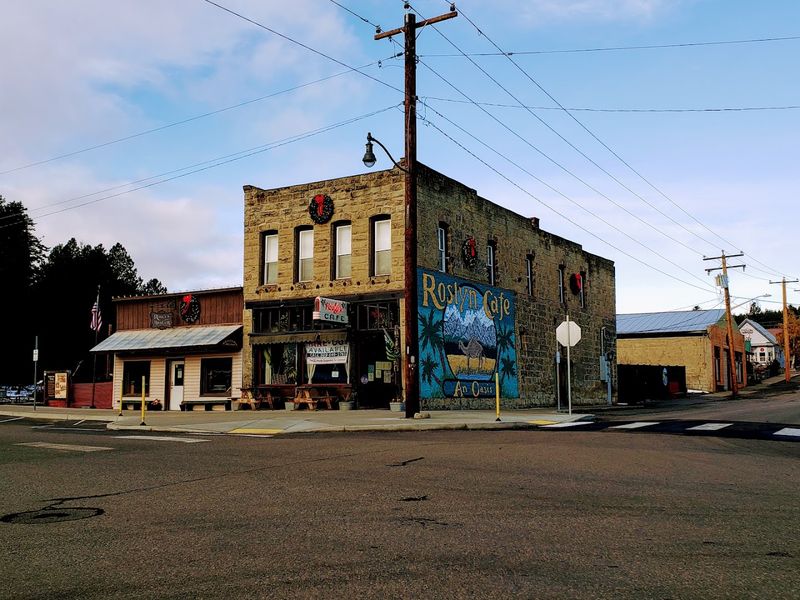
Most small towns only dream of being on television. Roslyn actually did it, and the cameras loved every inch of the place.
This former coal mining community in Kittitas County served as the filming location for Northern Exposure, which ran from 1990 to 1995 and brought the town international attention.
The famous Roslyn Cafe mural became one of the most recognizable images from the show. Walking down Pennsylvania Avenue, it is easy to see why the production chose it.
The storefronts are genuine, the scale is human, and the Cascade Mountains frame the whole scene in a way that feels almost deliberately cinematic.
Beyond the television legacy, Roslyn has real historical depth. It was a working coal mining town from the 1880s onward, and the Roslyn Museum documents that history with care.
The cemetery on the edge of town, with its separate sections for different ethnic mining communities, is one of the most historically significant and visually striking sites in central Kittitas County.
The town also appeared in The Man in the High Castle. At this point, Roslyn has more screen credits than most actors.
It still looks completely unimpressed by all of it, which is exactly the right attitude for a place this good.
10. Metaline Falls
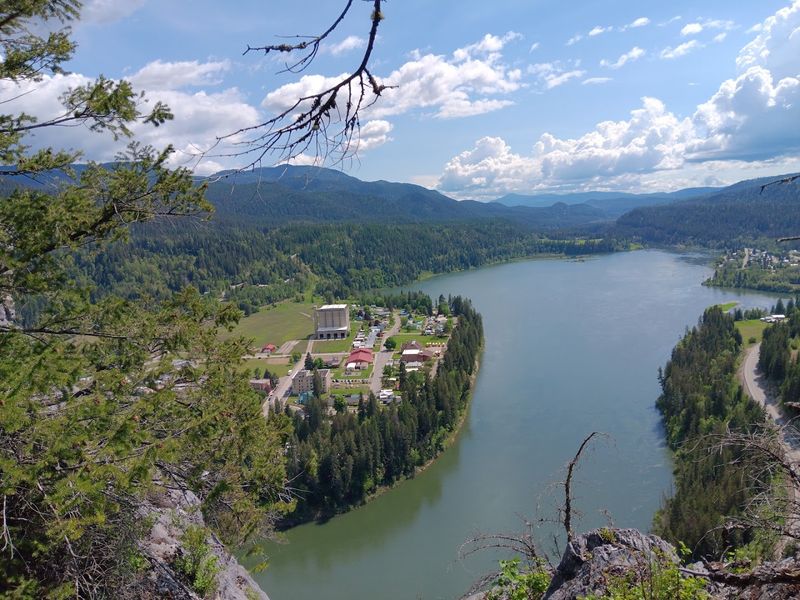
Getting to Metaline Falls requires genuine commitment. Located in Pend Oreille County near the Canadian border, this remote town sits at the edge of the map in a way that feels intentional.
The drive alone sets a mood that most films spend their entire first act trying to establish.
The Cutter Theatre, a stately brick building constructed in 1910, anchors the downtown with unexpected elegance. For a town this small and this far from anywhere, the architecture carries real authority.
The surrounding Selkirk Mountains are dense with forest, and the Pend Oreille River moves through the valley with the quiet determination of something that has been doing this for a very long time.
A brooding thriller set in Metaline Falls would feel completely believable because the geography enforces isolation without exaggeration. There is one main road.
The mountains are close. The population is small.
Box Canyon Dam sits nearby and adds industrial drama to the landscape without disrupting the natural surroundings. The town itself sits along Lehigh Avenue and feels preserved in a way that owes more to remoteness than to preservation efforts.
When a place is hard to reach, it tends to stay unchanged. Metaline Falls is proof that distance is sometimes the most effective form of conservation, and the most effective form of cinematic atmosphere.
11. Elbe
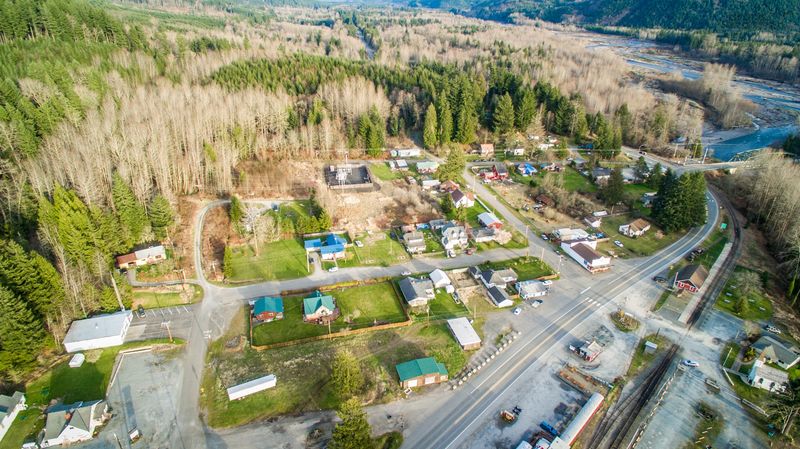
Blink and you will miss it, but missing it would be a genuine shame. Elbe sits along Highway 7 at the base of Mount Rainier, and it might be the smallest town in Washington with the most dramatic backdrop per capita.
The mountain fills the skyline on clear days in a way that seems almost unfair to everywhere else.
The community has fewer than 40 residents, which makes it less a community and more a very specific point on the map.
The Mount Rainier Scenic Railroad operated out of Elbe for years, and vintage train cars still dot the landscape, adding visual character that a production designer would spend weeks sourcing.
The white steeple of the small Lutheran church is one of the most photographed structures in Pierce County.
For a coming-of-age story or a heartfelt indie drama, Elbe offers something that bigger, more polished locations cannot: genuine smallness. The kind of smallness that makes every character feel like the only person in the world.
The surrounding forest is dense and green, the air carries the specific smell of pine and mountain cold, and the whole place operates at a pace that slows the viewer down before a single line of dialogue is spoken. Elbe earns its place on this list quietly, which is very much on brand.
12. Steilacoom
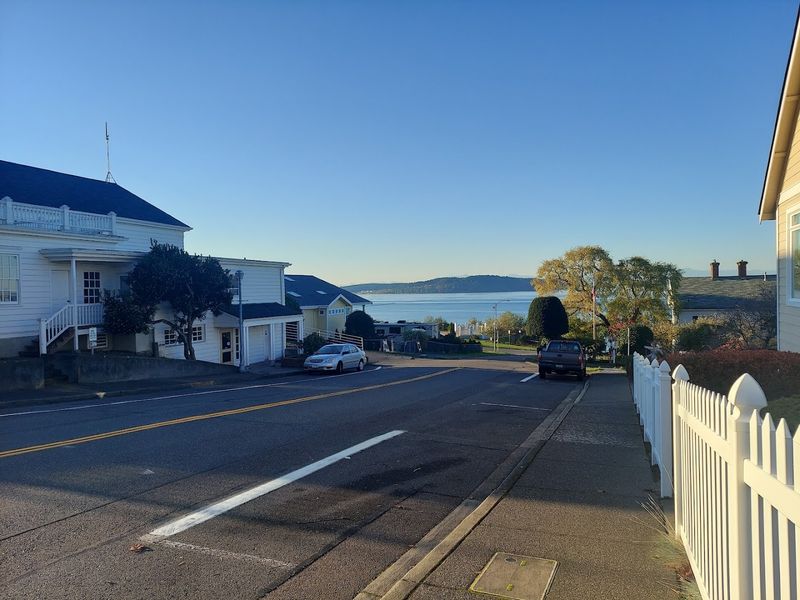
The oldest incorporated town in the state carries that title without making a fuss about it, which somehow makes it more impressive. Steilacoom was incorporated in 1854, and walking through its historic district feels like the past decided to stay put and wait for everyone else to catch up.
The town sits on a bluff overlooking Puget Sound in Pierce County, and the views across the water toward the Olympic Mountains are the kind that stop conversations mid-sentence.
The historic district along Steilacoom Boulevard includes buildings from the mid-1800s, maintained with a care that speaks to genuine community pride rather than tourist ambition.
What makes Steilacoom work as a film location is the layering. There is the waterfront, the bluff, the Victorian-era streets, and the surrounding suburban context that the camera can easily ignore.
The Steilacoom Historical Museum Association maintains four separate sites around town, each telling a different chapter of the same long story.
For a period drama, the 19th century bones are all present. For a quieter contemporary story about memory or identity, the contrast between preserved history and modern life creates exactly the kind of tension that good screenwriting exploits.
Some towns age well. Steilacoom aged with intention.