Waterfall Lovers Keep Traveling To This Beautiful Tennessee Town
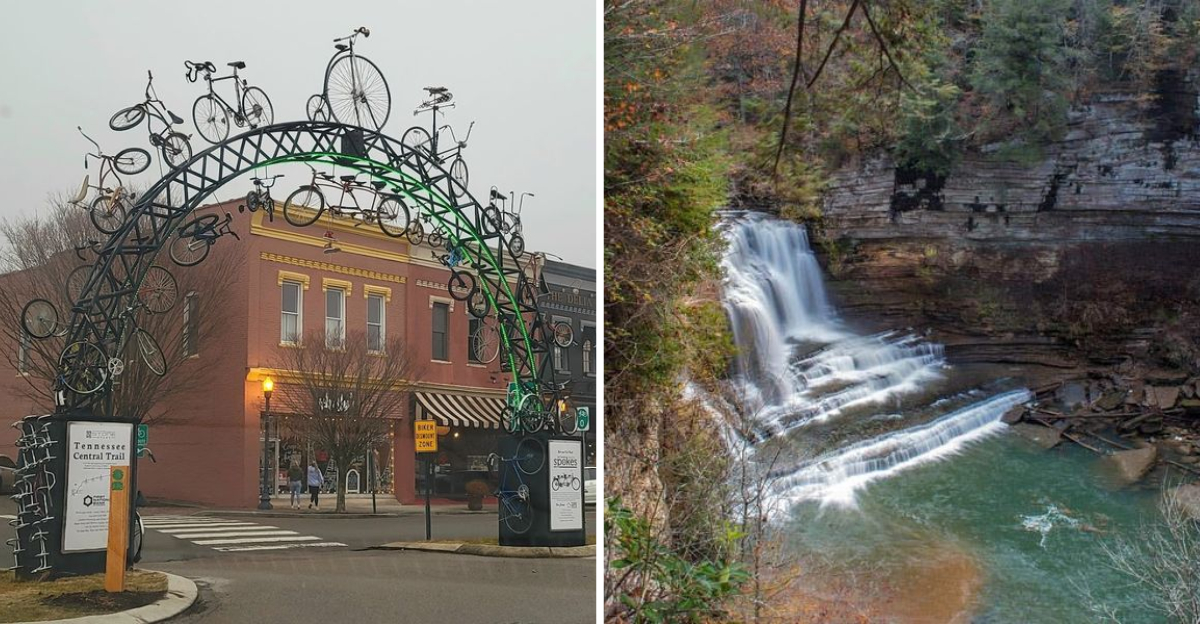
Waterfall towns develop an atmosphere that is very hard to manufacture artificially. This Tennessee town has built that atmosphere around the real thing.
The falls are beautiful and the surrounding area earns equal attention. Trails lead to multiple viewpoints and each one rewards the walk differently.
Water sounds follow you through most of the charming town itself. Waterfall lovers who find this place return with remarkable and predictable consistency.
I arrived on a cloudy afternoon and the light was breathtakingly stunning. Tennessee has waterfalls in unexpected corners and this town holds the best.
Are you prepared for a walk so beautiful you will not want it to end?
Why This Town Stands Out

Most people have never heard of Cookeville, Tennessee, and that is honestly part of its charm.
It is the county seat of Putnam County, sitting right along Interstate 40 between Nashville and Knoxville. The city has a population of around 34,000, which makes it feel approachable without feeling sleepy.
What sets this city apart from other small Tennessee towns is the sheer natural drama surrounding it. The Cumberland Plateau rises and falls around the city like a giant staircase carved by water over millions of years.
That geology is responsible for the jaw-dropping waterfall count this region holds. Streams and rivers that flow across the plateau eventually hit the escarpment and tumble down in spectacular fashion.
Locals grow up taking weekend hikes to places that most travelers would consider bucket-list destinations.
The Tennessee state parks system has done a solid job protecting much of this landscape, making it accessible to visitors who do not own a four-wheel drive or a machete.
The Waterfall Numbers
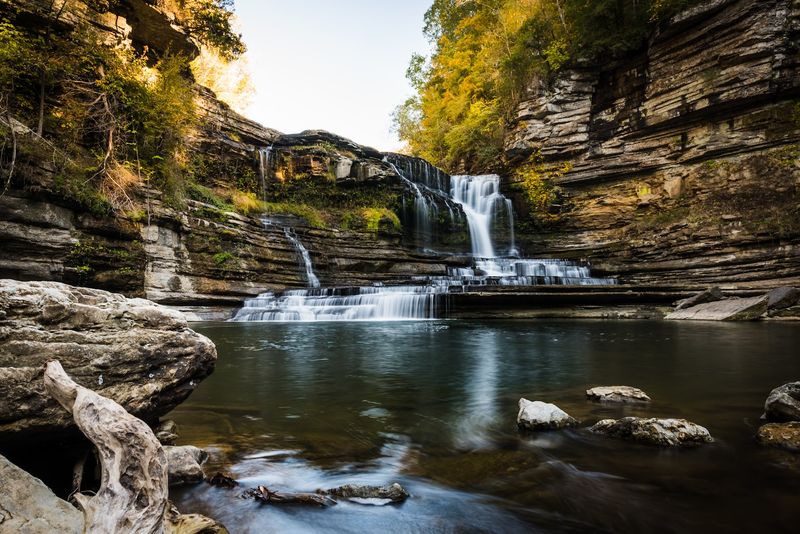
Here is a number that will stop you mid-scroll: over 300 documented waterfalls exist within roughly an hour of Cookeville.
That figure comes from years of documentation by local hiking groups and outdoor organizations.
The falls range dramatically in size and personality. Some are wide curtain-style drops that spread across mossy rock faces.
Others are narrow, powerful plunges that send mist rising above the forest canopy. A few are gentle tiered cascades that look like something out of a fantasy novel illustration.
Tennessee’s geology plays the starring role here. The Cumberland Plateau is made of sandstone and limestone layers that erode at different rates, creating natural ledges perfect for waterfall formation.
Rainfall feeds dozens of creeks and streams that all eventually find a cliff to tumble off of. The variety means you can visit the same general area multiple times and still discover something completely new.
Waterfall chasers who think they have seen everything tend to leave this region with a much longer list than they arrived with.
Cummins Falls State Park
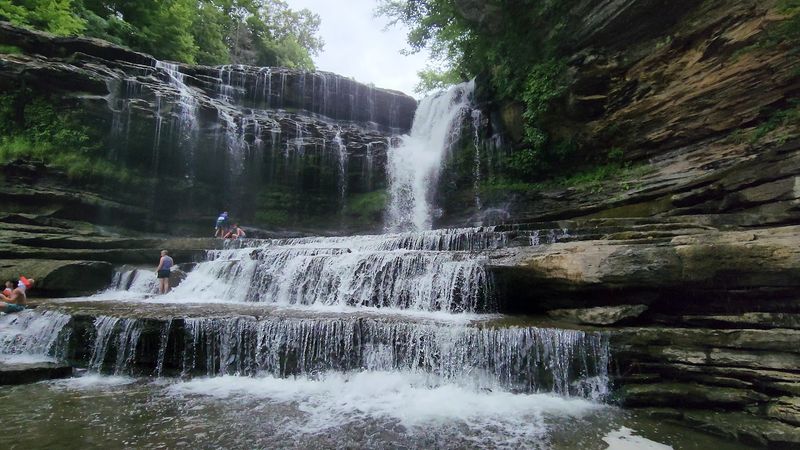
If there is one waterfall that defines the Cookeville experience, Cummins Falls is probably it.
The falls drop about 75 feet into a wide plunge pool surrounded by canyon walls, making it one of the most photographed natural features in all of Tennessee.
Getting there requires a moderate hike through a gorge that involves rock-hopping and some wading, which makes the payoff feel genuinely earned.
The state park around the falls is well-maintained and draws visitors year-round. In summer, the plunge pool becomes a swimming spot that families absolutely love.
In fall, the surrounding forest turns every shade of orange and gold, and the contrast against the white water is almost unreasonably beautiful.
Winter visits have their own appeal. Ice formations sometimes build up along the canyon walls when temperatures drop, creating a completely different visual experience.
Spring brings higher water volume after snowmelt and rain, making the falls roar louder and look more powerful than any other season. Park rangers lead occasional guided hikes for visitors who want context about the geology and ecology of the area.
Fall Creek Falls Area
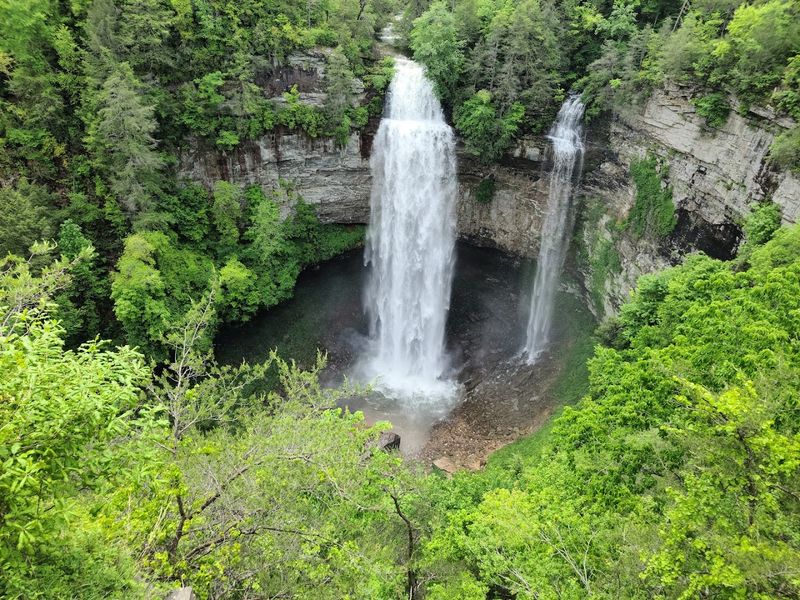
About an hour’s drive from Cookeville, Fall Creek Falls State Park contains what is often cited as the tallest free-falling waterfall east of the Rocky Mountains.
The main falls drop approximately 256 feet, which is tall enough that standing at the base and looking up feels almost disorienting. The park itself covers over 26,000 acres, making it one of the largest state parks in Tennessee.
Beyond the signature falls, the park contains several other named waterfalls, including Cane Creek Falls and Piney Creek Falls, each with its own character and trail system.
Visitors can spend an entire weekend without retracing a single step. The park also has cabins, camping, a golf course, and a swimming area, so it functions as a full resort destination rather than just a day hike spot.
The gorge views from the overlooks above the falls are something that photographs genuinely struggle to capture. The scale of the landscape only hits you when you are standing on the rim looking down into the forested canyon below.
Burgess Falls Trail
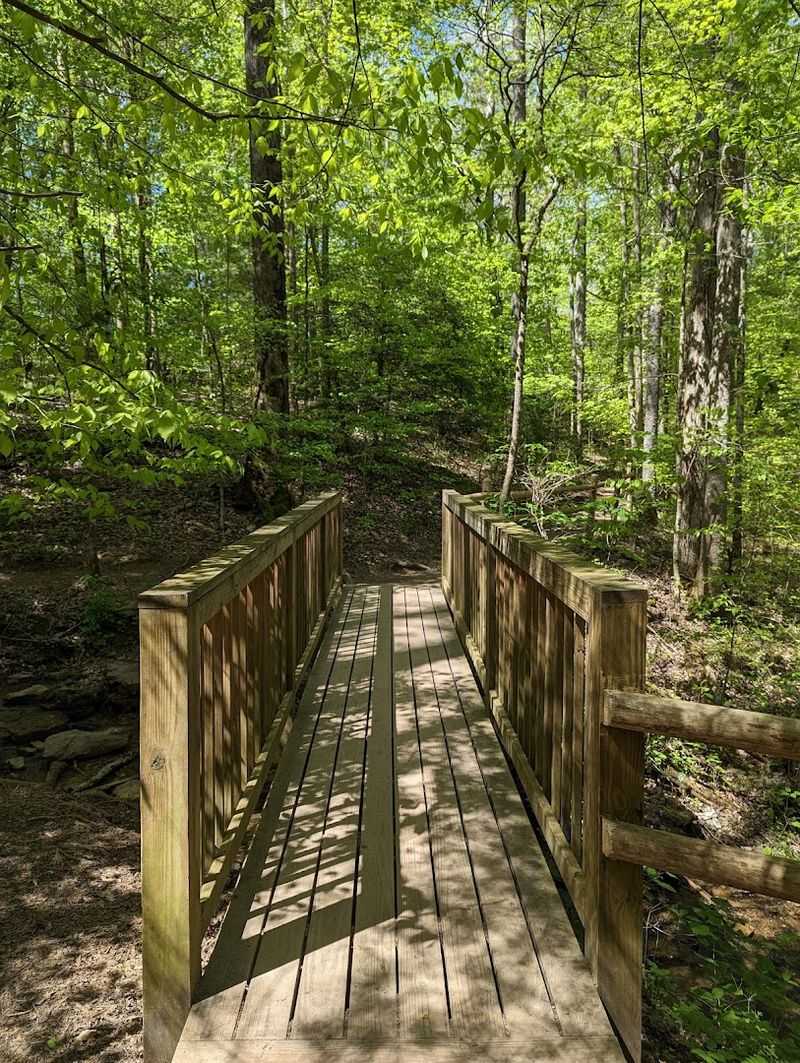
Waterfalls rarely come in a series this satisfying.
Burgess Falls sits very close to Cookeville, making it one of the easiest major waterfall experiences to fit into even a short visit.
Burgess Falls State Natural Area delivers four distinct waterfalls along a single out-and-back trail that runs about 1.5 miles round trip.
The hike is manageable for most fitness levels, though the return trip involves some uphill stretches that will remind you that your legs exist.
The trail follows the Falling Water River as it drops progressively lower through a deep gorge. Each waterfall has its own personality. The first few are smaller cascades that ease you into the experience.
Then the trail rounds a bend and the main Burgess Falls appears, dropping around 130 feet into a canyon pool of remarkable blue-green water.
The surrounding rock walls are covered in ferns and mosses. The sound of the water echoes through the gorge in a way that feels almost meditative.
Downtown Life And Culture

Chasing waterfalls works up an appetite, and downtown Cookeville is genuinely ready for that moment.
The city center has developed a solid collection of locally owned restaurants, coffee shops, and specialty stores that reflect the personality of the community.
The downtown square has a historic feel without being frozen in time, which is a balance a lot of small cities struggle to find.
Tennessee Tech University is located right in Cookeville, and the university presence gives the city a younger, more energetic vibe than you might expect from a town of its size.
Local events, art shows, and outdoor markets pop up throughout the year, especially in warmer months. The campus itself is worth a stroll if you enjoy classic collegiate architecture surrounded by mature trees.
The food scene here leans toward comfort and quality rather than pretension. Farm-to-table influences have made their way into several menus, reflecting the agricultural traditions of the surrounding region.
Spending an evening in the downtown area after a full day on the trails is one of the most satisfying ways to end a visit.
Best Seasons To Visit
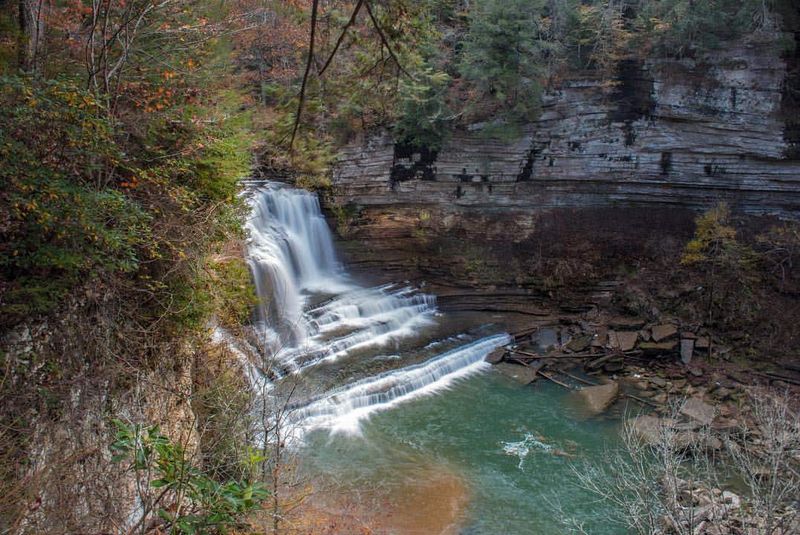
Every season in this part of Tennessee brings something worth planning a trip around. Spring is arguably the peak season for waterfall chasers.
Snowmelt and spring rains push water volume to its highest levels, and the falls roar with an intensity that summer simply cannot match. Wildflowers bloom along the trail edges, adding color to every hike.
Fall runs a very close second in popularity. The Cumberland Plateau puts on a foliage display that rivals anything New England offers, and the combination of colored leaves and white water is genuinely hard to beat.
Crowds are manageable compared to more famous destinations, which means you can often have a waterfall entirely to yourself on a weekday in October.
Summer is the most popular time for families, largely because the swimming holes and plunge pools are at their most inviting. The heat of summers makes a cold waterfall pool feel like the greatest invention in human history.
Winter visits reward the patient traveler with ice formations, reduced crowds, and a quiet that makes the forest feel ancient and undisturbed.
No single season is wrong for a visit to Cookeville. The region simply changes its outfit and keeps delivering.
Things To Keep In Mind

A few practical notes can make the difference between a great trip and a frustrating one. Water shoes are not optional for most of the gorge hikes near Cookeville.
Trails like Cummins Falls require creek crossings where regular hiking boots become a liability. Pack a dry bag for your phone and camera, because mist near the falls is real and relentless.
Trail conditions change quickly after rain. Some gorge trails become slippery or temporarily impassable when water levels rise.
Checking the Tennessee state parks website before heading out is always a smart move, especially in spring. Most parks have social media pages that post real-time trail updates.
Parking at popular falls can fill up early on weekends during peak season. Arriving before 9 in the morning almost always solves that problem.
Pack more water than you think you need, because the hikes are more physically demanding than the mileage suggests. Downloading offline trail maps before you leave your accommodation is genuinely useful.
A small first aid kit and a headlamp are worth carrying even on day hikes, because gorge trails can feel shadowy earlier than you expect.