12 Waterfall Trails In California That Will Enchant You With Natural Beauty In Spring 2026
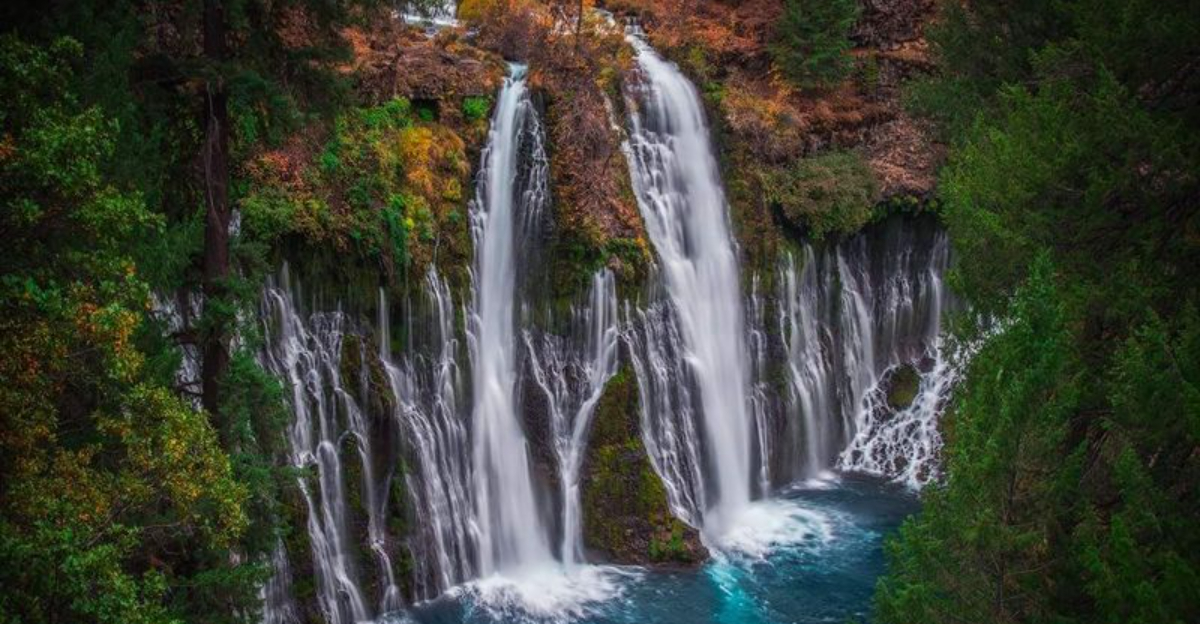
Cool air. Fresh trails. Water moving everywhere.
Spring changes the mood on California’s hiking trails. Snowmelt begins flowing down from the Sierra Nevada, seasonal rains recharge creeks and rivers, and waterfalls that stayed quiet through winter suddenly roar back to life.
The sound of rushing water becomes part of the experience long before the falls even appear. Trails wind through forests, along granite cliffs, and into shaded canyons where the air feels cooler and the landscape turns vivid green.
Spring might be the most exciting season to chase waterfalls in California.
Some trails lead to towering cascades crashing down Yosemite’s granite walls. Others hide along coastal bluffs, where water spills toward the Pacific in smaller but equally beautiful scenes.
The variety across the state means hikers can find everything from short family-friendly walks to longer adventures that reward patience and effort.
Lacing up a pair of boots and heading outside this spring could easily lead to one of the most memorable trail days of the year.
1. Yosemite Falls Trail, Yosemite National Park
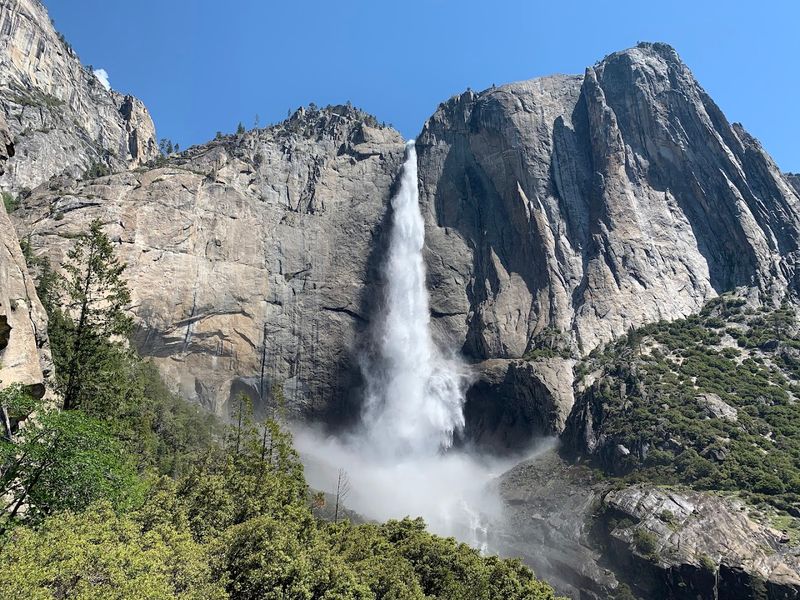
Standing at the base of Yosemite Falls and looking up at nearly 2,425 feet of cascading water is one of those experiences that genuinely stops people in their tracks.
Yosemite National Park, located in the Sierra Nevada mountains of California, hosts what is considered one of the tallest waterfalls in North America.
The trail to the upper falls is about 7.2 miles round trip with a significant elevation gain of roughly 2,700 feet, making it a strenuous but deeply rewarding hike.
Spring is the absolute prime season to tackle this trail because snowmelt sends the falls roaring at full force, filling the valley with a constant mist and thundering sound that hikers can hear from a great distance.
The lower falls viewpoint is accessible via a much shorter 1-mile round trip walk, which works well for families or those with limited time.
Sturdy footwear is strongly recommended because the trail surface can become slippery near the mist zones.
Parking inside Yosemite Valley fills up fast on spring weekends, so arriving early or using the free valley shuttle system is a practical choice.
2. Vernal Fall And Nevada Fall Via Mist Trail, Yosemite National Park
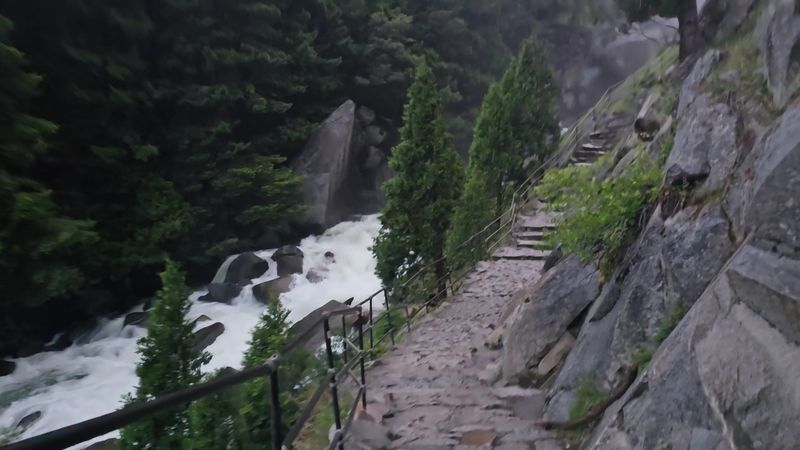
Few trails in California pack as much visual drama into a single hike as the Mist Trail in Yosemite National Park.
The route to Vernal Fall and Nevada Fall follows the Merced River through a granite canyon that glows golden in the spring morning light.
Vernal Fall drops 317 feet and earns its name well, as hikers climbing the famous stone staircase alongside it get genuinely soaked by the spray during peak flow.
Nevada Fall, reached by continuing another mile beyond Vernal, plunges 594 feet and offers a sweeping panoramic view of the valley below.
The full round trip to Nevada Fall via the Mist Trail is approximately 7 miles with around 2,000 feet of elevation gain, placing it firmly in the moderate to strenuous category.
Rain gear or a change of clothes is a smart addition to any daypack, especially near Vernal Fall where the mist can feel more like a rainstorm.
The trailhead begins at Happy Isles Nature Center inside Yosemite Valley, and the valley shuttle stops directly there.
Trail conditions in early spring can include icy patches, so traction devices could be useful for visits in March or early April.
3. Alamere Falls Via Wildcat Campground, Point Reyes National Seashore
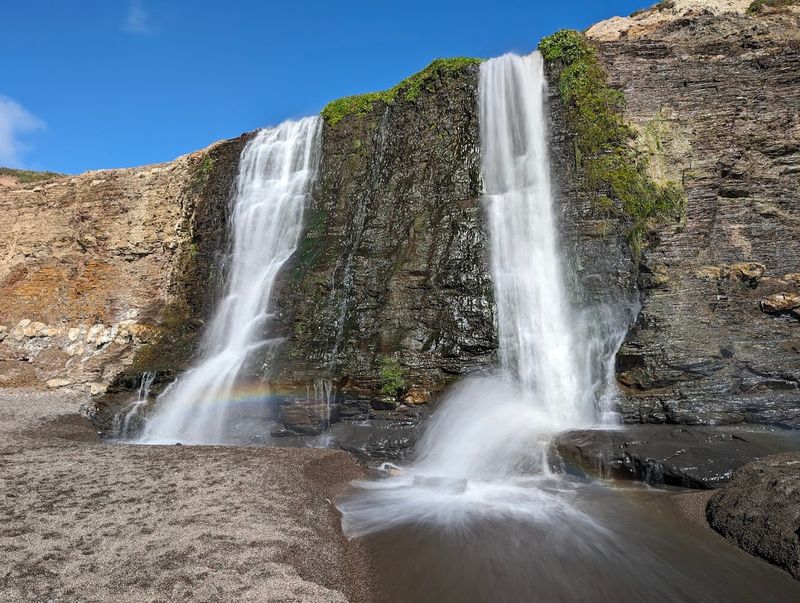
Many older guidebooks, blog posts, and social media pages still mention something called the “Alamere Falls Trail” or a shortcut leading directly to the waterfall.
Despite how often it appears online, this route is not an official or maintained trail, and the National Park Service strongly advises visitors not to use it.
The unofficial path crosses unstable coastal cliffs and areas thick with poison oak, and the terrain has caused numerous injuries over the years.
Hikers attempting the shortcut often find themselves scrambling down crumbling slopes or sliding toward the beach below, sometimes requiring search and rescue teams to intervene.
The safer and recommended way to visit the falls is by hiking to Wildcat Campground and then walking about one mile south along Wildcat Beach to reach the waterfall.
Several established routes lead to the campground.
The most commonly used options include the 5.5-mile hike from the Palomarin Trailhead via the Coast Trail, the 6.3-mile route from the Bear Valley Trailhead via the Bear Valley, Glen, and Stewart Trails, and the 6 to 6.7-mile hike from the Five Brooks Trailhead via the Stewart Trail.
Trail navigation in Point Reyes National Seashore is fairly straightforward thanks to clear signs at major junctions.
Following the signs for Wildcat Campground on the way out and the signs for Bear Valley, Palomarin, or Five Brooks trailheads on the return helps keep hikers on safe, maintained routes.
4. Feather Falls Trail, Plumas National Forest
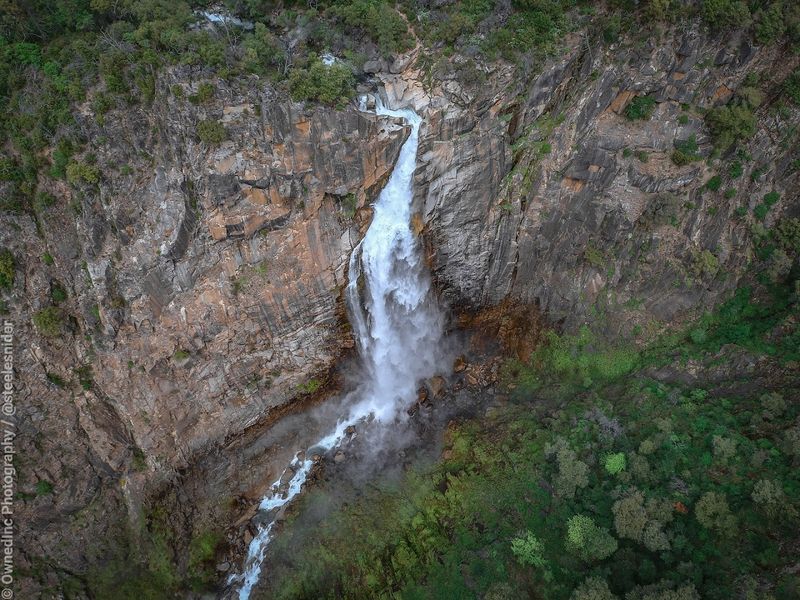
At 410 feet tall, Feather Falls is the sixth tallest waterfall in the contiguous United States, yet it remains surprisingly unknown compared to the waterfalls of Yosemite.
Tucked inside Plumas National Forest in Butte County, California, the trail to Feather Falls is approximately 8.5 miles round trip on the shorter loop and closer to 9.5 miles on the longer scenic loop.
Both routes pass through mixed conifer forest and offer views of the Fall River canyon before arriving at a viewpoint platform positioned directly across from the falls.
Spring runoff from the surrounding mountains sends Feather Falls thundering at its most powerful, and the sound of the water carries far down the trail long before the falls come into view.
The hike involves moderate elevation changes and some rocky terrain, so trekking poles can be helpful for the descent.
The best viewing platform sits at the edge of a dramatic rocky outcrop that gives hikers a face-on perspective of the entire drop.
The trailhead is located off Feather Falls Road near the town of Oroville, and parking is available at a fee station near the start.
Trail conditions are generally reliable in spring, but checking with the Feather River Ranger District before visiting is always a practical step.
5. McCloud Falls Trail, McCloud River Falls State Park
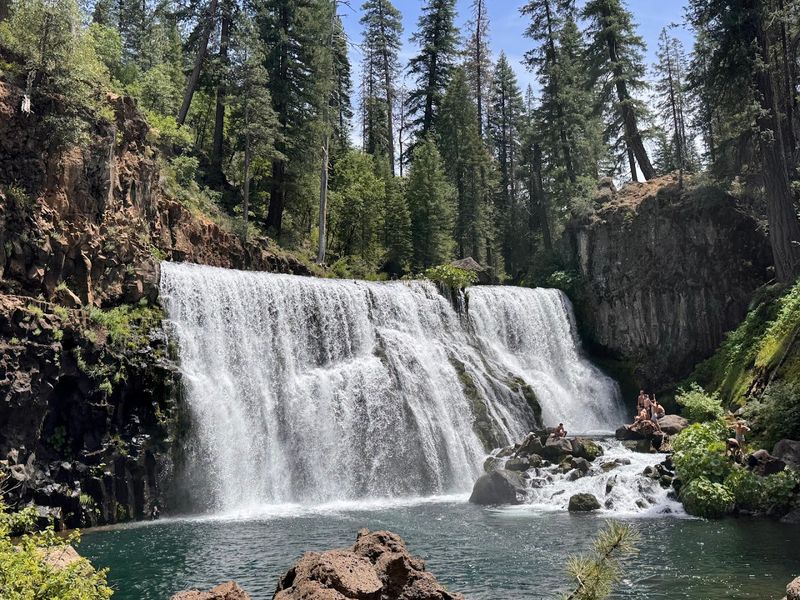
The McCloud River Falls Trail is one of those rare hikes that delivers not one but three distinct waterfalls in a single outing, making every step feel well spent.
Located near the small town of McCloud in Siskiyou County, California, the trail follows the McCloud River through a stunning volcanic landscape shaped by ancient lava flows.
The Lower, Middle, and Upper Falls each have their own personality, ranging from a wide tumbling cascade to a narrow powerful plunge, and the full trail connecting all three is about 4 miles round trip.
Spring snowmelt from nearby Mount Shasta pushes the river to impressive volume, and the contrast between the dark basalt rock and the white rushing water is visually striking.
The Lower Falls area has a swimming hole that becomes popular in summer, but in spring the water is cold and the flow is too strong for safe swimming.
Each falls has its own pullout and viewpoint accessible from Highway 89, so visitors with limited mobility can still enjoy at least one of the three without hiking the full trail.
The area is managed jointly by the U.S. Forest Service and California State Parks, and no entry fee is required at the time of writing.
Facilities including restrooms and picnic tables are available near the Lower Falls parking area.
6. Hedge Creek Falls Trail, Dunsmuir
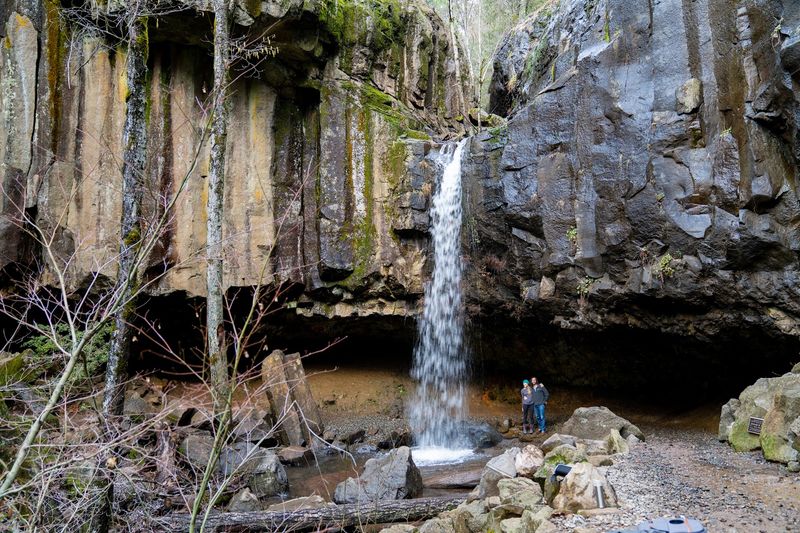
Hidden behind a curtain of water and tucked inside a mossy cave alcove, Hedge Creek Falls in Dunsmuir, California offers one of the most unique waterfall encounters in the entire state.
The trail to reach it is only about 0.4 miles round trip, descending through a shaded canyon lined with ferns, Douglas firs, and black cottonwood trees.
The short distance makes it an excellent stop for road trippers passing through the Sacramento River Canyon on Interstate 5.
The falls drop about 30 feet and land in a shallow pool at the entrance to a small natural cave that visitors can actually walk behind, getting a view of the water from the inside out.
Spring brings extra flow to the falls and makes the surrounding vegetation especially lush and green, turning the short walk into a genuinely scenic experience.
The cave itself stays cool and damp year-round, so a light jacket is worth bringing even on warm spring days.
The trailhead parking area is located just north of downtown Dunsmuir off Dunsmuir Avenue, and the hike is free and open to the public.
The path includes some uneven steps and a moderate descent, so wearing proper footwear makes the walk more comfortable and safe for visitors of all ages.
7. Phantom Falls Trail, North Table Mountain Ecological Reserve
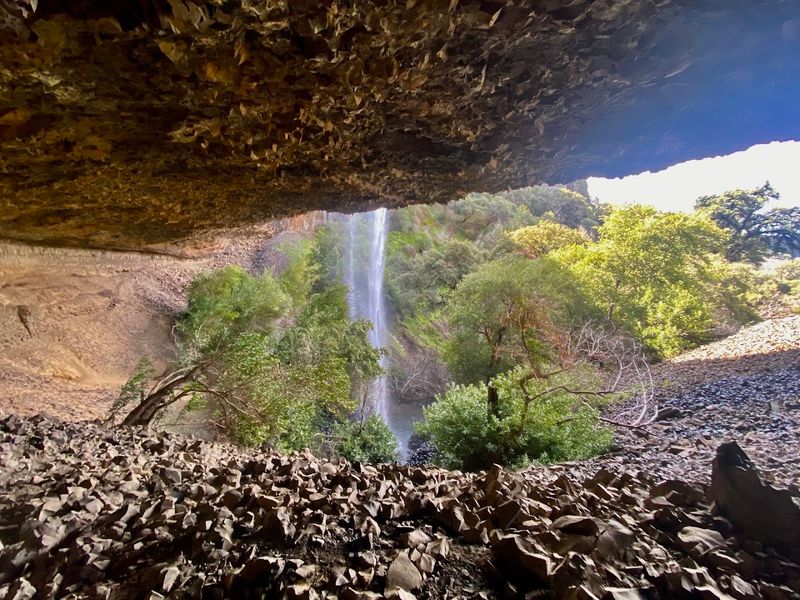
Phantom Falls earns its mysterious name honestly, appearing only after significant winter rainfall and vanishing completely by late spring or early summer as the seasonal streams dry up.
Located at North Table Mountain Ecological Reserve near Oroville in Butte County, California, this 164-foot waterfall drops dramatically over the edge of a flat basalt plateau into a canyon below.
The hike to reach it is approximately 3.5 miles round trip and crosses open grasslands that explode with wildflowers in March and April.
The plateau landscape itself is unusual and beautiful, resembling a high prairie more than a typical California foothill, and the spring wildflower display of poppies, lupine, and clover often rivals the waterfall as a visual highlight.
The trail is not heavily marked in all sections, so downloading an offline map before heading out is a smart precaution.
Timing a visit between February and April gives the best chance of finding the falls at full flow before the seasonal streams taper off.
The California Department of Fish and Wildlife manages the reserve and access is free, though the parking area is unpaved and can get muddy after rain.
Weekdays tend to be quieter than weekends, which is worth considering during the peak wildflower season when the reserve attracts larger crowds.
8. Sturtevant Falls Trail, Angeles National Forest
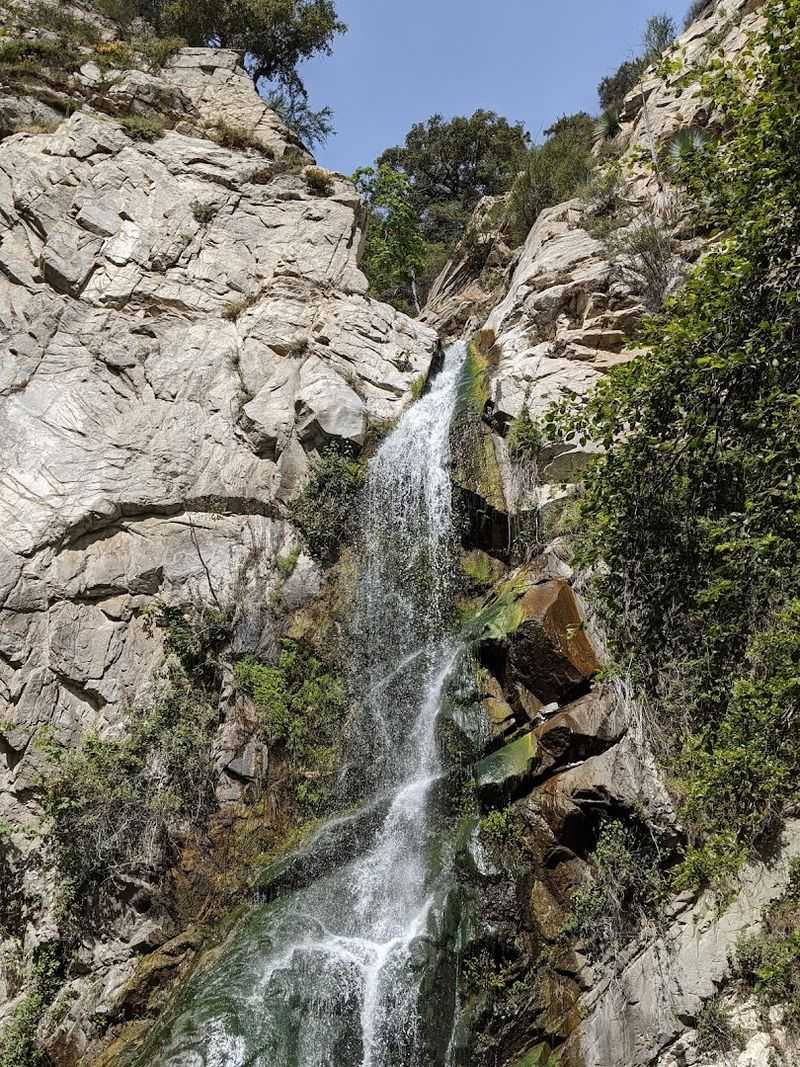
Just a short drive from the urban sprawl of Los Angeles, Sturtevant Falls offers a surprisingly wild and refreshing escape into the San Gabriel Mountains.
The 50-foot waterfall sits inside Angeles National Forest and is reached via a trail that begins at Chantry Flat, with a round trip distance of about 3.5 to 4 miles through a shaded canyon filled with big-leaf maples, alders, and sycamores.
Spring rains boost the flow significantly, turning what can be a modest trickle in dry months into a genuinely impressive cascade.
The trail follows Winter Creek and Big Santa Anita Creek for much of the route, crossing the stream several times on footbridges and stepping stones.
The canyon atmosphere feels surprisingly remote considering its proximity to one of the largest cities in the country, and the sound of running water accompanies hikers for nearly the entire hike.
A small pack station near the start of the trail adds a charming and unexpected character to the area.
Parking at Chantry Flat requires an Adventure Pass or interagency pass, and the lot can fill up quickly on spring weekends by mid-morning.
Getting there before 8 a.m. on a Saturday or Sunday tends to make the experience noticeably more peaceful and uncrowded.
9. Burney Falls Loop Trail, McArthur-Burney Falls Memorial State Park
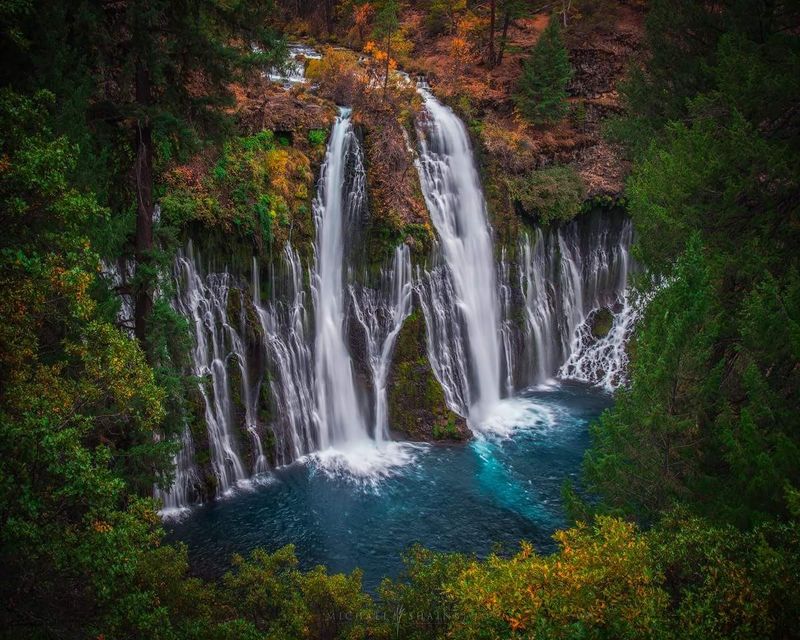
Theodore Roosevelt reportedly called Burney Falls the eighth wonder of the world, and after seeing it in person, that claim feels surprisingly reasonable.
Located in McArthur-Burney Falls Memorial State Park in Shasta County, this 129-foot waterfall flows year-round thanks to underground springs that feed it independently of seasonal rainfall.
That means even in dry years, Burney Falls delivers an impressive and consistent curtain of water that shimmers with a blue-green glow in the afternoon light.
The Burney Falls Loop Trail is about 1.3 miles and considered easy, making it one of the most accessible waterfall experiences in Northern California.
The path winds down to the base of the falls where visitors can stand close to the spray and feel the cool air that radiates off the pool below.
Spring adds extra volume to the flow and fills the surrounding forest with the sounds of birdsong and rushing water.
The park charges a day-use fee and has restrooms, picnic areas, and a campground on site.
The park is located at 24898 Highway 89 in Burney, California, and sits about an hour east of Redding, making it a manageable detour on a northern California road trip.
10. Escondido Falls Trail, Malibu
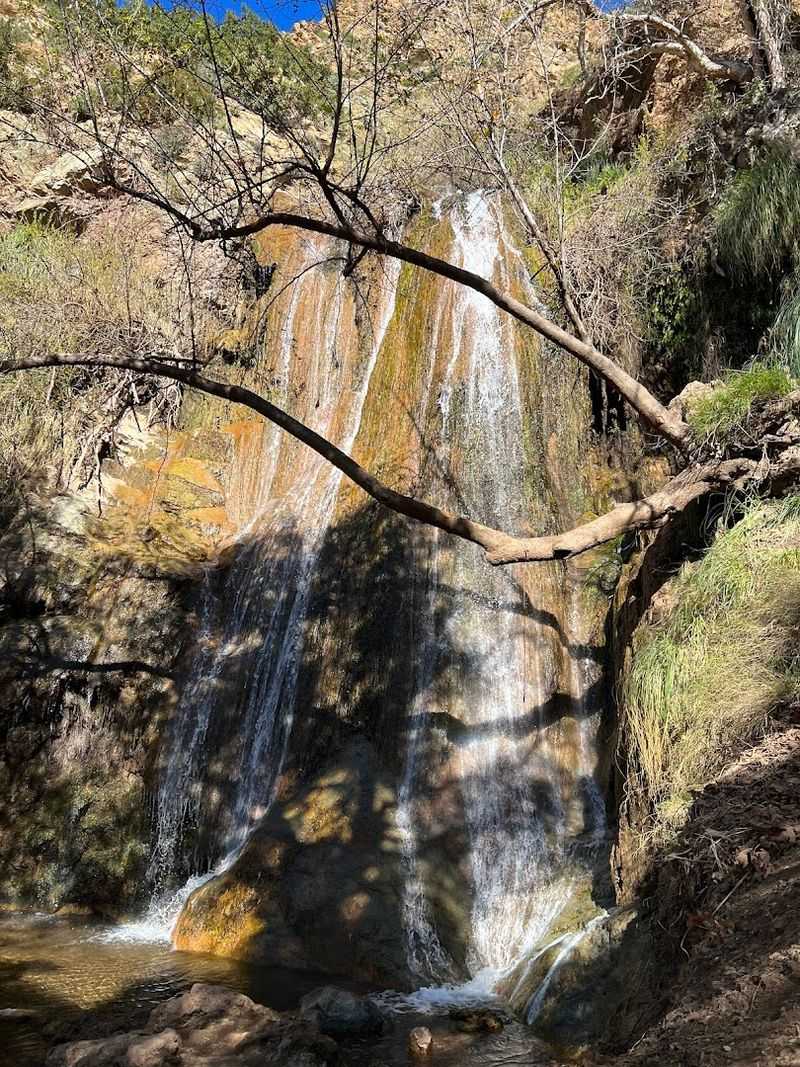
Hidden in the Santa Monica Mountains above the Pacific Coast Highway, Escondido Falls is widely known as the tallest waterfall in the Malibu area, with water cascading down roughly 150 feet when seasonal flows are strong.
The hike begins near Pacific Coast Highway and follows a canyon trail of about 4.2 miles round trip, gradually climbing inland through a narrow valley that becomes greener and more shaded as hikers move farther from the coast.
Spring is usually the best time to visit because winter rains help keep the creek running and bring fresh vegetation to the canyon.
Wildflowers, moss, and thick greenery appear along the trail during these months, creating a much more vibrant landscape than the dry summer conditions that typically follow later in the year.
Most visitors hike to the lower tier of Escondido Falls, which is the publicly accessible section and already provides a rewarding destination.
The upper waterfall above it sits on private property and is currently closed to the public, so hikers are asked to respect posted boundaries and remain on the permitted trail areas.
The canyon walls around the falls create a dramatic backdrop that photographs well, especially in softer morning light.
Street parking along Pacific Coast Highway near the trailhead is limited, and the area can become busy on warm spring weekends, so arriving earlier in the day or visiting on a weekday can make the hike feel much more relaxed.
11. Nojoqui Falls Trail, Nojoqui Falls County Park
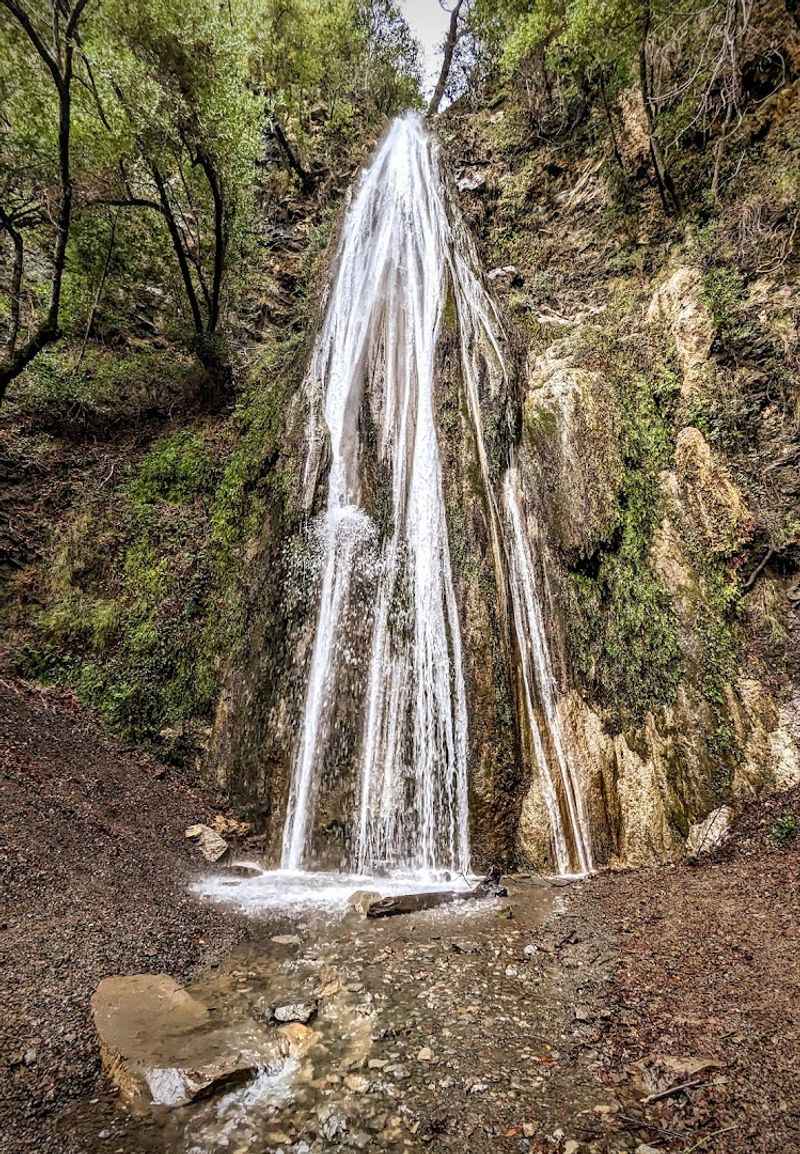
Tucked away in a quiet oak woodland near the Danish-inspired town of Solvang, Nojoqui Falls County Park is the kind of place that feels genuinely off the beaten path even though it sits just a short detour from Highway 101.
The waterfall at the end of the trail drops about 80 feet over a curved limestone cliff that has been sculpted over centuries by the water flowing across it.
The hike to reach the falls is only about 0.65 miles round trip, making it one of the most accessible waterfall walks in Santa Barbara County.
Spring is the best season to visit because the falls flow most reliably after winter rains, and the surrounding woodland fills with the sound of birds and the smell of damp earth and oak leaves.
By summer, the falls often slow to a trickle or stop altogether, so timing a spring visit gives a much more rewarding experience.
The trail is wide, relatively flat, and suitable for young children and older visitors alike.
The park is managed by Santa Barbara County and entry is free, with a small parking area available near the trailhead.
Picnic tables are available throughout the park, making it a pleasant spot for a relaxed lunch after the short walk to the falls and back.
12. Rainbow Falls Trail, Devil’s Postpile National Monument
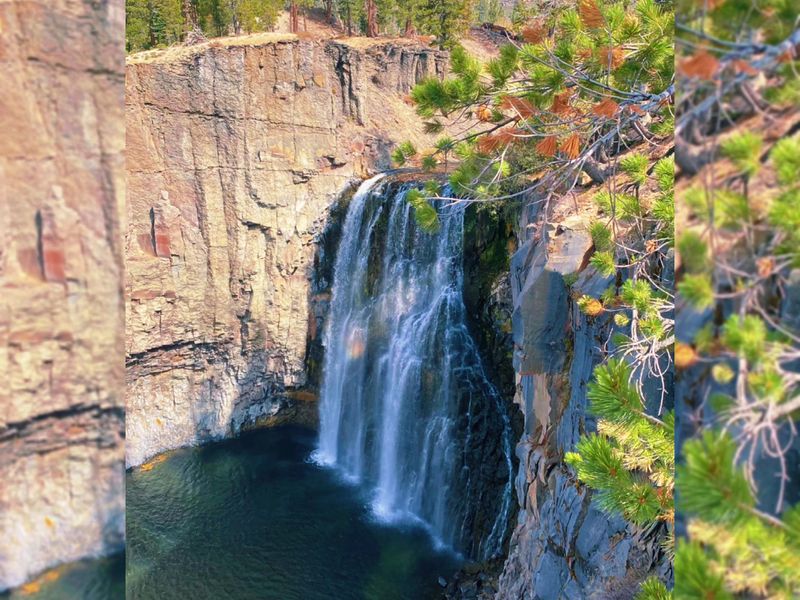
Rainbow Falls lives up to its name on sunny mornings when sunlight hits the mist rising from the base of the falls and casts vivid arcs of color across the canyon.
Located within Devils Postpile National Monument near Mammoth Lakes in the Eastern Sierra, the falls drop 101 feet over a volcanic cliff face into a wide emerald pool below.
The hike to Rainbow Falls from the Reds Meadow area is approximately 2.5 miles round trip and is considered easy to moderate, following a well-maintained trail through lodgepole pine forest.
Spring and early summer bring the San Joaquin River to peak volume, making the falls significantly more powerful than at any other time of year.
The rainbow effect is most visible in the mid-morning hours when the sun angle is just right, so planning a visit between 9 a.m. and 11 a.m. tends to offer the best chance of seeing it.
The surrounding landscape of volcanic rock formations, including the famous columnar basalt of the Postpile itself, adds a dramatic geological backdrop to the entire visit.
Access to the monument typically requires a mandatory shuttle from the Mammoth Mountain Adventure Center during peak season, and visitors should check the National Park Service website for current shuttle schedules and any permit requirements before planning a spring 2026 trip.