Welcome To New York’s Most Tourist-Packed Lake Town Where Locals Won’t Even Go Downtown Anymore
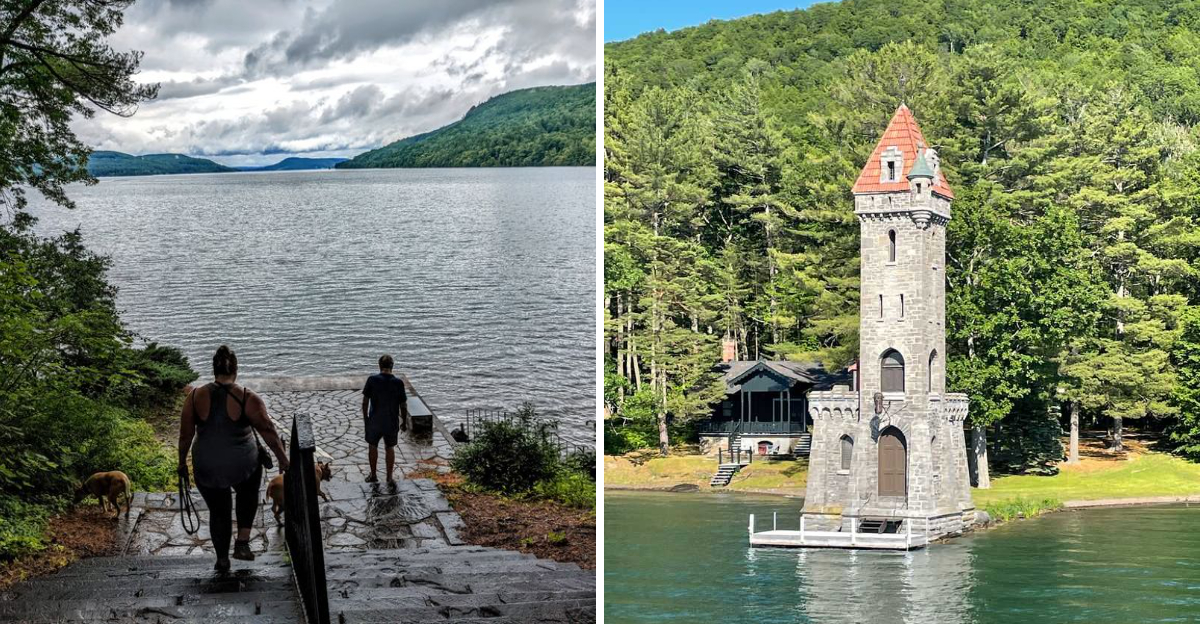
You have seen this town in New York on a postcard. Probably several.
The lake glitters, the mountains loom, and somebody is holding an ice cream cone.
Now try parking there in July. You will circle the same three blocks for twenty minutes.
You will watch a family of five cross in front of you very slowly. Then you will pay more than you expected for the privilege.
The locals gave up on downtown years ago. They shop in the next town over.
They swim at beaches nobody puts on a brochure. Ask one where to eat and they will name a place four miles from the main strip.
None of this means the town is not gorgeous, because it absolutely is. It just means the version tourists see and the version residents live in stopped overlapping a while ago.
Here is what that actually looks like. You might already know the one.
Main Street In Peak Season Is Its Own Sport
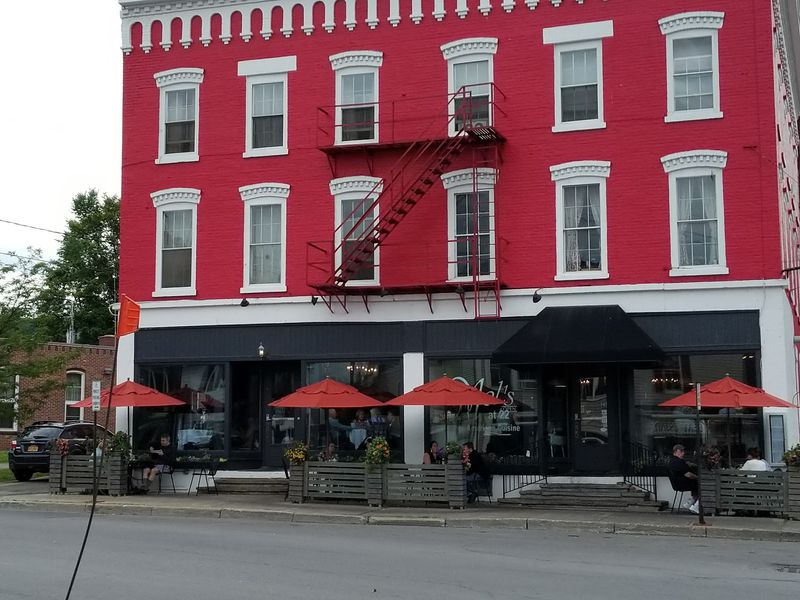
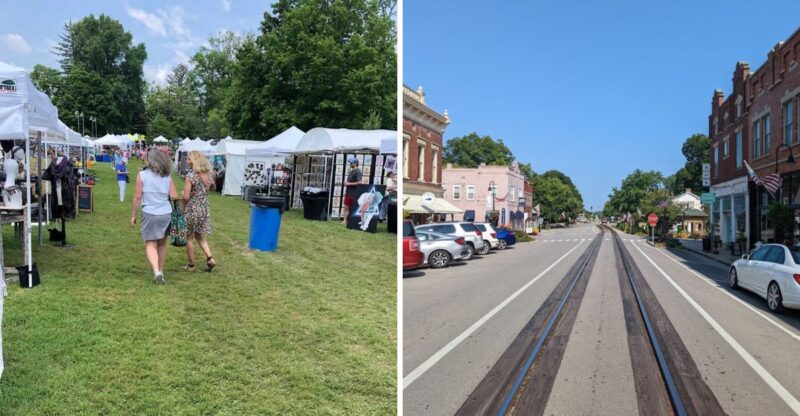
Cooperstown’s Main Street in July moves like a stadium concourse. Families in matching team jerseys drift from shop to shop with ice cream in hand.
The buildings are old brick and painted wood, low and tidy. Flags hang over the sidewalks, and every window seems to hold a baseball card display.
Parking is the first real challenge. Village lots fill early, and the trolley from the outer lots runs on a steady loop in summer.
Locals learn the rhythm fast. Many run errands before nine in the morning or wait until after Labor Day.
The crowd peaks during Induction Weekend, when the population swells far beyond its usual few thousand. Streets close, and the whole village feels like a giant reunion.
My advice is simple. Walk the length of Main once for the noise and energy, then duck onto a side street.
Pioneer Street and Chestnut Street calm down within a block. You get the same historic look without the elbows.
Shopkeepers here are used to visitors and stay friendly anyway. Ask one where to eat, and you will get an honest answer.
Come in September and the whole place exhales.
The Baseball Hall Of Fame Earns The Hype
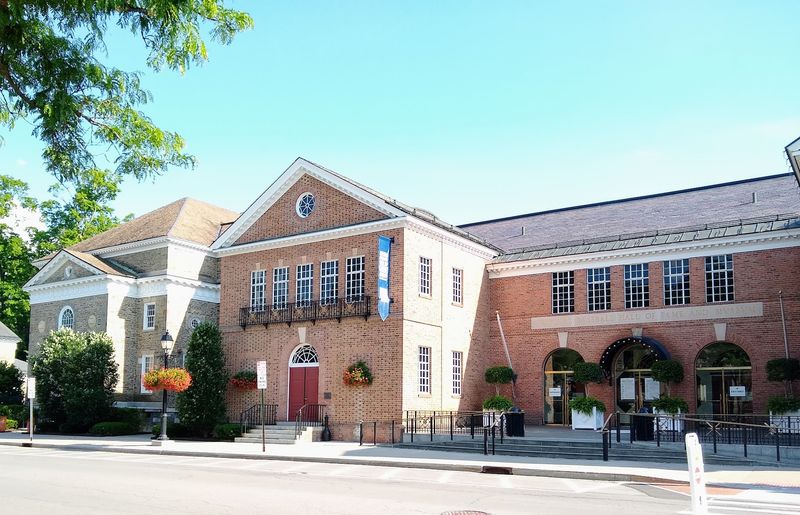
The National Baseball Hall of Fame and Museum opened in 1939 and still anchors the village. It sits right on Main Street in a red brick building that looks modest from the curb.
Inside, it is much bigger than expected. Three floors hold jerseys, gloves, ticket stubs, and grainy footage that plays on a loop.
The Plaque Gallery is the emotional center. Rows of bronze faces line the walls in quiet, cathedral-like light.
Give yourself three hours minimum. Rushing it is the most common mistake visitors make.
Morning entry is smarter than afternoon. Tour buses tend to arrive around midday, and the exhibit halls tighten up quickly.
Kids gravitate to the interactive stations and the locker displays. Adults tend to linger over the old photographs and handwritten letters.
Tickets are cheaper when bought online in advance. Multi-day options exist if you want to split your visit.
Even people who barely follow baseball come out impressed. The museum tells an American story more than a sports story.
Bring a water bottle and comfortable shoes. You will be standing far longer than you planned.
Otsego Lake Is The Reason The Village Exists
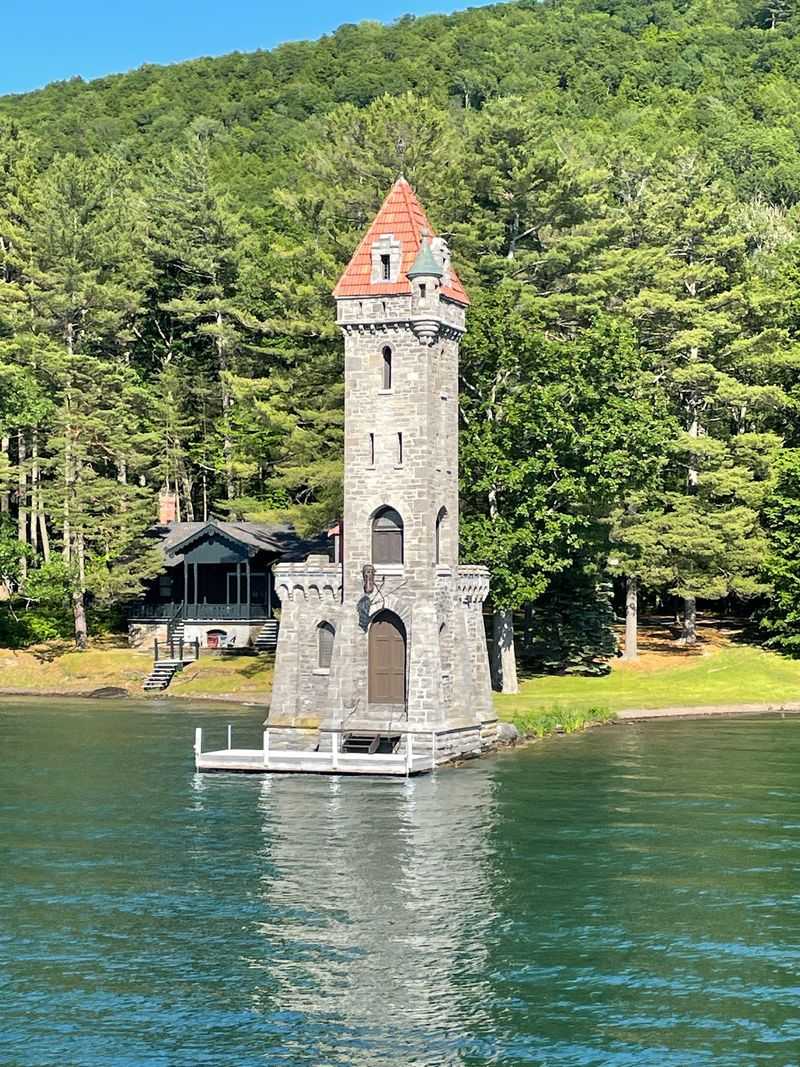
Otsego Lake stretches about nine miles north from the village edge. James Fenimore Cooper called it Glimmerglass, and the nickname stuck for two centuries.
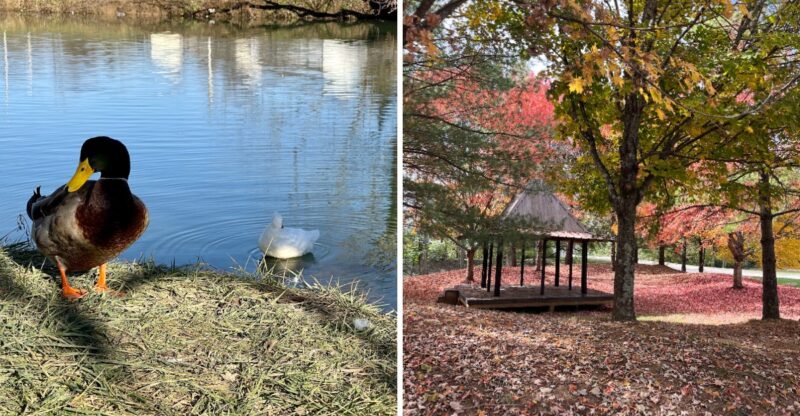
Standing at the shoreline, you understand why. On calm mornings the water throws back the hills like polished glass.
Lakefront Park sits at the foot of Fairy Spring and gives free access to the view. Benches face the water, and the crowd thins out considerably here.
Boat tours leave from the village dock in warm months. A narrated cruise covers the lake’s history and the rock formations along the eastern shore.
Kayak and paddleboard rentals are available nearby. The northern half of the lake feels genuinely remote.
Anglers come for trout and bass, and the fishing season draws a steady regular crowd. Licenses are required and easy to buy online.
Sunset here is the best free thing in town. Bring a blanket and stay past the color change.
Glimmerglass State Park sits at the north end, about eight miles up. It has swimming, trails, and far fewer people.
The lake never feels crowded, even when Main Street does.
Doubleday Field Still Smells Like Cut Grass
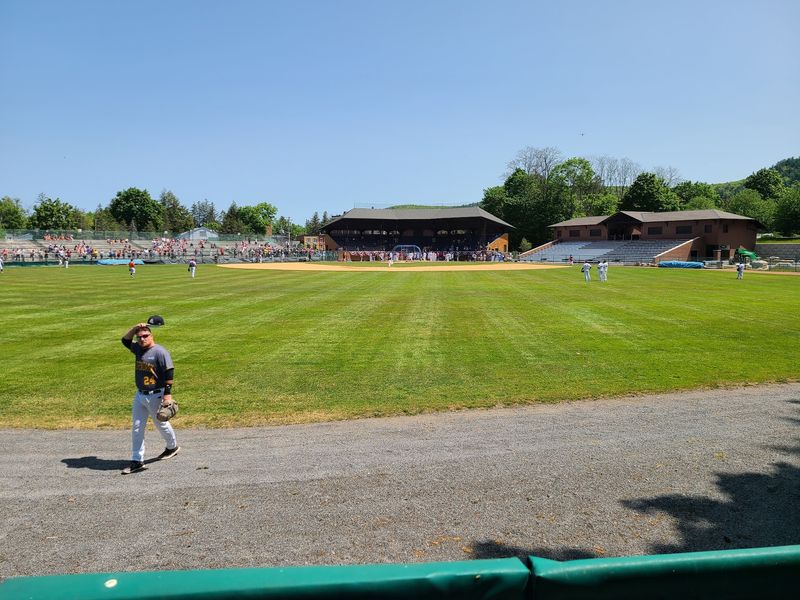
Doubleday Field sits one block off Main Street behind the shops. It holds around nine thousand people and has hosted games since the 1920s.
The grandstand is simple and honest. Concrete steps, green paint, and a scoreboard that does not try to impress anyone.
Youth teams play here constantly in summer. Watching twelve-year-olds take the same field as legends is oddly moving.
Entry is free when no game is scheduled. You can walk right onto the warning track and stand at home plate.
I have watched grandparents film their grandkids from the fence line for an hour straight. Nobody rushes them.
The field is named for Abner Doubleday, though historians long ago disproved the myth that he invented baseball. The name stayed because the story was too good to lose.
Batting cages and a small gift shop sit near the entrance. Both are cheap and worth ten minutes.
Evening light on the outfield grass is the photo you want. Come around seven in July.
It costs nothing and beats most paid attractions nearby.
The Farmers’ Museum Turns Back The Clock
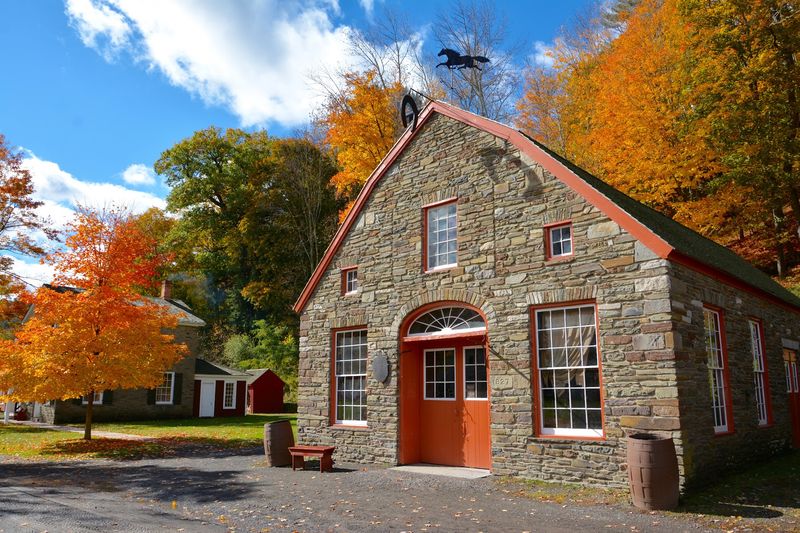
The Farmers’ Museum sits about a mile north of Main Street on Lake Road. It recreates a rural New York village from the 1840s using original relocated buildings.
Costumed interpreters actually work the trades. The blacksmith hammers real iron, and the printer sets real type.
Livestock roam the pastures, including heritage breeds you rarely see. Oxen, sheep, and chickens all have names and fans.
The Empire State Carousel is the sleeper hit. Every animal on it was hand-carved to represent New York.
Kids under a certain age get in free, and the grounds are stroller friendly. Paths are gravel and grass, so leave the nice shoes home.
Fall brings harvest programs and cider pressing demonstrations. Autumn light on the barns is genuinely beautiful.
Combination tickets bundle this with the neighboring art museum. Buying both saves real money.
Plan for two hours, longer with curious children. The interpreters answer questions patiently and never sound rehearsed.
The parking lot is large and free, which alone makes it a relief after the village.
Fenimore Art Museum Surprises Almost Everyone
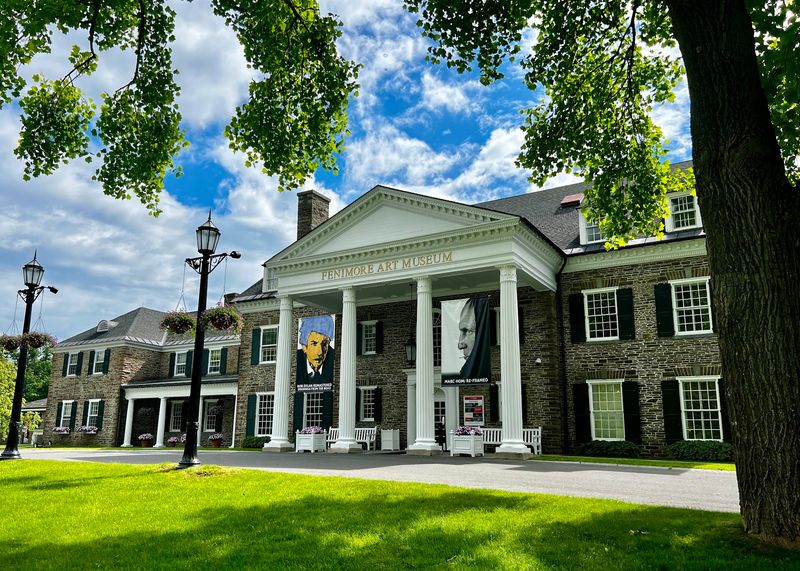
Fenimore Art Museum occupies a 1930s mansion overlooking Otsego Lake. The lawn behind it slopes toward the water and is open to visitors.
Inside, the collection covers American folk art, Hudson River School paintings, and photography. The rooms are quiet and well lit.
The Thaw Collection of American Indian Art is the standout. It holds hundreds of objects from across North America, displayed with real care.
Most visitors expect a small local gallery. They leave surprised by the scale and quality.
Rotating exhibitions change through the year, so repeat visits stay fresh. Staff at the desk will tell you what is new.
The cafe terrace faces the lake and serves light lunches. Sitting there beats fighting for a table downtown.
Photography rules vary by gallery, so check the signs. Nobody minds if you ask first.
It sits directly across the road from the Farmers’ Museum. Walking between the two takes about three minutes.
Rainy days here are almost a gift. The museum is the best indoor hour in Otsego County.
Where To Eat Without Waiting An Hour
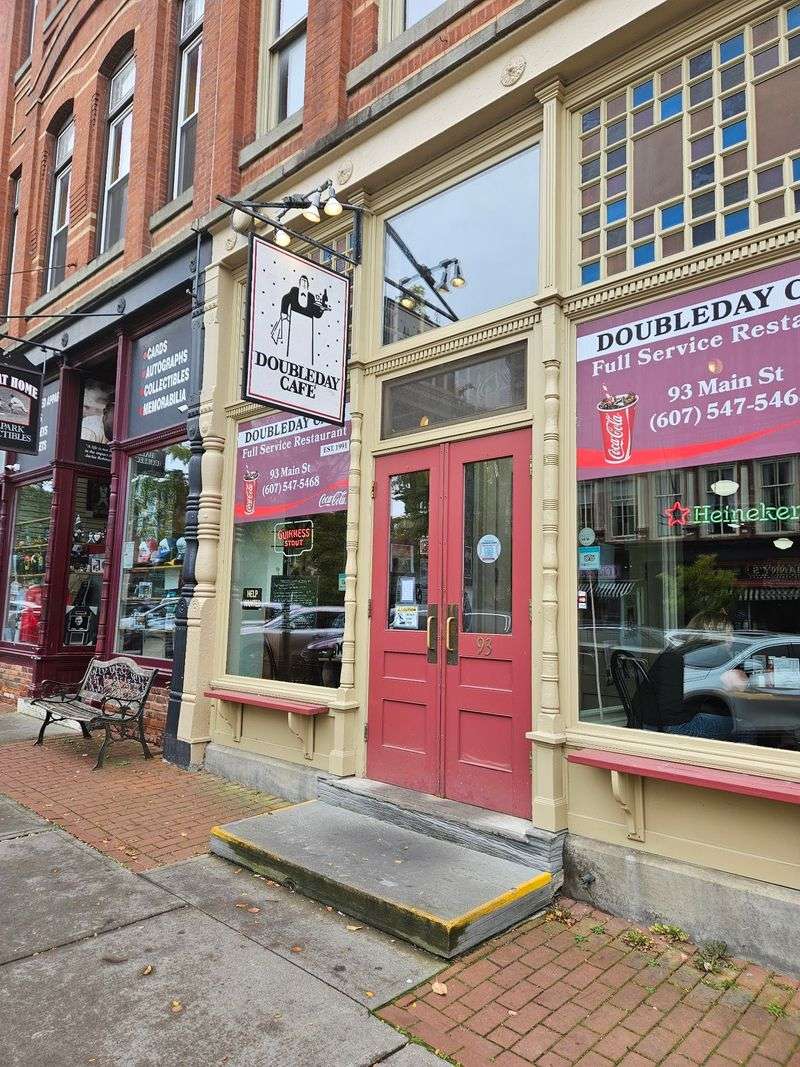
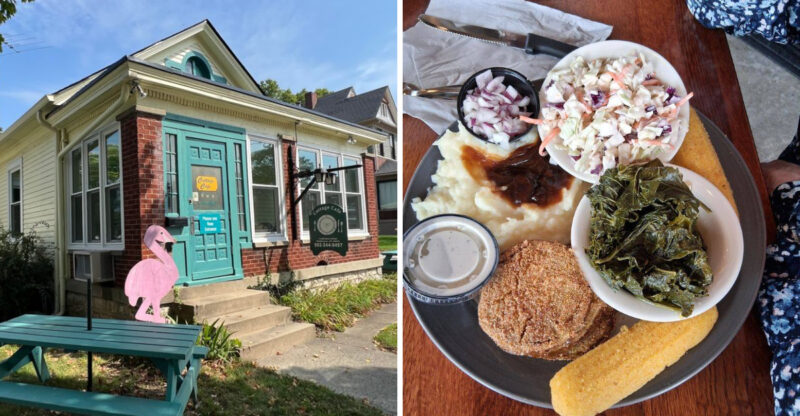
Food in Cooperstown clusters tightly on Main Street, which creates predictable bottlenecks. Between noon and two, nearly every door has a line.
Eating early solves most of it. Lunch at eleven thirty or dinner at five changes your whole day.
Pizza places and delis handle the family rush best. Grab a slice and eat it in Pioneer Park under the trees.
Several kitchens lean local, sourcing dairy and produce from surrounding Otsego County farms. Menus often say where things came from.
Breakfast is the underrated meal here. Diners open early and stay calm before the museums unlock their doors.
Ice cream shops draw the longest evening lines in the village. Worth it once, skippable twice.
Reservations help for dinner in July and August. A quick phone call saves a lot of standing around.
Cash is still handy at smaller counters. Not every window takes cards smoothly during rushes.
My honest tip is to eat one meal outside the village center. Drive five minutes and prices drop with the noise level.
Visiting Smart When The Crowds Take Over
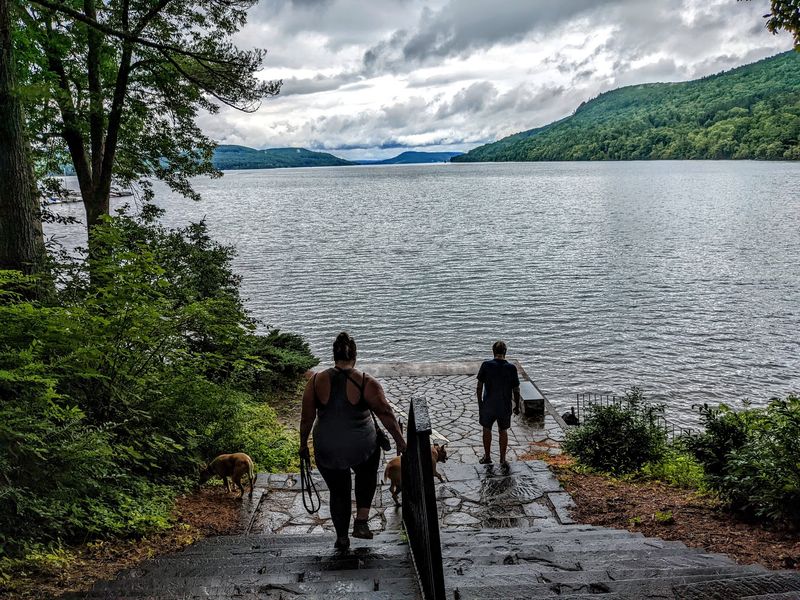
Timing separates a good Cooperstown trip from a frustrating one. July and August bring peak youth baseball season and the heaviest traffic.
Induction Weekend in late July is the single busiest stretch. Lodging books out months ahead and prices climb sharply.
September and early October are the sweet spot. Leaves turn, museums stay open, and Main Street breathes again.
Parking in the village is limited and metered. The trolley service from outer lots runs during summer and costs very little.
Staying just outside town saves money. Nearby communities have rooms at a fraction of village rates.
Walking is the best way to cover the center. Everything downtown sits within about six blocks.
Winter is quiet, and some attractions reduce hours. Call ahead rather than assuming.
Locals really do avoid the core in high season, and they are not wrong. Follow their lead and explore the lake road instead.
The village rewards patience more than planning. Slow down, and it stops feeling like a tourist trap entirely.