What’s Cooking In 2026? Texas & Florida Restaurants Show The Way
Southern kitchens are blazing trails that will shape how America eats in the coming year.
Texas and Florida restaurants have become laboratories for innovation, mixing bold ideas with timeless flavors.
From ghost kitchens humming behind closed doors to zero-waste operations that honor every ingredient, these states are proving that great food and smart business can walk hand in hand.
Farm-To-Table Expansion
Local farms are no longer just suppliers but partners in creating memorable meals across the Lone Star and Sunshine States.
Restaurants are building direct relationships with growers, ensuring peak freshness and supporting regional agriculture.
The connection between soil and plate becomes part of the dining story, making every bite feel meaningful.
Florida establishments are following suit, with chefs visiting fields to handpick seasonal produce.
This movement strengthens communities while reducing transportation emissions and food waste.
Menus change with the harvest, keeping offerings exciting and unpredictable.
Diners appreciate knowing exactly where their food originates, creating trust and loyalty.
Farm-to-table is no longer a trend but a standard that defines quality dining in both states.
Ghost Kitchens & Delivery-First Concepts

Invisible to foot traffic yet vital to hungry customers, ghost kitchens are rewriting the restaurant playbook entirely.
These delivery-only operations cut overhead costs while reaching diners through apps and online platforms.
Without dining rooms or waitstaff, operators focus purely on food quality and speedy delivery.
The model allows chefs to experiment with concepts that might be too risky for traditional brick-and-mortar ventures.
Texas entrepreneurs are launching specialty kitchens for tacos, wings, and desserts from single locations.
This flexibility responds quickly to changing tastes and market demands.
Customers enjoy restaurant-quality meals at home without leaving their couches.
Ghost kitchens also reduce food waste through precise inventory management and streamlined operations.
The future of dining may well be cooked in kitchens you never see.
Seafood Sustainability
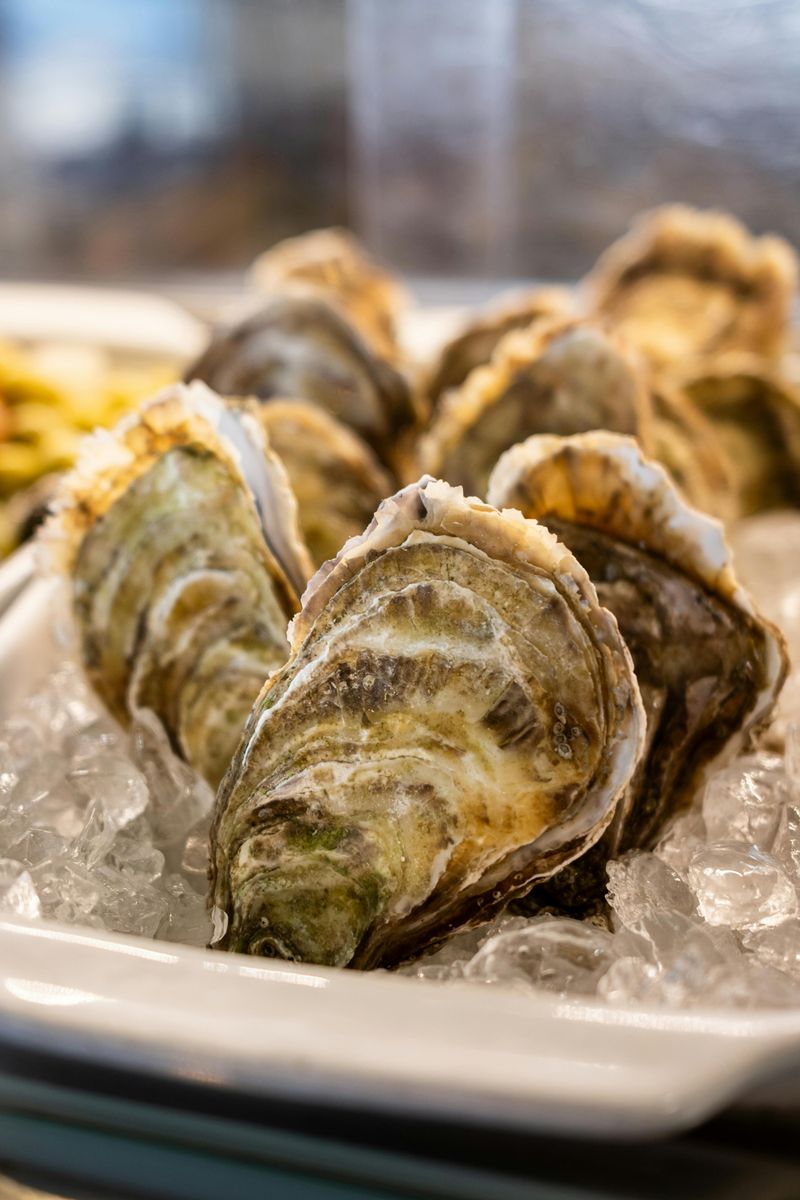
Ocean-to-table dining is becoming a responsibility as much as a culinary choice in coastal and inland restaurants.
Chefs are sourcing seafood from certified sustainable fisheries and transparent suppliers to protect marine ecosystems.
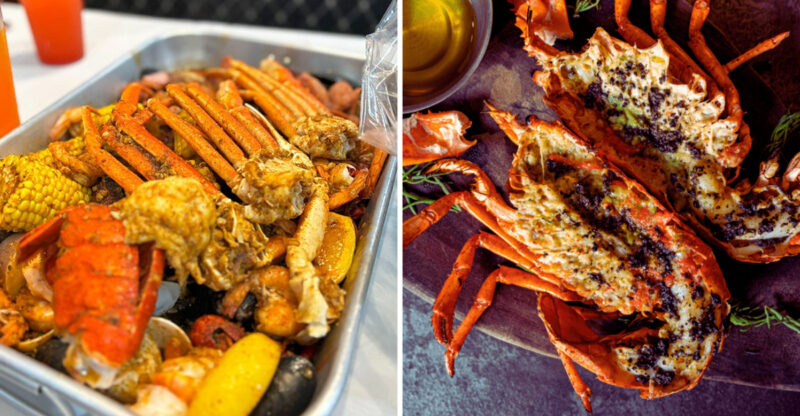
Florida restaurants are partnering with local fishermen who use eco-friendly practices, ensuring future generations can enjoy seafood, too.
Menus now feature lesser-known species to reduce pressure on overfished populations like tuna and salmon.
This shift encourages culinary creativity while supporting biodiversity and healthier oceans.
Diners are increasingly asking questions about sourcing, demanding transparency and ethical practices from their favorite spots.
Restaurants respond by proudly displaying certifications and sharing stories of their fishing partners.
Sustainability is no longer optional but essential for any seafood-focused establishment.
The ocean’s future depends on choices made in kitchens today.
Global Flavor Fusion
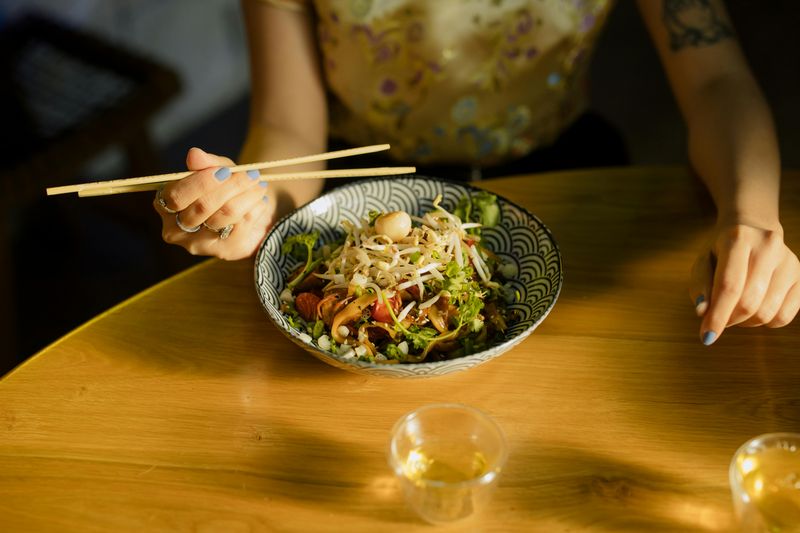
Borders blur deliciously when chefs blend culinary traditions from around the world into single unforgettable dishes.
Fusion cooking celebrates diversity, creating flavors that surprise and delight adventurous palates across both states.
Korean tacos, Thai-spiced brisket, and Cuban-Vietnamese sandwiches are becoming menu staples rather than novelties.
This approach reflects the multicultural makeup of Texas and Florida, where global influences intersect daily.
Chefs draw inspiration from their heritage and travels, bringing authentic techniques to unexpected combinations.
Diners enjoy familiar comfort with exciting twists that challenge their taste buds in the best ways.
Fusion menus also educate customers about different cultures through the universal language of food.
The result is a dining landscape rich with creativity, respect, and endless possibilities.
Global flavors are no longer exotic but essential to modern Southern cuisine.
Functional Beverages
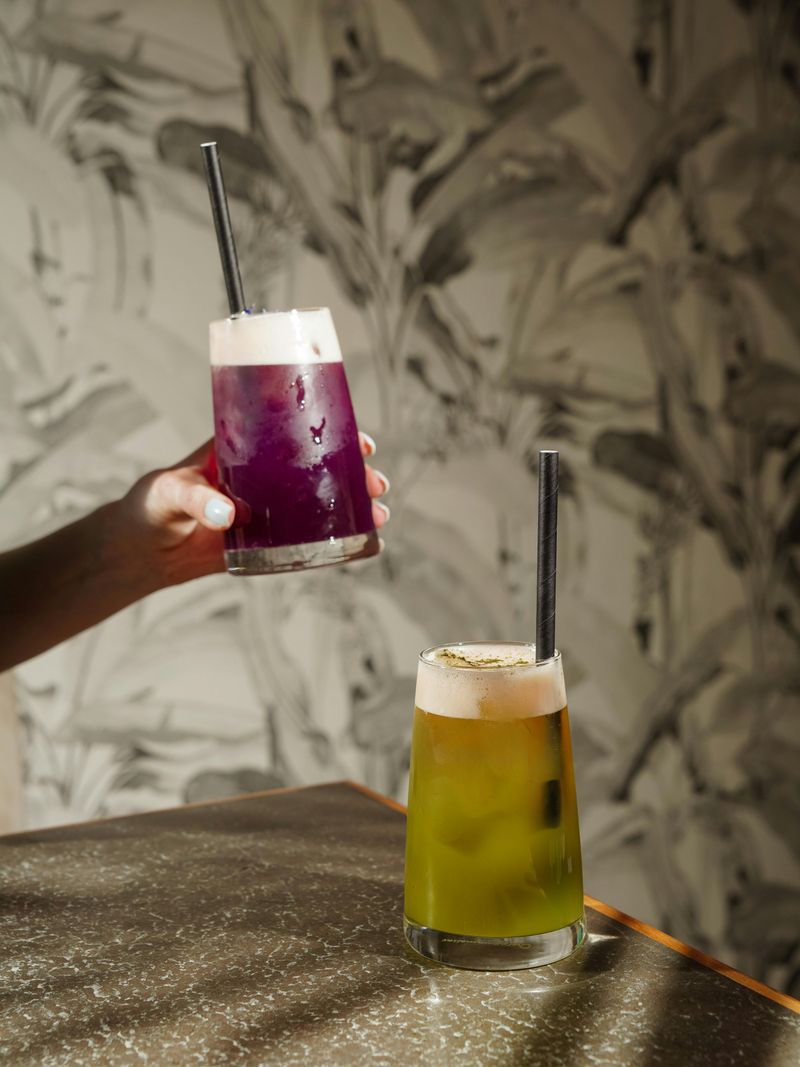
Drinks are doing double duty now, refreshing thirst while delivering vitamins, probiotics, and energy-boosting ingredients.
Functional beverages have moved beyond juice bars into mainstream restaurant menus across Texas and Florida.
These drinks feature ingredients like turmeric, ginger, ashwagandha, and collagen, promising benefits beyond simple hydration.
Kombucha taps are replacing soda fountains in forward-thinking establishments, offering fizzy satisfaction without refined sugar.
Florida cafes are crafting smoothie bowls topped with superfoods, turning breakfast into a nutrient-packed experience.
Customers appreciate beverages that support their health goals while tasting delicious and being Instagram-worthy.
Mocktails made with functional ingredients are also gaining popularity among those avoiding alcohol.
Restaurants recognize that modern diners want every menu item to serve a purpose.
Beverages are no longer afterthoughts but integral parts of the dining experience.
Tech-Enhanced Dining
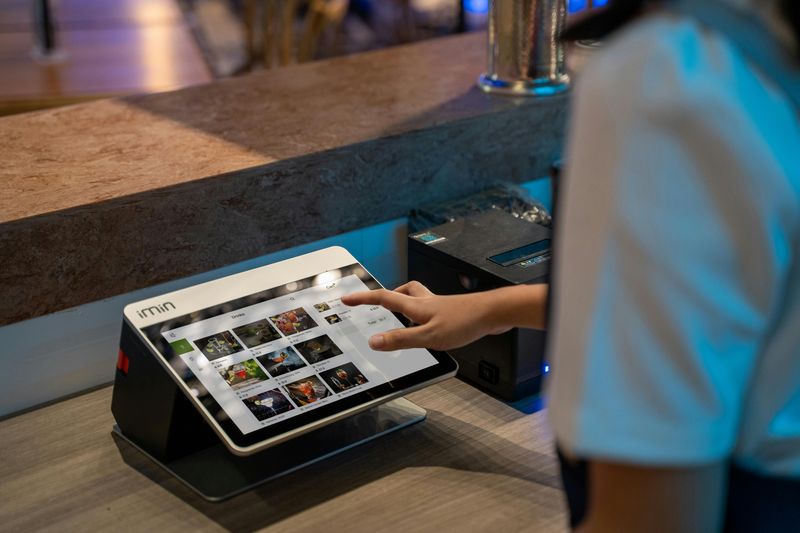
Screens and sensors are transforming how customers order, pay, and experience meals in restaurants across the South.
Technology integration streamlines operations while enhancing convenience for diners who embrace digital solutions.
QR code menus became common during recent years and are now standard, allowing instant updates and reducing paper waste.
Some establishments are experimenting with robotic servers that deliver food to tables with precision and novelty appeal.
Kitchen display systems coordinate cooking times, ensuring dishes arrive hot and together for every table.
Florida restaurants are adopting wireless temperature probes that monitor food safety continuously, replacing outdated paper logs.
Customers can pay directly from their phones, skipping the awkward check dance entirely.
Technology also enables personalized recommendations based on previous orders and dietary preferences.
The dining experience is becoming smarter, faster, and more tailored to individual needs.
Casual Fine Dining
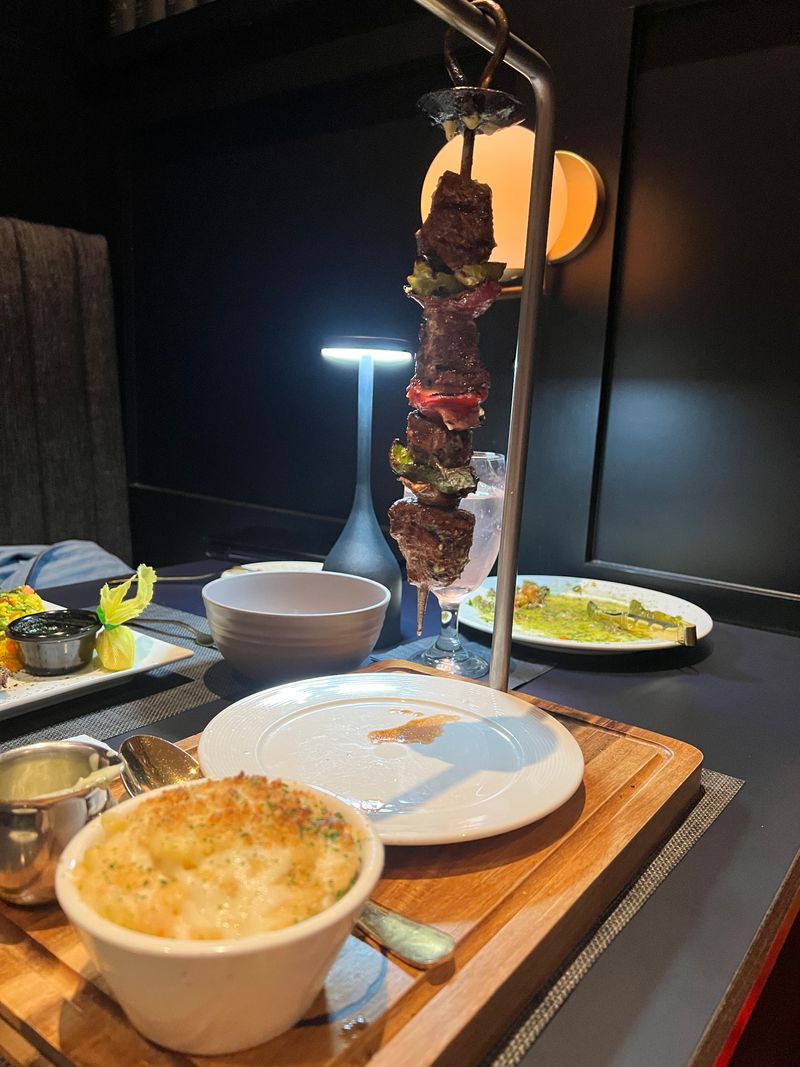
Fancy food no longer requires fancy dress codes, as restaurants embrace sophistication without stuffiness or pretension.
Casual fine dining breaks down barriers, making elevated cuisine accessible to everyone who appreciates quality.
The focus shifts from formality to flavor, hospitality, and genuine enjoyment of exceptional cooking.
Diners can experience chef-driven menus without worrying about which fork to use first.
This approach attracts younger customers who value experiences over traditions and quality over appearances.
Florida establishments are ditching white tablecloths for reclaimed wood and open kitchens that invite curiosity.
Prices remain reasonable despite premium ingredients and skilled preparation, making special occasions more frequent possibilities.
Servers are knowledgeable and friendly rather than formal and distant, creating comfortable conversations about food.
Casual fine dining democratizes gastronomy, proving that great food belongs to everyone willing to appreciate it.
Plant-Based Innovations
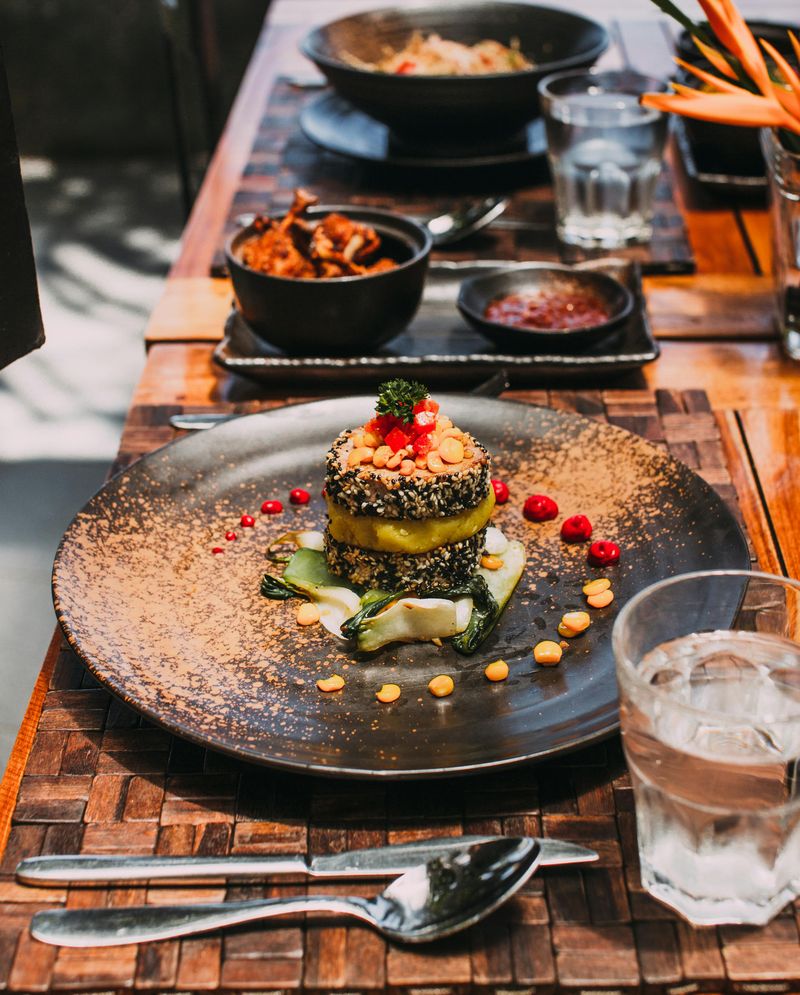
Vegetables are stepping out of the sidekick role and claiming center stage with creativity and bold flavors.
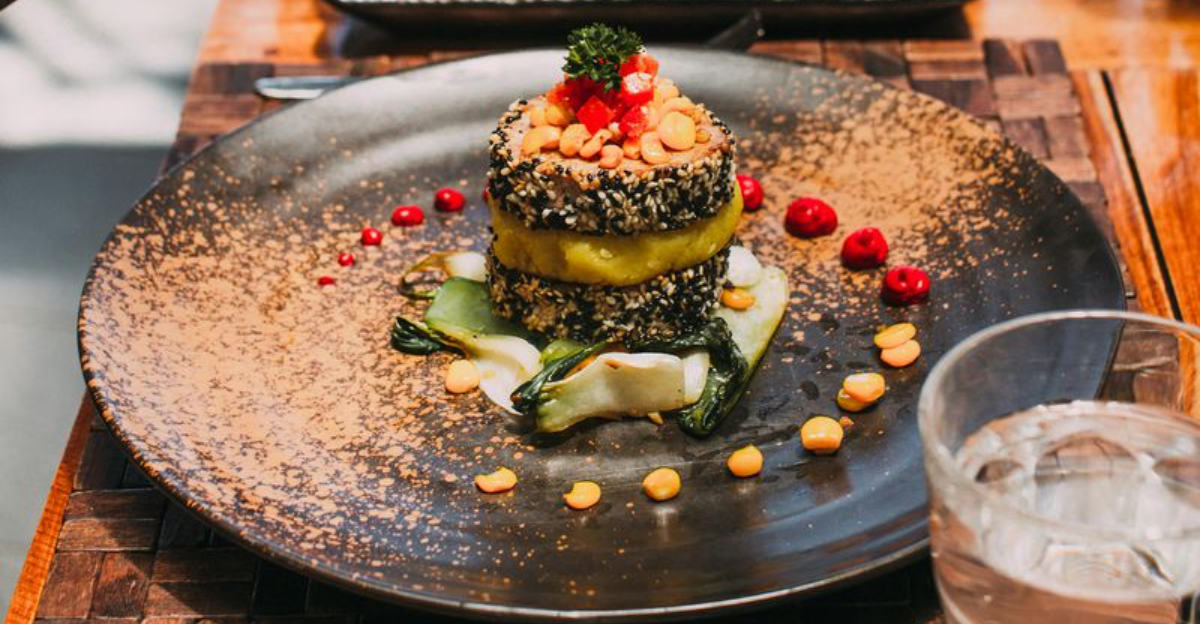
Plant-based menus now rival traditional offerings in taste, texture, and visual appeal across both states.
Chefs are using jackfruit, mushrooms, and legumes to create dishes that satisfy even the most devoted carnivores.
The focus is not on replicating meat but celebrating vegetables in their own right.
Texas kitchens are crafting innovative tacos filled with cauliflower al pastor and cashew crema.
These creations prove that plant-based eating can be indulgent, comforting, and deeply satisfying.
Health-conscious diners appreciate the nutritional benefits without sacrificing flavor or enjoyment.
Restaurants are also catering to environmental concerns by reducing their carbon footprint through plant-forward menus.
Vegetables have never tasted this good or looked this exciting.
Interactive & Experiential Dining
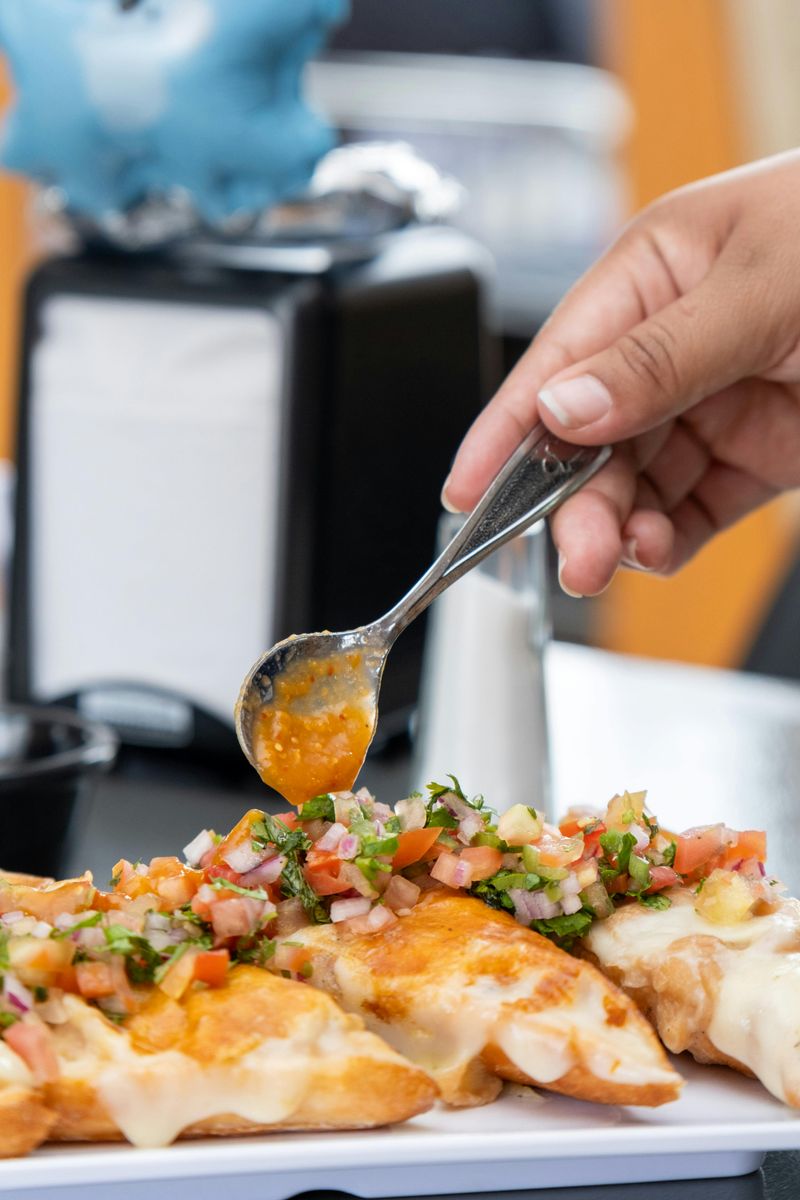
Eating out is becoming entertainment as restaurants invite guests to participate in the cooking process itself.
Interactive dining transforms passive consumption into memorable experiences that engage all the senses and create lasting memories.
Chef’s tables position diners inside the kitchen action, watching skilled cooks transform raw ingredients into edible art.
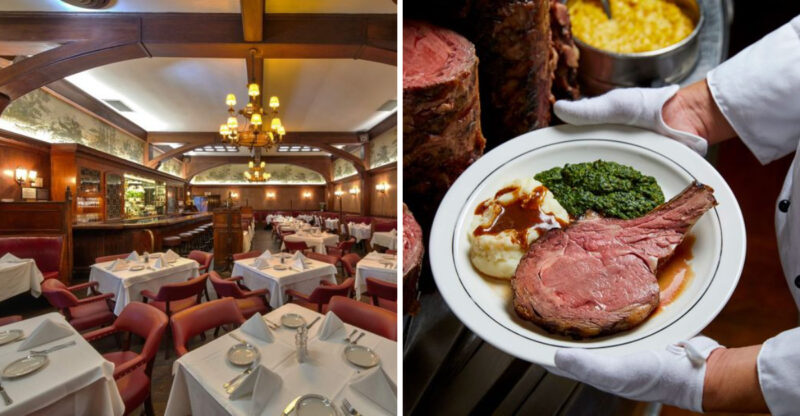
Some Texas steakhouses offer tableside preparations, from flambéed desserts to carved prime rib that sizzles dramatically.
These experiences create social media moments and stories worth sharing with friends and family.
Customers feel connected to their food and the people preparing it, deepening appreciation and satisfaction.
Cooking classes held in restaurant spaces during off-hours teach techniques while building community around shared meals.
Interactive dining also educates guests about ingredients, methods, and the hard work behind restaurant operations.
Meals become adventures rather than simple transactions.
Comfort Food Reinvented

Childhood favorites are growing up with sophisticated ingredients and techniques while keeping their soul-warming appeal intact.
Reinvented comfort food satisfies cravings for nostalgia while surprising taste buds with unexpected upgrades and refinements.
Mac and cheese gets lobster additions, truffle oil, or bacon jam, transforming humble pasta into indulgent masterpieces.
Fried chicken receives brines, special spice blends, and artisan pickles that honor Southern roots with gourmet touches.
These dishes provide emotional comfort alongside culinary excitement, making diners feel both satisfied and impressed.
Florida diners are rediscovering meatloaf, mashed potatoes, and chicken pot pie with premium ingredients and thoughtful presentations.
Chefs respect the originals while adding personal signatures that reflect their training and creativity.
Comfort food reinvention proves that simple dishes deserve the same attention as elaborate creations.
Nostalgia tastes even better with a modern twist.
Sustainable Practices & Zero-Waste Kitchens

Trash bins are shrinking as restaurants rethink every aspect of operations to minimize environmental impact completely.
Zero-waste kitchens challenge chefs to use every part of ingredients while eliminating single-use plastics entirely.
Florida restaurants are switching to compostable packaging for takeout orders, aligning with customer values about planetary health.
Root-to-stem cooking transforms carrot tops into pesto and broccoli stems into slaws, wasting nothing with nutritional value.
These practices reduce costs while demonstrating environmental responsibility that resonates with conscious consumers.
Staff training emphasizes mindful preparation and proper storage to prevent spoilage and unnecessary disposal.
Restaurants are measuring waste reduction goals and proudly sharing progress with their communities.
Sustainability is no longer a marketing buzzword but an operational philosophy that guides every kitchen decision.
The planet benefits when restaurants treat resources with respect and creativity.