What Travelers Need To Know About California’s Disappearing Beaches Before Planning A Trip
Change is becoming impossible to ignore along the coastline people once assumed would remain untouched.
Shorelines that appeared stable for decades now shift noticeably from one season to the next, with sand giving way to water at a growing number of beaches.
What once felt permanent is proving far more fragile. The impacts of rising sea levels, stronger storms, and long-standing coastal development are no longer theoretical.
Scientists warn that between 25% and 70% of California’s sandy beaches could disappear by the end of the century if current trends continue.
In several regions, high tides already reach areas that once sat safely beyond the surf, leaving little room for walking, sunbathing, or gathering near the water. These changes affect far more than scenic views.
Narrower beaches alter access points, disrupt wildlife habitats, and influence everything from surfing conditions to nearby infrastructure.
Travelers who understand what’s happening can plan more thoughtfully, choosing the right timing and locations while supporting conservation and restoration efforts.
Awareness offers a chance to adapt now, helping protect the coastline’s future before even more of it quietly slips away.
Why California’s Beaches Are Disappearing
Rising sea levels have become one of the most pressing threats to California’s coastline, with projections showing water levels could climb between 3 and 6 feet by 2100.
Climate change drives this increase through melting ice caps and thermal expansion of ocean water, both of which push more water onto shorelines.
As the ocean creeps higher, it swallows sand and narrows the beach areas where families traditionally spread their towels and build sandcastles.
Natural sand replenishment cycles have also been disrupted by dams and development along rivers that once carried sediment to the coast.
Without this steady supply of fresh sand, beaches lack the material needed to rebuild after storms and high tides erode their shores.
The Pacific Ocean’s wave action, combined with reduced sediment flow, creates a double challenge that leaves beaches vulnerable.
Human development along the coast compounds these natural processes by blocking the inland migration that beaches would naturally undergo as sea levels rise.
Seawalls and buildings create hard barriers that prevent beaches from shifting landward, essentially trapping them between rising water and immovable structures.
This combination of factors means California’s beaches face pressure from multiple directions, making the erosion problem more severe than in areas where only one or two factors are at play.
How Erosion Is Changing The Coastline
Wave action works constantly to reshape California’s coast, but the process has accelerated beyond natural rates in recent decades.
Storm surges during winter months now reach farther inland than historical records show, carrying away tons of sand with each powerful wave.
The Pacific’s energy doesn’t just move sand around anymore; it actively removes it from beaches faster than natural processes can replace it.
Cliff erosion has become more visible along many stretches of coast, with chunks of land tumbling onto beaches below after heavy rains weaken the soil.
Coastal bluffs that once seemed permanent now show fresh scars where recent collapses have occurred, changing the landscape travelers remember from previous visits.
These changes happen gradually most of the time, but dramatic shifts can occur during single storm events that reshape entire beach sections overnight.
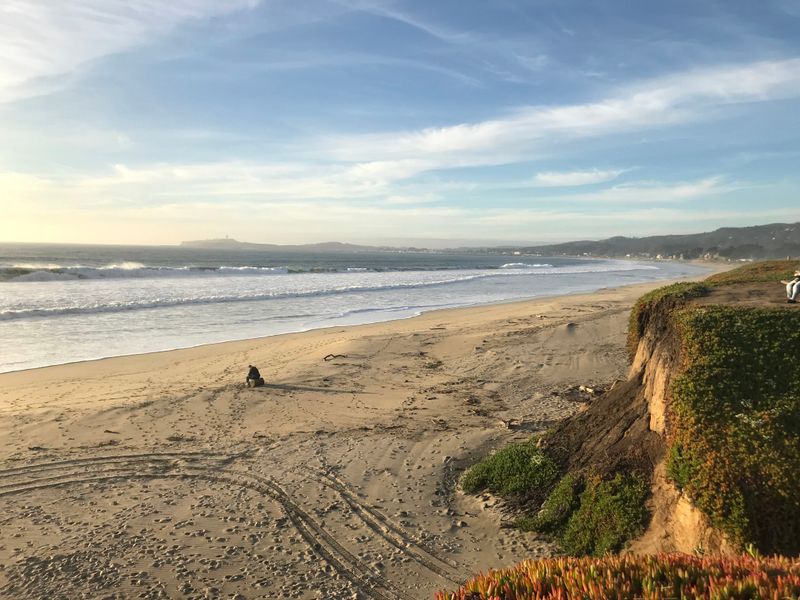
Beach width has decreased noticeably at many popular spots, leaving less space between the water line and permanent structures or cliffs.
High tide now reaches areas that used to remain dry throughout the day, limiting usable beach space during peak visiting hours.
Some beaches that once stretched hundreds of feet from water to parking area now measure only dozens of feet at high tide, fundamentally altering how visitors experience these coastal spaces.
California Beaches Already Affected
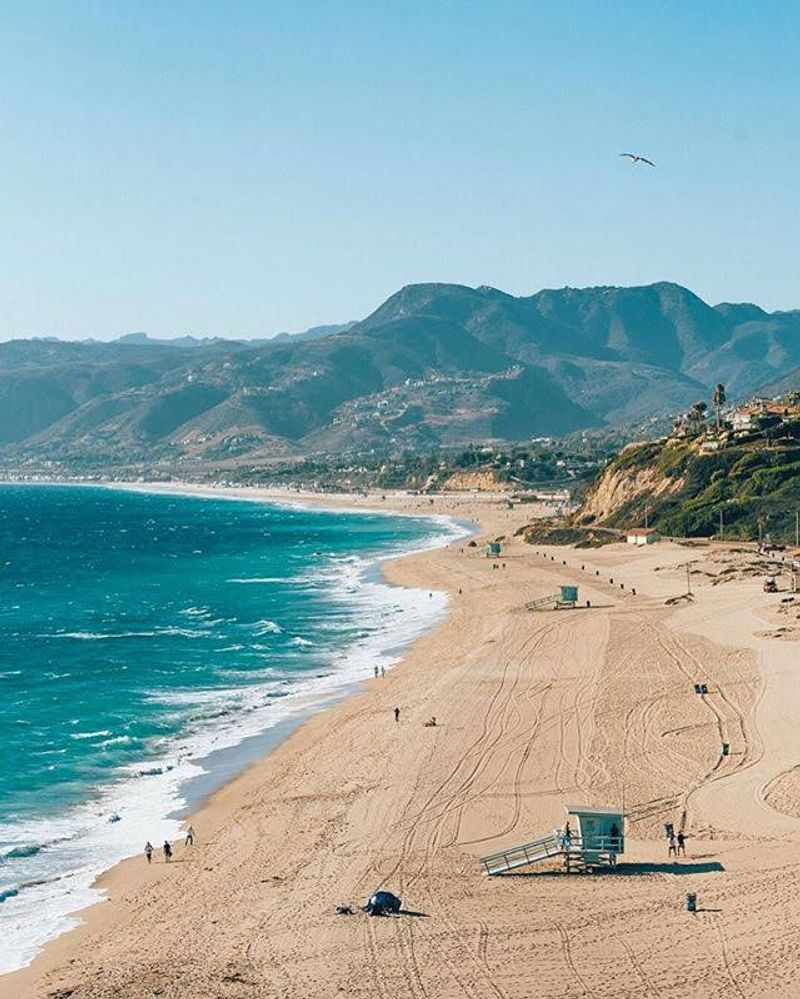
Zuma Beach in Malibu has lost between 3.6 and 4.5 feet of shoreline annually in recent measurements, making it one of the most dramatically affected beaches in Southern California.
This once-wide stretch of sand now shows visible signs of retreat, with parking areas and facilities closer to the water than they were a generation ago.
Visitors who haven’t been to Zuma in several years often notice the difference immediately upon arrival.
Dockweiler State Beach near Los Angeles faces similar challenges, with erosion rates about 4.5 ft/year and threatening the beach’s viability as a recreational destination.
The beach sits adjacent to Los Angeles International Airport, and its shrinking width has raised concerns about protecting infrastructure while maintaining public access.
Winter storms have become particularly harsh here, sometimes removing several feet of sand in a matter of days.
Beaches throughout Orange County and San Diego have also shown measurable losses, though rates vary depending on local geography and protective measures.
Some areas have implemented sand replenishment programs that temporarily restore beach width, but these efforts require repeated interventions as the ocean continues its relentless work.
Northern California beaches face different but equally serious challenges, with some remote stretches experiencing dramatic changes that go unnoticed except by locals and regular visitors who track the shifts over time.
What Beach Erosion Means For Tourists
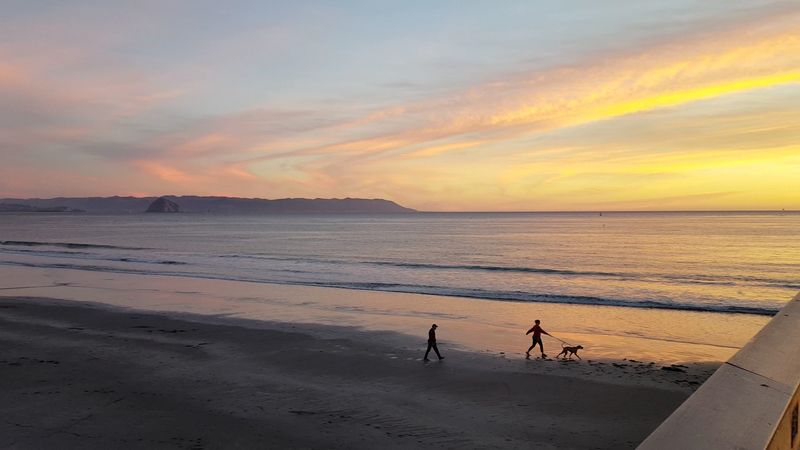
Available beach space has become more limited during peak visiting times, especially on summer weekends when crowds converge on popular spots.
Families arriving midday at affected beaches sometimes find little room to set up their gear, with the usable sand area packed from water line to the base of cliffs or seawalls.
This crowding changes the beach experience from relaxed and spacious to cramped and competitive for prime spots.
Parking and access points face increasing vulnerability as erosion creeps closer to infrastructure that serves beach visitors.
Some parking lots have been closed or reduced in size due to ground instability, forcing visitors to park farther away and walk longer distances.
Beach access stairs and ramps occasionally require closure for repairs or safety concerns when the sand beneath them erodes away, limiting entry points and creating bottlenecks during busy periods.
Safety considerations have grown more important as beaches narrow and cliffs become less stable above popular areas.
Signs warning of falling rocks appear more frequently along the coast, and visitors need to pay attention to posted warnings about unsafe conditions.
High tide timing matters more than it used to, since some beaches become nearly inaccessible when water reaches the base of cliffs or seawalls, leaving no dry sand for walking or sitting.
Why Restoration Efforts Aren’t A Permanent Fix
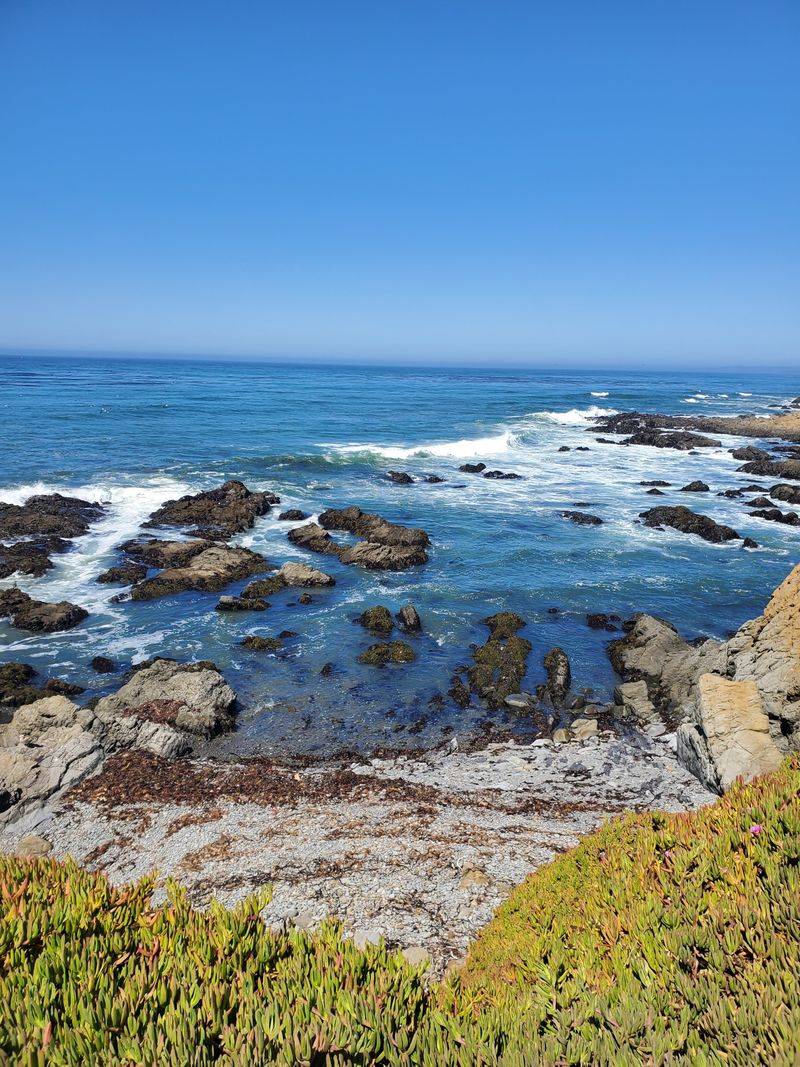
Beach nourishment projects pump or truck thousands of cubic yards of sand onto eroding beaches, temporarily restoring width and protecting infrastructure.
Los Angeles has invested $5.1 million in coastal restoration projects aimed at combating erosion and preserving beach access for residents and tourists.
While these efforts create immediate improvements, the same forces that caused the original erosion continue working on the new sand.
Imported sand often washes away within a few years or even months, depending on storm intensity and wave patterns.
The ocean doesn’t distinguish between original sand and replacement material, carrying both away at similar rates when conditions allow.
This means communities must repeat nourishment projects regularly, creating ongoing costs that strain local budgets and raise questions about long-term sustainability.
Seawalls and other hard structures built to protect property can actually accelerate erosion on adjacent beaches by disrupting natural sand movement patterns.
Waves bounce off these barriers with increased energy, scouring sand from areas that might otherwise remain stable.
The beach in front of a seawall often disappears entirely at high tide, creating a stark contrast with nearby unarmored sections that retain some width even when water levels rise.
Best Times And Tips For Visiting California Beaches
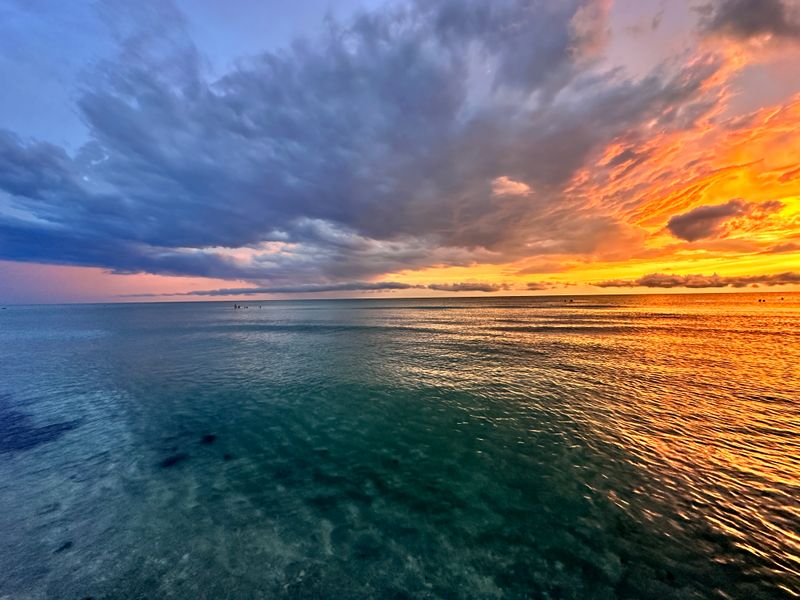
Low tide provides maximum beach width and the safest conditions for exploring tide pools and walking along the shore.
Tide charts are available online and at visitor centers, showing daily fluctuations that can make a dramatic difference in available space.
Planning your beach visit around low tide times, typically occurring twice daily, ensures you’ll have more room to spread out and explore areas that disappear underwater during high tide.
Weekday visits generally offer less crowded conditions at popular beaches, giving you better access to parking and more space on the sand.
Early morning arrival, particularly before 10 AM, provides the best chance of securing parking at beaches where erosion has reduced lot capacity.
Summer weekends bring the heaviest crowds to Southern California beaches, while fall and spring offer pleasant weather with fewer visitors competing for space.
Checking recent conditions before you go helps avoid disappointment when beaches face temporary closures or unsafe conditions.
Local news websites and park service pages often post updates about erosion damage, access restrictions, or hazards like unstable cliffs.
Some beaches that were once reliable destinations now experience periodic closures after storms, making advance research more important than it used to be for trip planning purposes.
Alternative Coastal Activities To Try
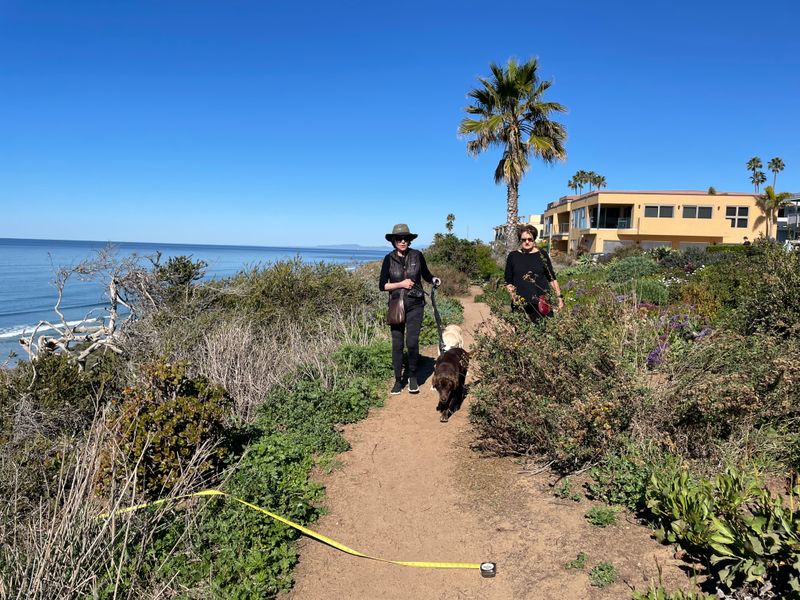
Coastal trails and bluff-top walks offer stunning ocean views without requiring beach access, and many remain open even when beaches below face erosion problems.
Point Reyes National Seashore north of San Francisco provides miles of cliff-edge paths where visitors can watch waves crash against rocks while staying on stable ground.
These elevated perspectives often reveal the scope of coastal changes more clearly than beach-level views, showing erosion patterns and wave action from above.
Tide pool exploration during low tide opens up a different coastal experience focused on marine life rather than sunbathing on sand.
Rocky shores along California’s coast host rich ecosystems in pools that refill with each tide cycle, displaying starfish, anemones, crabs, and small fish.
Many of these areas remain accessible even as sandy beaches shrink, since they depend on rock formations rather than sand deposits.
Harbor towns and fishing villages provide coastal atmosphere without requiring traditional beach access, offering seafood restaurants, maritime museums, and working waterfronts to explore.
Places like Monterey, Santa Barbara, and San Diego’s harbor area give visitors ocean proximity with different activities than typical beach days.
These alternatives help spread visitor impact across more types of coastal resources while providing enjoyable experiences that don’t depend on wide sandy beaches.
How Tourists Can Help Protect California’s Beaches
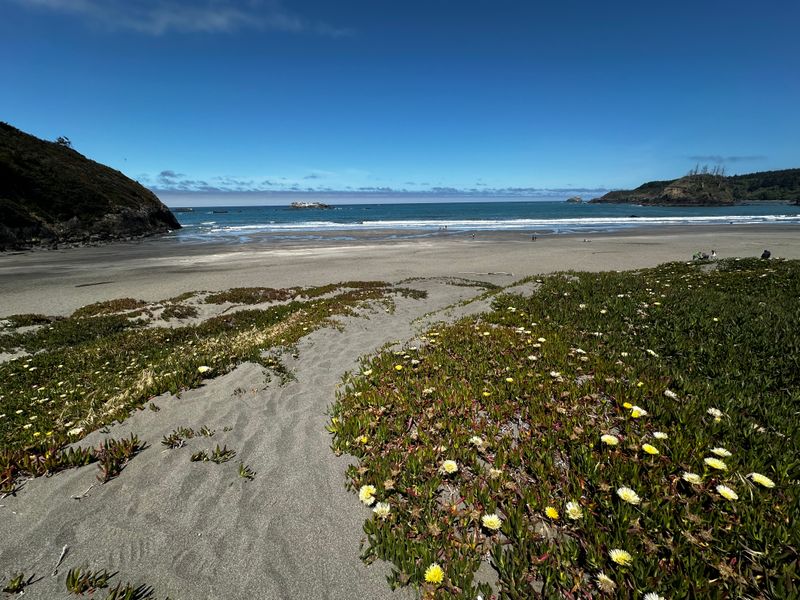
Staying on designated paths and avoiding sensitive dune areas prevents additional erosion caused by foot traffic that destroys vegetation holding sand in place.
Beach grass and other coastal plants create natural barriers that trap windblown sand and stabilize dunes, but they’re fragile and easily damaged by people walking across them.
Signs marking protected areas deserve respect, even when taking a shortcut across dunes seems harmless in the moment.
Removing trash and participating in beach cleanup efforts, even informally during your visit, helps maintain beach health and reduces pollution that harms coastal ecosystems.
Plastic debris and other litter create problems beyond aesthetics, breaking down into microplastics that contaminate sand and water.
Carrying out everything you bring in, plus any trash you encounter, makes a measurable difference when millions of visitors adopt this practice.
Supporting local conservation organizations through donations or volunteer time contributes to larger restoration and protection efforts that individual actions alone cannot accomplish.
Groups like the Surfrider Foundation and California Coastal Commission work on policy advocacy, restoration projects, and public education about coastal protection.
Tourism dollars spent at businesses that support coastal conservation help fund ongoing protection work, making your travel choices part of the solution rather than contributing to the problem.