When Nebraska’s 1949 Blizzard Buried The Plains, Hay Fell From The Sky To Save The Cattle
In the winter of 1949, hay bales fell out of the sky over Nebraska. Military planes pushed them out the cargo doors on purpose, aiming for hungry cattle stuck in the snow below.
The storm started on January 2 and kept going for about three days. Fierce winds piled snow into drifts reported as high as houses.
Roads vanished. Rail lines stopped.
Whole ranch families were cut off from town for weeks.
I love that the rescue had a name as plain as a feed bill: Operation Haylift. Pilots used to wartime cargo runs suddenly found themselves flying breakfast to steers.
Meanwhile, bulldozers crawled across the white prairie, hunting for buried farmhouses.
So how do you feed a few million animals when nobody can reach them? The answer involved the Army, the Air Force, stubborn neighbors, and a whole lot of baling twine.
1. Three Days Of Snow Starting January 2, 1949
Most snowstorms have the courtesy to quit after a night. The one that rolled into Nebraska on January 2, 1949 had other plans.
Snow kept falling for roughly three straight days across western and central parts of the state. The wind made it worse, whipping loose snow sideways at speeds that turned daylight into a white wall.
Farm families woke up to doors they couldn’t push open. Some climbed out through windows just to reach the barn, using ropes or fence lines so they wouldn’t lose their way in the swirl.
The timing stung, too. Holiday visitors were still traveling, and many got stranded in small towns, depots, and farmhouses where strangers suddenly became houseguests.
And here’s the kicker. That first storm was only the opening act, because more rounds of snow and wind kept hitting the Plains over the following weeks.
Ranchers barely finished shoveling before the next blast arrived. Ask an older Nebraskan about winter, and there’s a fair chance 1949 still comes up first.
It became the storm every later blizzard got measured against. Plenty of families still pass down stories from those January days.
2. Drifts Taller Than Houses
Shoveling a sidewalk is one thing. Shoveling a drift that reportedly reached thirty feet in places is an entirely different hobby.
Wind did most of the sculpting during the 1949 blizzard. Open prairie gave gusts room to run, and snow piled up wherever something got in its way.
Houses, barns, and haystacks became anchors for enormous ridges of packed snow. Some homes disappeared nearly up to the roofline, leaving only a chimney or a stovepipe poking out.
Railroad cuts filled solid. Trains got stuck, and crews faced walls of hardened snow that regular plows simply couldn’t chew through.
Highways fared no better. Fence lines vanished, so drivers couldn’t even tell where the road was supposed to be.
Here’s a fun detail. In some spots the drifts packed so hard that people could walk right over the tops of buried fences and machinery.
That sounds almost charming until you remember the livestock underneath. Cattle that drifted with the wind often ended up trapped against fences, unable to reach feed or open water.
Those towering drifts set up the whole rescue story. Nobody could drive in, so help had to come another way.
3. Cattle Stranded On The Open Range
Nebraska has long counted more cattle than people. In 1949, that fact turned into a giant problem buried under snow.
Herds across the region were caught out on winter range when the storm hit. Haystacks sat out of reach, and water tanks froze or vanished under drifts.
Ranchers knew the clock was running. A cow can handle cold surprisingly well, but going days without feed is a different story.
Many owners couldn’t even get to their own animals. Tractors stalled, horses floundered in the deep snow, and some pastures lay miles from the house.
Across the northern Plains, millions of livestock were reported stranded. Sheep and cattle in Nebraska, Wyoming, and the Dakotas faced the same frozen predicament.
Picture the money on the line, too, even if you skip the pasture scene. For ranch families, a herd was savings, income, and next year’s plans rolled into one.
Losses did happen, and the spring thaw revealed them. Still, the effort to reach those animals became one of the most remarkable feeding jobs in state history.
Somebody had to figure out how to deliver dinner to cows stuck in the middle of nowhere.
4. Operation Haylift Takes Flight
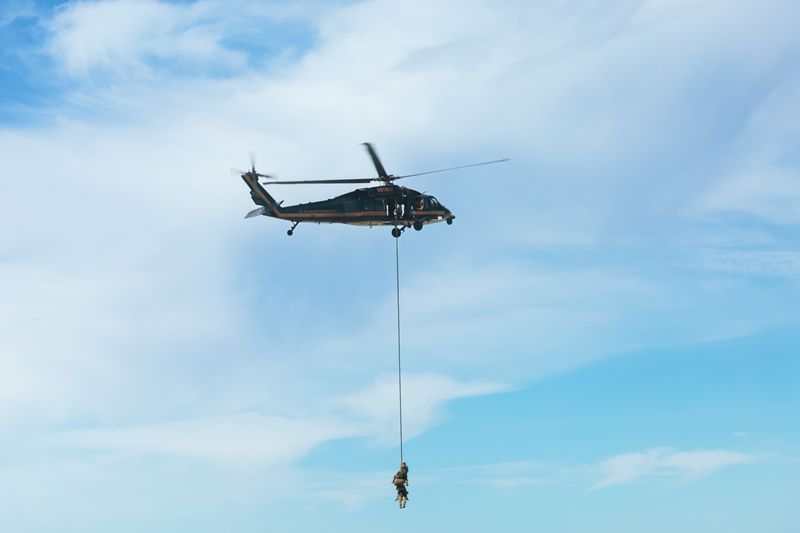
Air Force crews have flown plenty of tough missions. Few came with a cargo manifest that read, more or less, hay for cows.
That was Operation Haylift, launched in 1949 to reach livestock no truck could touch. Military cargo planes, including C-47s and the twin-boom C-82 Flying Boxcar, joined the effort.
The idea was refreshingly simple. Load bales into the plane, fly low over a stranded herd, and shove the feed out the door.
Simple on paper, anyway. Pilots dealt with whiteout skies, bitter cold, and a landscape where every snowy hill looked like the last one.
Ranchers helped by stamping out signals in the snow or marking spots where cattle gathered. Spotting a dark cluster of animals against all that white became a crucial skill.
The operation stretched across Nebraska and neighboring states. Western Nebraska towns served as staging areas where hay could be loaded and planes refueled.
You have to admire the flexibility. Just a few years after World War II, those same kinds of aircraft were now delivering groceries for Herefords.
The cows, for the record, seemed thrilled with the menu.
5. How Hay Bales Fell From The Sky
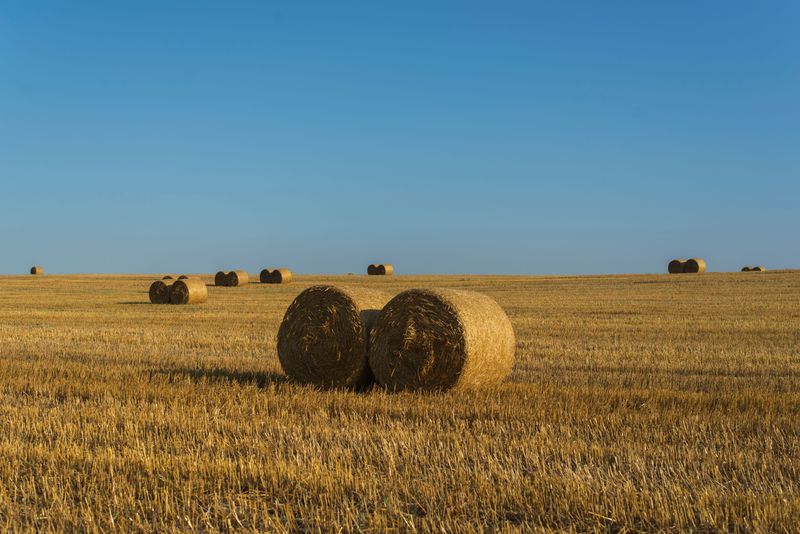
Tossing a hay bale out of a moving airplane sounds like a bad idea at a county fair. In 1949, it was the best idea anyone had.
Crews worked inside chilly cargo holds with the doors open to the wind. They lined bales up and pushed them out on a signal as the plane passed over a herd.
Flying low mattered. Too high, and bales could burst apart or land far from the cattle that needed them.
Some bales broke open when they hit, scattering loose hay across the snow. Honestly, the cattle didn’t mind the presentation.
Accuracy took practice. Crews learned to read the wind, judge their speed, and drop feed close enough that weak animals could actually reach it.
On the ground, ranchers sometimes heard engines before they saw a thing. That sound meant their herd might make it another week.
The whole system was hands-on and a little improvised. No fancy dispensers, just strong arms, cold fingers, and teamwork in a rattling fuselage.
It remains one of the stranger farm chores in Nebraska history. Few people have ever fed cattle from a few hundred feet up.
6. Operation Snowbound And The Bulldozers
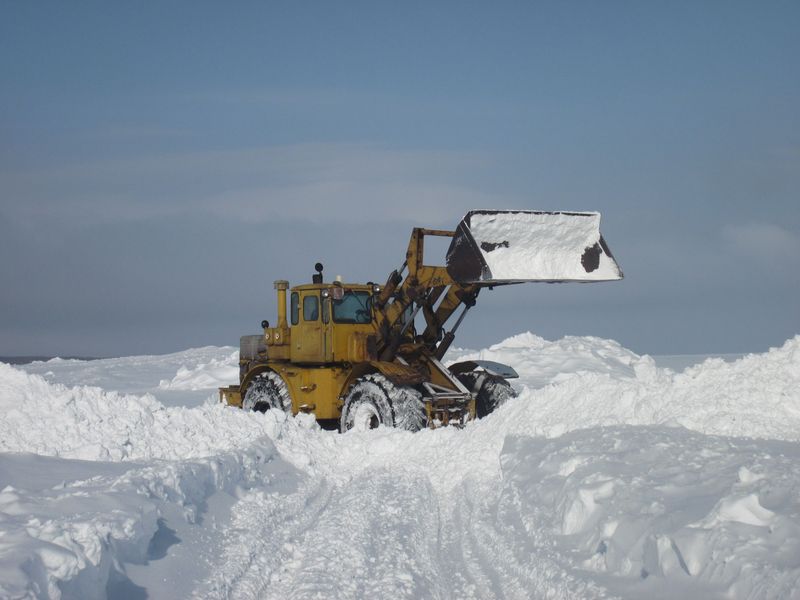
Planes could drop hay, but they couldn’t plow a lane to the barn. That job went to Operation Snowbound.
The Army’s Fifth Army took charge of the ground effort in early 1949. Bulldozers, plows, and heavy equipment fanned out across snowbound counties in several states.
Crews had a clear goal. Open roads to isolated farms and ranches, so families and livestock could finally get supplies.
Equipment came from contractors, road departments, and private owners. Operators sometimes worked long shifts in brutal cold, carving routes through drifts that had frozen nearly solid.
Finding the houses was its own puzzle. Some crews followed telephone poles or the tops of trees to figure out where a farmstead might be hiding.
Reports from the time credit the effort with opening many thousands of miles of rural roads. Hundreds of thousands of people and millions of livestock were reached as lanes opened.
Not bad for a project put together on the fly. When a bulldozer finally broke through to a ranch yard, it must have looked better than any parade.
Snowbound and Haylift worked as a pair. One went over the drifts, the other went straight through them.
7. Neighbors Who Dug Each Other Out
Long before the bulldozers showed up, Nebraskans were already handling business with shovels and horses. Rural neighbors leaned on each other hard that winter.
Families checked on nearby farms whenever the weather allowed. Some traveled by horseback or sled because no motor vehicle stood a chance.
Stranded travelers found beds in farmhouses, schools, and small-town buildings. Hosts shared food, blankets, and whatever coal or wood they had.
Radio became a lifeline. Broadcasts passed along messages, weather updates, and word about which families needed help most.
Small airplanes owned by local pilots also joined in. They flew groceries, medicine, and mail to isolated homes when nothing else could get through.
Here’s a detail worth loving. Communities often pooled hay and feed, so a rancher with extra could help one who had run out.
That kind of quiet cooperation rarely made headlines. Yet it carried a lot of families through the weeks before official help arrived.
If you grew up in rural Nebraska, the spirit probably sounds familiar. Showing up with a shovel, without being asked, is practically a state tradition by now.
8. Nebraska History Museum
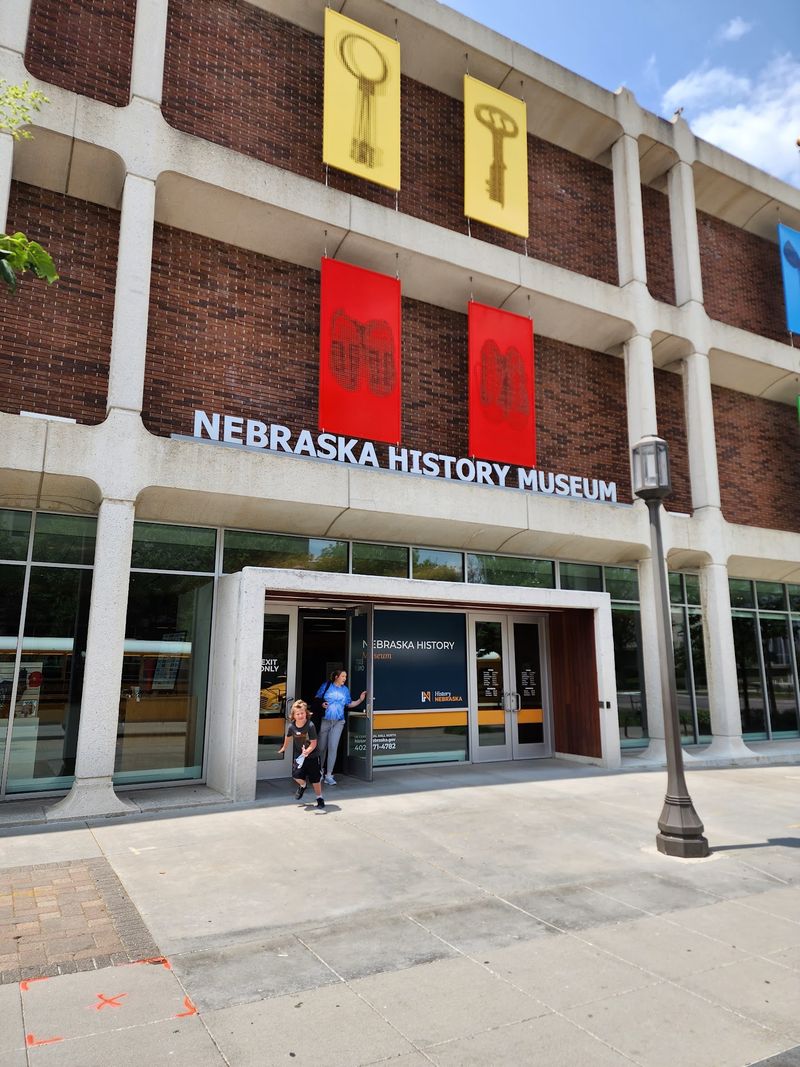
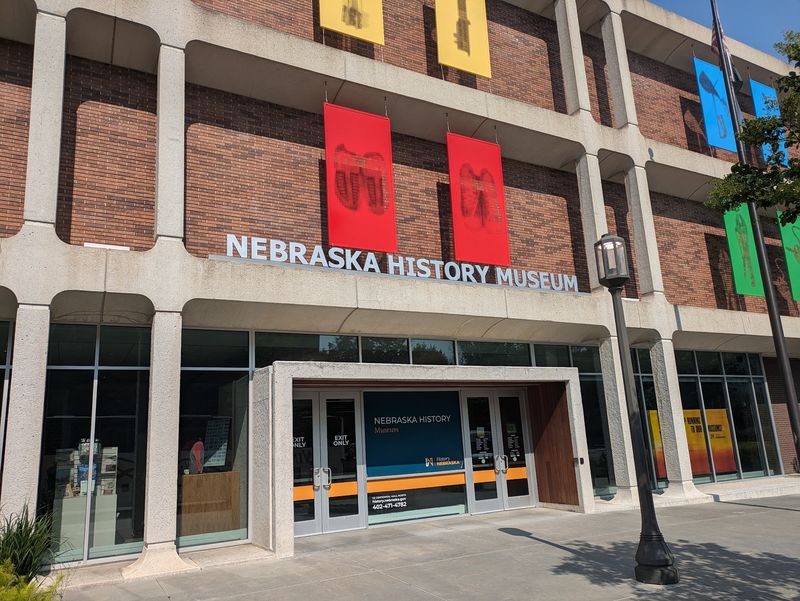
History hits differently when you can see it up close. For Nebraska stories like the 1949 blizzard, the state’s history museum in Lincoln makes a natural starting point.
The museum is run by History Nebraska, the state agency that preserves photos, records, and artifacts from across Nebraska. Its collections and archives hold a deep supply of material on weather, ranching, and rural life.
Exhibits change over time, so check what’s on display before you go. The bigger payoff is seeing how events like the blizzard fit into the larger story of the state.
Curious about family history? History Nebraska’s research resources can help you dig into newspapers and records from that winter.
You might find a grandparent’s town mentioned in an old report. Moments like that make a seventy-five-plus-year-old storm feel close.
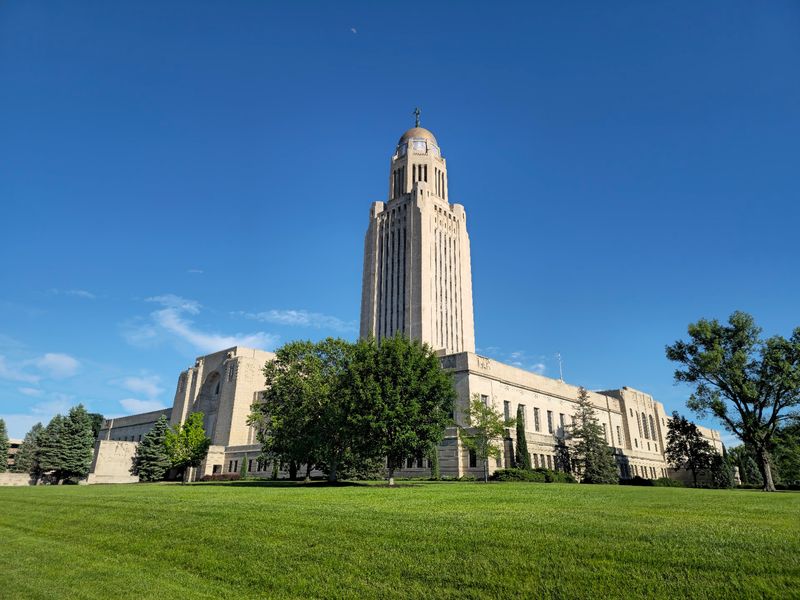
The building sits right downtown, an easy add-on to a Lincoln day out. Pair it with a walk past the Capitol a few blocks away.
Next time a winter storm warning pops up on your phone, remember 1949. Somewhere out there, the cattle once got their hay by airmail.
Address: 131 Centennial Mall North, Lincoln, NE 68508