Why People Wait Hours For A Table At This Unassuming California BBQ Spot
The line is your first clue.
It curls past people checking the menu and pretending they are not calculating how much longer they can wait before hunger takes over.
Then the smell of smoke rolls through, and suddenly leaving feels like the wrong decision.
In this part of California, barbecue fans have turned patience into a weekend ritual.
Do not waste the wait. Study what is coming off the trays. Decide which cut looks worth protecting from everybody else at the table.
If someone ahead of you orders the last portion of something you wanted, take a moment and recover. Then order bigger.
The setting may look casual, but the crowd tells you this is not an ordinary stop. People come ready to wait and leave with strong opinions about what deserves a repeat order.
The Line Starts Forming Before The First Tray Comes Out
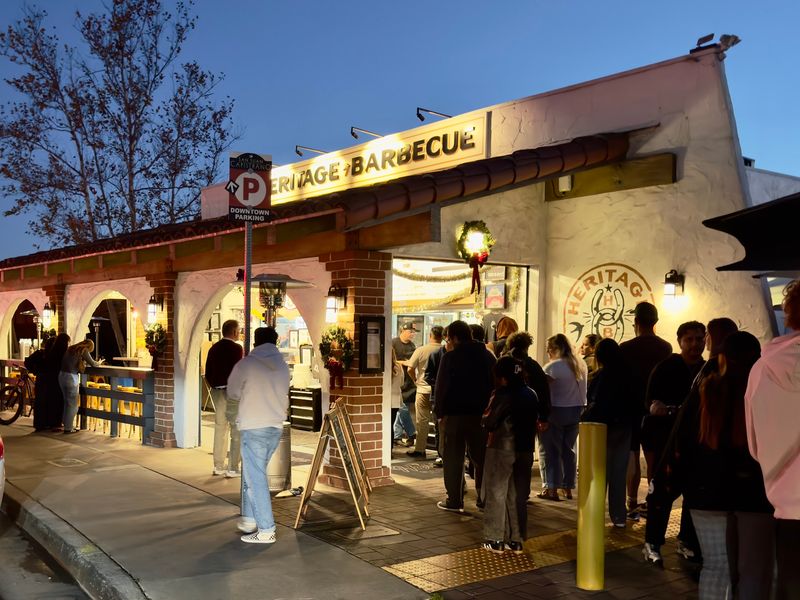
Getting there early is not just a suggestion at Heritage Barbecue – it is practically a requirement.
On weekends, guests tend to start lining up around 10:00 AM, a full hour before the kitchen opens at 11:00 AM.
Weekdays see lines forming closer to 10:45 AM, which still means arriving before the doors are officially open.
The wait can stretch to two hours or more on busy weekend afternoons, particularly during peak lunch hours.
Visitors who show up at noon on a Saturday may find themselves behind a crowd that has already been waiting for quite a while.
The line moves at its own pace because each order is hand-cut and weighed to order right in front of the customer.
Despite the wait, the atmosphere tends to stay calm and social, with guests chatting and watching the crowd build.
Staff members periodically walk the line to share menu updates or let guests know which items may already be running low.
Arriving early is the single most reliable way to access the full menu and avoid the disappointment of a sold-out item.
Central Texas Barbecue Gets A California Point Of View
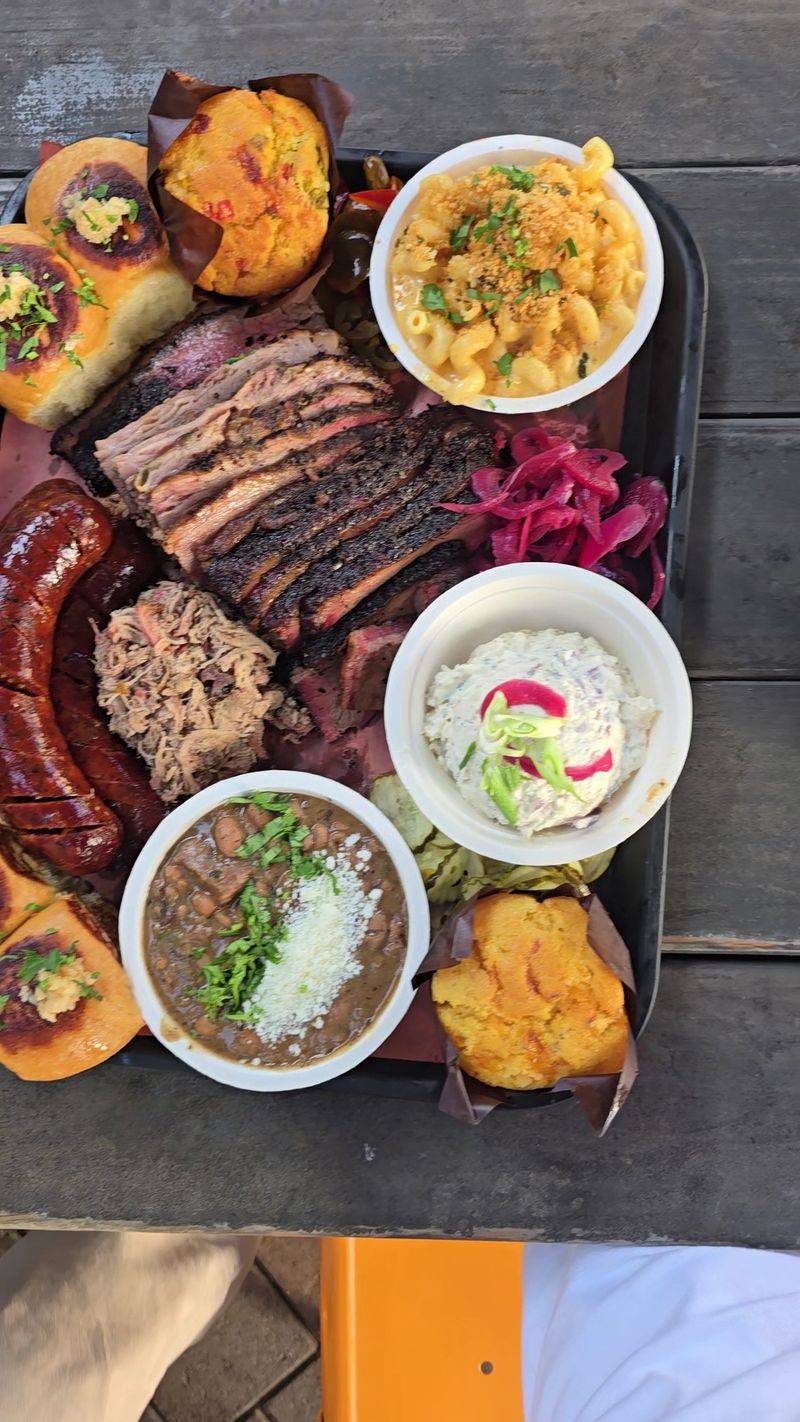
There is a specific culinary philosophy behind every tray that comes out of the Heritage Barbecue kitchen.
The cooking method is rooted firmly in Central Texas barbecue tradition, which means low-and-slow smoking with minimal sauce interference and a deep respect for the meat itself.
That foundation is unmistakable from the first bite.
What makes Heritage stand apart from a straightforward Texas transplant is the California lens applied to those traditions.
Local ingredients and regional influences shape the rotating menu of sides and supplemental dishes, giving the food a sense of place that feels genuinely tied to its Southern California surroundings.
The result is a menu that honors classic technique while reflecting the flavors of the state it calls home.
That balance between tradition and regional identity is part of what keeps the conversation around Heritage so lively.
Guests who grew up eating Texas-style barbecue often find the familiar bark and smoke they expect, while California locals encounter techniques and flavor depths that feel new and exciting.
It is a combination that satisfies a wide range of palates without compromising on craft.
Brisket Is The Order Everyone Watches For
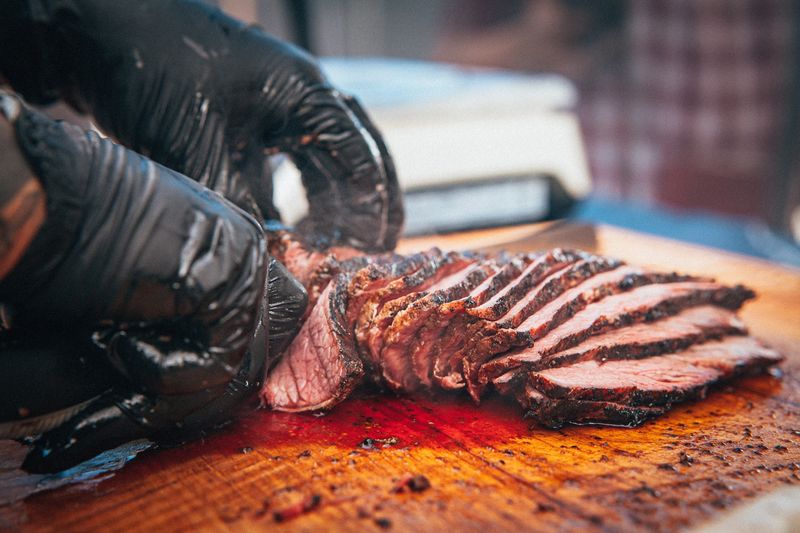
Few cuts of meat carry as much expectation as a properly smoked brisket, and Heritage Barbecue takes that responsibility seriously.
The brisket here is known for its dark, deeply developed exterior, commonly called the bark, which forms during the long hours the meat spends in the smoker.
That outer crust gives way to interior slices that are tender and rich with rendered fat.
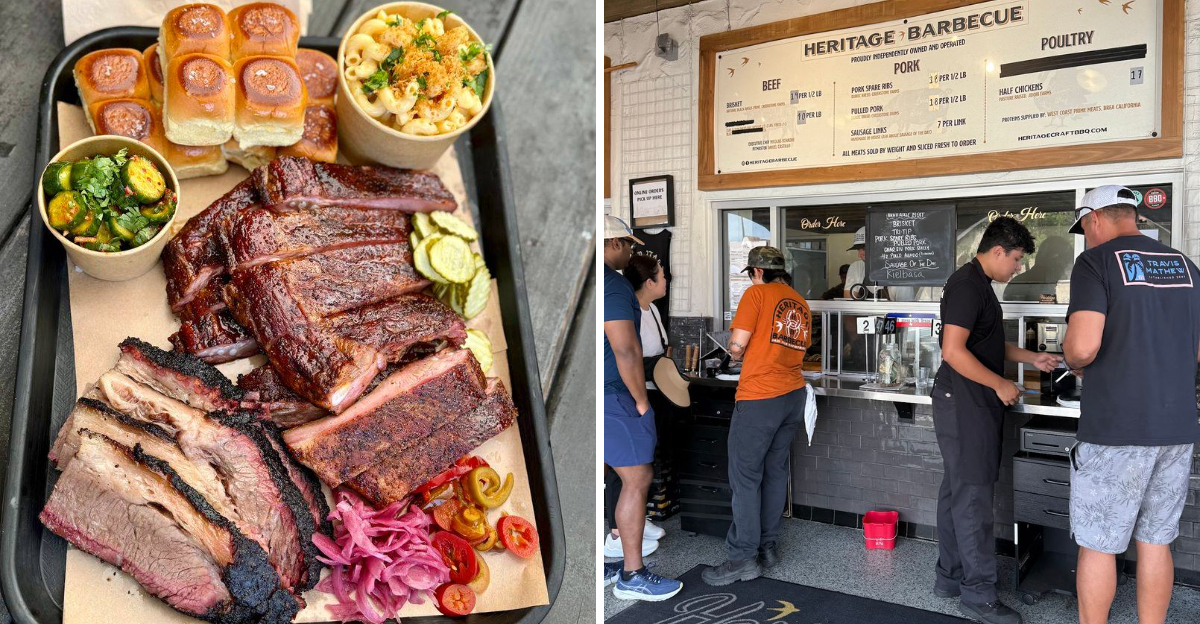
Each portion is hand-cut to order behind a glass window, allowing guests to watch the pitmaster work through the brisket slice by slice.
Orders are sold by the half pound, which makes it easy to sample multiple cuts without committing to a single massive portion.
The brisket tends to be one of the first items to sell out on busy days, which is another reason arriving early matters.
For many visitors, the brisket alone justifies the drive and the wait. The balance between smoke, seasoning, and the natural flavor of the beef is what draws people back for a second and third visit.
Pairing a half pound of brisket with one or two sides is a reliable way to experience what Heritage does at its best.
Some Of The Meat Takes Half A Day To Cook
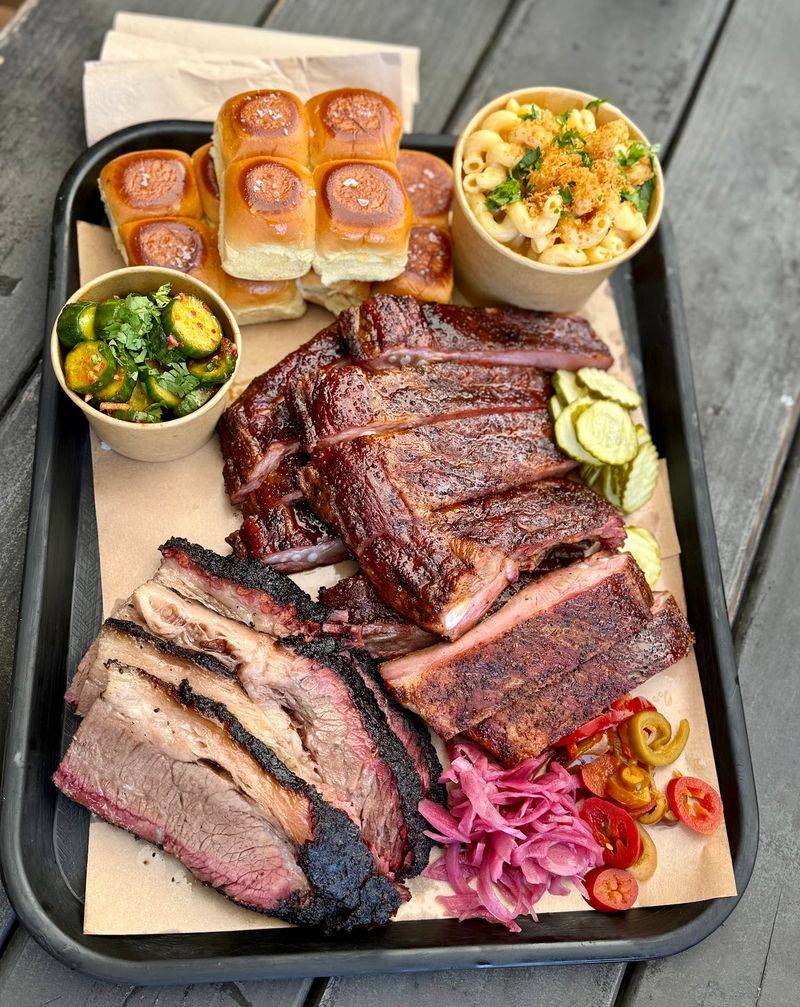
Behind every tray of smoked meat at Heritage Barbecue is a timeline that most diners never see.
Brisket and other large cuts can spend anywhere from 12 to 16 hours in the smoker before they are considered ready to serve.
That extended cooking window is not a shortcut or a marketing detail – it is the entire point.
Low-and-slow smoking allows the fat to render gradually, the connective tissue to break down, and the smoke to penetrate deep into the muscle.
Rushing any part of that process would produce a noticeably different result, and the kitchen at Heritage does not cut corners. The commitment to that timeline is exactly why quantities are limited each day.
Once the day’s supply of a particular cut is gone, it is gone.
There is no second batch waiting in the back, and there is no way to predict exactly how many pounds of any given item will make it to the serving window on a given afternoon.
That daily uncertainty is part of what gives Heritage its energy. Knowing the food took half a day to prepare makes each bite feel a little more earned.
The Sausages Deserve Space Beside The Brisket
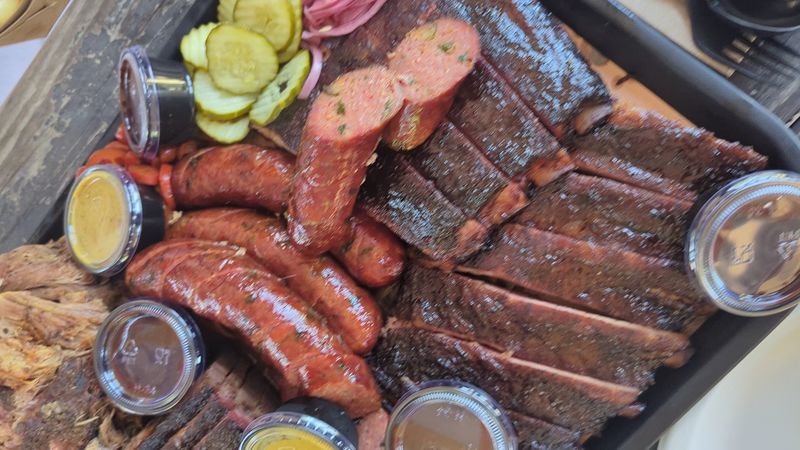
Brisket gets most of the attention, but skipping the sausages at Heritage Barbecue would mean missing one of the most satisfying parts of the menu.
The handmade sausages are crafted in-house and rotate depending on the day.
The Jalapeno Cheddar Kielbasa is one of the most frequently mentioned options, noted for its moist interior, snappy casing, and a steady heat that builds without becoming overwhelming.
Sausages are sold individually, which makes them an easy addition to any order without significantly increasing the total.
Adding one alongside a half pound of brisket turns a straightforward order into a broader tasting experience.
The contrast between the dense, smoky brisket and the juicier, spiced sausage is part of what makes the combination so satisfying.
Because sausage flavors can rotate, the specific options available on any given day may vary.
Checking the chalkboard menu when arriving in line is a good habit, since the daily lineup of both meats and sides can shift.
Guests who treat the sausage as an afterthought often end up wishing they had ordered more, especially if the kitchen runs out before they reach the front of the line.
The Sides Are Built To Keep Up With The Meat
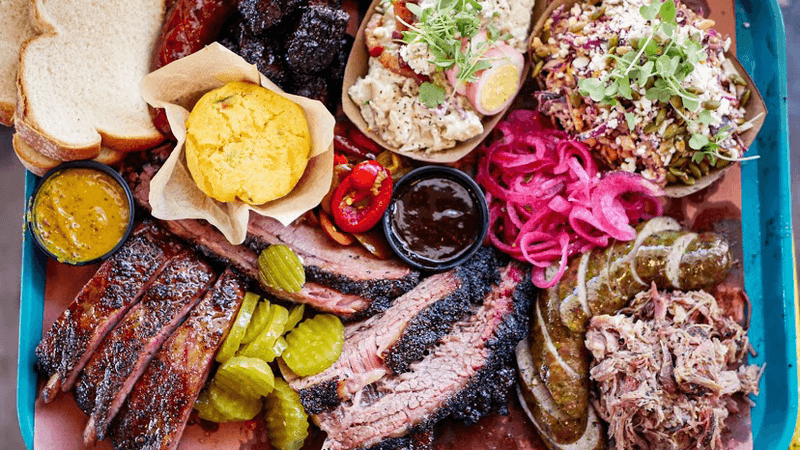
A common trap at barbecue restaurants is ordering sides as an afterthought, only to find them bland or forgettable next to the main event.
Heritage Barbecue sidesteps that problem by treating its sides with the same level of care applied to the smoked meats.
The chili loaded with brisket is a standout, thick and deeply savory with chunks of smoked meat folded in.
The cheddar-jalapeno biscuits bring a buttery, slightly spicy richness that pairs naturally with the smokier flavors on the tray.
Brisket beans made with pit-smoked pinto beans and generous portions of brisket blur the line between side dish and main course.
Other options like creamy potato salad, esquites, mac and cheese, and Frito pie round out a menu that gives every guest something to look forward to beyond the meat.
Because the menu rotates and availability can change daily, not every side will be on offer at every visit. Arriving early improves the odds of finding the full range of options still available.
The sides at Heritage are worth planning around, not just picking up as an afterthought once the meat is already in hand.
MICHELIN Recognition Put The Little BBQ Joint On A Bigger Map
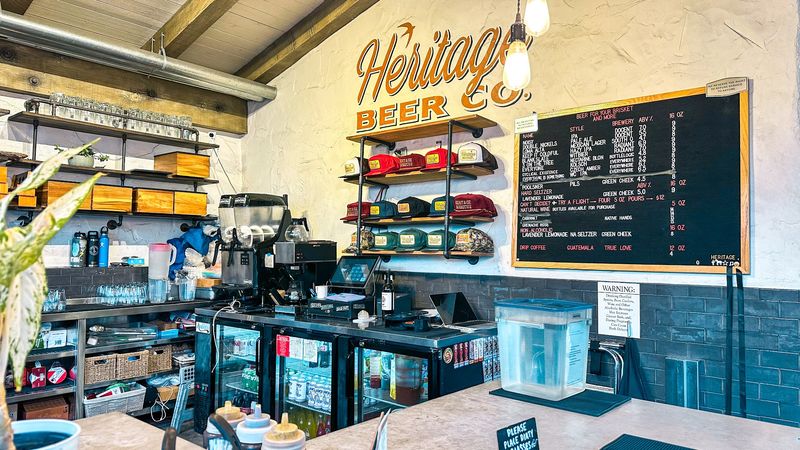
Earning a spot in the MICHELIN Guide is not something most casual outdoor barbecue joints can claim, which is part of what makes Heritage Barbecue’s recognition so notable.
The restaurant holds a Bib Gourmand designation in the 2026 MICHELIN Guide, an award that specifically highlights places offering strong cooking at a comparatively accessible price point.
That distinction is separate from a Michelin Star and focuses squarely on value alongside quality.
The recognition brought Heritage to the attention of a much wider audience than its San Juan Capistrano address might otherwise reach.
Food enthusiasts who follow the MICHELIN Guide closely began adding it to their lists, and coverage from culinary media followed.
That visibility helped turn a well-regarded local spot into a genuine regional destination.
For guests unfamiliar with the Bib Gourmand category, the practical takeaway is straightforward: the guide is saying the food is genuinely good and the pricing is reasonable for what you get.
That combination is harder to find than it sounds, especially for smoked meats that require this level of time and skill to produce.
The Setting Feels Far More Casual Than The Reputation Suggests
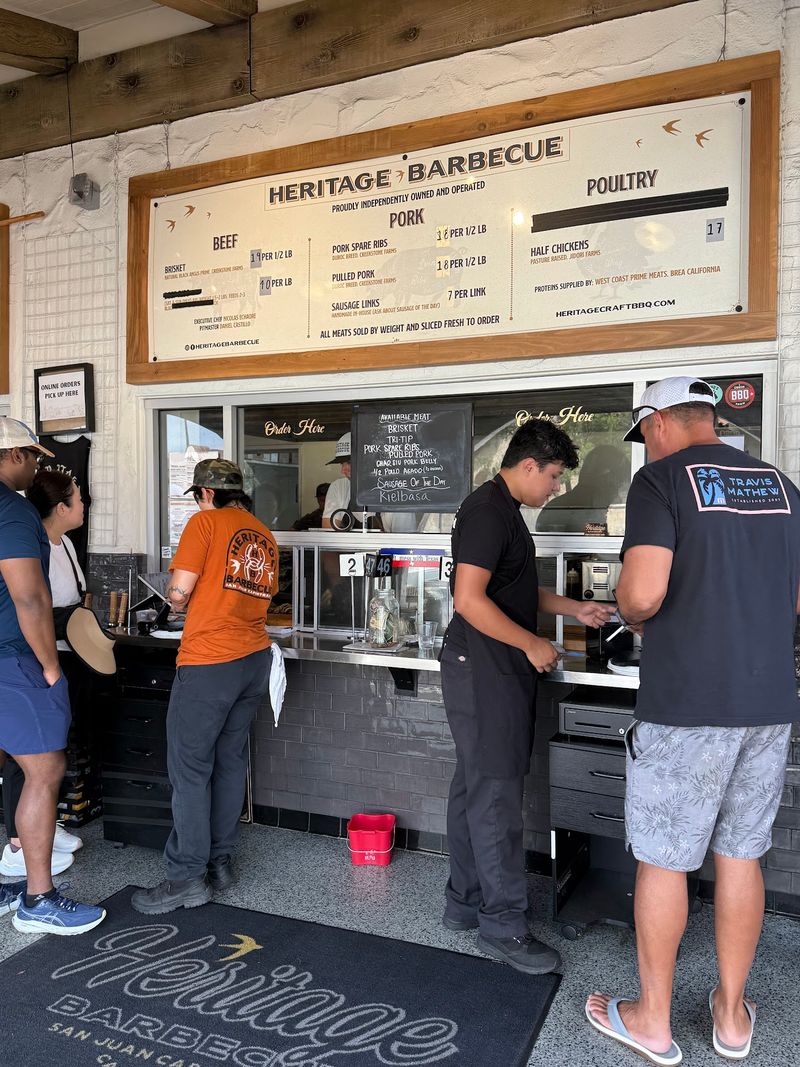
Walking up to Heritage Barbecue for the first time, it is easy to wonder if the address is correct.
The setup is unpretentious: outdoor picnic tables, butcher paper on the surfaces, a counter-service ordering window, and open-air seating that spills into the historic downtown streetscape.
There is no formal dining room, no tablecloths, and no elaborate decor competing for attention.
The restaurant is located at 31721 Camino Capistrano, San Juan Capistrano, CA 92675, directly across from the Mission San Juan Capistrano, one of California’s most recognized historic landmarks.
That location gives the outdoor dining area a backdrop that feels genuinely special without any effort on the restaurant’s part.
Guests eat under the open sky with a centuries-old mission visible just across the street.
A staff member typically helps seat guests and manages the flow of the outdoor space, keeping things organized without making the experience feel rigid or formal.
The noise level is lively but not overwhelming, with the sounds of conversation and the smell of smoke drifting through the seating area.
That combination of easygoing atmosphere and serious food is a big part of why Heritage feels like a place worth visiting more than once.