Why Retirees Are Quietly Moving To This Forgotten Pennsylvania Region
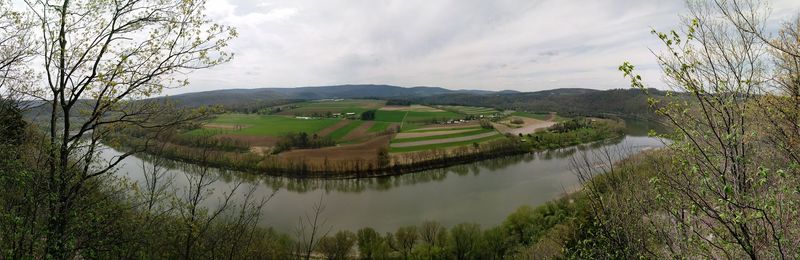
Picture a river town in Pennsylvania where the coffee costs less, the traffic is light, and the mountains fill the view from the post office steps. It sounds a little too good, so it’s fair to be curious.
More retirees are settling into this quiet corner of the state, and the reasons are practical, not flashy. Here is a close look at what makes it work for the next chapter of life.
A River Borough in Wyoming County
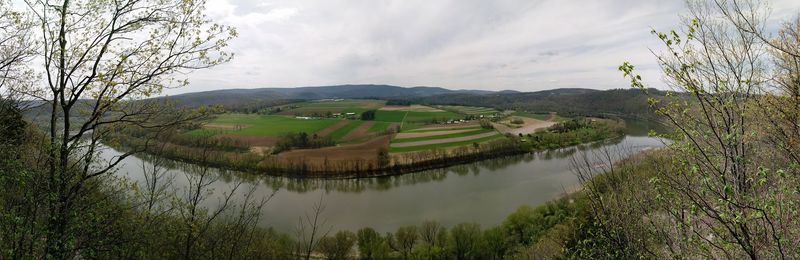
Tunkhannock sits along the Susquehanna River in northeastern Pennsylvania, and it serves as the borough and county seat of Wyoming County. The town lies about 31 miles northwest of Wilkes-Barre.
It falls within the Scranton, Wilkes-Barre and Hazleton metropolitan area, yet it feels far smaller than that label suggests.
Small is the right word here. The borough holds roughly 1,636 residents, which means the main street is walkable and familiar faces turn up at the grocery store.
For someone leaving a busy suburb, that scale can be a relief.
Picture the layout as a compact downtown ringed by farmland, forest, and water. Most daily errands sit within a short drive or stroll, and the surrounding township spreads the population out across rolling hills.
Retirement planners often search for places that balance calm with convenience, and the borough lands squarely in that middle ground. It isn’t remote, and it isn’t crowded.
The official website at tunkhannock.com offers a starting point for anyone curious about local news and events.
What follows is a section-by-section look at money, health, recreation, community, and the practical details of making a move. Each piece adds up to a clearer picture of daily life in this modest county seat.
Timber Roots and a Working-River Past
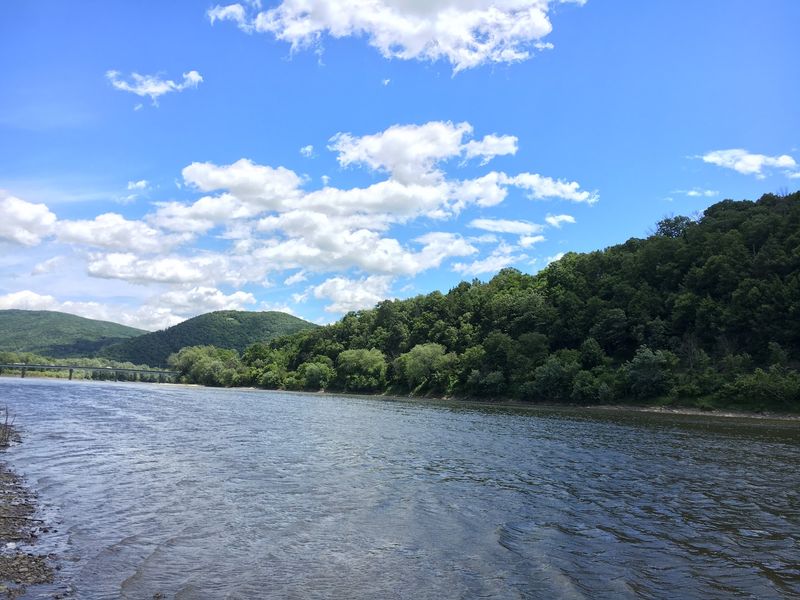
Long before anyone came here to slow down, the hills around Tunkhannock kept people busy. Lumbering was carried on extensively in the area, and the surrounding forests shaped the early economy of the borough.
Think about what that means today. Timber towns grew up near water, because rivers moved logs and goods, and the Susquehanna gave this community its reason to exist.
The downtown grid and the riverside setting both trace back to that working past.
Why should a retiree care about old lumber history? Because it explains the character of the place.
Towns built on hard work tend to keep a practical, unpretentious feel, and Tunkhannock carries that forward in its modest storefronts and plainspoken rhythm.
The forests that once fed sawmills have grown back into scenic backdrops for walking and driving. Where crews once hauled timber, you can now find trails, parks, and quiet roads lined with hardwoods that blaze with color every autumn.
History here is less about grand monuments and more about continuity. The river still runs past, the hills still frame the sky, and the county seat still anchors the region.
That steady sense of place gives newcomers something solid to settle into, rather than a town reinventing itself every few years.
Stretching a Retirement Budget Further
Money talks loudest when income becomes fixed. In Tunkhannock, overall living expenses run about 4% below the U.S. national average and about 13% below the Pennsylvania state average, figures drawn from cost-of-living data.
Groceries help the math. Food costs come in roughly 22% under the national average, which adds up quickly across a year of weekly shopping trips.
Healthcare, another big line item for older adults, runs about 25% below the national figure.
Contrast that with a pricier metro, where the same pension might cover rent and little else. Here, the savings can free up room for travel, hobbies, or simply a larger cushion for surprises.
Housing brings the most dramatic gap, which gets its own section next. Still, the everyday savings on food, care, and routine bills often matter just as much, because they repeat every single month.
None of this makes the borough a bargain bin. Utilities, taxes, and personal spending habits vary, and any household should run its own numbers before packing boxes.
The overall pattern, though, points toward a place where a steady retirement income can cover more ground than it would in many other parts of the country.
Homes Priced Below the Pennsylvania Median
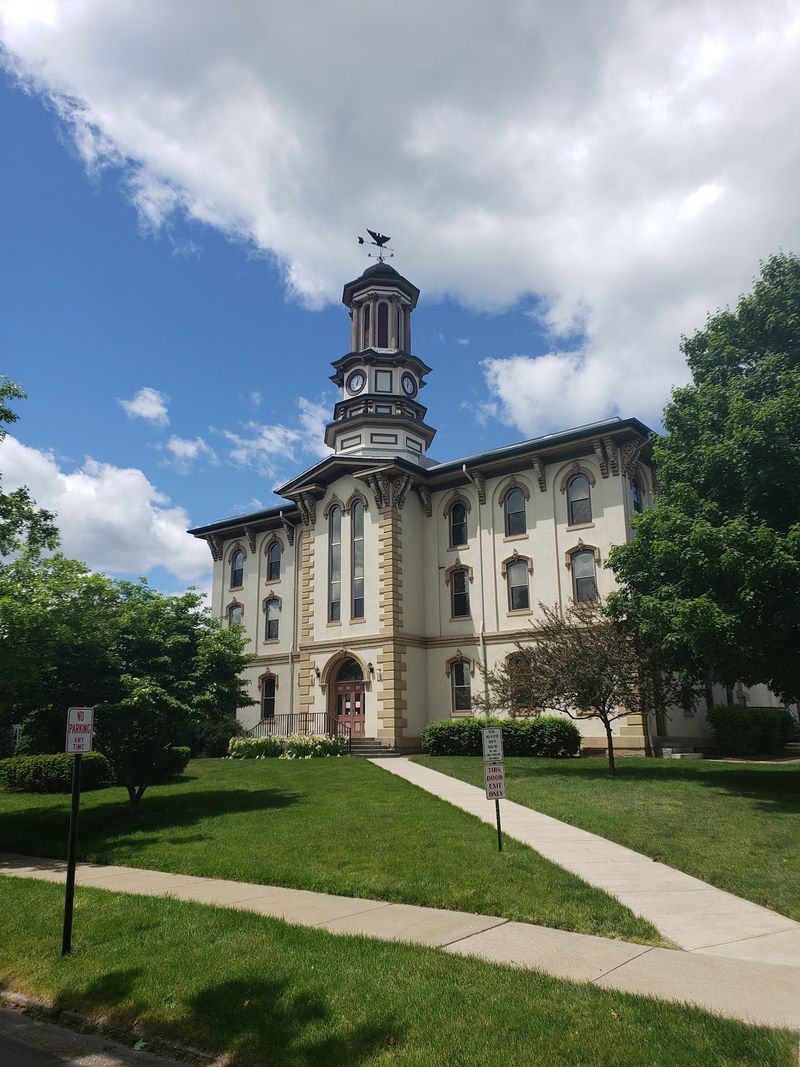
Front porches, mature maples, and yards big enough for tomato plants. That describes plenty of houses around the borough, and the prices tend to surprise people coming from larger markets.
Housing costs sit an estimated 44% below the national average. The median home value landed near $246,000 in May 2026 and about $251,130 in August 2026, according to real estate data.
By comparison, the Pennsylvania median sits near $290,401, and the national median reaches roughly $368,697.
Renting works too. Average rent came to about $1,399 per month as of September 2026, which is around 26% under the national average.
For retirees testing the waters before buying, a lease can be a smart first step.
Would downsizing here unlock equity from a pricier home elsewhere? For many households, the answer could be yes, since selling in a high-cost area and buying near this median may leave money in the bank.
Inventory shifts with the seasons and the market, so browsing listings over several months gives a better sense of what is available. Older homes may need updates, while newer builds in the township offer a different trade-off between charm and maintenance.
Riverside Park and the Iroquois Trail
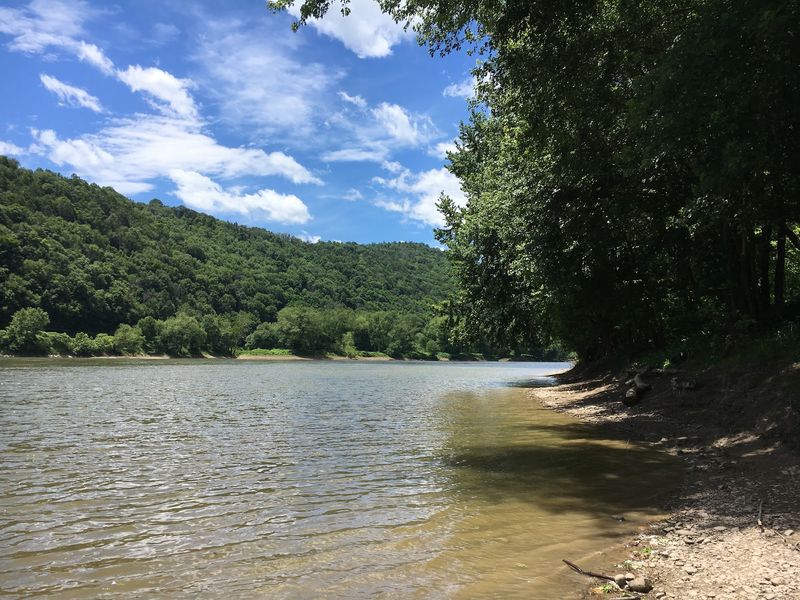
Morning fog lifts off the Susquehanna, and a paved path comes into focus along the water. Riverside Park and the Iroquois Trail sit right in town, giving residents easy places to walk, bike, and spread out a picnic blanket.
Accessibility matters for aging knees. These spots don’t require long drives or steep climbs, which makes a daily loop realistic rather than a weekend ambition.
A short stroll before breakfast can become a habit without much planning.
Have you ever lived somewhere that forced you into the car just to see a tree? Here, green space starts at the edge of downtown.
Benches, open lawns, and river views turn exercise into something pleasant.
Bicycles fit naturally into the routine as well. Flat stretches near the water suit casual riders, and the trail system connects outdoor time with the rest of town.
Picnics along the river make for easy gatherings with grandchildren or new neighbors. Pack sandwiches, find some shade, and watch the current drift by.
It’s a simple pleasure, but simple pleasures carry a lot of weight when the calendar finally opens up after decades of work schedules.
Lakes, Creeks, and a State Park Nearby
A kayak slides off a dock, and the only sound is water dripping from the paddle. Lake Carey, just beyond the borough, offers swimming, kayaking, and fishing for anyone who enjoys time on the water.
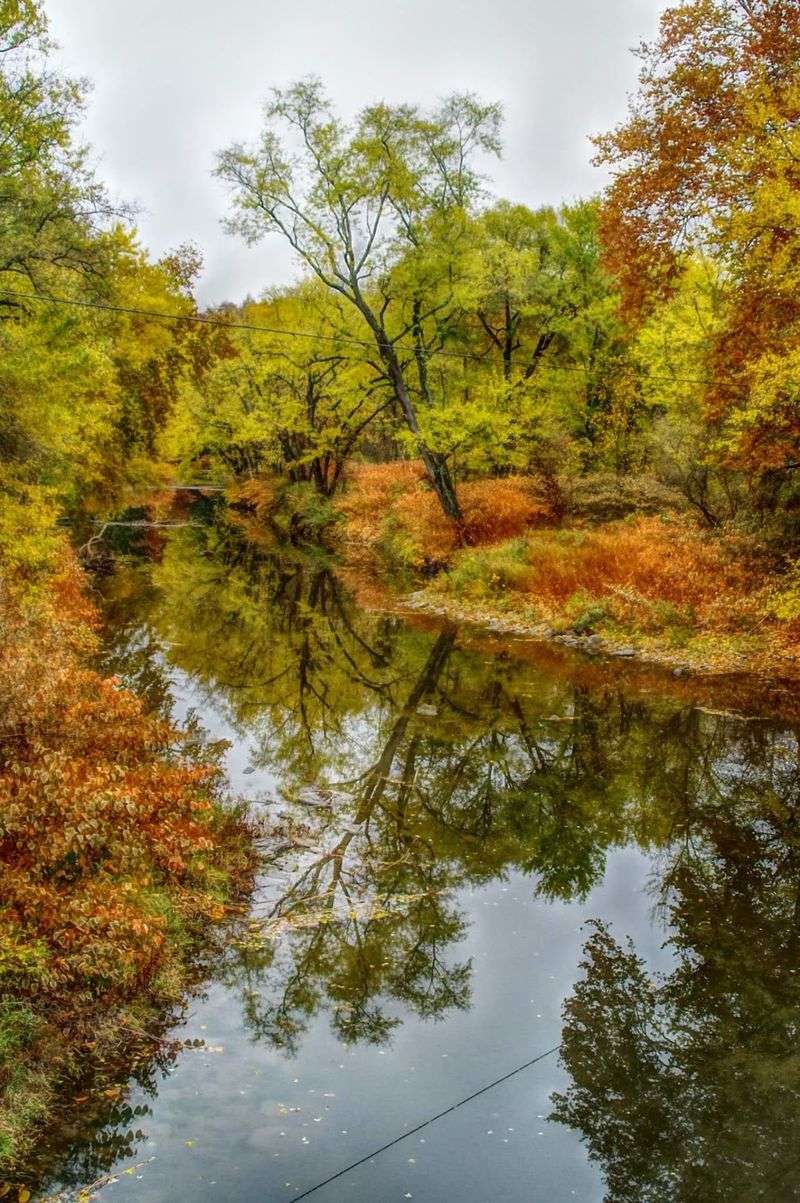
Lazybrook Park adds another option. Its walking and biking trail winds through a creekside setting, and the route becomes especially pretty in fall when the leaves turn.
The pace there suits unhurried afternoons.
Vosburg Neck State Park sits nearby and expands the choices for outdoor recreation. Between the lake, the creek trail, and the state park, a retiree could rotate destinations all week without repeating a view.
You don’t need to be a serious athlete to enjoy any of this. Casting a line from shore, floating in a calm cove, or strolling under autumn color all count.
The point is getting outside regularly, and the landscape makes that easy.
Fishing fans will appreciate having water close at hand, while photographers can chase morning light across the lake. Birdwatchers, painters, and anyone who simply likes fresh air will find plenty to fill slow mornings.
Few towns this size offer such a range of natural settings within a short drive.
Flower Fields, Fairways, and Holiday Lights

Rows of blooms stretch toward the hills at Brown Hill Farms, where seasonal events and vibrant flower fields draw a steady stream of people. It’s the kind of outing that works for a quiet morning alone or a day with visiting grandkids.
Golf enters the picture at Stone Hedge Golf Course, a scenic spot with rolling terrain. The course also hosts the annual Festival of Lights, turning winter evenings into something bright and cheerful.
Here’s a fun contrast: the same grounds that host summer tee times glow with holiday displays when snow arrives. That kind of year-round use keeps the calendar interesting for residents who like having something to look forward to.
Agricultural outings bring another benefit. Farm events connect newcomers with the rural character of Wyoming County, offering fresh air and a reason to chat with neighbors while wandering the fields.
Seasonal rhythms shape life here in a pleasant way. Spring and summer bring blossoms and fairways, autumn brings color, and winter brings lights.
Retirees who enjoy marking time through outdoor traditions will find a natural calendar built into the landscape, no elaborate planning required.
Warm Summers, Snowy Winters
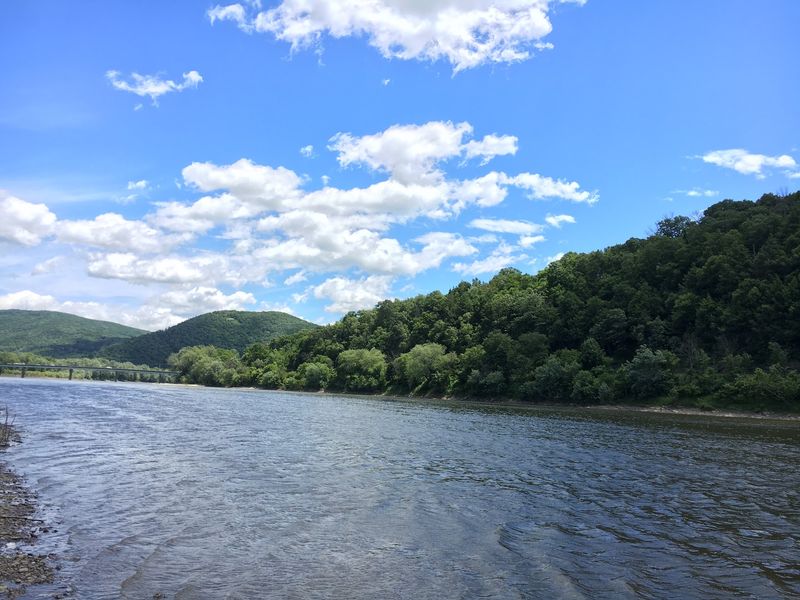
Did you know July highs here average about 81 degrees? That makes summer pleasant rather than punishing, with warm days suited to walks, gardening, and time on the lake.
Winter tells a different story. January lows average around 21 degrees, and snow is part of the deal.
Anyone moving from the Sun Belt should plan for shovels, good boots, and a reliable vehicle.
The prime stretch for warm-weather activities runs from mid-June to mid-September, based on climate data. Those months fill up with paddling, picnics, and farm outings, while spring and fall offer mild, colorful transitions.
Four distinct seasons appeal to plenty of people, especially those who grew up in the Northeast and missed the change of scenery. Crisp autumn air and fresh spring greenery bring variety that a single-season climate can’t match.
For retirees who dislike cold, one option is splitting the year, spending the coldest weeks elsewhere and returning for the long green season. Others lean into winter, enjoying cozy evenings and holiday lights.
Either way, knowing the weather pattern ahead of time helps set realistic expectations before signing a lease or mortgage.
Medical Care Close to Home
Contrast a long drive to a city hospital with a clinic just minutes away. Geisinger Tunkhannock operates a multispecialty clinic offering primary care, women’s health, cardiology, and other specialties, plus a pharmacy, lab, imaging, and urgent care.
Guthrie Tunkhannock adds another option. It provides primary care, cardiology, gynecology, obstetrics, and diagnostic imaging, including bone density tests, which matter for many older adults.
Having two health systems in a borough this small gives residents choices. You can compare providers, find a doctor who fits, and handle routine screenings without crossing county lines.
For longer-term needs, Tunkhannock Rehabilitation and Health Care Center offers skilled nursing and rehabilitation in a homelike setting. Its team of physicians, nurses, and therapists works alongside on-site lab and X-ray services, daily pharmacy delivery, and van service for appointments.
Embassy of Tunkhannock runs a 124-bed skilled nursing facility with short- and long-term services, including stroke rehabilitation, cardiac care programs, and respite care. The Wyoming County Healthcare Center also partners with independent organizations to widen local access.
Taken together, the options cover everyday checkups through recovery and extended care.
Where Seniors Find Their People
Picture a library table crowded with paperbacks and coffee mugs on a Tuesday afternoon. The Tunkhannock Public Library runs programs tailored to seniors, including book clubs and educational workshops.
Roughly 23.5% of the borough’s residents are 65 or older, so newcomers in that age group won’t feel out of place. The surrounding township counts 1,619 seniors among its adult population.
Support extends beyond the library. The Wyoming County Area Agency on Aging offers resources for health services, recreation, and transportation, helping older adults stay active and connected.
You’ll also find the Wyoming County Senior Citizens Center right in town. It provides a range of activities in a supportive setting, from social gatherings to organized programs, giving new arrivals an easy way to meet neighbors.
Loneliness can creep in after a move, especially when old friends live hours away. Places like these soften that transition.
Joining a club or dropping into an activity can turn a stranger into a familiar face within weeks, and familiar faces are what make a small town feel like home. The borough also ranks 77th among more than a thousand places to retire in Pennsylvania.
Active 55+ Living and Assisted Options
Golf in the morning, a swim after lunch, and a scheduled activity before dinner. That routine describes The Greens at Shadowbrook Resort, an active 55+ community offering golf memberships, a fitness center, a swimming pool, and daily programming.
Some retirees want independence with built-in amenities. A community like this delivers both, letting residents keep their own homes while enjoying ready-made social opportunities.
Needs change over time, though. Tunkhannock Manor offers assisted living with a library, walking paths, varied activities, and transportation, providing extra help while keeping daily life engaging.
How do you choose between them? It often comes down to health, budget, and how much structure feels right.
Touring both types of settings helps clarify priorities before making a commitment.
Having these choices in one area means a person can age in place within the same region. Moving from an active community to assisted living later doesn’t require relocating to another county or leaving established friendships behind.
That continuity carries real value, since the doctors, shops, and routines stay the same even as care needs shift. Families living elsewhere may appreciate that stability as well.
Safety, Scranton, and Getting Around
Crime data paints a mixed but mostly reassuring picture. Tunkhannock carries an overall A-minus safety grade, ranks in the 80th percentile for safety nationally, and posts an overall rate of 15.30 incidents per 1,000 residents.
Some sources place the borough’s rate above many Pennsylvania towns of similar size, while others show it running 28% below the state average. The projected cost of crime per resident for 2025 sits at $230, under both national and state figures.
Wondering about bigger-city errands? Scranton and Binghamton are within driving distance, offering broader shopping, airport service, and cultural events whenever the quiet life calls for a change of pace.
A car remains the practical way to get around. Public transit options are limited in rural areas, though the county aging agency and some senior living communities provide transportation help for appointments and outings.
That balance of small-town calm and regional access appeals to many retirees. You can spend weekdays enjoying local parks and clinics, then head to a larger city for a concert or flight.
Wilkes-Barre also sits about 31 miles to the southeast for additional shopping and services.
A Quiet Case for Pennsylvania’s River Town
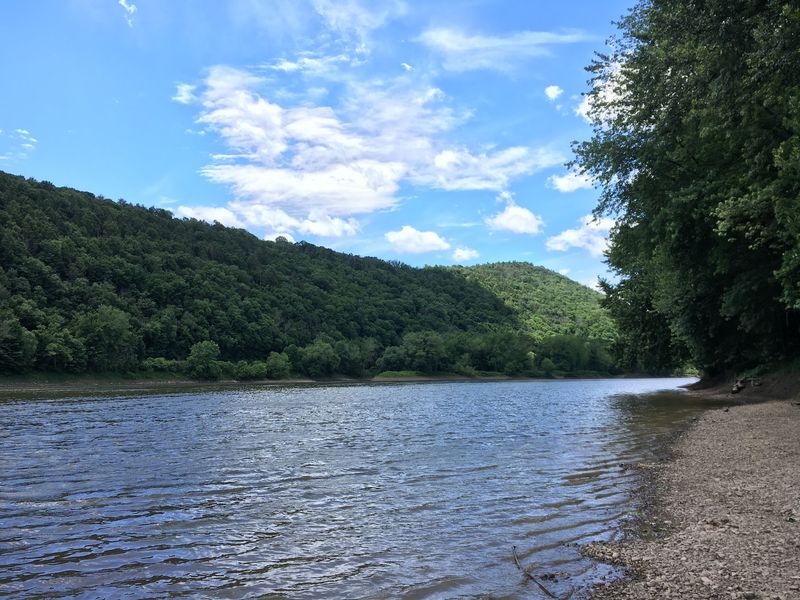
Sunset over the Susquehanna has a way of settling big decisions. After weighing costs, care, and community, Tunkhannock makes a steady, sensible argument for retirement.
Lower housing and living expenses give a fixed income more breathing room. Two health systems, skilled nursing centers, and senior services cover a wide span of needs.
Parks, lakes, and farm events fill the calendar without much effort.
It won’t suit everyone. Snowy winters, a car-dependent layout, and a small-town pace may feel limiting for people who crave nightlife or year-round warmth, and that honesty belongs in any move.
For others, those same traits are the appeal. Knowing your pharmacist, walking a river trail most mornings, and paying less for a comfortable home can add up to a satisfying daily life.
Curious readers can start with the borough website at tunkhannock.com, then plan a few visits across different seasons. Spend a summer weekend on Lake Carey, return for autumn color at Lazybrook Park, and come back when the Festival of Lights glows.
Seeing the town in more than one season is the best way to judge whether this quiet county seat fits the next chapter.