Why The Best Bites In Napa Valley, California Are Found Inside Its Wine Taverns
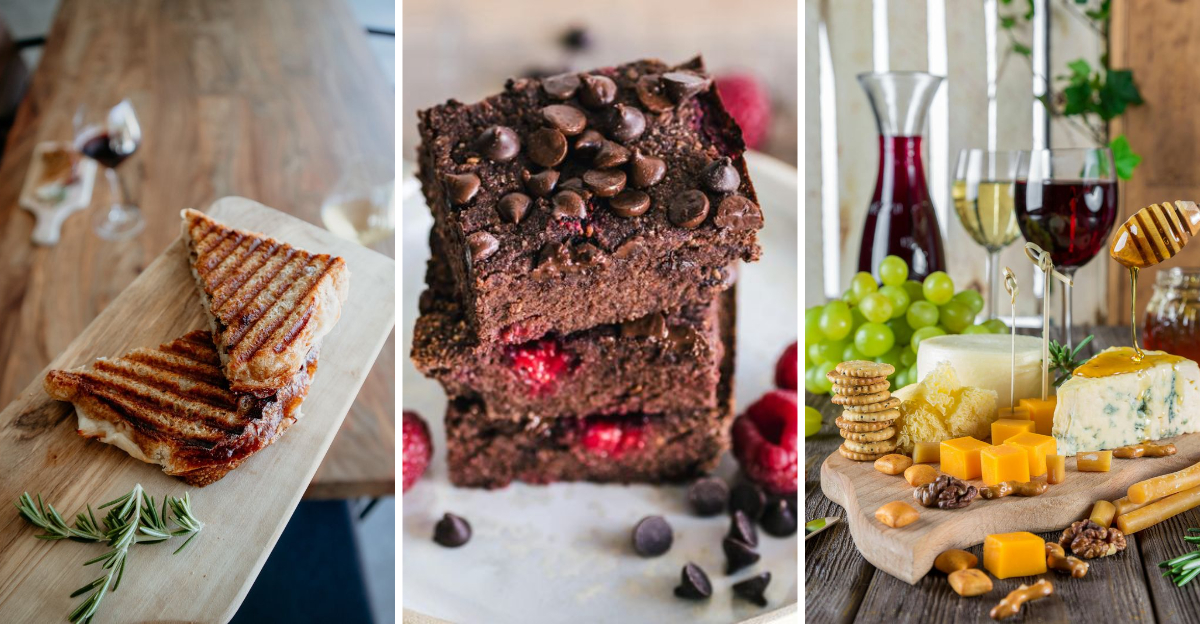
Napa Valley may be famous for its rolling vineyards and world-class wines, but the real surprise is happening beyond the tasting rooms.
Tucked inside cozy wine taverns across the valley, chefs and winemakers are quietly redefining what Napa dining looks and tastes like.
These intimate spaces blend expertly crafted wines with thoughtfully prepared food designed to enhance every sip, not compete with it.
This isn’t fine dining built on formality – it’s flavor-forward cooking rooted in comfort, creativity, and connection.
Wine taverns are where Napa loosens its tie, invites you to sit longer, and lets the food do the talking.
Here, menus change with the seasons, ingredients come straight from nearby farms, and dishes feel both elevated and approachable.
It’s the kind of dining that turns a casual glass of wine into a full experience worth lingering over.
These taverns prove Napa’s best bites aren’t always found in white-tablecloth restaurants.
If you think Napa is only about wine, these taverns are about to change your entire perspective.
Once you discover what’s happening inside these kitchens, vineyard views become just the bonus.
This is where Napa’s food scene truly comes alive.
Wood-Fired Cooking Adds Smoky Depth To Dishes
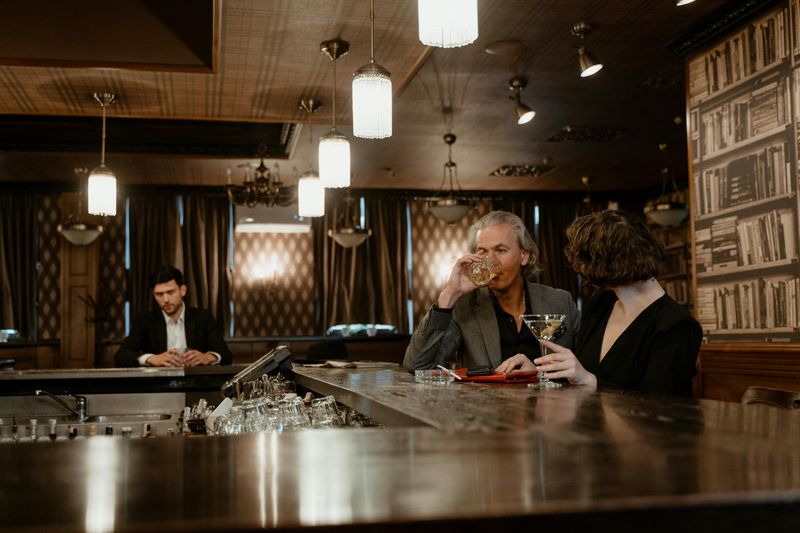
The crackle of wood-fired ovens creates an atmosphere that feels both ancient and exciting in Napa’s wine taverns.
This traditional cooking method does more than just heat food – it adds layers of complex smoky flavor that complement bold red wines beautifully.
Pizzas emerge with blistered crusts and charred edges, while roasted vegetables develop caramelized sweetness with a hint of smoke.
Proteins like chicken and lamb gain depth from the wood fire that regular ovens simply cannot replicate.
The high heat of wood-fired cooking also creates textural contrasts diners love – crispy exteriors protecting juicy, tender interiors.
Many taverns use oak or fruitwood that adds subtle flavor notes matching the wine barrel aging processes nearby.
Watching flames dance behind glass oven doors adds theater to the dining experience, making meals feel more connected to elemental cooking traditions.
The result is food that tastes alive, with flavors that develop and change with each bite, just like a good wine evolves in the glass.
Vegetable-Forward Dishes Celebrate Mediterranean Climate
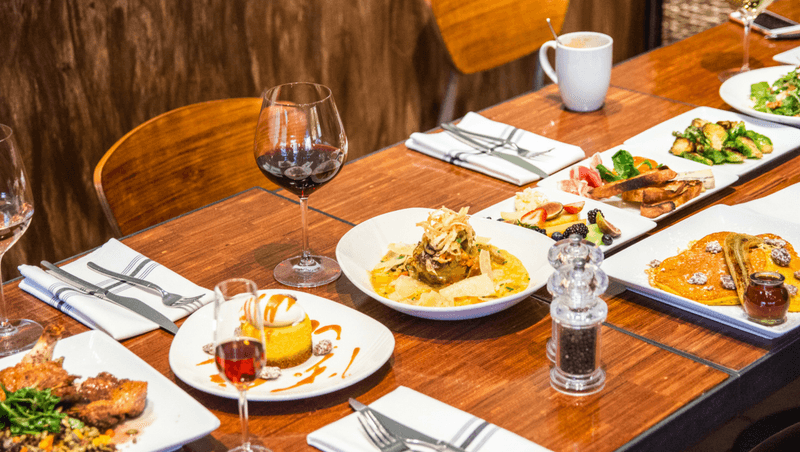
Napa’s sunny, mild climate grows vegetables so flavorful they deserve to be the star of the plate, not just a side thought.
Wine taverns have embraced this abundance by creating vegetable-forward dishes that showcase produce at its absolute best.
Cauliflower might be roasted whole and served as a steak, seasoned with herbs and drizzled with tahini.
Heirloom tomatoes arrive in rainbow colors, sliced thick and layered with fresh mozzarella and basil.
These dishes prove that plant-based eating doesn’t mean sacrificing flavor or satisfaction.
The Mediterranean climate allows for year-round growing seasons, meaning taverns can feature different vegetables each month.
Spring brings tender asparagus and snap peas, while summer explodes with zucchini, eggplant, and peppers.
Fall and winter offer heartier options like Brussels sprouts and winter squash.
These vegetable dishes pair exceptionally well with lighter white wines and crisp rosés, offering balance and refreshment.
Many diners discover that vegetables prepared with this much care and creativity can be just as exciting as any meat dish.
Late-Night Dining Options Keep The Experience Going
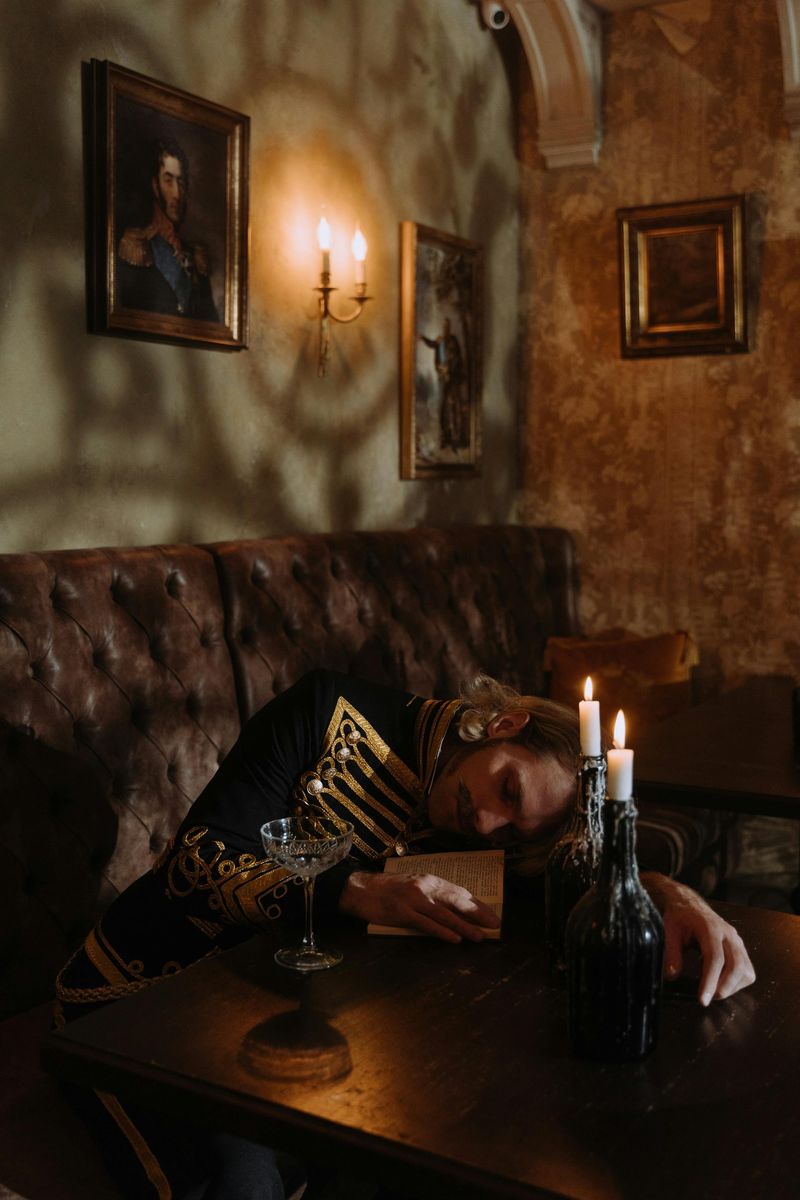
Not every perfect evening ends at nine o’clock, which is why some Napa wine taverns extend their hours for night owls.
The Fink in downtown Napa serves bar bites and creative mocktails until midnight on weekends, located at 530 Main St, Napa, CA 94559.
This spot offers a more relaxed, casual vibe than formal dinner service, with small plates designed for sharing and snacking.
Late-night menus often feature items like sliders, flatbreads, and charcuterie boards – foods that pair well with conversation and don’t require full commitment.
The atmosphere shifts as evening deepens, with lighting dimming and music creating a more intimate mood.
These later hours attract a different crowd, including locals finishing their own work shifts and visitors wanting to extend their Napa experience.
Having options beyond the typical dinner window means spontaneity becomes possible – stopping in for a glass and a bite after a concert or just because the night feels too good to end.
It transforms wine taverns from destination restaurants into neighborhood gathering spots where community happens naturally.
Unique Pairing Experiences Push Creative Boundaries
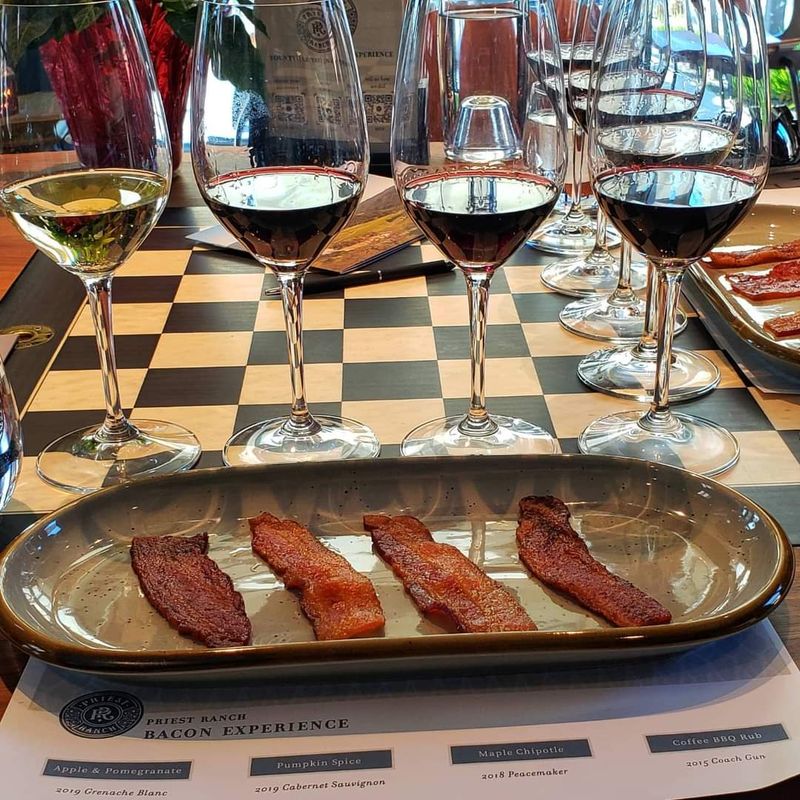
Who says wine only pairs with cheese and chocolate?
Napa wine taverns are getting adventurous with unexpected combinations.
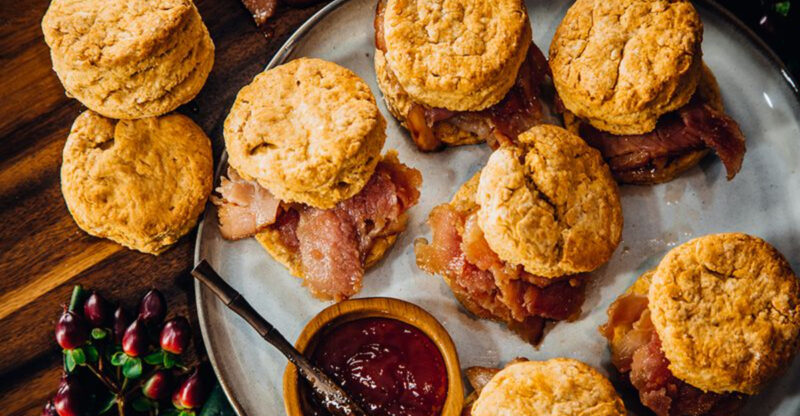
Priest Ranch Wines at 6490 Washington St, Yountville, CA 94599 offers a distinctive Bacon & Wine experience where guests sample four wines paired with four seasonal bacon flavors, proving that creativity has no limits when it comes to pairing.
This playful approach challenges traditional wine snob attitudes and opens doors to discovering flavor combinations that shouldn’t work but absolutely do.
The saltiness and smokiness of bacon can actually highlight fruity notes in wine while the fat content softens tannins.
Other taverns experiment with pairings like wine with spicy foods, pickled vegetables, or even popcorn seasoned in creative ways.
These experiences invite diners to think differently about what belongs with wine, expanding their palates beyond conventional wisdom.
The informal, experimental nature makes wine tasting feel less intimidating and more fun.
Visitors leave with stories to tell and newfound appreciation for how flexible and forgiving wine pairing can actually be when approached with curiosity rather than rigid rules.
Culinary Events And Classes Deepen The Connection
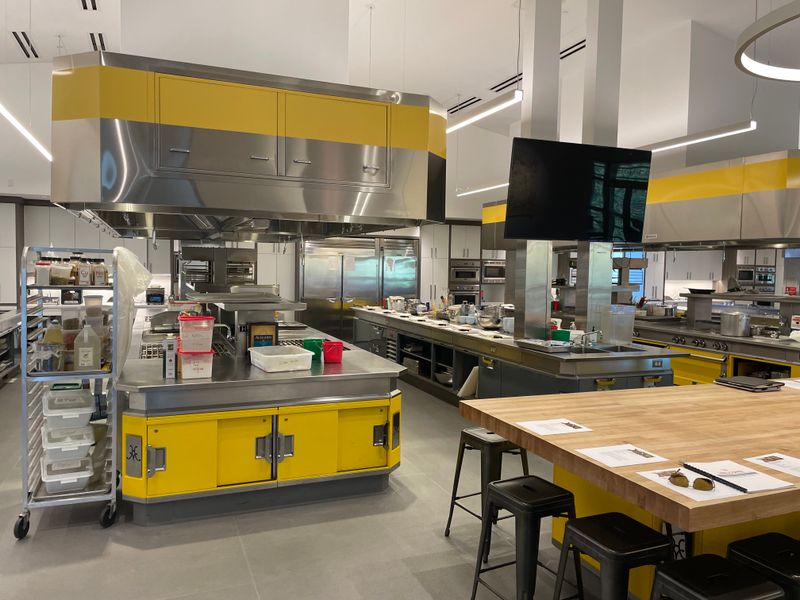
Learning by doing creates memories that last far longer than just eating a meal and moving on.
Many Napa wine taverns host special events like cheese-making classes where participants learn traditional techniques and then enjoy their creations paired with carefully selected wines.
These interactive experiences transform passive diners into active participants in their own culinary journey.
Getting hands messy while stretching mozzarella or learning why certain cultures produce specific flavors adds depth to future dining experiences.
Other events might include wine blending workshops, cooking demonstrations, or harvest dinners featuring ingredients at peak season.
These gatherings often attract a mix of visitors and locals, creating opportunities for conversation and connection over shared interests.
The educational component doesn’t feel stuffy or academic – it’s presented in accessible, fun ways that appeal to curious beginners and experienced food lovers alike.
Participants leave with new skills, recipe ideas, and a deeper appreciation for the craftsmanship behind both wine and food production in Napa Valley.
Dessert Pairings Create Sweet Finales Worth Savoring

Ending a meal at a Napa wine tavern means experiencing desserts specifically designed to harmonize with sweet wines and ports.
Pastry chefs collaborate directly with winemakers, tasting wines and adjusting recipes until they achieve perfect balance.
A late-harvest Riesling might accompany a tart featuring stone fruits, while a ruby port pairs with dark chocolate torte studded with cherries.
These aren’t accidental combinations – they’re carefully engineered flavor experiences that make both the wine and dessert taste better together than either would alone.
Seasonal ingredients keep dessert menus rotating throughout the year.
Summer brings berry galettes and peach cobblers, while autumn features apple tarts and pear crisps.
The sweetness levels are carefully calibrated so desserts don’t overpower the wines or vice versa.
Many taverns offer dessert flights, allowing diners to sample multiple pairings in smaller portions.
This approach turns the final course into an adventure, revealing how different flavor profiles interact and complement each other in surprising ways.
Innovative Menu Offerings Blend Regional Traditions
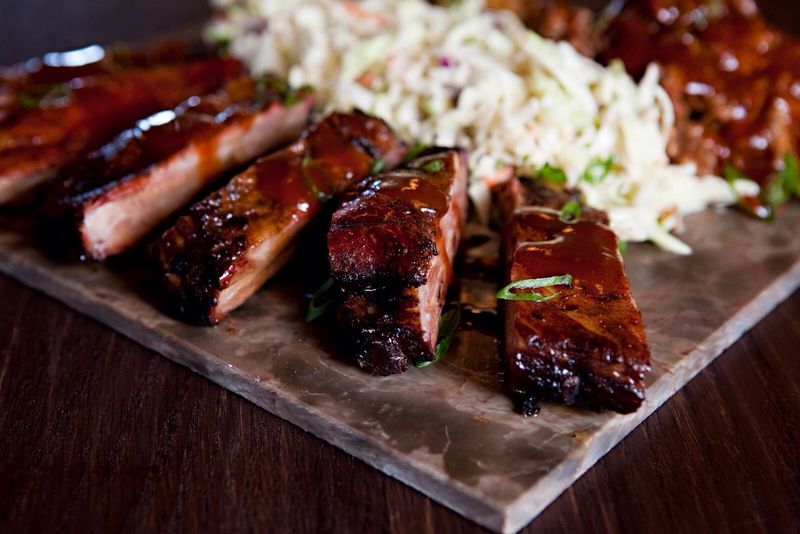
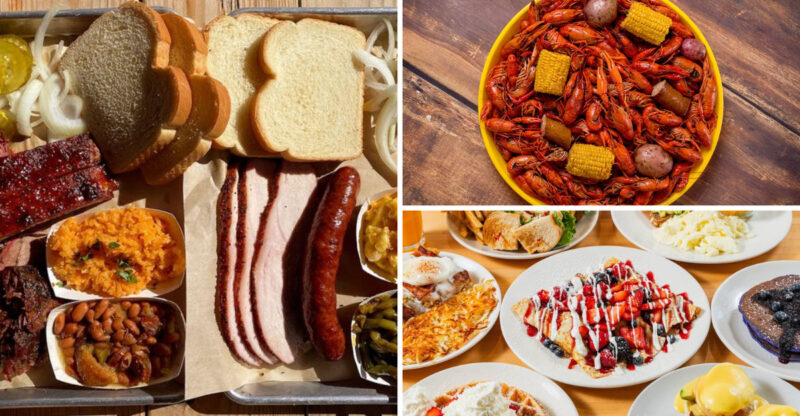
Barbecue and wine might seem like an odd couple, but Bounty Hunter Wine Bar & Smokin’ BBQ makes it work brilliantly.
Located at 975 First Street, Napa, CA 94559, this downtown tavern serves BH Beer Can Chicken, smoked brisket, and St. Louis Ribs alongside an impressive wine selection.
The combination challenges expectations about what wine culture looks like, proving that sophistication and comfort food can coexist happily on the same menu.
Smoky, rich barbecue actually pairs wonderfully with bold Zinfandels and Cabernet Sauvignons that can stand up to intense flavors.
This fusion approach reflects Napa’s evolving food scene, where tradition meets innovation without pretension.
The casual atmosphere welcomes families, couples, and groups of friends equally, removing any intimidation factor that sometimes surrounds wine country dining.
Menu creativity extends beyond just barbecue, with seasonal specials and unique appetizers keeping regulars coming back to try something new.
The willingness to break from expected wine country cuisine shows confidence and understanding that great food comes in many forms.
Scenic Dining Settings Enhance Every Bite
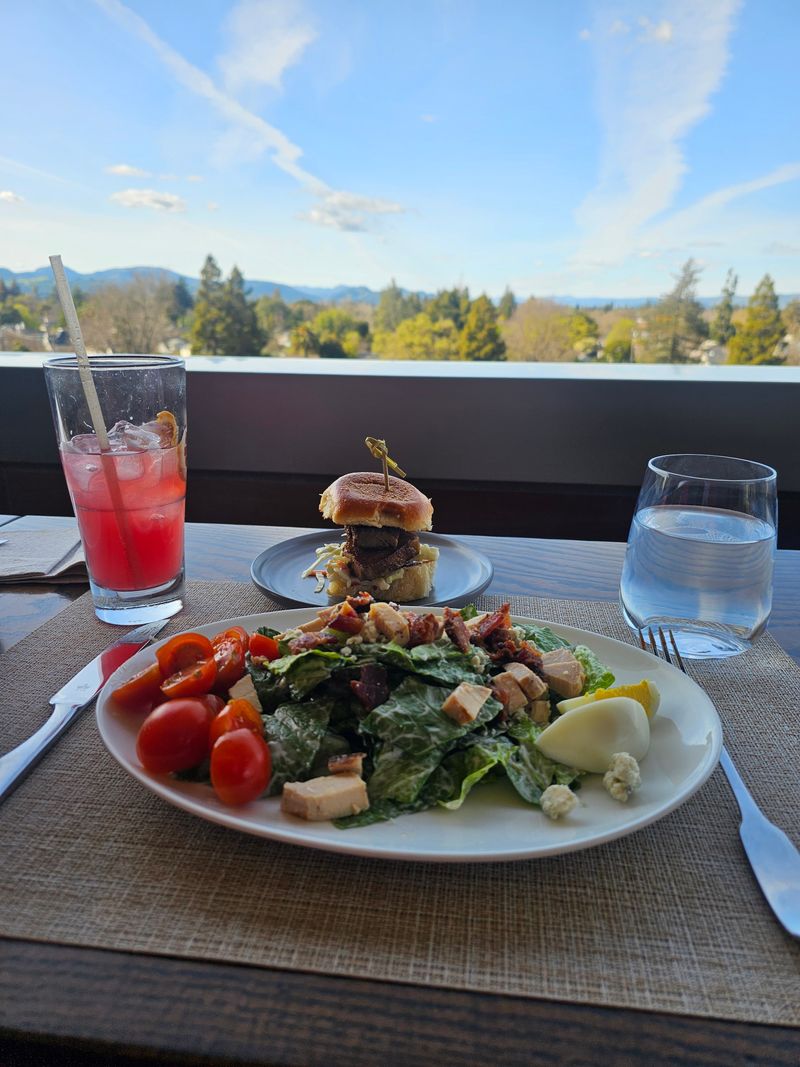
Sometimes where you eat matters just as much as what you eat, and Napa wine taverns understand this completely.
Sky & Vine Rooftop Bar at Archer Hotel offers vibrant rooftop dining with sweeping views of downtown Napa, located at 1260 1st St, Napa, CA 94559.
Dining above the streets creates a sense of occasion and celebration, with sunsets painting the sky in colors that rival the wines in your glass.
The open-air setting adds freshness to the experience, with breezes carrying hints of nearby vineyards and the hum of the town below providing a pleasant soundtrack.
Views aren’t just about pretty scenery – they change how food tastes by engaging multiple senses simultaneously.
Watching day transition to night while enjoying small plates and wine creates memories that last far beyond the meal itself.
These settings attract both special occasion celebrants and regular visitors seeking a moment of beauty with their dinner.
The elevated perspective offers a different relationship with Napa Valley, seeing it spread out below rather than moving through it at ground level.
Culinary Awards And Recognition Validate Quality
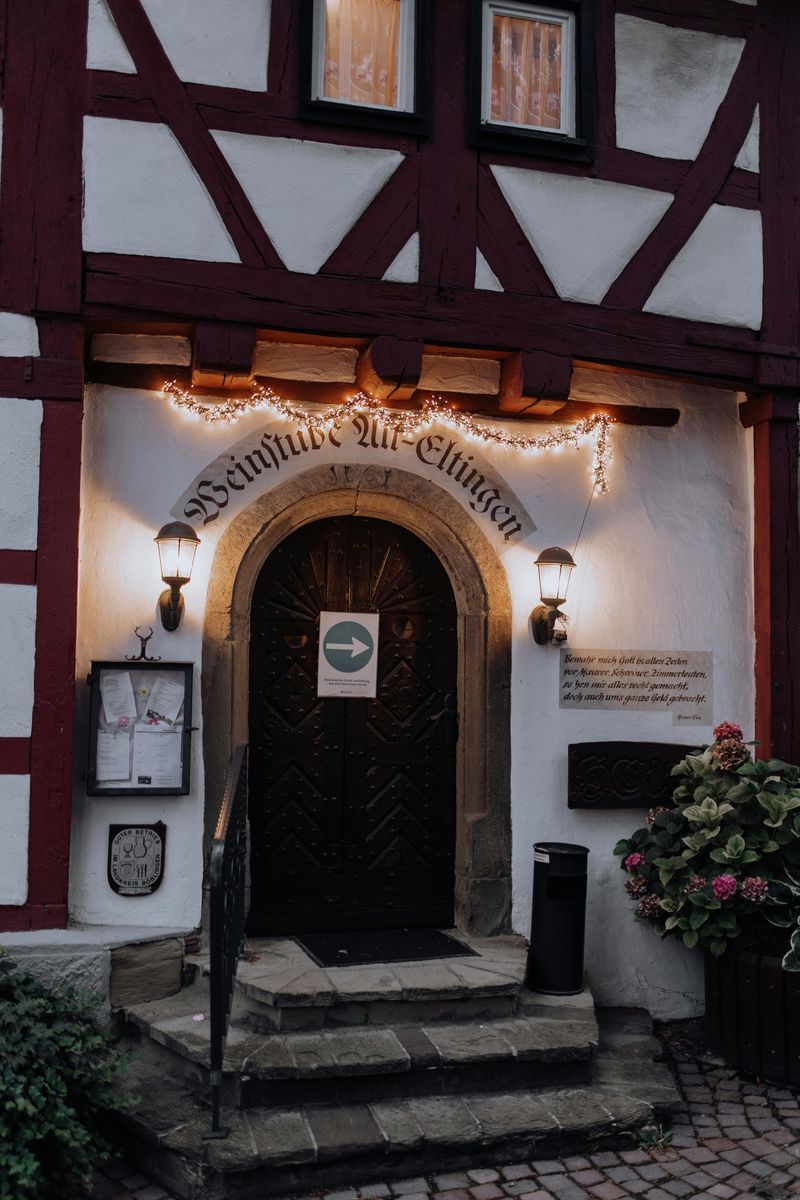
Recognition from local communities carries weight because it comes from people who eat at these places regularly, not just once.
Bounty Hunter Wine Bar & Smokin’ BBQ at 975 1st St, Napa, CA 94559 earned the title of Best Barbeque in the 2025 Best Of Napa Valley Awards.
This recognition reflects consistent quality and popularity among locals and visitors alike.
Awards like these aren’t purchased or self-proclaimed – they result from community voting and expert panels evaluating food, service, and overall experience.
This external validation helps visitors navigate the many dining options available, providing confidence that their meal will meet high standards.
While awards don’t guarantee every dish will be perfect for every palate, they do indicate reliability and commitment to excellence.
Restaurants that earn recognition tend to maintain standards because they know their reputation depends on consistency.
These accolades also motivate staff, creating pride in their work and encouraging continued innovation.
For travelers unfamiliar with the area, award-winning establishments offer a safe bet when deciding where to spend their dining dollars.
Diverse Culinary Influences Expand Flavor Horizons
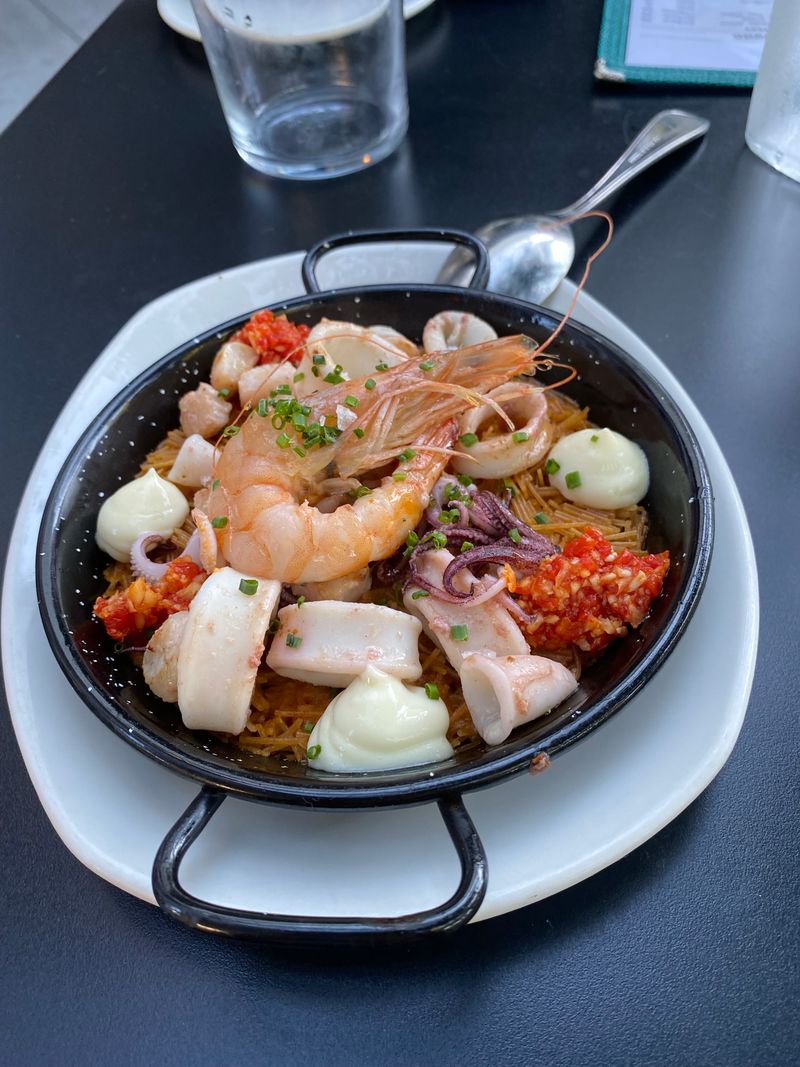
Napa Valley’s wine taverns don’t limit themselves to French or Italian influences – they embrace flavors from around the world.
La Taberna draws inspiration from pintxo bars of northern Spain, offering modern takes on classic Spanish tavern fare with Latin-infused flavors celebrating northern California’s natural bounty.
This global approach brings exciting variety to the wine country dining scene, introducing guests to flavor combinations they might not encounter elsewhere.
Spanish tapas culture, with its emphasis on small shared plates and social eating, fits perfectly with wine tavern dining styles.
The fusion of Mediterranean techniques with California ingredients creates something entirely new rather than simply copying European traditions.
Dishes might feature local Dungeness crab prepared with Spanish paprika, or heirloom beans cooked with chorizo from a nearby butcher.
This culinary cross-pollination keeps menus interesting and reflects the diverse backgrounds of chefs working in Napa Valley.
Diners benefit from this creativity, experiencing familiar wines in new contexts that reveal different flavor dimensions.
The willingness to look beyond traditional wine country cuisine shows maturity and confidence in the region’s culinary identity.
Artisanal Cheese Plates Showcase Local Dairy Craftsmanship
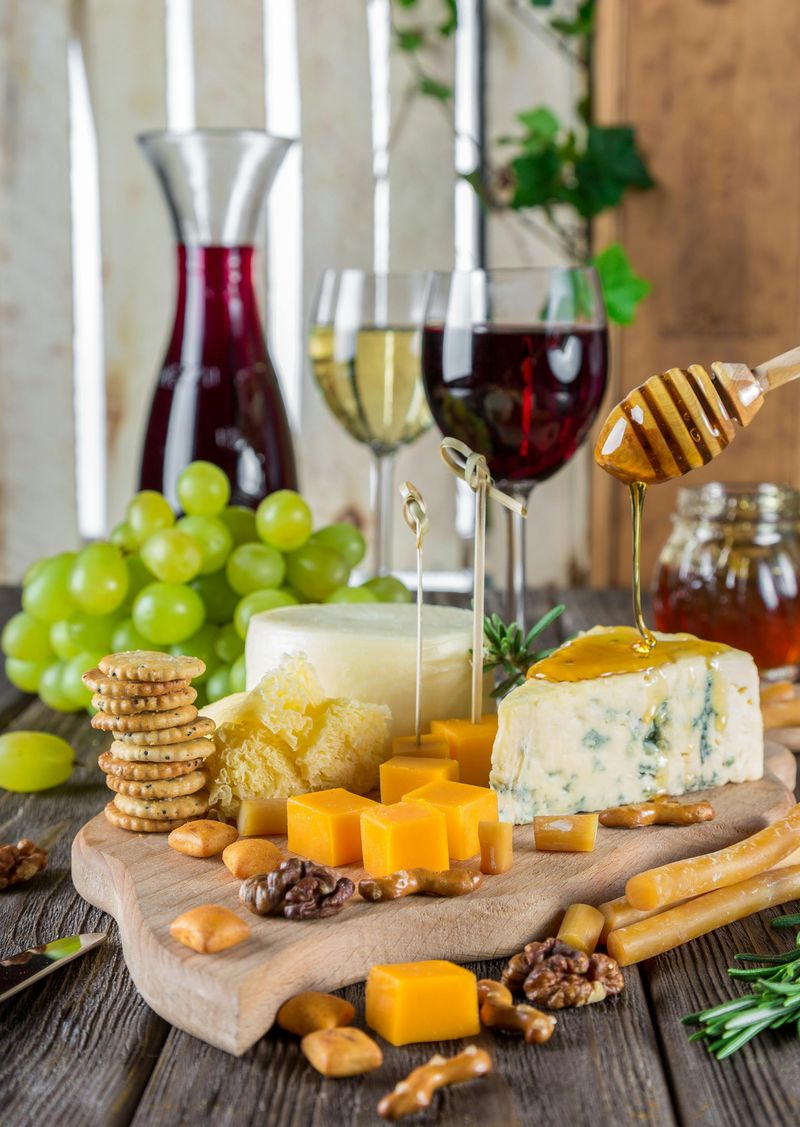
Cheese plates at Napa wine taverns aren’t random assortments – they’re carefully designed flavor journeys.
Sommeliers work closely with local cheesemakers to select varieties that highlight both the dairy traditions of the region and the specific wines being served.
A tangy goat cheese from a nearby farm might sit beside a creamy triple-cream brie, each chosen to bring out different notes in your glass.
These plates often feature cheeses produced within just a few miles, giving diners a true taste of Napa’s artisanal food scene beyond the vineyards.
What makes these cheese selections special is the storytelling behind them.
Staff can often share which farm produced each cheese and why it pairs perfectly with a particular Chardonnay or Pinot Noir.
The textures range from crumbly aged cheddars to soft spreadable cheeses, offering variety in every bite.
Paired with local honey, seasonal fruit, and house-made crackers, these plates become an experience rather than just an appetizer.
Farm-To-Table Freshness Defines Every Plate
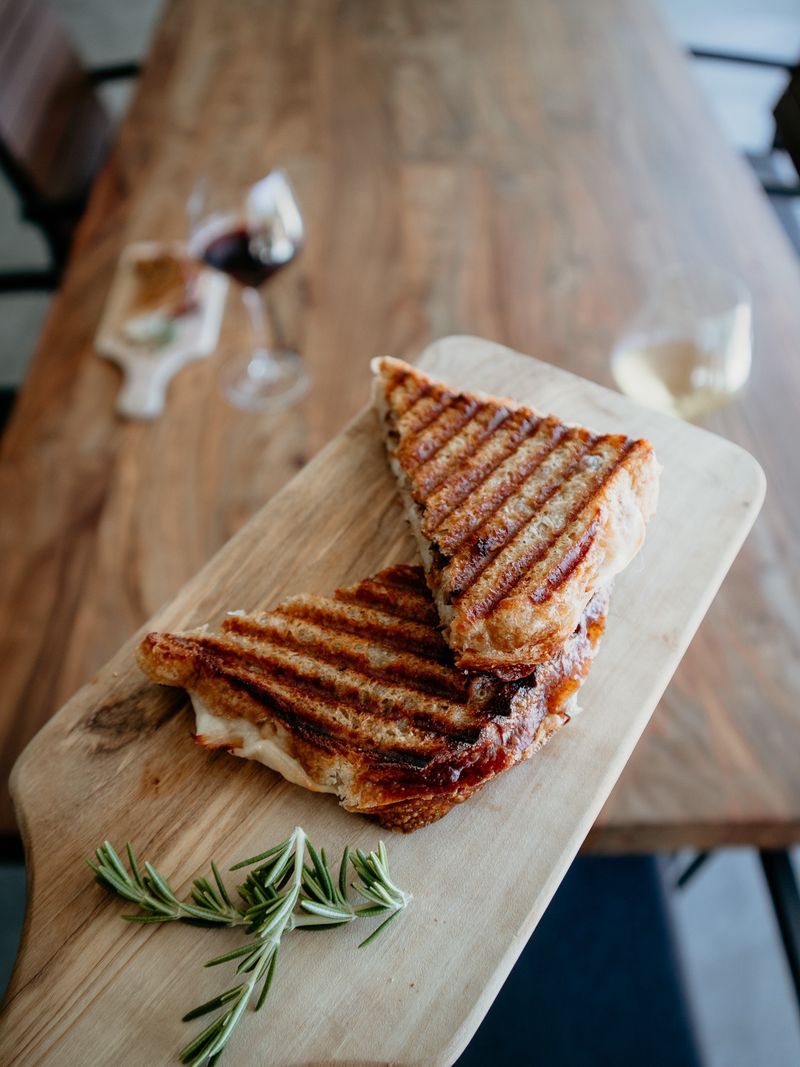
Walking into a Napa wine tavern means tasting ingredients picked that very morning from nearby farms.
Chefs don’t rely on shipped-in produce when they have access to some of California’s richest agricultural land right outside their doors.
Seasonal menus change based on what farmers bring in weekly, so summer might showcase heirloom tomatoes while autumn highlights butternut squash and root vegetables.
This approach keeps dishes exciting and unpredictable, rewarding repeat visitors with something new each time.
Local sourcing also means flavors are at their peak, with greens still crisp and berries bursting with sweetness.
The connection between farm and fork isn’t just a trendy phrase here – it’s how taverns operate daily.
Diners can taste the difference when arugula was harvested hours ago instead of days.
That commitment to freshness elevates simple dishes into memorable bites that pair beautifully with the wines poured alongside them.