Why Visitors Are Falling Hard For This Small Historic Town In Kentucky
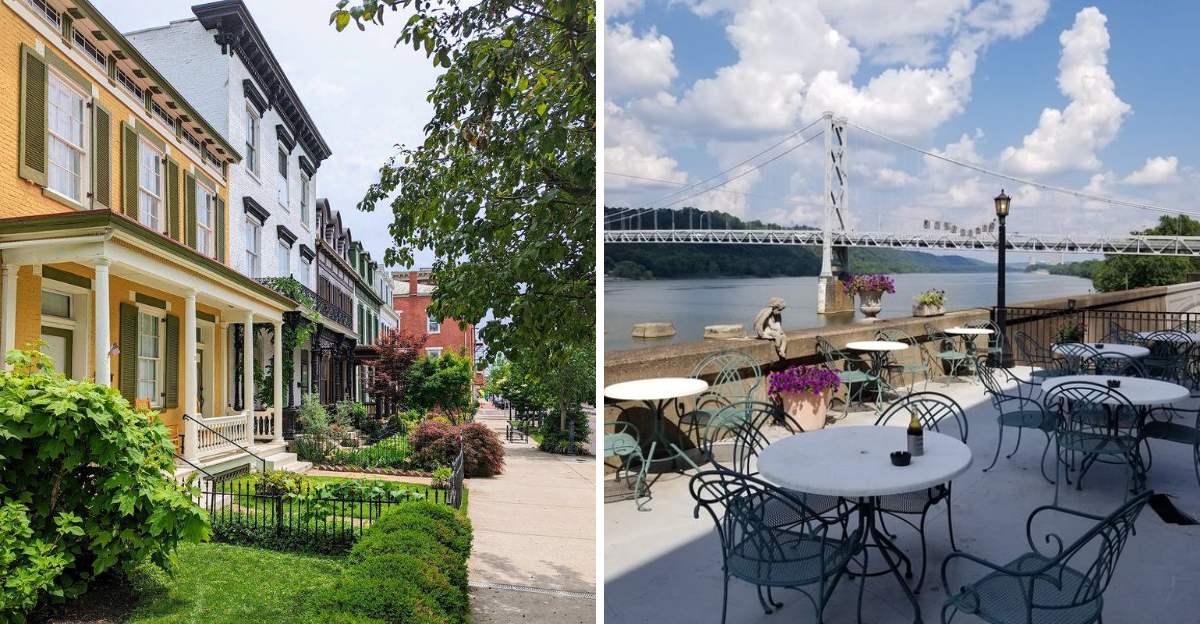
You know that feeling when a place is far more interesting than its size suggests? Kentucky has a river town like that.
It sits on a hillside above the Ohio, about eight thousand people strong. The floodwall downtown is painted with murals covering two centuries of local history.
There is a restored movie palace where a hometown girl premiered her first film. She went on to sing with Bing Crosby, which is a decent career arc for anyone.
The riverfront once handled tobacco, steamboats and people escaping north toward freedom. Some of those stories are heavy, and the town tells them anyway.
A few minutes away sits a preserved village older than Kentucky statehood itself. There is also a museum with a miniatures collection that will hold your attention much longer than you expect.
You came for the pretty river views. You will stay for everything else.
A Main Street That Looks Like A Movie Set
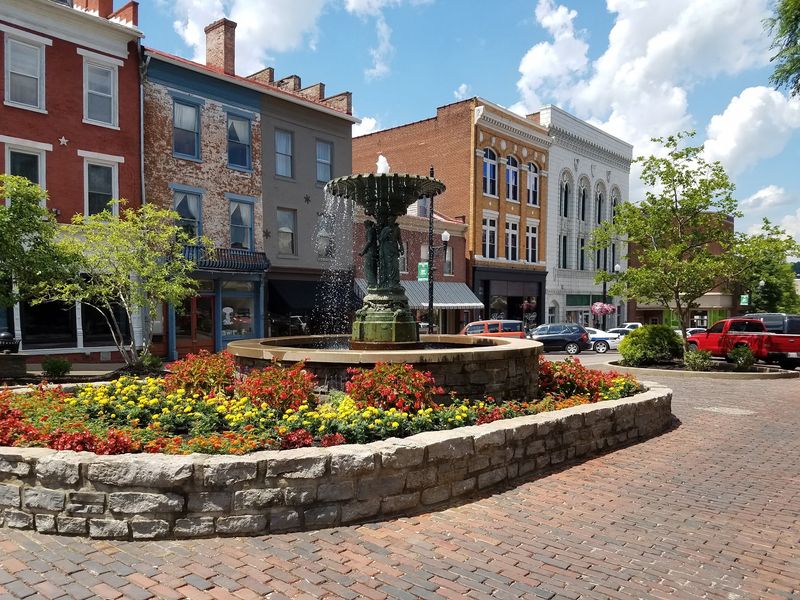
Maysville’s downtown stacks nineteenth-century brick storefronts along the Ohio River like a quiet stage set. Second Street and Market Street show cast-iron details, tall windows, and hand-painted signs.
Walk it slowly. Antique shops, coffee counters, and small boutiques fill buildings that once served river traffic.
The downtown sits inside a National Register historic district. That listing is a big reason the streetscape still feels whole.
Parking is free and simple on weekdays, so you can hop between blocks easily. Many shops open late morning, so start with breakfast and work your way over.
Photographers chase the light here in the late afternoon. Brick glows warm, and the Ohio hills across the water turn soft blue.
Look up as you stroll. Faded painted signs and dated cornerstones tell you when each building went up.
Wear comfortable shoes for this one. Some sidewalks are brick, and the grade tilts steadily down toward the riverbank.
Weekends bring live music to a few storefronts and patios. Ask any shopkeeper what is happening later; they usually know the whole schedule.
The town began as Limestone, a busy landing for flatboats heading west. That river-first origin still shapes how the streets line up today.
Give yourself two hours minimum. You will want more, and the coffee is right there.
Murals That Turn A Floodwall Into A History Book
Maysville’s floodwall doubles as an outdoor gallery along the riverfront. Painted panels walk you through the town’s past, scene by scene.
You will spot river packets, early settlers, and neighborhood landmarks. Each panel carries a short caption, so no tour guide is needed.
The wall itself is practical. It holds back the Ohio River when spring rains push the water high.
Bring a phone for photos and expect to backtrack. Details hide in the corners, from steamboat names to old shop fronts.
Morning light works best on the panels facing the water. Later in the day, the sun can wash out the colors.
Kids tend to like this stop more than expected. Counting boats in the paintings keeps them moving down the whole wall.
Local artists and volunteers helped fund and maintain the project. Fresh touch-ups keep the scenes bright year after year.
Pair the murals with a stroll to the riverfront park. Benches face the water, and barges pass closer than you would guess.
Ask locals which panel is their favorite. Answers vary, and the stories behind them are usually better than the paint.
Admission is nothing at all. Free history in the open air is hard to beat on a bright morning.
A Museum Where Tiny Rooms Steal The Show
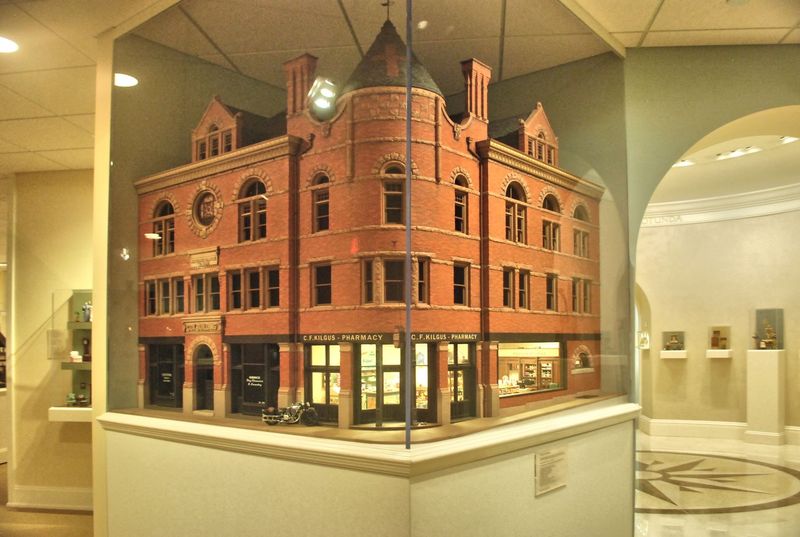
The Kentucky Gateway Museum Center on Sutton Street holds Maysville’s biggest surprise. Its KSB Miniatures Collection fills whole rooms with scale-model houses and interiors.
Pieces are built at one inch to one foot. Chandeliers, books, and dishes are all crafted at that scale by hand.
Bring a magnifier if you own one. The tiniest details, like stitched cushions and painted plates, reward a close look.
Regional history fills the rest of the building. Exhibits cover river commerce, early settlement, and Mason County life.
Genealogy fans get a research library upstairs. Staff can point you to census records, maps, and old newspapers.
Plan ninety minutes, longer if miniatures pull you in. Reviewers often mention losing track of time in that gallery.
Admission is modest, and school groups visit often. Check hours before driving in, since the center closes some weekdays.
The collection ranks among the finest miniature displays in the country. Seeing it in a town this size makes the visit feel luckier.
Photography rules vary by gallery. Ask at the front desk so you do not miss a shot.
Give the gift shop a minute. Small kits and books there make good souvenirs for craft lovers.
Sutton Street parking sits close by. The walk from downtown takes only a few minutes.
The Movie Palace Behind A Hollywood Premiere
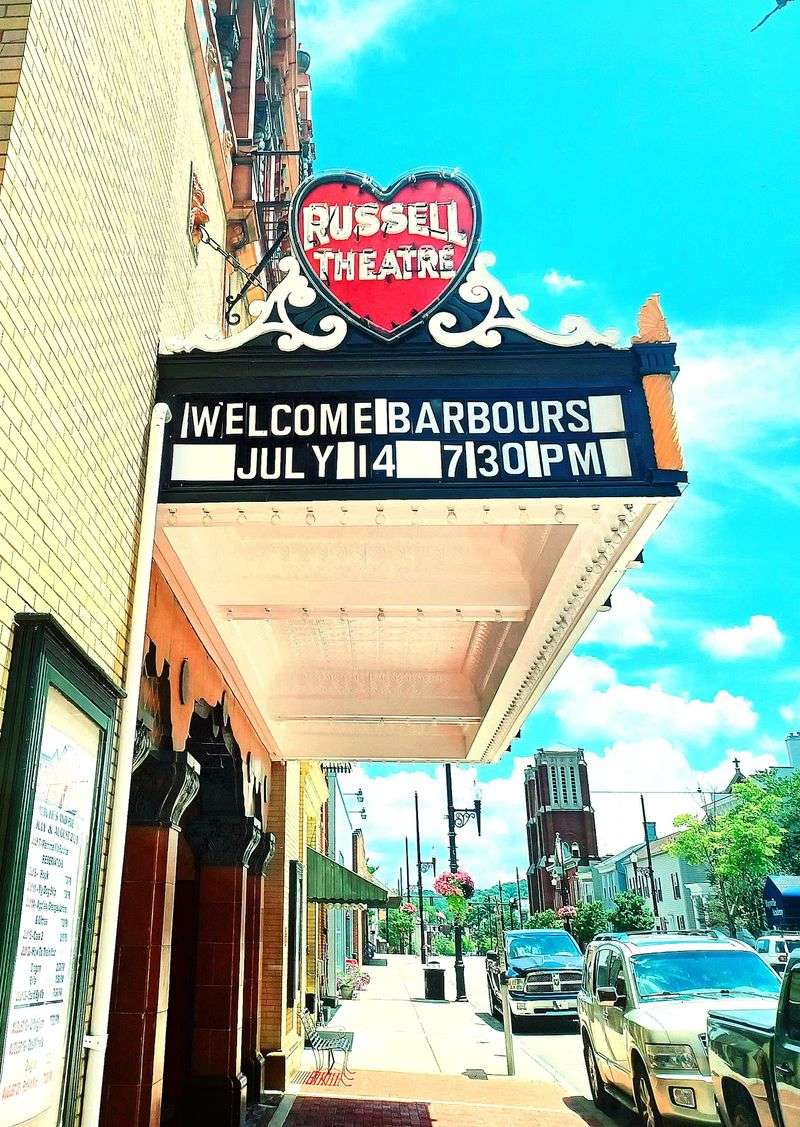
Maysville’s Russell Theatre opened in 1930 with Spanish Colonial Revival flair. Its facade still stops traffic near Third and Market.
In 1953, the theater hosted the premiere of The Stars Are Singing. Rosemary Clooney, a Maysville native, starred in that film.
The interior was designed to look like a courtyard under a night sky. Painted clouds and ceiling lights created the effect for moviegoers.
Restoration work has continued for years through a local nonprofit. Fundraising events and tours help pay for the next phase.
Tours are not always available, so call ahead. Volunteers sometimes open the doors during downtown festivals.
Even from the sidewalk, the building rewards a stop. Tile work, arches, and the marquee photograph beautifully at dusk.
Clooney’s name appears around town in murals and signs. Her career started with radio work in nearby Cincinnati.
Fun fact: the theater seated more than 700 people. That was ambitious for a river town of its size.
Progress reports appear on the nonprofit’s social pages. Following along is the easiest way to catch an open house.
Donations at events go straight into repairs. Buying a shirt or ticket helps the marquee stay lit.
Stand across the street for the best photo angle. The full facade fits in frame from there.
An Eighteenth-Century Village Just Down The Road
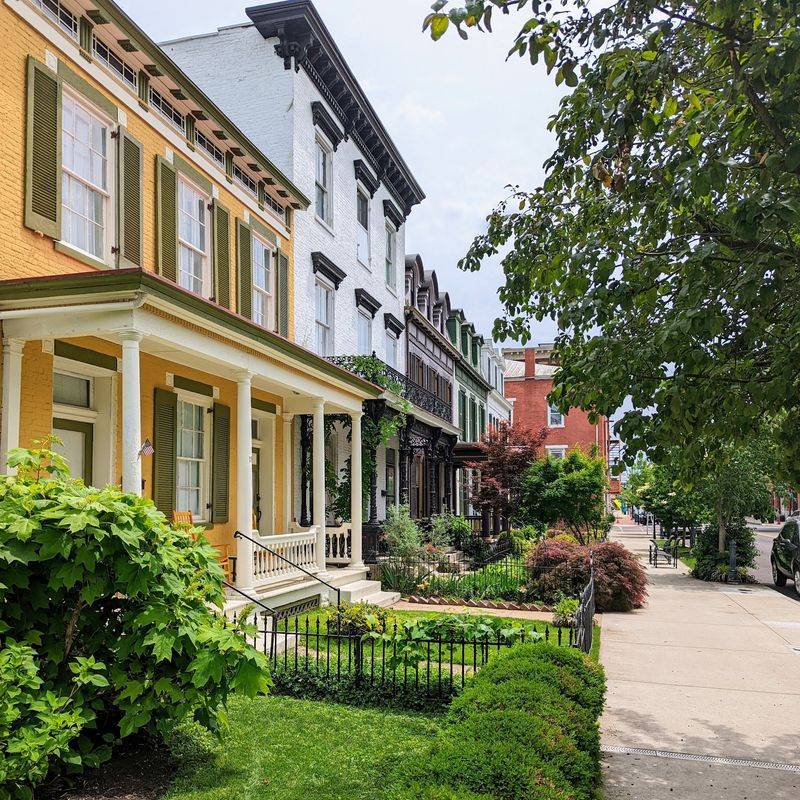
Old Washington sits about four miles south of Maysville’s riverfront. Founded in 1786, the village keeps log houses and brick homes from its earliest years.
Streets are short and shaded, and walking is the only way to see it. Some buildings serve as shops, others as small museums.
Mefford’s Fort was built partly from flatboat lumber. Settlers reused their boats once they landed for good.
The Paxton Inn dates to about 1810. Its hidden stairway is tied to Underground Railroad history.
Guided tours run seasonally through the visitor center. Costumed guides share stories tied to specific houses.
Harriet Beecher Stowe visited the village in 1833. What she learned there later shaped her most famous book.
Fall is the sweet spot for a visit. Leaves, cooler air, and craft fairs fill the lanes.
Wear flat shoes for uneven stone walkways. Restrooms and parking sit near the main entrance.
Ticket prices stay low, and group rates are available. Cash is handy for the smaller shops.
Combine it with downtown for one full day. The drive between them takes under ten minutes.
Ask about the old post office site. Washington claims one of Kentucky’s earliest, and the story is worth hearing.
Photos come out best in early morning quiet. Tour buses arrive later in the day.
A Riverside Story Of Courage And Freedom
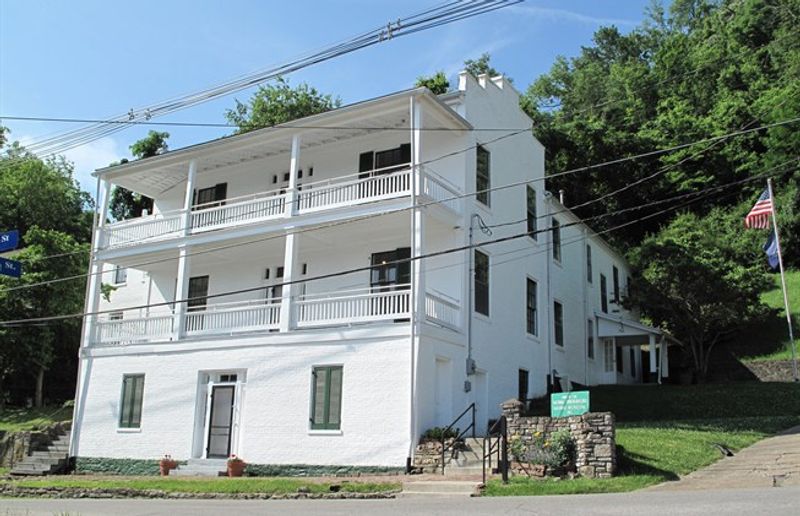
The National Underground Railroad Museum stands in Maysville’s Bierbower House on West Fourth Street. Built in the 1840s, the home sheltered people seeking freedom across the Ohio River.
Exhibits fill several rooms with documents, artifacts, and family stories. Guides explain how the river crossing worked and who helped.
Maysville sat at a narrow, crossable stretch of water. That geography made the town an important stop on the route north.
Tours are often by appointment, so call before you go. Groups get more time with the guides that way.
The stories here are moving and told with real care. Older kids and teens usually connect with them quickly.
Plan an hour, longer if questions start flowing. Guides welcome them, and answers often include local names.
Donations keep the museum running. Volunteers handle much of the daily work.
Standing at the riverbank afterward changes the visit. You can see exactly how far freedom seekers had to travel.
Ohio sits directly across the water in Aberdeen. The distance looks short and feels enormous at the same time.
Pair this stop with the floodwall murals nearby. Both cover the same era from different angles.
Bring a notebook if you research family history. Staff can suggest local archives worth checking.
Bridge Views And Barges At Limestone Landing
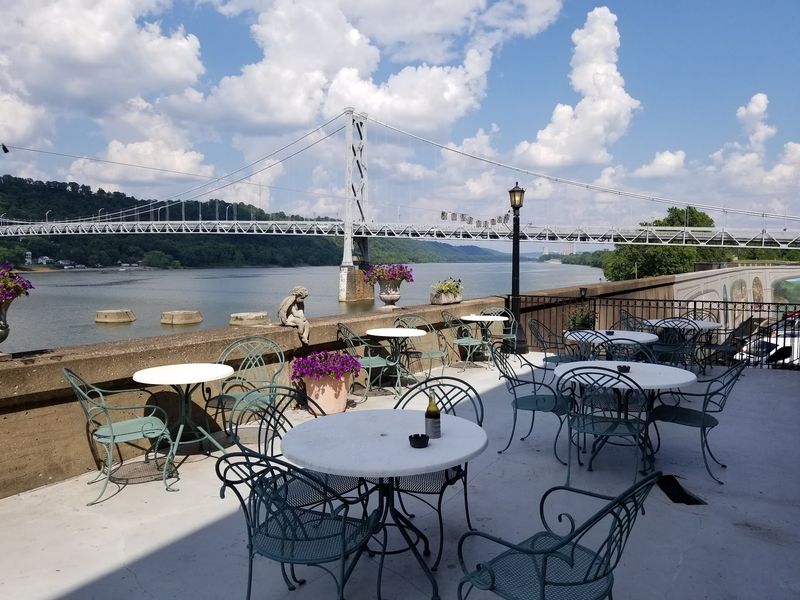
Maysville’s riverfront centers on Limestone Landing, where flatboats once unloaded settlers and cargo. The Simon Kenton Memorial Bridge has spanned the water since 1931.
Its blue steel towers frame nearly every photo taken here. Walking across gives you Ohio on one end and Kentucky on the other.
Barges pass all day, pushing coal and grain downriver. Watching one slide under the bridge never gets old.
Benches and a small amphitheater sit along the walkway. Summer concerts happen there when the weather cooperates.
Sunset light hits the Kentucky bank first. Bring a jacket, since river breezes cut cooler than you expect.
Fishing is popular from the public access points. A state license is required, and rules are posted.
Riverboat cruises occasionally dock in town. Passengers walk right up Market Street for the afternoon.
Simon Kenton was a frontiersman who helped open this region. His name shows up on schools and streets across the county.
Park near the landing and leave the car. Almost everything downtown sits within a five-minute walk.
Spring high water sometimes closes the lower walkway. Check local updates after heavy rain before heading down.
The view from the Ohio side is worth the drive too. Maysville’s hillside looks like a postcard from Aberdeen.
Transparent Pie And A Riverside Supper Club
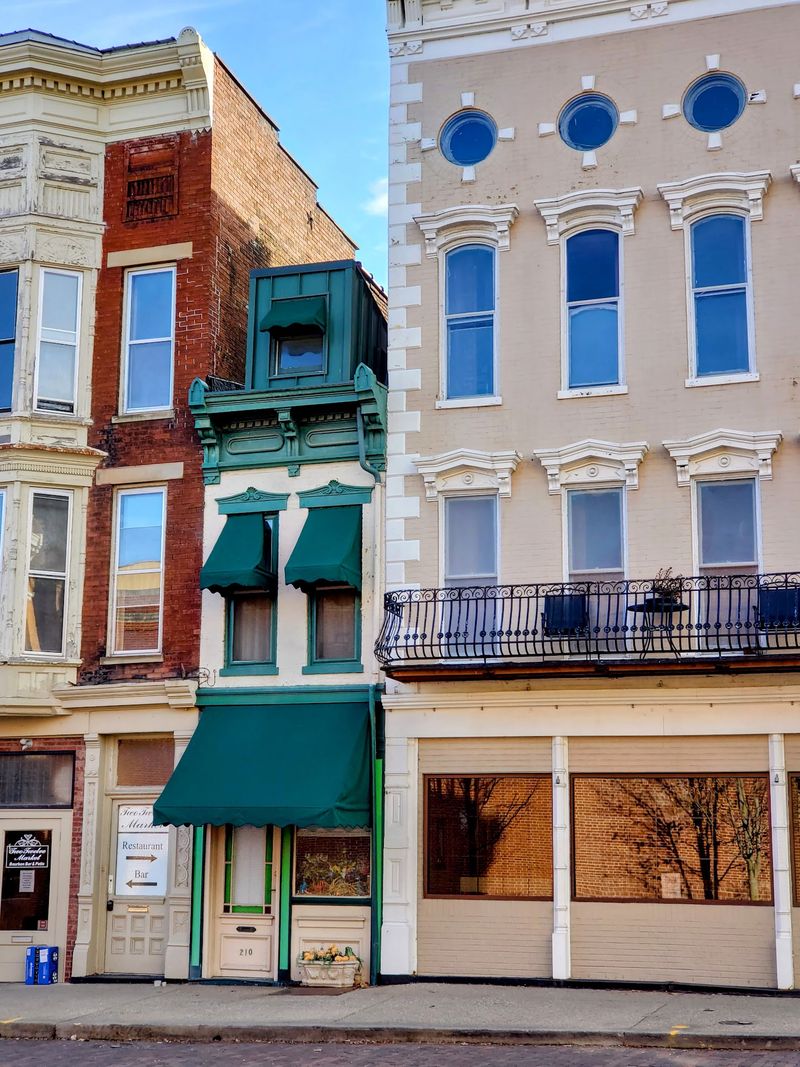
Magee’s Bakery on Market Street built its name on transparent pie. The filling sets into a sweet, custard-like layer that Kentuckians defend fiercely.
Order a whole one or a single slice. Both sell out on busy weekends, especially near holidays.
The bakery also turns out doughnuts, cookies, and cinnamon rolls. Regulars will tell you to arrive before ten.
Caproni’s opened in 1929 beside the river. The dining room still keeps its old supper-club feel.
The menu lists steaks, pasta, and river-view tables. Reservations help on Friday and Saturday nights.
Downtown adds coffee shops, delis, and casual cafes. Most sit within two blocks of each other.
Transparent pie traces back to Kentucky farm kitchens. Simple pantry ingredients made it a Sunday favorite.
Take a pie home if the drive allows. It travels better than most desserts and keeps a few days.
Ask about seasonal pies and specials at the counter. Staff will happily steer you toward the fresh batch.
Hungry travelers rarely leave this town disappointed. One bakery stop can turn into two before you notice.
Bring cash for smaller shops just in case. Card readers work, but lines move faster with bills.
Finish at the riverfront with your slice in hand. Few desserts taste better with a barge rolling past.