Why Weekday Visits To This Florida Petting Zoo Can Feel More Relaxed
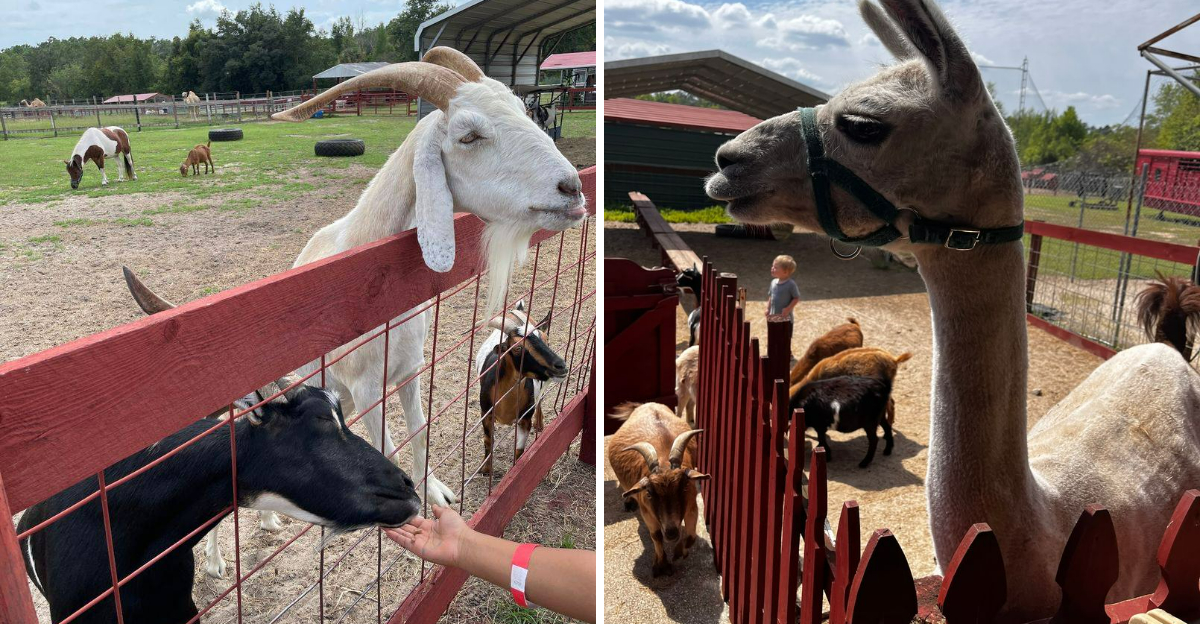
Locals let me in on a secret before I even parked the car. Never come here on a Saturday, they said, unless you enjoy waiting in line just to feed a goat.
I ignored the warning once and regretted it within minutes, boxed in by strollers and impatient kids everywhere I turned. So I came back on a random Tuesday morning, and the entire place felt different.
Quiet paths, curious animals leaning over fences, and enough space to actually enjoy it all. Florida has no shortage of crowded attractions, but this one hides a smarter way to visit if you know when to show up.
Florida locals figured this out ages ago, and now I understand exactly why they avoid weekends completely. Pick the right day, and this spot turns into something far better than a typical petting zoo.
Weekend Hours Stretch Longer For A Reason
Saturday and Sunday stay open until 5 PM, while weekdays close at 4 PM. The extended weekend schedule gives visitors an additional hour to explore.
Longer weekend hours usually mean more visitors are expected. Families arrive in waves, and parking lots fill in bursts rather than a steady trickle.
Weekdays run 10 AM to 4 PM, with Tuesday closed completely. That shorter window actually feels roomier because fewer groups share the same paths.
A typical visit lasts about 45 minutes to an hour and a half. Visit length can vary depending on how much time you spend with each animal.
Locals figure this out quickly after one packed Saturday. They swap to Monday or Thursday and get the same animals with a fraction of the noise.
The property sits at 11150 FL-40, an easy drive from town and simple to find. That accessibility is part of why weekends feel busy in the first place.
If you have flexibility, use it. Nothing about the experience gets worse midweek, and almost everything gets calmer at Petting Zoo Ocala.
Feed Bags Turn Everyone Into A Celebrity
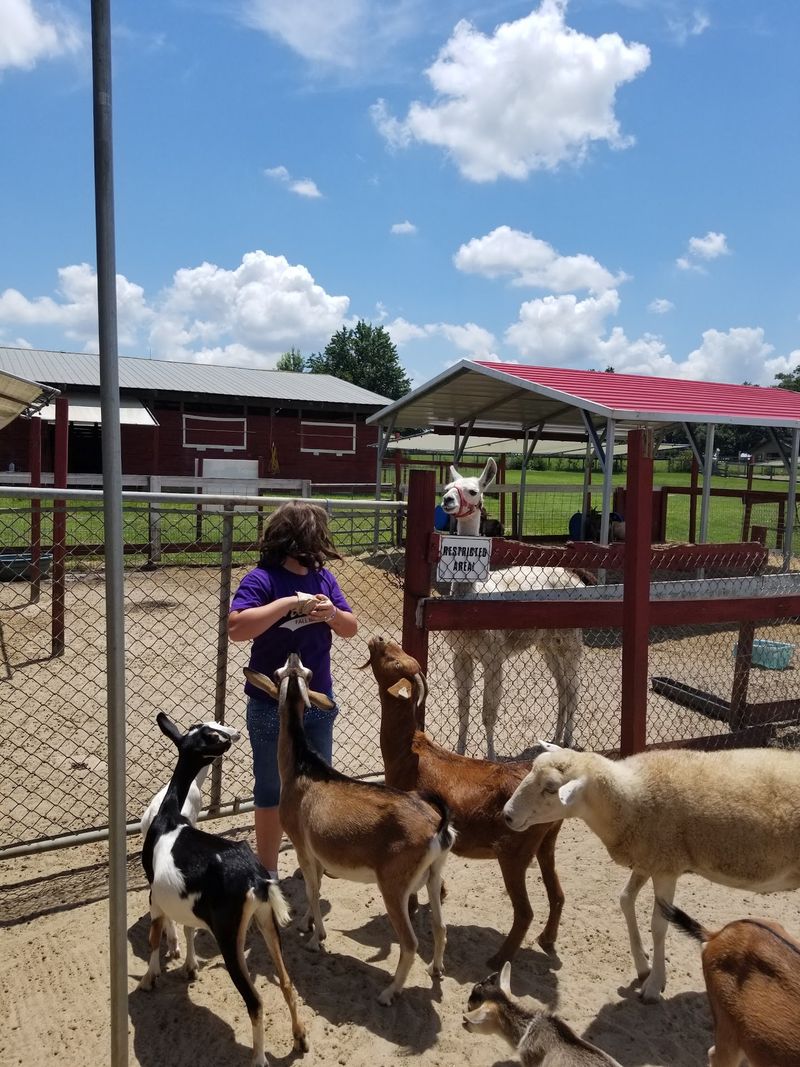
Buy a feed bag and your popularity skyrockets within ten seconds. Animals recognize the crinkle sound before you finish paying.
Each species has its own eating style, which is oddly delightful. Hogs sit low and simply open wide for a pour.
Cows prefer licking food right out of an open palm. Goats jump up like puppies, minus the soft paws.
A medium bag can easily last an entire walk through the property. Bigger families often grab more so everyone gets a turn.
Weekend crowds change this dynamic in a hurry. When dozens of bags circulate at once, animals get full and lose interest.
Arrive on a quieter day and the interaction feels personal instead of frantic. Animals come to you rather than the nearest crowd.
One veteran tip worth repeating: leave the bag outside if you enter the goat enclosure. Otherwise you become the main course.
Handwashing stations are placed around the grounds, which is a small mercy after all that feeding. Soap and water make the whole experience feel tidy.
Camel Rides Require Planning Ahead
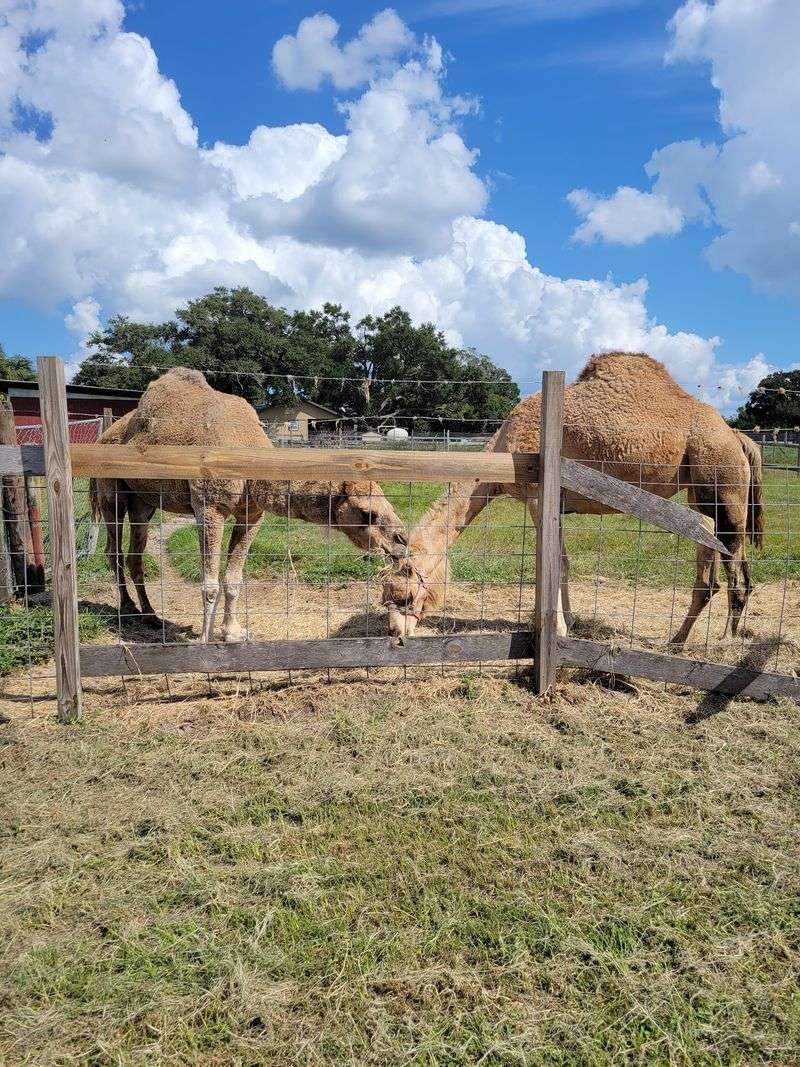
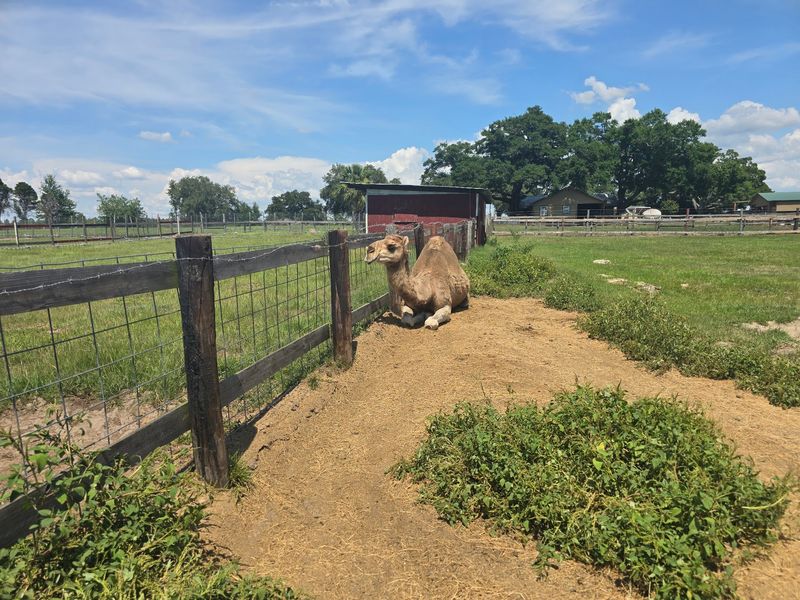
Camel rides are not a walk-up impulse decision. Reservations are required, along with a non-refundable deposit.
The ride costs about $14 on top of admission. That price sits reasonably close to a standard adult ticket.
On busy weekends, spots disappear early. Families who assume they can decide at the gate often end up watching instead of riding.
Booking ahead solves the problem entirely. A quick call to 352-300-6688 saves a long face in the parking lot.
Weekday visits give you better odds and shorter lines. There is something calmer about approaching a camel without an audience of forty people.
Camels move slowly and deliberately, which surprises first-timers. Their height alone makes the photo worth the reservation fee.
Pony rides and train rides are also part of the offerings here. Availability can vary, so checking in advance keeps expectations realistic.
My honest take is that planning turns a maybe into a highlight. Spontaneity is fun, but not when a deposit and a schedule are involved.
Shaded Picnic Tables Fill Up Fast
Florida heat has a way of ending outings early. The covered picnic area is the difference between quitting and continuing.
Shaded tables sit conveniently near the walking paths. Kids cool down, snacks come out, and the visit gets a second wind.
Weekend traffic claims those tables quickly. The shaded tables may be more popular during warmer and busier periods
Midweek visitors often have the whole covered area to themselves. That alone justifies rearranging a schedule.
Bringing your own water is smart regardless of the day. Summer sun in Marion County does not negotiate.
Hats and sunscreen belong in the bag too. Shade helps, but the walking loop sits mostly under open sky.
The picnic setup also makes birthday parties practical here. The location hosts them, which explains some weekend clusters of balloons and cake.
If you spot an open table, take the break even if nobody is complaining yet. Petting animals is more fun with energy left in the tank.
A short rest also lets you double back to favorites. Second passes are usually quieter than first ones.
Morning Visits Beat The Afternoon Heat
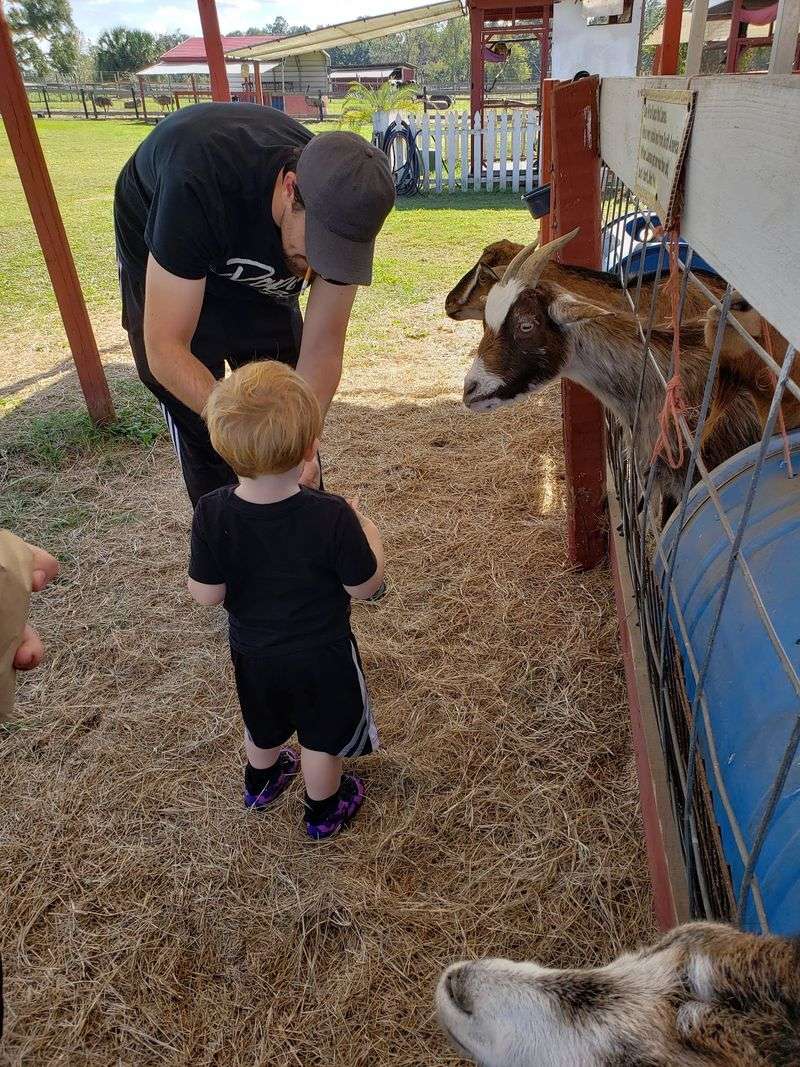
Ten in the morning is the sweet spot. Gates open, air is still cool, and animals are genuinely active.
By early afternoon, Florida sun takes over the property. Animals drift toward shade and visitors follow their lead.
Arriving at opening means shorter waits at every pen. It also means better photos before the light turns harsh.
Weekend mornings can still be busy, but the first hour usually stays manageable. After that, the parking lot tells the story.
Cooler months change the equation entirely. The place is open all year, weather permitting, and winter afternoons feel pleasant.
Closed-toe shoes are recommended, and that advice is not decorative. Hooves, gravel, and enthusiastic goats all make a case for sneakers.
Plan roughly an hour and a half for a full loop. Families with older kids often stretch that comfortably.
My rule for Florida attractions is straightforward. Anything outdoors gets done before noon whenever possible.
Show up early and the whole visit feels unhurried. Show up at two and you are mostly hunting shade.
Ticket Prices Stay Refreshingly Reasonable
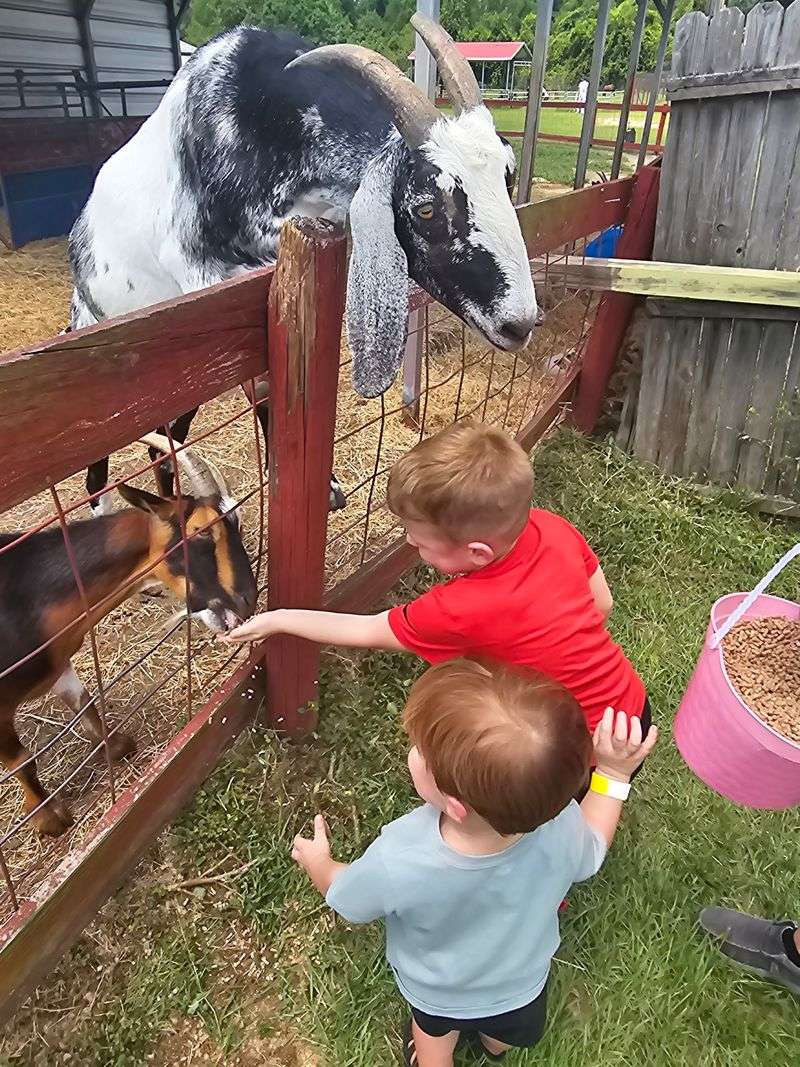
Admission here will not wreck your weekend budget. Adults ages 13 to 64 pay $14 plus tax.
Seniors 65 and older pay $12, and kids ages 2 through 12 come in at $10. Infants under 2 enter free.
Veterans and active military pay $11 with ID. That discount is a nice touch for a family-run operation.
Feed bags cost extra, and they are worth every cent. A five dollar bag covers a solid handful for each animal you meet.
Entry also includes a bounce house and a dedicated play area. That bundling makes the ticket feel generous rather than bare bones.
Weekend crowds do not change the price, but they change the value. Same fee, less elbow room, shorter animal attention spans.
Cash flow tip for parents: budget for two feed bags per kid. Nothing ends a good mood faster than an empty bag halfway through.
With a 4.1 star average across more than a thousand reviews, expectations should stay grounded. Fair price, real animals, honest experience.
Multiple Paths Let You Dodge The Crowd
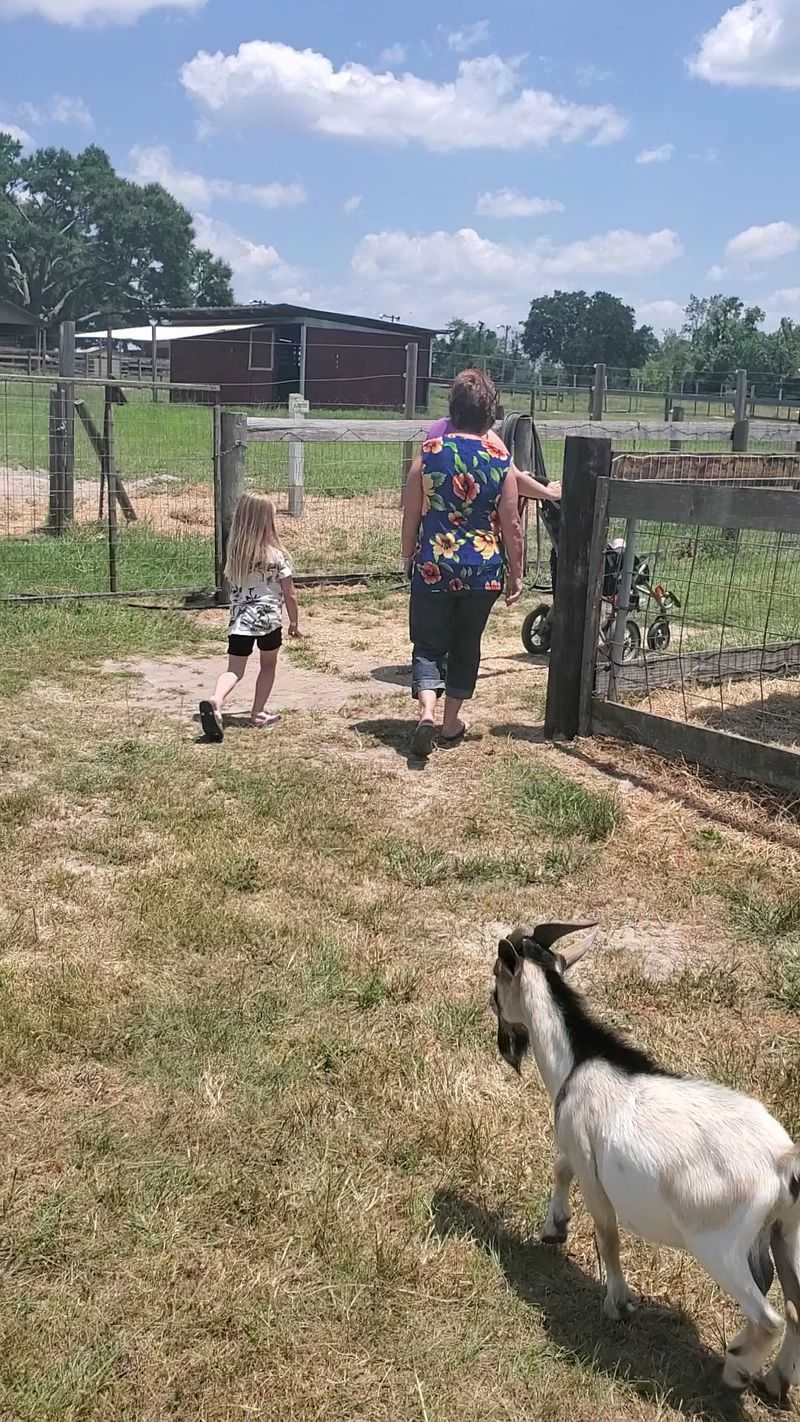
Here is the trick most first-timers miss. The layout has no single forced path.
You can start in a different corner and build your own loop. That flexibility is a quiet superpower on busy days.
When a tour bus worth of families clusters at the goats, walk the opposite direction. Come back when the crowd moves on.
The property is easy to navigate solo, with clear signage throughout. Warning signs mark which animals prefer to be admired instead of touched.
Reading those signs actually matters. A few residents bite, and the notices exist for good reason.
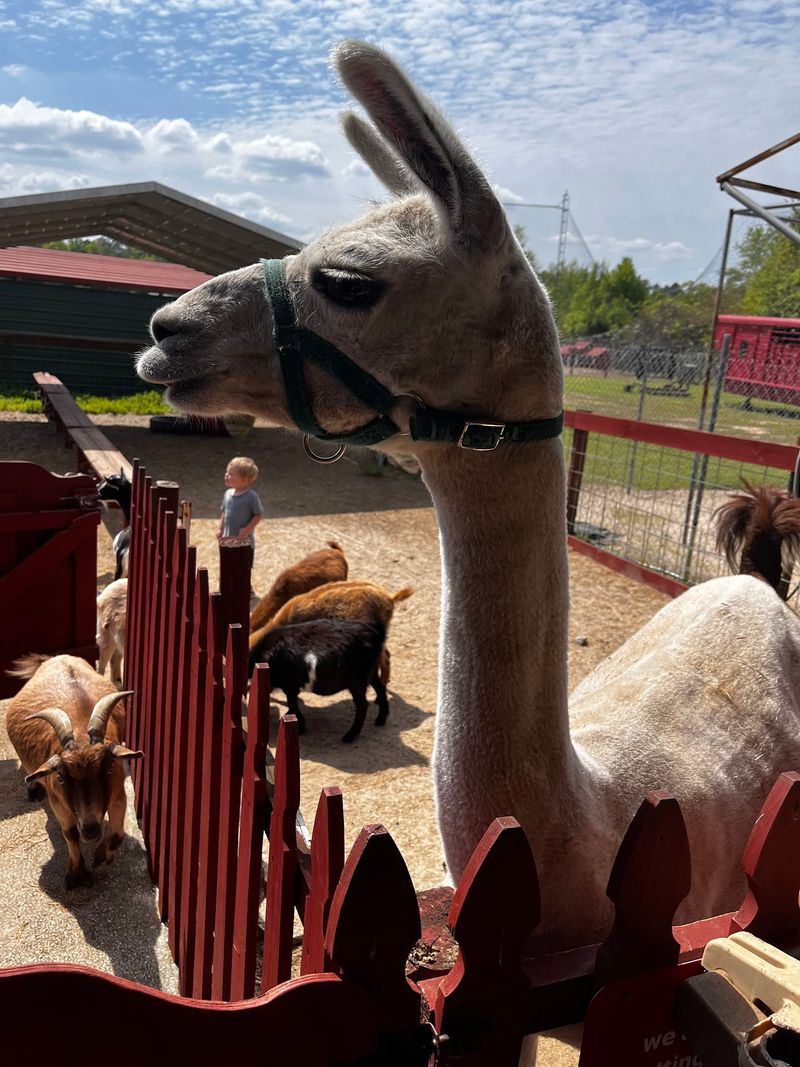
One enclosure lets visitors step inside with llamas, goats, and pigs. That is where the real petting happens, and it gets popular fast.
Toddlers do well here because the grounds are open and walkable. Families should supervise young children while walking around the property.
My favorite approach is going backward through the loop. You meet fewer people head-on and animals are fresher.
Well-maintained fences and tidy enclosures make wandering pleasant. It feels like a working farm rather than a theme setup.
Tuesday Closures Push Everyone To The Weekend
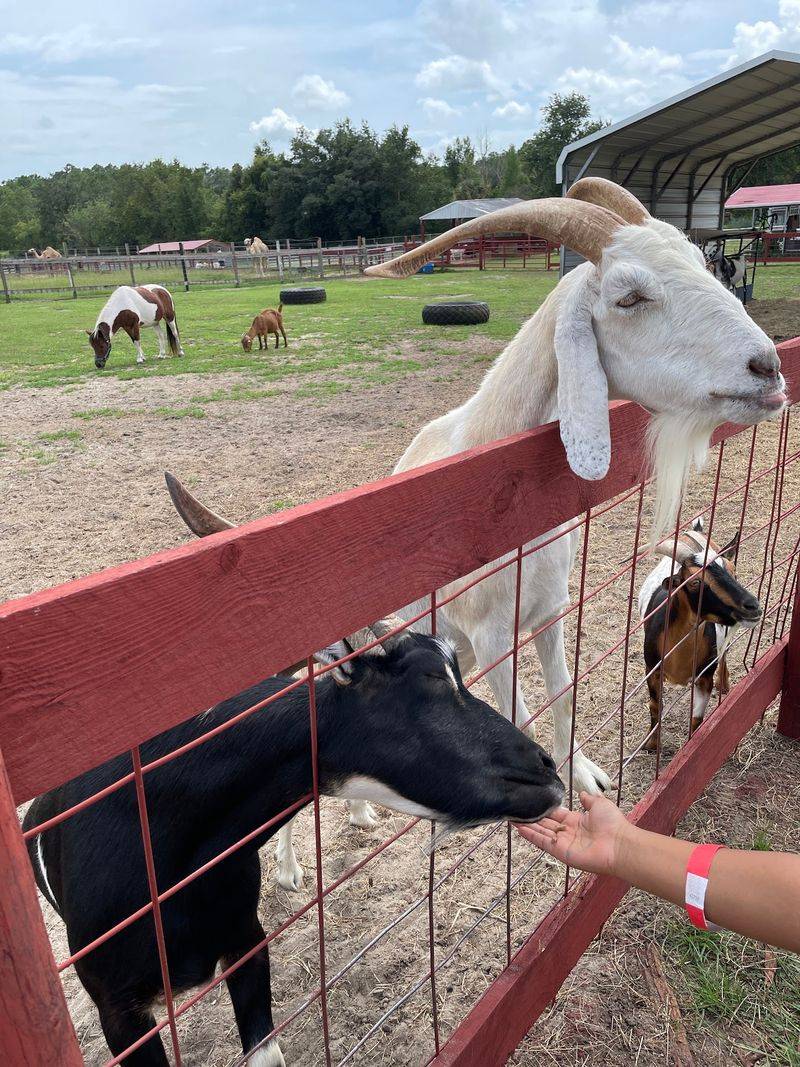
Being closed on Tuesdays quietly reshapes the whole week. Anyone planning a midweek outing shifts to another day.
Visitors planning a weekday trip should remember that the zoo is closed on Tuesdays. Weekend crowds grow partly because of a single closed day.
Smart planning means aiming for Monday, Wednesday, Thursday, or Friday. All four run 10 AM to 4 PM.
Those days deliver the same animals, the same feed bags, and far more breathing room. Nothing gets scaled back for slow days.
School holidays and rainy stretches also shift traffic patterns. The place is open year-round, weather permitting, so plans can bend.
Calling ahead is genuinely useful before you drive. Ride availability can change, and a quick check prevents disappointment.
Families driving in from farther away should build in flexibility. A backup date beats a wasted tank of gas.
Once you land on a quiet weekday, the whole experience clicks. Animals engage, paths stay open, and photos come easy.
A weekday visit may offer a more relaxed experience, although attendance can vary.