Willa Cather Grew Up In This Tiny Nebraska Town Where Her Childhood Home Still Stands
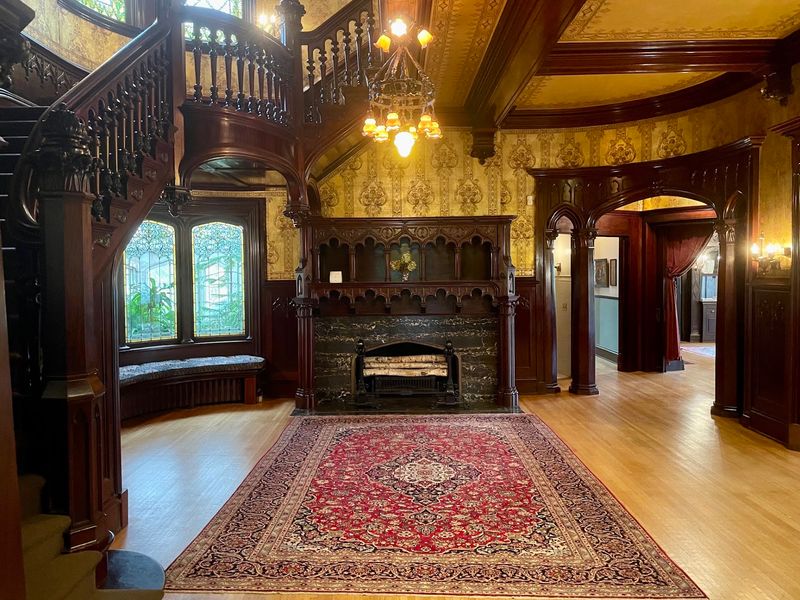
A teenage girl once earned rose-covered wallpaper by working at a drug store, then hung it in her own attic bedroom. That wallpaper is still up there today, carefully preserved.
The girl was Willa Cather. She later won a Pulitzer Prize and wrote some of the best-loved novels about prairie life ever printed.
Her family home still stands on a quiet street in a small Nebraska town.
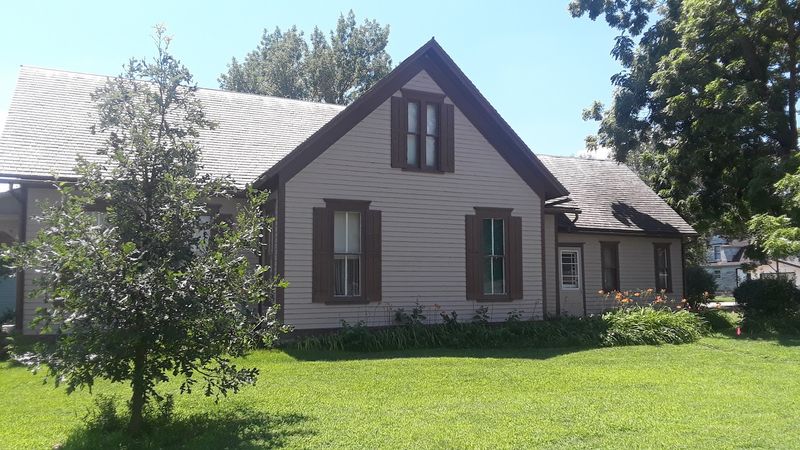
I like how ordinary the place feels at first. It is a modest story-and-a-half house, not a mansion.
Yet a grandmother’s cramped room inside shows up almost exactly in one of her finest short stories.
I can’t imagine a better way to meet an author than through her bedroom wall. So where is this house, and what else is waiting inside those rooms?
A Small Town House That Ended Up In American Literature
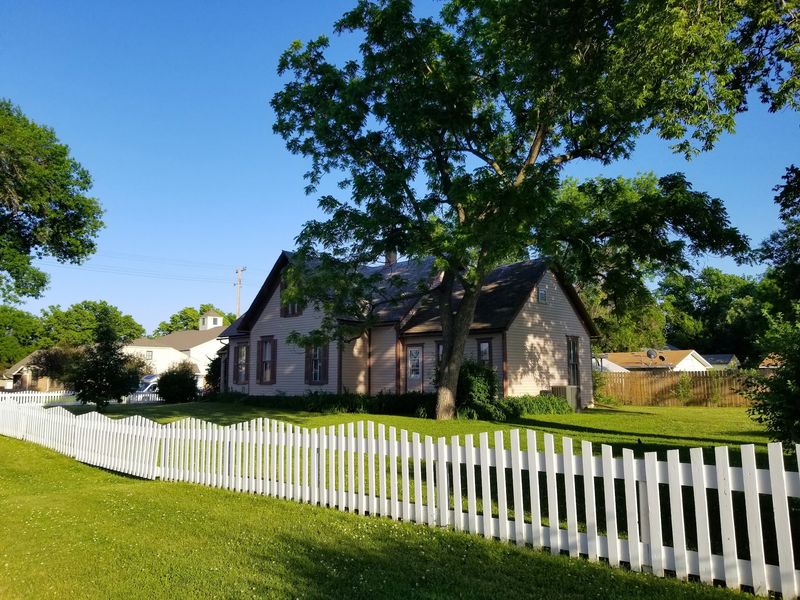
Red Cloud sits in south-central Nebraska, close to the Kansas line. It’s a small town with a very large literary reputation.
The Willa Cather Childhood Home is the reason many people make the drive. It’s a modest frame house where the future novelist spent her formative years.
The home carries National Historic Landmark status. That’s a big title for a house that never tried to be fancy.
Inside, the rooms connect directly to the books she later wrote. Characters, bedrooms, and family scenes from her fiction trace straight back to these walls.
The house is one piece of a bigger collection in town. The National Willa Cather Center tours it alongside several other historic sites linked to her life and work.
That makes Red Cloud something unusual on the Nebraska map. Few towns anywhere can claim this many preserved places tied to a single American author.
If you grew up reading My Antonia in school, this is where that story’s roots begin. Seeing the actual rooms makes those pages feel a lot less like homework.
From Virginia Hills To Open Nebraska Prairie
Willa Cather wasn’t born a Nebraskan. Her family moved west from Virginia, trading green hills for wide-open grassland.
She lived in this house from 1884 until 1890. That stretch covered roughly ages ten through sixteen, the years when a curious kid becomes a thinker.
Those prairie years shaped nearly everything she wrote later. The land, the immigrant neighbors, and the small-town characters all became material for her novels.
She described herself as a collector of stories in many ways. This house was where that collecting really got going.
Picture the contrast for a moment from her side. A Virginia childhood suddenly swapped for a raw railroad town on the plains would leave a mark on anyone.
For Cather, that mark turned into a career. Her writing about frontier life eventually earned a Pulitzer Prize and a permanent spot on school reading lists.
So the house isn’t just where she slept and ate supper. It’s where a young girl started paying very close attention to the people around her.
And Nebraska has been proudly claiming her ever since.
Built In 1878 And Open To The Public Since 1967
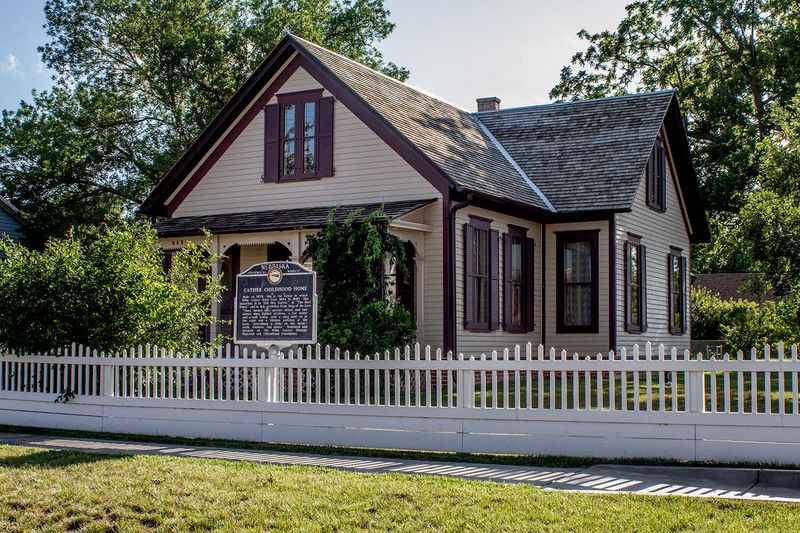
Here’s a date worth remembering: 1878. That’s when the house was built, years before the Cather family ever unpacked a single trunk.
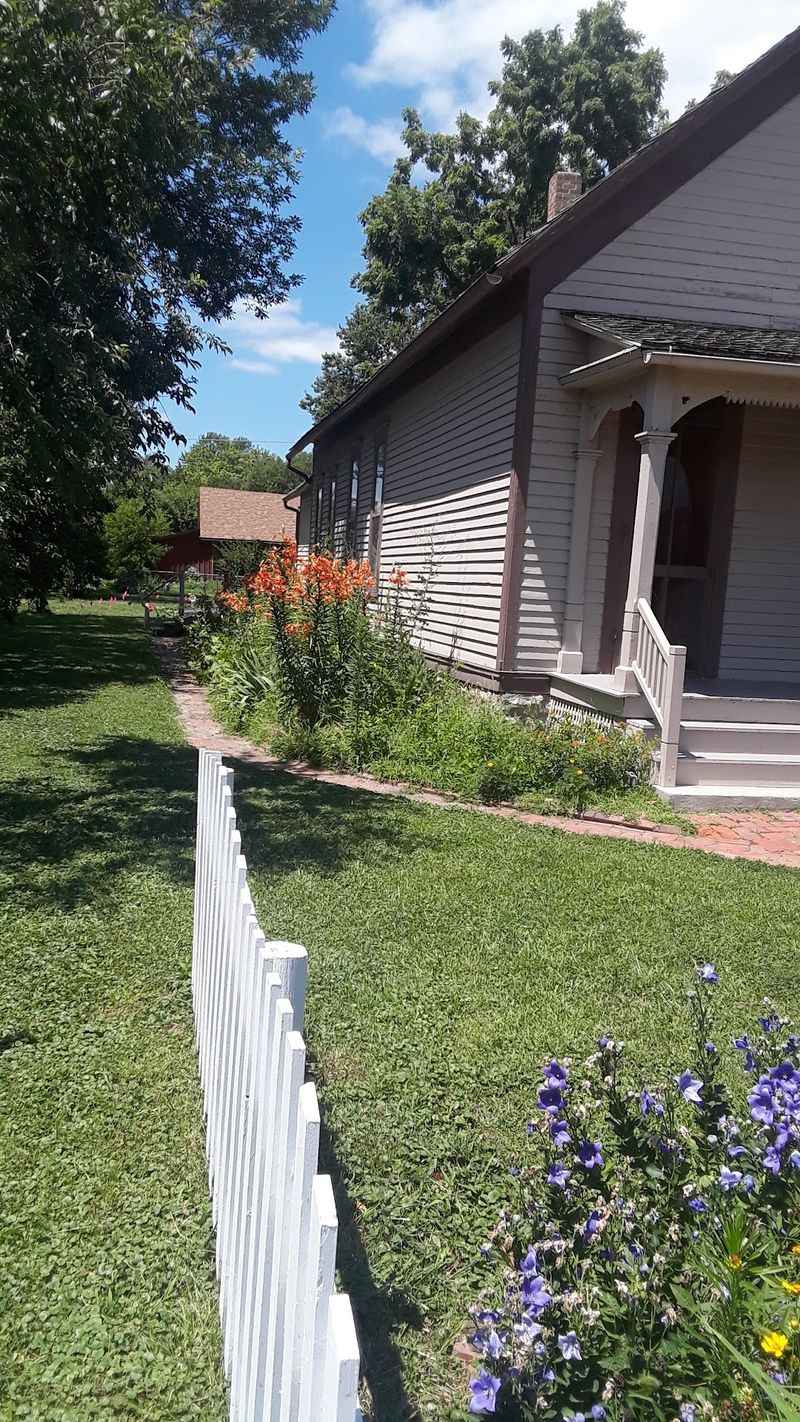
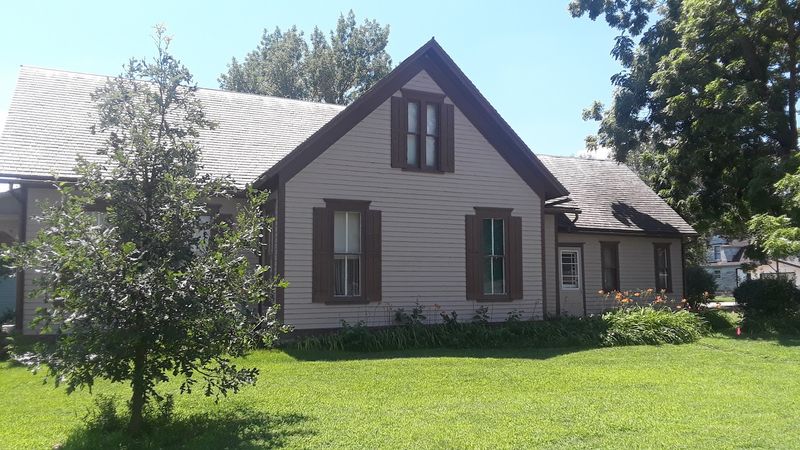
It’s a one-and-a-half-story home, practical and unpretentious. Nobody built it expecting future tour groups to file through its doorways.
The house became a public museum in 1967. It was restored to reflect the era when Willa herself lived there as a girl.
That choice matters more than it sounds. Instead of a generic old house, you see rooms set up to match the 1880s Cather household.
Out front, a marker shares the basics with anyone passing by. The grounds are kept tidy, so even a drive-by gives you something to look at.
The National Historic Landmark designation adds another layer of importance. It puts this humble Red Cloud home in very distinguished company across the country.
Honestly, there’s something fitting about the plainness. Cather wrote about ordinary people living ordinary lives with surprising depth.
Her own childhood home works the same way. Simple on the outside, but full of story once the door opens.
The 2024 Restoration Gave This Old House A Fresh Start
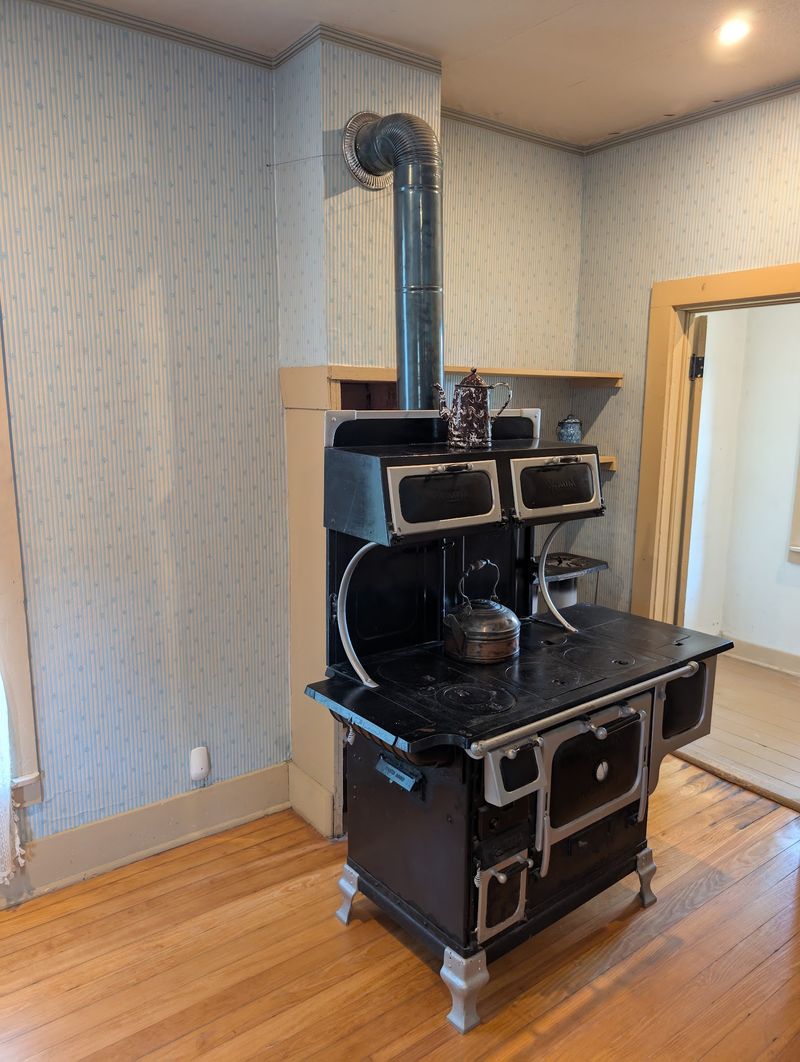
Old houses need care, and this one recently got plenty of it. A major restoration of the Willa Cather Childhood Home was completed in 2024.
The work aimed at long-term preservation. The goal was keeping the house sound and accurate for many future generations of visitors.
Preservation work on the Cather historic sites in Red Cloud ramped up around 2020. The childhood home was one of the big projects on that list.
The results lean hard into historical accuracy. The refurbishing stayed true to the house’s original look and purpose rather than modernizing anything.
One standout result is the wallpaper work in Willa’s private room. More on that attic in a bit, because it deserves its own spotlight.
The restoration also opened the door to an enhanced visitor experience. The interpretation now connects rooms and objects more closely to her writing.
If you toured years ago, it’s worth another look. A house you remember as dusty and dim may surprise you now.
And if you’ve never been, your timing is pretty great. You’ll see it at its best.
Grandma Boak’s Room Comes Straight Out Of A Short Story
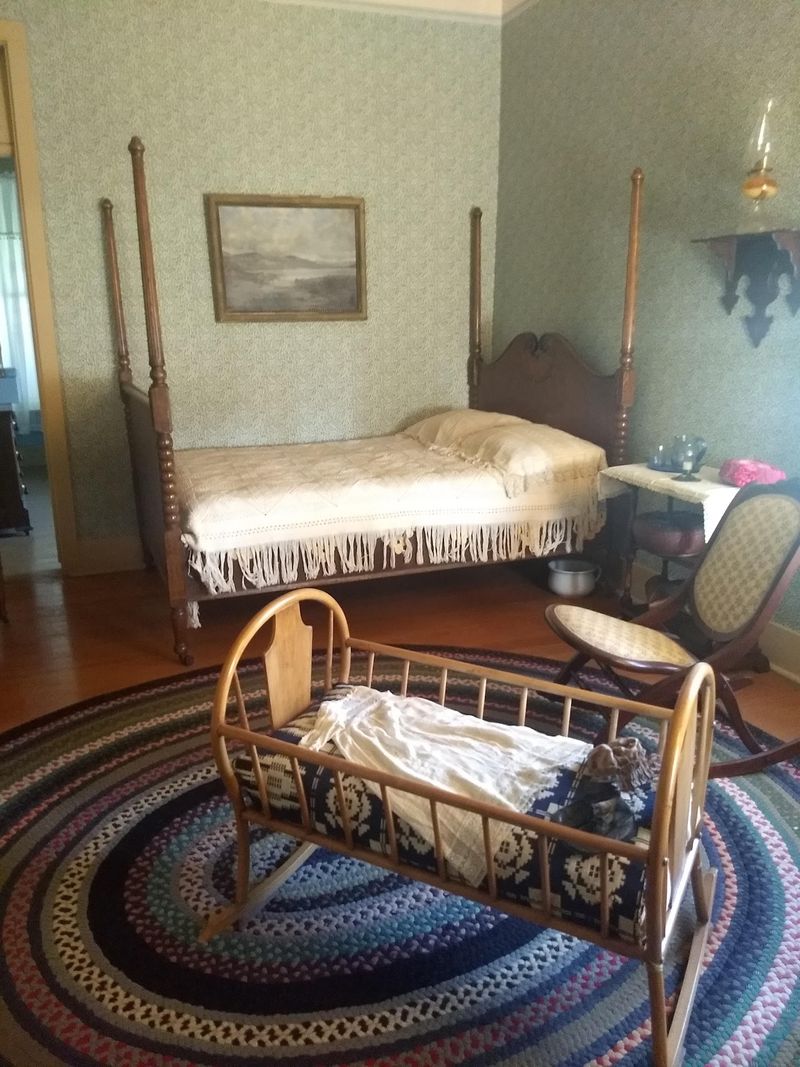
Privacy was not a big feature of Grandma Boak’s room. It sits right where family life flowed past, which tells you plenty about crowded 1880s households.
Willa’s grandmother lived with the family in this house. Her room is preserved to match the setting of Cather’s short story Old Mrs. Harris.
That story is considered one of her finest works. Standing in the real room makes the fiction suddenly feel very personal.
Cather didn’t invent a grandmother from thin air. She borrowed from the woman who lived just steps from her own bedroom stairs.
Grandma Boak also read to young Willa. Some of the original books from those reading sessions remain in the house today.
Think about that for a second. The stories an old woman read aloud helped shape a future Pulitzer winner.
The room is small and easy to miss if you rush. Slow down here, because it’s one of the clearest bridges between Cather’s life and her pages.
Fans of her short fiction tend to treat this spot as the emotional center of the tour.
Rose Wallpaper She Earned Herself Still Covers The Attic
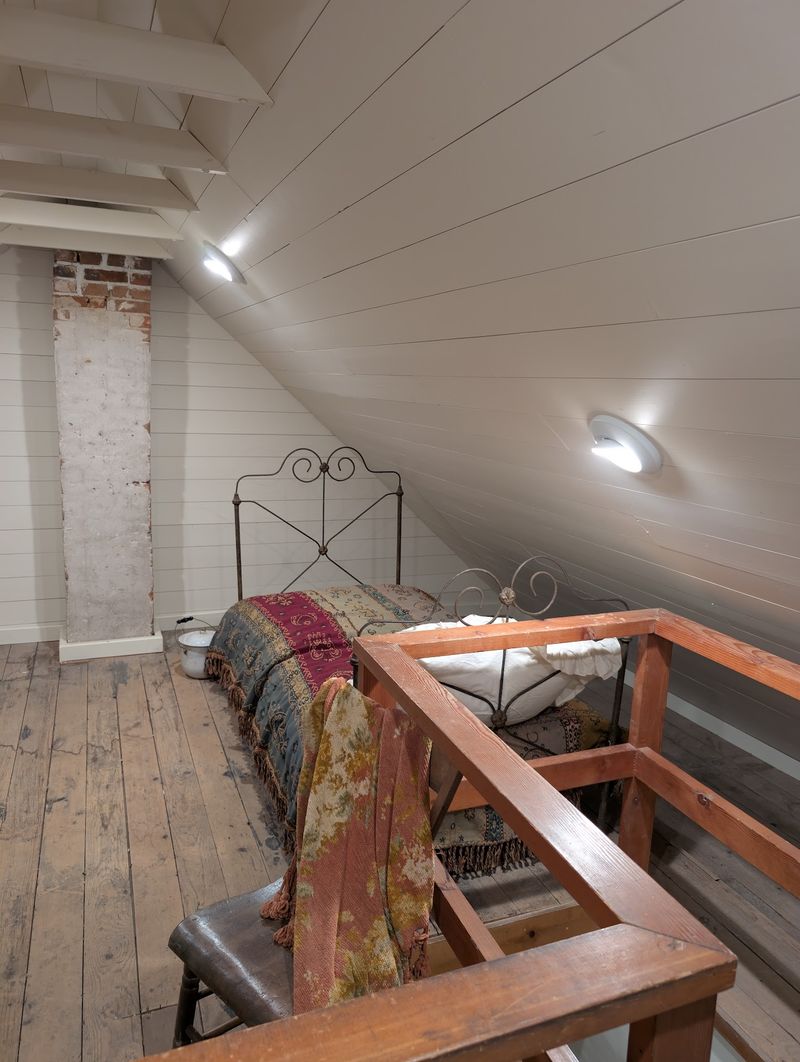
Most teenagers beg their parents to redecorate. Young Willa reportedly earned her own wallpaper by working at a local drug store, then put it up herself.
Her bedroom was a small space tucked under the roof upstairs. That rose-covered wallpaper is carefully preserved there today.
The attic room closely resembles Thea Kronborg’s bedroom in The Song of the Lark. Thea is a young artist who needs space to dream, so the match makes sense.
A room of her own was a big deal in a busy household. Up here, Willa finally had somewhere quiet to read and think.
The wallpaper restoration in this room stands out as a highlight of the 2024 work. Cather fans tend to stop and stare at it.
It’s easy to see why. Few authors’ teenage bedrooms survive at all, let alone with wallpaper they picked and hung.
Sloped ceilings, a small window, and those faded roses create a scene straight out of a novel. Because, well, it actually is one.
This might be the most personal room in all of Nebraska literary history.
Family China, A Ceramic Kitty, And Jars Nobody Ever Opened
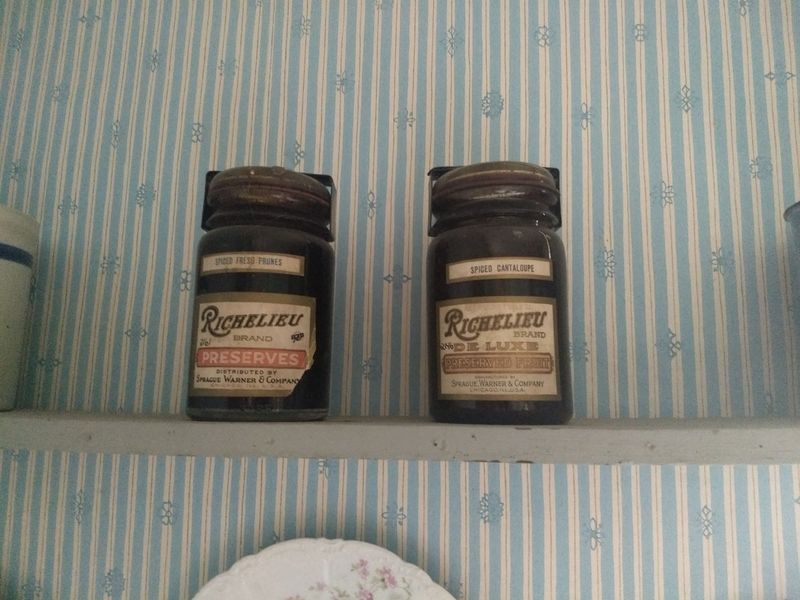
Unopened jars of fruit preserves are sitting in this house right now. Nobody is recommending a taste test.
The home holds a surprising collection of Cather family artifacts. You’ll find original furniture, canned goods, prints, artwork, photographs, and books.
The Cather family china is on display too. So is an original ceramic kitty, which may be the most charming little survivor in the whole place.
These details are what make a historic house feel lived in. A grand portrait is nice, but a kitchen jar of preserves feels like someone just stepped out.
Family photographs help you put faces to names from her biography. The books connect to Grandma Boak’s reading sessions with young Willa.
Cather fans love matching objects to scenes from her writing. If you can tour alongside a few enthusiasts, the conversation gets rich fast.
Even casual visitors will find something to point at. Kids tend to notice the kitty first, and honestly, adults do too.
It’s a household frozen in the 1880s, minus the dust.
Your Tour Actually Starts A Few Blocks Away
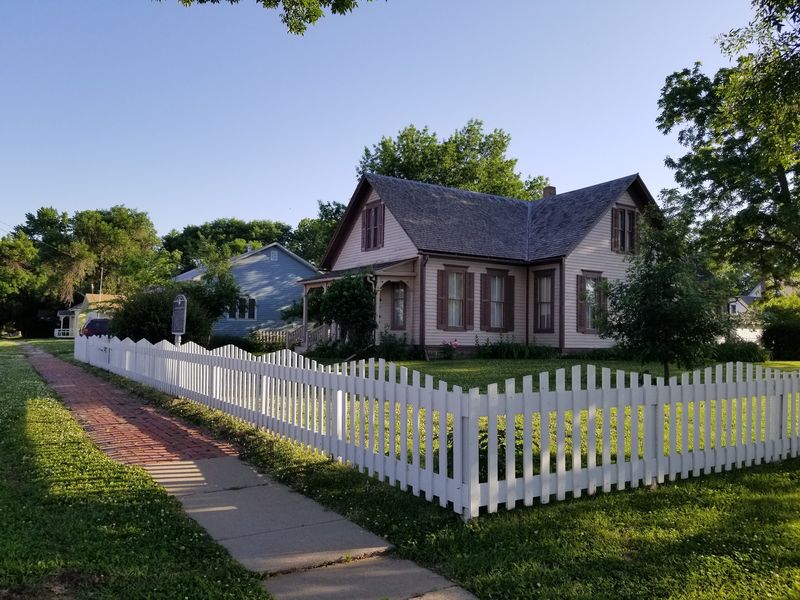
Don’t just pull up to the house and try the front door. Visits run by guided tour, and those tours depart from the National Willa Cather Center downtown.
The house itself sits at 245 N Cedar St, Red Cloud, NE 68970. The center is at 413 North Webster Street, an easy hop away.
A sign on the gate points visitors toward the center. Plenty of travelers have found the house locked simply because they skipped this step.
The center is worth time on its own. It opened in 2017 and covers nearly 20,000 square feet devoted to Cather’s life and work.
Inside are a museum, an archive, a classroom, an art gallery, and a performing arts space. There’s also a well-stocked bookstore, so pack some shelf space in the car.
The main exhibit is called American Bittersweet: The Life and Writing of Willa Cather. It’s a solid primer before you see the house in person.
The Willa Cather Foundation, founded in 1955, calls the center home. Tour options range from single buildings to bigger multi-site packages.
The Opera House Where A Teenage Willa Took The Stage
In 1890, a sixteen-year-old Willa Cather stood on a stage downtown and delivered her high school graduation oration. That stage still exists.
The Red Cloud Opera House dates to 1885. It’s one of the stops you can add to a Cather tour.
This was where she first encountered theater and opera as a young girl. Those early shows left impressions that later surfaced throughout her writing.
It’s a fun mental exercise to stand inside. Imagine a prairie town in the 1890s crowding in for traveling performers and local events.
The building still hosts performances today. So it isn’t a frozen relic, it’s a working small-town venue with real history.
Cather once wrote that only real people speaking the lines can give us that feeling of living along with them. The quote fits this room perfectly.
Pairing the opera house with the childhood home makes sense. One shows where she dreamed, the other shows where she first spoke up in public.
Together they sketch a pretty complete portrait of a young writer finding her voice.
Seven More Historic Sites Turn The Whole Town Into A Book
Red Cloud claims the largest collection of sites honoring any single American author. The childhood home is just the opening chapter.
Guided tours connect it with seven additional nationally designated historic sites. Each one ties to Cather’s life or to settings in her fiction.
The Burlington Depot is where newcomers stepped off trains into the prairie town. It’s easy to picture a young Virginia family arriving right there.
Grace Episcopal Church and St. Juliana Falconieri Catholic Church are on the list too. So is the Farmers and Merchants Bank, a classic small-town landmark.
The J.L. Miner House rounds out the group with another family connection.
The Miners were friends of the Cathers, and their story echoes through her books.
You can choose smaller tours or go big with the seven-building option. Cather completists will want the full package.
The town itself has a turn-of-the-century feel that suits the subject. Old architecture lines the streets, none of it trying too hard.
Walking between stops lets you see the community that filled her novels.
Never-Plowed Prairie Waits Just South Of Town
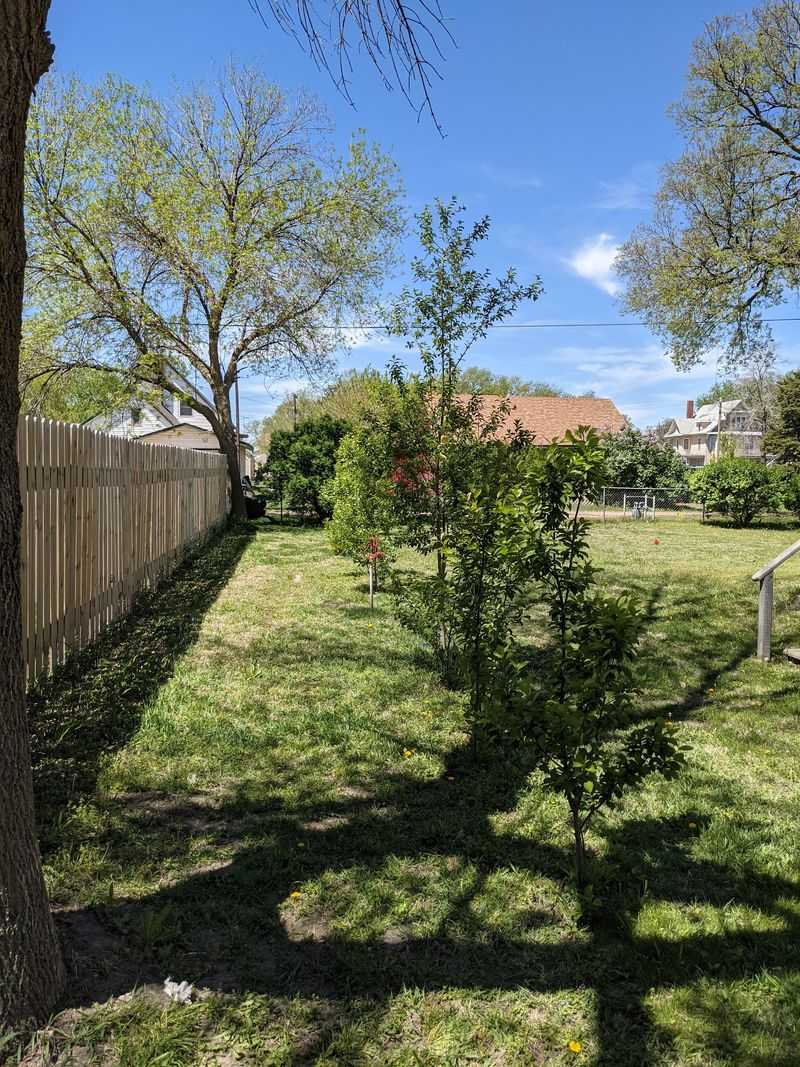
Six hundred twelve acres of native prairie that has never felt a plow. That’s what waits a short drive south of Red Cloud.
The Willa Cather Memorial Prairie sits near the Kansas border. It preserves the kind of landscape that filled her descriptions of frontier life.
Restoration efforts aim to return the land to its 19th-century conditions. Modern intrusions are being removed so the view looks more like Cather’s era.
After seeing her attic bedroom, this place completes the picture. The house shows where she wrote dreams, and the prairie shows what she dreamed about.
Sunset here earns special praise from the folks who run the Cather sites. Wide sky, rolling grass, and Nebraska light make a strong closing scene for any day.
Guided country tours also reach the Pavelka Farmstead and other Webster County spots. The Pavelka family connects to the real story behind My Antonia.
Country tours require advance reservations, so plan ahead. Spur-of-the-moment visits work better for the in-town sites.
Bring a camera and maybe a jacket, because prairie wind rarely takes a day off.
Smart Timing Makes This Literary Day Trip Click
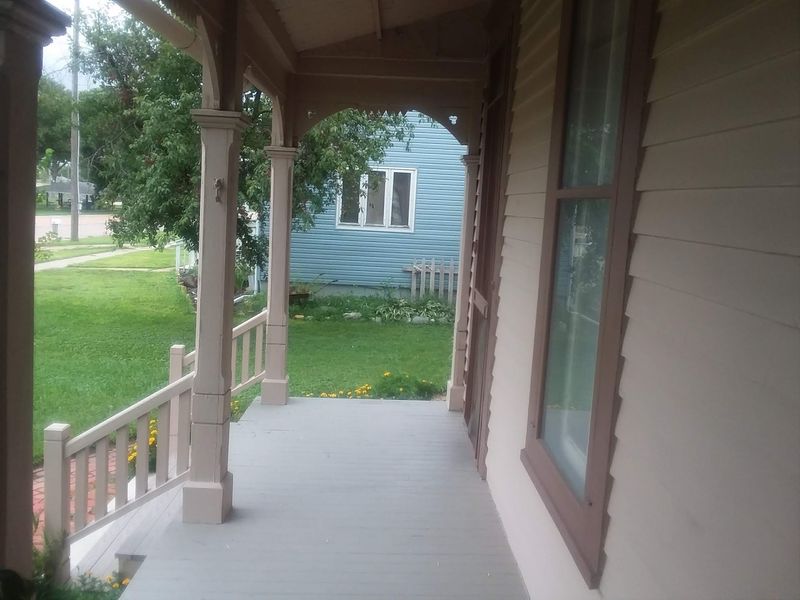
Timing is everything with this trip. The National Willa Cather Center and its tours generally close on Sundays and Mondays.
Hours shift between summer and winter seasons. Check the foundation before driving, since weather can occasionally close things too.
A few federal holidays, including July 4, also mean closed doors. Missing the house after a long drive is nobody’s idea of fun.
Want more than a day? The Cather Second Home Guest House offers lodging right in Red Cloud for an overnight stay.
June brings the annual Willa Cather Spring Conference. That’s a natural pick if you want to be surrounded by fellow fans.
A self-guided option exists for the Childhood Home, along with guided tours of various sizes. Pick based on how deep your Cather love runs.
So is it worth it? For anyone who’s read her books, standing beneath that rose wallpaper feels like meeting the author in person.
And for everyone else, it’s a proud little piece of Nebraska. A small house in a small town that quietly gave the world big stories.