9 Wisconsin Day Trips Under Two Hours From Milwaukee Where You Can Park And Explore On Foot
What if your car could spend most of the day parked while you actually enjoyed the destination?
These Wisconsin escapes make that wonderfully easy.
Within two hours of Milwaukee, walkable towns invite visitors to explore harbors, historic mills, bookstores, museums, river paths, mansions, murals, and delightfully odd local attractions on foot.
You can climb a lighthouse before lunch and browse downtown afterward without moving the car again. That sounds refreshingly simple!
Each place gives you enough variety to fill the day while keeping the logistics easy.
Your shoes may complain by dinner, but your car will have enjoyed the quietest road trip imaginable.
1. Cedarburg Historic District
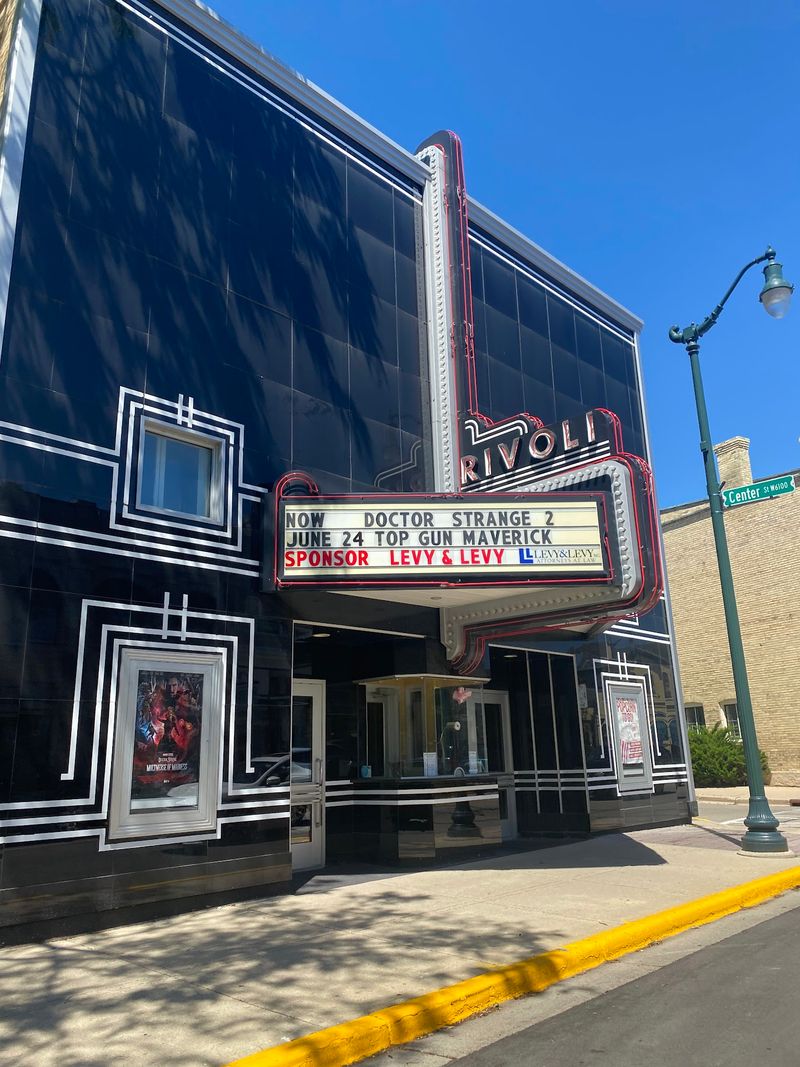
What if a whole town could pass for an old postcard come to life?
The Cedarburg Historic District answers that question with rows of limestone and brick buildings dating largely to the nineteenth century.
Washington Avenue alone contains more than 100 historically significant structures, and many now hold independent shops, galleries, cafes, and small businesses.
Cedar Creek Settlement makes an easy first stop. The complex occupies the former 1864 Wittenberg woolen mill, where thick stone walls now surround specialty shops, artist studios, restaurants, and a working forge.
From there, the downtown core is compact enough to explore without returning to the car.
The Cedarburg History Museum adds useful context inside the old mill-store building near Cedar Creek. Current exhibits trace local immigration, community growth, and regional history.
A few blocks away, the Cedarburg Art Museum presents rotating exhibitions in an 1898 historic residence and focuses on regional art.
For more time outside, the paved Ozaukee Interurban Trail passes through town and offers an easy extension beyond the shopping streets.
Seasonal festivals bring extra activity, so quieter weekdays can feel noticeably different from major event weekends.
Parking is available near the history museum and throughout downtown. Start around Columbia Road or Washington Avenue, then let the limestone storefronts, creek views, museums, and short side streets shape the rest of the day.
2. Geneva Lake Shore Path
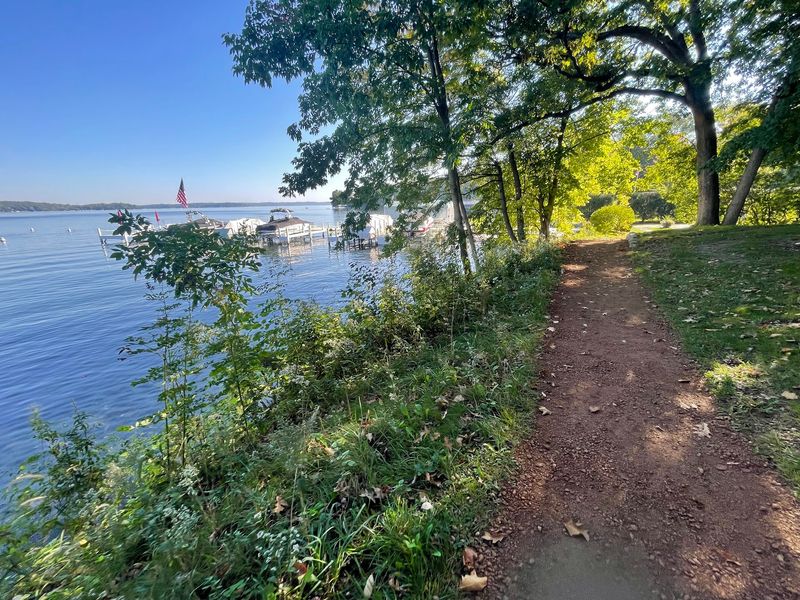
Just imagine for a second strolling through dozens of fancy front yards. Nobody shoos you away, because the path is open to everyone.
The Geneva Lake Shore Path follows the water past historic estates, landscaped grounds, wooded stretches, and public lakefront areas.
The shoreline itself measures about 21 miles, while the full path can approach 26 miles because it bends inland around parts of the lake.
There is no reason to tackle the entire route in one day. Public access points in Lake Geneva, Williams Bay, Fontana, and Big Foot Beach State Park make shorter out-and-back walks much easier.
The downtown stretch near the public library is one of the simplest places to begin.
Footing changes constantly. Grass may turn into brick, cement, gravel, stepping stones, or narrow wooded sections within a single outing.
Sturdy shoes matter, and strollers are not recommended on the rougher portions. Bicycles, skates, and motorized vehicles are not permitted on the path.
Leashed dogs can join the walk as long as owners remain on the established route and clean up after them. Visitors should also stay off private lawns, piers, gardens, and boathouses.
Riviera Beach, downtown restaurants, shops, and public lake views sit close to the central access points. Around here, few walks combine grand architecture and shoreline scenery this continuously without requiring another drive.
3. Port Washington Marina & Downtown
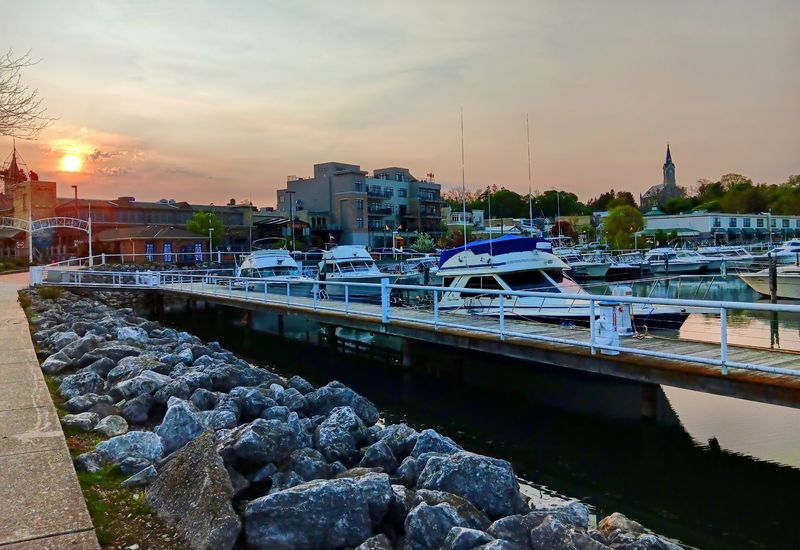
My jaw dropped at the first glimpse of that harbor. Blue water, bobbing sailboats, and a hilltop lighthouse all fit in one view.
Port Washington pairs a compact downtown with a working Lake Michigan waterfront.
Franklin Street forms the historic core, where a four-block district preserves an unusually large collection of nineteenth-century commercial buildings now filled with shops and places to eat.
A self-guided architecture walk makes those blocks more meaningful. Copper numbers set into the sidewalks mark stops, while QR codes add background as you move from one facade to the next.
Public art creates another route through town: thirteen murals were installed between 2023 and 2025, with subjects drawn from local nature, waterfront life, and community history.
The 1860 Light Station Museum stands above the harbor and opens seasonally. Down at water level, the 2,500-foot breakwater leads toward the restored 1935 pierhead light and long views across Lake Michigan.
South Beach, Coal Dock Park, and the marina offer easy places to slow down near the water. Upper Lake Park also connects with the Ozaukee Interurban Trail for anyone who wants to extend the walk.
Port Washington sits about 25 miles north of Milwaukee, making this one of the easiest Wisconsin harbor escapes on the list. Park near downtown, then let Franklin Street and the waterfront handle the itinerary.
4. Riverwalk & Downtown West Bend
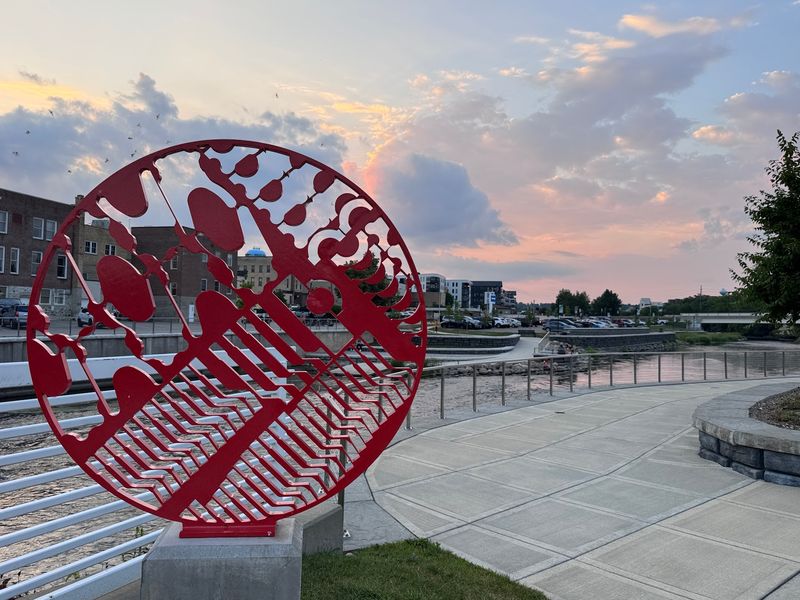
A bronze figure seems to wave hello from the grass.
That kind of surprise fits West Bend, where public art appears along the river and throughout downtown.
The city’s sculpture walk now includes more than 40 outdoor works made from metal, stone, and other materials, so the route feels different from an ordinary paved path.
The Downtown Riverwalk follows the Milwaukee River as part of a green corridor stretching more than three miles.
Walkers, joggers, cyclists, and rollerbladers use it in warmer weather, while colder months bring snowshoeing and skiing. Several trailheads and parking areas sit close to the central business district.
Following the path north eventually connects with Regner Park, one of the city’s larger green spaces. Its grounds include the 90-foot Labyrinth Garden, a seven-circuit earth sculpture bordered by seasonal plantings.
Downtown sits only steps from the river, with shops, restaurants, public art, and historic streets easy to combine into the same outing.
For anyone wanting extra mileage, the Eisenbahn State Trail runs 25 miles from West Bend toward Eden, including a five-mile paved section through the city.
Parking is available near Water and Washington streets and along several Riverwalk access points. Start close to downtown, follow the river for as long as your legs allow, then loop back through the business district.
5. Downtown Racine & Lakefront
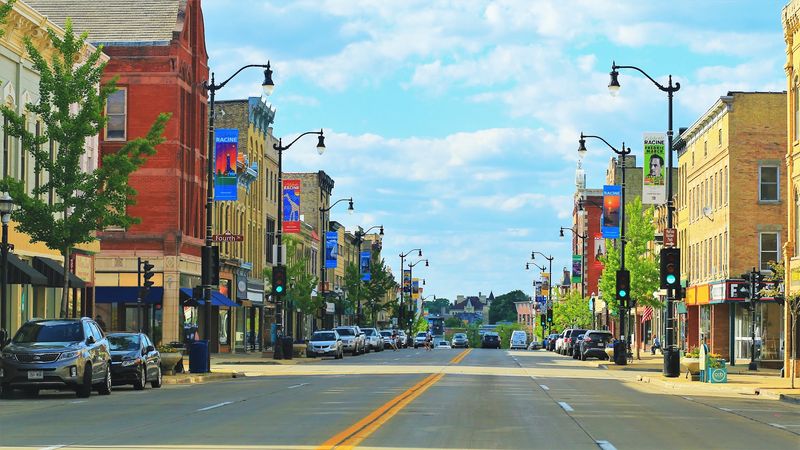
A lakeside art museum, bold architecture, and a huge beach share one downtown.
Downtown Racine makes it possible to combine culture, architecture, and Lake Michigan without spending the day moving a car.
Historic commercial blocks lead toward the harbor, while the Racine Art Museum focuses on contemporary craft in materials such as glass, ceramics, fiber, metal, and wood.
The Racine Heritage Museum adds local context and offers seasonal walking tours through downtown and the lakefront.
Those guided routes cover roughly a mile and connect architecture with the city’s industrial, commercial, and waterfront development.
A separate architectural stop can be planned at the SC Johnson campus, where advance reservations are required for tours of the Frank Lloyd Wright-designed Administration Building and Research Tower.
Because that complex sits beyond the tightest downtown walking core, it works best as an optional addition rather than part of the park-once route.
For a simpler day on foot, continue north along the lakeshore toward North Beach. The 50-acre beach includes 2,500 feet of shoreline, walking access, picnic space, and a section of the Lake Michigan Pathway.
This part of Wisconsin works especially well when the weather allows plenty of outdoor time. Park downtown, visit the museums first, then follow the water north for a long walk before returning through the city streets.
6. Downtown Oconomowoc
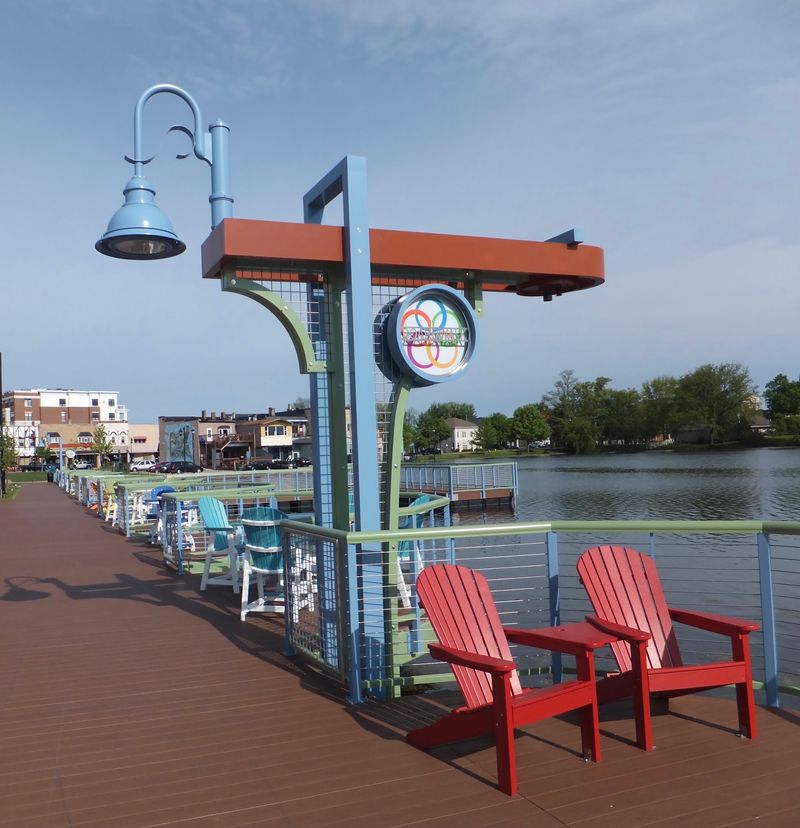
That makes two of us if lakes make you instantly happy. Now picture a downtown squeezed right between two of them.
Downtown Oconomowoc sits between Fowler Lake and Lac La Belle, giving the central streets a waterfront feel from more than one direction.
Shops, cafes, public spaces and lake access sit close enough together for a full day without repeatedly returning to the car.
A 2026 city parking map counts 1,139 public spaces downtown, including on-street stalls and municipal lots. Time limits vary, so posted signs still matter.
Village Green Park overlooks Fowler Lake from downtown and adds benches, picnic tables, and a short walking path.
Farther along the water, Fowler Park provides a paved walkway, an accessible fishing pier, picnic areas, and lake views. Lac La Belle also has public access near downtown.
The historic center remains the main reason to explore on foot. Older commercial buildings, storefront details, and lakefront streets create a compact route that adjusts easily around shopping or a meal.
Community events use downtown parks during warmer months, so the mood changes with the calendar. Fall adds reflected color across both lakes, while quieter weekdays emphasize the water.
Choose one of the municipal lots near the central blocks, then let the two shorelines pull the route in different directions. The compact layout keeps detours easy without turning the outing back into a driving day.
7. Historic Downtown Waukesha
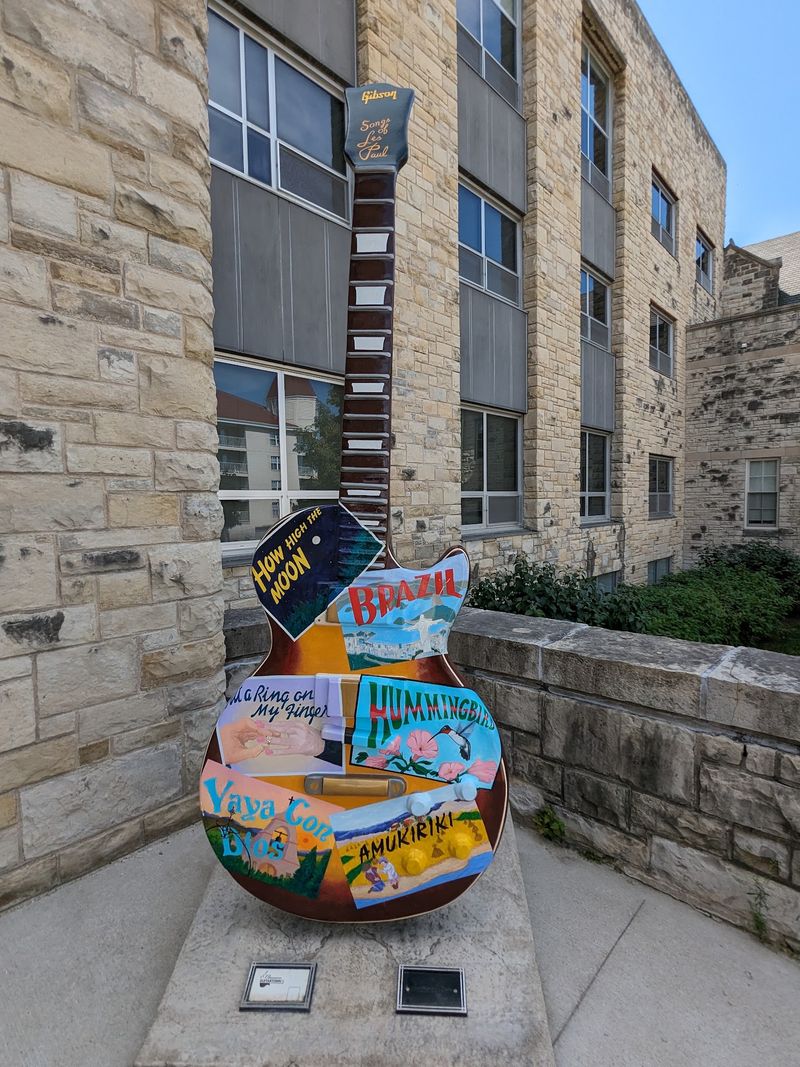
Louder for the people in the back: this town rocks. Giant painted guitars stand right on the sidewalks.
Historic Downtown Waukesha uses that music connection as public art.
Ten-foot fiberglass guitars and large murals appear around the central streets, honoring the city’s connection to Les Paul and turning an ordinary walk into an informal scavenger hunt.
The music theme is only part of the route. Waukesha’s history is also tied to natural springs that drew visitors during the nineteenth century, and self-guided historic material connects those earlier resort years with the buildings that remain downtown.
The Fox River runs beside the district, where the Riverwalk links green space, bridges, public art, and pedestrian routes.
Current city planning continues to invest in Riverwalk improvements, so sections may look freshly updated as projects progress.
Shops, cafes, bookstores, galleries, and performance spaces spread out from Main Street and the Five Points area.
The city also maintains a public-art walking route with roughly 20 works around downtown, giving visitors another reason to keep moving between blocks.
Parking remains straightforward. The South Street and Transit Center ramps both offer two free hours, and additional municipal lots and street spaces surround the core.
From Milwaukee, the drive is short enough to leave most of the day for walking. Start downtown, follow the guitars toward the river, then loop back through the shops.
8. Downtown Kenosha & HarborPark
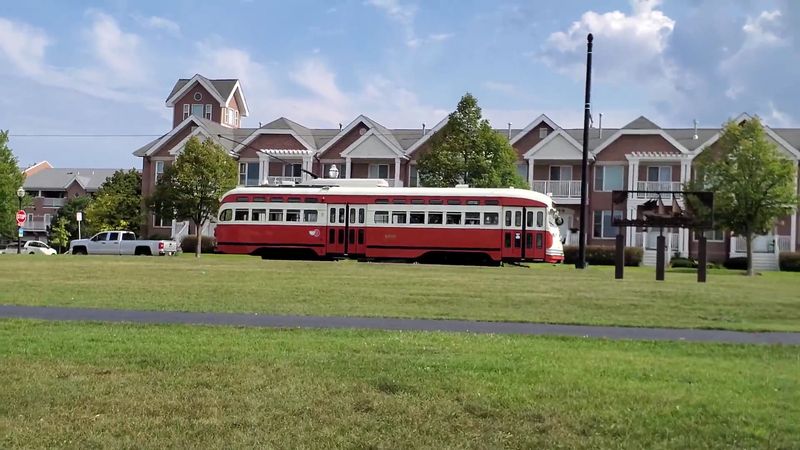
I am right there with you on loving a good lakefront. Throw in vintage streetcars, and I am sold.
Downtown Kenosha and HarborPark make the waterfront unusually easy to explore without a car.
HarborPark covers 69 acres of redeveloped shoreline, with a lakeside promenade, green space, public art, museums, and views across Lake Michigan.
Restored electric streetcars circle a two-mile loop through the lakefront and downtown.
They operate year-round, so they can shorten the walk without breaking the park-once idea. The route connects major museum areas and gives the harbor a distinctive retro rhythm.
The Kenosha Public Museum sits directly on the waterfront and explores natural history, regional culture, and changing exhibitions.
Its mammoth displays are especially significant because local discoveries helped reshape understanding of early human activity in North America.
Outside, the HarborPark Sculpture Walk adds art along the shoreline, while Celebration Place hosts seasonal programs.
Two historic lighthouses remain visible around the harbor. The 1866 Southport Light Station Museum opens seasonally, and its tower can be climbed when access is offered.
Downtown streets add locally owned shops and places to eat within an easy walk of the water. Public lots, street spaces, and a free downtown parking structure make it simple to leave the car once.
For a Wisconsin day trip with museums, public art, lake views, and transit nostalgia, Kenosha packs plenty into a compact waterfront district.
9. Downtown Burlington
One Wisconsin town proudly spent decades calling itself Chocolate City.
Downtown Burlington still has a strong connection to chocolate manufacturing, but its identity has changed.
The city formally moved away from the old Chocolate City USA branding after a broader rebranding process, and the long-running ChocolateFest has been replaced by the Burlington Jamboree.
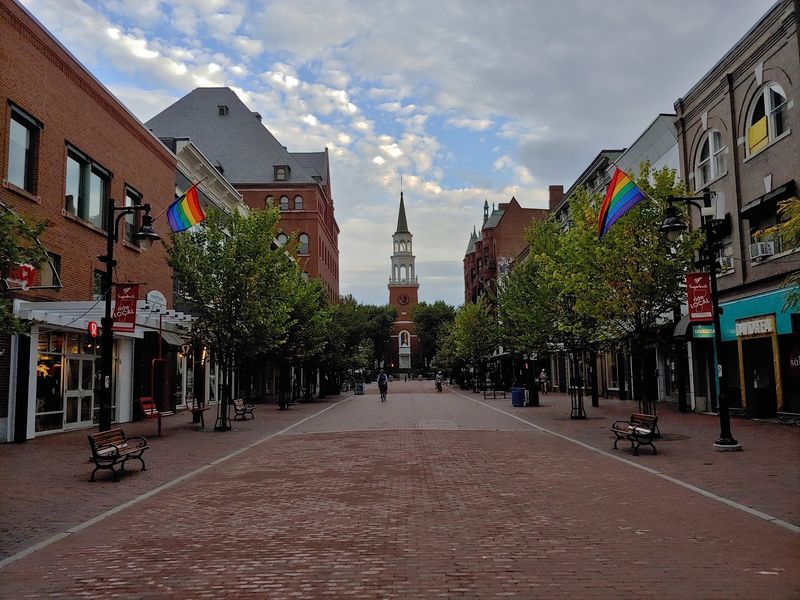
The downtown remains compact and easy to cover on foot. Historic storefronts, local shops, restaurants, parks, and the Fox River sit within a short radius, while Riverfront Park provides walking trails and accessible green space near the water.
The quirkiest stop is still active. The Spinning Top and Yo-Yo Museum displays more than 2,000 antique and modern spinning toys and adds hands-on demonstrations and games.
The connected Logic Puzzle Museum offers more than 60 mechanical and three-dimensional puzzles during timed sessions. Both operate on limited schedules, so checking ahead matters.
Outdoor time can continue on city trails or along the river. Burlington’s broader trail network links downtown with parks and routes beyond the central blocks.
Parking is simple: most downtown street spaces are free with time limits, and the city maintains five off-street lots plus a parking structure, all with free municipal parking.
Downtown construction has continued through parts of 2026, so access can shift by block. Once parked, though, the museums, riverfront, and central shops remain close together.