18 Wisconsin Dinner Table Rules From The ’60s That Would Leave Kids Today Scratching Their Heads
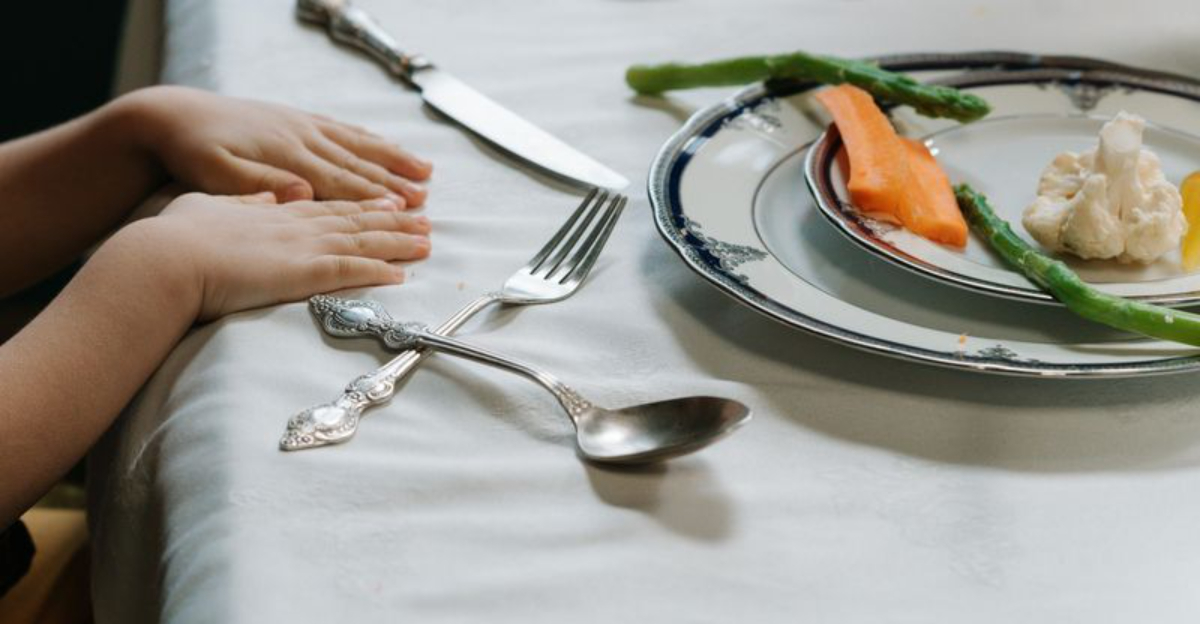
Family meals once held a sacred place at the dinner table, a time for connection, respect, and ritual.
Strict dining etiquette guided the behavior of children, shaping how they interacted with food, family, and one another.
Every gesture had meaning, from the way you sat to the words you spoke. Meals were not just about nourishment – they were an opportunity to reinforce family values and teach discipline.
As modern technology and fast-paced lifestyles transformed how families gathered, many of these traditions slowly faded.
In Wisconsin, however, these practices persisted a bit longer, keeping the spirit of those dinner-time codes alive even as the world around them rapidly evolved.
1. Wait To Be Seated

Children couldn’t just plop down in their chairs whenever they felt like it during the sixties.
Instead, they had to wait patiently until the head of the household – usually Dad – took his seat first.
Only then could everyone else sit down and prepare for the meal ahead.
This practice reinforced the family hierarchy and taught kids about respecting authority figures.
Young ones would stand behind their chairs, sometimes fidgeting impatiently while wonderful aromas wafted from the serving dishes.
The wait might only last a few seconds, but it felt much longer to hungry children.
Wisconsin families viewed this ritual as essential training for life beyond the home.
Kids learned patience, self-control, and the importance of honoring family structure.
Today’s children, who often eat on different schedules or grab meals on the go, might find this coordinated seating arrangement oddly formal.
The practice created a sense of ceremony around everyday meals, transforming dinner into a meaningful family event rather than just a refueling stop.
2. No Talking With Food In Your Mouth
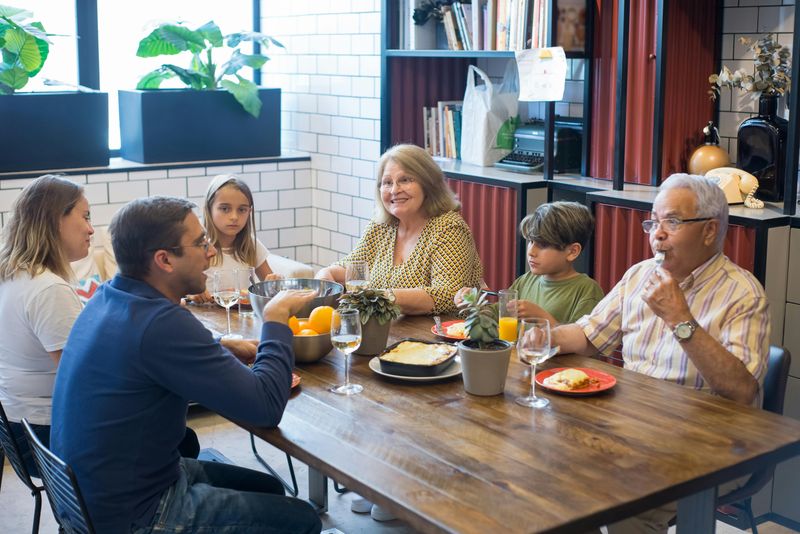
Speaking while chewing was considered one of the most disrespectful things a child could do at the dinner table.
Wisconsin parents enforced this rule strictly, believing it showed both good hygiene and proper upbringing.
Kids learned to time their conversation carefully, taking small bites so they could swallow quickly when they had something to say.
The rule extended beyond just keeping your mouth closed – children were expected to chew quietly without making smacking sounds.
This meant slowing down and being mindful of every bite, which actually helped with digestion.
Families believed that mealtime conversation should be pleasant and civilized, not marred by unappetizing displays of half-chewed food.
Modern kids who chat freely while eating would have received sharp looks or verbal corrections from parents and grandparents alike.
The practice taught self-awareness and consideration for others at the table.
Wisconsin children grew up understanding that some things were simply not done in polite company, and talking with your mouth full topped that list.
3. No Reaching Across The Table
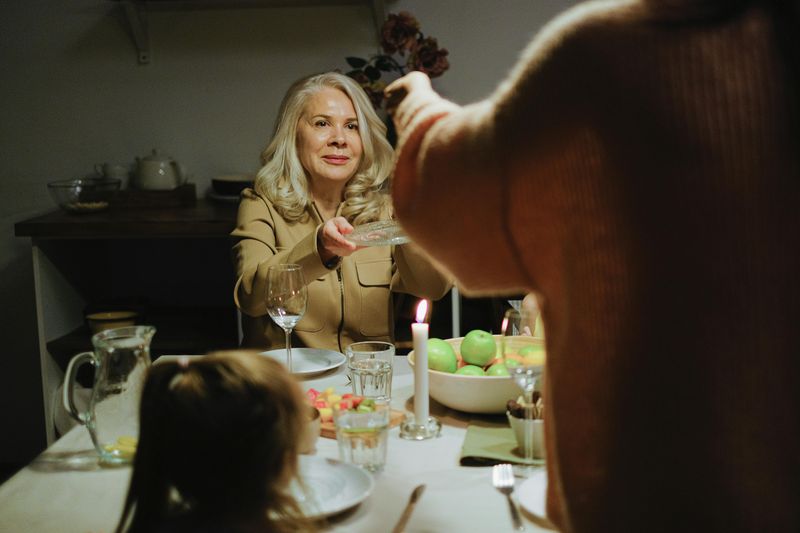
Stretching your arm across the table to grab the butter or salt shaker was completely unacceptable in Wisconsin homes during the 1960s.
Instead, children had to use their words and ask politely for items to be passed to them.
This simple rule taught patience, communication skills, and consideration for others’ personal space.
The phrase “Please pass the potatoes” became second nature to kids raised in this era.
They learned to make eye contact, speak clearly, and wait patiently while the requested item made its way around the table.
Sometimes this meant watching the gravy boat travel through three or four hands before finally reaching you.
This practice also prevented accidents like knocking over glasses or dragging sleeves through food.
Wisconsin parents saw it as training for formal dinners and social situations children would encounter as adults.
Today’s kids, who might casually reach for whatever they need, would find this indirect approach frustratingly slow.
The rule reinforced that dinner was a communal experience requiring cooperation and mutual respect among all family members.
4. Use Proper Utensils
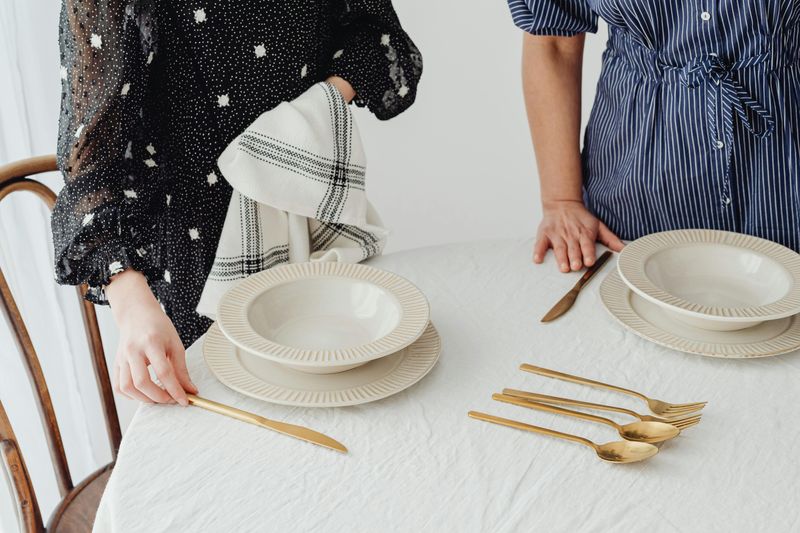
Every fork, knife, and spoon had its designated purpose, and Wisconsin children were expected to master the proper use of each.
The salad fork stayed on the outside, the dinner fork closer to the plate, and knives always faced inward with the cutting edge toward the plate.
Learning these placements was like memorizing a secret code that unlocked proper society.
Parents taught their children which utensil to use for each course and how to hold them correctly.
The fork belonged in the left hand and the knife in the right when cutting meat, though Americans could switch the fork to the right hand for eating.
Breaking these rules or eating with the wrong utensil brought swift correction.
Special occasions meant even more silverware to navigate, including soup spoons, butter knives, and dessert forks.
Wisconsin families believed that knowing proper utensil use would serve their children well throughout life.
Modern kids who eat pizza with their hands or use spoons for everything would struggle with this level of formality at everyday meals.
5. No Talking About Politics Or Religion
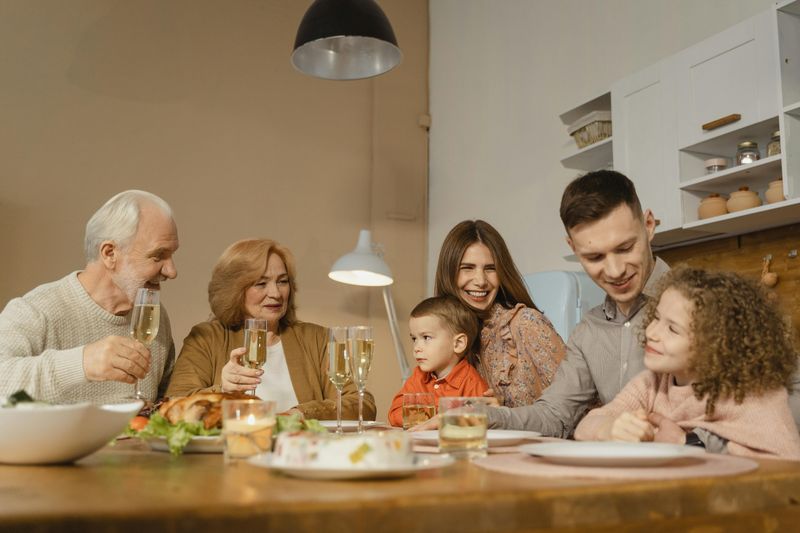
Certain subjects were strictly off-limits during family dinners in the sixties.
Politics and religion topped the list of forbidden topics because they could quickly turn a pleasant meal into an uncomfortable argument.
Wisconsin families valued harmony at the dinner table and believed mealtime should bring people together, not drive them apart.
Children learned early on that some conversations belonged elsewhere – perhaps in the living room after dinner or during adult-only discussions.
This rule protected younger ears from heated debates and taught kids that timing and setting mattered when discussing sensitive subjects.
Even during election years, families tried to keep dinner conversation light and agreeable.
The practice reflected broader social norms about maintaining peace and avoiding conflict in mixed company.
Wisconsin parents wanted their children to focus on enjoying the food and sharing pleasant stories about their day.
Today’s families who debate everything from school policies to current events at the table would find this restriction stifling.
The rule taught discretion and social awareness, skills that served people well in professional and social situations throughout their lives.
6. Wait For Everyone To Finish Before Leaving
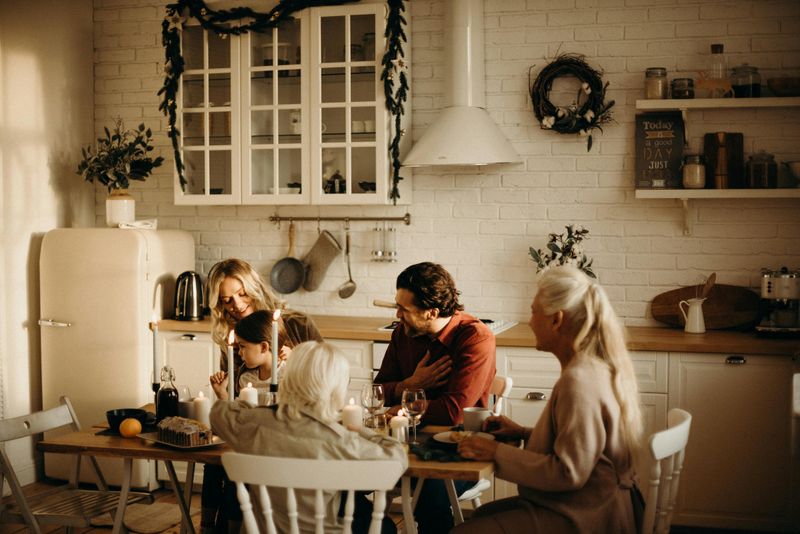
Bolting from the table the moment you swallowed your last bite simply wasn’t allowed in Wisconsin households.
Children had to remain seated until every family member had finished eating, no matter how eager they were to return to playing outside or watching television.
This rule emphasized that dinner was a shared experience, not a race.
Kids learned to sit quietly, perhaps engaging in conversation or simply observing the adults around them.
The wait could feel eternal to a child who had gobbled down dinner in record time while parents slowly savored their coffee.
Fidgeting was discouraged, so children developed patience and self-control during these extended sitting periods.
The practice reinforced family unity and taught respect for the pace of others.
Wisconsin parents believed that rushing through meals or abandoning the table prematurely showed disrespect for the cook and the family gathering.
Modern children who eat quickly and dash off to their next activity would find this expectation incredibly restrictive.
The rule created natural opportunities for conversation and connection that many families today miss in their busy schedules.
7. No Singing Or Humming At The Table
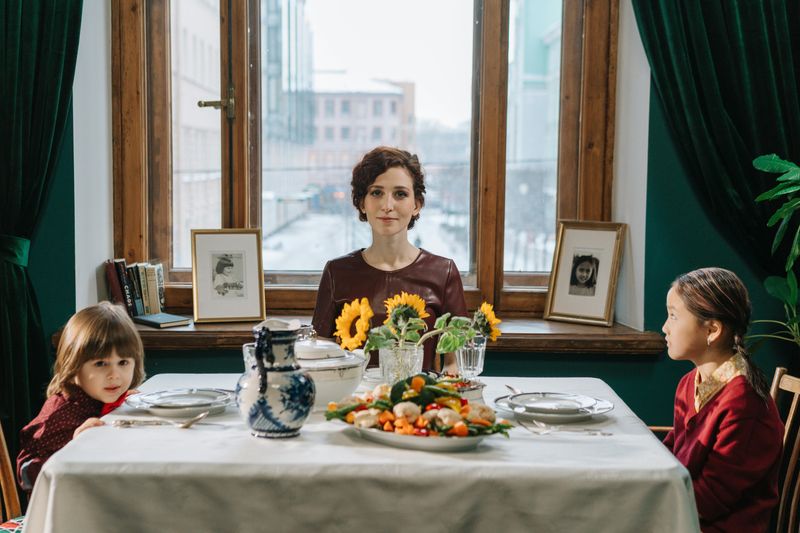
Musical expression had no place at the dinner table according to 1960s Wisconsin standards.
Singing, humming, or making any unnecessary noise was considered disruptive and disrespectful to others trying to enjoy their meal.
Children who naturally hummed while eating quickly learned to save their tunes for after dinner.
Parents viewed mealtime as an opportunity for conversation and connection, not a concert performance.
Even quiet humming under one’s breath could earn a warning look or verbal reminder.
The rule applied whether a child was humming a jingle from a television commercial or a song learned at school that day.
This expectation taught children to be mindful of their behavior and how it affected those around them.
Wisconsin families wanted peaceful, civilized meals where everyone could hear and participate in conversation.
Today’s kids who might unconsciously hum along to songs stuck in their heads would have struggled with this silent requirement.
The practice reflected broader values about self-control and situational awareness that extended beyond the dinner table into all areas of life.
8. Sit Up Straight, No Slouching

Proper posture wasn’t optional during family dinners in sixties Wisconsin.
Children were expected to sit up straight with their backs against the chair, feet flat on the floor, and shoulders squared.
Slouching, leaning to one side, or draping yourself across the chair brought immediate correction from parents who viewed such behavior as lazy and disrespectful.
Good posture was believed to aid digestion and show respect for the meal and the company.
Parents often reminded children to “sit up straight” multiple times during a single dinner.
The correction became so routine that many kids developed muscle memory and automatically straightened their spines when sitting down to eat.
This rule extended beyond just the dinner table – children were expected to maintain good posture in church, at school, and in public.
Wisconsin parents believed that how you carried yourself reflected your character and upbringing.
Modern kids who casually lounge in their chairs or hunch over their phones would have received constant reminders to correct their posture throughout the entire meal.
9. No Snacks Before Dinner
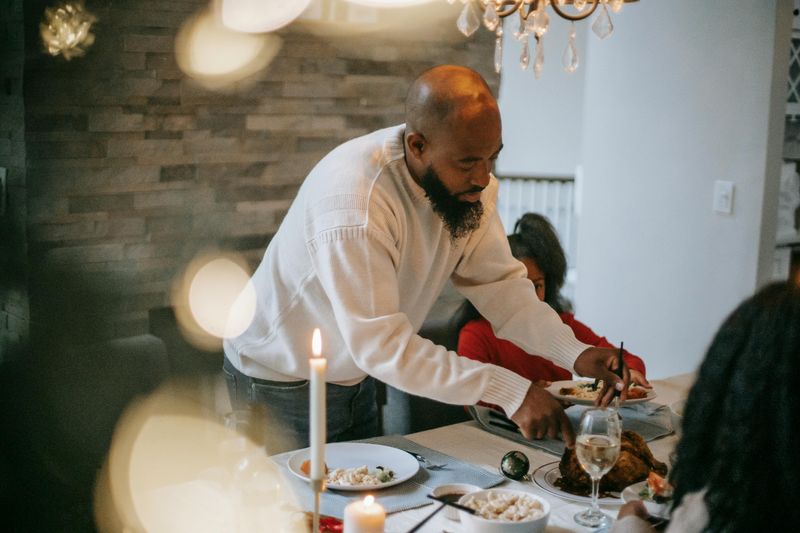
Raiding the cookie jar or grabbing a handful of crackers before dinner was strictly forbidden.
Wisconsin mothers enforced this rule firmly because they wanted their children to have healthy appetites for the nutritious meal they had prepared.
Snacking too close to dinnertime meant kids might push food around their plates instead of eating properly.
Children learned to time their after-school snacks carefully, knowing that anything eaten within two hours of dinner could get them in trouble.
The rule taught planning and self-discipline, as kids had to manage their hunger until the family gathered for the evening meal.
Some Wisconsin mothers kept snack foods hidden or out of reach during the pre-dinner hours.
This practice also ensured that children would eat their vegetables and protein rather than filling up on sweets or empty calories.
Parents believed that coming to the table truly hungry meant less food waste and fewer battles over finishing what was served.
Today’s kids with constant access to snacks and grazing throughout the day would find this restriction particularly challenging to follow consistently.
10. Ask To Be Excused

Children couldn’t simply get up and walk away from the table when they finished eating.
They had to formally ask permission to be excused, usually directing the question to their father or mother.
The standard phrase was “May I please be excused?” and it had to be said politely and clearly.
Parents might grant permission immediately or ask the child to wait a bit longer while others finished their meals.
Sometimes the answer was conditional – “Yes, but first clear your plate to the kitchen.”
This simple exchange taught children about authority, respect, and following proper social protocols.
The rule applied even when kids desperately needed to use the bathroom or had urgent homework to complete.
Wisconsin families saw this practice as essential training for navigating social situations throughout life.
Modern children who freely come and go from the table might find this formal request system oddly restrictive.
The practice reinforced that parents were in charge and that certain courtesies were non-negotiable, regardless of the situation or how casual the family atmosphere might otherwise be.
11. Use Your Napkin Properly
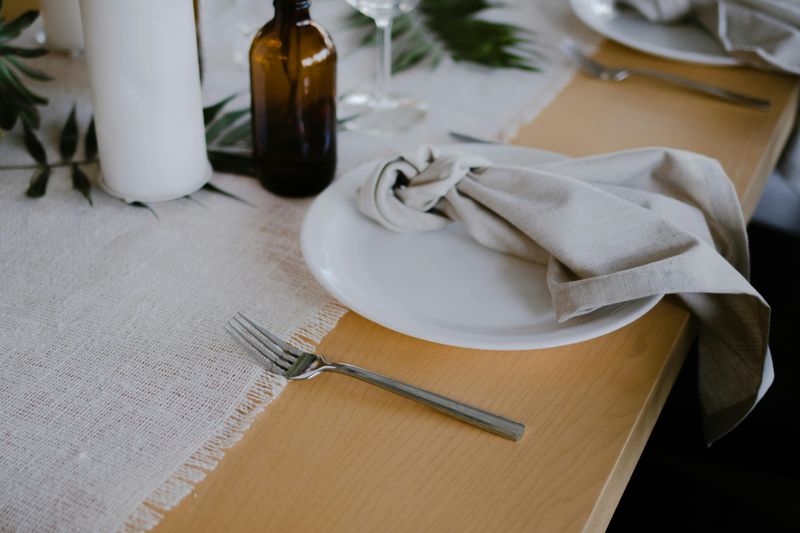
Napkins weren’t just decorative items in 1960s Wisconsin homes – they were essential tools that children had to use correctly.
The napkin belonged on your lap immediately upon sitting down, not tucked into your collar like a bib unless you were a very young child.
Kids learned to dab their mouths gently rather than wiping vigorously across their faces.
Cloth napkins were standard in many Wisconsin households, and children were taught to fold them neatly and place them beside their plates when the meal concluded.
Using your napkin to blow your nose was absolutely forbidden – that’s what tissues or handkerchiefs were for.
The napkin stayed in your lap throughout the meal, ready for use but not visible.
Parents corrected children who wiped their hands on their clothes or used their sleeves instead of their napkins.
This attention to detail taught mindfulness and proper hygiene habits.
Today’s kids who might use paper towels or simply wipe their hands on their jeans would need significant training to master these napkin conventions that Wisconsin families considered basic good manners.
12. No Reading At The Table

Books, newspapers, and magazines had no place at the Wisconsin dinner table during the sixties.
Mealtime was designated for eating and family conversation, not for reading or other solitary activities.
Children who tried to sneak a comic book to the table or read the cereal box were quickly corrected.
This rule ensured that family members engaged with each other rather than retreating into their own worlds.
Parents used dinner as an opportunity to hear about their children’s school days, discuss upcoming events, and strengthen family bonds.
Even adults were expected to set aside the evening newspaper until after dinner had concluded.
The practice taught children to be present in the moment and to value face-to-face interaction.
Wisconsin families believed that shared meals built strong relationships and created lasting memories.
Today’s kids who might watch videos or read on devices during meals would find this complete absence of entertainment particularly difficult.
The no-reading rule reflected a broader cultural emphasis on family togetherness and the belief that some times and places required full attention and participation from everyone present.
13. No Elbows On The Table
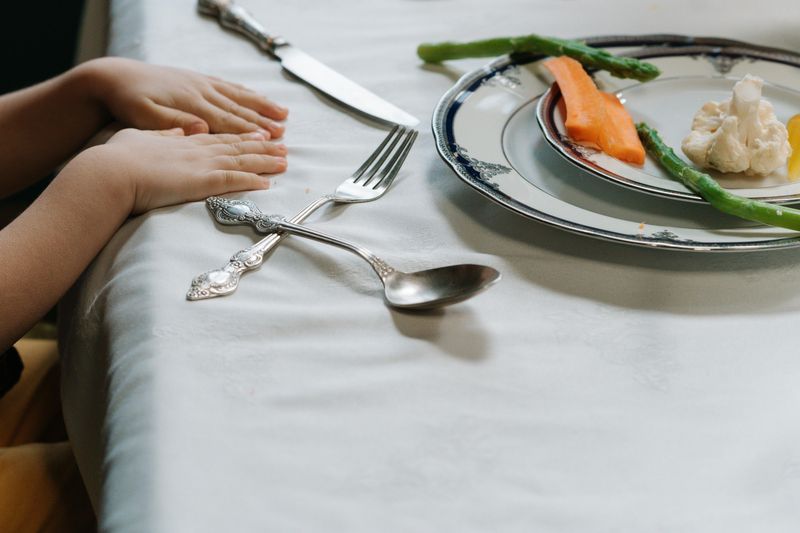
Resting your elbows on the dinner table was absolutely forbidden in Wisconsin homes back in the sixties.
Parents viewed this habit as a sign of laziness and poor upbringing, so they corrected it immediately whenever a child slipped up.
The rule applied whether families were eating meatloaf and mashed potatoes or Sunday pot roast with all the trimmings.
Proper posture meant sitting up straight with hands in your lap between bites or resting your wrists lightly on the table edge.
This practice was supposed to show respect for the meal, the cook, and everyone else gathered around the table.
Breaking this rule often resulted in a gentle but firm reminder or even a light tap on the offending elbow.
Modern kids who casually lean on their arms while scrolling through phones would have struggled mightily with this expectation.
The rule taught self-control and awareness of one’s body language during shared meals.
Wisconsin families took pride in raising children who knew how to present themselves properly in any dining situation.
14. Clean Your Plate

Leaving food on your plate was considered wasteful and disrespectful in Wisconsin homes during the 1960s.
Children were expected to eat everything served to them, whether they particularly enjoyed it or not.
The phrase “clean your plate” echoed through countless dinner tables across the state every evening.
Parents who had lived through the Great Depression or World War II rationing took food waste very seriously.
They reminded children about starving people in other countries and the hard work that went into producing and preparing each meal.
Kids learned to eat even the vegetables they disliked and to finish every last bite of meat and potatoes.
This rule sometimes meant sitting at the table long after everyone else had left, staring down at cold Brussels sprouts or congealed gravy.
Wisconsin families believed that finishing your food built character and taught gratitude.
Modern children who can choose their portions or politely decline foods they dislike would find this inflexible expectation quite harsh.
The practice reflected values of frugality, gratitude, and respect that defined the era.
15. No Complaining About The Food

Criticizing the meal or announcing that you didn’t like what was served was absolutely unacceptable.
Wisconsin children learned quickly that their job was to eat what was placed before them, not to provide commentary or reviews.
Saying “I don’t like this” or “This tastes gross” could result in punishment or being sent away from the table without eating.
Parents had worked hard to prepare the meal, and complaining was seen as deeply ungrateful.
Children were taught that the proper response to any food served was “Thank you” or perhaps silence if they truly couldn’t muster enthusiasm.
Even making faces or pushing food around the plate too obviously could be interpreted as complaining.
This rule taught children to be gracious and to consider the feelings of the person who prepared the meal.
Wisconsin families believed that good manners meant accepting what you were given with gratitude, even if it wasn’t your favorite.
Today’s kids who freely express their food preferences and might refuse to eat certain items would have struggled mightily with this expectation of silent acceptance regardless of personal taste.
16. Wait For Grace Before Eating
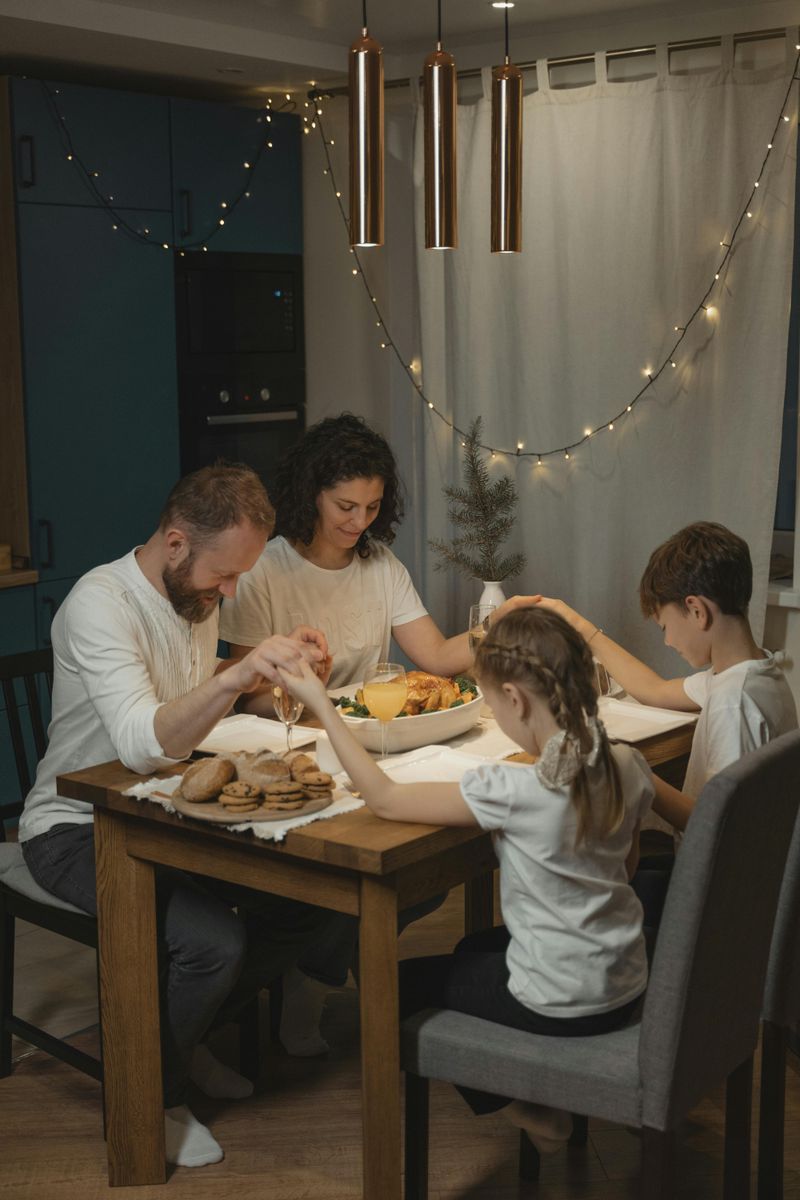
Diving into your food the moment you sat down was unthinkable in many Wisconsin households.
Families said grace or offered a blessing before anyone could take a single bite.
Children had to bow their heads, fold their hands, and remain silent and still during the prayer, no matter how hungry they were or how delicious the food smelled.
The blessing might be brief or lengthy depending on the family’s traditions and the occasion.
Some families held hands around the table, creating a physical connection while offering thanks.
Children who peeked during prayer or reached for their forks too early received stern corrections about reverence and patience.
This practice taught gratitude, self-control, and respect for family traditions.
Wisconsin families viewed mealtime prayer as an important ritual that acknowledged blessings and brought the family together spiritually.
Modern children from less religious households or those unaccustomed to formal rituals might find this pause before eating puzzling or uncomfortable.
The rule reflected the strong role that faith played in many Wisconsin homes during the 1960s and the belief that meals were gifts to be acknowledged with thanksgiving.
17. Dress Appropriately For Dinner
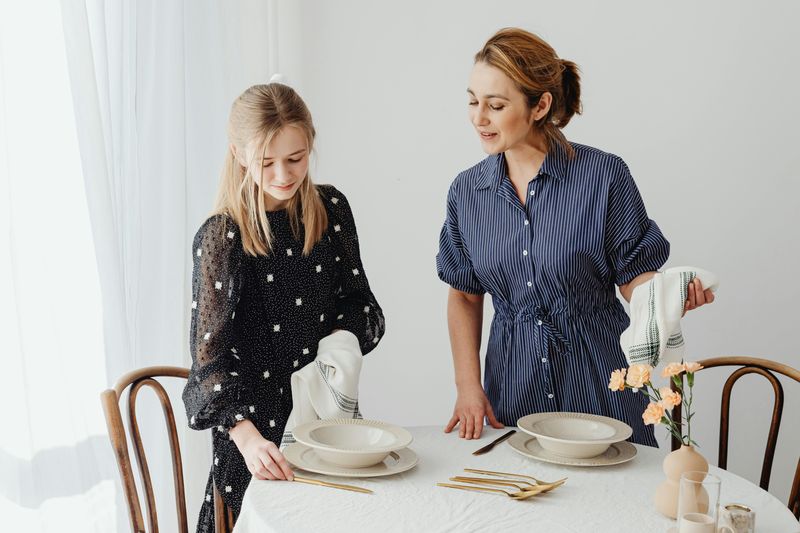
Coming to the dinner table in dirty play clothes or pajamas wasn’t acceptable in many Wisconsin homes.
Children were expected to wash up and change into clean, presentable clothing before sitting down for the evening meal.
This might mean trading muddy jeans for clean slacks or putting on a fresh shirt after an afternoon of outdoor play.
Some families took this rule even further, requiring children to comb their hair and make themselves generally neat and tidy.
Sunday dinners and special occasions demanded even higher standards of dress.
The practice taught children that mealtimes were important events worthy of preparation and respect.
Parents believed that dressing appropriately showed consideration for others at the table and elevated the significance of the family gathering.
Wisconsin children learned that certain situations required certain standards of appearance.
Today’s kids who might eat dinner in their athletic clothes or loungewear would find this expectation of changing clothes specifically for dinner quite formal.
The rule reflected broader cultural values about presentation, respect, and the importance of family meals as special daily events rather than casual refueling stops.
18. No Playing With Your Food

Food was for eating, not for entertainment or artistic expression.
Wisconsin children who built mashed potato mountains, made gravy rivers, or arranged peas into patterns on their plates quickly learned that such behavior was unacceptable.
Playing with food was considered wasteful, messy, and disrespectful to the person who prepared the meal.
Parents watched carefully for signs of food play, which often indicated that a child was avoiding eating something they didn’t like.
Pushing food around the plate, mashing items together unnecessarily, or taking excessively long to eat could all be interpreted as playing rather than eating.
Children were expected to eat efficiently and purposefully, not to dawdle or create entertainment from their dinner.
This rule taught focus, respect, and practical eating skills.
Wisconsin families believed that meals had a serious purpose and that treating food like a toy showed poor character.
Modern children who might create food art on their plates or playfully interact with their meals would have faced swift correction.
The expectation reflected values of efficiency, respect for resources, and the belief that mealtimes had specific purposes that didn’t include play or creative expression with the food itself.