9 Wisconsin Lakes Where Ice Fishing Meets Winter Cooking
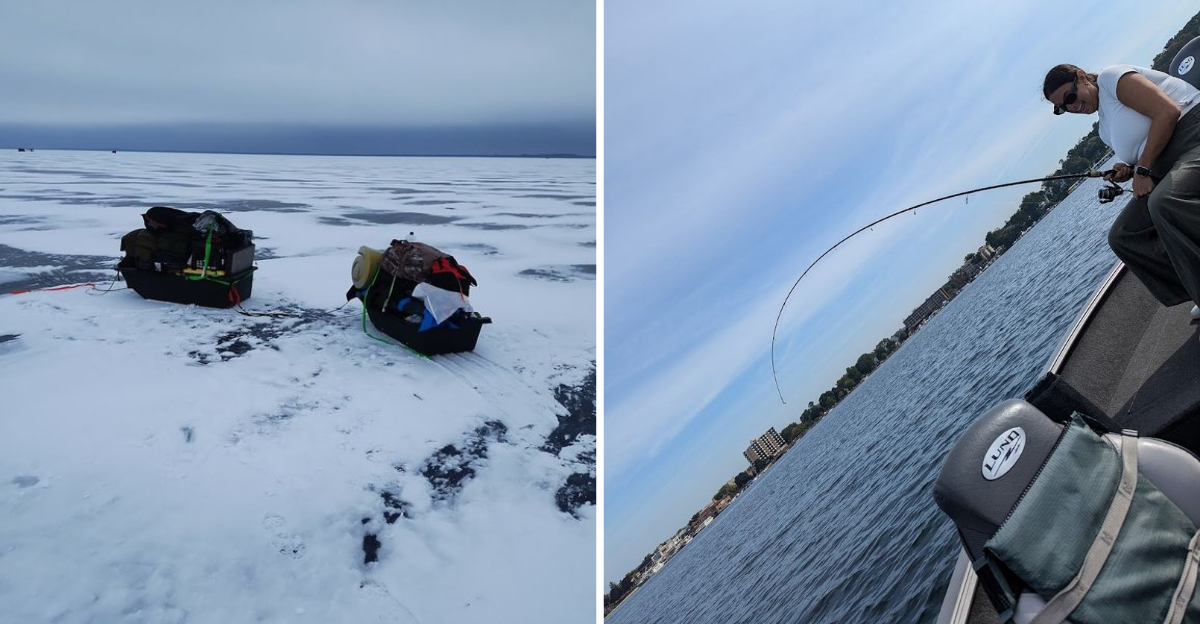
Wisconsin is famous for its many lakes, and when winter hits.
They turn into a whole different kind of playground.
Forget swimming and boating. It’s all about ice fishing now.
But this isn’t just about catching fish.
Many folks are also bringing their ice shanty cooking setups.
Imagine drilling a hole, dropping a line, and then whipping up a warm meal or a hot drink.
It’s a pretty cool way to spend a cold day. Let me tell you about some spots where you can try this unique combination of winter sport and outdoor cooking.
1. Lake Winnebago
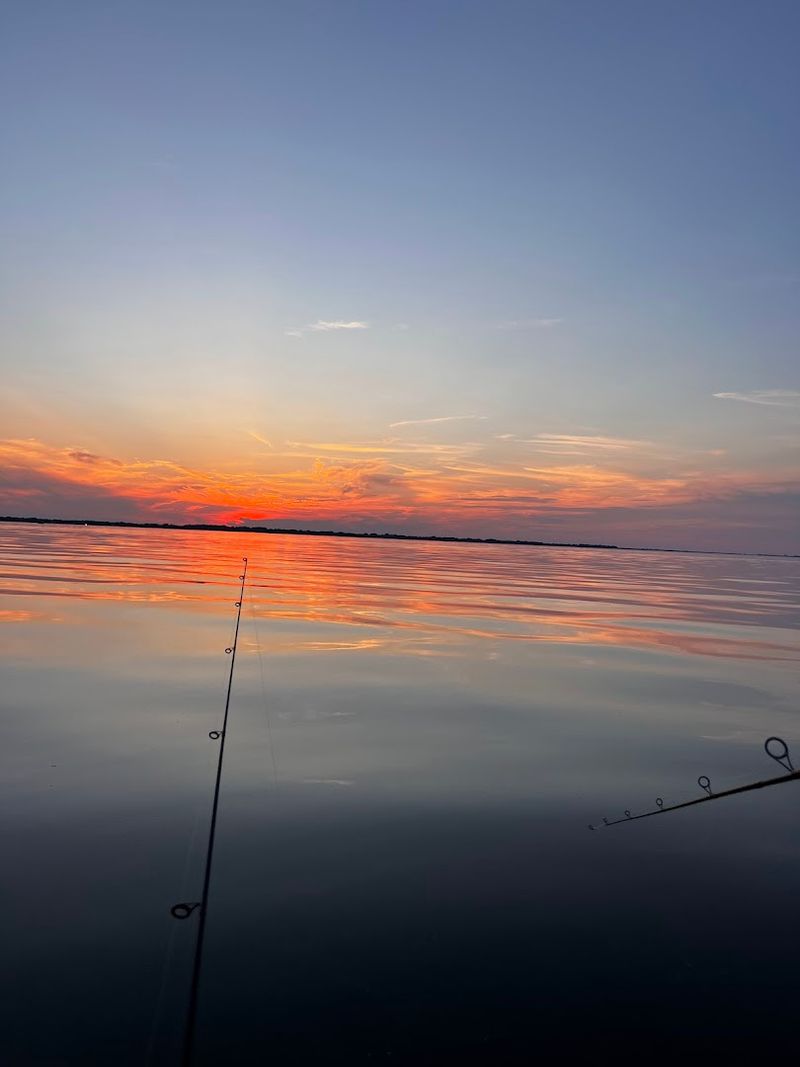
Are you ready to claim your spot in a frozen city of ice shanties that quickly appear across the frozen lake during peak weekends?
On any given winter weekend, Lake Winnebago near Stockbridge transforms into something that looks more like a temporary community on a frozen lake.
Hundreds of shanties appear almost overnight, many of them surprisingly well-equipped with propane stoves, folding tables, and the kind of hearty meals you would expect from a proper Wisconsin kitchen on wheels.
This is one of the most iconic ice fishing scenes in the entire state, and for good reason. Winnebago is enormous, covering roughly 137,700 acres, which means there is plenty of room for everyone and their cousin to set up shop without feeling crowded.
Cooking on the ice is a common part of the experience. Anglers fry up fresh perch and walleye caught right through the ice, seasoned simply and cooked fast in a hot pan.
Thick chili simmering in a pot is another common sight, filling the air inside a shanty with warmth and a spicy, meaty smell that cuts right through the cold.
Sturgeon spearing season in February also brings a noticeable increase in activity on the ice.
The social energy on the ice during that time is unlike anything else in Wisconsin winter culture. If you have never experienced a frozen lake that buzzes with this much life, Winnebago is the place to start.
2. Green Bay, Sturgeon Bay Area
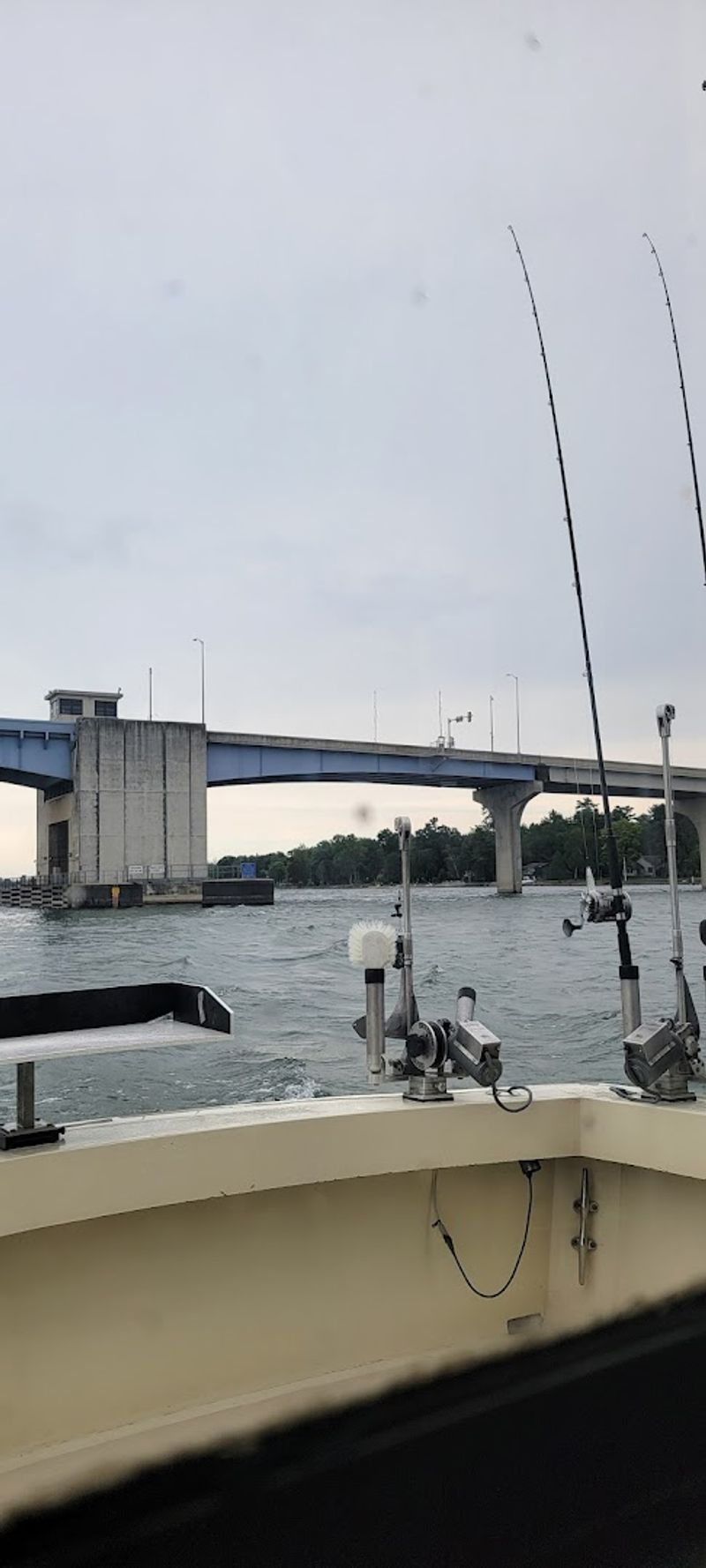
Sturgeon Bay turns a cold day into a social feast. If your grill isn’t smoking by noon, you’re doing it wrong.
Large groups regularly gather here, hauling out portable grills and folding chairs, and by midday the ice smells like grilled bratwurst and wood smoke.
What sets this area apart is the social dimension of the whole experience. Anglers who come out solo often end up chatting with neighboring groups, swapping lures and recipes in equal measure.
The community that forms on the ice here is genuinely warm, even when the air temperature is decidedly not.
Perch are the most commonly targeted fish in this part of the bay, and they cook up beautifully in a simple pan with butter and a pinch of salt.
Some regulars bring small smokers and slow-cook their catch right there on the ice, letting the smoke drift lazily across the frozen surface.
The Sturgeon Bay area also benefits from, in good ice years, plowed access routes allow vehicles. Winter out here is not something to endure, it is something to fully embrace with a spatula in hand and a good story ready to share.
3. Lake Mendota, Madison
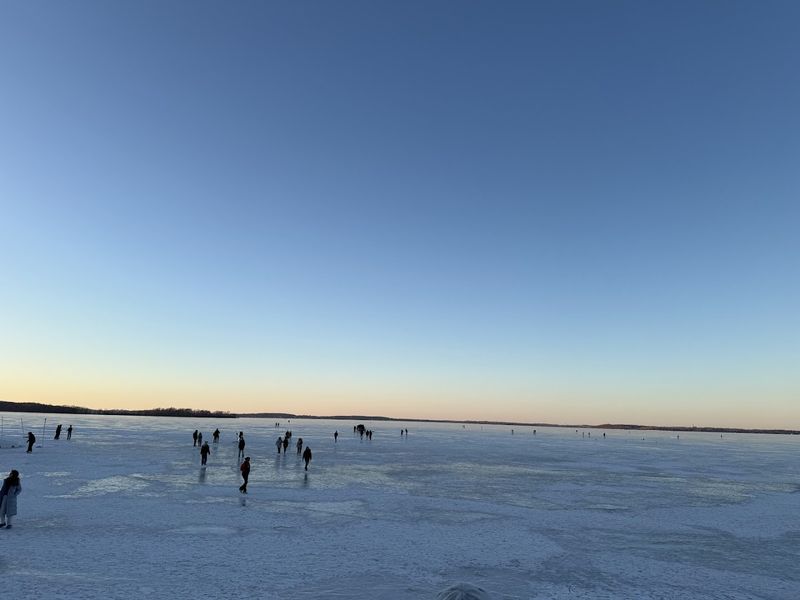
Mendota is one of the longest continuously studied lakes in the United States, but the only data that matters today is how perfectly your pancakes flip on a camp stove.
Right on the edge of Wisconsin’s capital city, Lake Mendota offers an ice fishing experience that is refreshingly laid-back and accessible to just about everyone.
Locals from Madison and the surrounding neighborhoods walk or drive out onto the ice with thermoses of hot coffee, cast-iron skillets, and sometimes full breakfast spreads that would make a diner chef raise an eyebrow.
The atmosphere here leans relaxed and communal rather than intensely competitive. Students from the University of Wisconsin, retirees, and families all share the ice, making it one of the more socially mixed scenes in the state’s ice fishing calendar.
Mendota is also well-studied, since it is one of the most scientifically monitored lakes in the world, with records dating back to 1852. That long history gives the lake a sense of history, even during casual winter fishing scenes.
Bluegill and crappie are popular catches here, and both are simple to prepare on a small burner with minimal gear. The smell of coffee brewing and eggs frying on the ice while a line sits in a hole below is a very specific kind of Madison winter magic.
It is quiet, it is cold, and it is genuinely satisfying in a way that is hard to explain until you have actually done it.
4. Chequamegon Bay, Near Ashland
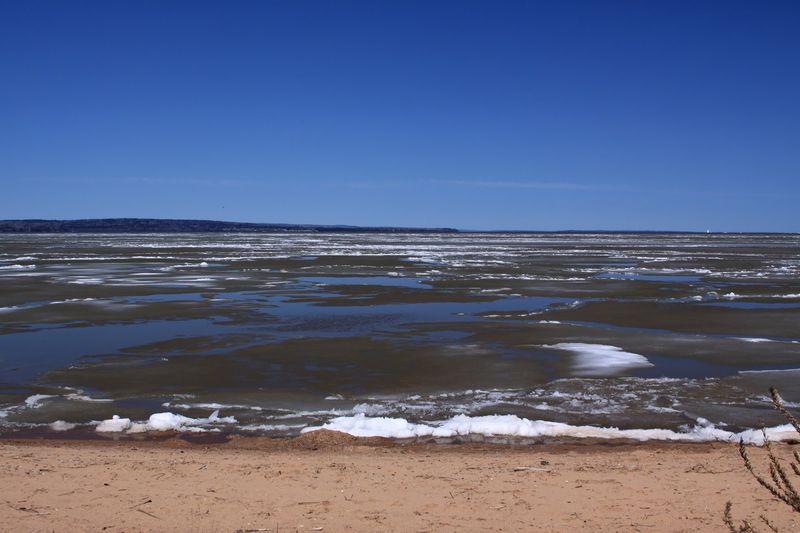
Can you handle the raw edge of Lake Superior, where wood-burning stoves are the only thing keeping the sub-zero chill at bay?
Along the southern shore of Lake Superior near Ashland, Chequamegon Bay is about as authentic a cold-weather fishing environment as you will find anywhere in the Midwest.
Ice conditions vary, especially with warmer winters. When it does, dedicated anglers spend long hours on the ice, weather and conditions permitting, sometimes days, with full cooking setups that make the ice feel surprisingly livable.
Wood-burning stoves are common inside the larger shanties here, and the smell of wood smoke and fried fish is a common part of the ice fishing experience here. Hot stews made with locally caught fish, onions, and root vegetables are a staple of the longer stays.
Lake trout and yellow perch are the main targets in Chequamegon Bay, and both respond well to simple preparations cooked low and slow on a camp burner. The patience required to fish here seems to naturally translate into a more thoughtful approach to cooking as well.
The Apostle Islands sit just offshore, and on a clear winter day their snow-covered silhouettes add a dramatic backdrop to the whole scene.
Ashland itself is a small, unpretentious town with a strong connection to its fishing heritage, and that spirit carries right out onto the frozen bay every January and February.
5. Lake Geneva, Williams Bay Side
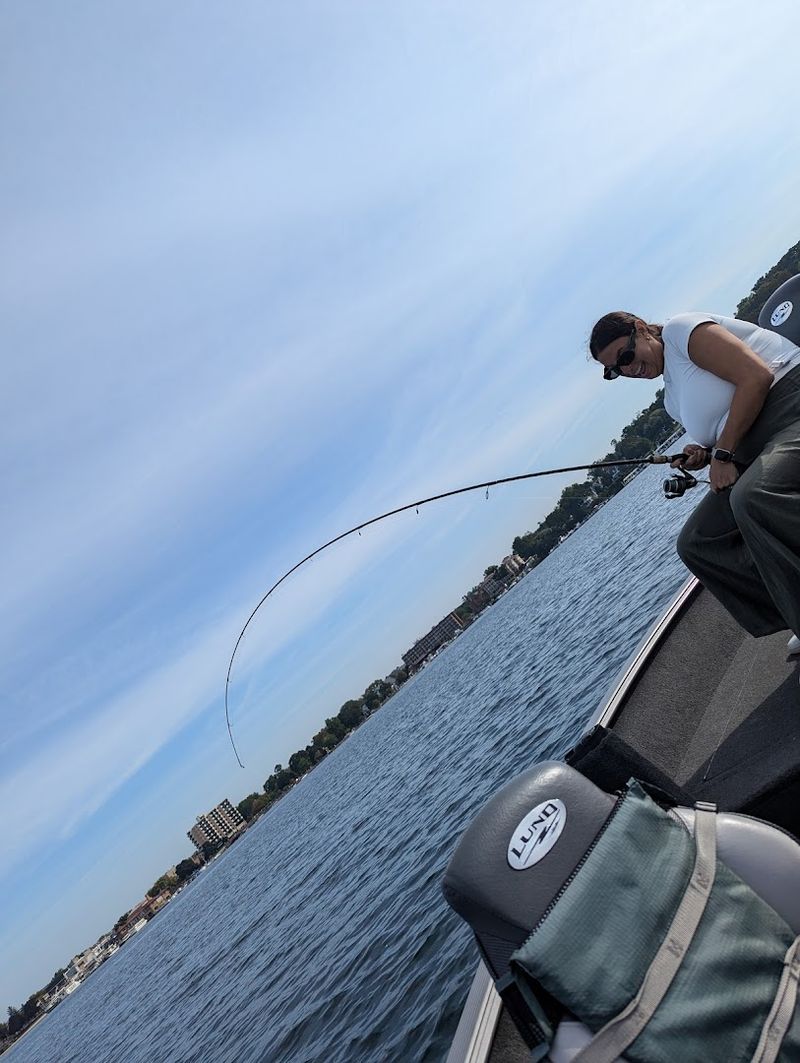
Forget the luxury resorts on the shore. The real action is on the ice with a single pan and a fresh batch of bluegill.
Lake Geneva might be best known as a summer resort escape for Chicagoans, The Williams Bay side of the lake offers a quieter winter fishing experience for those who venture out onto the ice.
Weekend mornings here bring clusters of shanties that pop up along the ice with a casual, unhurried energy.
Anglers on this stretch tend to keep their cooking setups simple, a small camp stove, a single pan, and whatever they caught or brought from home.
Fried panfish with a side of canned beans is a perfectly respectable Lake Geneva ice fishing lunch, and setups here tend to be simple and practical.
The lake sits in Walworth County in southeastern Wisconsin, and its relatively southern location means the ice season can be shorter than northern lakes, so regulars tend to make the most of every frozen weekend they get.
There is a certain urgency to the ice culture here that keeps things lively.
Bluegill are the most commonly caught fish, and they fry up beautifully in a buttered pan within minutes of being pulled through the ice.
The pine-lined shoreline visible from the fishing area gives the whole scene a postcard quality, even on overcast days when the sky and the ice seem to blur into one continuous shade of pale gray.
6. Lake Pepin, Maiden Rock Area
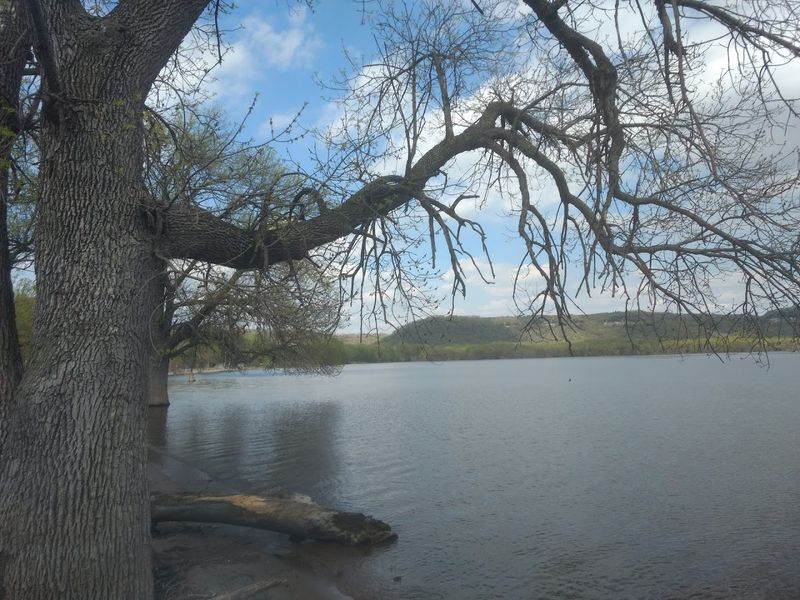
Want to fry your walleye on the floor of a massive limestone canyon carved by the Mississippi River?
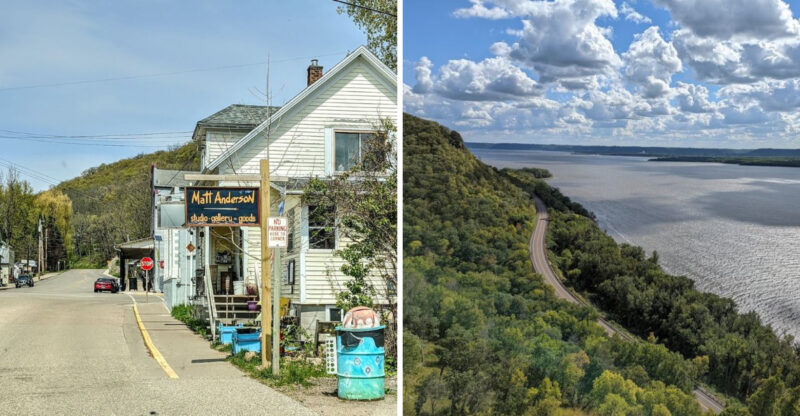
Sitting along the Wisconsin-Minnesota border where the Mississippi River widens into a broad natural lake, the Maiden Rock area of Lake Pepin offers a scenic winter fishing location along the Mississippi River.
The bluffs rising on both sides of the water make the frozen surface feel like the floor of a grand outdoor amphitheater.
The wide expanse of the lake allows for larger group gatherings than most other Wisconsin ice fishing spots, and it is common to see well-organized setups where multiple families or friend groups share food and warm drinks across a cluster of shanties.
The social meals out here can get genuinely elaborate. Walleye and sauger are the prized catches in Lake Pepin, and both are excellent candidates for a simple shore lunch cooked right on the ice.
Anglers here often bread their fillets and fry them golden in a cast-iron pan, the smell carrying across the frozen surface in the cold, still air. Maiden Rock itself is a small village with a rich history tied to the river and the land around it.
The area attracts a mix of serious anglers and casual weekend adventurers, all of them drawn by the same combination of big water, good fish, and the particular satisfaction of cooking a hot meal in the middle of a frozen river valley.
7. Petenwell Flowage, Barnum Bay Area
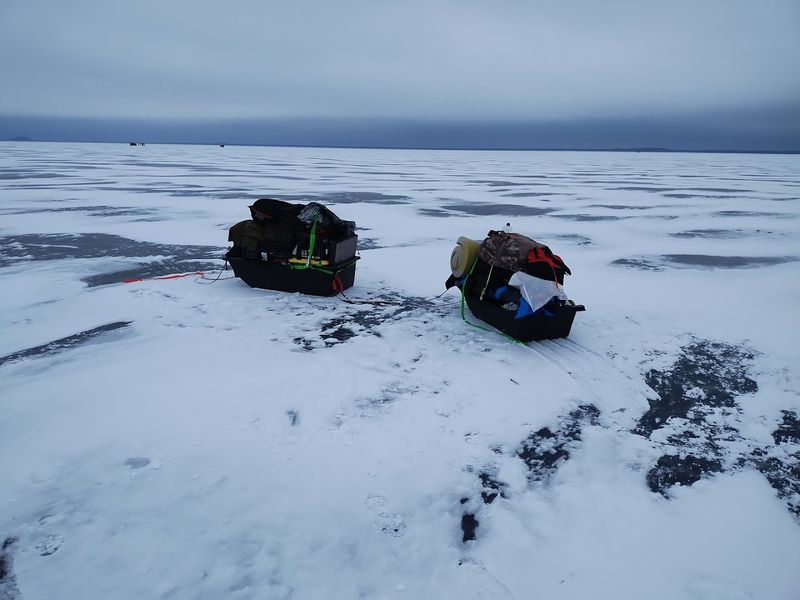
Once that charcoal starts smoking in Barnum Bay, nobody is going home early.
Petenwell Flowage is one of Wisconsin’s largest inland bodies of water, and the Barnum Bay area draws a loyal crowd of locals who treat ice fishing season less like a sport and more like a beloved winter ritual.
All-day hangouts are the norm here, complete with grills, propane heaters, and enough food to feed a small neighborhood.
The flowage was created in the mid-20th century when the Wisconsin River was dammed, and today it covers around 23,000 acres of central Wisconsin landscape.
That size means the ice community spreads out generously, with each group carving out its own comfortable corner of the frozen expanse.
Northern pike and walleye are the main draws, and both species grow to impressive sizes in Petenwell’s productive waters. Pike in particular are a favorite for the grill, their firm white flesh holding up well to direct heat and simple seasonings like garlic and cracked pepper.
By late afternoon on a busy winter Saturday, the smell of charcoal smoke and grilled fish drifts across the ice in the fading light, mixing with the sharp cold of a central Wisconsin winter.
Regulars here know each other by name, and newcomers are usually welcomed with a nod and occasionally a plate of something warm, which is exactly the kind of ice culture that keeps people coming back year after year.
8. Castle Rock Lake, Buckhorn Area
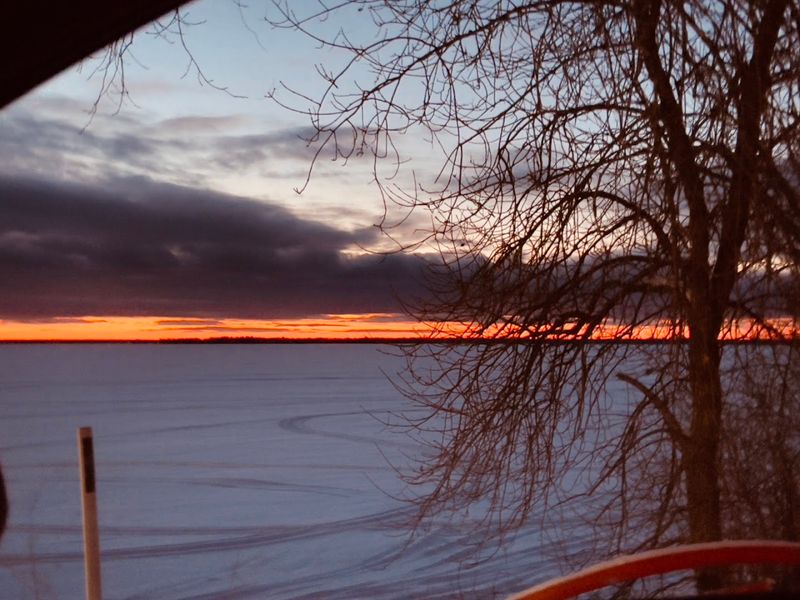
Why settle for a cold sandwich when you could be stirring a Dutch oven of stew on the fourth largest lake in the state?
Castle Rock Lake near the Buckhorn area in Juneau County has earned a reputation as one of central Wisconsin’s most sociable ice fishing destinations.
Groups of anglers regularly turn their ice setups into what can only be described as cozy outdoor living rooms, complete with folding furniture, cooking gear, and the kind of easy conversation that only happens when everyone is stuck in the same cold together.
The lake is the fourth largest in Wisconsin, fed by the Wisconsin River, and its relatively shallow basin means it freezes reliably and early in the season. That dependable ice is a big part of why the local community here treats Castle Rock like a winter home away from home.
Walleye, perch, and northern pike are all common catches, and the cooking traditions around Castle Rock reflect that variety.
Some groups slow-cook fish stew in a Dutch oven set over a propane burner, layering in potatoes, onions, and local seasonings for something that tastes like pure winter comfort.
The pine forest edging the shoreline stays snow-covered through most of the season, giving the whole scene a quiet, almost cinematic quality on calm days.
When the wind picks up and the temperature drops, the shared warmth of a well-stocked shanty with something bubbling on the stove becomes less of a luxury and more of a genuine community necessity.
9. Trout Lake, Boulder Junction Area
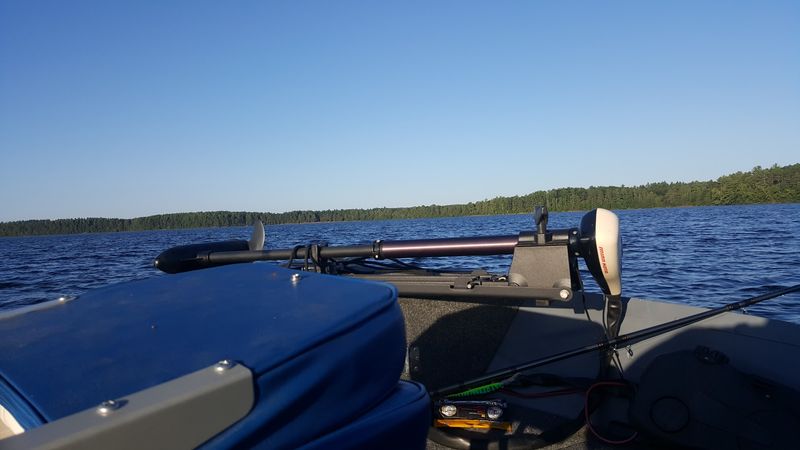
Trout Lake is for the purist: clear water, deep ice, and a cisco lunch that tastes better because you earned it in total isolation.
Up in Vilas County, just outside the small town of Boulder Junction, Trout Lake offers something genuinely different from the bustling shanty villages found on Wisconsin’s larger lakes.
The atmosphere here is quieter, more self-sufficient, and shaped by the kind of dedicated angler who plans their whole day around the ice and brings exactly what they need and nothing extra.
Trout Lake covers about 3,800 acres and is one of the clearest lakes in northern Wisconsin, part of a region sometimes called the Musky Capital of the World.
In winter, lake trout and cisco are the primary targets, both of which require patience and a willingness to sit still in serious cold.
The cooking setups out here tend toward the minimal and practical. A small backpacking stove, a titanium pot, and a packet of noodles or instant soup is considered perfectly adequate fuel for a long day on the ice.
Some more prepared anglers bring a small pan to fry up their catch on the spot, seasoning it with nothing more than salt and a squeeze of lemon.
The boreal forest surrounding Trout Lake stays deeply snow-covered through February and into March, muffling sound and creating a stillness that is almost startling to anyone used to city life.
Out here, the reward is not just the fish but the rare, unhurried quiet of a northern Wisconsin winter doing exactly what it does best.