11 Wisconsin Small Towns That Feel Like The State’s Best-Kept Secrets
The best travel discoveries rarely happen on the interstate. They happen when you take the exit nobody else takes and end up somewhere that makes you pull over and just look around.
Wisconsin is full of those moments. Small towns where the main street still means something, where locals wave at strangers, and where the food has been made the same way for generations.
This state does not advertise its quietest corners loudly, and that is exactly what makes them worth finding. Every town on this list earns its place.
Some will surprise you with history. Some will win you over with scenery.
A few will do both at once. Wisconsin has been sitting on these gems for years.
It is time someone pointed them out.
1. Stockholm
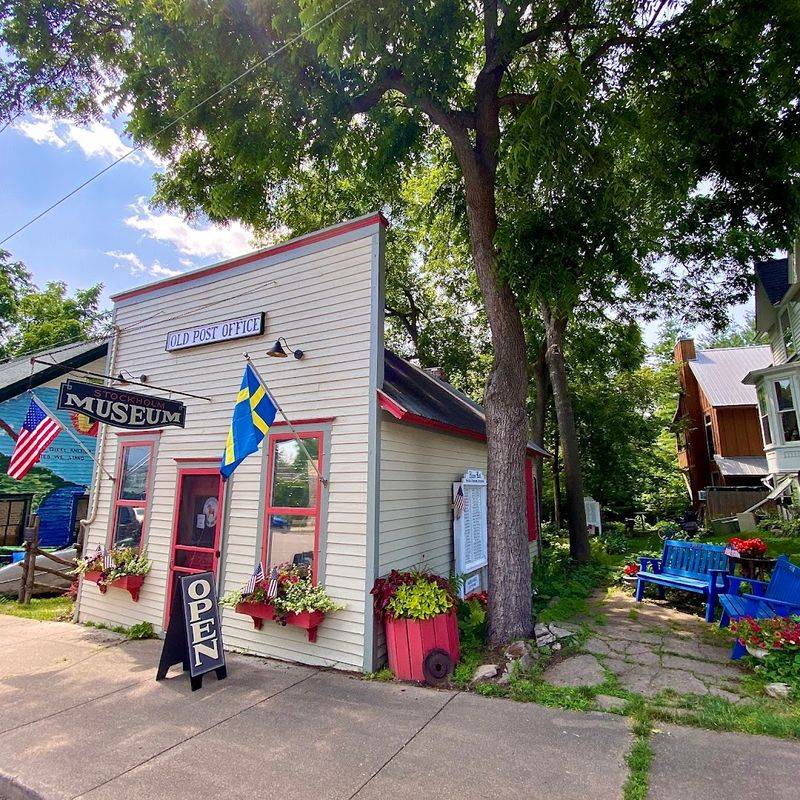
Ninety people call this place home, and somehow it still manages to attract visitors from across the country. Stockholm sits right on the shore of Lake Pepin, where the Mississippi River widens into something almost lake-like and completely breathtaking.
The town’s Swedish roots show up in its name, its character, and its unhurried pace. Art galleries line the single main block, offering original paintings, handmade pottery, and local photography worth owning.
The famous pie shop here has earned national attention, and honestly, that reputation is fully deserved. Each slice feels like someone’s grandmother made it specifically for you.
The Maiden Rock Bluff State Natural Area rises about 400 feet above Lake Pepin just nearby. That view alone is worth the drive from anywhere in the Midwest.
Stockholm does not try to be more than it is, and that restraint is exactly what makes it so refreshing. There are no chain stores, no tourist traps, and no crowds fighting for the same photo spot.
If you visit on a weekend, arrive early. The pie sells out faster than you would expect for a town this small.
2. New Glarus
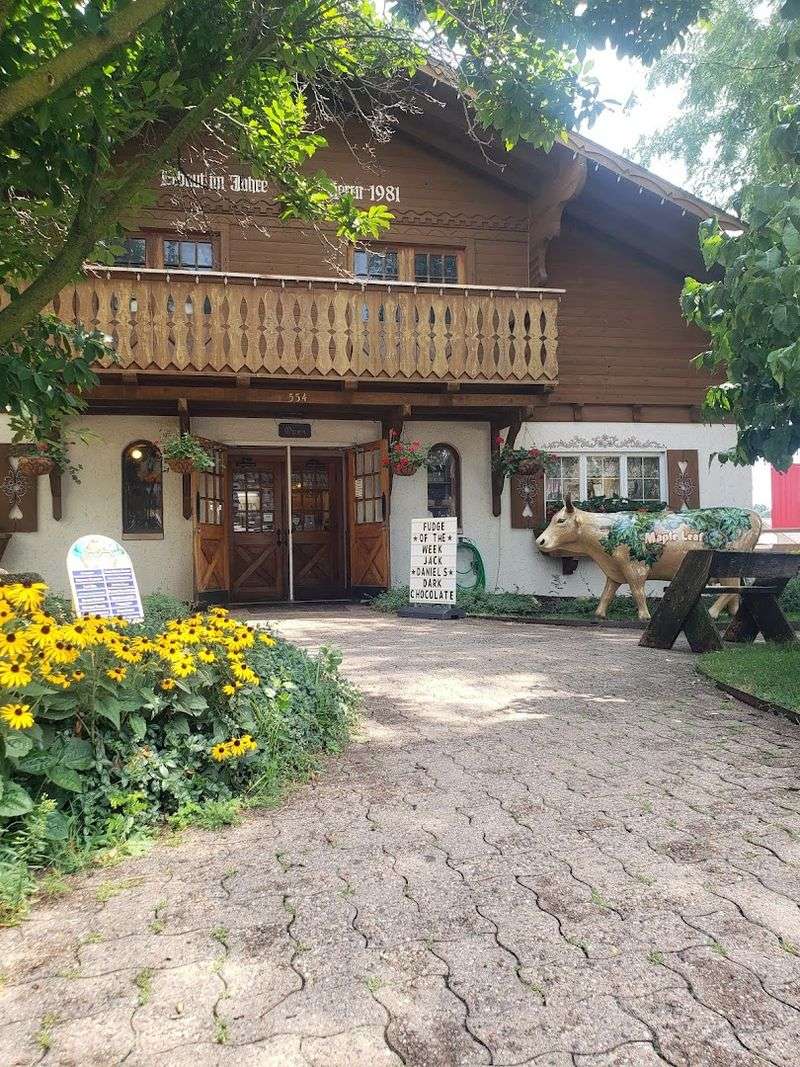
Somewhere between Madison and the Illinois border, Switzerland quietly relocated to southern Wisconsin. New Glarus was founded in 1845 by immigrants from the Glarus canton of Switzerland, and the town has never stopped celebrating that heritage.
Alpine-style architecture lines the main street, and Swiss music still pipes through downtown on certain occasions. The Chalet of the Golden Fleece Museum and the Swiss Historical Village Museum both offer genuinely fascinating looks into the town’s origins.
New Glarus Woods State Park wraps around the edge of town, offering solid hiking and biking trails through rolling terrain. It is the kind of park that rewards a slow afternoon walk more than a rushed jog.
Swiss cuisine shows up on local menus in ways that feel authentic rather than performative. Fondue, raclette, and Swiss-style baked goods are real staples here, not novelties.
Plan a full day here. The town rewards slow exploration more than a quick stop ever could.
3. Mineral Point
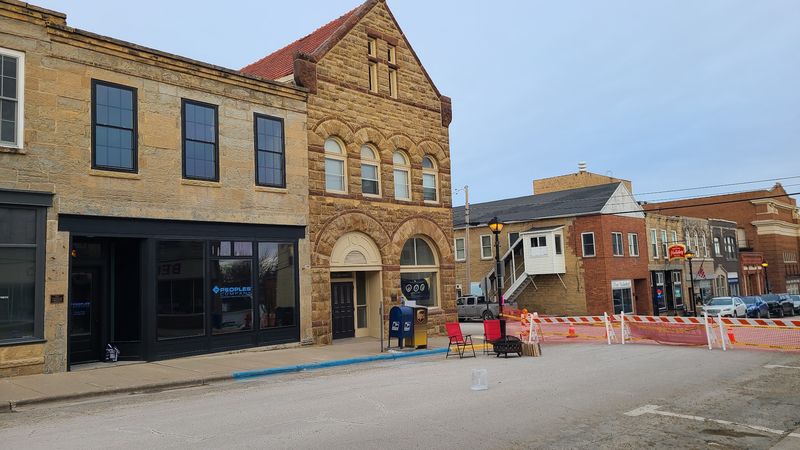
Few places in the entire Midwest can match the visual drama of Mineral Point’s historic streetscape. Limestone buildings from the 1820s and 1830s line the streets, looking almost exactly as they did when Cornish miners first settled here.
This town started as a lead and zinc mining settlement, and that gritty origin story gives it a personality most small towns simply cannot manufacture. The Cornish heritage runs deep, showing up in local food traditions, architecture, and community pride.
Artists discovered Mineral Point decades ago and never really left. Studios, galleries, and workshops now occupy many of those same historic stone buildings, creating a genuinely interesting mix of old and new.
Shake Rag Alley is one of the most photographed corners in the entire region. The name reportedly came from miners’ wives shaking rags to call their husbands home for meals.
Pendarvis, a state historic site, preserves a cluster of original Cornish cottages and offers guided tours that bring the mining era back to life. It is small but genuinely moving.
Mineral Point rewards the kind of traveler who slows down and reads every historical marker. There is a lot of story packed into a very compact space.
4. Ephraim
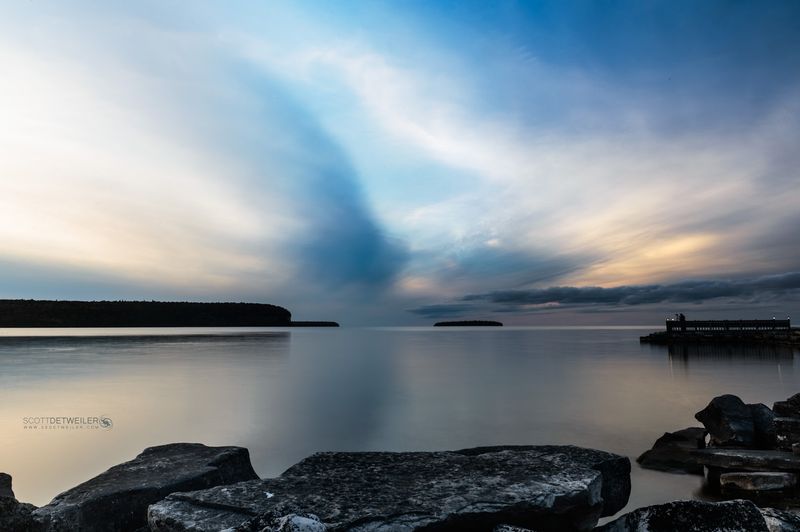
Many of the village’s historic buildings are painted white, creating a distinctive and recognizable character. Ephraim was founded by Norwegian Moravians in 1853, and the community’s commitment to its original character has never wavered.
About 400 people live here year-round, but the population swells significantly in summer. The historic harbor draws sailors, kayakers, and anyone who simply wants to sit and watch the water move.
Peninsula State Park sits practically at the town’s back door, offering over 3,700 acres of trails, bluffs, and shoreline. Renting a bike and riding through the park on a clear morning is one of those experiences that genuinely resets your mood.
The Anderson Store, one of the oldest continuously operating stores in Door County, still stands in Ephraim. Walking inside feels like stepping into a living museum without the velvet ropes.
Sunsets over Eagle Harbor from the Ephraim waterfront are the kind that make people stop mid-sentence. The light turns the white buildings pink and gold in a way that feels almost staged.
Ephraim does not chase trends or modernize for the sake of it. That stubborn commitment to staying itself is exactly why people keep returning every single summer.
5. Cedarburg
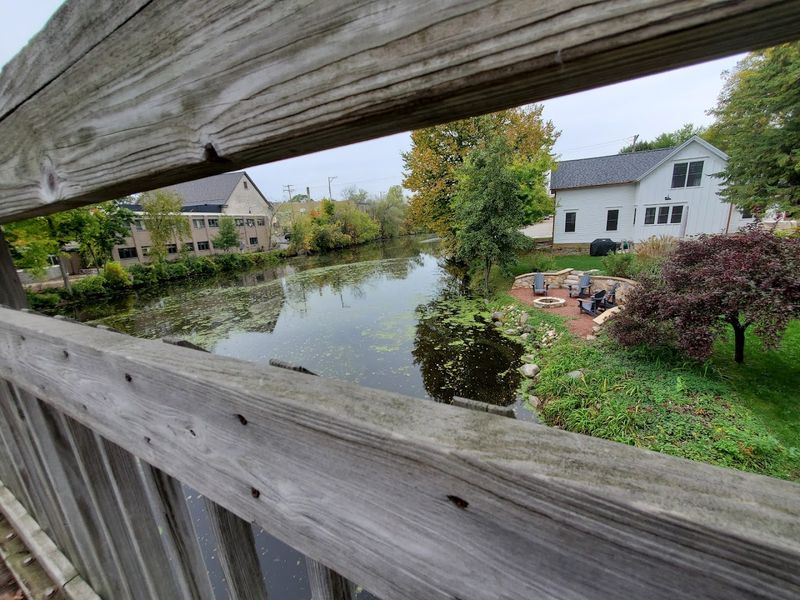
Twenty miles from Milwaukee sits a town that feels like it belongs in a completely different century. Cedarburg’s downtown is built around original cream city brick and limestone structures that have been thoughtfully preserved rather than replaced.
Cedar Creek Settlement, a converted 19th-century woolen mill complex, now houses art galleries, specialty shops, and artisan studios. The creek still runs alongside the building, adding a soundtrack to the whole experience.
Festivals happen here nearly every season, drawing visitors who return year after year for the same reliable charm.
The historic covered bridge on Covered Bridge Road is one of the last remaining covered bridges in the state. It sits just outside town and makes for an easy and scenic detour.
Washington Avenue, the main street, is lined with independently owned boutiques, antique shops, and bakeries that keep foot traffic moving at a genuinely leisurely pace. Nobody seems to be in a rush here, and that feeling is contagious.
Cedarburg, WI 53012 is the kind of place that surprises first-time visitors with how much it offers. The proximity to Milwaukee makes it an easy day trip that almost always turns into a longer stay.
6. Viroqua
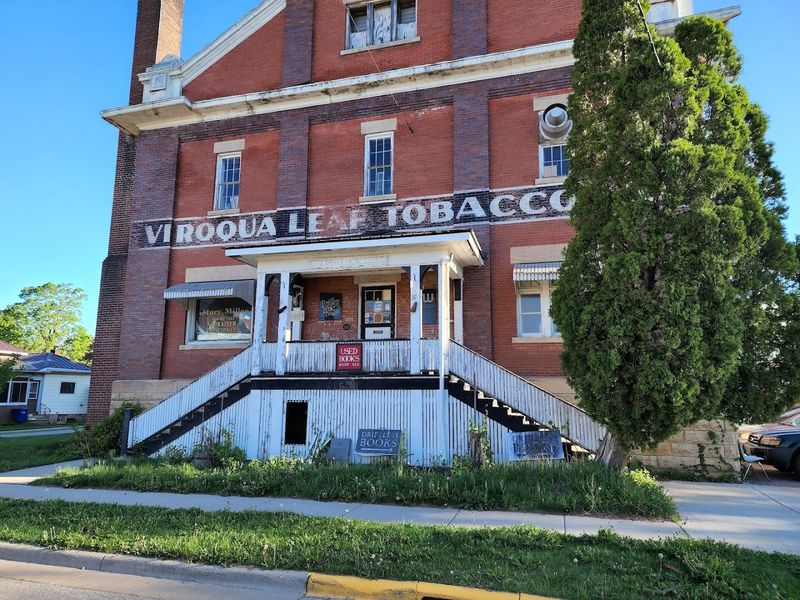
Rolling hills and clear trout streams define the landscape around this Vernon County town, and the scenery alone makes the drive feel worthwhile.
Viroqua sits squarely in the Driftless Area, a region that glaciers somehow missed entirely, leaving behind dramatic topography unlike anywhere else in the Midwest.
The main street here is genuinely locally owned, which sounds like a small thing until you realize how rare it actually is.
Shops like Driftless Angler for fly-fishing gear, Ewetopia Fiber Shop for knitting supplies, and Driftless Books and Music all operate independently and with obvious personality.
The Temple Theatre anchors downtown with a restored facade that stops people mid-stride. Built in 1922, it still hosts live performances and community events throughout the year.
Wonderstate Coffee has a popular location here, drawing visitors who appreciate thoughtfully sourced and roasted coffee. The Viroqua Public Market adds local arts, crafts, and farm products to the mix.
The organic farm scene around Viroqua is one of the most active in the entire state. Farmers markets here feel less like tourist attractions and more like actual community infrastructure.
Viroqua, WI 54665 is the address to plug in when planning your route through the Driftless. It rewards anyone willing to leave the interstate behind.
7. Bayfield
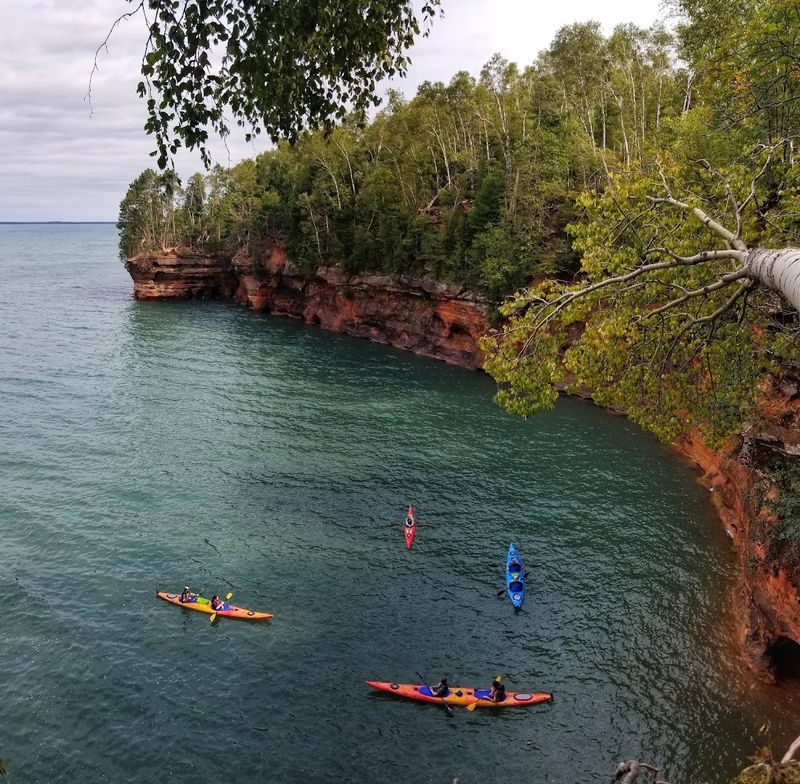
Perched on a hillside above Lake Superior, Bayfield feels like a town that earns its drama through geography alone. Victorian homes climb the bluffs, and the view down to the water from almost any street is genuinely spectacular.
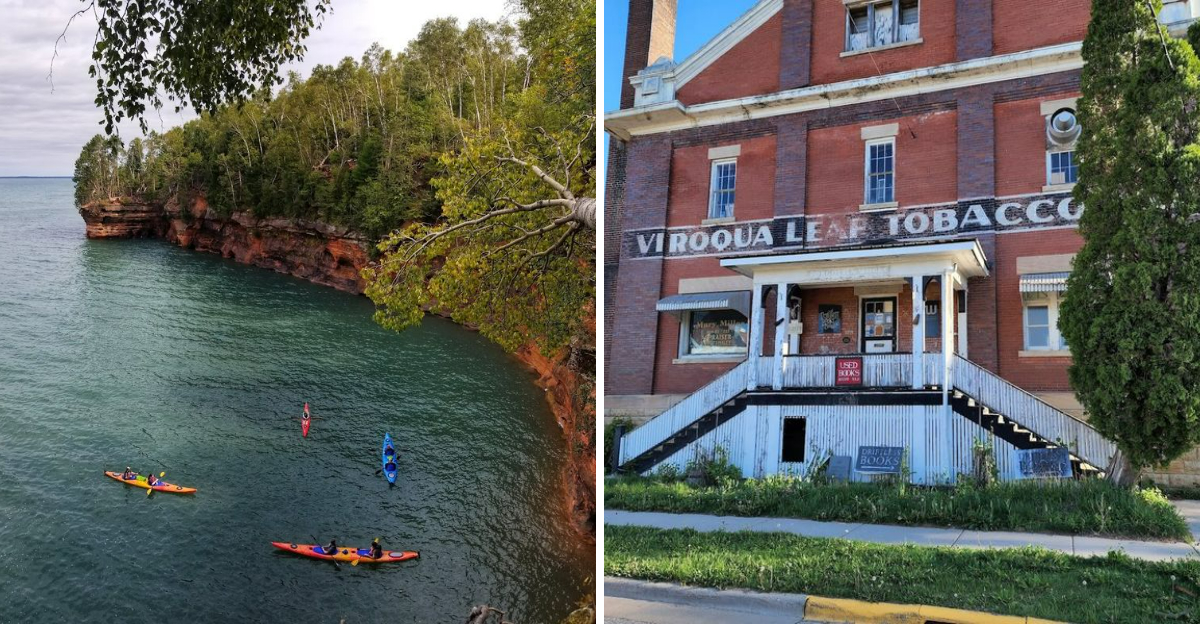
The Apostle Islands National Lakeshore begins just offshore, comprising 21 islands of sandstone caves, forested shores, and historic lighthouses. Boat tours run regularly in summer, and sea kayaking around the sea caves is an experience unlike anything else in the region.
Winter transforms Bayfield into something equally compelling. When Lake Superior freezes sufficiently, ice caves form along the shoreline and draw visitors from across the country for a completely different kind of beauty.
Apple orchards surround the town on its landward side, making fall another spectacular season to visit. The combination of harvest colors and lake views creates a setting that photographers absolutely love.
Bayfield’s compact downtown makes it easy to explore many of its shops, restaurants, and waterfront attractions on foot. Most of the shops, restaurants, and scenic overlooks sit within comfortable walking distance of each other.
The ferry to Madeline Island runs from Bayfield and opens up yet another layer of exploration. That island alone could fill a full day of adventure.
8. Elkhart Lake
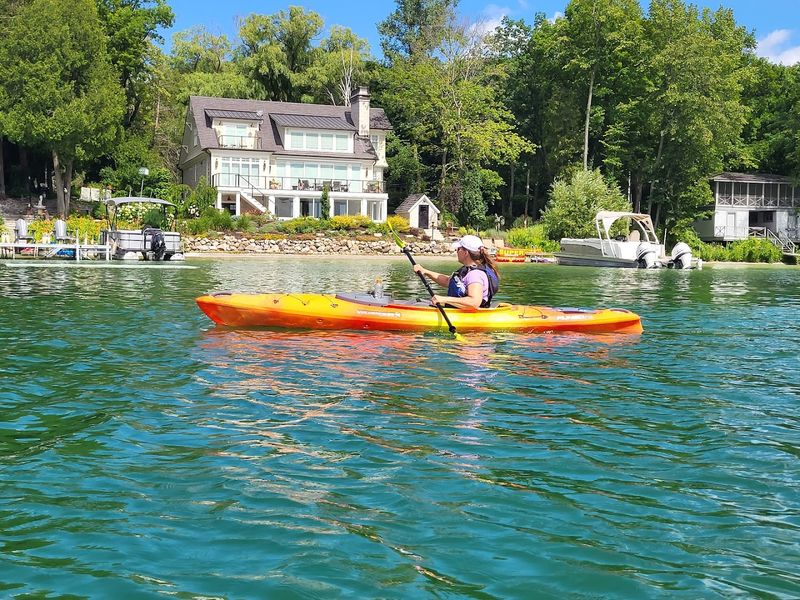
The lake at the center of this town is spring-fed and startlingly clear, the kind of blue that makes you want to jump in immediately. Elkhart Lake has been drawing visitors since the early 1900s, when it developed a reputation as a resort destination with a colorful cast of characters.
The town’s history includes a colorful resort era that helped establish Elkhart Lake as a popular summer destination. That backstory adds a layer of intrigue to what might otherwise seem like a straightforward lakeside getaway.
Road America sits just outside town and is one of the most celebrated permanent road racing circuits in the entire country. The four-mile natural terrain track hosts major motorsports events throughout the summer season, drawing serious racing fans from across the Midwest.
Boating and fishing on Elkhart Lake itself remain central draws for visitors who prefer a slower pace. The water is clean enough and clear enough that you can see the bottom in the shallows, which feels almost miraculous.
The village of Elkhart Lake, WI 53020 is compact enough to walk entirely in under an hour. Charming storefronts and a genuinely relaxed main street make that walk very easy to stretch into an afternoon.
Kiel Marsh Wildlife Area and Little Elkhart Lake add even more outdoor options nearby for anyone who wants to explore beyond the main shoreline.
9. Pepin
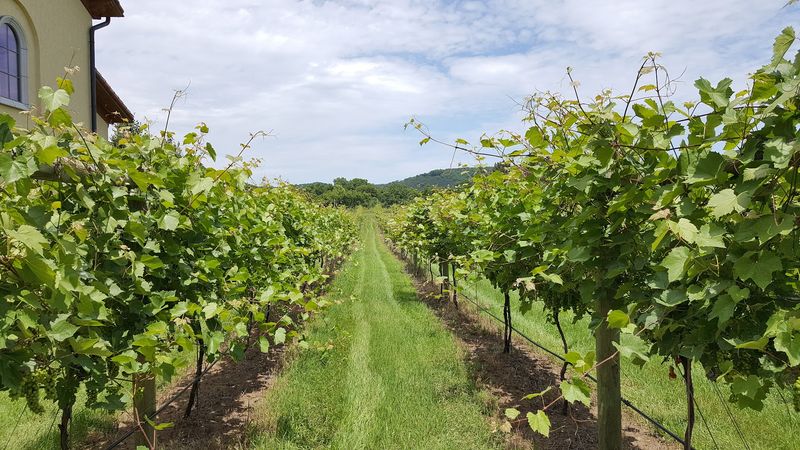
Laura Ingalls Wilder was born just a few miles from this small Lake Pepin town, and that literary connection draws visitors who arrive with a genuine sense of pilgrimage. The log cabin replica of her birthplace sits about seven miles north of town on County Road CC.
Pepin itself is compact, honest, and quietly beautiful in a way that requires no embellishment. The main street runs parallel to the lake, and almost every view from town includes an expanse of open water that stretches toward the Minnesota bluffs.
Lake Pepin is technically part of the Mississippi River, formed where the Chippewa River deposits enough sediment to dam the flow. The result is a wide, calm body of water beloved by sailors, windsurfers, and anyone who simply wants to sit and watch it.
The Pepin Historical Museum covers both the Ingalls Wilder connection and the broader history of the region in a thoughtful and unhurried way. It is small but well curated, and the staff clearly cares about the stories being told.
Harbor View Cafe on 1st Street in Pepin, WI 54759 has developed a following that extends well beyond the immediate region. The menu changes with the seasons, and the Mississippi River views from the dining room are genuinely hard to beat.
Pepin rewards slow travel more than almost any town on this list. Come without a tight schedule and you will leave wanting to return.
10. Mount Horeb
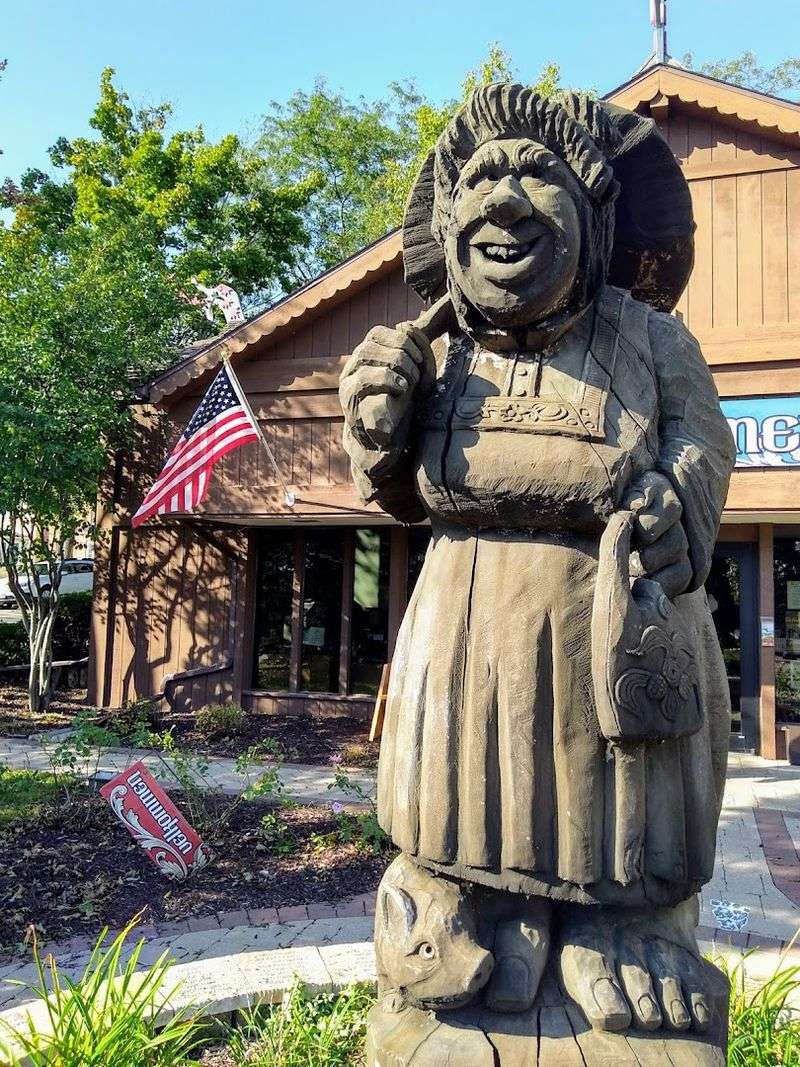
Trolls guard the main street here, and that is not a metaphor. Mount Horeb has officially claimed the title of Troll Capital of the World, and roughly two dozen carved wooden troll sculptures line the main thoroughfare known locally as the Trollway.
The Norwegian heritage behind this quirky tradition runs genuinely deep. Scandinavian settlers founded the community, and the troll statues serve as a playful nod to the folklore they brought with them from across the Atlantic.
Beyond the trolls, Mount Horeb has developed a surprisingly strong food scene for a town of its size. Gourmet restaurants and specialty food shops operate here with a level of quality that consistently surprises first-time visitors.
The Military Ridge State Trail passes directly through town, offering a well-maintained path for cyclists and hikers stretching across the southwestern part of the state. The trail connects several communities and passes through genuinely beautiful Driftless terrain.
The Mount Horeb Area Historical Museum on East Main Street in Mount Horeb, WI 53572 documents the town’s Scandinavian roots with care and detail. The exhibits are approachable and genuinely interesting rather than dusty and obligatory.
First-time visitors often come for the trolls and stay for the food. That combination of weird charm and genuine quality is exactly what makes this town so easy to recommend.
11. Mazomanie
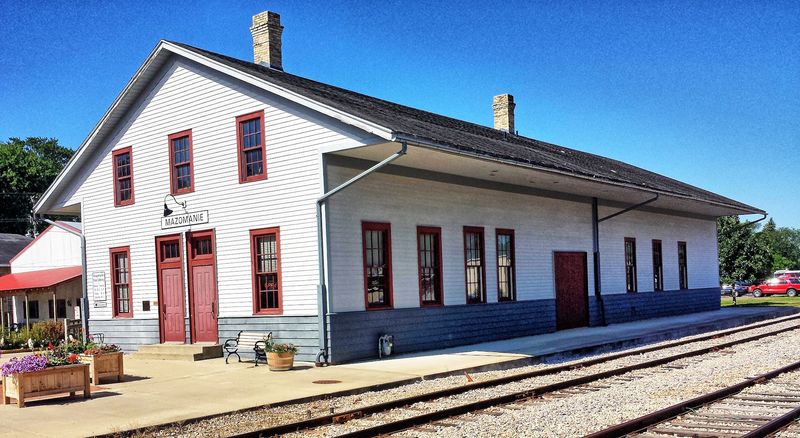
Not every great small town announces itself loudly, and Mazomanie is proof of that principle. This Dane County village operates at a pace that feels genuinely unhurried, surrounded by lush rolling hills and a network of waterways that outdoor enthusiasts quietly treasure.
The historic railroad depot is one of the community’s most notable landmarks and reflects Mazomanie’s railroad heritage.
It anchors the town’s identity in a way that feels earned rather than invented, connecting the present to a time when rail travel shaped every community it passed through.
Black Earth Creek winds through the area and is considered one of the finest trout streams in the region. Fly fishers travel specifically to fish its cold, clear waters, and the streamside scenery rewards anyone who simply walks along the bank.
The Wisconsin River flows nearby, and its wide sandbars draw swimmers, paddlers, and families looking for a low-key summer afternoon. Mazomanie Bottoms State Natural Area provides access to the river along with opportunities for hiking and wildlife watching.
Lake Marion Park and Black Earth Rettenmund Prairie add more options for anyone who wants to explore the natural landscape surrounding the village. Walking Iron County Park is another local favorite worth seeking out.
Mazomanie, WI 53560 sits close enough to Madison to make a day trip easy. Far enough away, though, that it still feels like a genuine escape from the city’s noise.