4,000 Years Of Ancient And European Art In A Beaux Arts Building Overlooking The Golden Gate Bridge
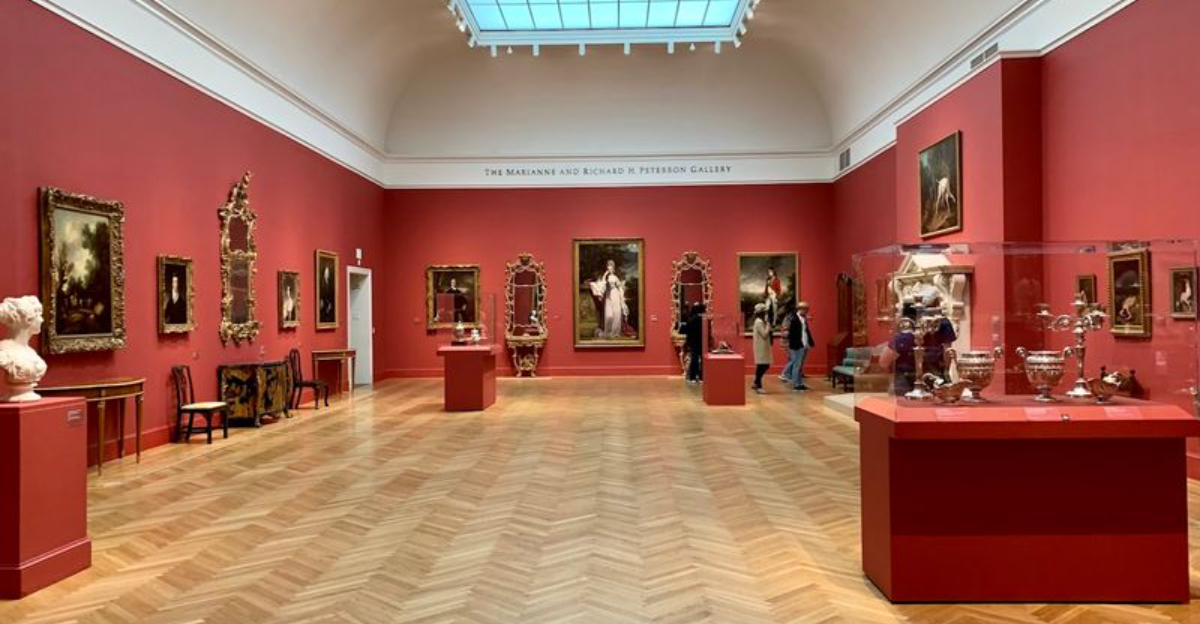
History feels a little grander when the setting rises to meet it.
One California museum brings together 4,000 years of ancient and European art inside a Beaux Arts landmark with sweeping views near the Golden Gate Bridge.
Quiet galleries, ornate architecture, and the weight of so many centuries under one roof give the whole experience a rare kind of gravity.
Every room seems to carry its own hush, as if the building understands the importance of what it holds.
Art from distant worlds and long-gone eras can feel unexpectedly close in a place like this. Beauty certainly plays its part, but wonder settles in even deeper.
A War Memorial That Became a World-Class Museum
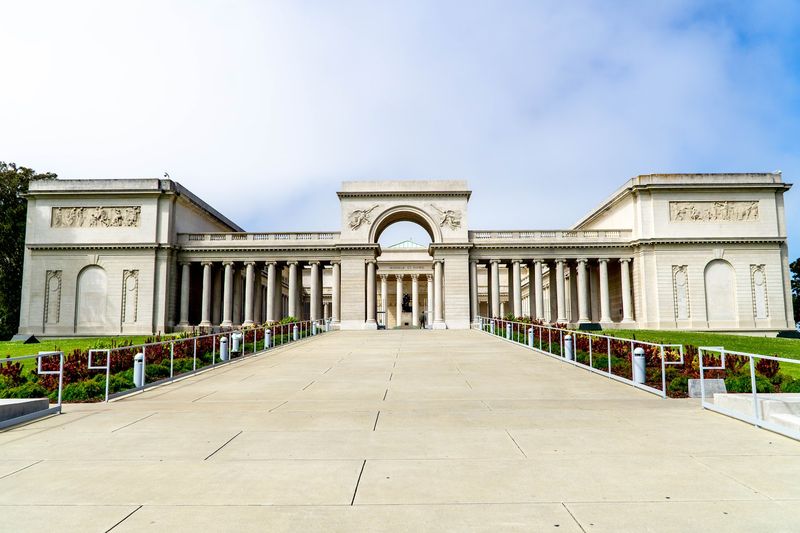
Not every art museum carries the weight of a nation’s grief, but the Legion of Honor was built with exactly that purpose in mind.
The museum opened on Armistice Day, November 11, 1924, dedicated to the memory of the 3,600 Californians who lost their lives during World War I.
That founding intention gives the building a quiet solemnity that feels different from most art institutions.
Walking through the colonnaded entrance, visitors may notice a sense of formality that goes beyond typical museum design.
The architecture was intentional, meant to honor sacrifice while also elevating the human spirit through art. That dual purpose still resonates today, more than a century after the doors first opened.
The museum’s centennial was marked with a dedicated exhibition called Celebrating 100 Years at the Legion of Honor, which looked back at the institution’s founding.
Few museums in California have roots as historically layered as this one, and that history adds real depth to every visit.
The Beaux-Arts Architecture Designed by George Applegarth
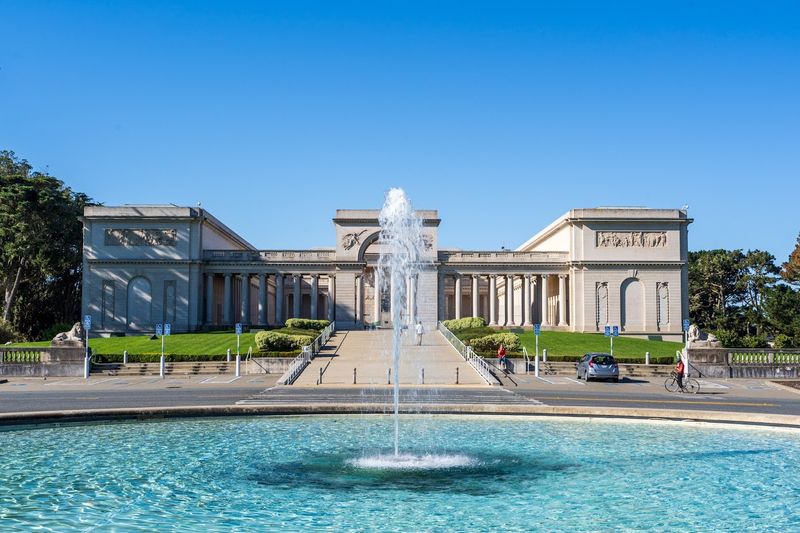
Architecture fans tend to stop and stare before they even reach the front door.
The Legion of Honor was designed by architect George Applegarth in the Beaux-Arts style, a formal European tradition that emphasizes symmetry, grand columns, and richly detailed stonework.
The building was inspired by the French Pavilion at the 1915 Panama-Pacific International Exposition, which was itself modeled after the Palais de la Légion d’Honneur in Paris.
That French lineage shows in every proportioned arch and carved cornice. The exterior feels ceremonial without being cold, and the stone takes on a warm golden tone in afternoon light.
Visitors who appreciate architectural history will find plenty to study just by circling the building slowly before heading inside.
Official museum materials explicitly describe the structure as Beaux-Arts in style, and that classification is well earned.
The building’s symmetry and classical detailing place it firmly in a European tradition that was already considered prestigious when construction began.
For anyone interested in how architecture can carry meaning, the Legion of Honor offers a genuinely compelling example of a building designed to feel both timeless and purposeful.
The Golden Gate Bridge Views That Define the Setting

A lot of museums have strong collections, but very few have a setting like this one.
The Legion of Honor sits on a bluff above Lincoln Park, and on clear days the Golden Gate Bridge is visible from the grounds in a way that feels genuinely cinematic.
The combination of a formal European building and a sweeping Pacific coastline view is striking in a way that photographs struggle to fully capture.
The museum’s official identity leans into this setting deliberately, and it is easy to understand why. Arriving at the building involves passing through Lincoln Park, and the approach itself builds anticipation.
The grounds surrounding the museum are worth exploring before or after a visit, and the coastal trails nearby connect to the Lands End area for those who want to extend the experience.
Fog is common in this part of San Francisco, so clear views of the bridge are not guaranteed on every visit. Morning visits on sunny days tend to offer the best light and visibility.
Even on overcast days, the blufftop location gives the museum a dramatic, windswept quality that adds to the overall atmosphere in a way that feels uniquely San Franciscan.
Rodin’s The Thinker and the Courtyard Sculpture Collection
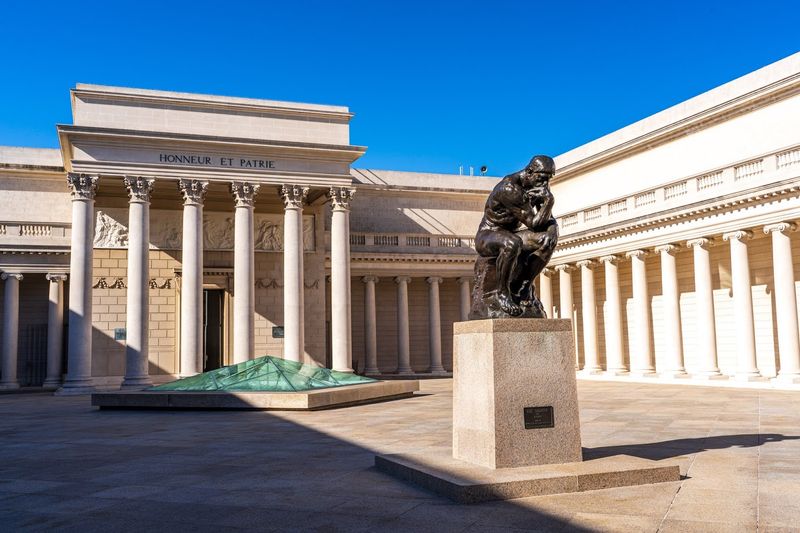
Few sculptures in the world are as instantly recognizable as Auguste Rodin’s The Thinker, and the Legion of Honor has a bronze casting of it positioned in the Court of Honor just outside the main entrance.
Seeing it in person, framed by the Beaux-Arts colonnade and open sky, carries a different weight than seeing it in photographs.
The museum holds one of the finest Rodin collections in the United States, according to its own official descriptions, and the works are spread across both the courtyard and interior galleries.
Rodin’s ability to suggest emotion and movement in bronze and marble makes his pieces feel alive in a way that tends to surprise visitors who expect sculpture to feel static.
Beyond The Thinker, the collection includes a range of Rodin’s work that spans different periods and subjects, giving visitors a fuller picture of his artistic range.
For anyone coming to the Legion of Honor primarily for the sculpture, the Rodin holdings alone justify the trip.
The courtyard setting also means some of the works can be appreciated in natural light and open air, which changes how the textures and surfaces read visually.
European Paintings Spanning the 14th to Early 20th Centuries
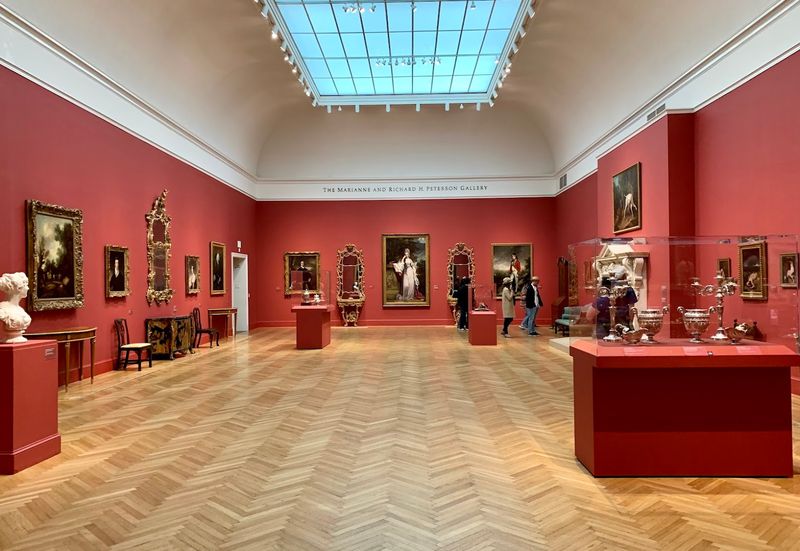
The painting collection at the Legion of Honor covers a remarkable sweep of European art history, from works produced in the 14th century through the early decades of the 20th.
Artists represented in the permanent collection include El Greco, Rubens, Rembrandt, Monet, Degas, and Picasso, among many others.
That range means visitors can follow the evolution of European painting across several centuries without leaving the building.
The galleries are arranged in a way that makes the collection feel navigable rather than overwhelming.
Natural light filters into some rooms while others rely on carefully controlled artificial lighting that brings out the depth and texture of older canvases.
The pacing of the space encourages slowing down rather than rushing through.
Temporary exhibitions have frequently focused on Impressionist and Post-Impressionist painters, which tends to draw significant visitor interest.
A recent special exhibition featured Manet and Morisot, drawing attention to both the mentor relationship between the two artists and Morisot’s distinctive body of work.
The permanent European painting galleries provide a strong foundation, and the rotating exhibitions layer additional context and discovery on top of that base throughout the year.
Ancient Art From Egypt, Greece, Rome, and the Near East
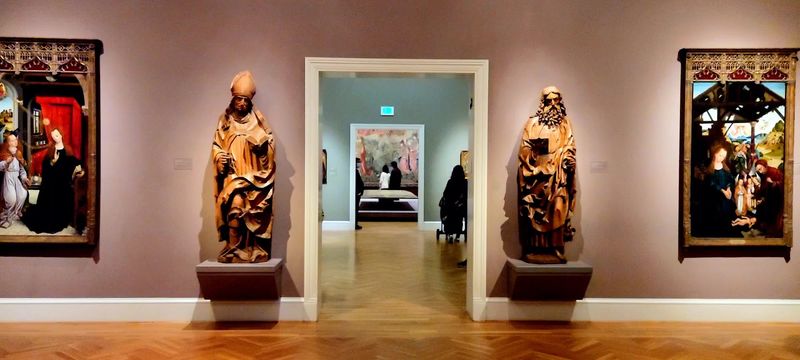
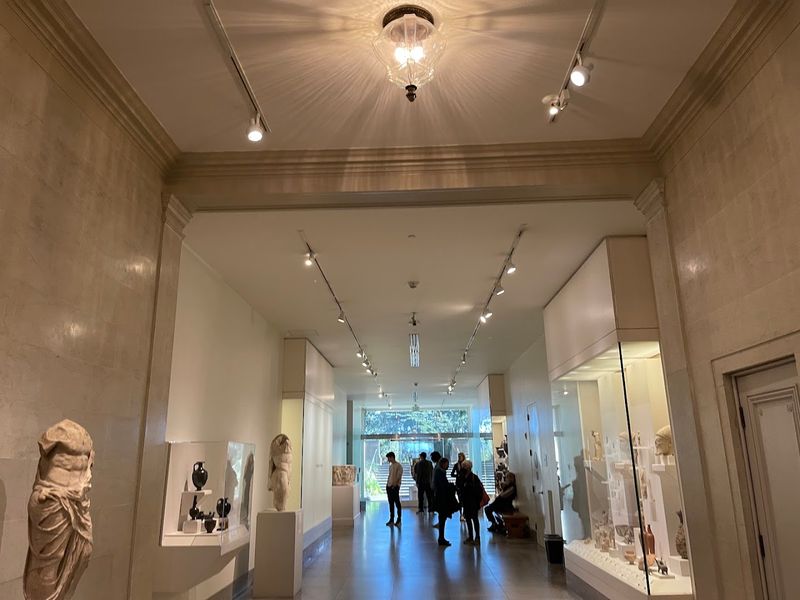
Ancient history comes to life in a way that feels almost unexpected inside a Beaux-Arts building on a San Francisco bluff.
The Legion of Honor’s ancient art collection includes artifacts from Egypt, Greece, Rome, and the Near East, covering sculptures, figurines, carved reliefs, vessels, and jewelry that span thousands of years of human creativity.
One of the most striking objects in the Hall of Antiquities is a 4,000-year-old carved wood figure of Seneb, an Egyptian royal scribe.
That single object connects visitors directly to a civilization that flourished two millennia before the Roman Empire. Standing in front of something that old has a way of quietly reshaping a person’s sense of time and scale.
The ancient collection sits alongside the European holdings in a way that allows visitors to draw their own comparisons across cultures and centuries.
Seeing how human beings represented the body, expressed devotion, or marked status across such different eras and geographies is one of the more quietly profound experiences the museum offers.
For visitors who tend to focus on European art, the ancient galleries are worth the detour and often turn out to be a highlight of the visit.
The Achenbach Foundation and the Largest Works-on-Paper Collection in the American West
Prints and drawings do not always get the same attention as paintings or sculpture, but the Legion of Honor holds a collection that is genuinely exceptional in this area.
The Achenbach Foundation for Graphic Arts, housed within the museum, contains one of the largest collections of works on paper in the entire United States, with prints and drawings by artists including Dürer, Rembrandt, and Goya.
Works on paper require careful conservation, which means not everything in the collection is on display at once.
Rotating selections from the Achenbach holdings appear throughout the year, and the depth of the archive means each visit could surface something different.
For collectors, art students, or anyone who appreciates printmaking and drawing as disciplines, this part of the museum is a serious resource.
Being described as the largest such collection in the American West places the Achenbach Foundation in a category that extends well beyond San Francisco’s city limits.
Visitors who take the time to seek out the works-on-paper galleries tend to leave with a richer appreciation of how much artistic tradition the Legion of Honor actually contains beneath its more famous highlights.
Current Exhibitions Keeping the Calendar Fresh
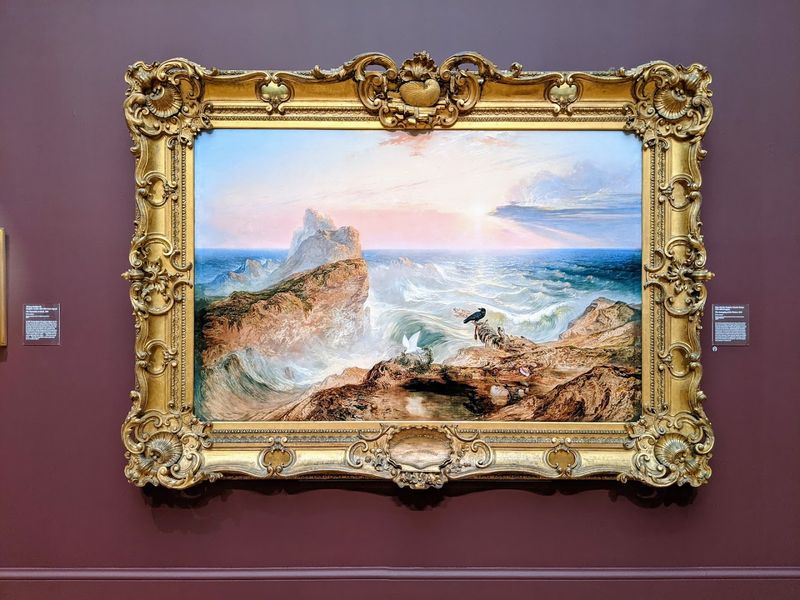
The permanent collection is substantial, but the Legion of Honor keeps its calendar active with rotating temporary exhibitions that bring new material and new audiences through the doors regularly.
As of current museum listings, upcoming exhibitions include Ferlinghetti for San Francisco, running through July 19, 2026, and The Etruscans: From the Heart of Ancient Italy, scheduled from May 2 to September 20, 2026.
The Etruscan exhibition is a natural fit for a museum already strong in ancient Mediterranean art, and it will likely draw visitors who want to go deeper into pre-Roman Italian civilization.
The Ferlinghetti exhibition connects the museum to San Francisco’s literary and cultural history in a way that extends the institution’s reach beyond its European art identity.
Checking the museum’s official website before visiting is always a good idea, since temporary exhibitions have specific start and end dates and some require separate ticketing or timed entry.
The Legion of Honor’s programming tends to balance scholarly depth with accessibility, making the special exhibitions approachable for general visitors while still offering enough substance to satisfy more serious art enthusiasts.
Exhibition schedules and details are best confirmed directly through the Fine Arts Museums of San Francisco website.
Practical Visitor Information for Planning Your Trip
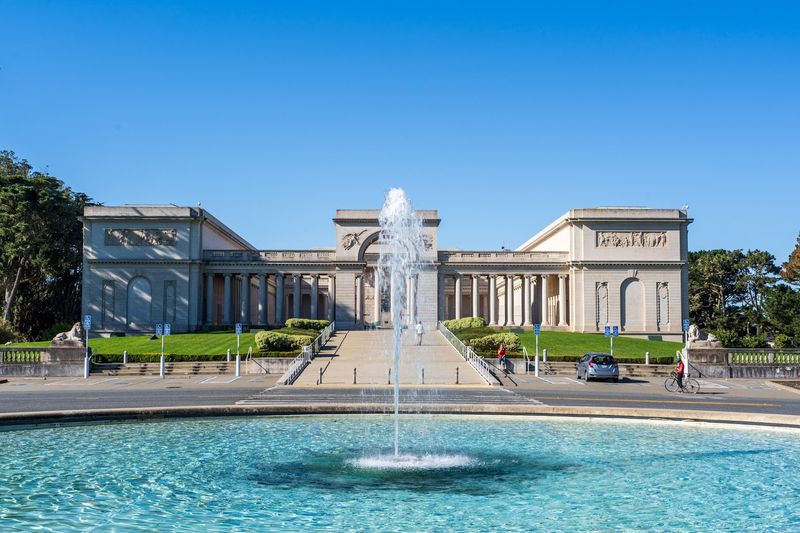
Planning ahead makes a visit to the Legion of Honor noticeably smoother.
The museum is located at 100 34th Ave, San Francisco, CA 94121, and is open Tuesday through Sunday from 9:30 AM to 5:15 PM.
It is closed on Mondays and select holidays, so checking the official website before making the trip is worth the two minutes it takes.
Admission as of current information is $15 for adults, $12 for seniors aged 65 and older, $6 for students with valid ID, and free for visitors 17 and under.
Parking is available on-site in Lincoln Park, though availability can vary on weekends and during popular exhibitions. Arriving earlier in the day tends to make parking and entry easier.
The museum has an on-site café that serves coffee and light items in the morning and transitions to fuller meal options at lunchtime.
A gift shop is also available for those who want to take something home. Bluetooth headphones are useful if planning to use the free guided audio tour, which is accessible via QR code throughout the galleries.
The phone number for general inquiries is +1 415-750-3600, and the official website is famsf.org/visit/legion-of-honor.
Lincoln Park Trails and the Lands End Experience Nearby
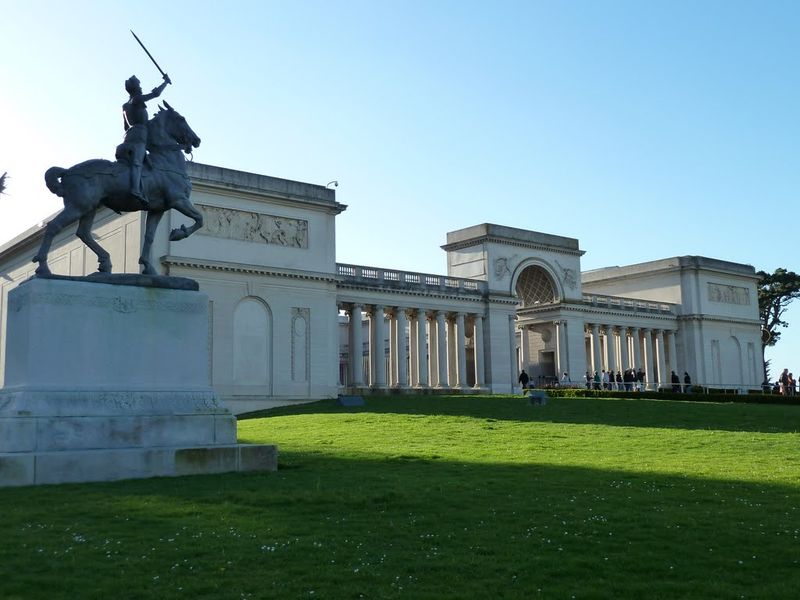
A museum visit at the Legion of Honor pairs naturally with time spent outdoors, and the surrounding landscape makes that combination easy to arrange.
Lincoln Park sits directly around the museum, and the Lands End trail system begins nearby, offering coastal walks with views of the Pacific Ocean and the Marin Headlands across the water.
The trails are relatively accessible for most fitness levels, though some sections involve uneven terrain and elevation changes.
The walk from the museum grounds down toward the coastline takes visitors through cypress groves and along cliff edges where the scale of the bay becomes genuinely impressive.
On clear days, the views from Lands End rank among the best publicly accessible coastal viewpoints in the city.
Combining the museum with a short hike is a practical way to spend a full morning or afternoon without feeling rushed in either direction.
The outdoor portion of the day complements the indoor experience by offering a change of pace and a reminder of the natural setting that makes the Legion of Honor’s location so distinctive.
Comfortable walking shoes are worth considering when planning the visit, especially for those who want to explore the trails after spending time in the galleries.