You Can Ride An Elevator To The Top Of This 351-Foot Kentucky Monument For Views Across The Countryside
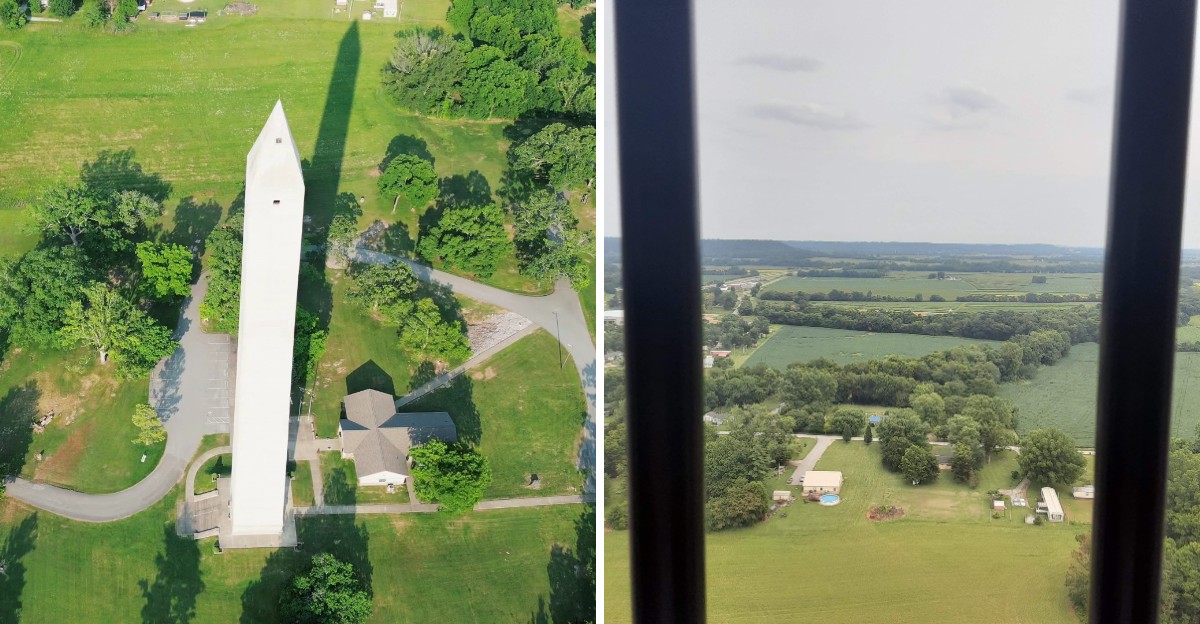
An elevator installed in 1929 still carries visitors up the inside of a 351-foot concrete obelisk in rural Kentucky. That’s no skyscraper, just a monument rising over open farm fields.
The tower holds the title of the tallest unreinforced concrete structure in the world. Its walls measure 8.5 feet thick at the base, which sounds like overkill until you see how high it climbs.
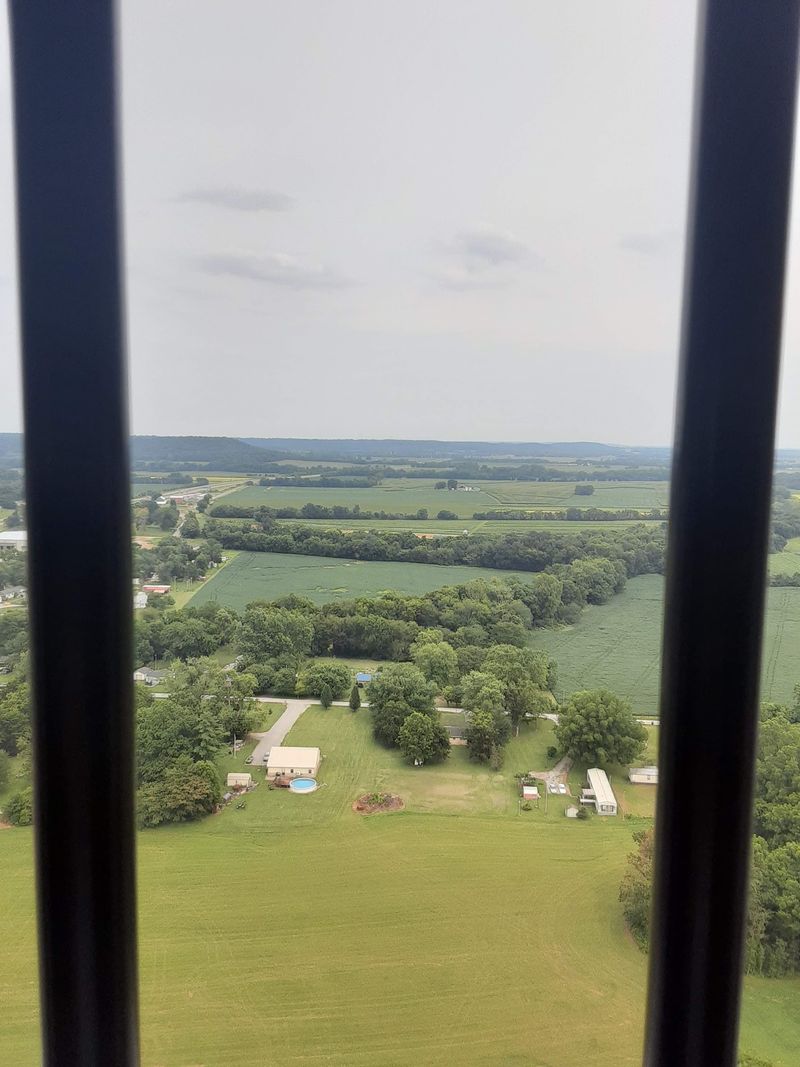
At the top, a small observation room has windows on all four walls. The countryside spreads out in every direction, with nothing taller nearby to block the wide-open view across the fields.
It is amazing how a ride this unusual sits so far from any big city, surrounded by quiet back roads. I can’t imagine a better excuse to pull over, so what else is waiting on the ground below?
Your Ride Up Starts In An Elevator That Dates Back To 1929
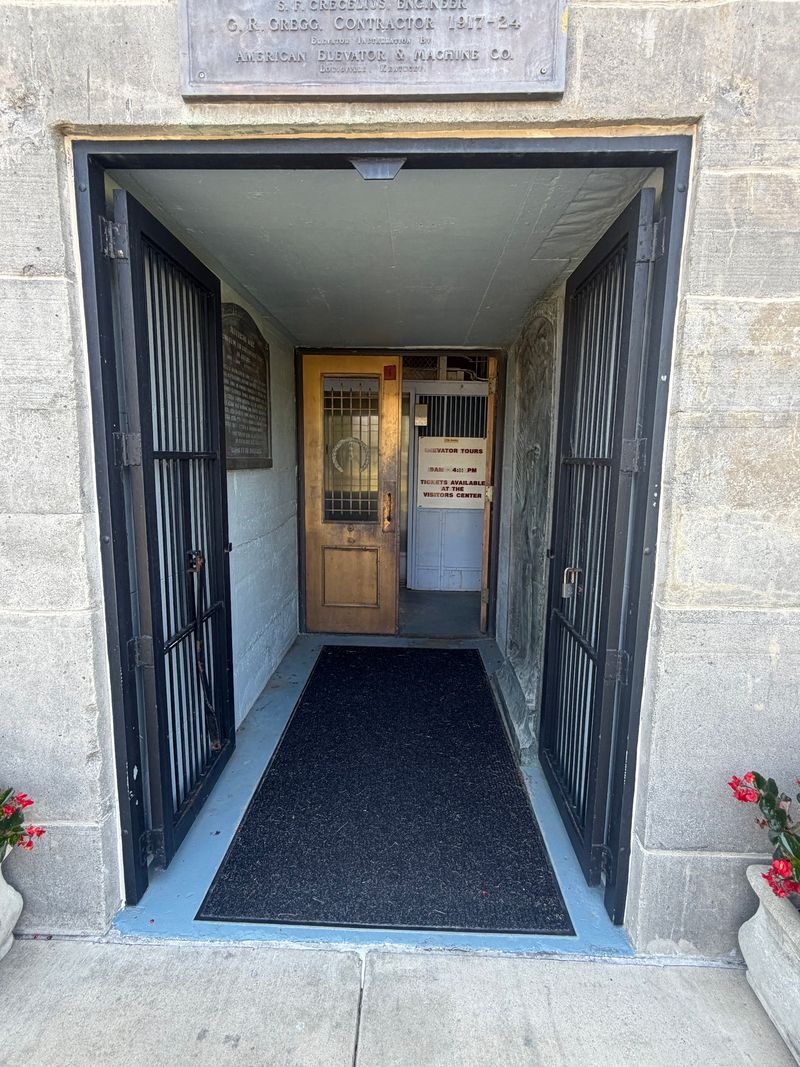
Most monuments ask you to stand at the bottom and crane your neck. Jefferson Davis State Historic Site hands you a better deal, with an elevator that carries you straight up the inside of its 351-foot obelisk.
That elevator first went into service in 1929, just a few years after the monument was finished. It has been lifting curious visitors toward the clouds ever since, with some upgrades along the way.
The trip ends in an observation room near the peak. Windows line all four walls, so you get a full sweep of the Kentucky countryside without fighting anyone for the best side.
Farmland, tree lines, and rural roads stretch out below in every direction. It’s the kind of view that makes a pickup truck look like a toy and a barn look like a game piece.
Elevator tours run during the warmer months, from April 1 through November 15. Plan your visit inside that window, because winter visitors can explore the grounds but can’t ride to the top.
Bring a phone with plenty of battery. You’ll want photos from every window, and maybe a few of your own surprised face.
The official address is 258 Pembroke-Fairview Rd, Pembroke, Kentucky. You’ll find it along U.S. Highway 68, about 10 miles east of Hopkinsville.
Nobody Skimped On The Concrete, And It Shows
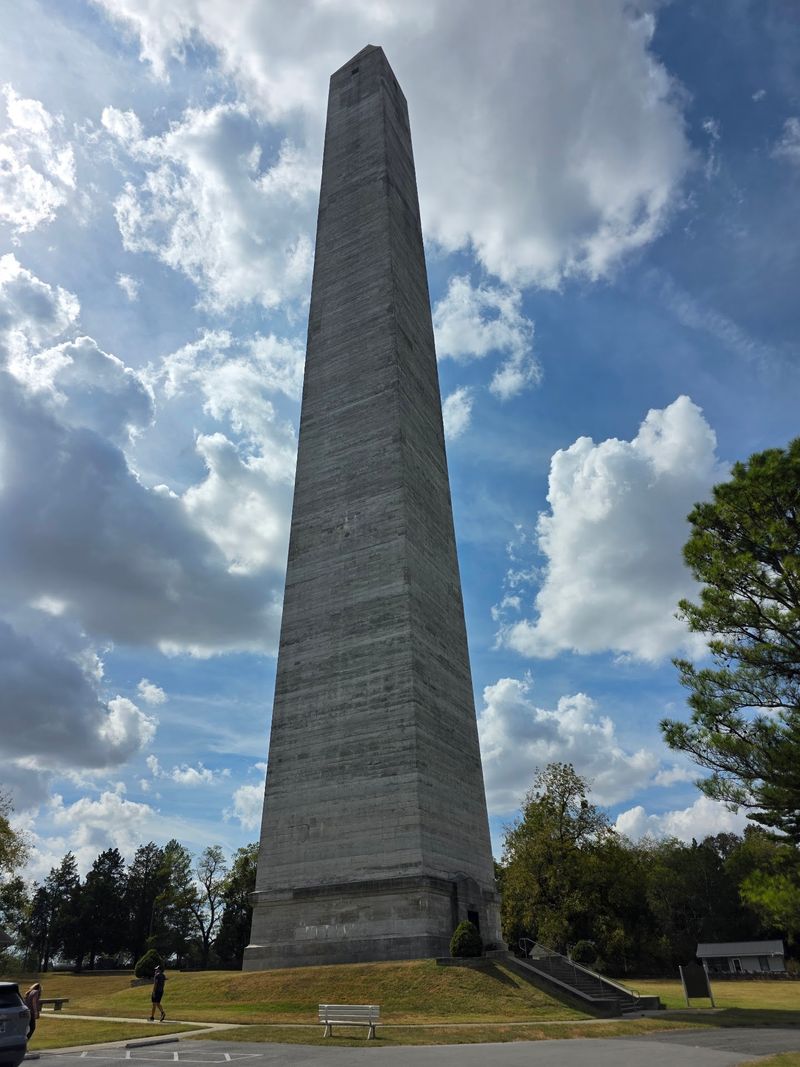
Here’s a fun one for trivia night: this obelisk is the tallest unreinforced concrete structure in the world. That means no steel rods hiding inside, just poured concrete stacked impressively high.
It also ranks as the tallest concrete obelisk on the planet. Among monuments in the United States, it lands in fifth place for height, which is pretty bold company for a small Kentucky town.
The walls explain how it pulls this off. They measure 8.5 feet thick at the base and slowly taper to 2.5 feet at the top.
Builders didn’t have to haul all their stone from far away, either. Limestone quarried right on the site went into the construction, and the whole thing rests on a solid Kentucky limestone foundation.
So the monument is literally made from the ground it stands on. That’s a neat bit of homegrown engineering, and it gives the tower a real connection to the land around it.
Stand at the base and look up for a moment. Those thick, plain walls feel less like decoration and more like a giant stone exclamation point aimed at the sky.
The Tower Took Almost Two Decades To Go From Idea To Finished
The plan started with a speech, not a shovel. In 1907, Confederate general Simon Bolivar Buckner Sr. proposed the monument during a reunion of the Orphan Brigade.
Construction began in 1917 with big ambitions. Then in 1918, nationwide material rationing halted work at a height of 175 feet.
That’s roughly half the final height, frozen in place for a few years. Picture a giant pencil left half-sharpened in a farm field.
Work finally picked up again in January 1922. Crews finished the job in 1924, and the monument was dedicated on June 7 of that year.
On that same day it joined the Kentucky State Parks system. The United Daughters of the Confederacy raised much of the building money through public subscriptions, gathering support bit by bit.
Later chapters matter too. The monument landed on the National Register of Historic Places on May 9, 1973, and it reopened in May 2004 after major renovations.
Knowing the backstory changes how the tower looks. Each section of those walls carries years of stops, starts, and stubborn follow-through.
The visitor center covers this building saga in more detail. It’s worth reading before your elevator ride.
Two Rival Leaders Started Life Surprisingly Close Together
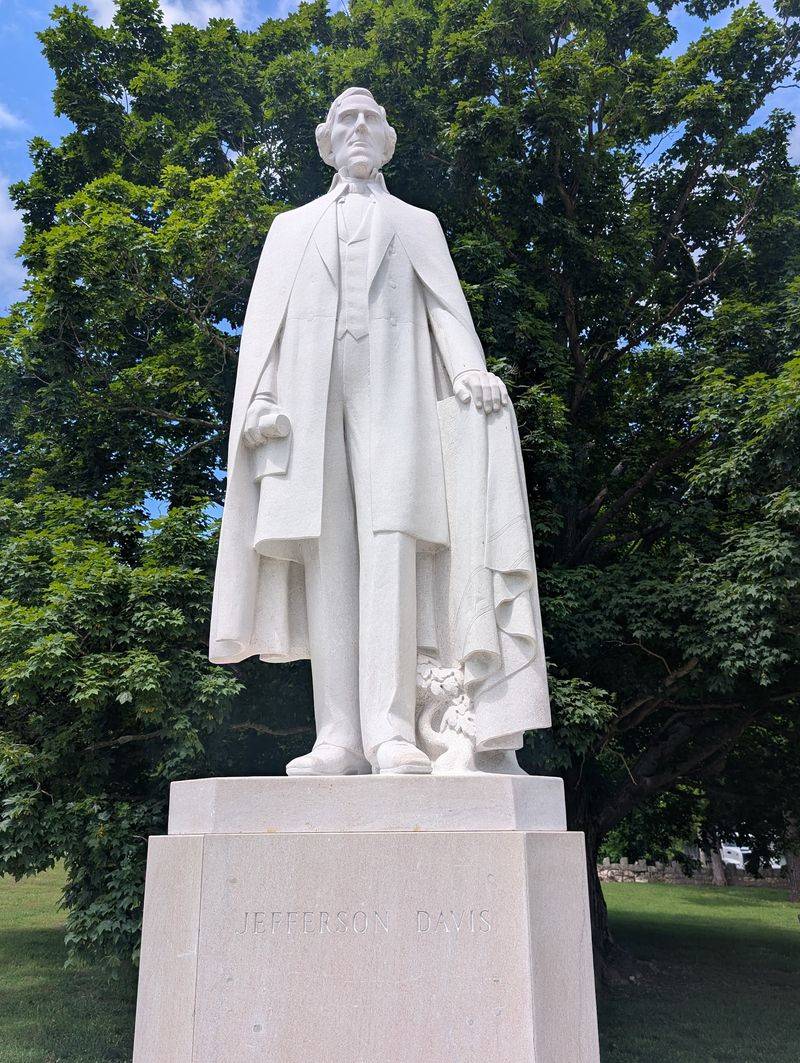
Jefferson Davis was born right here on June 3, 1808. The towering obelisk marks his birthplace, turning a quiet patch of Kentucky ground into a landmark you can spot from far away.
Now for the fact that tends to stop people in their tracks. Abraham Lincoln was also born in Kentucky, less than 100 miles away and about a year apart.
The two men would later lead opposite sides of the nation’s great split in the 1860s. Yet their stories began in the same state, within a short drive of each other by today’s roads.
The on-site museum leans into this connection. It’s one of those details that makes history feel smaller and stranger at the same time.
Davis also built a long political career before the 1860s. Exhibits trace his life both before and after that turbulent decade, so you get more than one chapter.
Kids especially may enjoy the Lincoln twist. Ask them to guess how far apart the two birthplaces are, then watch their faces when you share the answer.
It’s a simple question with a surprising payoff. That kind of moment tends to stick long after the drive home.
Give The Visitor Center A Few Minutes Before You Head Up
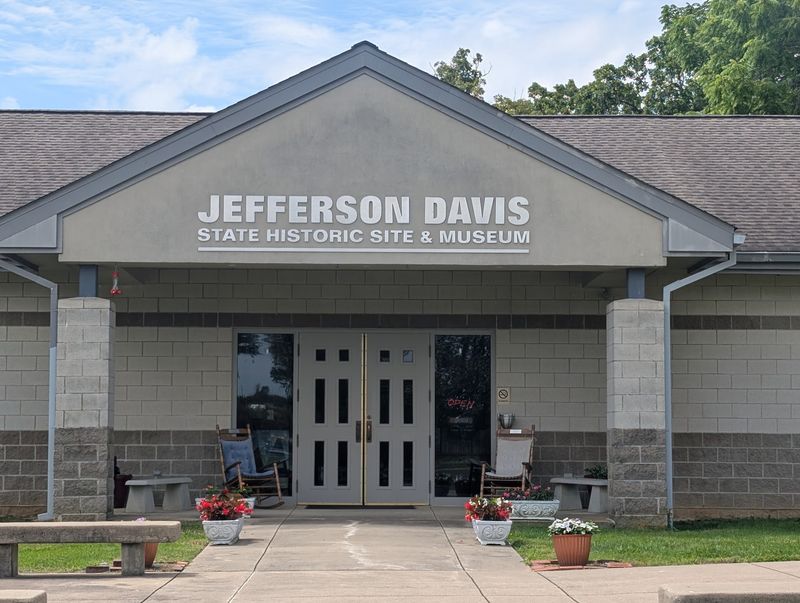
Opened in 2001, the visitor center sits close to the monument and packs a lot into a modest space. Think of it as your crash course before the big climb.
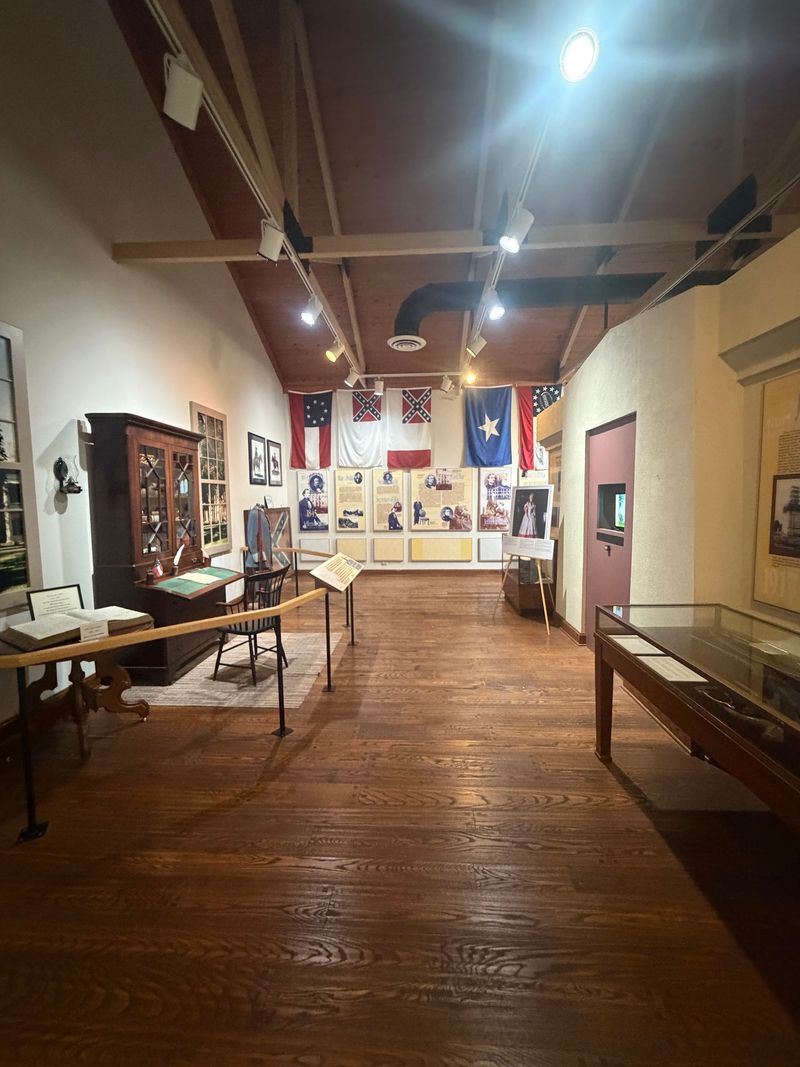
Exhibits cover Jefferson Davis and his political life, both before and after the 1860s conflict. That gives you a wider picture than a single plaque ever could.
Another display focuses on how the monument itself was built. After you learn about the pause at 175 feet, the tower outside looks a little more heroic.
The center also tells the story of the Kentucky Orphan Brigade. These soldiers played a part in the monument’s beginnings, since the idea was first floated at one of their reunions.
A short DVD presentation adds more about Davis and the monument’s history. It’s an easy way to soak up background while resting your legs for a bit.
Families with younger kids can use the video as a reset button. A few quiet minutes indoors can work wonders before everyone heads back outside.
Jefferson Davis State Historic Site keeps the museum open even in winter. So if the elevator is off for the season, the exhibits still make the trip worthwhile.
The Gift Shop Has More Than Just Postcards
Souvenir hunters, take note. The gift shop here stocks a mix that leans heavily toward history lovers and readers.
Books about Kentucky battlefields line up alongside memorabilia tied to the 1860s. If someone in your group collects that kind of thing, budget extra browsing time.
Replica historical documents are another fun find, including copies of the Emancipation Proclamation. Framed on a wall, one of those makes a conversation starter for years.
Prefer something wearable? T-shirts and souvenir caps cover the classic road-trip memento department.
Kentucky handcrafts round out the selection. Picking one up is a nice way to take home something made in the state rather than a mass-produced trinket.
The shop stays open through the winter months too. That makes it a handy stop even when monument tours are paused until spring.
A history-buff relative with a birthday coming up could be easy to shop for here. A battlefield book plus a replica document makes a pretty thoughtful bundle.
Leave a little room in the car before you go. Between books, caps, and crafts, it’s easy to walk out with more than you planned.
Pack A Lunch, Because The Grounds Practically Beg For A Picnic
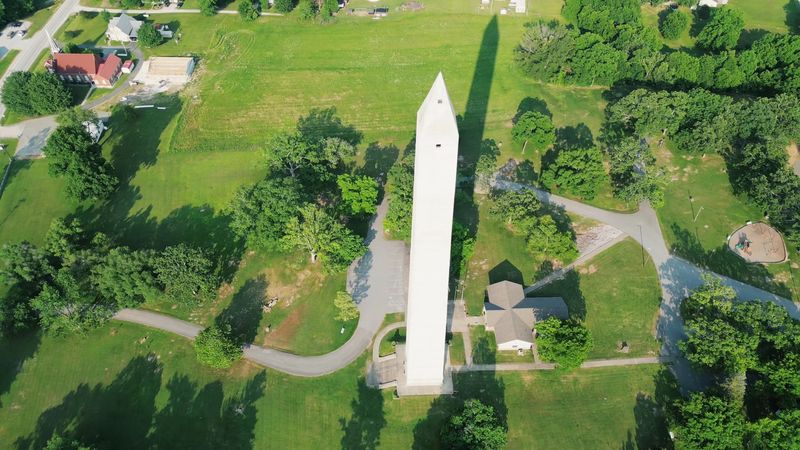
Nineteen acres of park land surround the monument, and they’re made for slowing down. Open and covered picnic areas give you options whether the sky is sunny or gray.
Planning a family reunion or club outing? Two pavilions are available to rent, one seating 50 guests and the other holding 100.
Kids get their own corner too. A playground sits on the grounds, and swinging with a 351-foot obelisk looming nearby is a pretty unusual backdrop.
Restrooms are available on site, which matters more than any brochure admits on a long drive. You can refuel, stretch, and regroup all in one stop.
The playground stays open in winter along with the museum and gift shop. A crisp afternoon picnic in the off-season could be a peaceful change of pace.
Grab sandwiches before you arrive so nobody gets hungry mid-visit. A cooler in the trunk turns a quick history stop into a relaxed half-day outing.
After lunch, the monument makes a great photo subject from across the lawn. Step back far enough and you might finally fit the whole thing in one frame.
Timing Your Trip Right Makes All The Difference
A little calendar math goes a long way here. Spring, summer, and fall operations run from April 1 to November 15, and that’s when elevator tours are offered.
From November 16 through March 31, the site shifts to winter hours. The museum, gift shop, and playground stay open, but monument tours, including the elevator, take a seasonal break.
Winter days are also shorter, and the site closes on Wednesdays and Sundays during that stretch. Double-check the schedule before you drive out on a chilly weekend.
Elevators, like the rest of us, occasionally need a day off for repairs. Calling ahead to confirm it’s running is a smart move if the ride is your main reason for coming.
Fall is a tempting choice if you want cooler weather for wandering the grounds. Just remember the November 15 cutoff for rides to the top.
Arriving earlier in the day gives you room to enjoy everything without rushing. The museum, the ride, and a picnic can easily fill a relaxed afternoon.
Jefferson Davis State Historic Site rewards a little planning. Get the season right, and the view from the top is yours to enjoy.
Spotting It From The Road Is Half The Fun
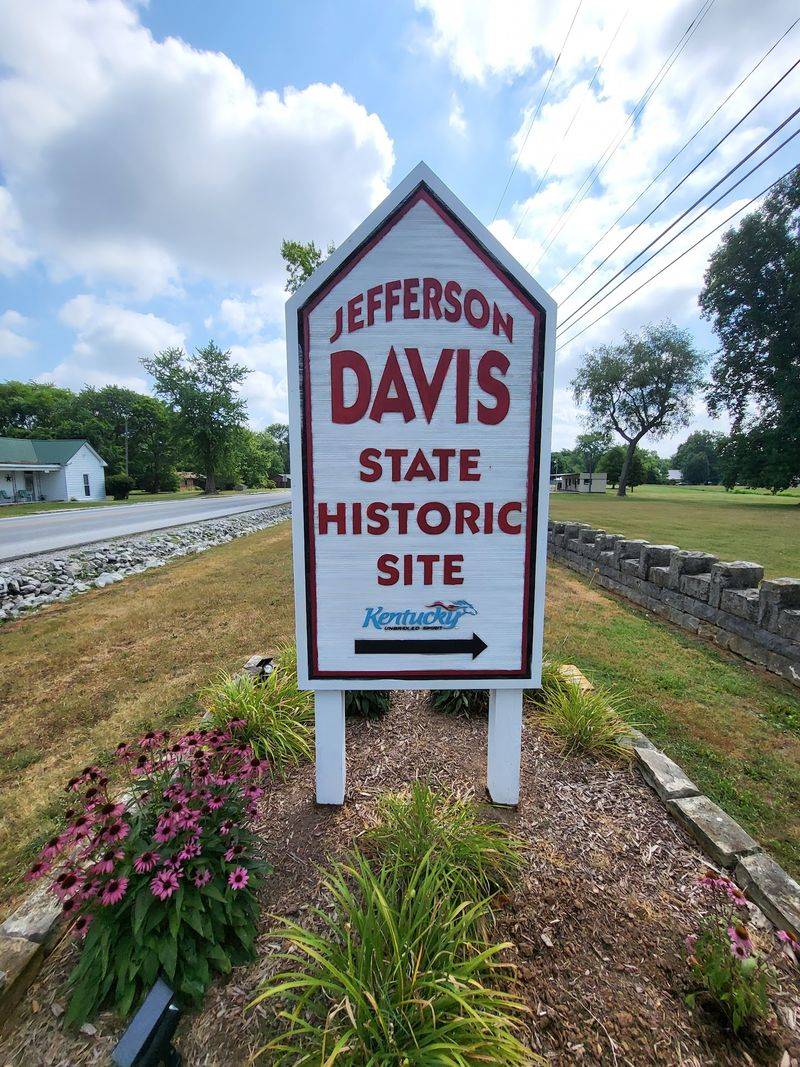
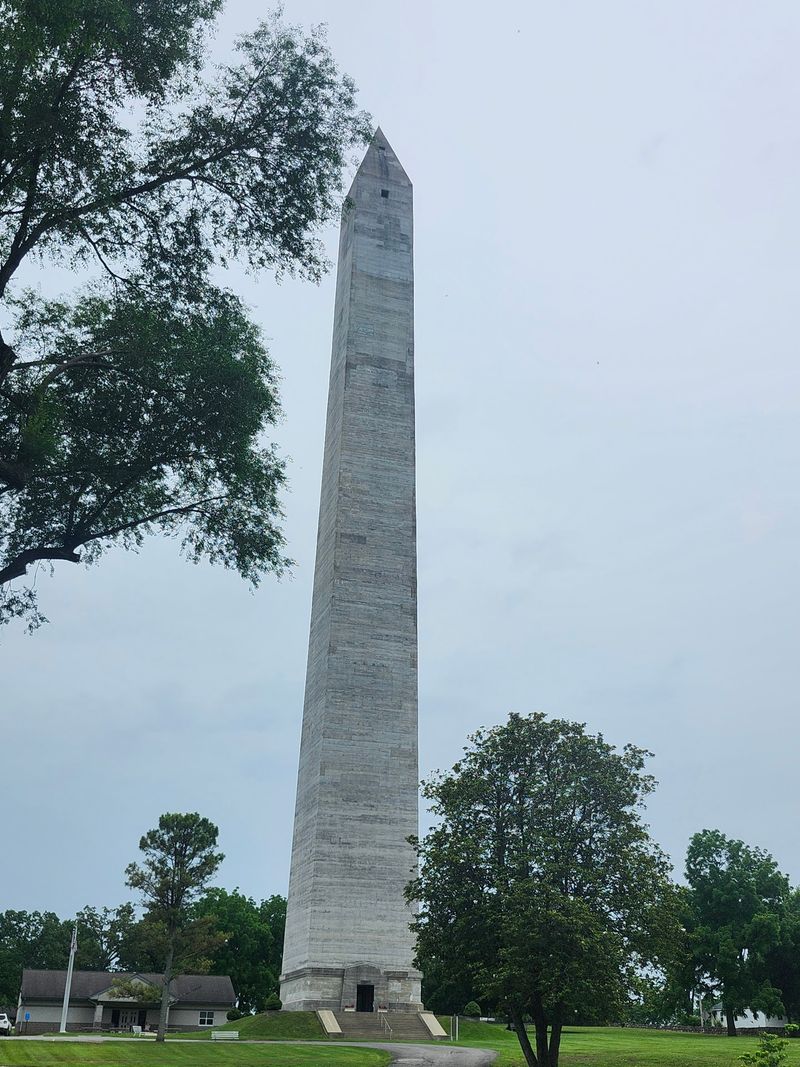
Big monuments are easy to find, and this one practically waves at you from the highway. The obelisk rises above the surrounding countryside and can be seen from miles away.
Farm fields and quiet roads make the giant tower stand out even more.
Hopkinsville makes an easy base if you want to add food, gas, or lodging to your day. The short hop between town and monument keeps the trip simple.
Heading toward Land Between the Lakes? U.S. 68 offers a handy route west, so the monument fits naturally into a bigger road trip.
Parking is right on the property, so there’s no hunting for a spot. Once you’re out of the car, the monument, museum, and picnic areas are all close at hand.
Few roadside stops in Kentucky let you ride inside a record-setting tower. Jefferson Davis State Historic Site turns a simple detour into a story worth telling.