You Can See A 2,500 Year Old Egyptian Mummy From The Valley Of The Queens Up Close In Kentucky
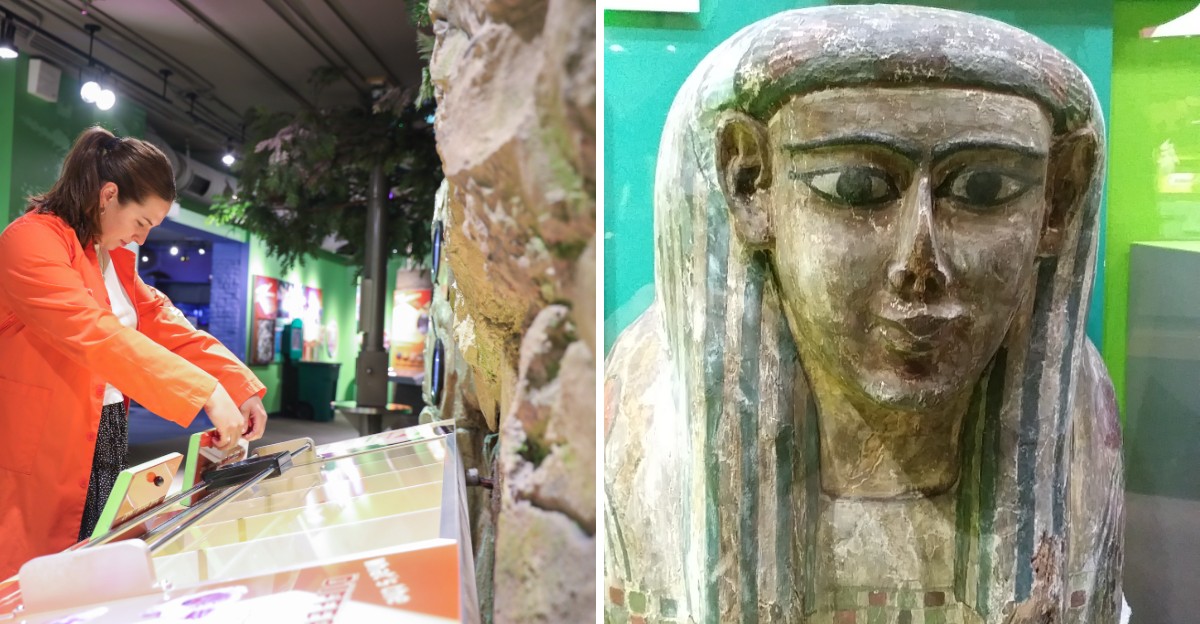
You probably don’t expect an ancient Egyptian to be living her best afterlife in Kentucky. Yet here she is, and she has quite the travel story to tell.
She was laid to rest in Egypt’s famous Valley of the Queens roughly 2,500 years ago. Experts believe she wasn’t royalty, just a regular woman with very fancy burial real estate.
She crossed an ocean for the 1904 World’s Fair, which is more travel than most of us manage. Then she landed in Kentucky and decided to stay for good.
Over the years, she even survived a flood that left her trapped beneath a piano. Talk about a plot twist for someone who was supposed to be resting peacefully.
Today, you can see her up close and say hello. Her name reportedly means “the one who is content,” and honestly, she has earned it.
Ready to meet your most ancient neighbor?
Meet Then-Hotep, The One Who Is Content

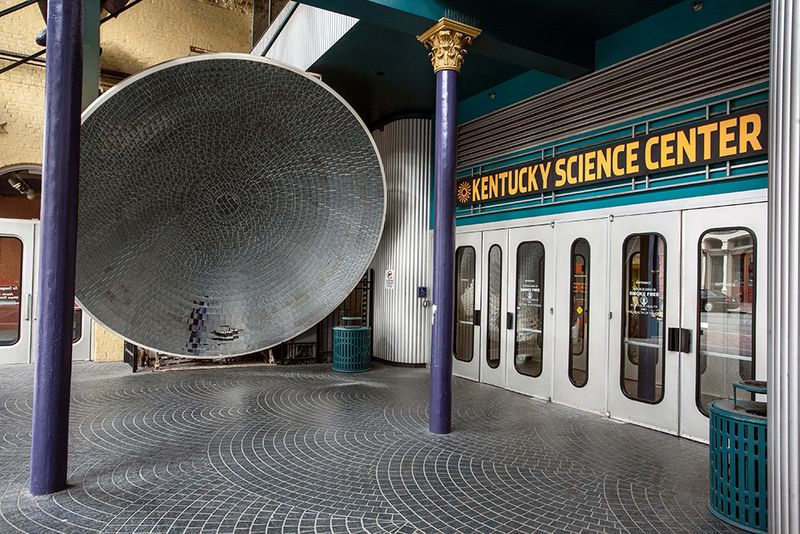
Few people get to say they met someone born before the Roman Empire. At the Kentucky Science Center, you can do exactly that.
Her name is Then-Hotep, also spelled Tchaenhotep. The name translates to the one who is content, which feels like a calm way to spend 2,500 years.
Experts date her to around 700 to 625 B.C. That puts her age somewhere between 2,500 and 2,700 years old.
She lived during a long stretch of Egyptian history. Scholars place her life between about 1069 B.C. and 664 B.C.
Researchers believe she was young when her life ended. She was likely between 25 and 35 years old.
Think about that for a second. She was close in age to many parents who bring their kids to the museum today.
Her story is not just about old bones and wrappings. It is about a real woman who had a home, a family, and a daily routine.
That is what makes the visit special. You are not looking at a cartoon pharaoh or a movie prop.
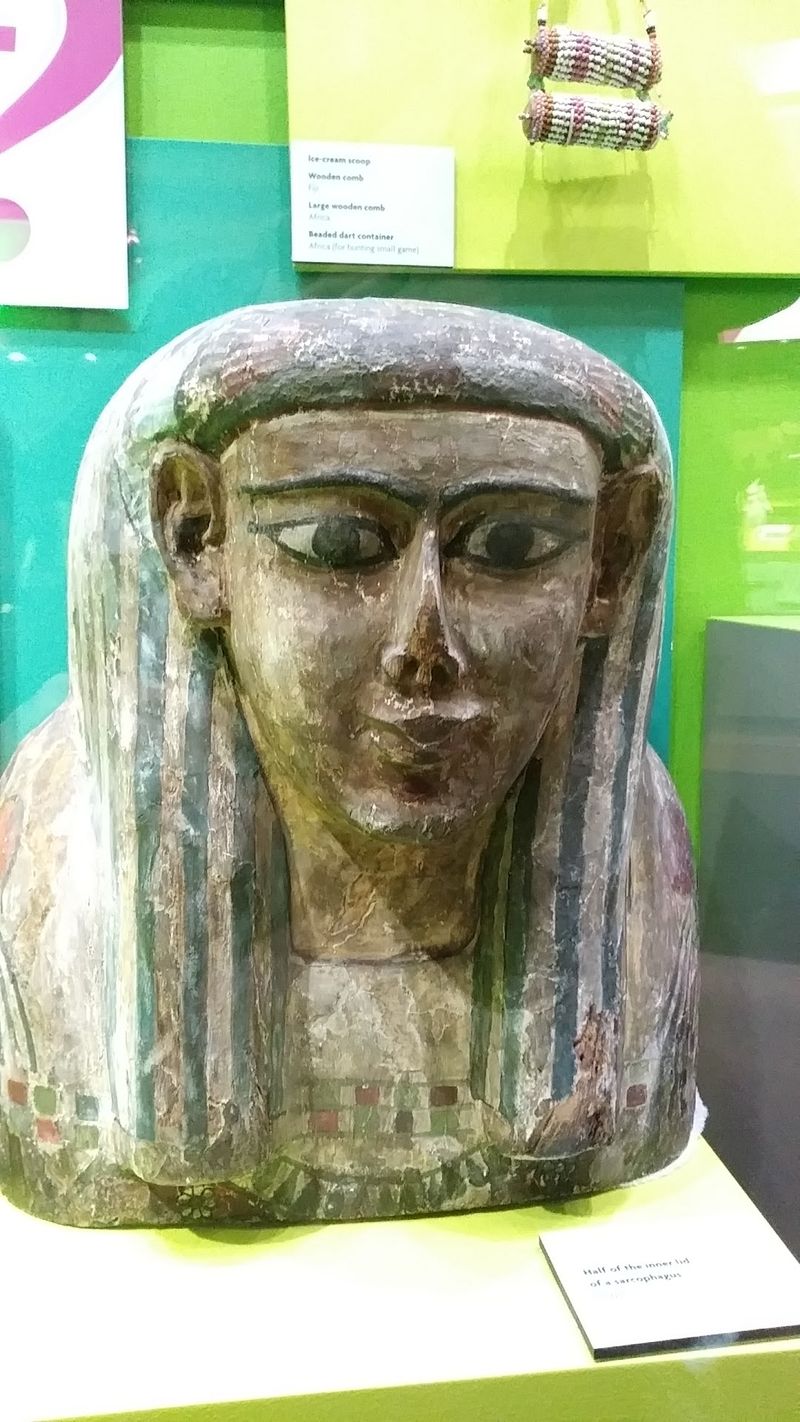
You are looking at a real person from ancient Egypt. Her face, her coffin, and her journey are all part of the experience.
So before you go to 727 West Main Street, Louisville, Kentucky, learn her name. It makes saying hello feel a lot more polite.
A Royal Valley With A Surprising Twist
Royal address, regular life. Then-Hotep came from the Valley of the Queens in Luxor, Egypt, a place famous for royal burials.
Here is the twist, though. Experts think she was a housewife or a woman of middle-class standing.
Her coffin gives a big clue. It is modestly decorated, not covered in the fancy details you might expect from a queen.
By her time, the valley was no longer only for royalty. Other families could be laid to rest there too.
She was not alone in her tomb. Then-Hotep was one of eight family members buried together.
That tomb also held 42 other mummies. It was more like a crowded family neighborhood than a lonely royal palace.
This detail changes how you see her. She was likely an ordinary person with ordinary chores and worries.
Maybe she baked bread, cared for relatives, or traded goods at the market. Nobody knows for sure, but the possibilities are fun to imagine.
Kids especially love this part of the story. It shows that history is not only about kings and queens.
Everyday people mattered too. Then-Hotep proves that a regular life can still leave behind an amazing story worth telling.
Found By An Italian Explorer In 1903
Long before metal detectors and drones, discovery meant shovels, sand, and patience. In 1903, Italian Egyptologist Ernesto Schiaparelli located Then-Hotep’s tomb.
The Egyptian government had commissioned the dig. Schiaparelli and his team worked in the Valley of the Queens near Luxor.
Digging in Egypt back then was hard work. Crews hauled sand by hand under a strong desert sun.
Finding a tomb with dozens of mummies was a huge event. Each one offered fresh clues about life along the Nile.
Schiaparelli became one of the best-known explorers of his day. His digs helped fill museum collections around the world.
Then-Hotep was part of that wave of discovery. Few people back then could guess she would end up in Kentucky.
When you stand near her display, try to picture that moment. A dusty tomb opens, and light touches her coffin for the first time in centuries.
It is a great story to share with young visitors. Ask them what they would pack for a desert dig.
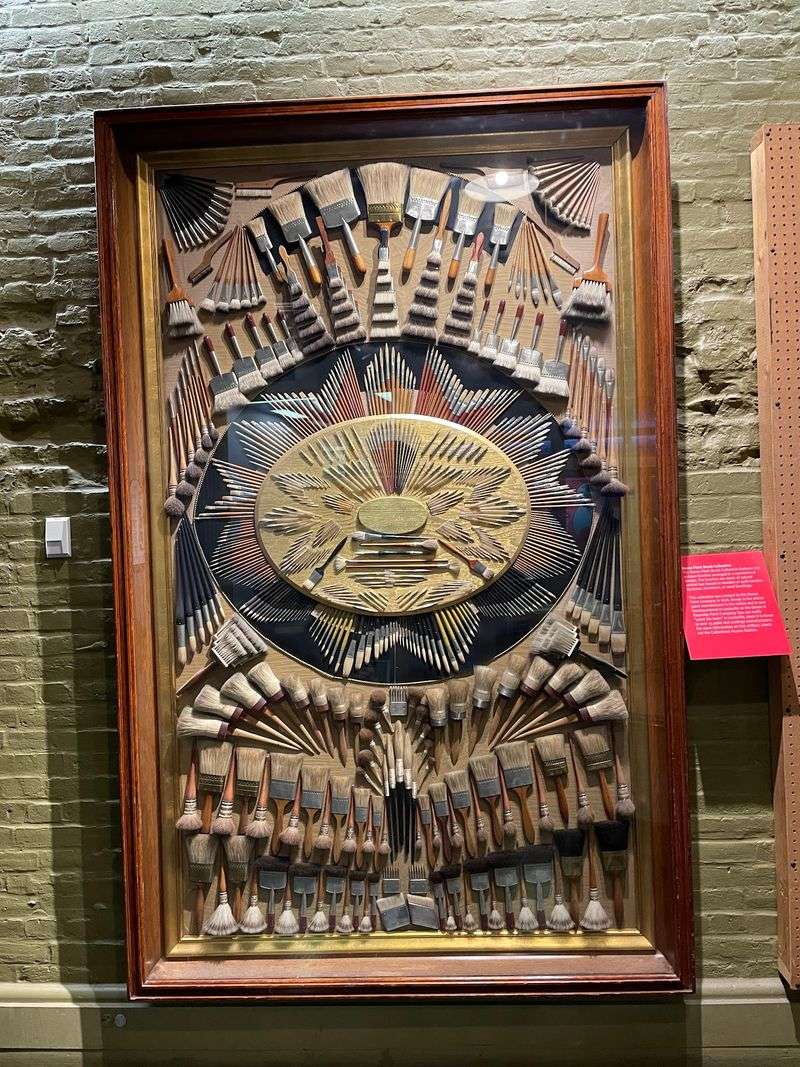
Hats, water, and a good brush usually top the list. Then remind them that real explorers did not get snack breaks with juice boxes.
From The World’s Fair To The Bluegrass State
Talk about a big travel year. In 1904, Then-Hotep crossed the ocean to appear at the St. Louis World’s Fair.
Egyptologist Gaston Maspero picked her for the fair’s Egyptian exhibit. Millions of curious visitors came to see wonders from around the globe.
World’s Fairs were the giant showcases of their time. People saw new inventions, foods, and cultures all in one place.
An Egyptian mummy was a major attraction. For many fairgoers, it was their first look at ancient history up close.
After the fair ended, she needed a new home. That is where Kentucky enters the picture.
Samuel Thruston Ballard purchased the mummy after the fair and later served as Kentucky’s lieutenant governor.
He then donated her to the Louisville Free Public Library. She joined its natural history collection.
Imagine checking out a library book and spotting a mummy nearby. Reading time would never feel boring again.
This chapter of her story connects Egypt, Missouri, and Kentucky. It is a road trip spanning thousands of miles and a few centuries.
When you visit, share this bit with your group. It makes your own drive to Louisville feel pretty short by comparison.
The Great Flood And The Piano Rescue
Some stories sound made up, but this one is true. During the Ohio River flood of 1937, water filled the library basement where Then-Hotep was stored.
She floated right out of her sarcophagus. Later, rescuers found her trapped beneath a piano.
Yes, a piano. Of all the places to end up, that might be the strangest spot in her long journey.
The flood caused serious harm. Her linen wrappings were soaked and heavily soiled with mud.
Her head became detached from her body. Skin around her face also broke down from the water.
The good news is that she was saved. Experts restored her using a vacuum drier, a clever tool for removing moisture.
The 1937 flood was one of the worst in the region’s history. Much of Louisville sat under water for days.
Then-Hotep survived it all and still made it to public view. Her toughness is a big reason people find her story so memorable.
Bring this up when you stand by her display. Kids will likely ask a dozen questions, and most will involve the piano.
History rarely gets this dramatic. Here, it comes with a soundtrack.
Science Takes A Peek Inside
X-ray vision is not just for superheroes. Researchers used X-rays and CT scans on Then-Hotep, notably in 2004 and 2005.
These scans let scientists see inside without unwrapping her. That protects her fragile body while still revealing secrets.
One discovery stood out. Her heart and brain were still intact.
That is unusual for Egyptian mummies. Embalmers typically removed these organs during the mummification process.
Why were they left inside? Nobody has a full answer, which makes her even more interesting to study.
Science added a creative side to her story too. In 1989, anthropologist Virginia Smith made a clay facial reconstruction of her.
Facial reconstruction helps people picture what someone looked like in life. It turns a mystery into a face you can almost recognize.
This part of the exhibit fits the Science Center perfectly. It shows how modern tools can answer questions from long ago.
Encourage kids to think like researchers here. What would they want to scan next, and what might they discover?
Maybe a future scientist is standing right beside you. Honestly, it might be the kid holding the gift shop pencil.
Hawks, Scarabs, And A Glass Pyramid
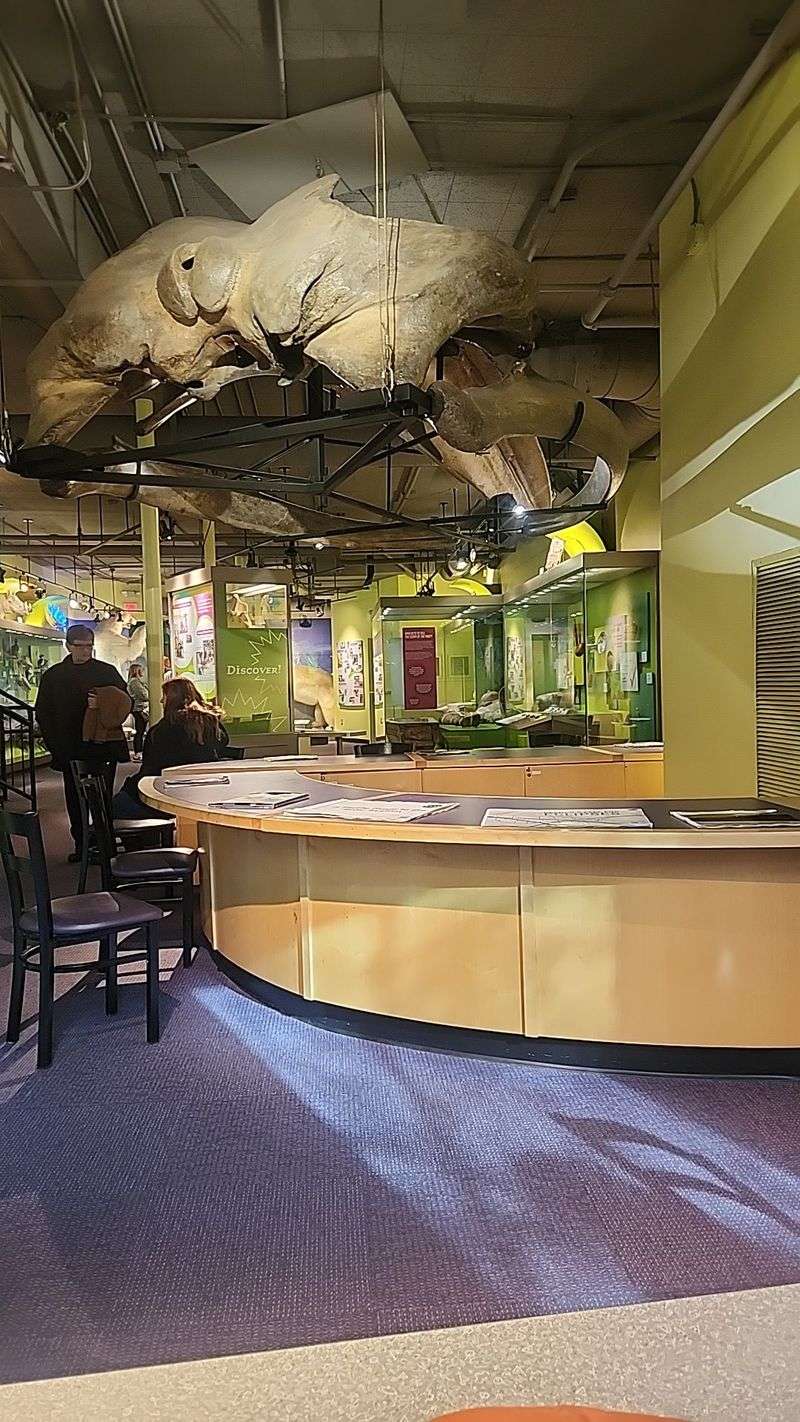
Head up to the third floor, and ancient Egypt meets downtown Louisville. Then-Hotep rests in the Discovery Gallery.
She lies in the bottom half of her mummy case. A Plexiglass pyramid surrounds her, which feels like a fitting choice.
The coffin lid is on display too. Look closely at its modest decoration and compare it to the royal coffins you may have seen in books.
Nearby, you will spot scarabs. Ancient Egyptians often used these beetle-shaped charms as symbols of renewal.
Ushabtis are part of the exhibit as well. These small figures were placed in tombs to act as helpers in the afterlife.
Then come the two mummified hawks. Egyptians connected hawks with the god Horus, so these birds held special meaning.
Give yourself time here instead of rushing. Each object adds a new layer to her world.
A fun idea is to play spot-the-artifact with kids. Whoever finds the hawks first wins bragging rights for the car ride.
She returned to public view in 2005 after five years of study and care. Today she is a key part of The World Around Us exhibit.
Make A Full Day Of The Science Center
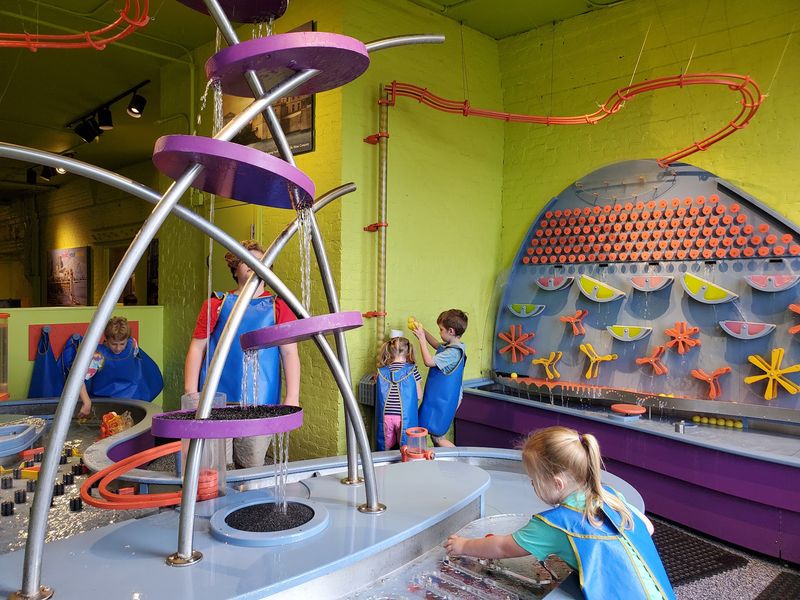
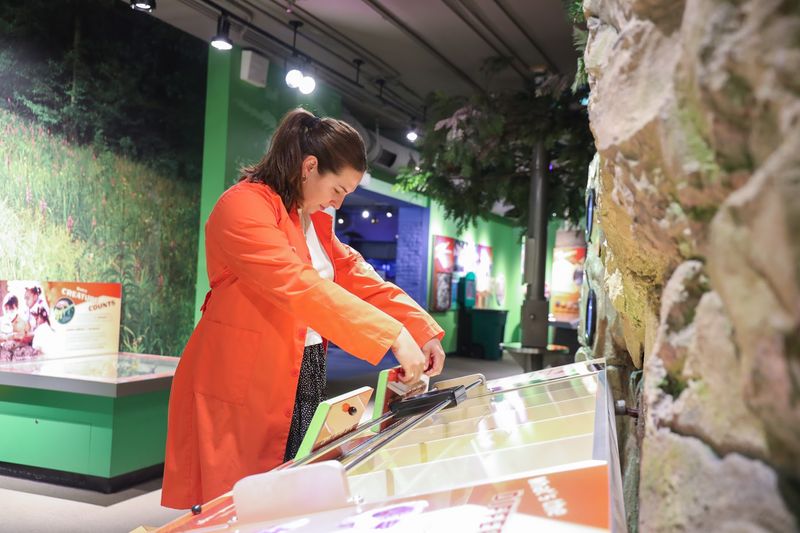
Ancient history is a great start, but the fun keeps going. The building is packed with hands-on exhibits across three main floors.
Younger kids often head straight to the first floor. Water tables and the Noodle Forest, a tunnel of hanging pool noodles, are crowd favorites.
Kids can also explore pretend jobs. There is a UPS truck, a grocery area, and even a green screen news desk.
Families love the Be in a Bubble station near the entrance. Standing inside a giant bubble is a photo you will want to keep.
Older visitors have plenty to try too. Uniquely Human explores personality, traits, and feelings in a thoughtful way.
A flight landing simulator and an IMAX theater add more excitement. Upper floors also offer lovely views of the Ohio River.
The center earns strong praise from guests overall. Many families say it is easy to spend hours exploring.
Here is a helpful tip. Weekdays outside of field trip season can feel calmer and less crowded.
Parking sits behind the building, and the space is wheelchair accessible. Once you say goodbye to Then-Hotep, there is still plenty of science left to do.