You Can See A Signed Letter From Every US President At This Cartersville Georgia Museum
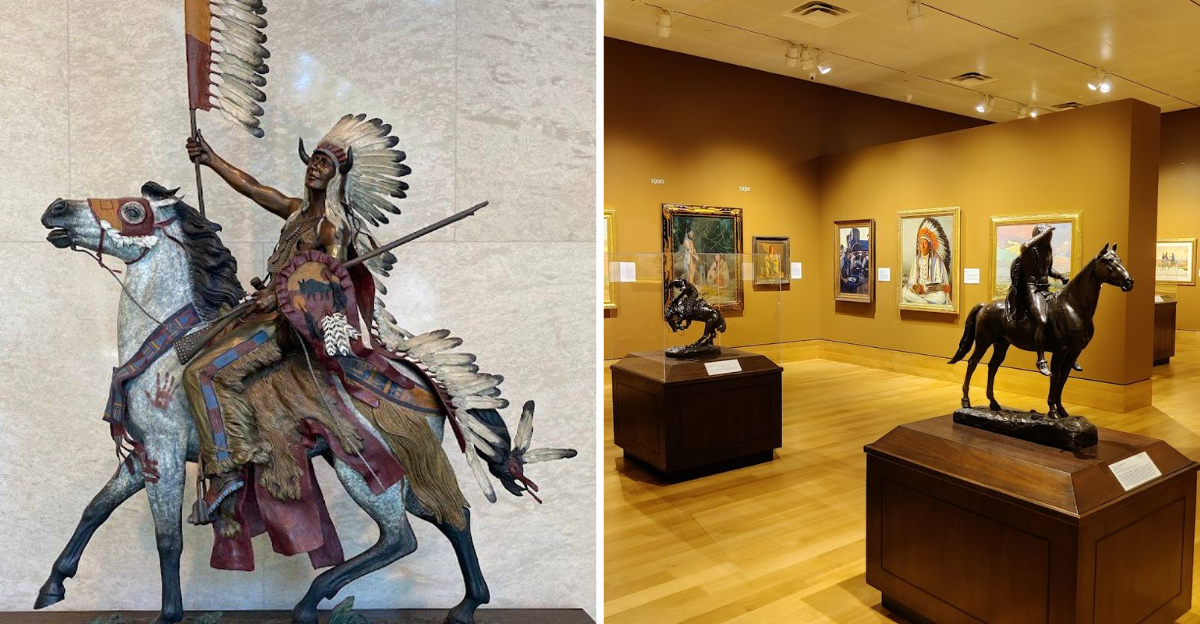
In the historic city of Cartersville, Georgia, one museum offers a cultural experience unlike anything else in the region. The Booth Western Art Museum stands as the largest permanent Western art museum in the world, housed in an impressive 120,000 square foot facility filled with remarkable collections.
Visitors step inside to discover galleries that celebrate the art, history, and spirit of the American West through striking paintings, sculptures, and detailed exhibits. Beyond the artwork, the museum also holds fascinating historical pieces, including a gallery featuring hand signed letters from every United States president.
The exhibits combine storytelling with visual beauty, making each room feel like a journey through a different chapter of American history. For art lovers, history enthusiasts, and travelers searching for a memorable day trip, the Booth Western Art Museum offers an experience that is both surprising and unforgettable.
1. Millar Presidential Gallery
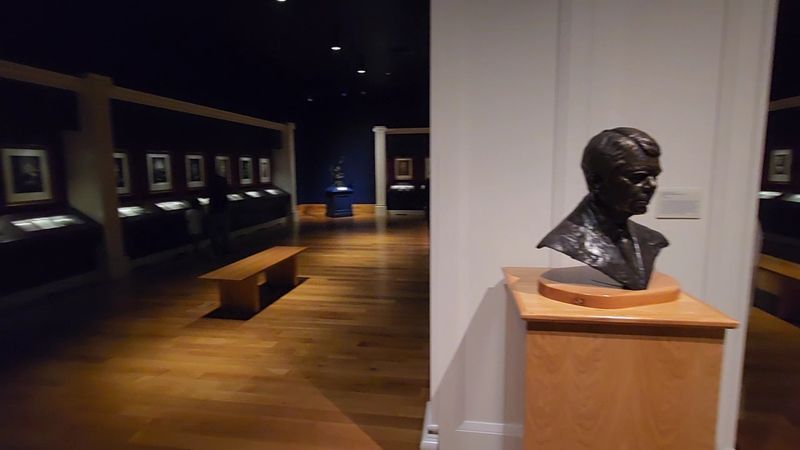
Somewhere between a history classroom and a treasure vault, the Millar Presidential Gallery manages to feel surprisingly personal. Located at the Booth Western Art Museum at 501 Museum Drive, Cartersville, Georgia 30120, this gallery displays a portrait and an original hand-signed letter from every U.S. President, starting with George Washington and running all the way through Donald Trump.
Reading handwritten words from leaders who shaped the nation creates a quiet, almost electric feeling that photographs simply cannot capture. Some letters are formal and stiff, while others carry a surprisingly casual tone that reminds visitors these were real people with real voices.
Plan to spend extra time here because each letter rewards slow, careful reading. Weekday mornings tend to offer a calmer pace, which makes it easier to linger without the crowd pressure. This gallery alone justifies the trip to Cartersville for history fans of any age.
2. Extensive Western Art Collection
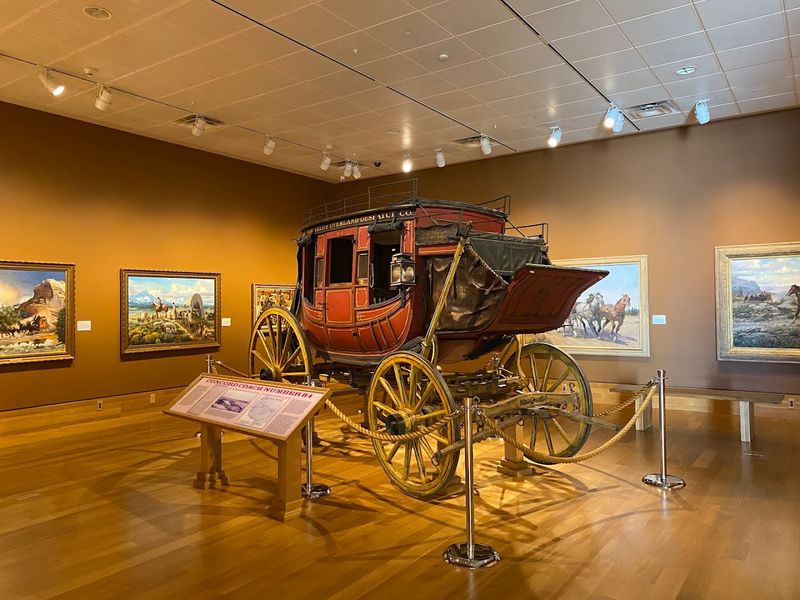
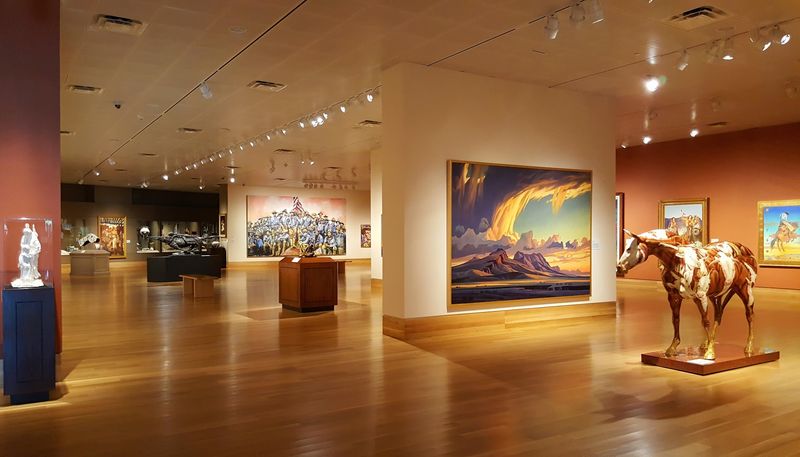
Few museums in the American Southeast offer the sheer visual scale that greets visitors inside the Booth Western Art Museum’s main galleries. The collection spans work by legendary artists like Frederic Remington and Charles Russell, whose dynamic paintings of horses, cowboys, and open plains helped define how America imagined its own frontier mythology.
Contemporary masters like Howard Terpning and even Andy Warhol also appear throughout the rotating and permanent collections, giving the overall experience a surprisingly wide artistic range. The tonal contrast between a classic Russell oil painting and a bold Warhol print makes for genuinely engaging gallery-hopping.
Comfortable benches placed throughout the galleries invite visitors to sit and absorb the larger canvases at a proper distance. Arriving early on weekday mornings offers the quietest experience. The sheer number of works on display means repeat visits often reveal pieces that were somehow missed the first time around.
3. Sagebrush Ranch Children’s Gallery
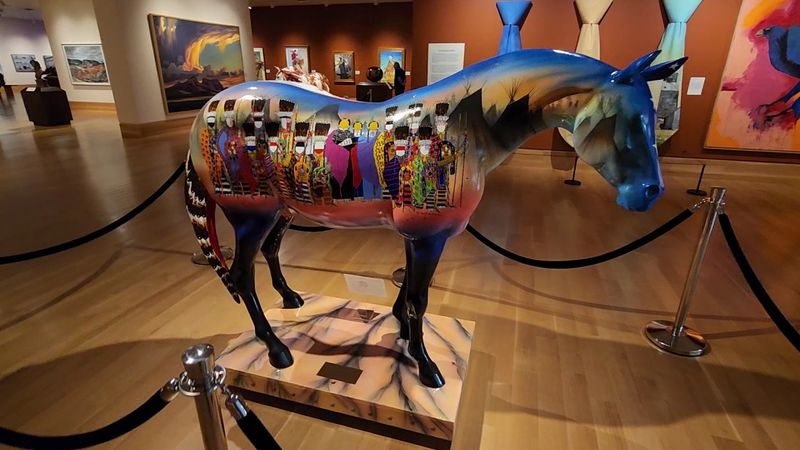
Hands-on museums for kids sometimes feel like afterthoughts, but Sagebrush Ranch is clearly a headliner. This award-winning interactive gallery inside the Booth Western Art Museum lets children dress up as settlers, climb onto a replica horse, and explore activities designed to make frontier life feel tangible rather than textbook-distant.
Parents often find themselves just as engaged as the kids, especially near the costuming stations where the whole family can pose for memorable photos. The activities are thoughtfully designed to connect imaginative play with real historical context, which means the fun actually teaches something without feeling like homework.
Families with younger children should factor in extra time for this gallery because little ones tend to want to cycle through the activities more than once. Strollers are welcome, and the layout keeps everything at a manageable, kid-friendly scale. Weekend afternoons can get lively here, so a weekday morning visit may offer a more relaxed pace.
4. War Is Hell Gallery
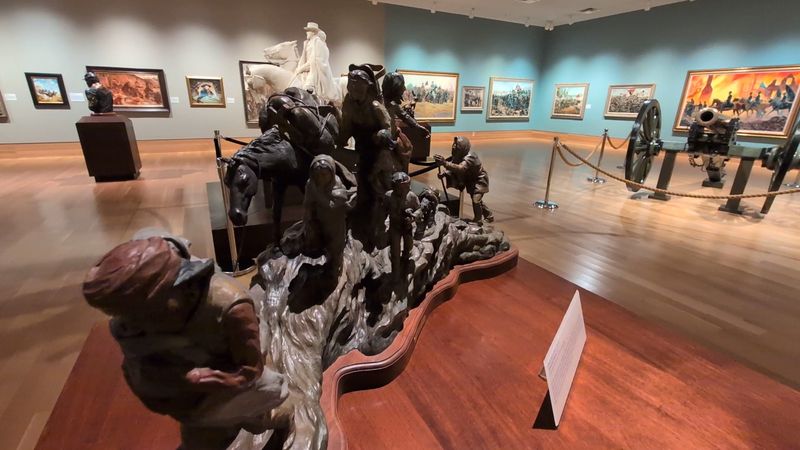
History has a way of hitting differently when it is rendered in paint rather than printed in a textbook. The War is Hell Gallery at the Booth Western Art Museum presents fifty works that capture both the grim realities and the complicated heroism of the American Civil War, pulling visitors into one of the most consequential chapters in U.S. history.
The paintings range from battlefield chaos to quieter, more reflective moments between soldiers, giving the collection emotional range that keeps the viewing experience from feeling one-dimensional. Several pieces are large-format works that command the full wall, demanding attention rather than requesting it.
This gallery works especially well for middle and high school students who have been studying the Civil War in class, as the visual storytelling adds a layer of understanding that written accounts alone rarely provide. Allow at least thirty minutes here to move through the room thoughtfully and absorb what each work is communicating.
5. Modern West Gallery
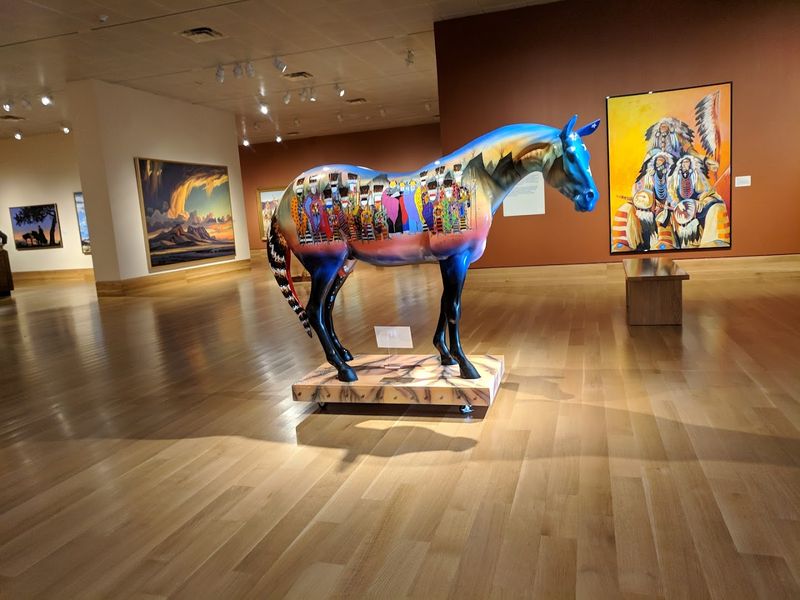
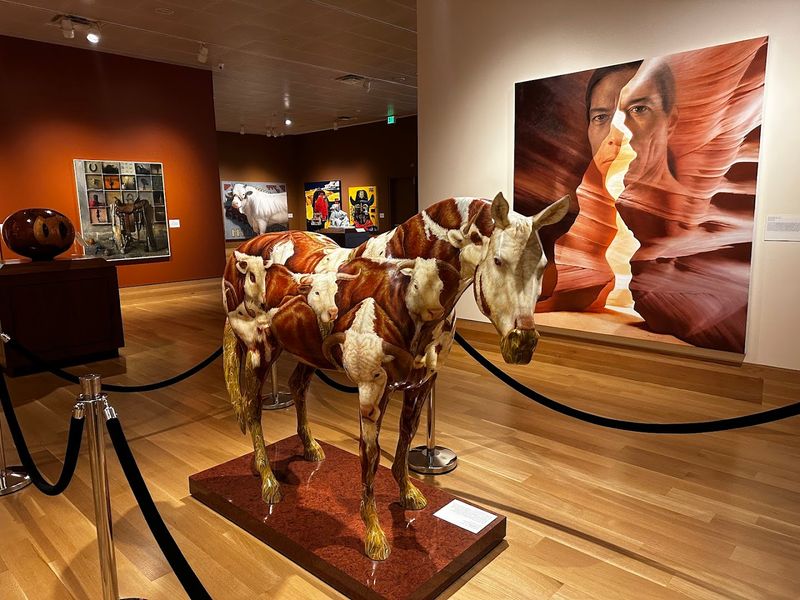
Western art did not stop evolving when the frontier closed, and the Modern West Gallery makes that point beautifully. Focused on works created within the past fifty years, this section of the Booth Western Art Museum highlights how contemporary artists have reinterpreted classic Western themes through fresh visual languages, new materials, and perspectives that earlier generations rarely considered.
Some pieces feel like direct conversations with the Remington-era classics hanging elsewhere in the building, while others break entirely from tradition in ways that spark genuine debate about what Western identity means today. That creative tension is part of what makes this gallery feel alive rather than archival.
Art students and creative professionals tend to find this gallery especially stimulating because it demonstrates how a deeply rooted genre continues to breathe and shift. Comfortable seating near several key works invites longer reflection. Checking the museum calendar before visiting is smart, as new acquisitions occasionally rotate through this space throughout the year.
6. Cowboy Gallery
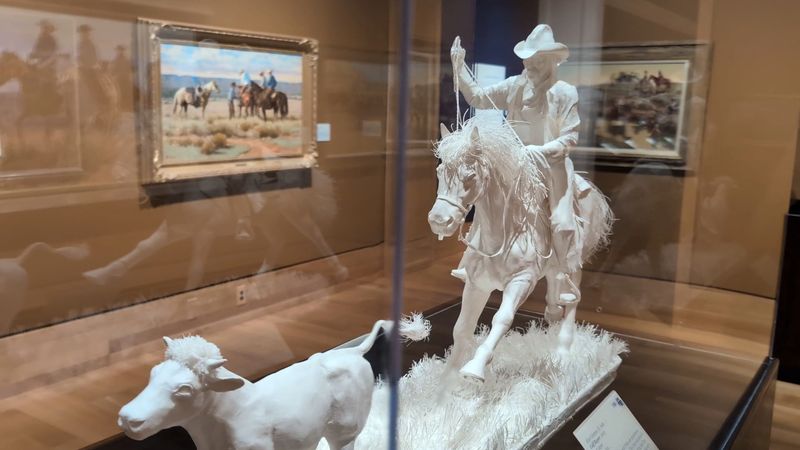
There is something deeply satisfying about a gallery that commits fully to its subject, and the Cowboy Gallery does exactly that. Spread across a dedicated section of the Booth Western Art Museum, this collection presents the American cowboy in all his unglamorous, hardworking, occasionally poetic reality, from the predawn cattle drives to the quieter moments around a campfire.
Artists represented here clearly understood their subject from the inside, and that authenticity shows in the details: the worn leather of a saddle, the particular way a rope coils, the tired posture of a man at the end of a long day. These are not romanticized fantasies but honest observations translated into art.
Visitors with a personal connection to ranch life or rural heritage often find this gallery the most emotionally resonant section in the entire museum. The pacing here encourages slow movement from piece to piece rather than a quick pass-through. Give it the time it deserves.
7. Mythic West Gallery
Pop culture shaped how most Americans understood the West long before they ever visited it, and the Mythic West Gallery leans into that reality with genuine enthusiasm. This section of the Booth Western Art Museum features portraits of Western movie stars, vintage magazine covers, pulp fiction artwork, and other pop culture artifacts that reveal how the frontier became a storytelling playground for Hollywood and publishing alike.
The gallery has a slightly different energy than the fine art sections nearby, with a livelier visual rhythm that reflects the commercial origins of much of the material. Recognizing familiar faces from old Western films adds a fun layer of discovery for visitors who grew up watching classic TV or cinema.
Younger visitors who may not connect immediately with traditional fine art often find this gallery a natural entry point into the broader collection. The colorful, graphic-heavy displays tend to hold attention well and spark easy conversation between visitors of different generations exploring the space together.
8. Reel West Gallery
Anyone who grew up watching John Wayne or Clint Eastwood will feel an immediate pull walking into the Reel West Gallery. This section of the Booth Western Art Museum is dedicated to the cinematic side of Western culture, showcasing movie memorabilia, posters, props, and artifacts that trace how Hollywood transformed a historical era into a global mythology that still resonates decades later.
The curation here is thoughtful rather than purely nostalgic, placing film objects in conversation with the fine art and historical pieces elsewhere in the museum to show how screen images both reflected and shaped public perception of the American West. That context elevates the exhibit beyond a simple fan display.
Film buffs and classic movie enthusiasts should build extra time into their visit for this gallery. The exhibit works well as a conversation starter between parents or grandparents and younger visitors who may be discovering classic Westerns for the first time through the artifacts on display.
9. Southeastern Cowboy Festival and Symposium
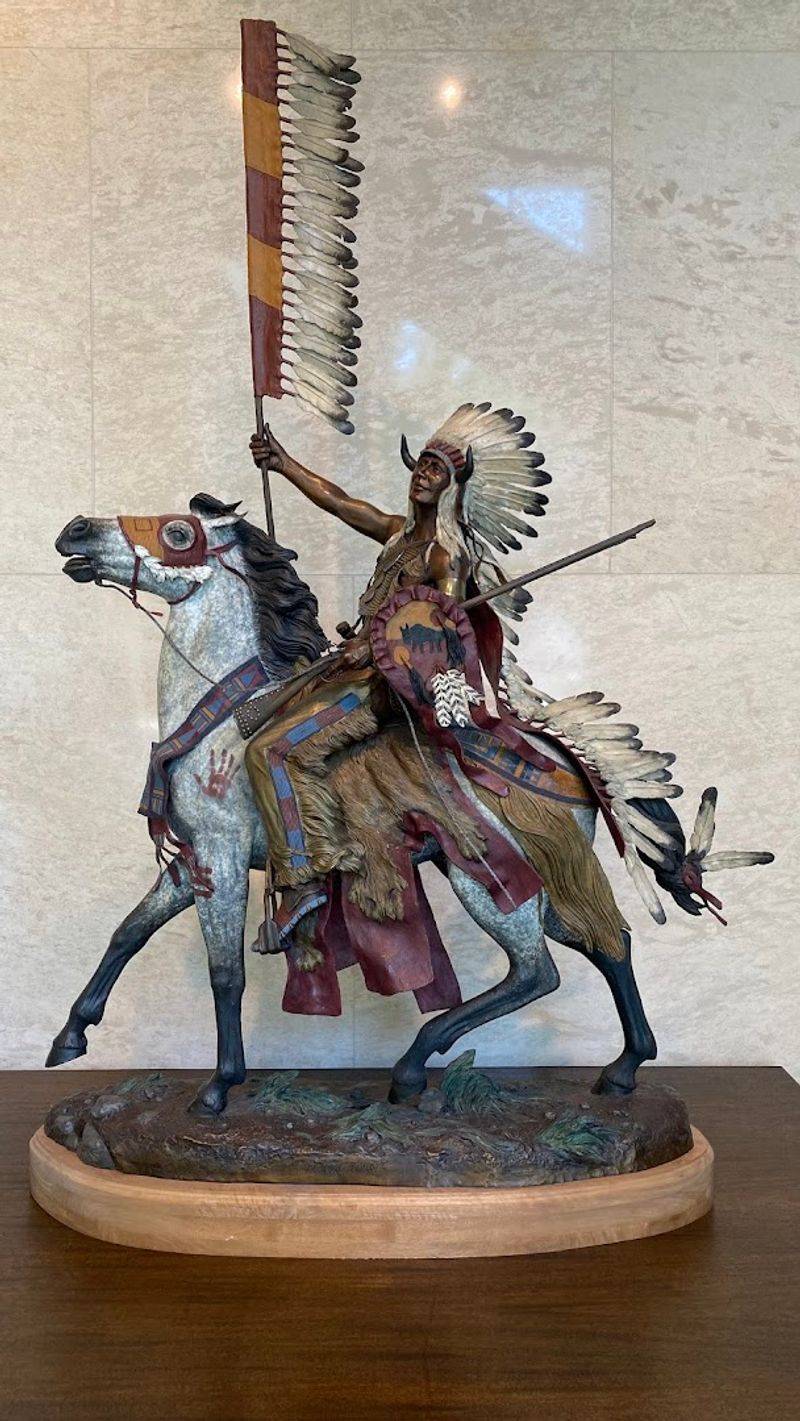
Once a year in October, the Booth Western Art Museum grounds transform into something that feels genuinely festive and a little bit wild. The Southeastern Cowboy Festival and Symposium brings together Native American dancing, gunfight reenactments, art history lectures, and a sprawling Western marketplace that draws visitors from across the region for a multi-day celebration of frontier culture.
The event is one of the most anticipated on Cartersville’s annual calendar, and for good reason: the combination of performance, education, and shopping creates an atmosphere that is hard to replicate indoors. Live demonstrations add an experiential layer that static exhibits simply cannot match.
Families, history buffs, and art collectors all find something to connect with at the festival. Arriving early on opening day tends to offer the best access to popular demonstrations before crowds build. Checking the museum’s official website at boothmuseum.org closer to fall for confirmed dates and event schedules is strongly recommended before planning travel around this event.
10. Educational Programs and Workshops
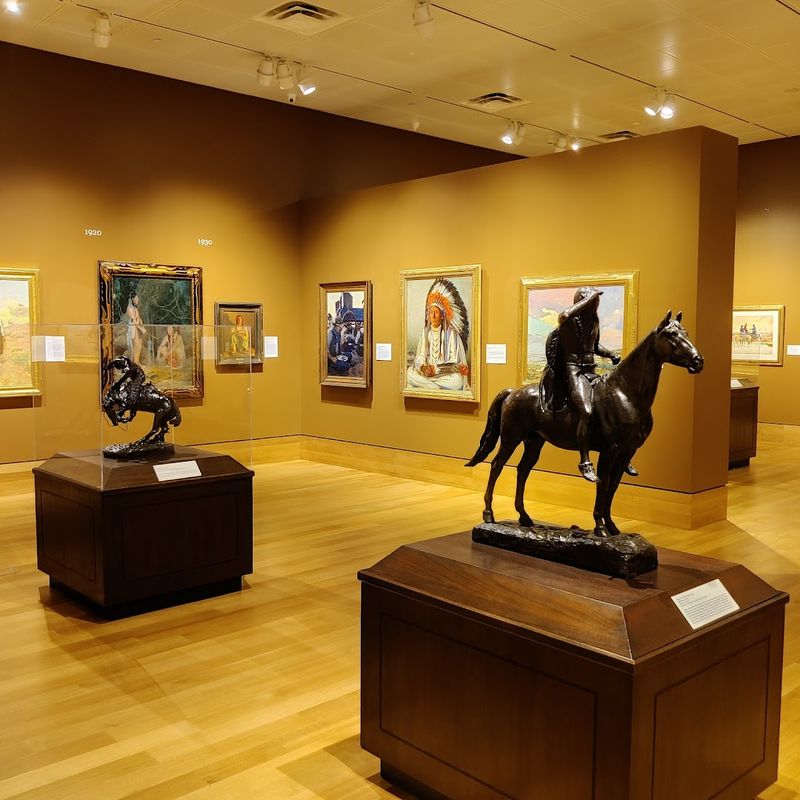
Learning at the Booth Western Art Museum does not stop when the galleries close for the evening. Throughout the year, the museum offers a rotating schedule of lectures, hands-on workshops, and exhibition opening events that deepen visitor engagement with Western art and American history in ways that complement the permanent collection beautifully.
Topics range from painting technique workshops led by working artists to historical lectures that place specific artworks within their broader cultural and political context. These programs attract a genuinely mixed audience, from school groups on field trips to retired professionals pursuing lifelong learning interests.
Booking in advance is highly recommended for popular workshops, as space tends to fill quickly for hands-on sessions. The museum’s website maintains an up-to-date events calendar that makes it easy to plan a visit around a specific program of interest. For educators, the museum also offers curriculum-aligned resources that extend the learning experience well beyond the museum visit itself.
11. Blevins Bistro On-Site Cafe
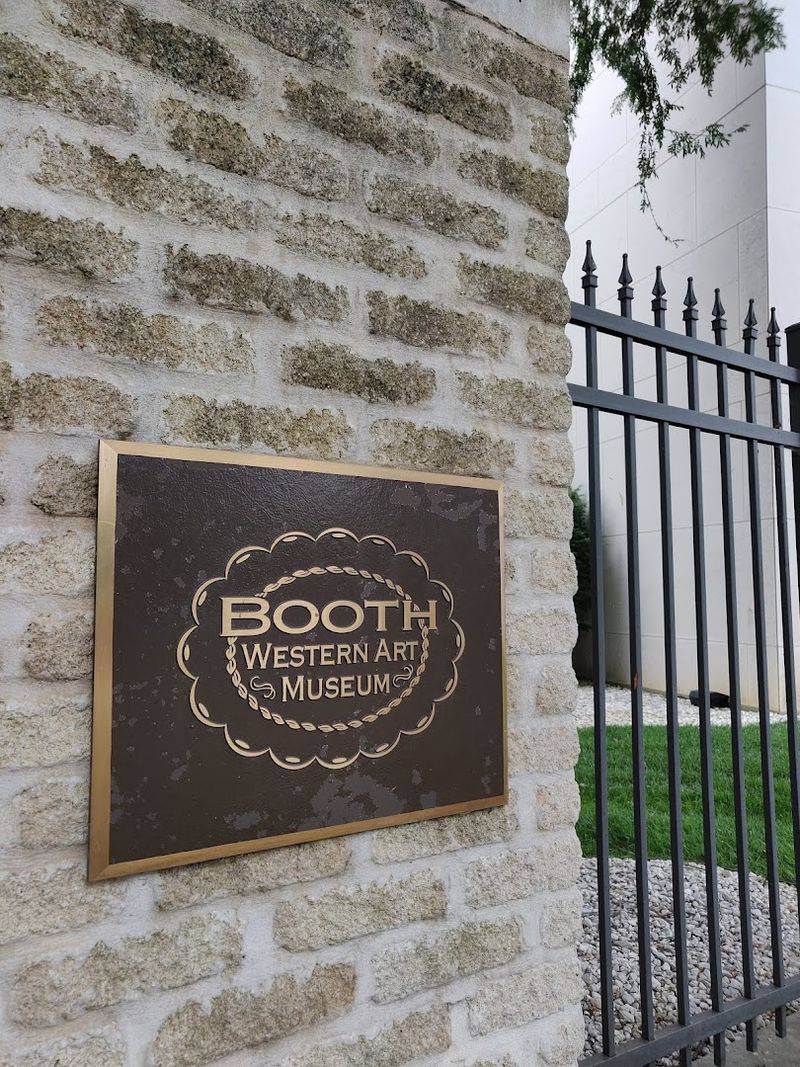
Museum fatigue is real, and having a good place to recharge inside the building makes a longer visit much more manageable. Blevins Bistro, located within the Booth Western Art Museum at 501 Museum Drive, Cartersville, Georgia 30120, serves freshly made sandwiches, salads, burgers, and desserts alongside a solid selection of drinks and lighter snacks.
The cafe has a relaxed, unhurried atmosphere that feels like a natural pause rather than a rushed pit stop. Natural light and comfortable seating make it a pleasant place to sit, review the museum map, and decide which galleries to prioritize for the second half of the visit.
Arriving for lunch on weekdays tends to mean shorter wait times compared to busy weekend afternoons. The menu offers enough variety to satisfy different appetites and dietary preferences, though checking current offerings directly with the museum is wise since menus can shift seasonally. It is a genuinely convenient and pleasant spot to fuel up mid-visit.
12. Candace Alexander McNair Museum Store
A museum store that actually feels worth browsing is rarer than it should be, but the Candace Alexander McNair Museum Store at the Booth earns its place as a genuine destination. Stocked with art prints, books, children’s items, unique gifts, and Western-themed keepsakes, it offers a curated selection that reflects the museum’s collection rather than generic tourist merchandise.
Art books tied to specific exhibits and artists represented in the galleries make particularly meaningful purchases for visitors who want to continue exploring at home. The children’s section carries items that extend the Sagebrush Ranch experience, making it easy to find something that will keep young visitors engaged long after the drive home.
Budget-conscious shoppers will find options across a range of price points, from affordable postcards to higher-end prints and collectibles. The store is accessible without a museum admission ticket, making it a convenient stop even for visitors who may be short on time but still want to take something home from the experience.
13. Outdoor Sculpture Tour
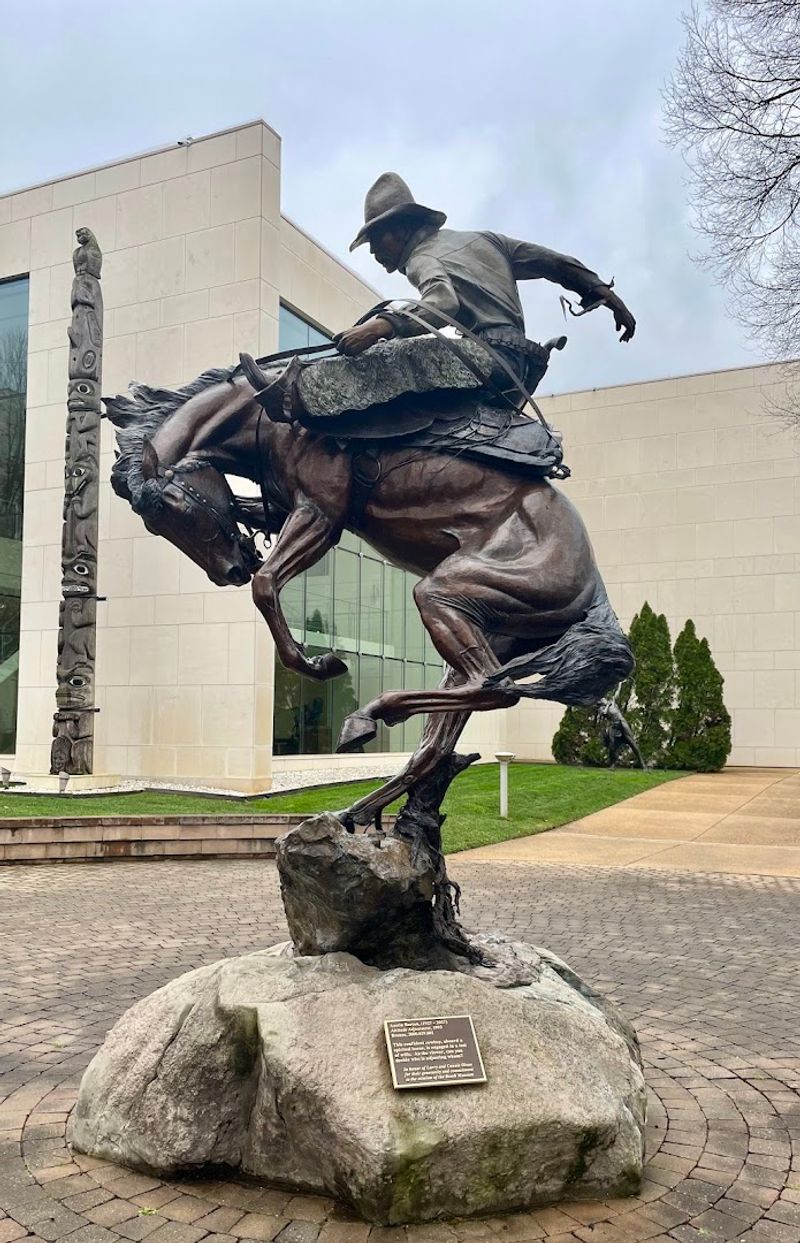
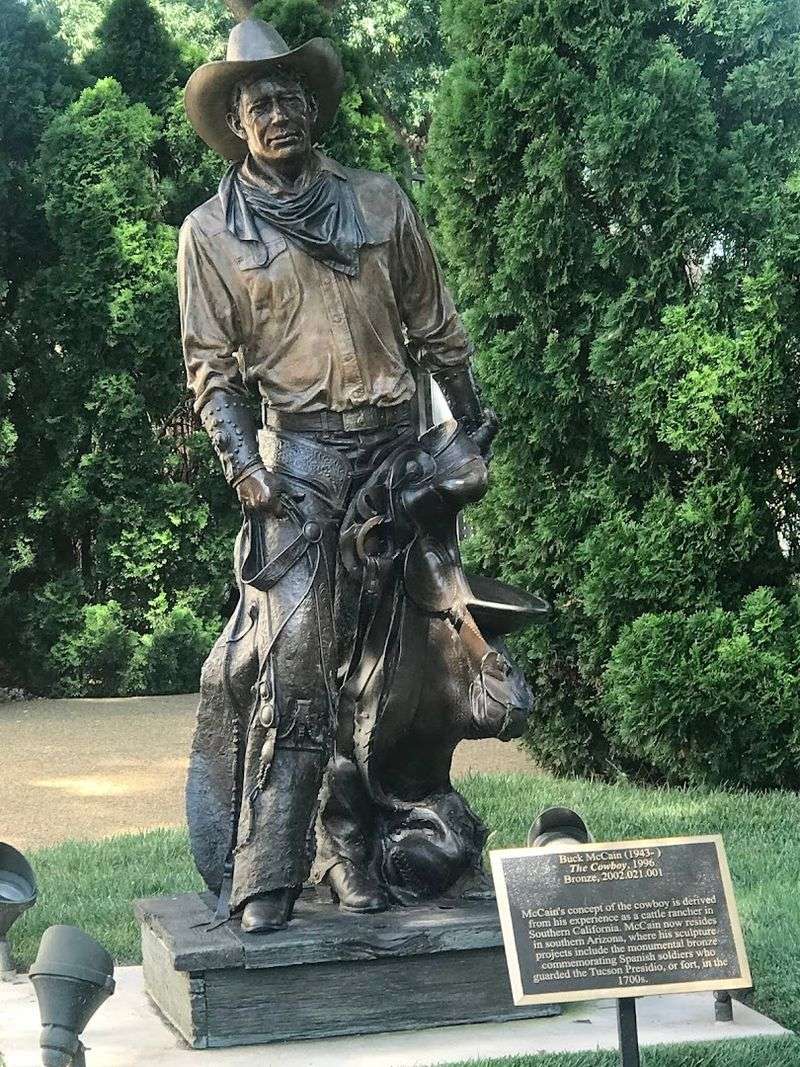
Stepping outside the galleries reveals an entirely different dimension of the Booth Western Art Museum experience. Docent-led outdoor sculpture tours of the North and South lawns run every Tuesday through Saturday at 11:15 a.m., guiding visitors through a collection of large-scale bronze and stone works that bring Western themes into the open air with impressive physical presence.
The outdoor setting changes how art feels: without walls and climate control, the sculptures interact with weather, light, and landscape in ways that shift subtly depending on the season and time of day. A bronze cowboy catching the morning light reads differently than the same figure under afternoon clouds.
Comfortable walking shoes are recommended since the tour covers both lawns at a relaxed but active pace. The tours are included with museum admission and last roughly thirty to forty-five minutes depending on the group. Arriving a few minutes early at the meeting point helps ensure a spot, especially on busy weekend mornings when attendance tends to peak.
14. Interactive Digital Exhibits
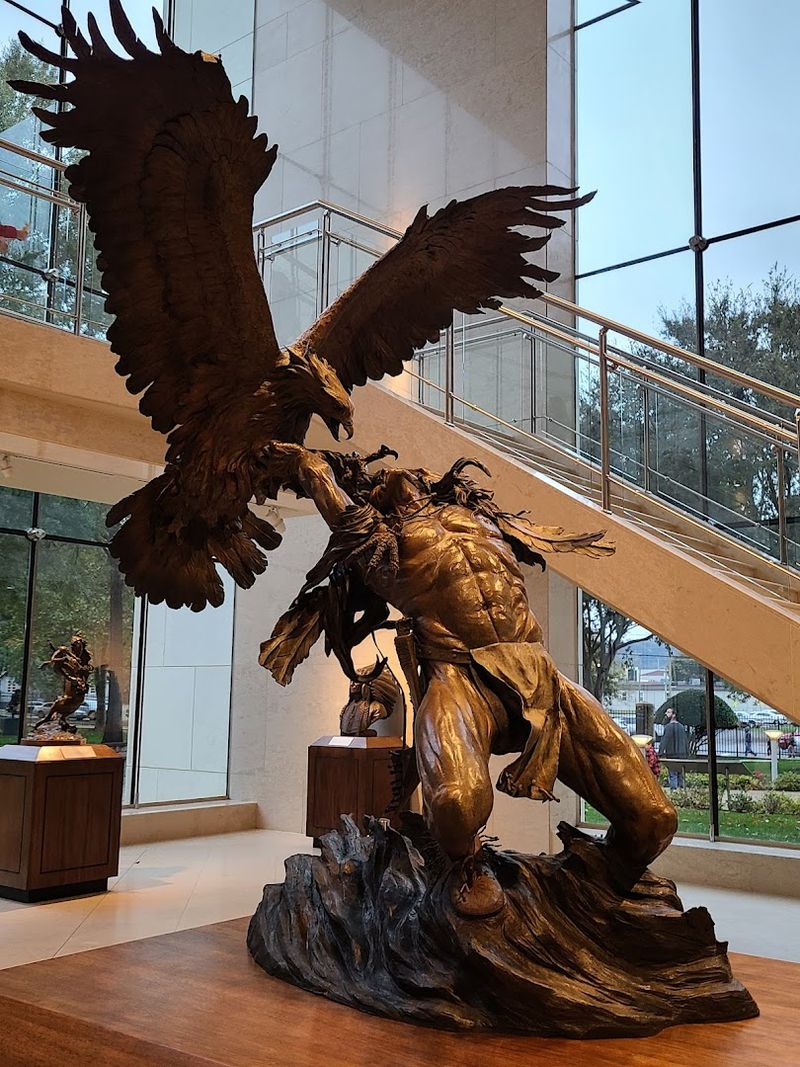
Technology and traditional art make for a surprisingly effective partnership at the Booth Western Art Museum. Touchscreen stations and augmented reality displays scattered throughout the museum allow visitors to interact with historical figures and artworks in ways that go beyond passive observation, adding an engaging layer for visitors who learn better through hands-on digital exploration.
The augmented reality stations are particularly popular with younger visitors and tend to generate genuine excitement when historical figures appear to step out of their painted frames. These features are designed to complement rather than distract from the traditional art nearby, keeping the overall atmosphere respectful of the collection.
Tech-savvy teenagers who might otherwise move quickly through a traditional art museum often slow down considerably at these stations, which is a quiet win for the museum’s educational goals. The interactive elements are updated periodically, so repeat visitors may discover new features that were not available during earlier trips. Checking the museum website for current digital programming is a smart move before planning a return visit.
15. Free Family Thursdays
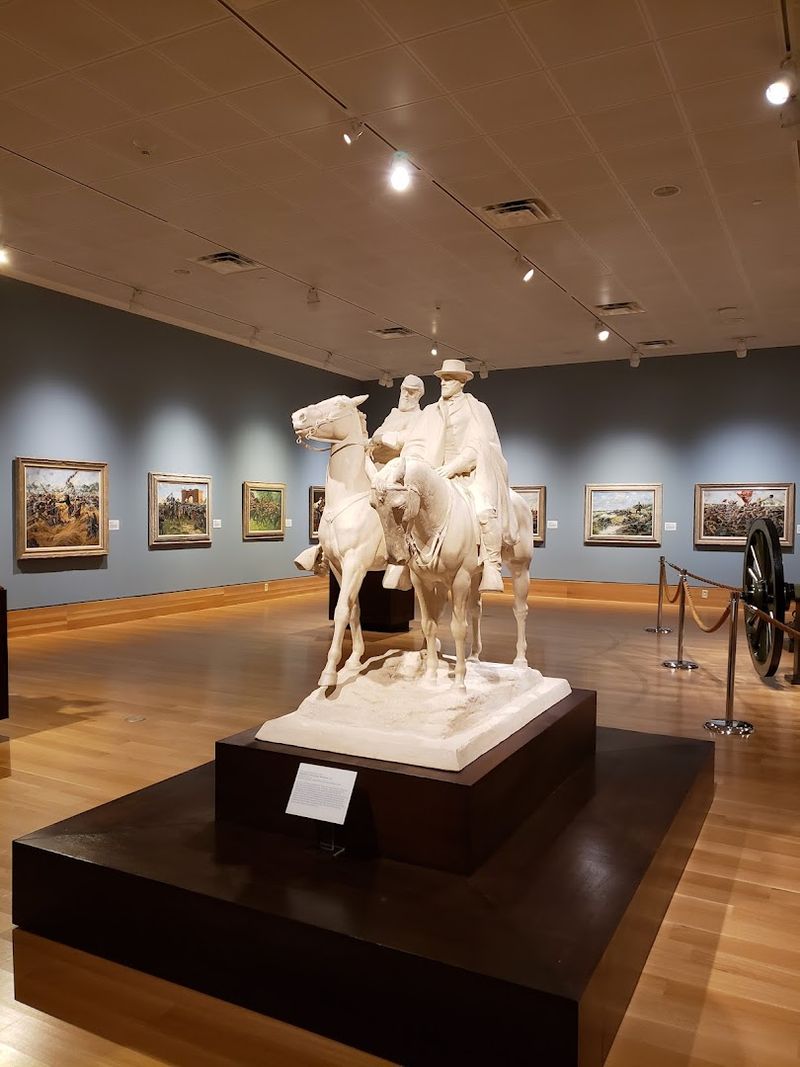
Admission costs can quietly discourage families from visiting cultural institutions as often as they might like, which is exactly why Free Family Thursdays at the Booth Western Art Museum feel like such a genuine community offering. On the second Thursday of every month, the museum opens its doors from 4:00 p.m. to 8:00 p.m. at no charge, making the full collection accessible to families regardless of budget.
The evening hours create a noticeably relaxed atmosphere that differs from the daytime museum experience. Natural light fades and gallery lighting takes over, giving the paintings and sculptures a warmer, more intimate quality that some visitors prefer over the bright midday environment.
Arriving closer to 4:00 p.m. tends to offer the least crowded experience before the after-work and after-school rush builds. Parking at 501 Museum Drive, Cartersville, Georgia 30120 is available on-site. This monthly event is one of the best ways for local families to build a regular relationship with the museum rather than treating it as a one-time destination.