You Haven’t Experienced California Until You’ve Walked This Cliffside Trail With Unforgettable Mountain Views
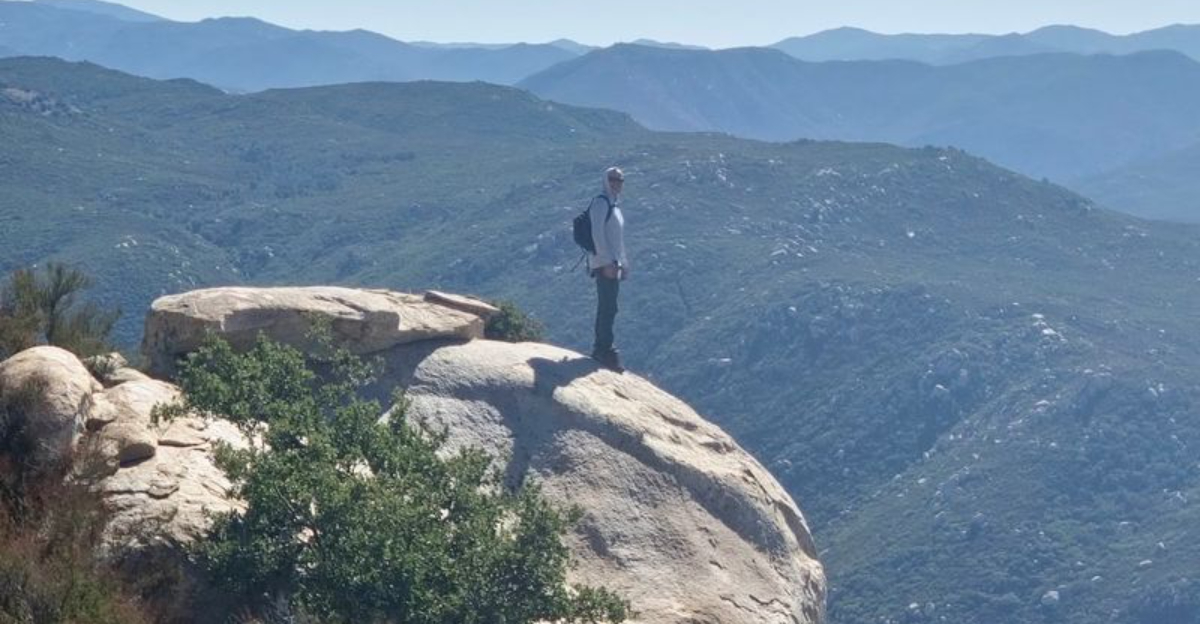
A good cliffside trail has a way of making ordinary walking feel a little too dramatic.
One minute, the path feels manageable. Then the land drops away, the views open wide, and every step comes with a built-in reminder not to look bored.
Mountain ridges stack into the distance. The air feels sharper.
Even a simple pause turns into a reason to pull out the camera and pretend you totally planned this level of scenery.
Until a trail makes California feel this wild and wide open, the state has not fully shown off yet.
This hike is not about rushing to the finish. The reward builds as the route climbs, turns, and reveals new angles of the surrounding landscape.
Some trails are pleasant because they are easy. This one earns attention because the views keep getting bigger.
Bring water, wear shoes with grip, and leave room for a few extra stops. The mountains are not exactly subtle here.
The Adventure Begins Near Camp 4 In Yosemite Valley
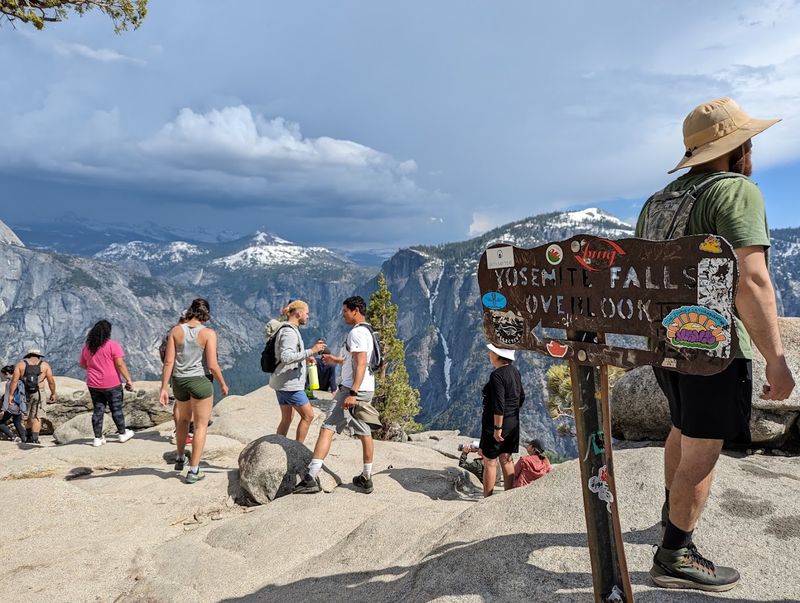
Standing at the Upper Yosemite Falls Trailhead near Camp 4, the sheer granite walls of Yosemite Valley rise so dramatically overhead that the sky almost feels borrowed.
The trailhead sits within Yosemite National Park, and getting there early on a weekend morning means watching the valley slowly fill with golden light before the crowds arrive.
Parking in Yosemite Valley can be competitive, so many hikers use the free valley shuttle system to reach this starting point without the stress of finding a space.
The first steps on the trail immediately signal that this is not a gentle nature walk. Rocky terrain and steep switchbacks begin almost right away, demanding attention and steady footing from the very start.
Sturdy hiking boots with ankle support tend to make a noticeable difference here, especially on the uneven granite surfaces.
Carrying at least two to three liters of water is strongly recommended before leaving the trailhead, since refill opportunities along the route are limited.
A small snack break near the trailhead sign before heading up is a smart way to fuel up for the long climb ahead.
Starting with a calm, measured pace rather than pushing hard right away tends to make the full day much more manageable.
Expect 12.6 Miles Rather Than A Casual Afternoon Walk
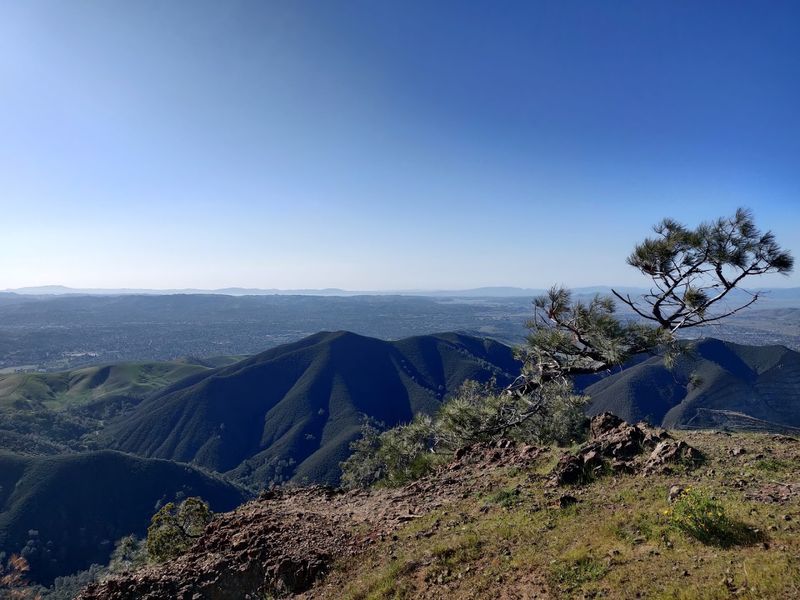
The round trip distance to Eagle Peak clocks in at approximately 12.6 miles, which places it firmly in the category of a full-day commitment rather than a quick afternoon outing.
Many first-time visitors to Yosemite underestimate how much longer mountain miles feel compared to flat terrain, and the consistent elevation gain on this route amplifies that effect considerably.
Planning for eight to nine hours on the trail is a realistic and honest expectation.
Breaking the hike into mental segments helps keep motivation steady throughout the day.
The first major milestone is Upper Yosemite Falls, which arrives around the three-mile mark and offers a natural rest point before the trail continues deeper into the backcountry.
After that junction, the path quiets down and the real wilderness feeling begins to settle in.
Trekking poles are worth considering for a hike of this length, particularly on the descent when tired legs and downhill pressure on the knees can become noticeable.
Packing a lunch rather than relying on snacks alone makes the longer mid-trail rest feel genuinely restorative.
Knowing the full distance upfront removes the surprise factor and allows for smarter pacing decisions throughout the entire route.
Nearly 3,800 Feet Of Climbing Makes Every View Feel Earned
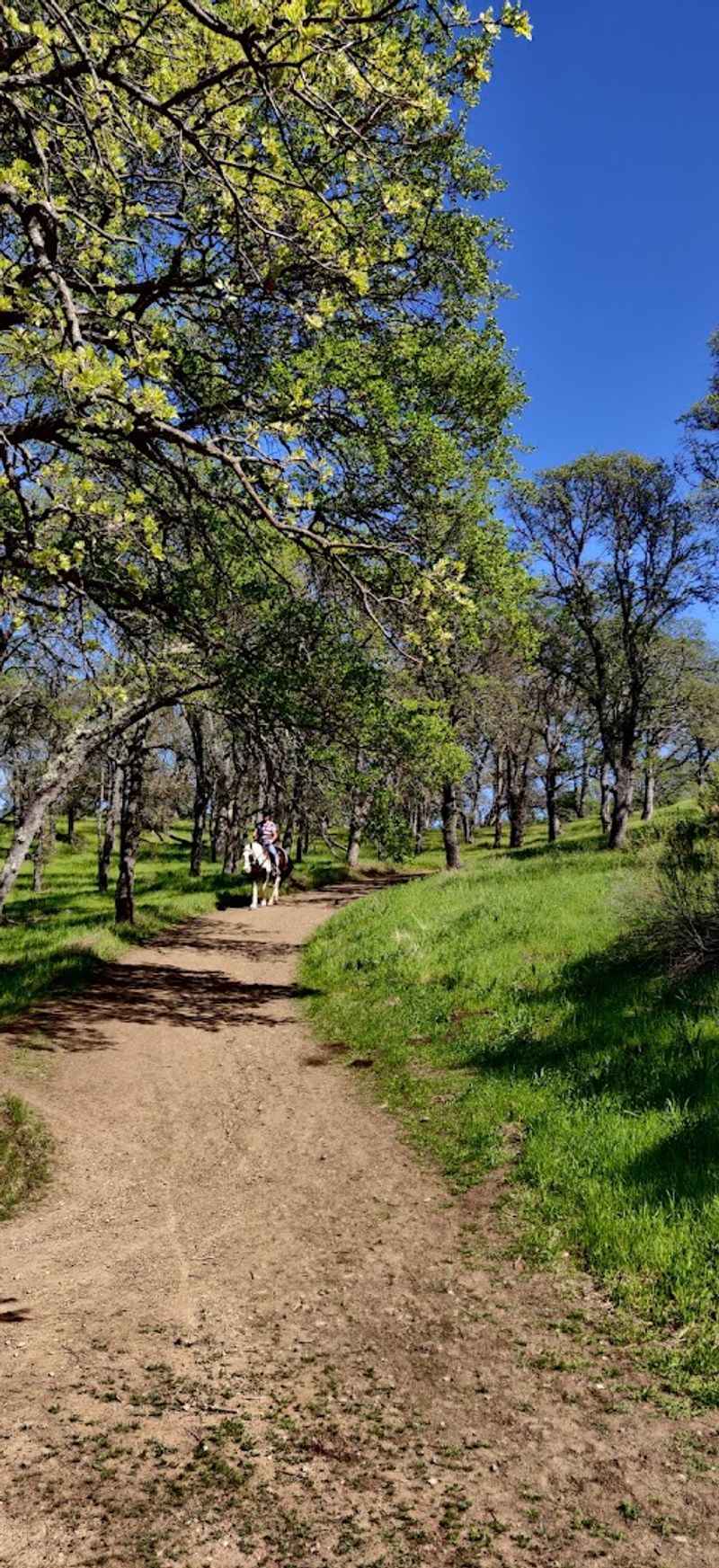
An elevation gain of approximately 3,800 feet separates the valley floor from the summit of California’s Eagle Peak, and the body knows it long before the top comes into view.
The trail begins at roughly 4,000 feet above sea level and climbs to a summit elevation between 7,700 and 7,779 feet, which means the air gets noticeably thinner and cooler as the ascent continues.
Hikers who are not accustomed to altitude may want to spend a night in the valley beforehand to let the body adjust.
The climb is relentless in the best possible way, rewarding each hard-won switchback with a slightly wider slice of valley visible through the trees below.
There is something deeply satisfying about watching the scale of the landscape shift underfoot as the trail rises higher and higher above the famous valley floor.
The physical challenge becomes part of the emotional payoff at the top.
Layering clothing is a practical strategy for this kind of elevation change, since temperatures at the summit can be noticeably cooler than at the trailhead even in summer.
Sun protection matters too, as the exposed granite near the top reflects UV light intensely. Electrolyte snacks or tablets help replace what the body loses during a sustained climb of this magnitude.
Upper Yosemite Falls Adds An Iconic Landmark Along The Route
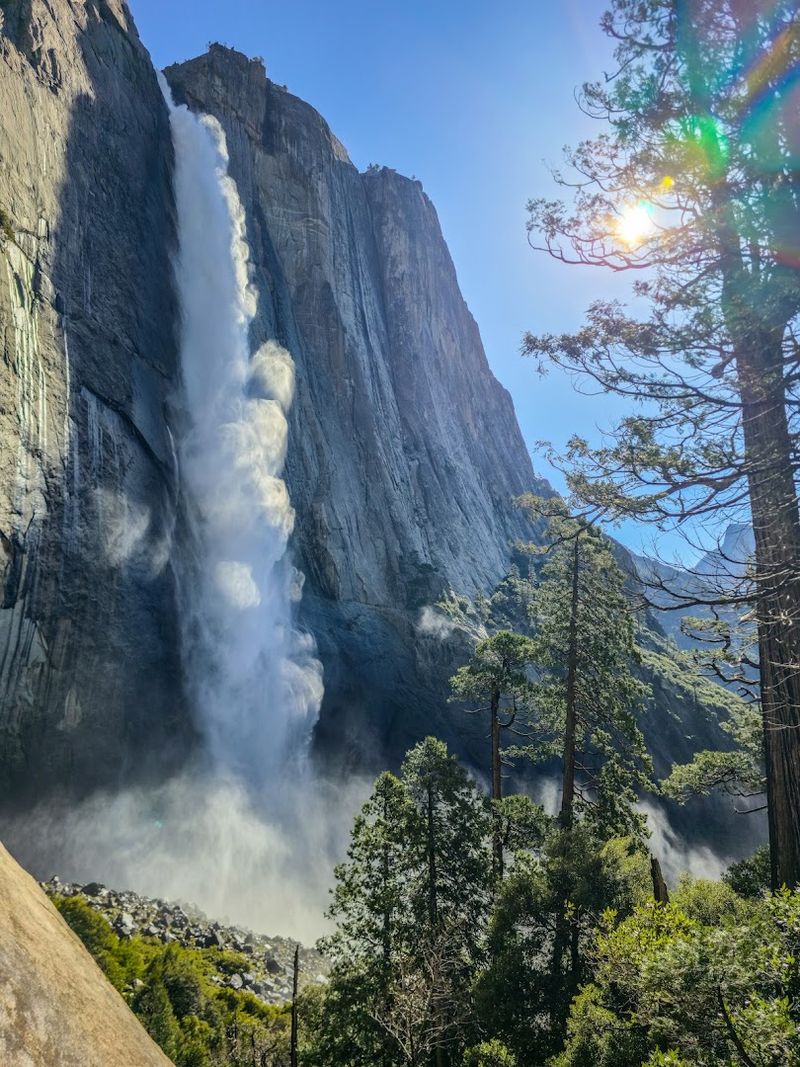
Roughly the first three to three and a half miles of the Eagle Peak Trail follow the well-known Upper Yosemite Falls Trail, which means hikers get a genuinely iconic waterfall experience built right into the journey.
Upper Yosemite Falls is one of the tallest waterfalls in North America, dropping approximately 1,430 feet in a single dramatic plunge that sends a permanent cloud of mist drifting across the trail.
During peak snowmelt season in spring and early summer, the falls are at their most powerful and the mist can be thick enough to soak clothing.
A short spur trail near the top of the falls leads to a fenced overlook platform that puts hikers directly above the drop, looking straight down into the churning white water below.
The sound alone at this spot is overwhelming in the best way, a deep roaring that vibrates through the chest and drowns out everything else.
Taking a few minutes here before continuing toward Eagle Peak is well worth the brief pause.
The falls tend to slow significantly or even stop flowing by late summer in dry years, so visiting between April and June generally offers the most dramatic waterfall experience.
Waterproof layers or a light rain jacket can be useful near the base of the falls when the mist is heavy.
Crowds Thin Dramatically Beyond The Waterfall Junction
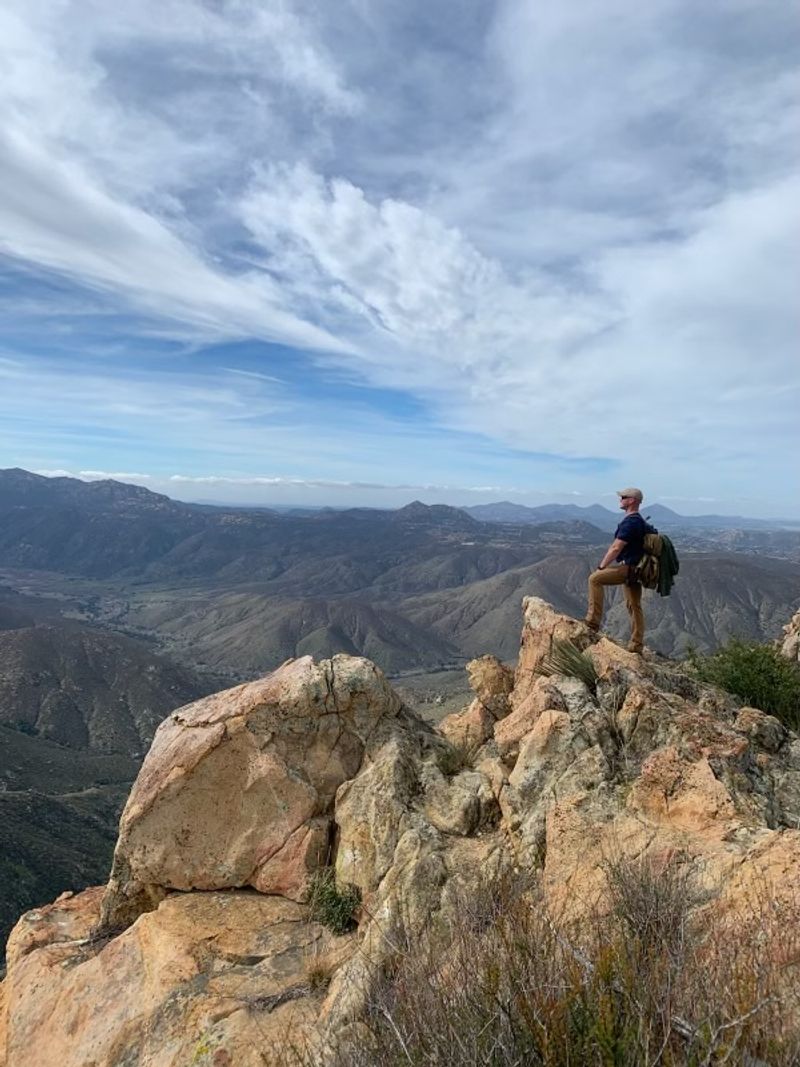
The Upper Yosemite Falls Trail in California is one of the busiest day hikes in Yosemite, drawing hundreds of visitors on peak weekends who turn back at the waterfall overlook and never continue further.
At the junction where the trail splits toward Eagle Peak, something shifts almost immediately.
The foot traffic drops off sharply, the noise fades, and the trail takes on a completely different character that feels far removed from the busy valley below.
Solitude on a Yosemite trail is a rare and genuinely valuable thing, and the Eagle Peak route delivers it reliably beyond that junction point.
The forest deepens, the path narrows slightly, and the sounds become natural rather than human. Birds, wind through the pines, and the distant rush of water replace the chatter of passing day-trippers.
This quieter section of trail is where the hike starts to feel like a true backcountry experience even though it technically remains a day hike without a wilderness permit.
Keeping a steady but unhurried pace through this stretch allows the surroundings to sink in fully.
Wildlife sightings including deer and various bird species are more common in this quieter zone, so moving calmly and staying observant tends to reward hikers who pay attention to their surroundings.
Forested Switchbacks Eventually Give Way To Open Granite
The lower sections of the Eagle Peak Trail wind through dense forest where the shade is welcome and the ground stays damp and mossy even in summer.
Tall conifers line the switchbacks and filter the sunlight into long diagonal shafts that move across the trail as the morning progresses.
The forest has a hushed, cathedral-like quality that makes the early climbing feel almost meditative despite the physical effort involved.
Higher up, the trees thin and the character of the trail changes completely.
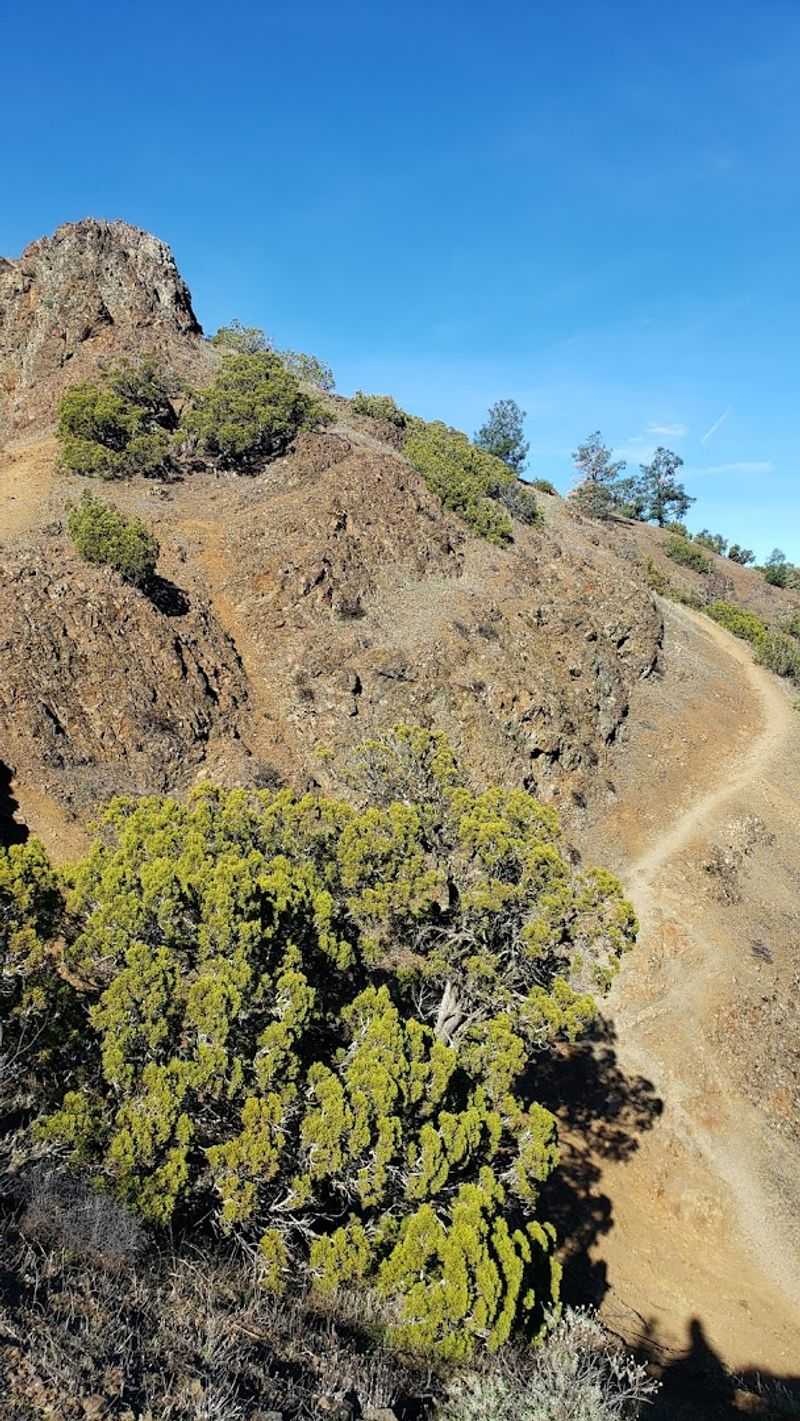
Brushy slopes replace the dense canopy, and the trail begins to cross open areas where views start appearing between gaps in the vegetation.
The shift from forest to exposed granite feels gradual at first and then suddenly dramatic, like stepping out from behind a curtain onto a wide stage.
Near the summit, the trail crosses bare granite slabs where cairns mark the route since the rock itself does not show a worn path.
Navigating by cairn requires some attention, and in misty or foggy conditions extra care is needed to stay on track.
The texture of the granite underfoot changes from rough and grippy in dry conditions to surprisingly slippery when wet, so checking the weather forecast before heading out is a genuinely useful precaution for this final section of the climb.
Half Dome Dominates The View From The Summit
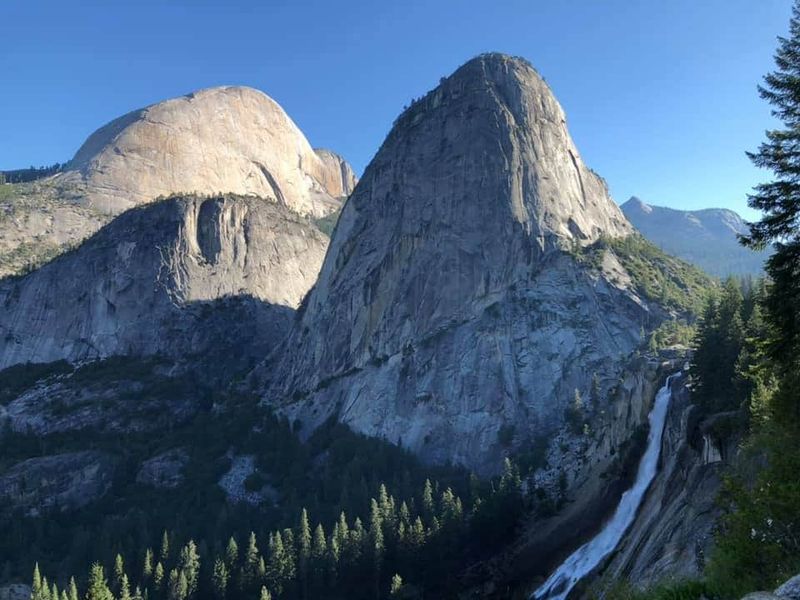
Reaching the summit of California’s Eagle Peak and turning to face the view is one of those moments that tends to produce complete silence from even the most talkative hiking companions.
Half Dome rises directly across the valley in its unmistakable curved profile, looking close enough to feel touchable despite the miles of open air between the two peaks.
The scale of it from this angle is different from anything visible on the valley floor, where surrounding walls limit perspective in ways that the summit does not.
El Capitan is also clearly visible from this vantage point, along with Clouds Rest and the broad sweep of the High Sierra stretching toward the eastern horizon.
The view encompasses so many of Yosemite’s most recognizable features simultaneously that it functions almost like a map come to life.
Naturalist John Muir reportedly considered the view from Eagle Peak to be among the most comprehensive available from Yosemite’s north wall.
Spending at least twenty to thirty minutes at the summit rather than immediately turning back allows the full panorama to settle in properly.
Photography conditions tend to be best in the mid-morning before haze builds up, and a wide-angle lens or panoramic phone setting captures the breadth of the view more effectively than a standard shot.
An Early Start Leaves More Time To Handle The Long Descent
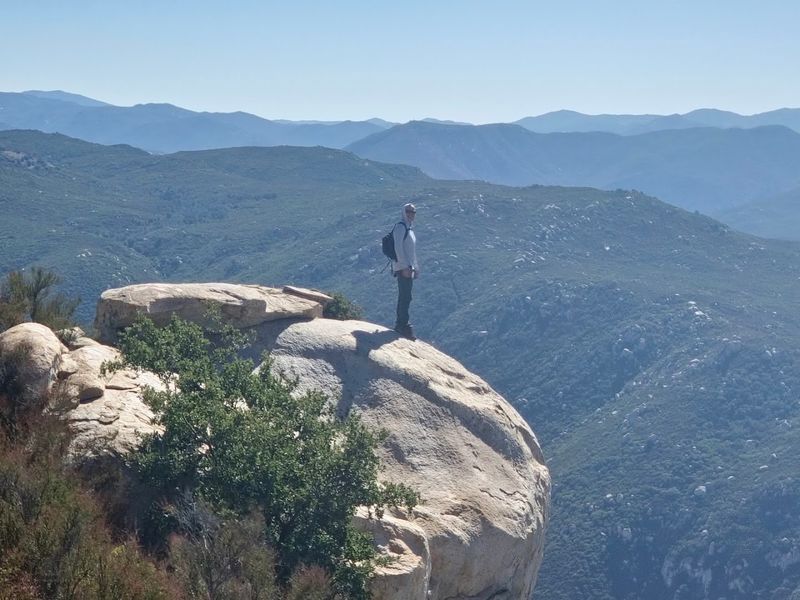
Starting the Eagle Peak Trail before sunrise or right at first light is one of the most practical decisions a hiker can make for this particular route.
An average round trip takes approximately 8.5 hours for hikers moving at a moderate pace, which means a 6:00 a.m. start typically puts people back at the trailhead before the heat of the afternoon peaks and before the light fades.
The early morning hours on the trail also offer cooler temperatures and noticeably softer light that makes the granite and forest look especially beautiful.
The descent from Eagle Peak deserves as much respect as the climb.
Tired legs on steep downhill terrain increase the risk of slipping, especially on the granite slabs near the summit and the rocky switchbacks lower on the trail.
Taking the descent slowly and deliberately rather than rushing to finish tends to protect the knees and reduce the chance of a stumble on loose rock.
Headlamps should be packed as a safety backup even if an early start is planned, since unexpected delays or slower-than-expected pacing can push the return into twilight.
Refilling water at any available source along the route helps maintain energy through the long descent.
Finishing the hike with enough daylight remaining to drive safely out of the valley is a worthwhile goal to plan around from the very beginning.