You’ll Swear You Traveled Back 170 Years At This Living Pioneer Farm In Kentucky
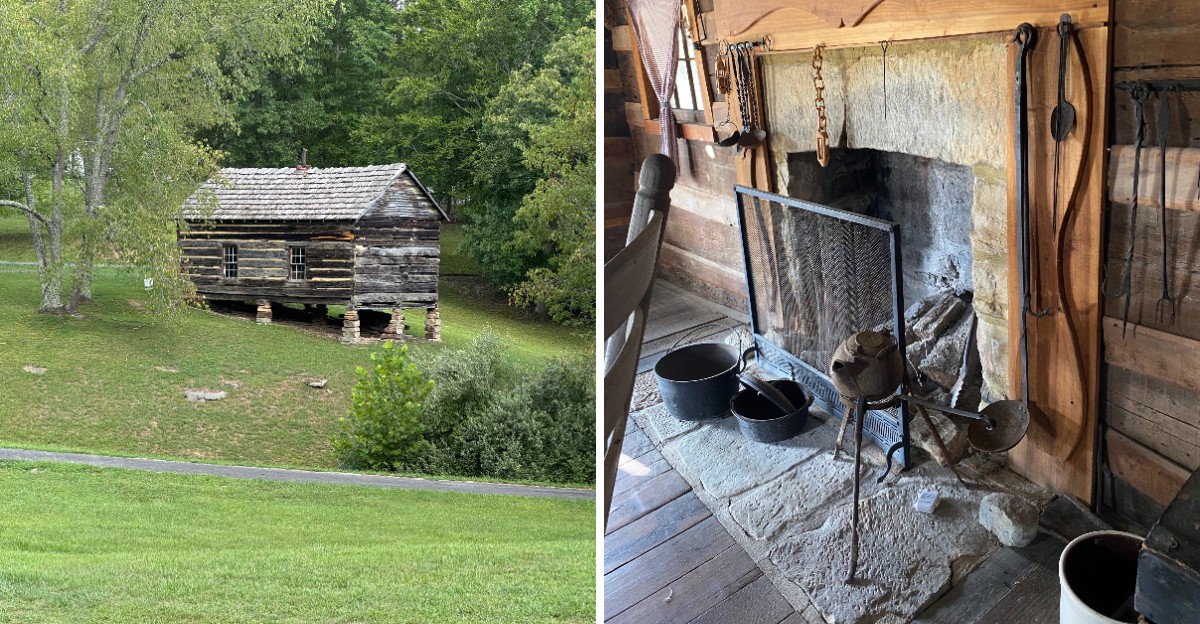
A whole pioneer community was picked up and moved so a lake wouldn’t swallow it. Cabins, a church, and a one-room schoolhouse all got a second life on higher ground.
Now those buildings sit on a working farm in eastern Kentucky. Guides in period clothes forge horseshoes, spin yarn, and tend goats and sheep.
The goal is simple: show you farm life in the 1850s.
I like how nothing here feels behind glass. The church still has pews from 1851.
One cabin was built right around a well, which sounds like the smartest idea anyone ever had.
I can’t imagine a better way to make history stick. You don’t just read about the past here.
You get to wander through it, split-rail fences and all. So which old trade would you try first?
These Buildings Were Rescued From Rising Water
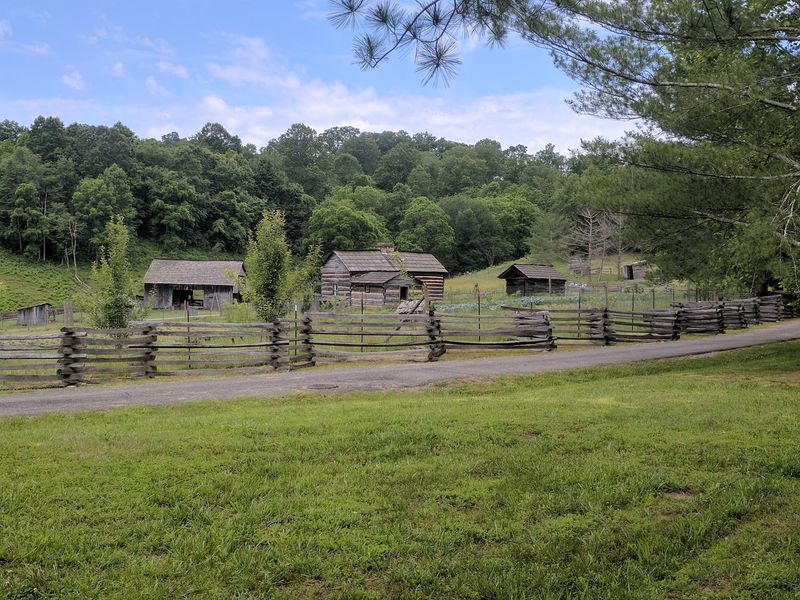
Mountain HomePlace exists because of a lake. When Paintsville Lake was planned, several old buildings stood in the way of rising water.
So in the early 1980s, folks moved them to safer ground. That rescue mission saved cabins, a church, a school, and more from ending up as fish habitat.
The museum officially opened in July 1995. Its job is to recreate a farming community in Kentucky as it looked in the 1850s.
That’s roughly 170 years back, which explains the title. You won’t find a fake movie set here.
These are real structures that real families built and used.
I love that the buildings carry their own stories. Each one came from somewhere nearby, so the history stays local.
It’s Johnson County’s past, gathered in one tidy valley.
The whole farm covers 27 acres. That’s plenty of room for gardens, fields, and old farm equipment.
Split-rail fences wrap around everything like a pioneer-style picture frame. The Appalachian Mountains handle the background scenery for free.
Knowing the backstory makes every board feel more special. You’re standing in buildings that almost disappeared forever. That’s a pretty good reason to slow down and look closely.
You’ll find the farm at 807 Mountain Homeplace Rd, Staffordsville, Kentucky.
The Oldest Logs On The Farm Pulled Triple Duty
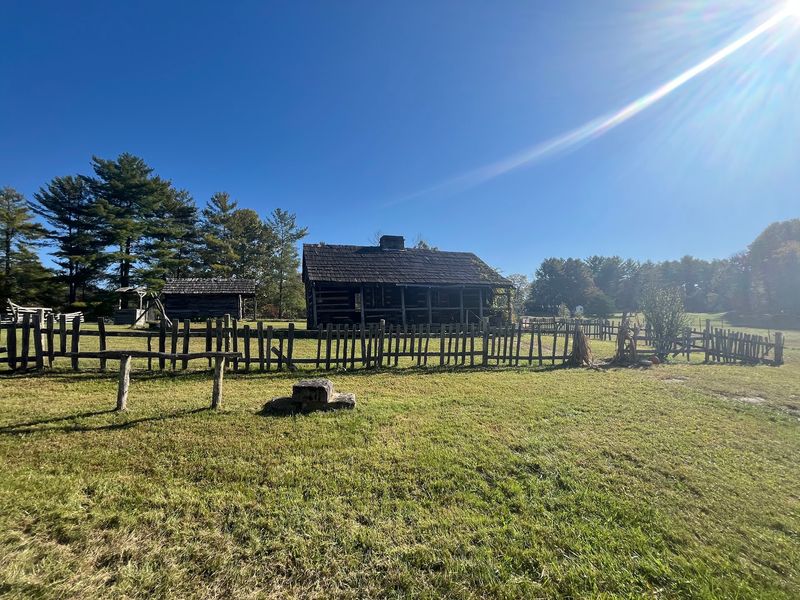
Back in the 1830s, somebody stacked the logs for the LeMaster Cabin. It’s now the oldest wooden structure at Mountain HomePlace.
Talk about a hardworking building. It served as a family home, a storage spot, and a corn crib.
Pioneers clearly didn’t believe in wasted space.
Today the cabin has a fresh job. It houses the farm’s blacksmith shop.
Inside, demonstrations show how people forged horseshoes by hand. No hardware store existed down the road in the 1850s.
If you needed iron tools, someone had to hammer them into shape.
Watching metal turn useful is oddly satisfying. It also makes you respect every hinge and nail from that era.
Kids especially tend to connect with hands-on skills like this. Reading about blacksmiths in a textbook is one thing.
Seeing the process explained in a cabin almost 200 years old is another.
Here’s a fun thought. Those logs have outlasted generations of the people who walked past them.
Give the old walls a good look before you leave. They earned their spot as the farm’s senior resident.
Not bad for a building that once held corn.
A Cabin Built Around A Well Sounds Genius, Honestly
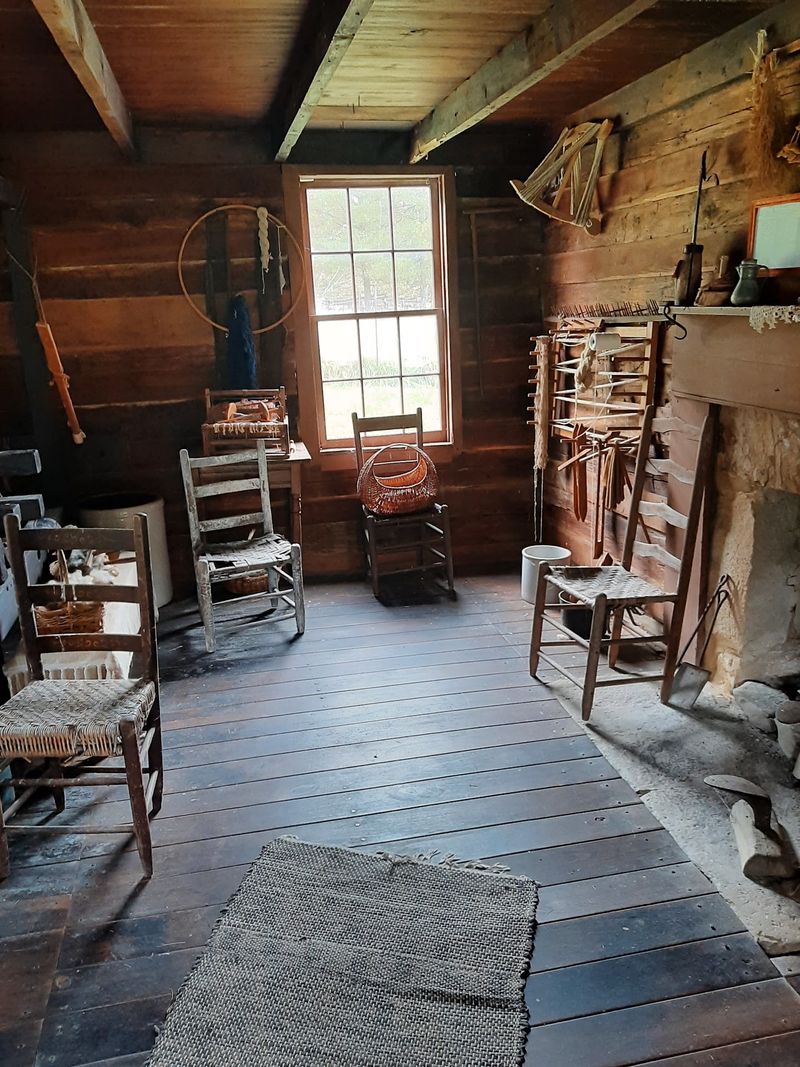
Hauling water every day was a real chore in pioneer times. The David McKenzie Cabin solved that problem in a clever way.
Built in 1860, the cabin was constructed around a well. Imagine skipping the long walk with heavy buckets.
That’s the kind of planning anyone could appreciate.
This home is a double-pen dwelling. That means it has two connected log rooms, giving a family more space.
Inside, you get a feel for how families actually lived. Cooking, sleeping, and daily work all happened in close quarters.
Privacy was probably a rare luxury.
Guides in period clothing help explain household life from that era. Skills like quilting, weaving cloth, and spinning come up during demonstrations.
Those crafts weren’t hobbies back then. They were how people stayed warm and dressed.
A single quilt could take serious time and patience.
I think the cabin works best as a reminder of daily effort. Every comfort we take for granted once required elbow grease.
So take a minute inside and picture your morning routine without a faucet. Suddenly that well looks like the best feature in the house.
School Bells Rang Here Until The 1950s
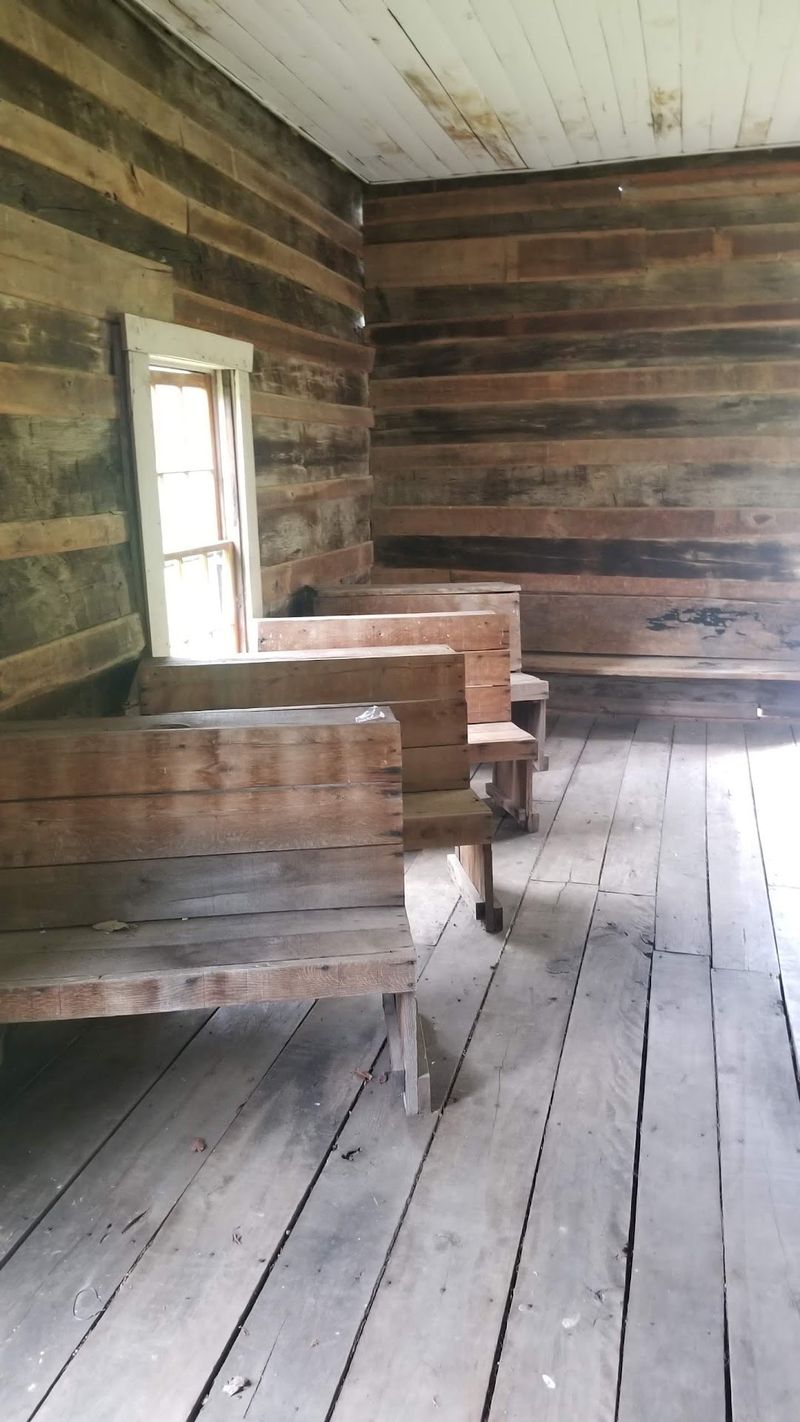
Plenty of grandparents in Johnson County could have attended classes like this. The McKenzie Branch School was the county’s last one-room schoolhouse.
It stayed in use until the 1954-55 school year. That’s surprisingly recent for a building with this much old-time charm.
One room meant every grade learned together. Younger kids heard older kids’ lessons all day long.
Picture one teacher handling spelling, math, and reading for several ages at once. It sounds exhausting.
It also sounds like a place where nobody could hide in the back row.
The schoolhouse is one of the most relatable stops at Mountain HomePlace. Almost everyone has school memories, so the comparison clicks fast.
Families can turn this into a fun conversation. Ask your kids how they’d handle sharing a classroom with teenagers.
Their answers might be hilarious.
This stop also explains why the site works well for field trips. History feels personal when you can see the desks and the room itself.
Before moving on, notice how small the space feels. Then remember a whole community’s education happened right here.
That’s a lot of learning packed into one room.
Those Church Pews Have Been Around Since 1851
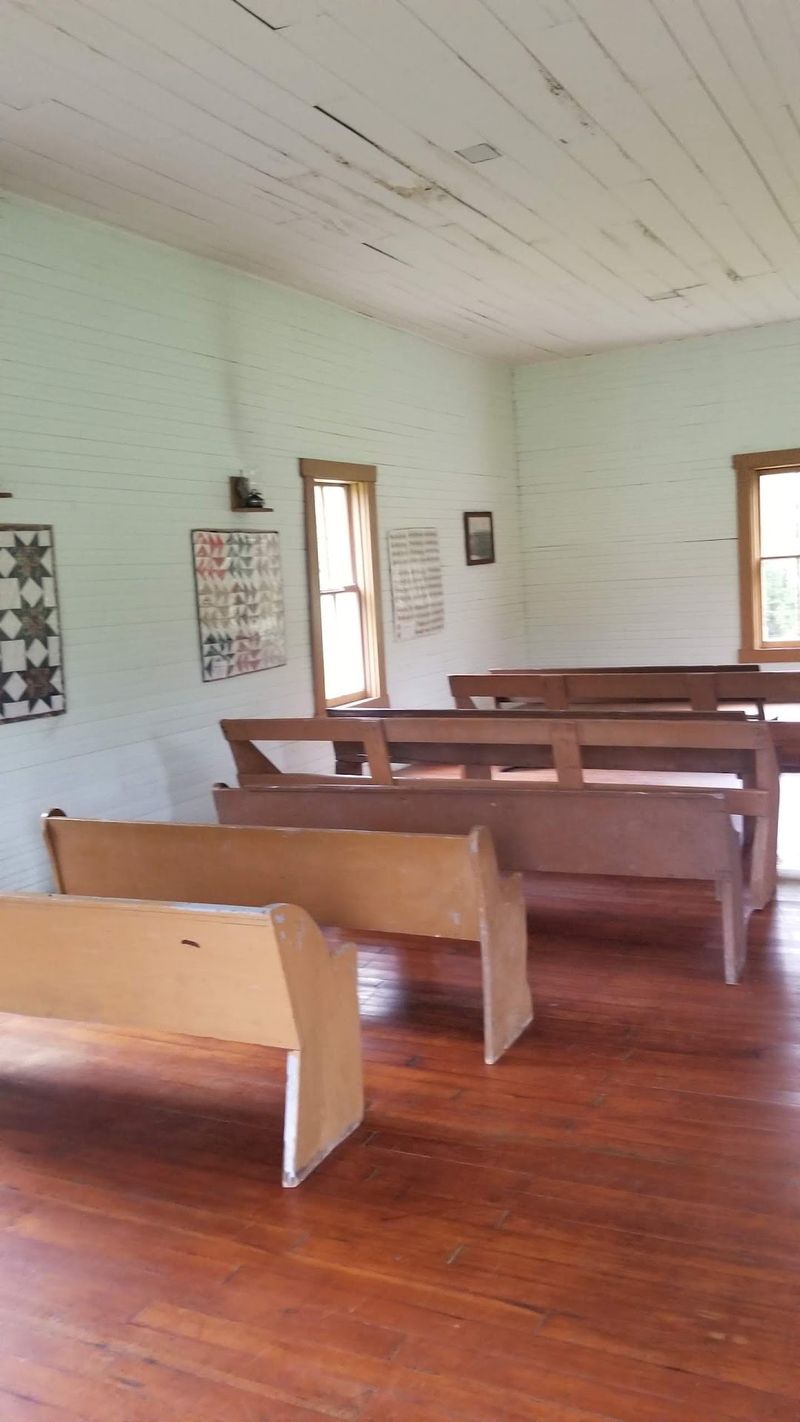
Sitting on a bench from 1851 is a strange and wonderful feeling. The Fishtrap United Baptist Church still holds pews dating back that far.
Services took place in this church until 1974. Then it joined the other rescued buildings on the farm.
The building is plain, peaceful, and very photogenic. Its simple design fits the mountain setting perfectly.
Churches were a big deal in early Appalachian communities. They served as gathering places, not just Sunday stops.
News, friendships, and celebrations often centered around them.
That tradition continues in a new way. The church and farm grounds are available to rent for weddings.
Couples get a historic backdrop that no banquet hall can copy. Keep in mind that alcohol isn’t permitted on the premises.
That keeps the old-fashioned feel intact.
Photographers should check in before shooting here. Permits apply for professional photo sessions, so a quick question saves trouble later.
Even without a wedding, the church deserves a quiet moment. Run your hand along a pew and think about the folks who sat there.
Over 170 years of hymns soaked into that wood.
Goats Clearly Think They Run The Place
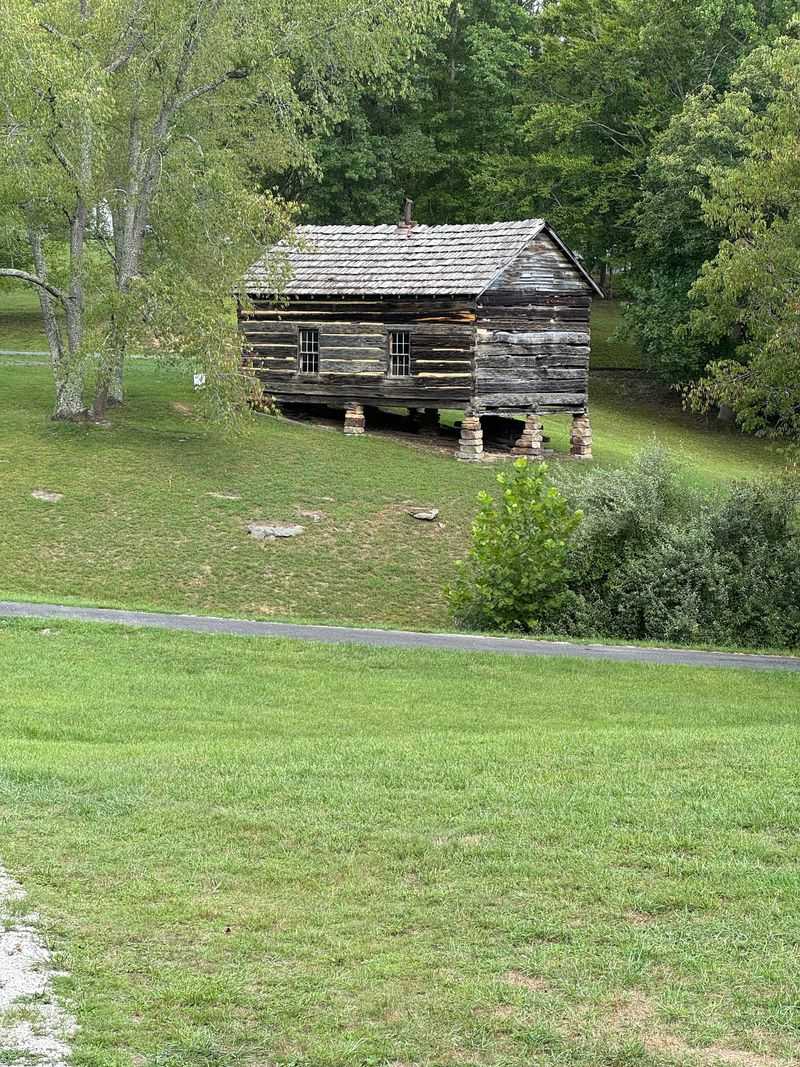
Every working farm needs a few characters. At Mountain HomePlace, goats and sheep happily fill that role.
This isn’t a museum where animals are just painted on signs. The farm keeps real livestock, and staff tend to them as part of the living history.
Animal care was central to pioneer survival. Sheep provided wool for spinning and weaving.
Goats offered milk and could clear brush without complaint.
Seeing the animals helps connect the dots. The wool on a sheep’s back links straight to the spinning wheel demonstrations.
The farm also features a double crib barn. That style uses two log cribs under one roof, with space between them.
Farmers stored crops and sheltered animals in barns like this. It’s practical, sturdy, and very Appalachian.
Little kids usually rank the animals as the highlight of the day. Grownups might secretly agree.
Bring patience if you want photos. Goats rarely pose on command and seem to enjoy wandering off at the perfect moment.
Gardens and fields round out the farm scene. Old equipment sits nearby too, showing how hard every harvest really was.
Start Inside For The Story Behind The Farm
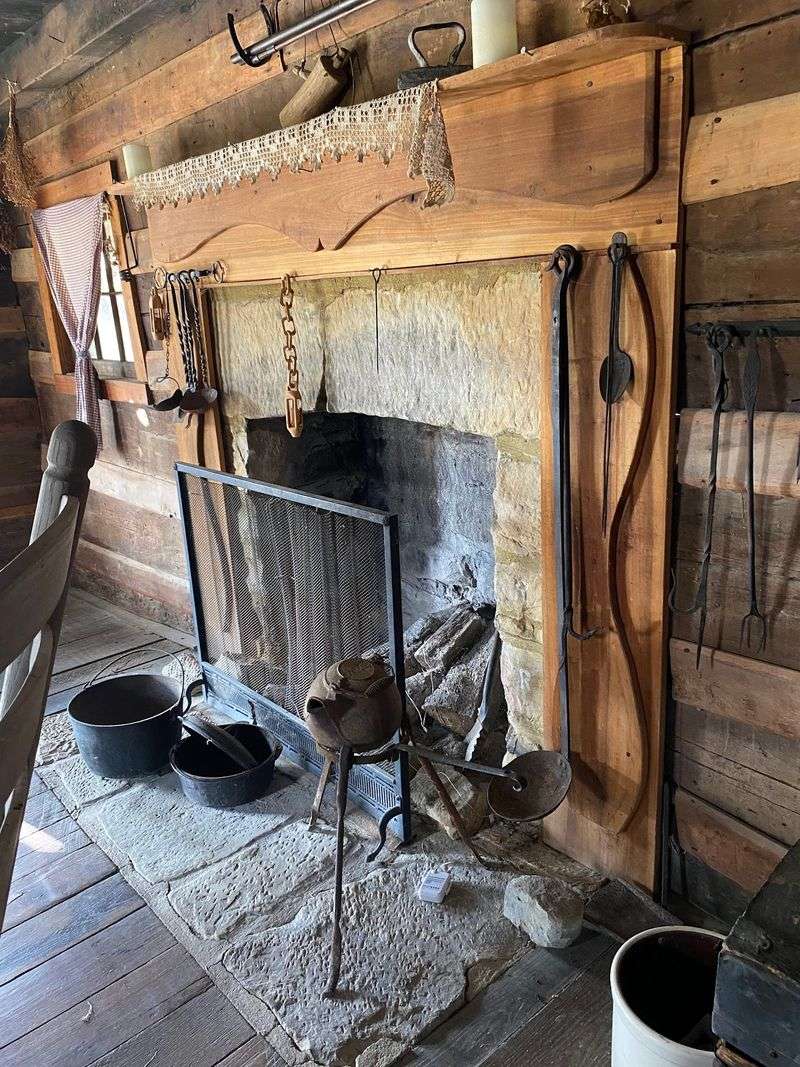
John-Boy himself narrates the opening film. Actor Richard Thomas, famous from The Waltons, lends his voice to the award-winning video in the Welcome Center.
The film covers early settlement of Kentucky and Paintsville. It also explains where Johnson County stood during the Civil War.
That context makes the farm buildings far more meaningful. You’ll recognize names and places once you head outside.
The Welcome Center also houses the Museum of Appalachian History. It’s a smart first stop before the walking begins.
Then there’s the gift shop, which leans heavily local. Shelves feature regional arts and crafts, including quilts and jewelry.
You’ll also find hand soap, lotion, woodcraft items, and artwork. Local canned and baked goods round things out nicely.
I like souvenirs that actually come from the area. A handmade item beats a plastic keychain every time.
Plan to spend a little time here before or after the farm. Admission to the museum is very affordable, so you can relax and take it all in.
Your suitcase might need extra room for a quilt or a jar of something homemade.
Saturdays Here Get Surprisingly Lively
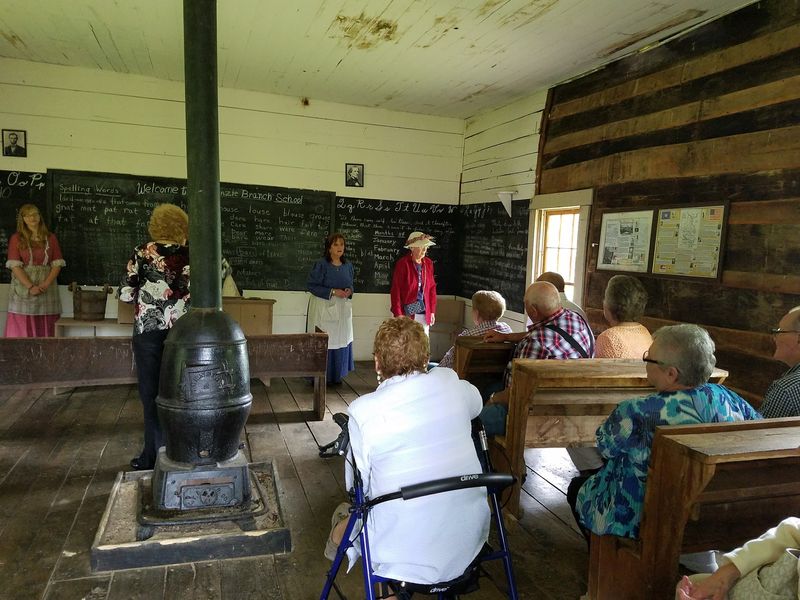
Ancient Greece inspired an amphitheater in the Kentucky pines. Built in the early 2000s, the In the Pines Amphitheater seats about 700 people.
It’s open year-round. Each year it hosts the Red Bud Gospel Sing, a fitting event for mountain country.
The farm calendar stays busy in warmer months too. The Second Saturday Series runs from 10 a.m. to noon.
Those sessions cover planting, gardening, animal care, and local plants and wildlife. Gardeners might pick up tips their own backyard will appreciate.
Then summer brings Farm Fun Days. They happen on the third Saturday of June, July, and August.
Expect a carnival-style mood with train rides, inflatables, and a DJ. There’s also a rock climbing wall and games.
Yes, a rock wall at a pioneer farm. The settlers would be confused but probably impressed.
Check the schedule before you go so you catch the right event. A regular visit is lovely, but event days add extra energy.
Mix a learning morning with a fun summer afternoon. You’ll leave knowing more about gardening and maybe a little worn out from climbing.
Plan Around The Season And Pack Walking Shoes
Timing matters with this trip. Mountain HomePlace operates seasonally, generally April through October, Tuesday through Saturday.
Hours can shift, so confirm before you drive out. Sundays and Mondays are typically closed.
It sits within Paintsville Lake State Park in eastern Kentucky.
That location is a bonus. The state park itself has no entry fee, while the museum charges a small admission.
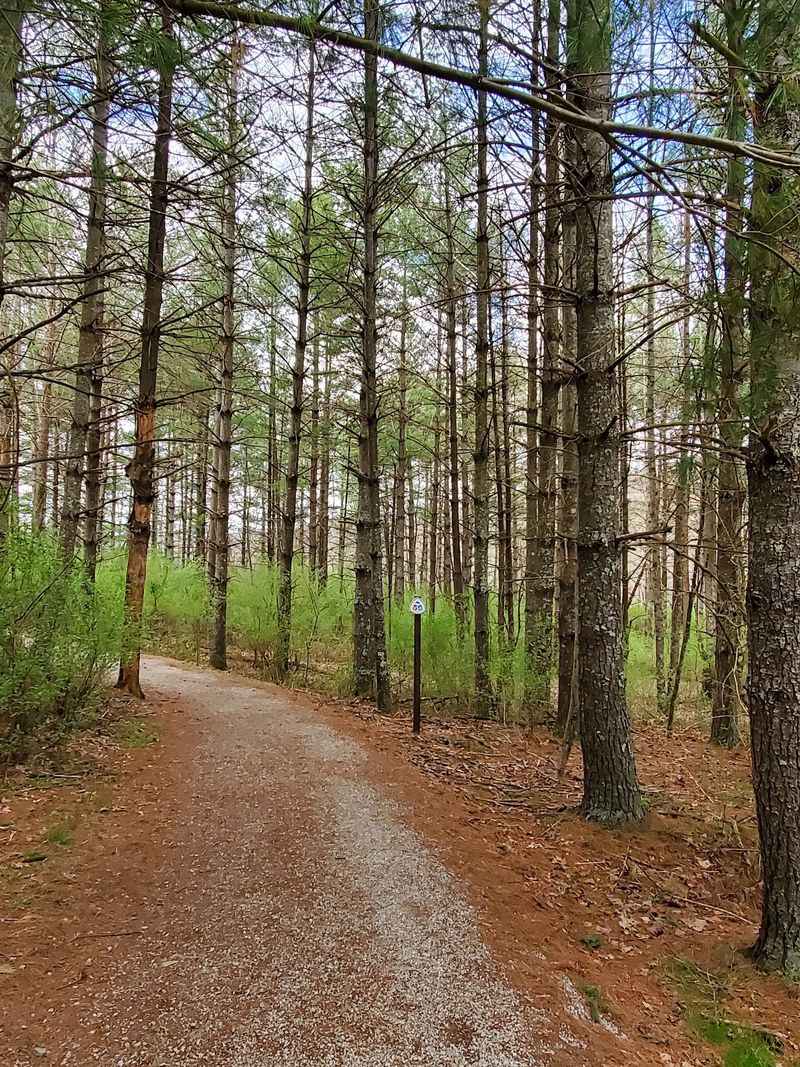
Nearby, the Kiwanis trail sits outside the museum area. It’s an easy walk with pretty lake views.
Pair the farm with a stroll and you’ve got a full, relaxed day. Fresh air and history make a great combo.
Wear comfortable shoes for the grounds. Summer days can feel hot, so bring water and maybe a hat.
Families, field trip groups, and history buffs will all find something here. The pace stays gentle and friendly.
Honestly, it’s hard to find a cheaper ticket to 1850s Appalachia. Grab your crew, check the calendar, and go meet those goats.
The past is waiting just past the split-rail fence.