You May Be Surprised One Of America’s Unhappiest Places Is This North Carolina City
Nobody wants to wake up and discover their hometown has landed on a list of America’s unhappiest cities.
That is not exactly the kind of news people print on a tourism brochure.
One North Carolina city has received that uncomfortable label in national rankings, but judging an entire community by a single score feels a little like reviewing a restaurant after only seeing the parking lot.
Statistics can point to real struggles. They cannot measure every neighborhood conversation, local tradition, new business, or person working to push a city forward.
Military roots run deep here, downtown energy continues to grow, and the full story carries far more personality than a gloomy headline suggests.
Naturally, the ranking raises a bigger question.
Is this place truly as unhappy as the numbers claim, or did a spreadsheet leave half the evidence behind?
Before assuming happiness packed a suitcase and skipped town, take a closer look.
The answer is more complicated, more surprising, and far less miserable than the ranking makes it sound.
City In The Spotlight
National rankings tend to make people stare, and Fayetteville has landed in that uncomfortable glare more than once. WalletHub’s 2026 Happiest Cities in America report ranked the city 157th out of 182, with a total score of 45.42.
That placed it below several other North Carolina cities in the same study, including Raleigh, Durham, Charlotte, Winston-Salem, Greensboro, and Fayetteville’s larger regional peers.
The ranking used three broad categories: Emotional & Physical Well-Being, Income & Employment, and Community & Environment.
Fayetteville’s weakest score came in Emotional & Physical Well-Being, where it ranked 166th. Income & Employment landed at 142nd.
Community & Environment, though, ranked much higher at 41st, which already complicates the easy “unhappy city” label. That split matters.
It suggests the city faces real quality-of-life and economic challenges while still showing stronger community and environmental conditions than the headline implies. Rankings like this can be useful, but they are blunt tools.
They cannot tell you how a downtown street feels on a Saturday, how a park changes a family’s week, or how military culture shapes the city’s rhythm. Fayetteville may be in the spotlight for the wrong reason, but the full picture is harder to dismiss.
Look Beyond The Headline Before Judging The City
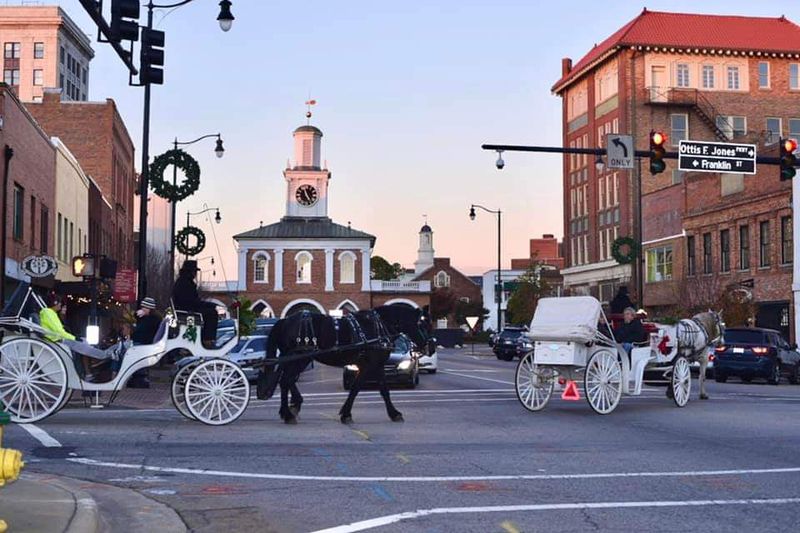
Quick judgments do not work well here. Fayetteville is a city with pressure, pride, and plenty of contradiction packed into the same place.
WalletHub’s low ranking does point toward concerns, especially around well-being and economic conditions. Still, the same study gave the city a much stronger Community & Environment rank than its overall placement suggests.
That means the story cannot be reduced to misery with a ZIP code. Fayetteville also has a strong military-connected population, a diverse local culture, and ongoing public investment meant to address long-term needs.
In 2022, voters approved $97 million in bond packages for public safety, infrastructure, and housing affordability, with $60 million aimed at public safety, $25 million for infrastructure, and $12 million for housing. City updates have continued tracking bond and stormwater project progress.
Those details do not magically erase the ranking, but they show a city working on itself in public view. Visitors and residents both see that tension.
Streets can show new investment and old frustration at the same time. Fayetteville is not a place to romanticize blindly.
It is also not a place to flatten into one national list. The honest version sits somewhere between the criticism and the comeback story.
Downtown Still Gives The Story A Real Center
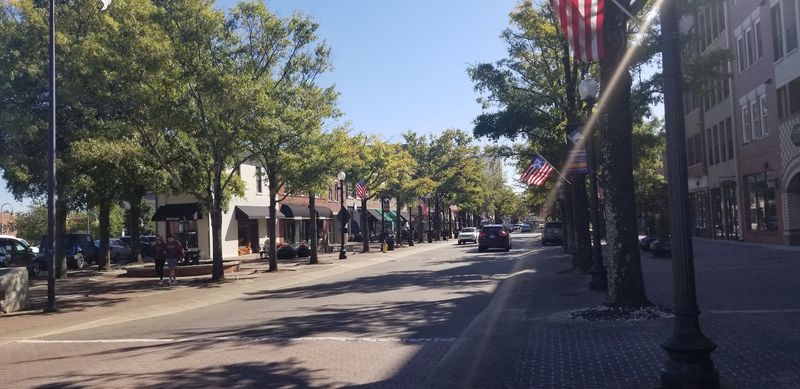
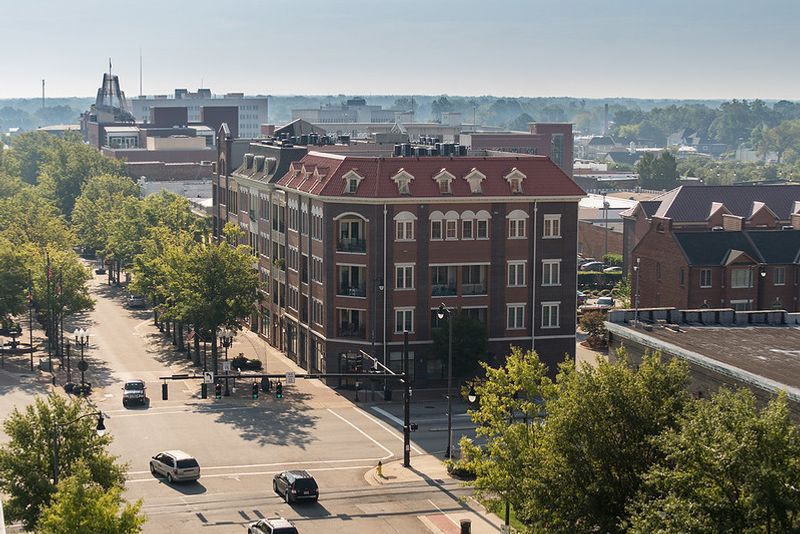
Historic downtown gives Fayetteville one of its strongest counterarguments.
Arts, culture, restaurants, events, and small businesses have helped reshape the Cool Spring Downtown District. More than $335 million was reportedly invested in the downtown core over a five-year period, supporting continued redevelopment.
That kind of momentum changes how a visitor experiences the city. Downtown Fayetteville is not only a place to pass through on the way somewhere else.
It has museums, restaurants, coffee stops, shops, public art, historic buildings, and gathering spaces that give the city a more walkable identity.
The Fayetteville History Museum at 325 Franklin Street adds useful context, especially for anyone trying to understand the area beyond quick assumptions.
Segra Stadium and the Fayetteville Woodpeckers have also helped bring more foot traffic and event energy into the center of town. Not every block feels polished, and that is okay.
Real downtowns usually show progress unevenly. Fresh paint, older storefronts, construction, local pride, and empty spaces can all share the same street.
That mixture is what makes downtown worth watching. Fayetteville’s ranking may be gloomy, but its center still has movement, and movement matters.
Military Roots Shape The City’s Daily Identity
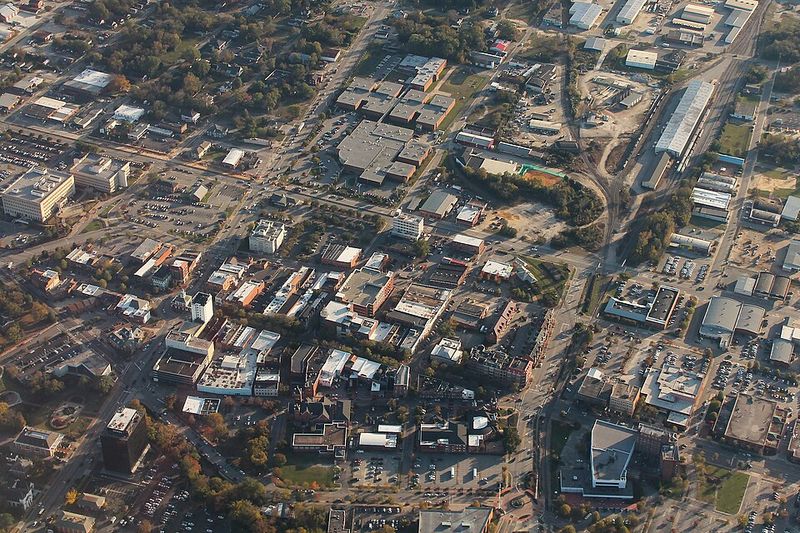
Fort Bragg is impossible to separate from Fayetteville’s identity. Formerly known as Fort Bragg, the installation sits just northwest of the city and remains one of the most important military communities in the United States.
Its presence shapes housing, jobs, schools, traffic, restaurants, culture, and the emotional rhythm of the region. Soldiers, veterans, military spouses, contractors, and families all add to the city’s daily life, giving Fayetteville a different character from many North Carolina communities.
That military connection brings strength and strain at the same time. It supports businesses and creates a steady regional anchor, but it also means the city lives with deployments, transitions, relocations, and the challenges that come with a highly mobile population.
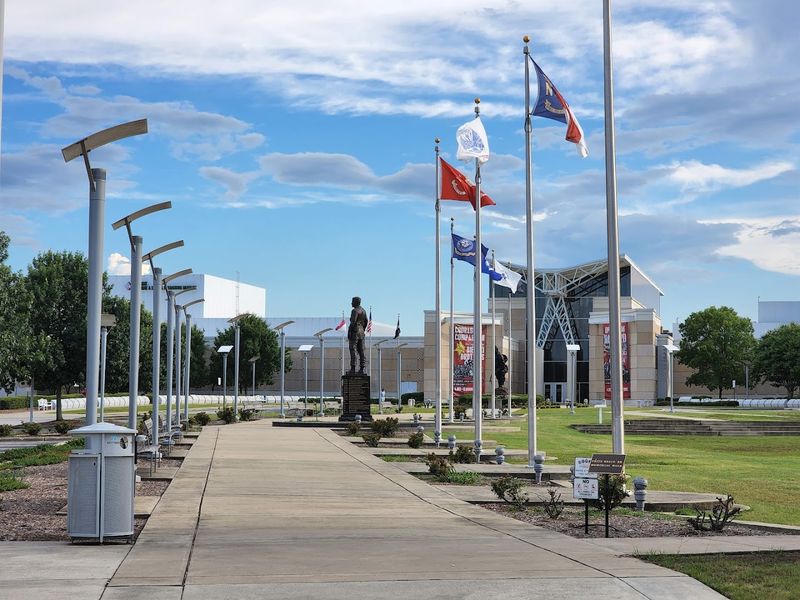
The Airborne & Special Operations Museum gives visitors a meaningful way to understand that legacy. Its exhibits trace airborne and special operations history while grounding the city’s military story in people, equipment, missions, sacrifice, and service.
For travelers, the museum is one of Fayetteville’s clearest must-see stops. For residents, the military presence is not a tourist angle.
It is part of the daily fabric. Any discussion of the city’s well-being has to include that reality, because Fayetteville’s heartbeat is tied closely to Fort Bragg.
The Cape Fear River Adds A Softer Side
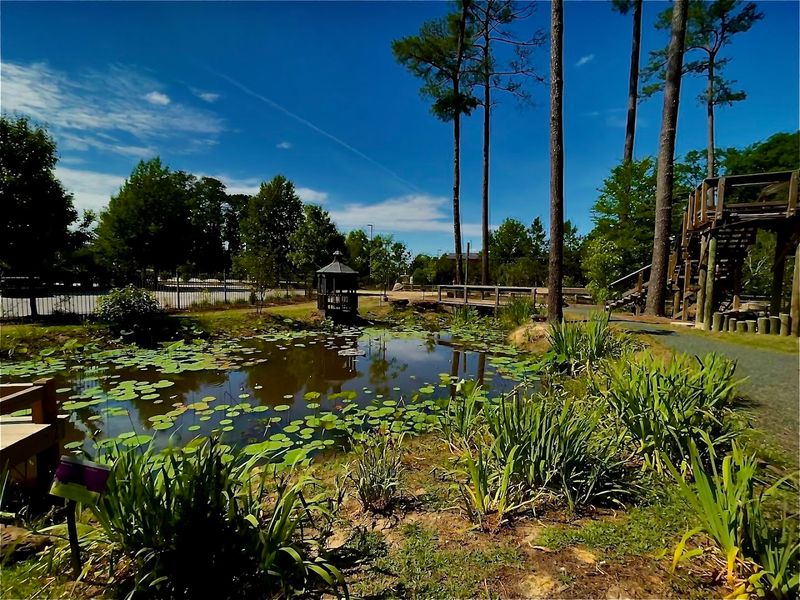
Water changes the mood of the city. The Cape Fear River Trail gives Fayetteville a long green escape, with the city describing it as a 10-foot-wide paved path for walkers, joggers, bicyclists, and other non-motorized users.
It winds for more than seven miles one way between the Jordan Soccer Complex and Cross Creek Linear Park, passing trees, wildlife, river views, boardwalk sections, and bridges along the route. That kind of outdoor access matters in a city often discussed through statistics and struggles.
The trail offers a place to move, breathe, think, and step away from traffic noise for a while. Nearby, Cape Fear Botanical Garden adds another calmer layer.
The garden covers 80 acres between the Cape Fear River and Cross Creek, with trails, seasonal plantings, educational programs, events, and landscaped spaces that feel far removed from the heavier parts of Fayetteville’s reputation.
Places like this do not fix every problem measured in a happiness index.
They do give residents and visitors somewhere to reset. That counts.
A city with a river trail and an 80-acre botanical garden is not only a data point. It has quiet places where the label starts to feel too small.
Local Parks Push Back Against The Gloomy Label
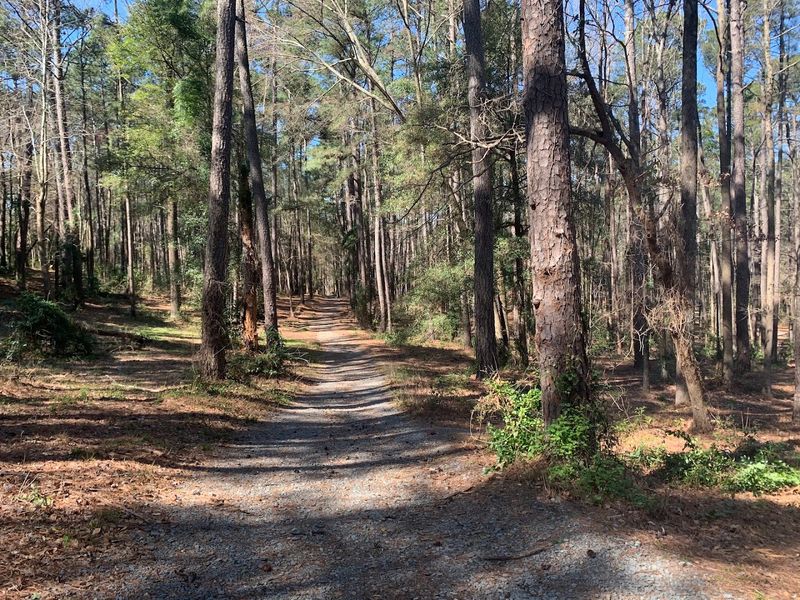
Green space is one of Fayetteville’s better defenses against the unhappy-city narrative. Mazarick Park gives locals a large recreation area near Glenville Lake, with room for walking, sports, fishing, and low-key outdoor time.
Arnette Park adds another major option with trails, fields, picnic areas, disc golf, and wide-open space for families who need somewhere easy to spend a weekend afternoon.
Clark Park and Nature Center brings a more wooded experience, with the city noting live animal displays, nature programming, picnic areas, and a waterfall described as one of the highest in the coastal plain.
That last detail surprises many visitors because Fayetteville is not usually associated with waterfall scenery. Parks like these show a different side of the city, one built around daily life rather than national perception.
Kids play. Dogs get walked.
Families gather under shelters. Joggers find their routes.
People who have no interest in defending Fayetteville on the internet still use these spaces because they matter in practical ways. Park systems are not glamorous fixes for complex urban issues, but they shape well-being more than outsiders may realize.
In a city carrying a gloomy label, every trail, lake, field, and shady bench becomes part of the rebuttal.
You Can Find Bright Spots Behind The Numbers
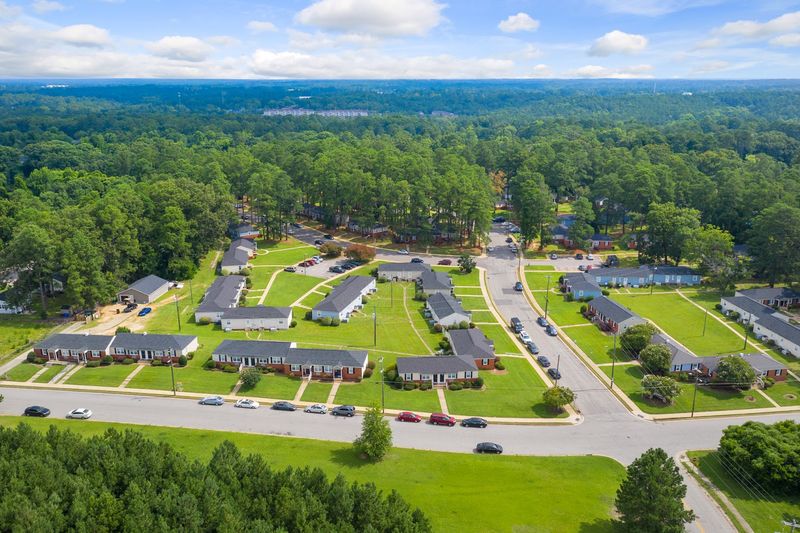
Data can identify problems, but it rarely captures effort. Fayetteville’s low WalletHub placement should not be waved away, especially when emotional and physical well-being indicators ranked poorly.
Those numbers suggest real needs around health, stability, income, stress, and quality of life. Still, bright spots exist behind the score.
Public investment through bond projects is moving toward safety, infrastructure, housing, parks, and stormwater work. Downtown investment shows private and civic confidence in the city center.
The Cape Fear River Trail, botanical garden, parks, museums, and cultural institutions give residents ways to connect with place.
Fayetteville’s diversity also gives the city an important social texture, especially because military communities bring people from across the country and around the world into the same local orbit.
That mix can create challenges, but it also adds food, stories, faith communities, languages, businesses, and perspectives that make the city more layered than its reputation. Nobody needs to pretend Fayetteville is secretly perfect.
That would sound fake because it would be fake. The stronger point is that struggling cities can still have real assets.
Fayetteville has them. The work is making those assets easier to see, easier to access, and strong enough to change the story over time.
The Unhappy Ranking Makes The Visit More Complicated
Traveling to Fayetteville with that ranking in mind changes expectations before arrival. Some visitors may look for proof that the label is true.
Others may look for reasons to argue with it. The more useful approach is to let the city be complicated.
Start downtown. Visit the Airborne & Special Operations Museum.
Walk part of the Cape Fear River Trail. Spend time at Cape Fear Botanical Garden.
Check out local restaurants, parks, and historic sites before deciding what the city is or is not. Fayetteville will not feel like Asheville, Wilmington, Raleigh, or Charlotte, and trying to force that comparison misses the point.
This is a military-rooted city with economic challenges, working-class edges, civic investment, outdoor pockets, and a downtown still pushing for more energy. The unhappy ranking makes the title clickable, but it should not make the visit cruel.
People live here, build businesses here, raise families here, serve here, retire here, and keep trying to improve the place. That deserves more respect than a punchline.
Fayetteville may be one of America’s lower-ranked cities for happiness, according to WalletHub’s 2026 list. It is also a North Carolina city with enough history, resilience, and local texture to make the label feel incomplete.