You May Be Surprised One Of America’s Unhappiest Places Remains This Georgia Town
Some places catch you completely off guard. I expected a quiet, forgettable dot on the map, the kind of town you pass without a second thought.
Instead I found numbers that stopped me cold, statistics that painted a picture far heavier than any postcard ever could. Georgia holds plenty of charming small towns, but this one tells a different story once you look past the surface.
I spent an evening reading through survey data and reports, and the more I read, the more the picture shifted. It’s easy to judge a place by its Main Street or its scenery.
It’s harder, and more honest, to ask what life actually feels like for the people who live there. This Georgia town raises questions worth sitting with, and the answers aren’t what most visitors expect.
Poverty Levels That Are Hard To Ignore
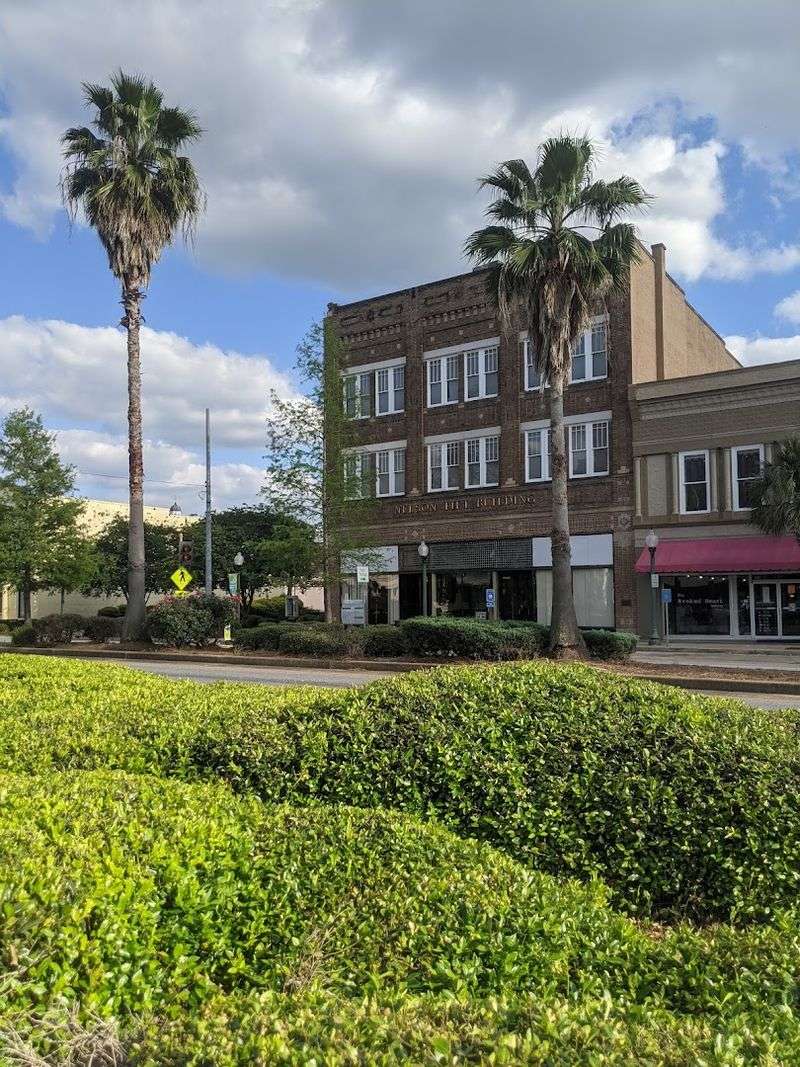
Numbers do not lie, and these ones hit differently. Over 27% of the population here lives below the poverty line, more than double the national average of 12.5%.
That means more than 17,600 real people are facing serious financial hardship every single day. Nine neighborhoods in this city carry poverty rates of 40% or higher.
That is not a statistic you scroll past easily. Albany has one of the highest poverty rates among Georgia’s larger cities, reflecting long-standing economic challenges.
Recent Census estimates continue to show a poverty rate well above both the Georgia and national averages, underscoring the city’s ongoing economic challenges.
Community leaders have been vocal about the need for change. Town hall meetings show real effort, but the gap between need and resources remains wide.
Poverty here is not invisible. It shows up in neighborhoods, in schools, and in daily decisions families have to make just to get by.
Understanding it is the first step toward caring about it.
A Job Market That Keeps Shrinking
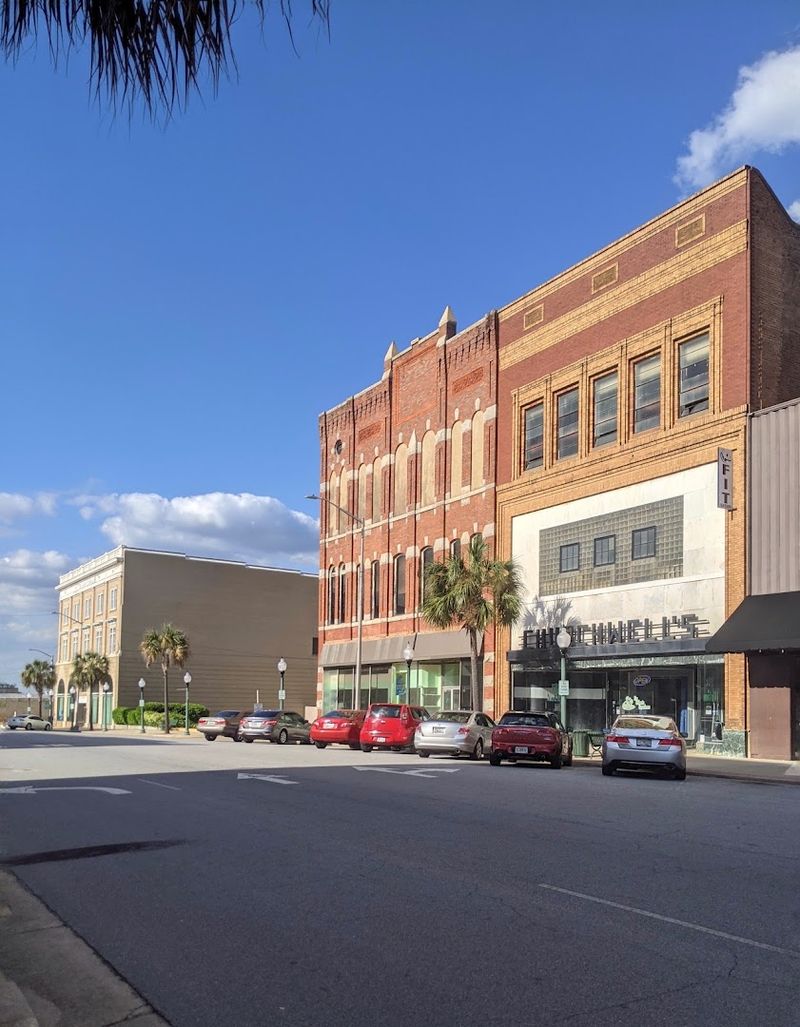
Imagine updating your resume and realizing opportunities are limited. Many residents continue to face a challenging job market with slower employment growth than much of Georgia.
The median household income sits at $47,240. Compare that to Georgia’s state median of $71,355, and the gap becomes impossible to ignore.
Young people feel this pressure the most. Many pack up and leave, chasing opportunities in Atlanta, Savannah, or beyond.
Projected job growth was already negative back in 2018, registering at -0.2%. That trend has not reversed in any meaningful way since.
A shrinking workforce means fewer businesses want to move in. Fewer businesses means fewer jobs, and the cycle keeps turning in the wrong direction.
Economic recovery requires investment, and investment requires confidence. Right now, this area is working hard to rebuild that confidence from the ground up.
It is a long road, but community organizations are pushing forward with small business initiatives and workforce training programs that offer at least some hope.
Crime Rates That Rank Among The Worst In America
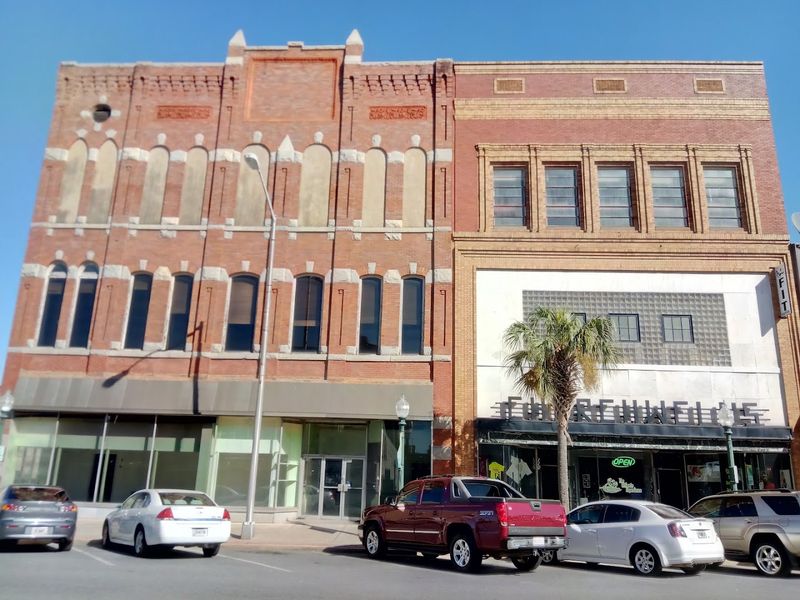
A D- crime grade is not the kind of grade anyone wants to see. This area sits in just the 8th percentile for safety nationwide, meaning 92% of U.S. cities are considered safer.
The violent crime rate here is 823.6 per 100,000 residents. The national average is 359.1, which puts this community among the bottom 10% for violent crime across the entire country.
Recent crime reports continue to show that violent crime remains a significant challenge for the city compared with national averages.
Your statistical chance of becoming a crime victim here is 1 in 42. That is not a comfortable number to sit with, especially if you are raising a family.
High crime and high poverty tend to travel together. Limited opportunity, underfunded public services, and stressed communities all contribute to this difficult reality.
Local law enforcement and community groups are working to shift those numbers. Neighborhood watch programs and youth outreach efforts are active, even if progress feels slow.
Safety is not impossible here, but it requires sustained, serious attention from everyone involved.
Health Outcomes That Tell A Troubling Story
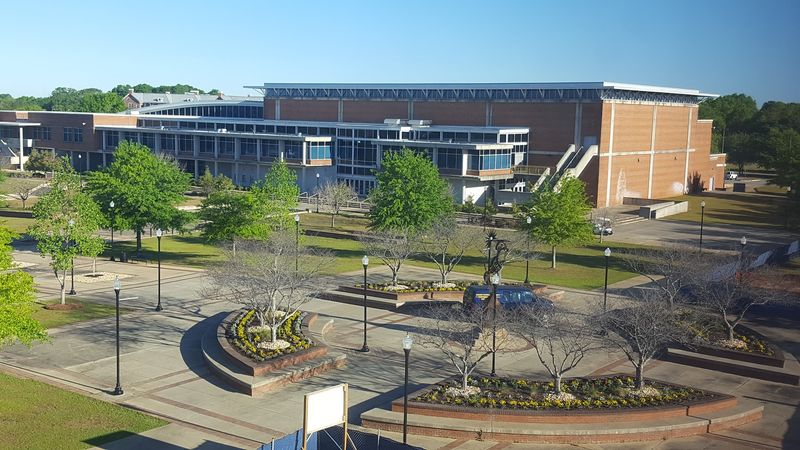
Health should not depend on your zip code, but here it clearly does. Dougherty County, which is home to this city, ranks 153 out of 159 Georgia counties for health outcomes.
That ranking is not a small gap. It places this community near the very bottom of the state in terms of how long and how well people live.
The average life expectancy here is 73.6 years, which falls below both state and national averages. That difference in years matters enormously to families and communities.
Around 40% of adults struggle with obesity, and roughly 15% battle diabetes. Both numbers are significantly higher than national benchmarks.
Many residents also report not getting enough sleep and not exercising regularly. Those habits compound health problems over time in ways that are hard to reverse.
Adult smoking rates also remain higher than the national average, adding another layer of concern. Access to quality healthcare, fresh food, and safe outdoor spaces all play a role in these outcomes.
Improving health here means fixing multiple systems at once, which is a challenging but necessary goal for the community.
Schools That Are Struggling To Keep Up
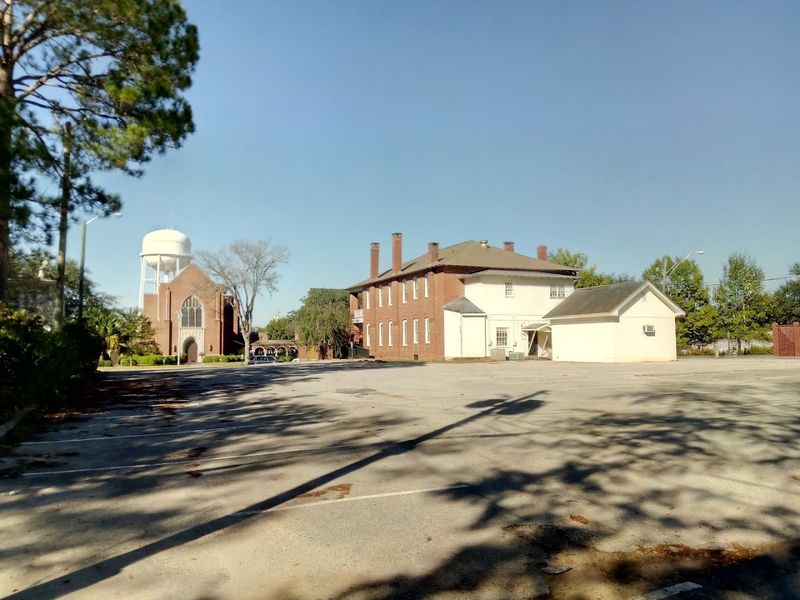
Education is supposed to be the great equalizer. In this community, the numbers suggest it is not quite living up to that promise yet.
Only 27% of students here are proficient in math, and just 25% meet reading standards. Those figures fall well below state and national averages.
Low academic performance creates a ripple effect. Students who fall behind early often struggle to catch up, which limits their options as adults.
Low educational attainment is directly linked to limited economic opportunity. That connection explains a lot about why poverty here stays so persistent across generations.
Nearly half of all children in Dougherty County live in poverty. That means many students arrive at school already carrying burdens that make learning harder before the first bell even rings.
Teachers and administrators here face real challenges with limited resources and high needs. Some schools are working with community partners to bring tutoring, meals, and mental health support to students.
Progress is happening in small but meaningful ways, and that deserves acknowledgment even in a difficult overall picture.
Housing Conditions That Add To The Burden

Bad wiring and no insulation should not be normal. Yet for many residents here, those are everyday realities inside their own homes.
Poor housing conditions are widespread across several neighborhoods in this city. Faulty electrical systems and inadequate insulation drive up utility bills for families already stretched thin.
High utility costs eat into already tight budgets. When a family spends extra money keeping a drafty house warm, that money cannot go toward food, healthcare, or education.
The physical condition of housing affects mental health too. Living in a space that feels unstable or unsafe takes a quiet but real toll on people over time.
Landlords in low-income areas sometimes delay repairs, knowing tenants have few alternatives. That dynamic leaves residents with little power to demand better conditions.
Community development organizations have started advocating for housing improvements and code enforcement. Some federal funding has been directed toward rehabilitation programs in recent years.
But the backlog of needed repairs is significant, and the pace of improvement needs to accelerate considerably to make a real difference for the families currently living in substandard conditions.
Food Deserts Making Healthy Eating Nearly Impossible
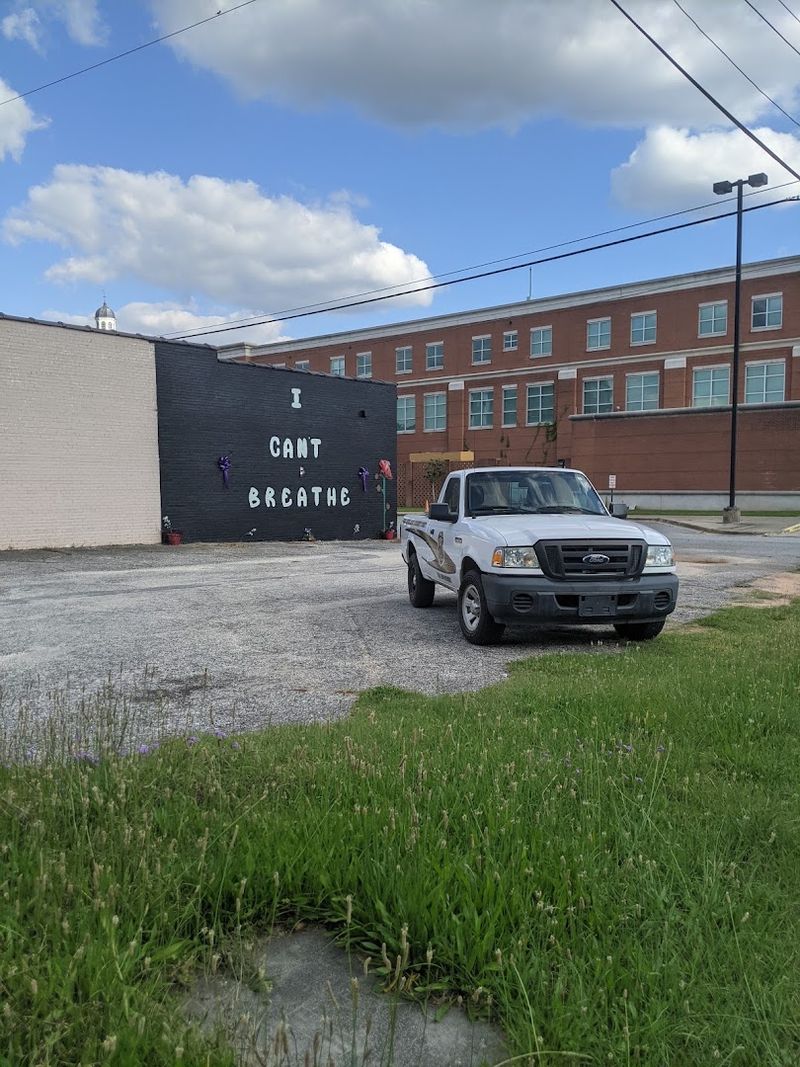
Fresh food should not be a luxury, but in parts of this city, it practically is. The east and south sections of the area are officially designated food deserts.
Residents in these zones often rely on dollar stores for their groceries. Processed, shelf-stable food becomes the default diet when fresh produce simply is not available nearby.
That dietary pattern feeds directly into the high rates of diabetes and obesity seen across this community. Food access and health outcomes are inseparable here.
Driving to a full grocery store is not always an option. Many residents do not own cars, and public transportation options are limited across much of the city.
Children growing up in food deserts often do not develop healthy eating habits early. Those habits are hard to build later in life, especially without access or education around nutrition.
Some community gardens and mobile food programs have started operating in underserved areas. They are small steps, but they represent real effort to bridge the gap.
Expanding these programs and attracting full-service grocery stores to these neighborhoods would make a measurable difference in daily life for thousands of residents.
A Shrinking Population Sending A Clear Message
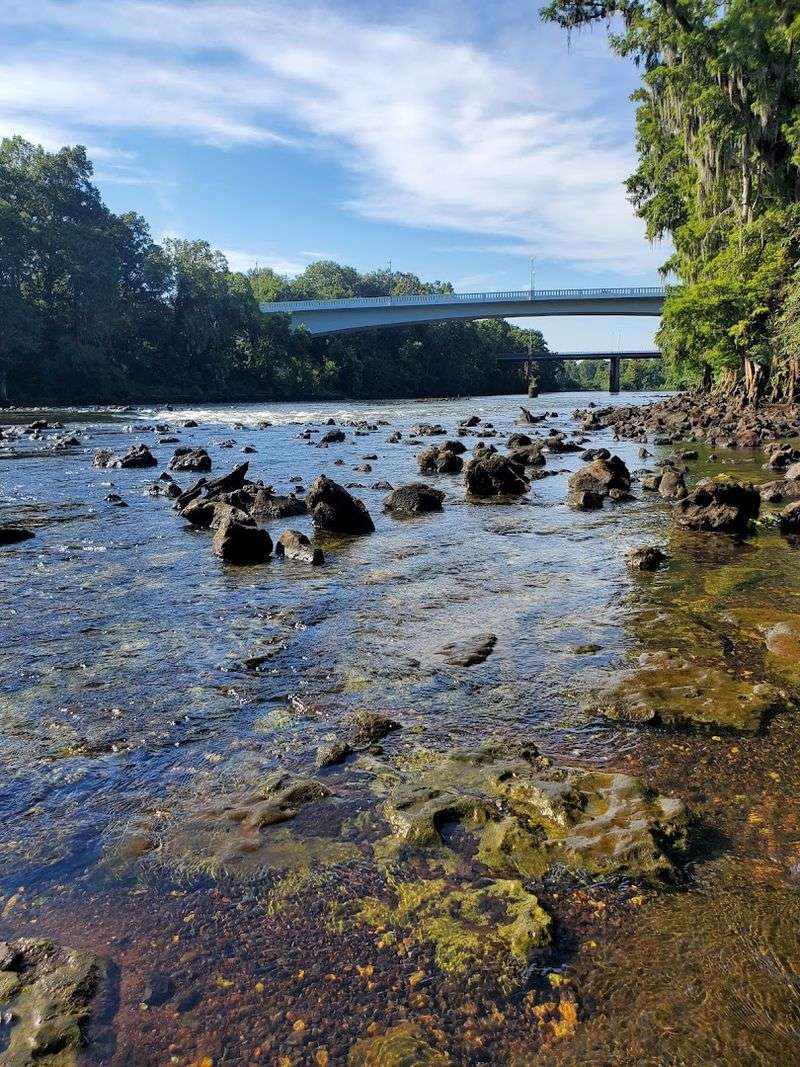
When people leave a city in large numbers, that city is sending a message. This one has been sending that message for over a decade.
The population dropped from 77,095 in 2010 to just 67,224 in 2024. That is nearly 10,000 people who chose to build their lives somewhere else.
Most of those leaving are young adults. They look at the job market, the schools, and the cost of staying, and they decide the math does not work in their favor.
A shrinking population creates a tax base problem. Fewer residents means less revenue for the city, which means fewer resources for the very services that might convince people to stay.
Vacant properties increase as people leave. Empty homes and storefronts change the feel of a neighborhood quickly, and not for the better.
Some cities have reversed population decline through targeted investment and strong community leadership. It requires vision, funding, and time, all of which are in short supply here.
But examples from other struggling cities show that turnarounds are possible when the right combination of leadership, opportunity, and community pride comes together with real intention and sustained effort.
Why This City Still Deserves Attention And Compassion
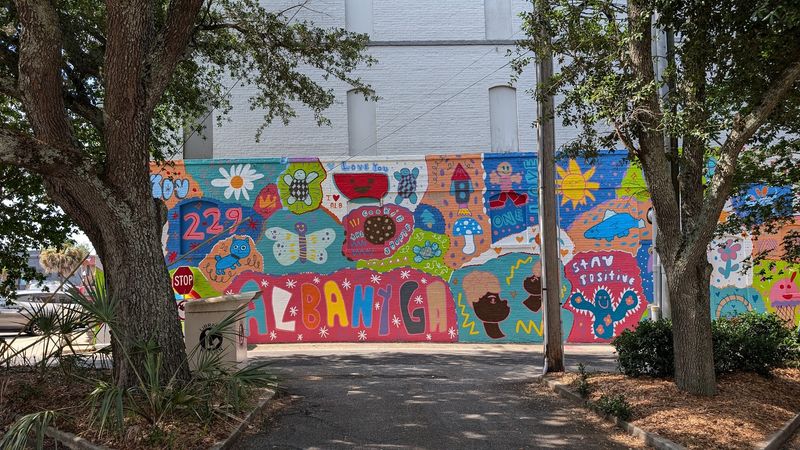
Not every story about a struggling city should end with judgment. This one deserves to end with perspective and a little bit of heart.
Albany has real history worth knowing. Ray Charles was born here, and downtown features a life-size memorial statue honoring his legacy and his music.
The Flint RiverQuarium brings turtles, alligators, and the ecology of the Flint River to life for visitors and students. Thronateeska Heritage Center houses science and history museums alongside the Wetherbee Planetarium.
Chehaw Park, located just north of the city, offers trails and a zoo featuring cheetahs and rhinos. These are not small things for a city of this size.
Community pride runs deep here, even when circumstances make daily life hard. Local leaders, faith organizations, and nonprofits continue showing up for residents every single day.
Labeling a place as unhappy without understanding why is easy. Understanding the full picture takes more effort, but it leads to more useful conversations about solutions.
This city is more than its statistics. It is a community of real people working hard under real pressure, and that story is worth telling with both honesty and genuine respect.