You May Be Surprised This Idaho City Ranks Lower For Happiness Than You Might Expect
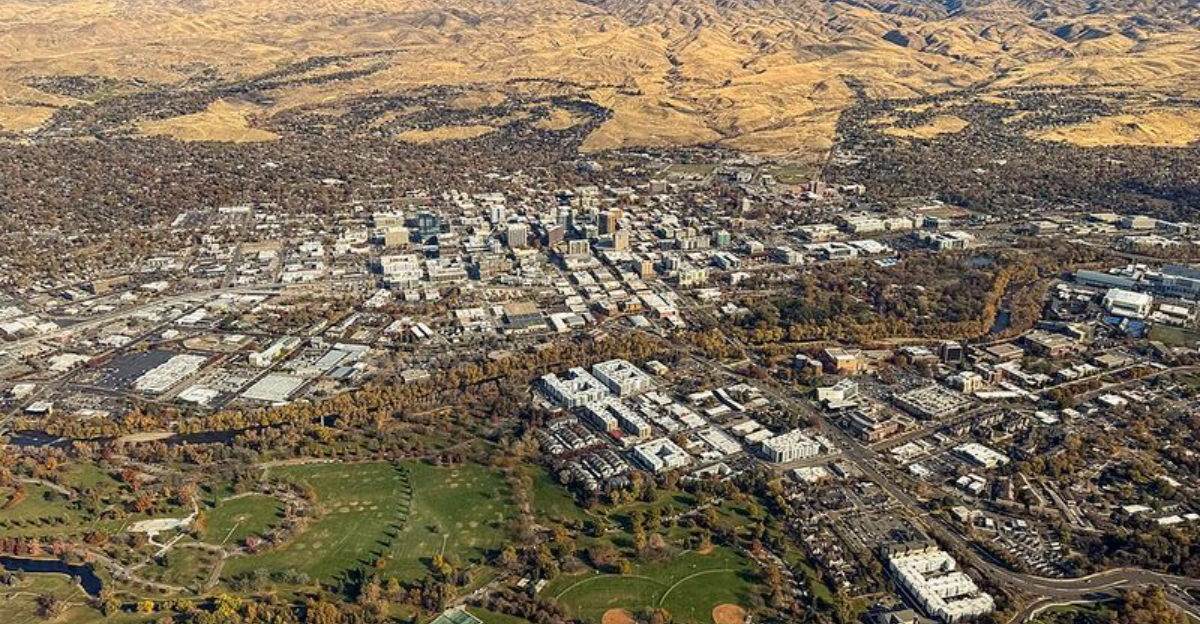
A city can have mountain views, booming neighborhoods, and enough outdoor access to make hiking boots feel like formalwear.
Then a national ranking comes along and gives it a surprisingly ordinary score.
In one fast-growing Idaho capital, that number was 32 out of 182 cities. Not terrible.
Not exactly parade-worthy either.
The result feels strange at first. New residents keep arriving, the economy continues to grow, and the surrounding foothills make escaping the city unusually easy.
So what pulled the score down?
That is where the ranking becomes more interesting than the headline. Studies like this weigh dozens of factors, and a city can shine in several areas while struggling in others that residents notice every day.
Before declaring the place unhappy, overrated, or secretly miserable, it helps to look at what the numbers actually measured.
The full story is less dramatic than the ranking sounds, but far more revealing.
See Why It Landed At Number 32 Instead Of Near The Very Top

A rank of 32 may sound disappointing only when Boise is compared with its strongest reputation. Against the entire WalletHub list, the city finished ahead of 150 other places.
The study gave Boise a total score of 60.96, narrowly behind Jersey City at 61.14 and slightly ahead of Washington, D.C., at 60.85. WalletHub did not ask residents one broad question about whether they enjoyed living there.
Researchers combined 29 metrics across emotional and physical well-being, income and employment, and community and environment.
Half of the available points came from the first category, making health, sleep, life satisfaction, physical activity, and related measures especially influential.
Income and employment represented one quarter of the score, with community and environment making up the final quarter. Boise’s fifth-place economic category was impressive, but the formula did not allow that single strength to carry the entire result.
A solid 44th-place well-being rank and a weaker 92nd-place community and environment finish kept the overall position outside the top 30. The answer is balance, not one dramatic flaw.
It was consistency across categories that Boise lacked most.
Look Beyond The Foothill Views And Fast-Growing Reputation
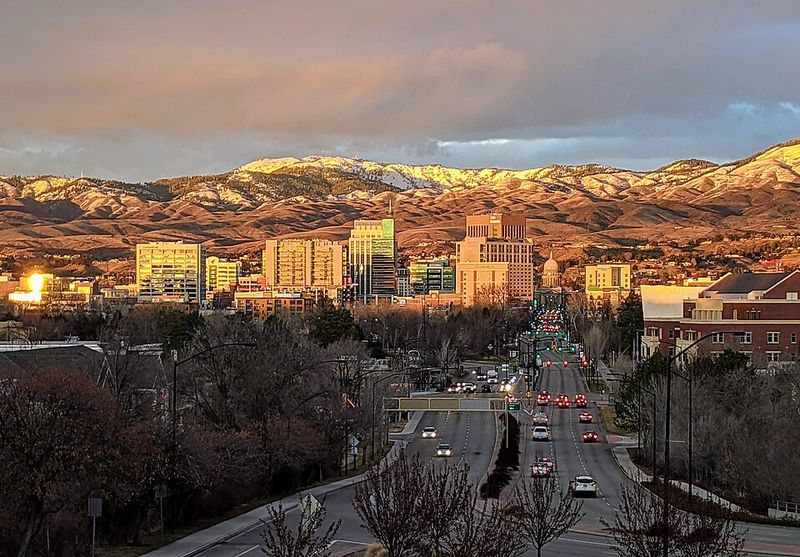
Boise makes a convincing visual argument before any ranking enters the conversation. Trails climb into the foothills close to the urban area, and the Boise River Greenbelt provides about 29 miles through the river corridor.
Large parks, neighborhood reserves, and river access make outdoor time part of ordinary life rather than something saved for a distant weekend trip. Those qualities help explain why Boise is regularly described as highly livable.
They do not automatically produce a top happiness score, however. WalletHub measured a specific group of indicators, not scenic beauty, restaurant variety, or how quickly someone can reach a trailhead.
A resident may value a morning bike ride, a short trip downtown, and the ability to spend an evening beside the river more than any national formula can capture. Another resident may care more about work hours, sleep, health, financial pressure, or available leisure time.
Boise’s reputation is built from the complete experience people have on the ground. The ranking compresses that experience into comparable data.
Both perspectives can be useful, but they answer different questions about the same city.
Find Out Which Parts Of Daily Life Pulled The Score Down
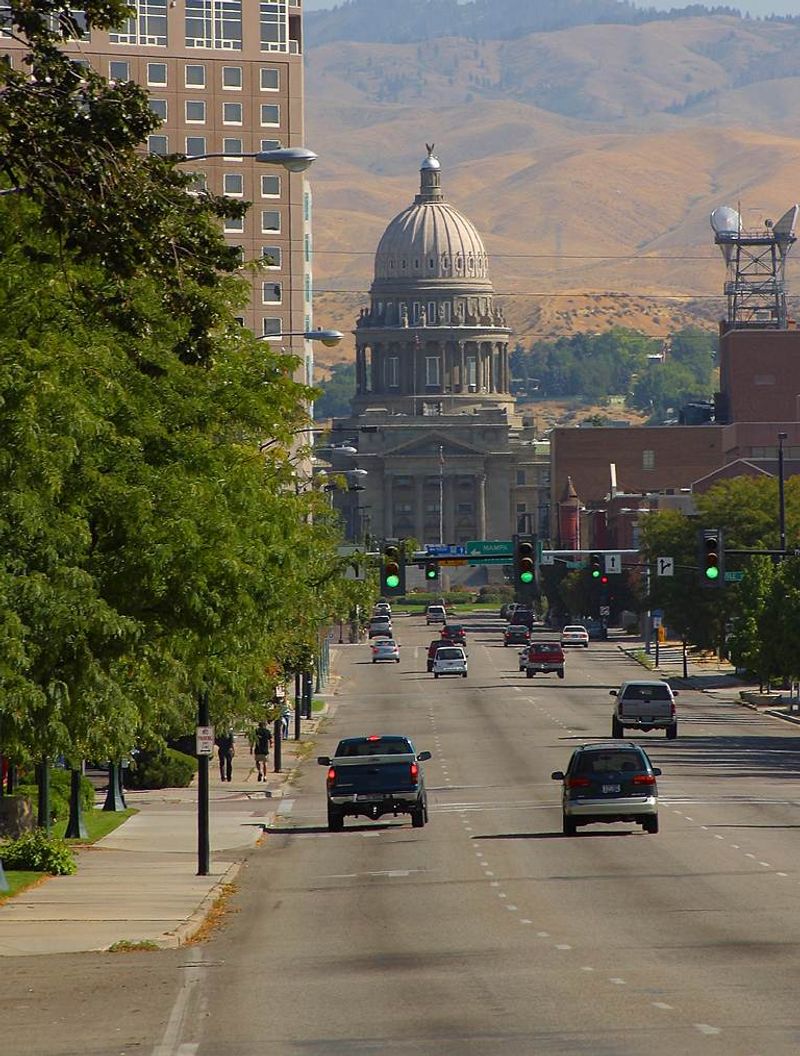
Boise’s category scores reveal the clearest reason it stopped at number 32. Income and employment ranked fifth nationally, placing the city among the strongest economic performers in the study.
Emotional and physical well-being came in at 44th, a respectable result that remained far behind the leaders. Community and environment landed at 92nd, making it Boise’s weakest broad category.
That last group included WalletHub’s caring-city score, weather, parkland, average leisure time, and other community measures. The data does not show that one everyday problem single-handedly pulled Boise downward.
It shows that the city’s strongest economic measurements were not matched by equally high results across the other dimensions.
That distinction matters because it prevents the article from blaming housing, traffic, growth, or any other popular concern without evidence from the ranking itself.
Those issues may influence how individual residents feel, but WalletHub’s published table does not identify one of them as Boise’s decisive weakness. The measured result is simpler: excellent economic performance, a stronger-than-average well-being showing, and a middle-of-the-list community and environment score combined into 32nd place.
No single complaint explains everything.
Compare Boise With Cities That Ranked Surprisingly Higher
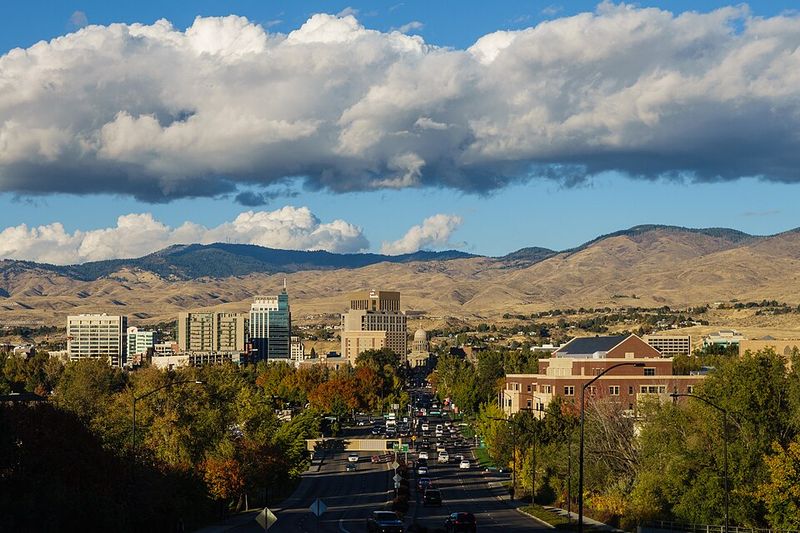
The cities above Boise did not follow one obvious formula. Fremont took first place with the best emotional and physical well-being rank, fourth place for community and environment, and a much lower 89th-place income and employment result.
Bismarck reached second by combining fifth in well-being with first in community and environment. Scottsdale placed third with strong results across all three categories, while South Burlington reached fourth despite finishing 48th in community and environment.
Those examples show that different combinations can produce a high overall score. Boise’s fifth-place income and employment finish was better than the economic ranking of several cities in the top ten.
What separated it was the heavier weight assigned to emotional and physical well-being, plus the need for a stronger community and environment result.
The comparison also keeps the ranking from becoming a simplistic contest over scenery, climate, or household income.
Fremont, Bismarck, Scottsdale, and Boise offer different landscapes and routines. WalletHub’s formula rewarded the cities that assembled a weighted score from 29 indicators, not the place that looked most appealing in a photograph or travel guide.
Consider How Housing Costs Can Change The Way Residents Feel
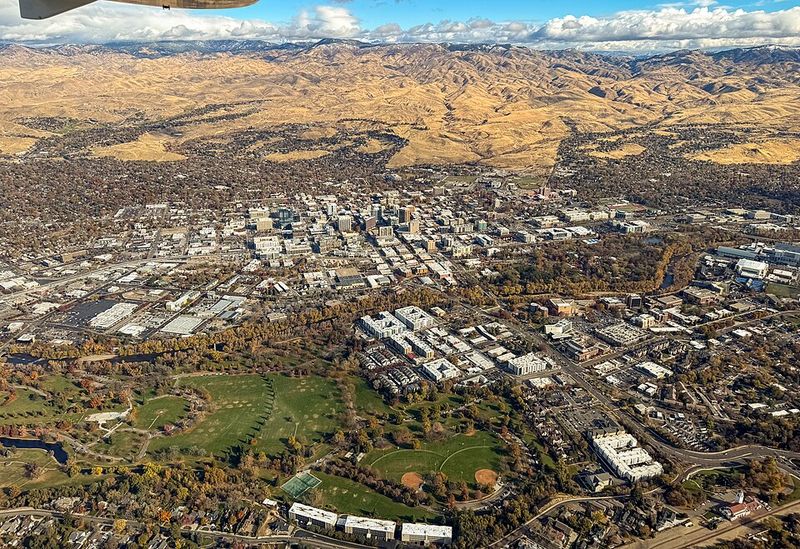
Housing pressure may shape how some Boise residents feel, but it should not be presented as the proven reason for this ranking. WalletHub’s 2026 methodology did not include a standalone housing-cost or home-price metric.
The income and employment category examined income growth, earnings, poverty, job opportunities, unemployment, job security, work hours, commute time, and related economic conditions.
Boise ranked fifth in that category, which means the study viewed its broader employment picture favorably.
Rising rents or home prices can still matter deeply to a household, when expectations were formed during a more affordable period. They simply cannot be cited as the factor that officially pushed Boise to number 32 without evidence.
That caution applies to growth, traffic, and infrastructure. Those topics may belong in a separate livability article, but the happiness table does not isolate them as causes.
Keeping that boundary clear makes the story more trustworthy. Boise’s position came from a weighted combination of indicators.
Personal financial stress can add context, yet it should remain context rather than a substitute explanation for data the study did not directly report.
You May Notice A Gap Between Boise’s Image And Its Ranking
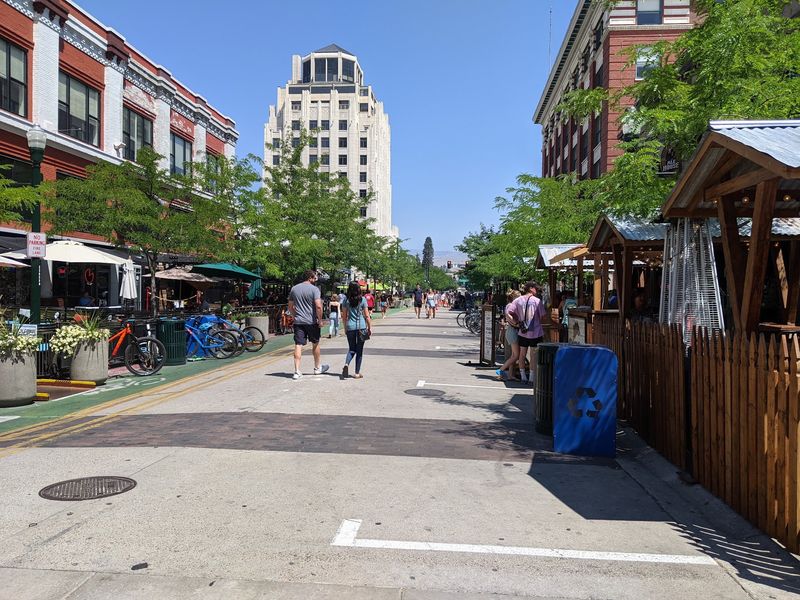
Boise’s public image leans heavily on access, ease, and outdoor possibility. A resident can move between the river corridor, downtown streets, major parks, and foothill trail systems without leaving the wider city environment.
That lifestyle can feel deeply satisfying even when a national ranking places Boise outside the top 20. Composite studies inevitably flatten some of the details people care about most.
They cannot fully capture a favorite neighborhood walk, a familiar farmers market, the comfort of a close community, or the value of reaching open space after work.
They also give equal treatment to cities whose residents may define a good life very differently.
The ranking still challenges the assumption that strong scenery and a growing economy settle every question about happiness. Boise’s fifth-place economic category was a major strength, but daily well-being and community conditions carried substantial weight too.
The gap between image and rank is therefore less mysterious than it first appears. Boise was not judged as an unhappy city.
It was judged as a strong performer whose advantages were distributed unevenly across the study’s three categories.
Explore The Strengths That Still Helped The City Place Well
Boise received its strongest lift from economic stability. A fifth-place income and employment rank put it ahead of most cities in the study, including many finishing higher overall.
The city also placed 44th for emotional and physical well-being, keeping it comfortably in the stronger half of the field. Outdoor access adds real-life context to those results, even though WalletHub did not award points simply for having attractive foothills.
The Greenbelt, river parks, and trail systems give residents several ways to move, exercise, and spend time outside.
Boise also finished 21st in WalletHub’s separate 2026 ranking of America’s most caring cities, a result that feeds into the community and environment portion of the happiness study.
None of those strengths erased the weaker 92nd-place category result, but they help explain why the city still reached number 32 overall. Boise’s final position reflects genuine advantages rather than reputation alone.
It ranked well because several parts of daily life and the local economy compared favorably with other large American cities. Stronger results across the remaining measures were needed to move into the top tier.
Decide Whether A Happiness Ranking Matches The Boise You Know
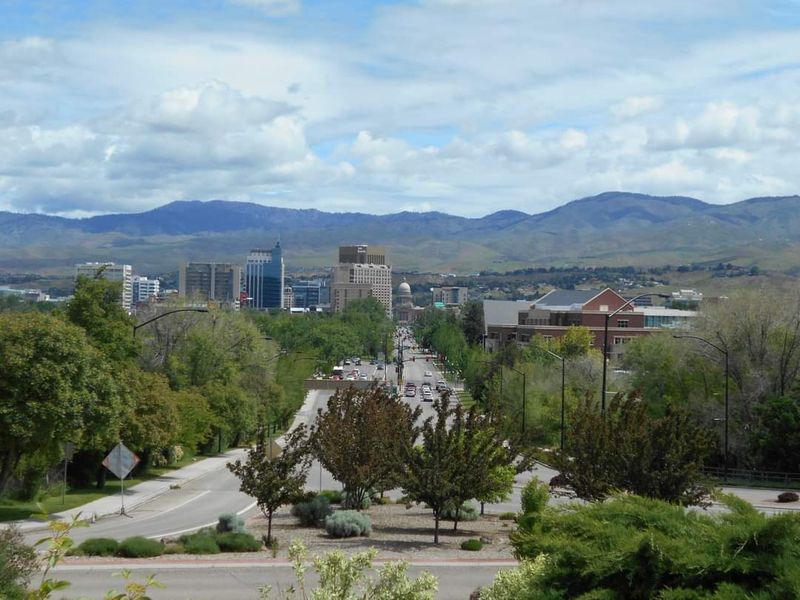
No national table can decide whether Boise feels happy to the person living there. It can show how the city compares across a consistent set of indicators, and the 2026 result is more positive than the headline suggests.
Finishing 32nd out of 182 places means Boise ranked comfortably inside the strongest portion of the study.
Its economic category was exceptional, its emotional and physical well-being result was solid, and its community and environment score left the clearest room for improvement.
Residents may weigh those categories differently. Someone who values foothill access, river paths, manageable scale, and a familiar neighborhood may place Boise far higher.
Someone focused on other daily pressures may agree with the more moderate national position. The conclusion is not that Boise has been exposed as unhappy.
It is that reputation and measurement tell different parts of the story. Boise remains one of the stronger performers in WalletHub’s comparison, but not an all-category leader.
That is a more accurate and interesting result than either calling the city disappointing or pretending its outdoor appeal guarantees a top-ten finish.