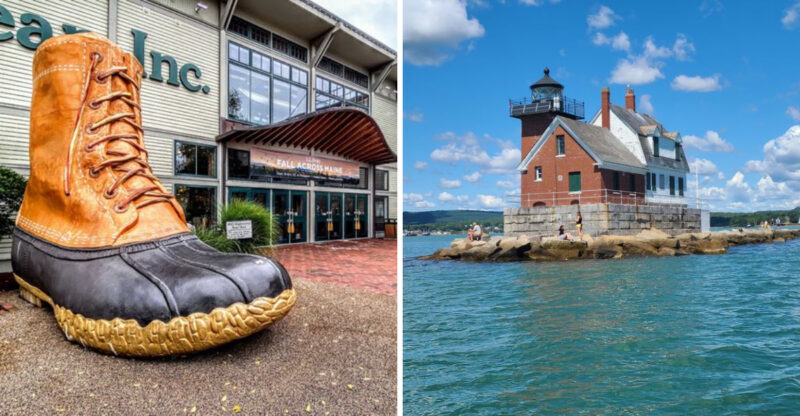
You Might Be Surprised That One Of America’s Top Places To Live Is This Tiny Maine Town
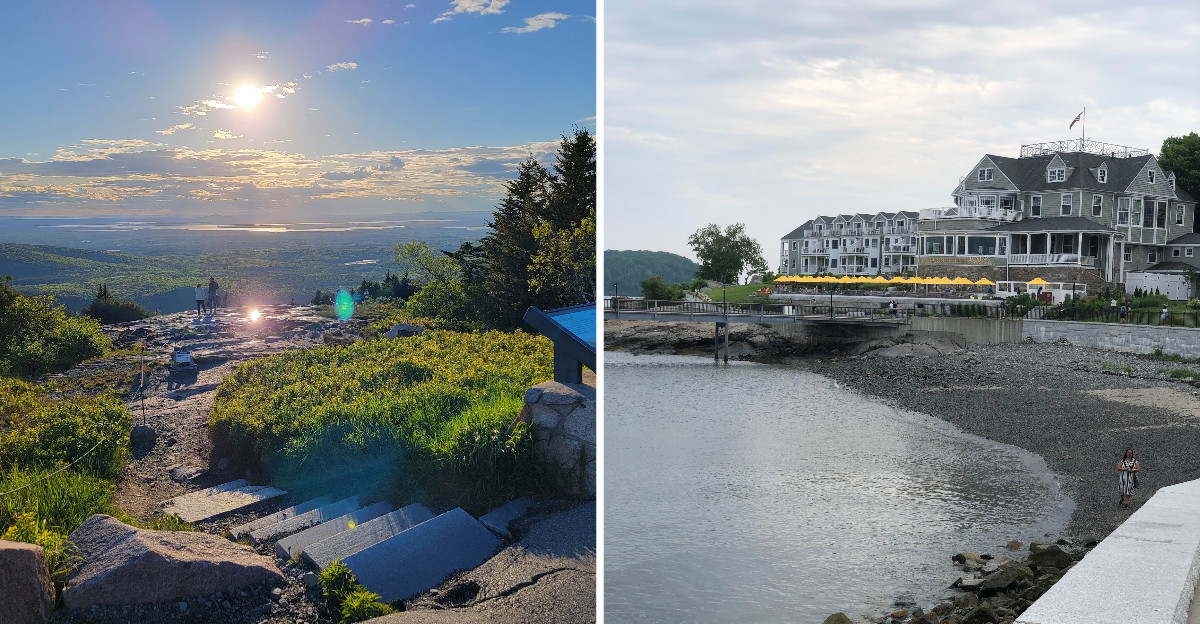
This little town sits beside the highest point on the entire U.S. Atlantic coast.
A mountain that catches some of the country’s earliest sunrises is a fine neighbor, but I’m going to be picky about this.
A famous view earns applause from tourists. What earns my interest is that people actually live here year-round, with good schools, real jobs, and a downtown you can walk.
That’s the part I’m giving credit to, because scenery alone never paid anyone’s rent.
Then there’s the welcome. A 2026 ranking called this Maine town the most welcoming in America.
I like a compliment with a proper reason. Let’s see whether the reasons hold up.
The Rankings Keep Pointing At This Little Island Town
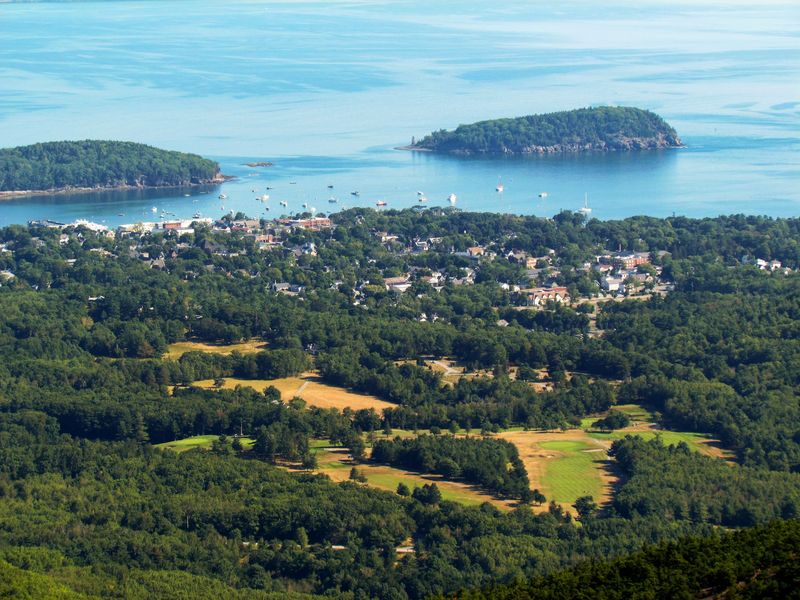
Bar Harbor had 5,089 residents in the 2020 census, a small population for such big compliments.
Niche ranked the town No. 2 among the best places to live in Maine for 2026. It also placed sixth statewide for public schools and eighth for raising a family.
In May 2026, Travel + Leisure highlighted a WorldAtlas selection of twelve welcoming American towns, with Bar Harbor appearing first.
The earlier recognition is real too: Livability placed it fifth nationally on its 2015 best small towns list.
Mount Desert Island gives the community an extraordinary setting, with Frenchman Bay on one side and Acadia’s granite mountains close by.
But a popular destination has tradeoffs. Seasonal traffic crowds the streets, and housing suitable for year-round households can be hard to secure.
That’s why the rankings are interesting, not a guarantee. Scenery alone can’t solve the housing question.
Your Backyard Is Basically A National Park
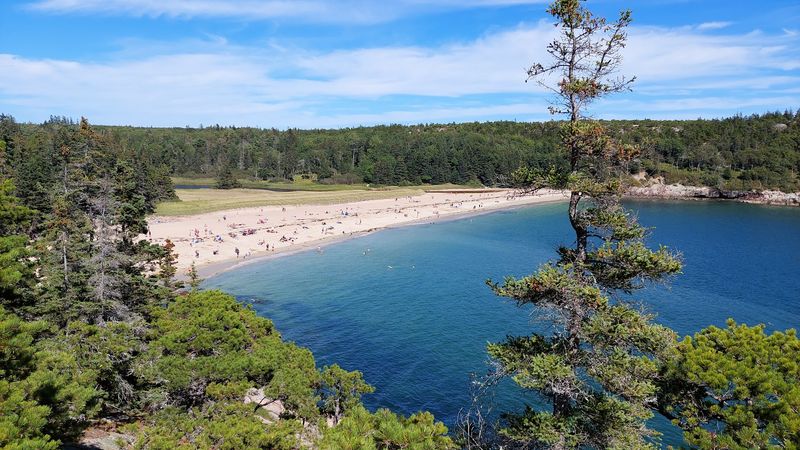
Most people plan a whole vacation around a national park. Bar Harbor residents can reach Acadia National Park before their coffee cools.
Acadia protects more than 47,000 acres across coastal islands and the nearby mainland. Mountain trails, evergreen forests, and granite shores lie just beyond town.
The park’s roots go back to 1916, when the land was protected as Sieur de Monts National Monument. It became Lafayette National Park in 1919, the first national park east of the Mississippi, then received the Acadia name in 1929.
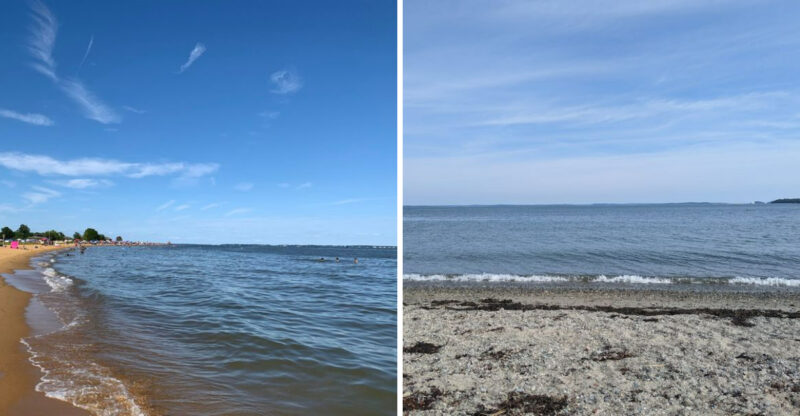
Sand Beach offers an unusual ribbon of sand between rocky headlands. Farther along Park Loop Road, waves rush into a narrow inlet at Thunder Hole.
The deepest rumble is most likely around one or two hours before high tide, although conditions decide whether it happens at all.
Residents can return in quieter months when popular trails feel very different. Some park roads and facilities follow seasonal schedules.
Set An Alarm For A Sunrise Most Of America Hasn’t Seen Yet
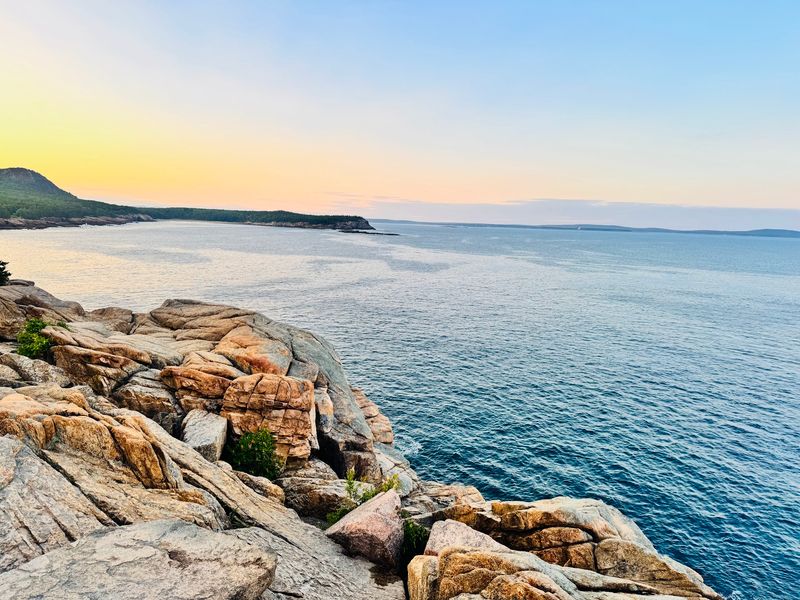
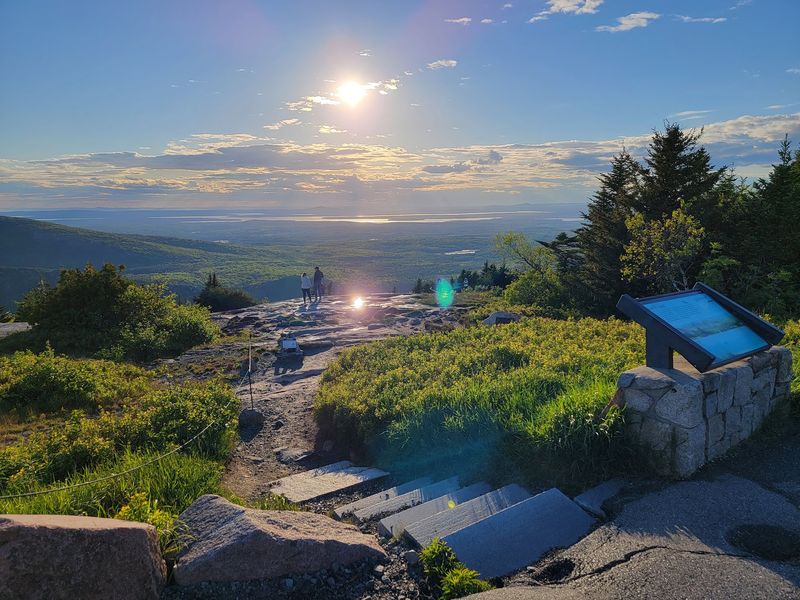
Early birds get a serious reward here. Cadillac Mountain is the highest point on the U.S. Atlantic coast, rising 1,530 feet above sea level.
From October 7 through March 6, its summit is among the country’s first places to see sunrise. The views over Frenchman Bay and nearby islands remain striking year-round.
The summit road allows car access when conditions permit.
For the 2026 season, drivers needed vehicle reservations from May 20 through October 25, including for sunrise visits. Hikers can instead approach using the North or South Ridge trails.
Even summer mornings can be windy and chilly at the top. Bring a jacket, allow extra time for the drive, and stay on marked paths to protect the fragile mountain plants.
I rather like the idea that an extraordinary sunrise can be a neighborhood outing. It isn’t an excuse to skip breakfast, though. That early alarm deserves a proper reward.
No Cars Allowed On These Famous Gravel Roads
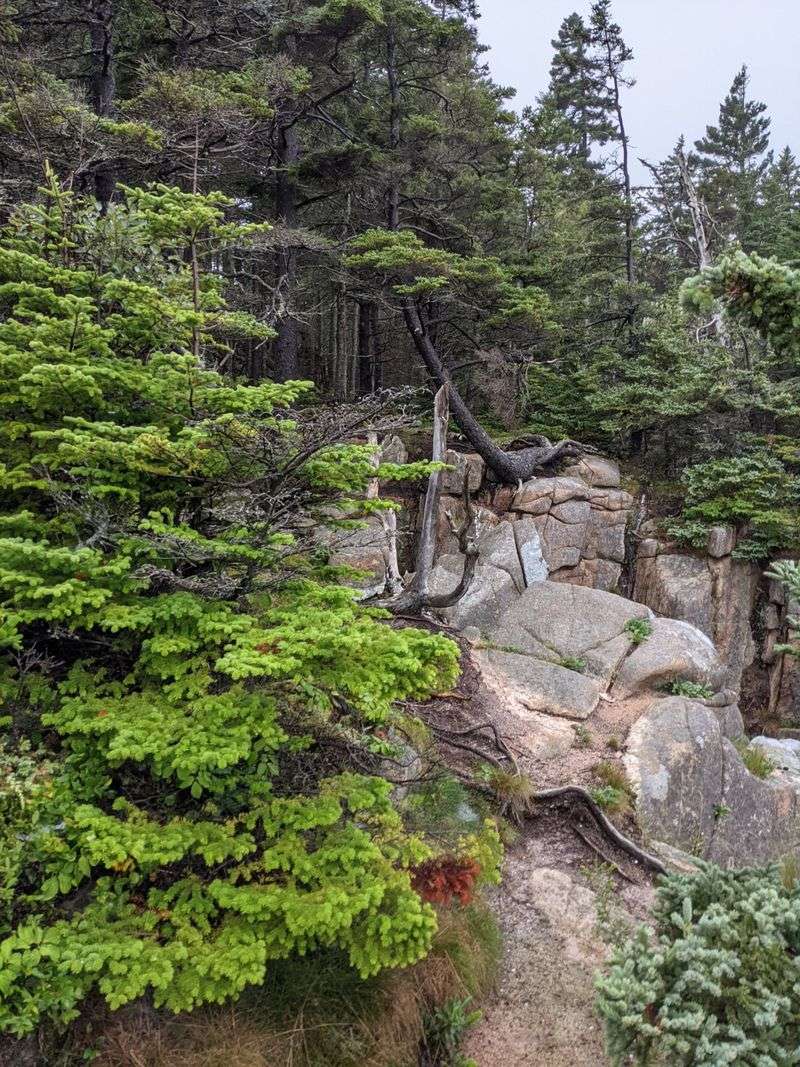
John D. Rockefeller Jr. had a big idea about roads without cars.
Between 1913 and 1940, he and his family helped create 45 miles of carriage roads winding through Acadia’s valleys and hills.
They’re still reserved for people on foot, bicycles, horses, and carriages rather than ordinary automobiles. Seventeen historic bridges add stone arches and carefully framed views to the network.
The routes weren’t simply cut straight across the landscape. Their winding alignments follow natural contours, protecting trees and guiding travelers past ponds, woods, and granite outcrops.
Bring a bicycle or rent one locally during the warmer months. The broken-stone surfaces suit casual riding, although some hills take real effort. Share the route courteously.
In snowy conditions, portions become destinations for cross-country skiing.
For anyone living in this corner of Maine, having miles of motor-free roads nearby is an unusually practical perk. A weekend ride becomes a chance to explore rather than compete with traffic.
A Downtown Stroll Comes With An Ocean Path
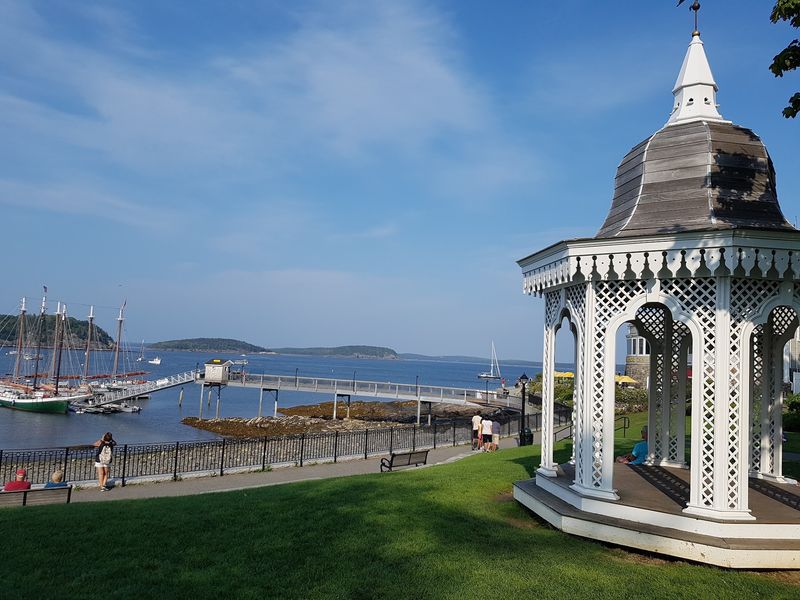
Walkable towns are a big deal when you actually live somewhere.
Bar Harbor’s center gathers independent shops, bakeries, galleries, and everyday errands within a few blocks.
There’s also a waterfront escape within walking distance. The Shore Path begins near the town pier and follows Frenchman Bay for just under a mile, with views of the Porcupine Islands, historic inns, gardens, and the rocky shore.
The pathway dates to 1880 and reopened in June 2025 after major restoration. For locals, it’s a favorite waterfront outing.
Village Green brings another reason to linger. Summer concerts and seasonal gatherings take place close to downtown restaurants and shops.
The Eden Farmers Market meets on Sundays during its warmer-weather season, giving residents a place to find local produce.
Of course, many visitor-focused businesses shorten their hours in winter. Knowing which grocery stores, cafés, and community spaces stay open matters more for daily life than any postcard view.
Brainy Jobs Live Right Next To The Lobster Boats
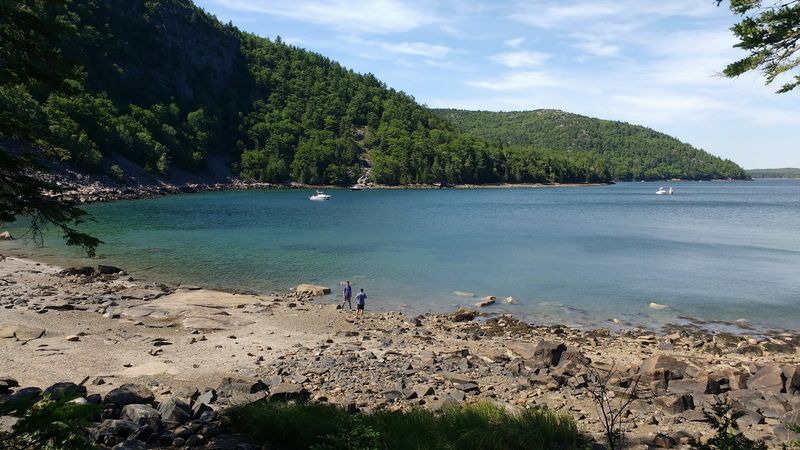
A scenic town needs paychecks to be a great place to live. Bar Harbor has a surprising answer: world-class science.
The Jackson Laboratory is a major biomedical research institution and a significant local employer.
Mount Desert Island Biological Laboratory adds research and education, while the community hospital supports year-round health care jobs.
College of the Atlantic gives the town another academic anchor. Its human ecology curriculum connects science, art, and the environment.
Schools also play a role in keeping families rooted. The Conners Emerson School serves younger students, and Mount Desert Island High School offers academics, athletics, and arts for the surrounding island communities.
Tourism remains important, especially in summer. But laboratories, education, health care, and small businesses provide work beyond peak vacation months.
That blend gives Bar Harbor a personality you might not expect from a place famous for coastal scenery. Maine has plenty of beautiful villages; not every one has research institutions just down the road.
Artists Figured Out This Place Long Before The Lists Did
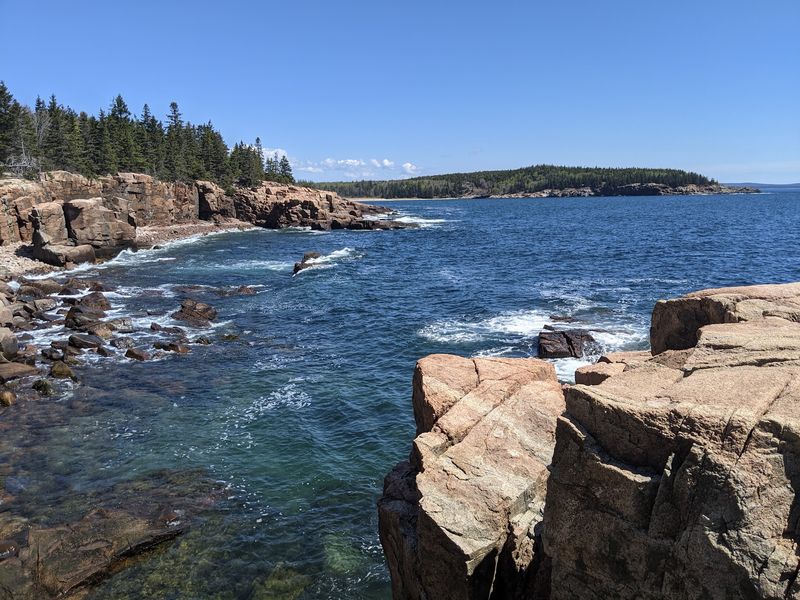
Painters were drawn to Bar Harbor back in the mid-1800s.
They helped introduce the island’s mountains and coastline to a wider audience before the large summer hotels arrived.
The creative streak remains visible around town. Galleries display coastal scenes and contemporary work, while ArtWaves offers hands-on classes in painting, ceramics, textiles, and other disciplines.
The Bar Harbor Music Festival celebrated its sixtieth season in 2026, filling the calendar with chamber music, concerts, and performances. The historic 1932 Criterion Theatre continues to host musicians and stage events.
For a deeper understanding of the island, the Abbe Museum focuses on the living culture and history of Wabanaki communities.
Its downtown museum completed the 2026 public season on October 31, while its original location at Sieur de Monts remains closed for maintenance.
There is more here than souvenir shopping. Classes, concerts, and cultural institutions offer reasons to gather even after the busiest visitor weeks have passed.
Gilded Age Glamour Left A Fascinating Trail
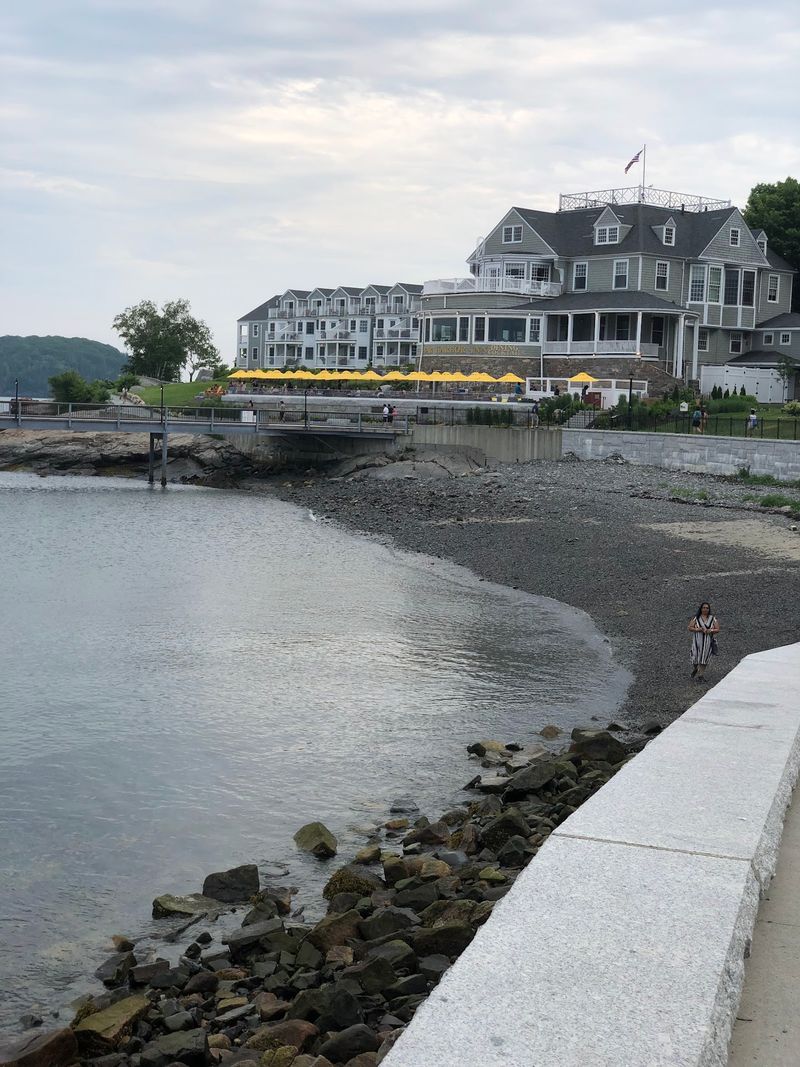
Before it was Bar Harbor, the town had a dreamier name. Incorporated as Eden in 1796, it officially became Bar Harbor in 1918.
Wabanaki communities had connections to Mount Desert Island long before European settlement.
By the nineteenth century, landscape painters were making the rugged coast famous through exhibitions farther afield.
The Agamont House opened in 1855 as an early hotel, marking the growth of summer travel. Wealthy families later built enormous seasonal homes they cheerfully called cottages.
Some of those families also helped protect the land that would become Acadia.
A major 1947 blaze reshaped much of the resort district, and the town rebuilt over the following decades. Historic architecture still survives alongside newer businesses and homes.
Historic inns and residential streets reflect those different eras. The Bar Harbor Historical Society preserves the town’s story. It’s a layered backdrop for a town of about five thousand residents.
Save Room For Popovers And A Scoop Of Something Strange
Lobster ice cream exists in Bar Harbor. Whether that sounds brilliant or alarming, it’s a quirky specialty that tells you how seriously this town takes its coastal identity.
The unusual flavor is made at Ben & Bill’s Chocolate Emporium, alongside more conventional ice creams and sweets. It really contains lobster. For a different tradition, head into Acadia to Jordan Pond House.
Visitors have been served there since 1893, and popovers with jam remain part of the experience. The view across the water toward the twin rounded mountains known as the Bubbles is worth lingering over.
Bakeries and seafood restaurants fill downtown, with some open year-round.
Somes Sound is a spectacular glacially formed inlet, technically a fjard rather than a true fjord. Boat excursions add another seasonal option.
Between mountain mornings, active community life, and one truly unusual dessert, this little Maine town makes a memorable case for putting down roots.