You Never Know What You’ll Find Inside This Connecticut Art Museum Known For Its Bold And Unusual Exhibitions
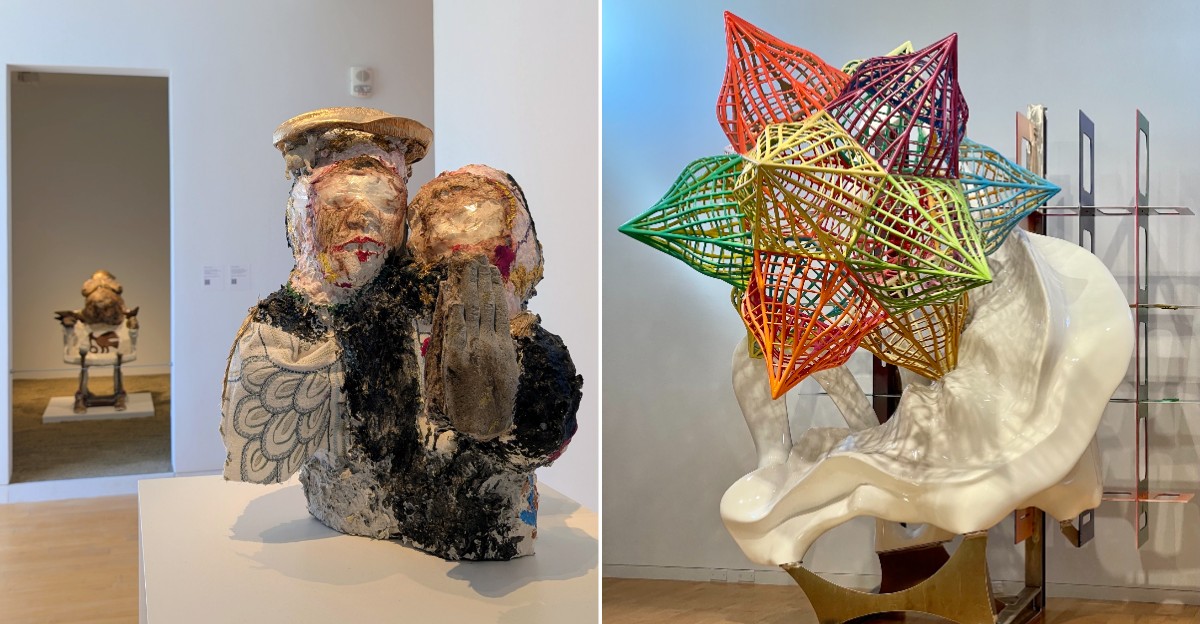
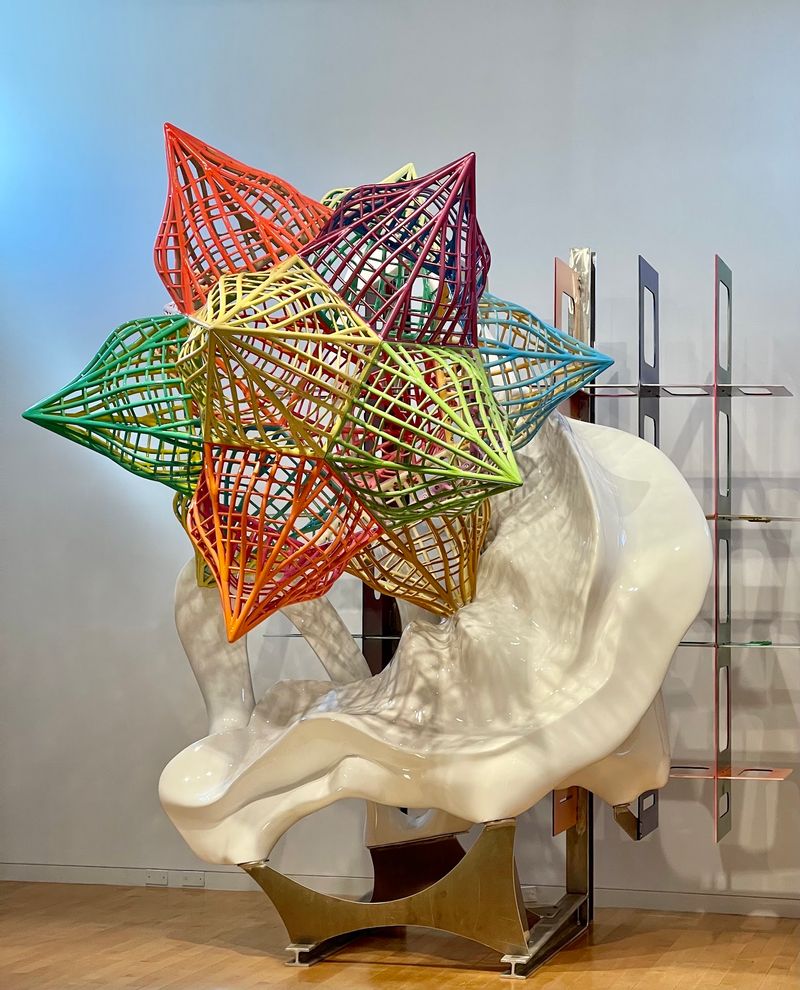
A giant sculpture that makes absolutely no sense at first glance? A room filled with artwork that looks nothing like anything you’ve seen before?
Good. That’s when an art museum gets interesting.
One Connecticut museum specializes in contemporary art exhibitions that aren’t afraid to surprise visitors or challenge their expectations.
And I have to admit, the idea of walking into a gallery without knowing what might be waiting sounds pretty entertaining.
You could find something beautiful, something completely baffling, or an artwork that makes you laugh for reasons you can’t explain.
Who decided art always has to be serious anyway?
The exhibitions change, too, so the experience isn’t necessarily the same every time.
I wonder how many visitors leave with an entirely different favorite than they expected.
1. A Fashion Designer Gambled His Picassos On This Idea
Selling a Picasso to open a museum? That’s a pretty bold move.
But one fashion entrepreneur had an even bigger idea in mind.
He wanted to create a space dedicated to the art of his own time, rather than the masterpieces of centuries past.
That ambition led Larry Aldrich to establish The Aldrich Contemporary Art Museum in Ridgefield in 1964.
Before entering the art world as a museum founder, Aldrich had already built a successful career in fashion. His personal collection included works by famous artists such as Picasso and Miró.
Instead of keeping those valuable pieces, he sold works from his collection to help finance his new project.
What makes the story even more interesting is where the museum first opened.
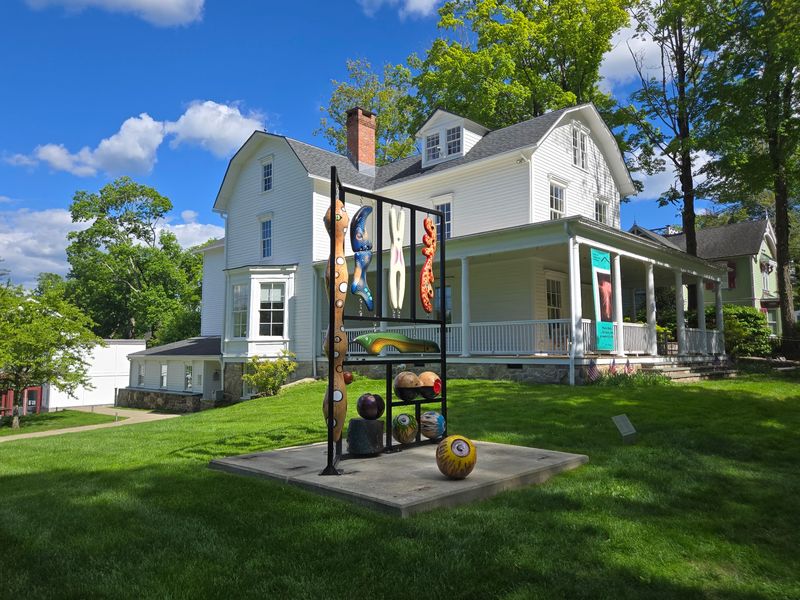
The original home was a historic building called Old Hundred, built in 1783. It had spent a century serving as a grocery and hardware store before later becoming a residence and church.
Quite a transformation for an old shop!
Today, Old Hundred still stands on the museum grounds, serving as administrative offices. The exhibition galleries moved into a newer building in 2004.
That unusual beginning says plenty about Aldrich’s vision. He wanted contemporary artists to have a place where their work could be seen and appreciated.
More than sixty years later, that idea remains central to the museum’s identity.
2. No Permanent Collection Means Every Visit Is A Surprise
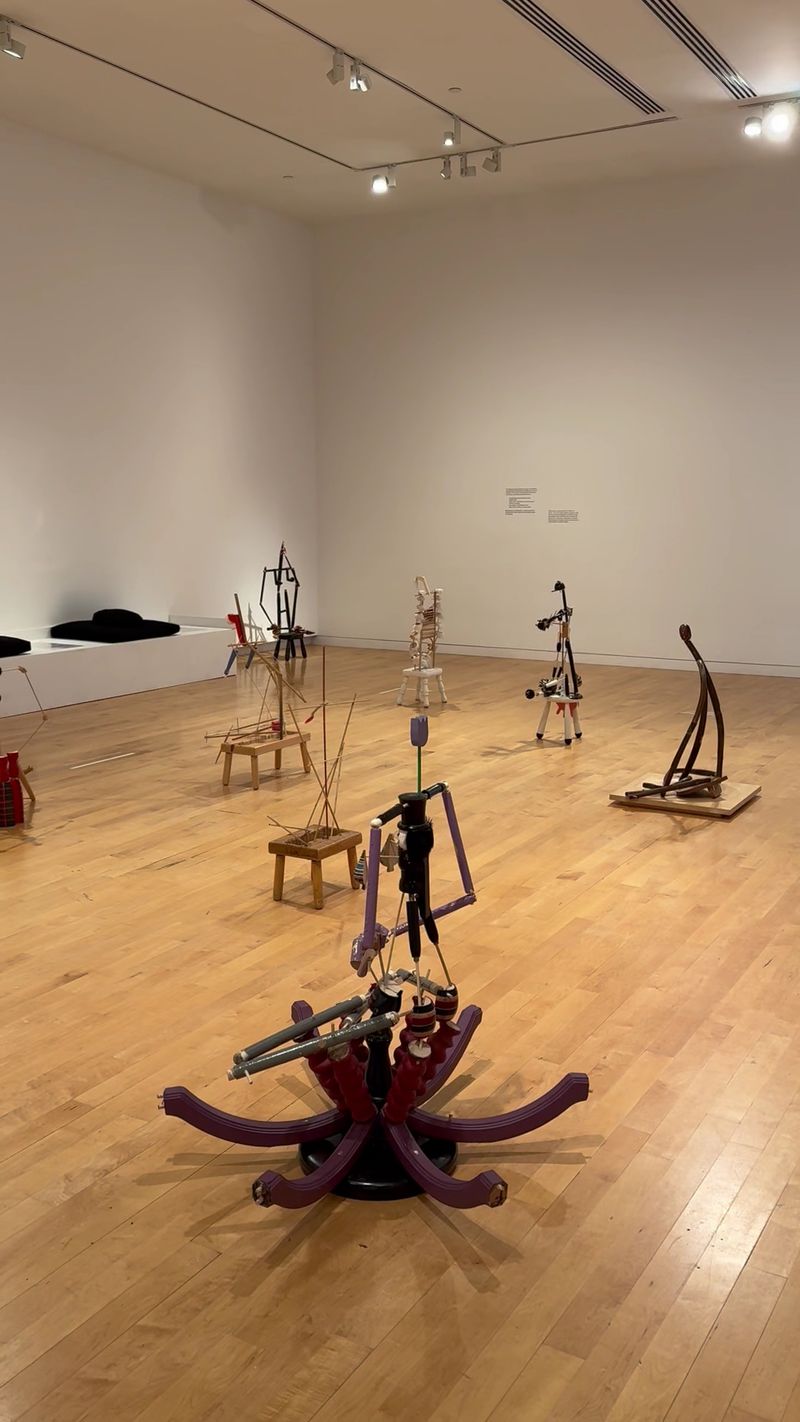
Most museums have a famous painting you can count on seeing. Here, nothing stays put for long.
In 1981, the board decided to deaccession the permanent collection. From then on, the museum focused only on showing contemporary art.
That choice changes everything about a visit. Every exhibition is temporary, so the galleries keep transforming throughout the year.
The Aldrich is one of the few independent, non-collecting contemporary art museums in the country. It’s also the only museum in the state dedicated solely to contemporary art.
So what does that mean for you? It means your trip last spring tells you almost nothing about what you’ll see next fall.
Some shows are thematic group exhibitions that explore big ideas about today’s world. Others spotlight a single artist in depth.
The museum also commissions new works. That means some pieces exist because this place asked an artist to dream them up.
Here’s my practical tip. Check the current exhibitions before you go, since the experience depends heavily on what’s showing.
Think of it like a favorite bookstore that rearranges its shelves constantly. You keep coming back because there’s always something you haven’t met yet.
3. Future Art Stars Often Get Their Big Break Right Here
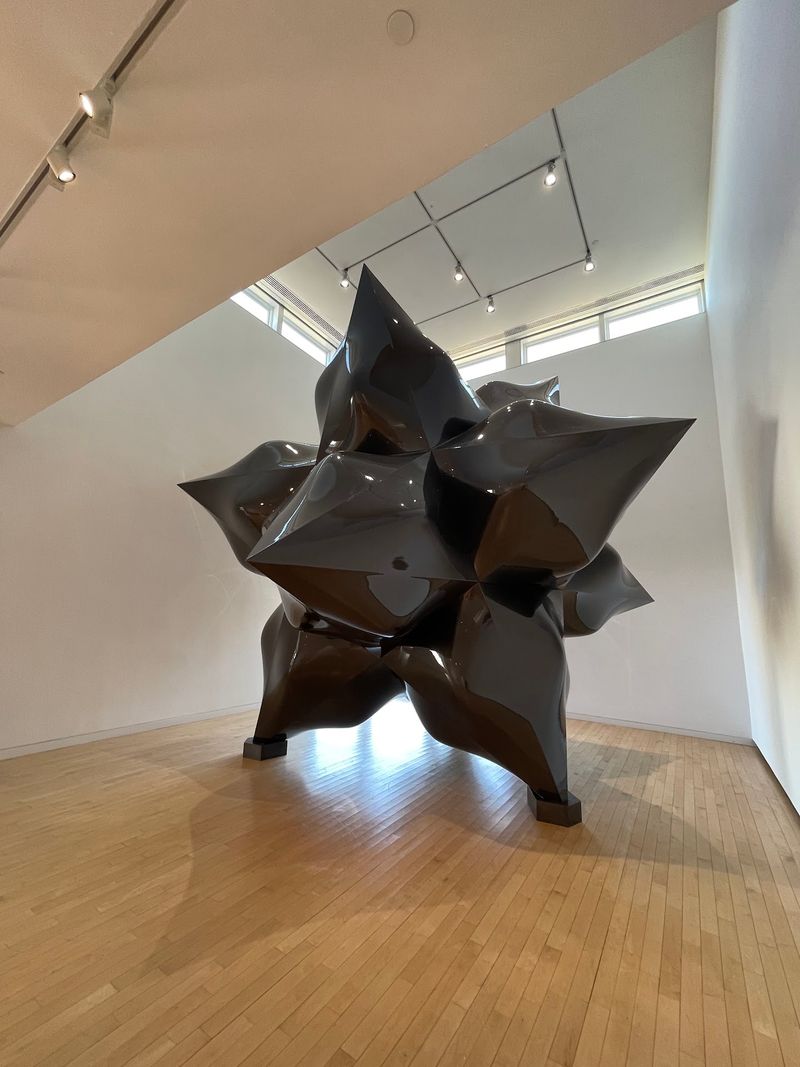
Eva Hesse, Robert Smithson, and Frank Stella all have ties to this museum’s history. So do Olafur Eliasson, Jack Whitten, and KAWS.
The Aldrich has helped introduce the work of many artists who later became widely celebrated. Huma Bhabha, Mark Dion, and Shahzia Sikander are on that list too.
That’s a pretty impressive track record for a museum on a small-town Main Street. It’s like a minor league team that keeps sending players to the big leagues.
The museum often presents first solo museum exhibitions by emerging artists. For many creators, that’s a huge career moment.
It also shines a light on mid-career and established artists whose work deserves more attention. Sometimes great talent just needs the right room.
The curators like to pair established and emerging artists together. Those pairings can spark surprising conversations between the works.
The museum calls itself an incubator for cutting-edge work. It aims to support artists at important turning points in their careers.
I can’t imagine a more fun bragging right. You might see someone’s early work here and recognize their name in a major museum years later.
4. Some Exhibitions Ask You To Listen, Touch, And Linger
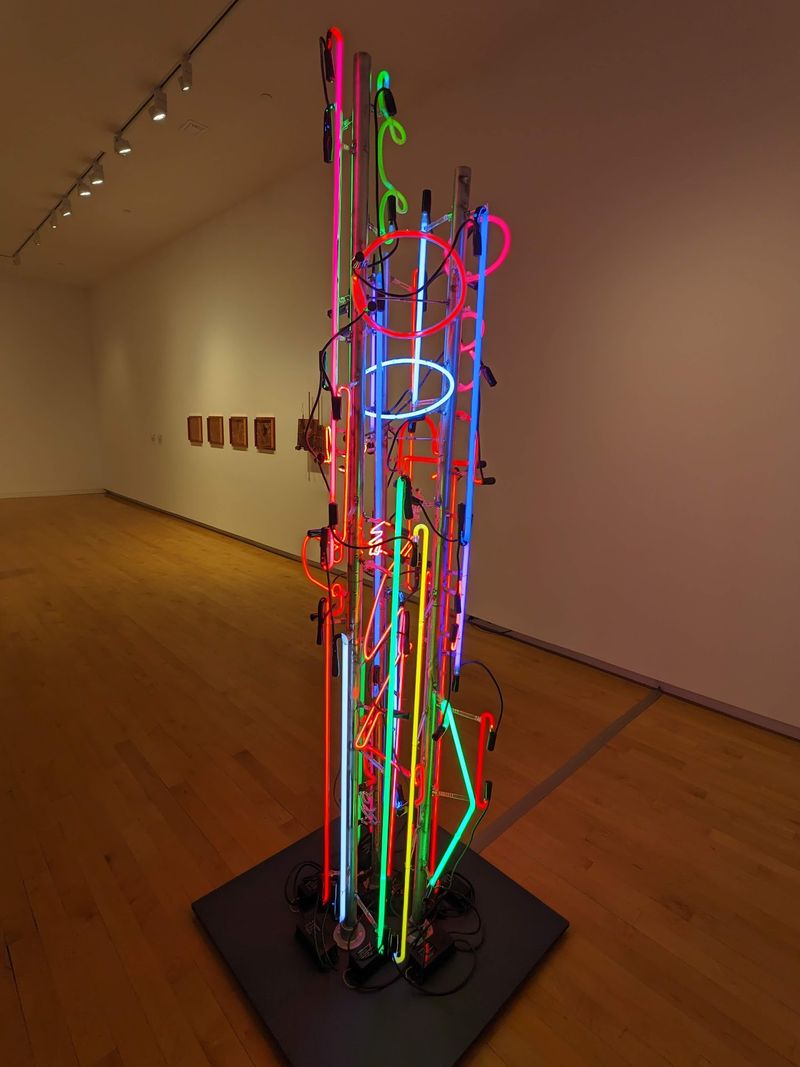
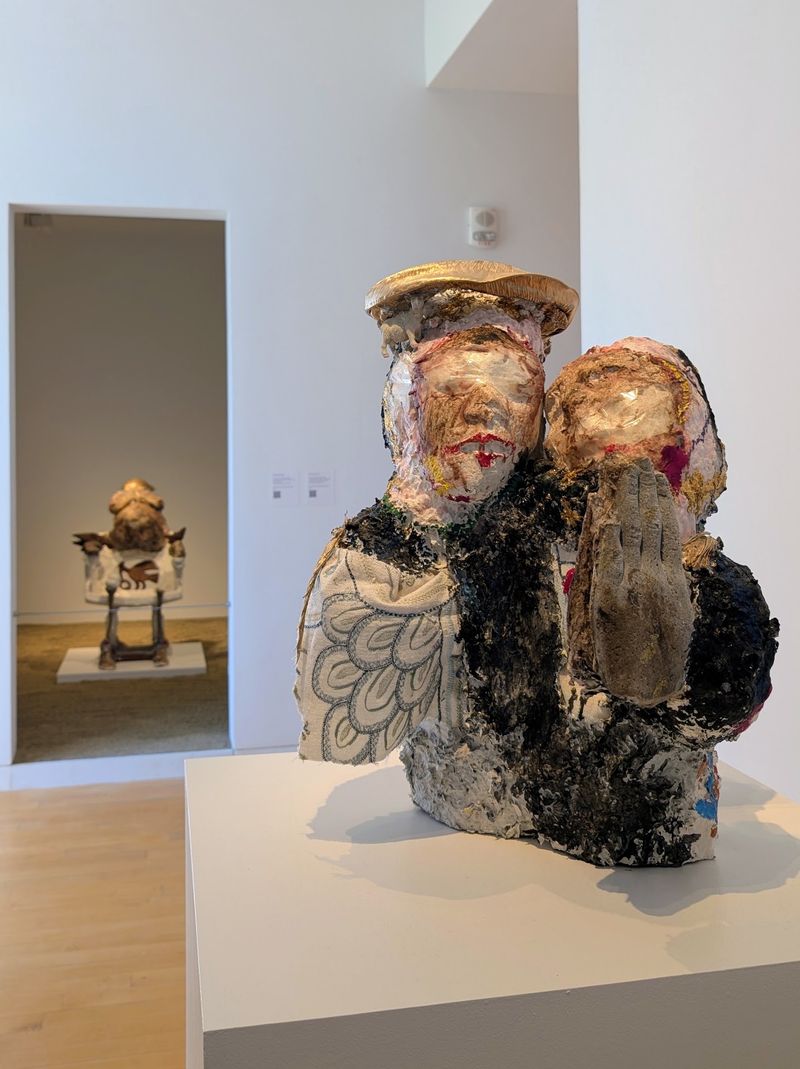
Quiet staring isn’t the only way to enjoy art here. Some exhibitions build immersive environments that engage touch, sound, and shared reflection.
Shows at The Aldrich are known for being thought-provoking and interdisciplinary. That means art can blend ideas, materials, and senses in unexpected ways.
The building was designed with that kind of creativity in mind. It includes dedicated spaces for sound and video art.
There’s also a screening room for moving images. A 100-seat performance space hosts live programs and presentations.
One standout is the 22-foot-high project space. Artists can go big there, and they sometimes do.
Galleries are reconfigurable too. Walls and layouts can shift to suit each new show, which helps explain why the place rarely feels the same twice.
Not sure how to approach something strange? Short context cards offer helpful background without overwhelming you with text.
Optional docent-led conversations can also open up a confusing piece. Asking questions is totally fine here.
My advice is simple. Slow down in the odd rooms, because the weirdest piece might end up being your favorite memory of the day.
5. The Building Itself Plays A Clever Game With New England Style
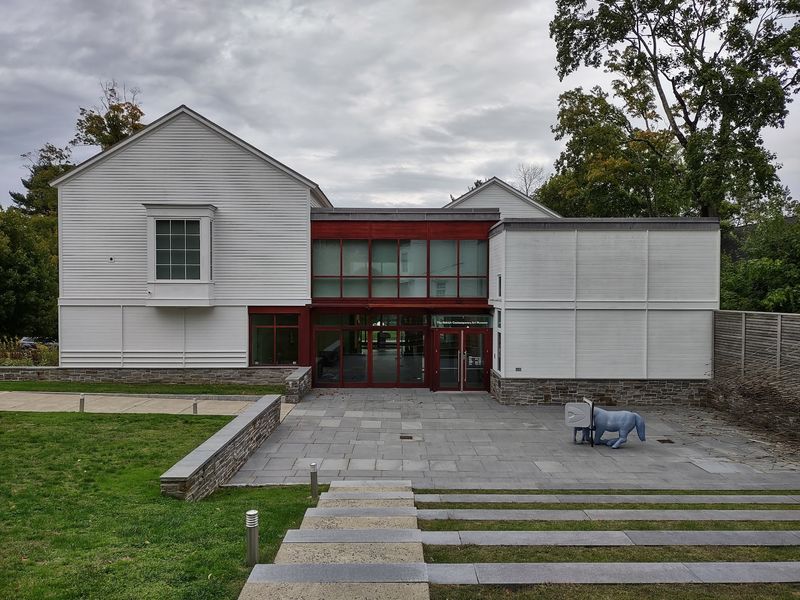
Architect Charles Mark Hay of Tappe Associates in Boston designed the museum’s current home. It opened in June 2004 after a major renovation and expansion.
The design abstractly references traditional New England architecture. It nods to the region’s classic buildings without copying them.
That’s a smart balance for a modern art museum on a historic street. It looks fresh, yet it doesn’t feel like a spaceship landed among old homes.
The project earned a design award from the American Institute of Architects. Not bad for a building with neighbors from the 1700s.
Inside, the galleries use neutral tones. Those calm colors let the artwork take center stage.
Large windows bring natural light into the gallery spaces. Sunlight can change how colors and shapes feel throughout the day.
The layout also lets you set your own pace. You can linger over a single piece or drift through several rooms without feeling rushed.
I like that the architecture supports the art instead of competing with it. Good design often works quietly, and this building seems to understand that very well.
6. Wander A Free Sculpture Garden From Dawn Until Dusk
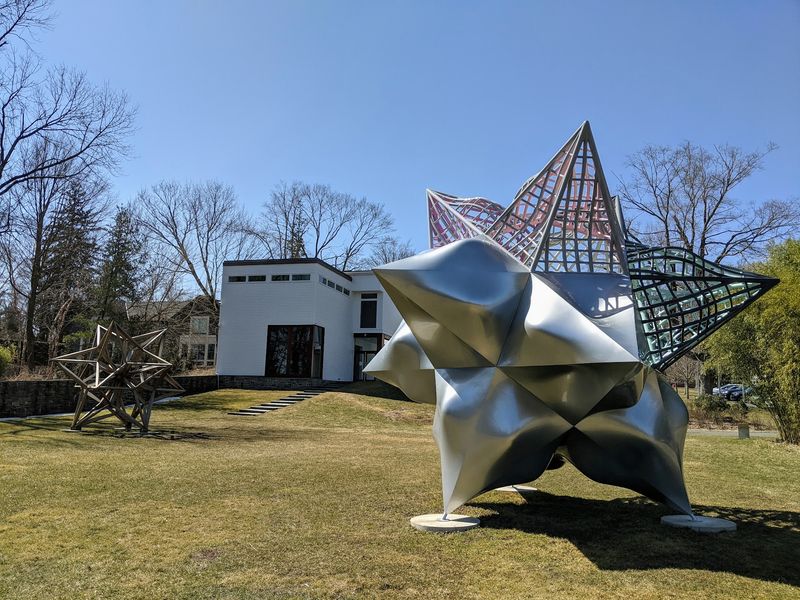
Good news for budget-minded art fans. The museum’s two-acre Sculpture Garden is free and open to the public from dawn until dusk, except during occasional closures for museum programs and private events.
Outdoor sculpture has been part of the museum since its start in 1964. The garden got a big upgrade more recently.
A renovation finished in November 2024 expanded outdoor exhibition space by about 50 percent. Landscape architecture firm STIMSON designed the update.
Winding pathways lead you through native plantings. Orchard trees and stone walls reflect the local Connecticut landscape.
The renovation focused on universal pedestrian accessibility. It also improved the connection to Main Street, so strolling in feels natural.
Don’t miss the amphitheater with granite risers and lawn treads. It’s a handy spot to pause and take in the scene.
The garden works as an outdoor gallery, not just a pretty yard. It hosts festivals, open-air classrooms, and performances.
Here’s a fun idea for a nice day. Pair a gallery visit with a slow garden loop, and you’ll get two very different moods from one stop.
Bring comfortable shoes and enjoy the fresh air.
7. Kids Get Their Own Space To Make Something Wonderful
Contemporary art can puzzle grown-ups, but kids often jump right in. The Aldrich gives them a place to do exactly that.
The Studio is an on-site space for learning and art-making. On weekends, it offers self-guided activities for all ages.
That’s a nice bonus for families. Young visitors can turn what they saw in the galleries into their own creations.
Education is a major part of the museum’s mission. It aims to be an innovator in museum education programs.
Workshops, tours, and presentations help connect people of all ages to contemporary art. These programs are designed for diverse audiences.
Parents will appreciate the practical details too. Strollers are permitted throughout the museum, and elevators make getting around easier.
Accessible restrooms include changing stations. Little things like that make a family outing far less stressful.
The museum’s manageable size helps as well. Short attention spans won’t get worn out by endless hallways.
My tip is to let kids lead sometimes. Ask them what a piece reminds them of, because their answers might be the most creative art criticism you hear all day.
8. Plan Around Tuesdays And Explore Historic Main Street Too
Modern art and centuries-old history make a surprisingly good pair. One afternoon can take you from unusual exhibitions to buildings that have stood for generations.
Even the surrounding streets have stories worth exploring.
That’s part of the appeal of The Aldrich Contemporary Art Museum, which sits along Ridgefield’s historic Main Street.
The museum belongs to a neighborhood known for its cultural attractions. Nearby Keeler Tavern Museum & History Center adds another interesting stop, with roots stretching back to the 18th century.
You can enjoy contemporary artwork first, then spend some time exploring the town’s older landmarks.
Before planning your visit, check the museum’s schedule. Tuesday is the regular closing day, along with Thanksgiving, Christmas Day, and New Year’s Day.
Most days, doors open at noon and close at 5 PM. Saturday visitors get an earlier start at 10 AM.
Photography is generally welcome for personal use, although flash, video recording, and tripods aren’t permitted. Some artworks also have their own photography restrictions.
The museum’s address is 258 Main Street, Ridgefield, CT 06877, with free parking available on-site.
Before heading out, browse the museum shop for art-inspired gifts and souvenirs. It’s a nice way to finish an afternoon filled with unexpected discoveries.