You Won’t Believe How Many Natural Wonders Are Packed Into This Tiny Kentucky Town
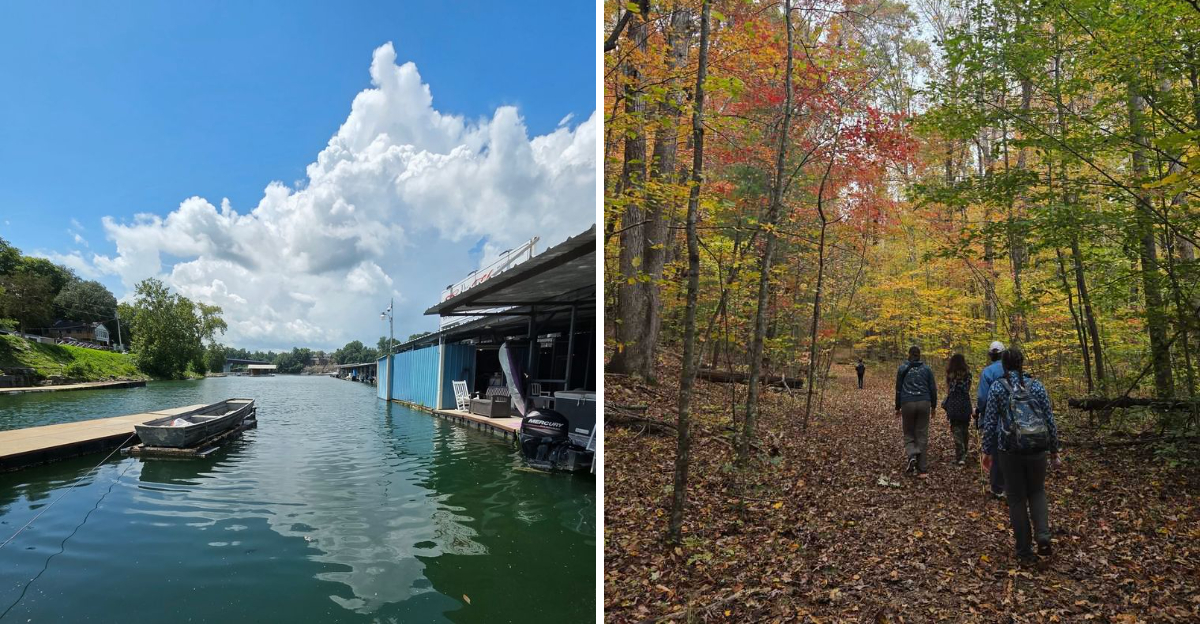
You could drive through this place and miss it entirely. Blink at the wrong moment and it is behind you.
The population would not fill a school bus.
Then you park, and the ground starts doing things you did not authorize. There are stone arches here that look structurally impossible.
There is a tunnel carved through solid rock that fits exactly one car and no confidence. Cliffs open up where the trees stop.
The waterfalls are a separate conversation.
Geologists have opinions about how all of this happened. You will have opinions too, mostly involving the word how.
Bring shoes you do not mind ruining. Bring a phone with battery left, because you will use all of it.
Most towns get one good view and build a whole identity around it. This one in Kentucky has more than it knows what to do with and has never bragged about a single one.
1. Perryville Battlefield State Historic Site Ridges

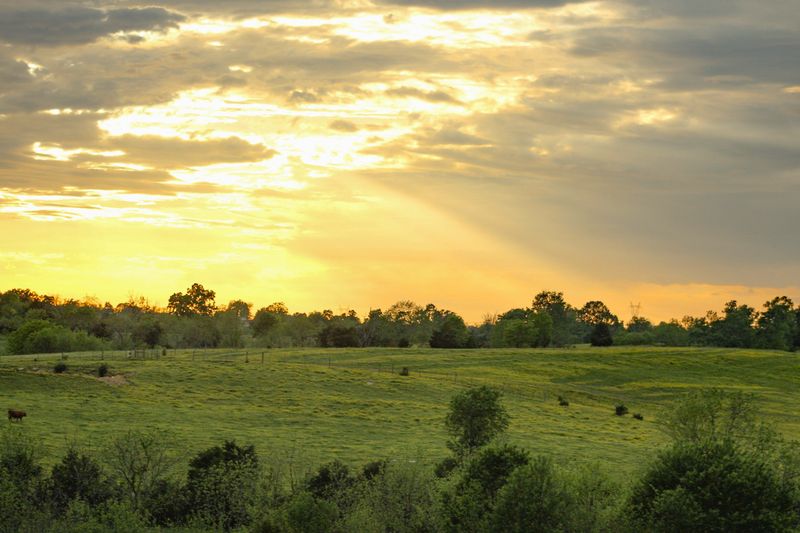
Perryville hides its best view behind a modest gravel parking lot. The ridges at Perryville Battlefield State Historic Site roll like slow ocean waves.
Walking trails cross open grassland and shaded fence lines. The elevation changes are gentle, but they add up in the best way.
Grass grows tall here in summer and turns straw-gold by fall. Wildflowers pop up along the edges without anyone planting them.
I took the loop closest to the visitor center first. It gave me a clear sense of how the land folds and dips.
Birds are everywhere on quiet mornings. Meadowlarks, bluebirds, and hawks all use these fields.
Bring sturdy shoes because the paths are mowed grass, not pavement. After rain, low spots stay soft for a day or two.
Shade is limited on the ridge tops, so a hat helps. Water matters more than you think out in the open.
The site protects hundreds of acres of preserved farmland. That means the horizon looks close to what it did generations ago.
Sunset here is the payoff. The ridges turn purple, and the valleys fill with soft haze.
Go slow and let the view do the work. It rewards patience more than speed.
2. The Bird Trail And Its Restored Prairie
Most people come here for the history and miss the grassland entirely. That is their loss.
The battlefield keeps a dedicated Bird Trail that winds through restored prairie. Native grasses grow chest high by late summer.
Restoration work like this is rare in central Kentucky. Most old grassland became pasture or subdivision generations ago.
Field sparrows and meadowlarks nest in the thick cover. Their songs carry farther than you expect across open ground.
Grasshopper sparrows show up too, which excites birders more than it should. They are small, plain, and hard to spot.
Hawks work the same fields from above. Red-tailed hawks perch on fence posts and wait.
Bring binoculars along if you own them. Most of what happens here happens at a distance.
Early morning gives you the most activity. Birds go quiet once the heat settles in.
The trail surface is mowed grass rather than gravel. It stays soft for a day after rain.
Nearly twenty miles of trail cross the property in total. You can walk for hours without repeating yourself.
Long pants help in tall grass. Ticks are part of the deal in summer.
Go in May if you can. Migration turns the whole place noisy.
3. Doctor’s Creek And Its Limestone Shallows
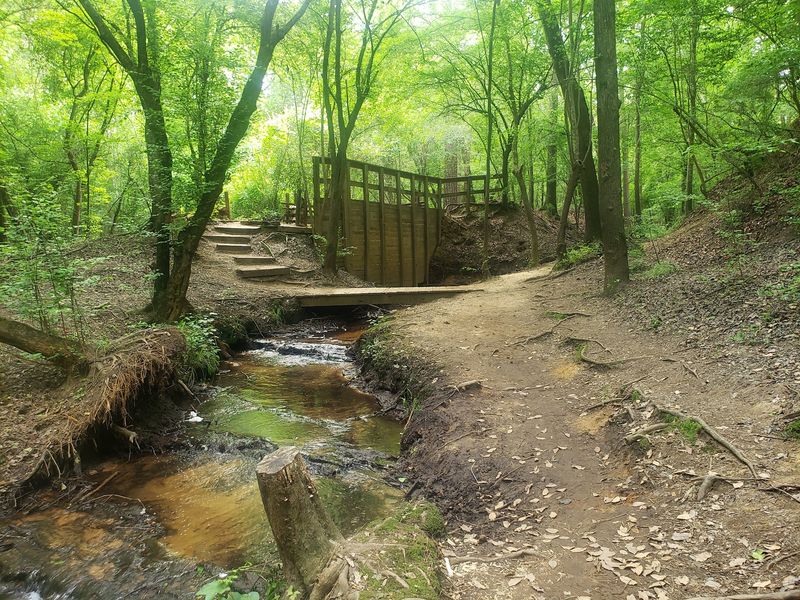
Water started the fighting here, and water still defines the ground. Doctor’s Creek still runs through the battlefield just north of town.
In dry months it moves shallow and clear over limestone shelves. After a hard rain it swells fast and pushes hard.
Sycamores lean across the banks with pale peeling bark. Their roots grip the soil like knotted rope.
Crayfish sit under flat stones in the shallows. Kids find them within about two minutes of looking.
Deer trails drop down to the water in several places. Early morning gives you the best chance of seeing one drink.
The limestone is soft enough to carve small ledges and pockets. That is classic central Kentucky geology doing its usual work.
Footing near the water turns slick without warning. Old sneakers beat sandals every single time.
Dragonflies patrol the surface all summer. Their wings catch light like small pieces of glass.
I sat on a ledge one afternoon and just listened. Moving water covers every other sound.
Stay inside marked public access areas. Much of the surrounding land is private farmland and stays that way.
Creeks like this one are why the valleys stay green. They quietly feed everything growing around them.
4. The Chaplin River Bottomlands
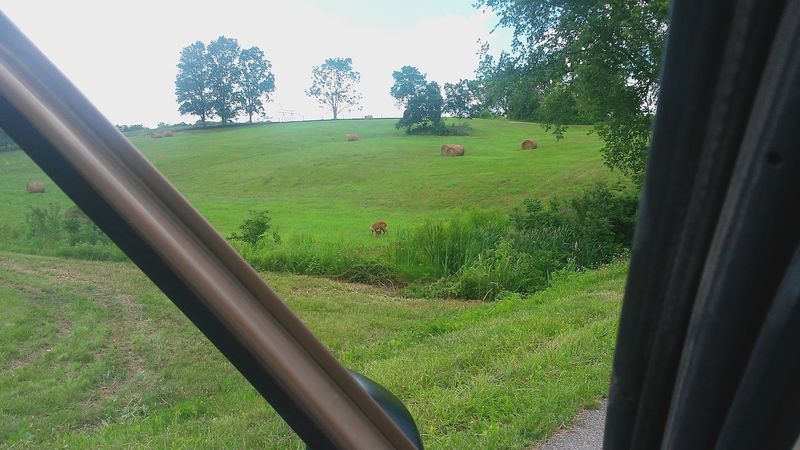
Rivers get the attention, but the low ground beside them holds the variety. The Chaplin River curls past Perryville and leaves rich bottomland behind.
Soil down here runs deep and dark from centuries of flooding. Trees grow tall and fast because of it.
Silver maples and box elders crowd the banks. By late spring the canopy closes overhead like a green roof.
Wood ducks favor the quieter bends. They flush loudly if you get close, which startles me every time.
The water level swings hard through the year. Summer usually leaves gravel bars exposed and easy to reach.
Bird song stacks up in April and May. Warblers move through in waves and never sit still.
Mud is part of the experience after rain. Boots will save your afternoon more than once.
Watch for poison ivy climbing the older trunks. It grows thick and hairy where nobody trims it.
Morning fog settles over the water and hangs around past sunrise. The whole valley feels older than it is.
Bring small binoculars if you have a pair. More is moving in those branches than you would guess.
Check access before you go. Much riverbank belongs to farms, so stick to public ground.
5. Central Kentucky Wildlife Refuge In Parksville
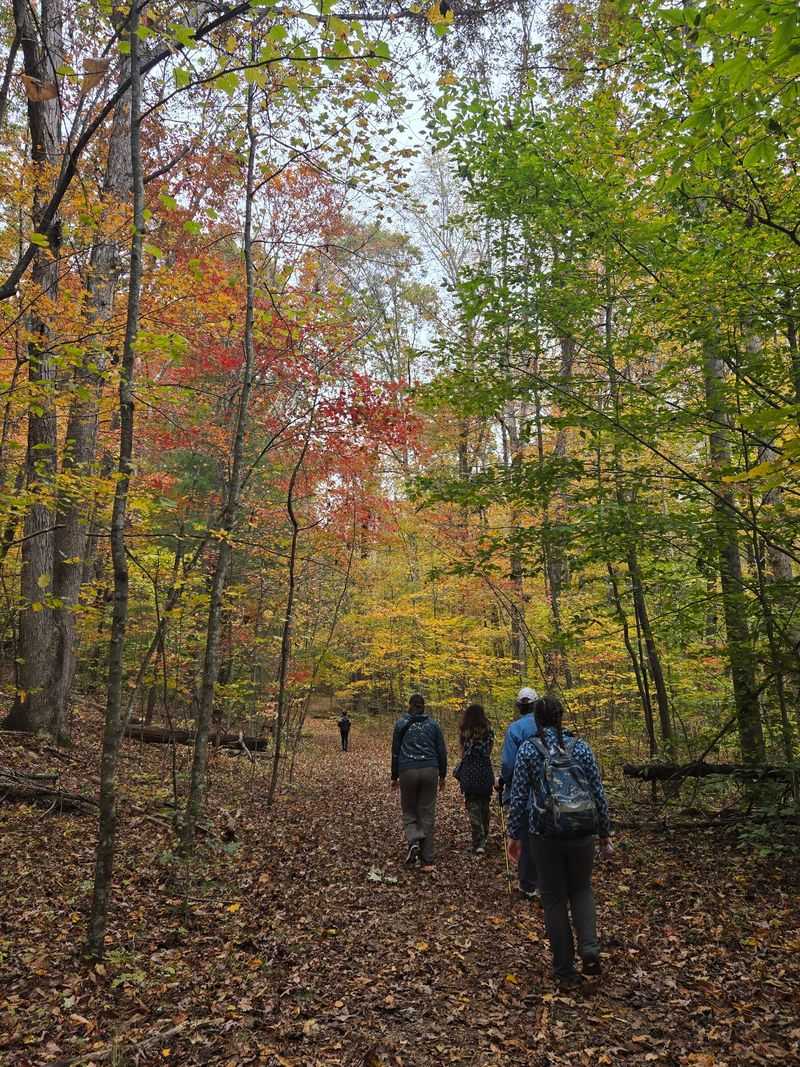
A short drive south of town puts you somewhere completely different. Central Kentucky Wildlife Refuge sits on Carpenter Creek Road in Parksville.
This is woodland rather than open field. Trails climb, drop, and wind under a real canopy.
The Circle Trail is the main loop and it earns its moderate rating. Hills are steady rather than brutal.
Brooks Hollow connects off it and passes three separate ponds. That detour is worth the extra time.
Trail marking here is unusually good. Signs and painted blazes keep you oriented the whole way.
Wildlife shows up reliably. Visitors report deer, wide varieties of birds, and bats roosting in the quieter corners.
Fungi thrive in the damp shade. After a wet week the forest floor turns strange and colorful.
Acorns cover the path in October and roll underfoot. Watch your step on the descents.
Maps sit at the entrance in printed form. Grab one even if you plan a short walk.
The refuge runs on donations rather than admission fees. A small contribution keeps it protected.
Go on a weekday if you want the place to yourself. Some visitors report seeing nobody at all.
Bring plenty of water because there is no shop nearby.
6. Herrington Lake And Its Steep Green Shoreline
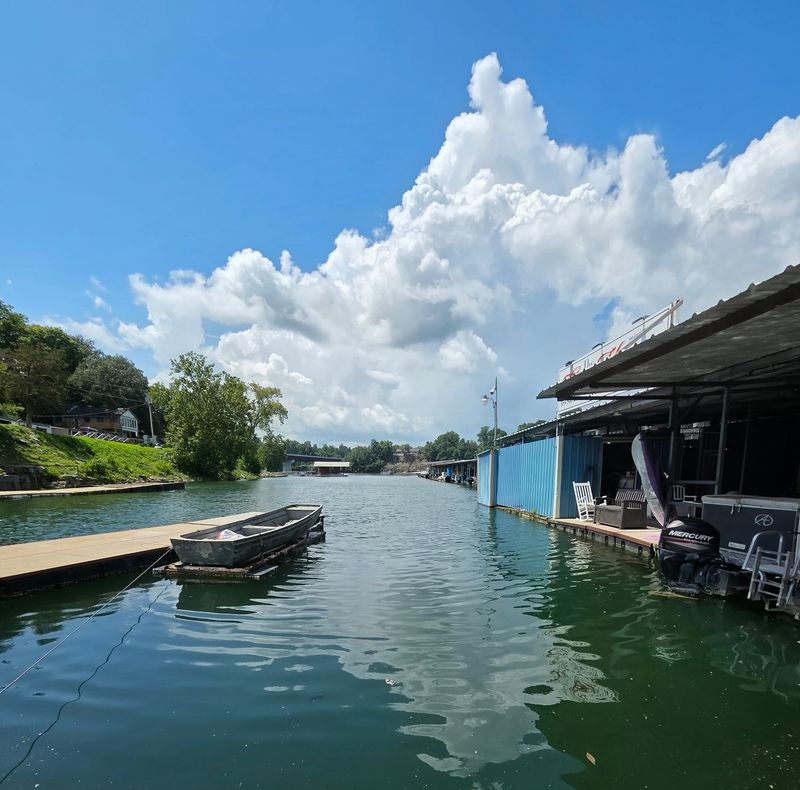
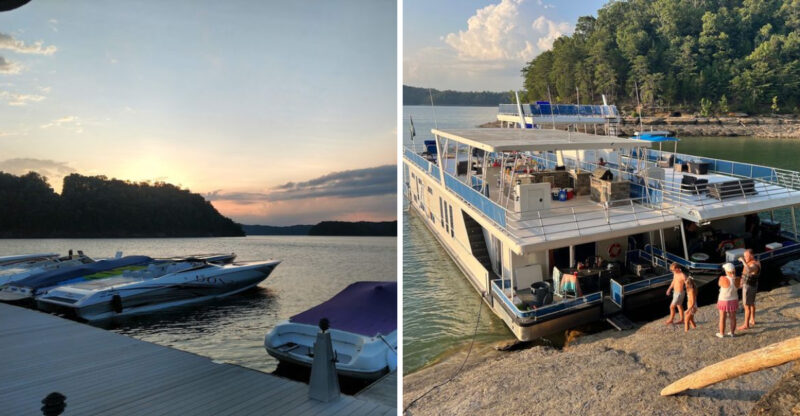
Twenty minutes east of Perryville the land drops away into water. Herrington Lake fills a deep, narrow valley along the Boyle County line.
This is not a flat prairie lake. Steep wooded bluffs run right down to the shoreline.
The shape follows the old river channel, so the lake bends and narrows constantly. New views open around every turn.
Depth changes a lot depending on how close you get to the dam. Locals know exactly where the good spots sit and rarely share.
Boating and jet skis dominate warm weekends. Weekday mornings feel far quieter.
Marinas provide most of the public access. Walking the full shoreline is not possible, which surprises first-time visitors.
Some marinas include restaurants with dock seating. Eating over the water is worth the detour by itself.
Fishing pressure is real but the lake still produces. Early and late hours beat the middle of the day.
Fall color reflects off the surface in October. The bluffs turn gold and rust above the waterline.
Check conditions before driving out. Water clarity varies through the season.
Bring sunscreen because shade on open water is nonexistent.
Boats give you the most of it, though marina docks work fine without one.
7. Old Stone Fences And Limestone Outcrops

Rocks tell stories if you slow down enough to read them. Central Kentucky sits on thick layers of ancient limestone.
Around Perryville that stone breaks through the surface in ledges and shelves. Some outcrops sit right beside the road.
The rock holds tiny fossil shapes. Look closely and you may find shell patterns left by an ancient sea.
Farmers used the same stone to build dry-stacked fences. No mortar holds them together, only careful balance and weight.
Many of these fence lines have stood well over a century. Moss and lichen have claimed the top stones.
Limestone also explains why the water here runs so clear. It filters the springs and adds minerals along the way.
Bluegrass pastures thrive because of the calcium in this soil. That mineral connection built Kentucky’s horse reputation.
Please do not climb the old walls or pull stones loose. They are far more fragile than they look.
Roadside pull-offs give you the safest views. Traffic on rural routes moves faster than expected, so park well clear.
Rain darkens the stone and brings out the texture. Gray days turn out to be surprisingly good camera days.
Small details like these make the whole landscape feel handmade.
8. Wildflower Meadows Through High Summer
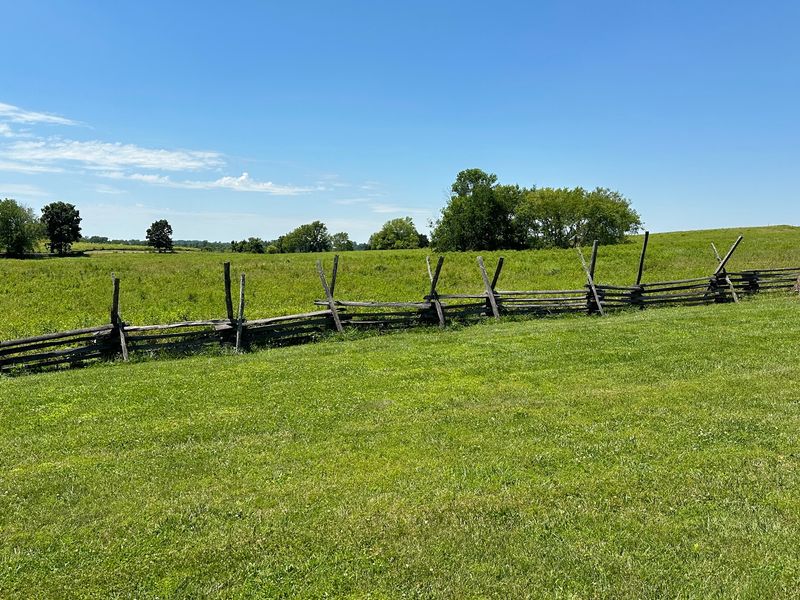
Someone once told me Kentucky fields are just grass. That person clearly never walked these meadows.
Black-eyed Susans take the field first with bright yellow heads. Ironweed follows in deep purple clusters.
Queen Anne’s lace lines the trail edges by midsummer. The flat white blooms look like small lace plates.
Bees work the meadow constantly on warm days. You hear them well before you see them.
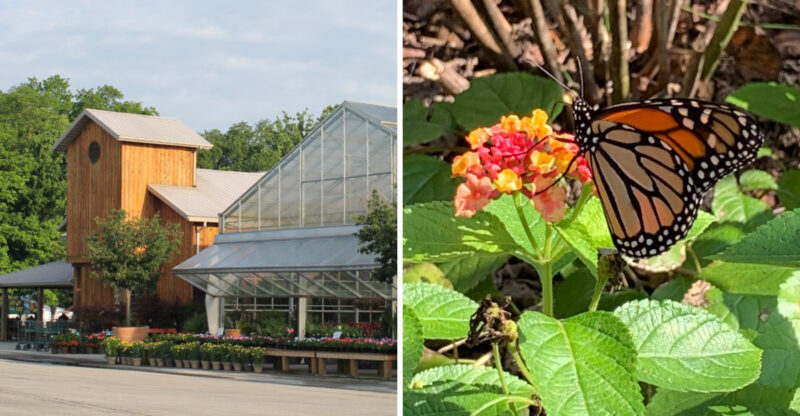
Butterflies love the open sun and the flower density. Monarchs pass through during their fall movement south.
Mowing on a schedule keeps these fields open. Without it, young trees would swallow the grassland in a decade.
Goldenrod fills in during late summer and early fall. It turns entire slopes a soft yellow.
Ticks live in tall grass, so long pants make sense. A quick check afterward is just good practice.
Photographers get the best color roughly an hour before closing time. Low light makes the blooms glow.
Seed heads stay standing all through winter. Sparrows and finches feed on them once snow covers the ground.
Bring a plant app if you like naming things.
Every visit looks different depending on the month. That is exactly what keeps people driving back out here.