You Won’t Believe This Picturesque Nebraska Village Feels Like A Tiny Corner Of Denmark
A village does not need castles to feel a little European.
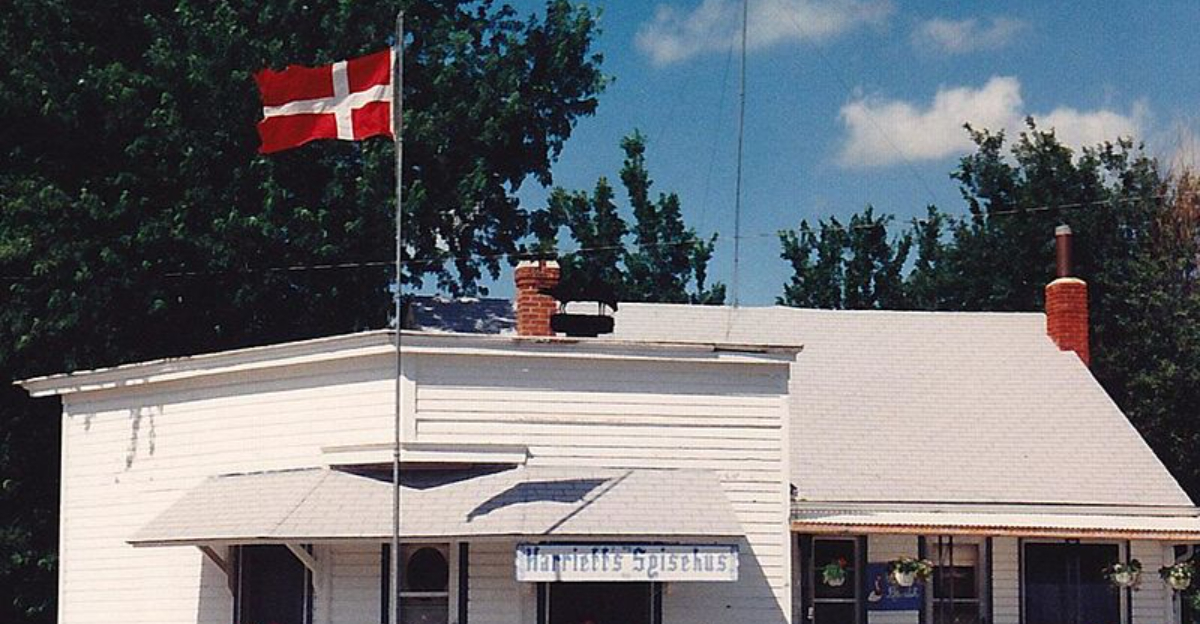
Sometimes, pride does the work. So do Danish flags, tidy streets, local traditions, and a slower pace that makes people look around.
The charm is simple, but it feels specific. Nothing about it needs to shout.
A tiny corner of Denmark can show up in Nebraska with more charm than most travelers expect.
The surprise is how quickly the details add up. This is not just another quiet village with friendly faces.
It carries a cultural story. Community celebrations and small reminders of early settlers give the whole place a stronger sense of identity.
The appeal stays gentle. History is part of it. So is the feeling that this small place kept its roots close.
For travelers chasing something different, a simple Nebraska stop can feel like a tiny passport stamp without leaving the state.
A Village Named After Denmark’s Famous Red-And-White Flag
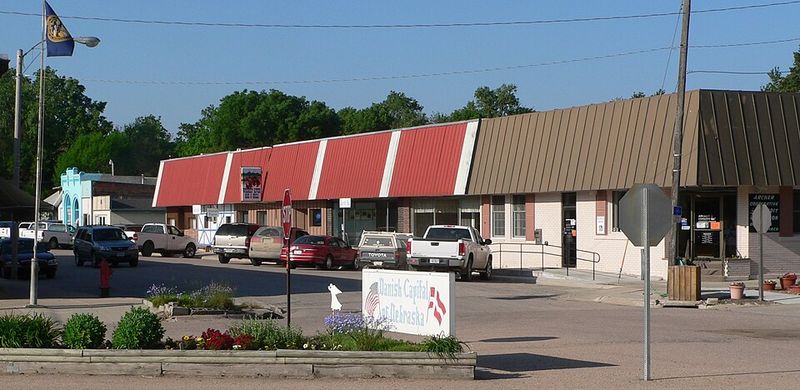
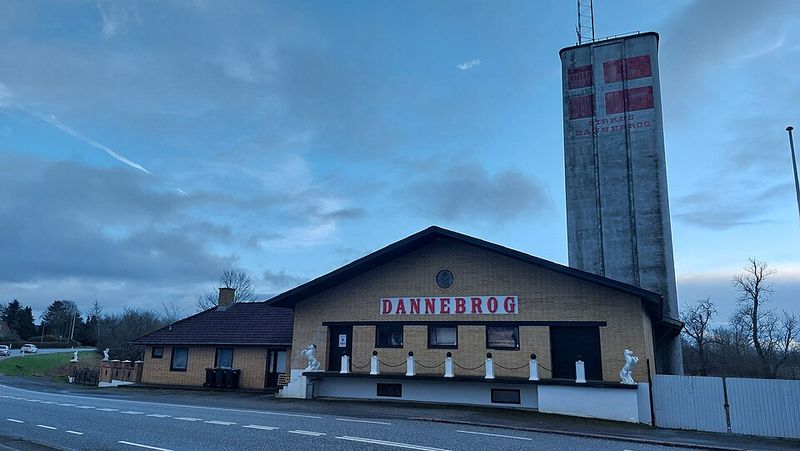
Few American towns carry a name as meaningful as Dannebrog.
The word itself is the romantic Danish name for Denmark’s national flag, a bold red banner crossed with white stripes that has flown over Scandinavia for centuries.
Back in 1989, the Nebraska Legislature made it official by proclaiming Dannebrog the Danish Capital of Nebraska, a title the village wears with quiet pride.
That proclamation was not simply ceremonial. It reflected a genuine, living connection to Danish culture that has been carefully maintained through generations of community effort.
Visitors who arrive expecting just another small Midwestern town tend to leave pleasantly surprised.
The name on the welcome sign is only the beginning of what makes this village stand apart from its neighbors.
Every street, building, and seasonal event in Dannebrog seems to echo that original act of naming, honoring a heritage that crossed an ocean and took firm root in Nebraska soil.
Danish Immigrants Started The Community In The 1870s
Every community has an origin story, and Dannebrog’s is one of purpose and determination.
In the early 1870s, a group of Danish immigrants made their way from Wisconsin to the rolling landscape of Howard County, Nebraska, drawn by fertile soil and the dream of building something lasting together.
Lars Hannibal led that group of settlers to the valley along Oak Creek, where the land felt promising and the surroundings offered the kind of natural shelter that early pioneers valued.
The first post office was established in the settlement in 1872, which marked an early milestone in the community’s growth and gave it an official place on the map.
What those early settlers built was more than a farming community. They created a cultural anchor, a place where Danish language, traditions, and values could survive and thrive far from home.
That founding spirit did not fade with time.
Instead, it became the foundation for everything Dannebrog still celebrates today, from its festivals to its architecture and the everyday pride its residents carry in their heritage.
Columbia Hall Preserves More Than A Century Of Local History
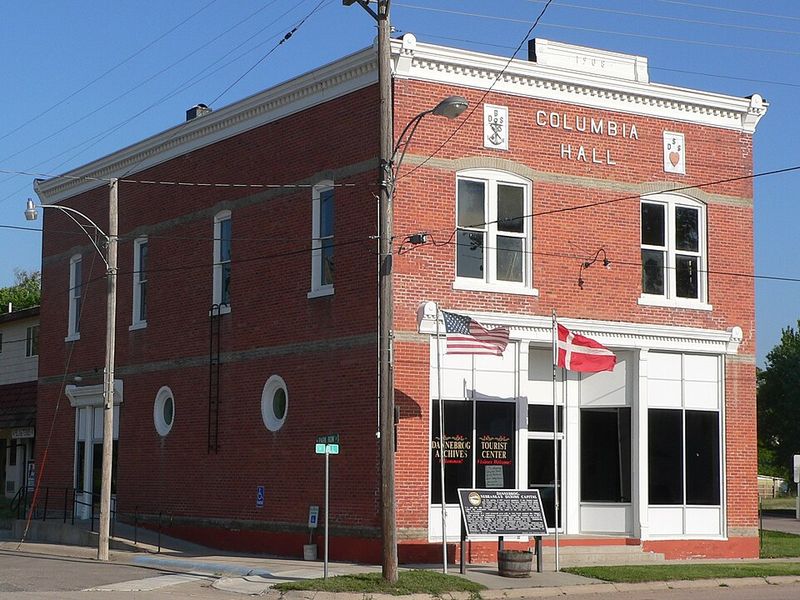
Standing at the intersection of NE 58 and W. Roger Welsch Ave. in Dannebrog, Columbia Hall is one of the most visually striking structures in the village.
The two-story brick building was constructed in 1908 by the Danish Brotherhood Society, originally serving as a gathering place for the Danish community in Howard County. Over time, its role evolved.
Today Columbia Hall functions as an Archives and Tourist Center, housing historical photographs from the 1800s alongside Danish encyclopedias and other preserved materials that document the village’s long cultural history.
On July 22, 2005, the building was officially listed on the National Register of Historic Places, cementing its importance beyond the local community.
Stepping inside feels like opening a living scrapbook of Danish-American life on the Great Plains.
The photographs alone offer a fascinating window into what daily life looked like for the settlers who built this community from scratch.
For anyone interested in local history or genealogy connected to Danish immigration in Nebraska, Columbia Hall is a genuinely worthwhile stop that rewards curiosity with real depth and detail.
Red-And-White Details Keep The Danish Connection Visible
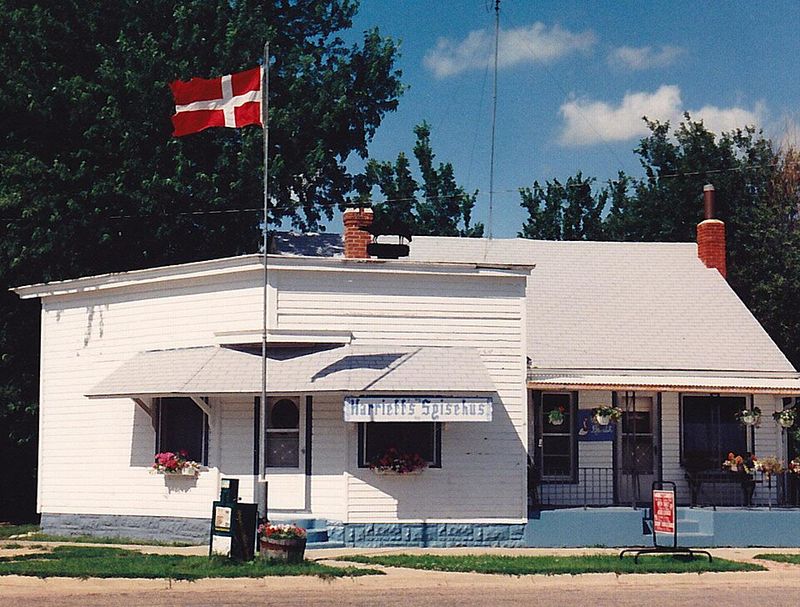
Walking through Dannebrog feels a little like flipping through a travel magazine spread on a Scandinavian village, except the setting is firmly Nebraska.
Red and white show up everywhere, from painted business signs to decorative benches lining the sidewalks, all keeping the Danish color palette alive in an unmistakably American landscape.
Flowers, gifts, and hand-painted details add warmth to storefronts and public spaces throughout the village.
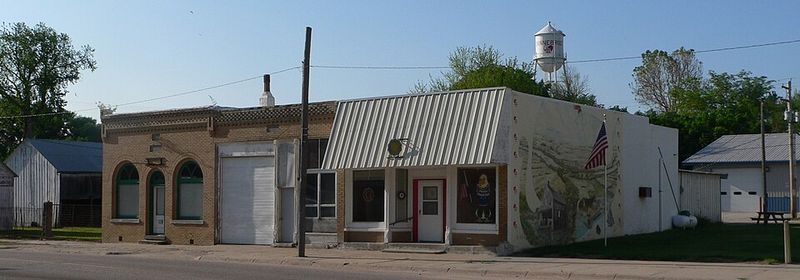
One of the most eye-catching features is a local mural depicting a Danish Viking ship surrounded by traditional Danish hearts, a bold piece of public art that tells the community’s story at a glance.
These details are not just decorative. They serve as a daily reminder of where the community came from and what it continues to value.
For visitors, the visual consistency of red and white throughout the village creates a sense of place that feels intentional and genuine rather than staged.
Spending even a short time walking the streets of Dannebrog gives a clear picture of how deeply heritage can shape the look and feel of a place, even generations after the original settlers arrived.
The Danish Baker Brings European Flavor To Mill Street
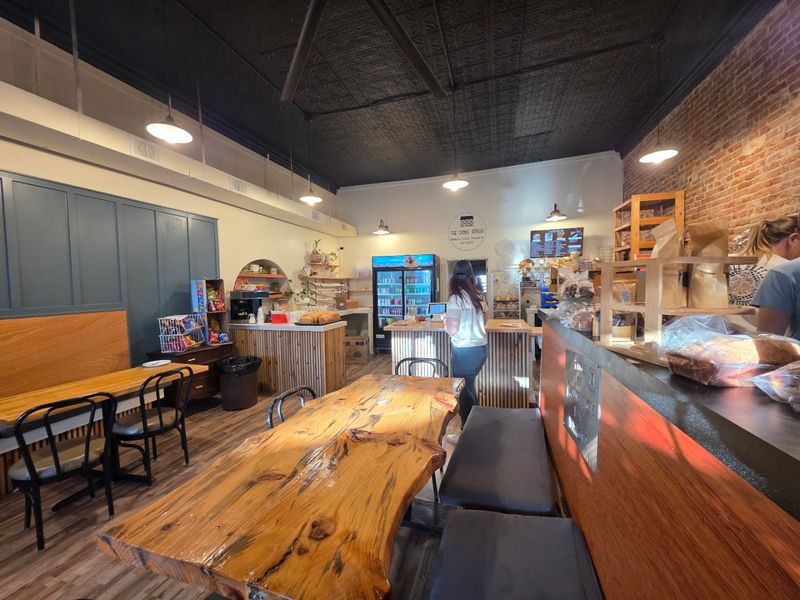
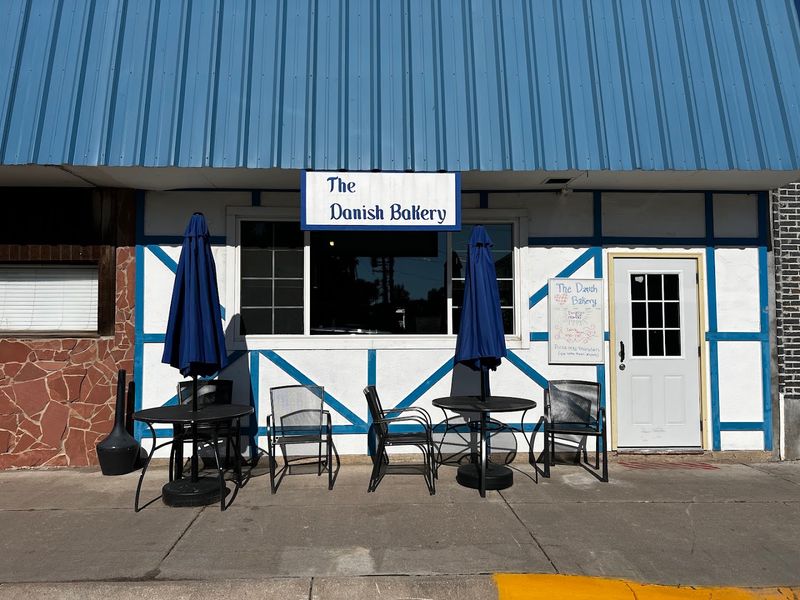
Some places earn their reputation one baked good at a time, and the Danish Bakery on Mill Street in Dannebrog has been doing exactly that.
At 114 S Mill St, Dannebrog, NE 68831, the bakery draws visitors and locals alike with an impressive spread of European-inspired items that go well beyond the average small-town shop.
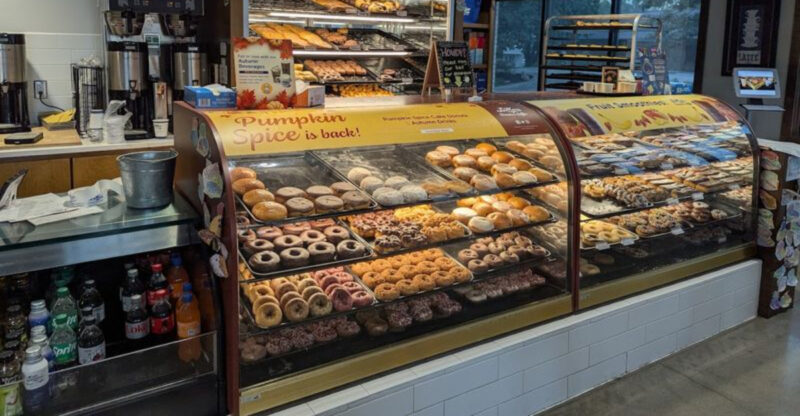
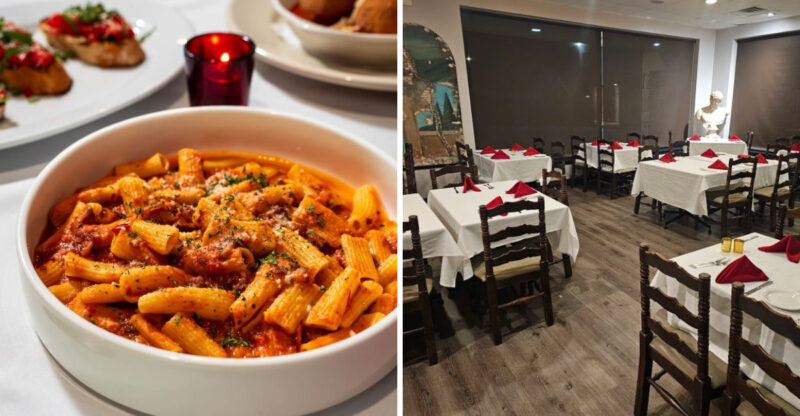
Fresh sourdough breads, kolaches, cinnamon rolls, and an assortment of cookies fill the display cases on a regular basis.
Breakfast sandwiches and daily lunch specials round out the menu, giving the bakery a practical appeal for visitors who want a full meal rather than just a pastry to go.
Thursday evenings bring something especially popular: thick, generous pizzas that have developed a loyal following among regulars and road-trippers passing through Howard County.
The atmosphere inside tends to be relaxed and unhurried, which suits the overall pace of the village well.
Visiting the Danish Bakery is one of the most straightforward ways to experience the European flavor that Dannebrog works so hard to preserve, and the food speaks clearly for itself without needing any extra marketing.
A Wooded Trail Offers More Than Three Miles To Explore
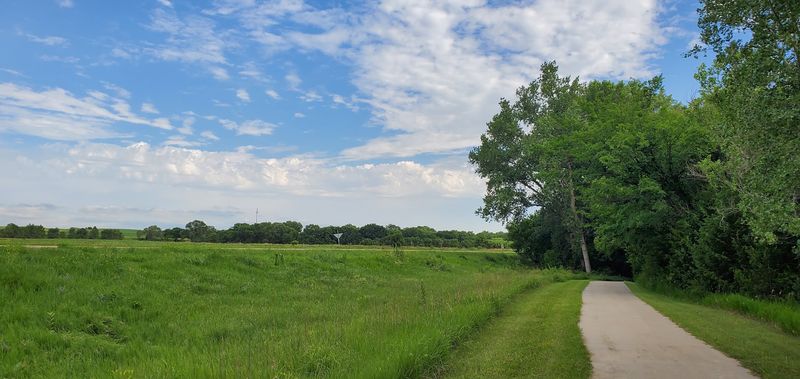
Hard-surface trails through wooded terrain are not something most people expect to find in a village of under 300 residents, but Dannebrog delivers one that genuinely stands out.
The Dannebrog Trail stretches over three miles along an abandoned Union Pacific rail line, offering a smooth pathway suitable for both hiking and biking at a relaxed pace.
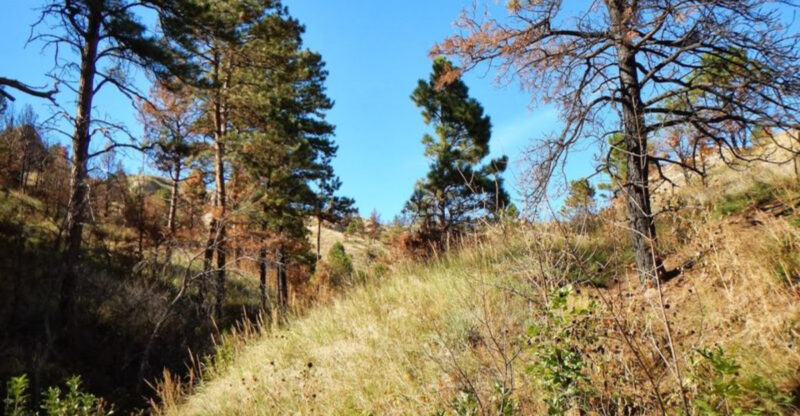
The route winds through wooded sections that include Hannibal Woods, a natural area that adds shade and a sense of seclusion even though the village is never far away.
A bridge crossing over Oak Creek serves as one of the trail’s highlights, giving walkers and cyclists a moment to pause and take in the water and surrounding trees from a slightly elevated vantage point.
Maintenance of the trail falls to the village board, which reflects how seriously the community takes its outdoor spaces.
For visitors who want to stretch their legs and experience the natural side of Dannebrog beyond the main street, the trail provides a satisfying option that does not require any special equipment or prior planning.
It is the kind of trail that rewards a slow, unhurried pace and works equally well for a solo walk or a casual family outing.
Grundlovsfest Turns Danish Heritage Into A Community Celebration
Every year during the first weekend of June, Dannebrog fills with a celebratory energy that connects the present community to its Danish roots in a direct and joyful way.
Grundlovsfest is an annual festival that commemorates Grundlovsdag, which is the Danish holiday marking the signing of Denmark’s constitution and is widely recognized as Danish Independence Day.
For a village of Dannebrog’s size, hosting an annual heritage festival of this nature is a meaningful commitment.
The event brings together residents and visitors who share an interest in Danish culture, history, and community life, creating a gathering that feels both locally rooted and genuinely welcoming to outsiders.
The timing in early June suits the Nebraska landscape well, with longer days and warmer temperatures making outdoor celebration comfortable and enjoyable.
Grundlovsfest is not a large commercial event with elaborate production.
Instead, it carries the character of a true community celebration, the kind where the participation of local people is what gives it meaning and makes it worth the drive.
For travelers looking to experience Dannebrog at its most culturally vibrant, planning a visit around this festival is a smart and rewarding choice.
An Old-Fashioned Danish Christmas Returns Every December
December in Dannebrog brings a holiday tradition that feels warmly distinct from the typical American Christmas experience.
The Old Fashioned Danish Christmas event returns each year during the second weekend of December, transforming the village into a setting that echoes the seasonal customs of Scandinavia with a genuine community spirit behind it.
The winter timing adds its own atmosphere. Nebraska in December can be cold and quiet, which actually suits a celebration rooted in the cozy, candlelit traditions of Danish holiday culture.
The red and white details that define the village year-round take on a festive quality in the context of the season, making the visual experience of walking through Dannebrog in December feel particularly cohesive.
For families and individuals looking for a holiday outing that feels different from the usual seasonal routines, this event offers something with real cultural substance.
The celebration reflects the same commitment to heritage that shapes every other aspect of life in Dannebrog, and it provides a natural endpoint to the village’s annual calendar of Danish-inspired events.
Arriving on a crisp December weekend to find a small Nebraska village honoring Scandinavian Christmas traditions is the kind of unexpected discovery that tends to stay with visitors long after the drive home.