Your First Visit To This Breathtaking Botanical Garden In Minnesota Will Stay With You
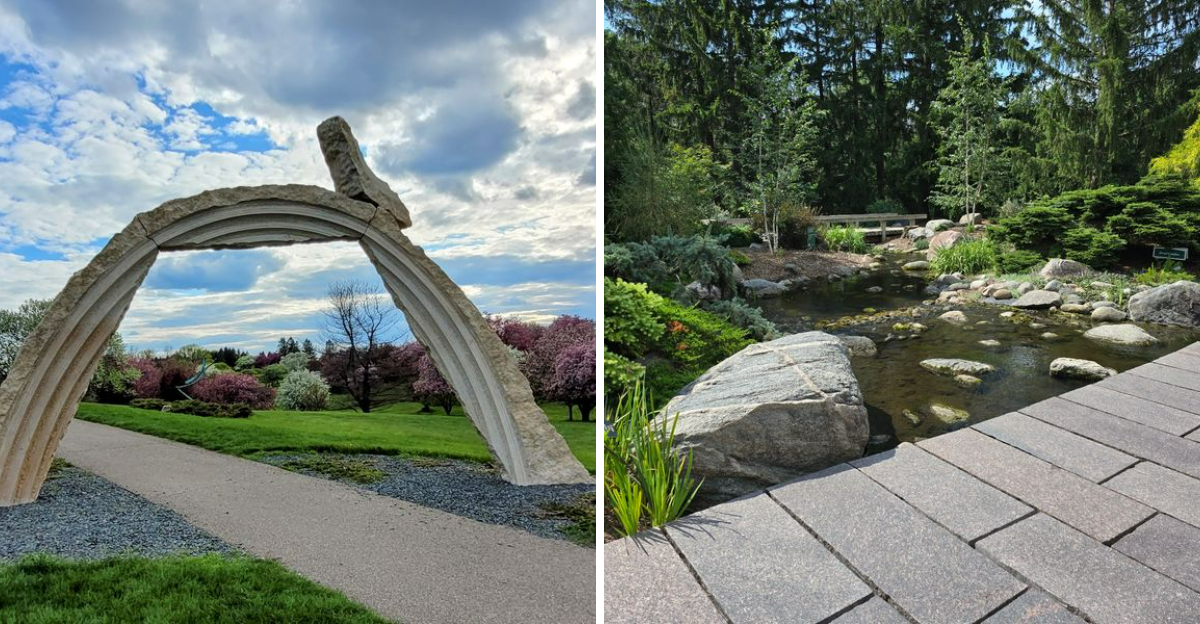
I only meant to stay twenty minutes. Three hours later I was still wandering, phone forgotten in my pocket, completely unaware of how much time had actually passed.
The path kept opening into something new, one turn led to a quiet pond, another to a stretch of trees that blocked out every trace of the parking lot behind me.
Minnesota does not usually come to mind when people picture gardens this vast, but 1,200 acres proved me wrong within the first ten minutes.
I stopped counting how many times I said wow out loud to nobody in particular. Minnesota hides something enormous here, and somehow it still feels like a secret despite its size.
I left already planning my next visit before I even reached my car.
A Garden That Grows On You Instantly

Some places earn their reputation honestly, and this one has been doing exactly that since 1958. What started as the Horticultural Research Center grew into Minnesota’s largest and most complete horticultural destination.
The sheer scale of it hits you the moment you step out of your car.
Over 12 miles of trails wind through woodlands, wetlands, open prairies, and meticulously designed display gardens. You can walk the famous Three-Mile Walk for a solid overview of the grounds.
The variety of landscapes packed into one visit is genuinely impressive.
USA Today Readers Choice ranked this among the top botanical gardens in the country, and the 4.8-star rating from over 6,700 visitors backs that up. The University of Minnesota Landscape Arboretum at 3675 Arboretum Dr, Chaska, MN 55318 is open daily from 9 AM to 7 PM.
Plan to spend at least four hours here because one visit rarely feels like enough.
28 Specialty Gardens That Each Tell Their Own Story

Choosing a favorite garden here feels like picking a favorite chapter in a really good book. The arboretum features 28 specialty gardens and 44 plant collections, each with its own personality and purpose.
From the serene Japanese Garden to the playful Maze Garden, every turn reveals something completely new.
The rose gardens are stunning in summer, with blooms so fragrant you slow down without even realizing it. The iris collection draws visitors specifically during bloom season, and for good reason.
Rows of deep purple, bright yellow, and soft white irises stretch out in every direction.
Annual and perennial displays shift with the seasons, so no two visits feel identical. Each garden section is clearly labeled, making it easy to learn plant names as you explore.
Spring Blooms That Make You Feel Alive
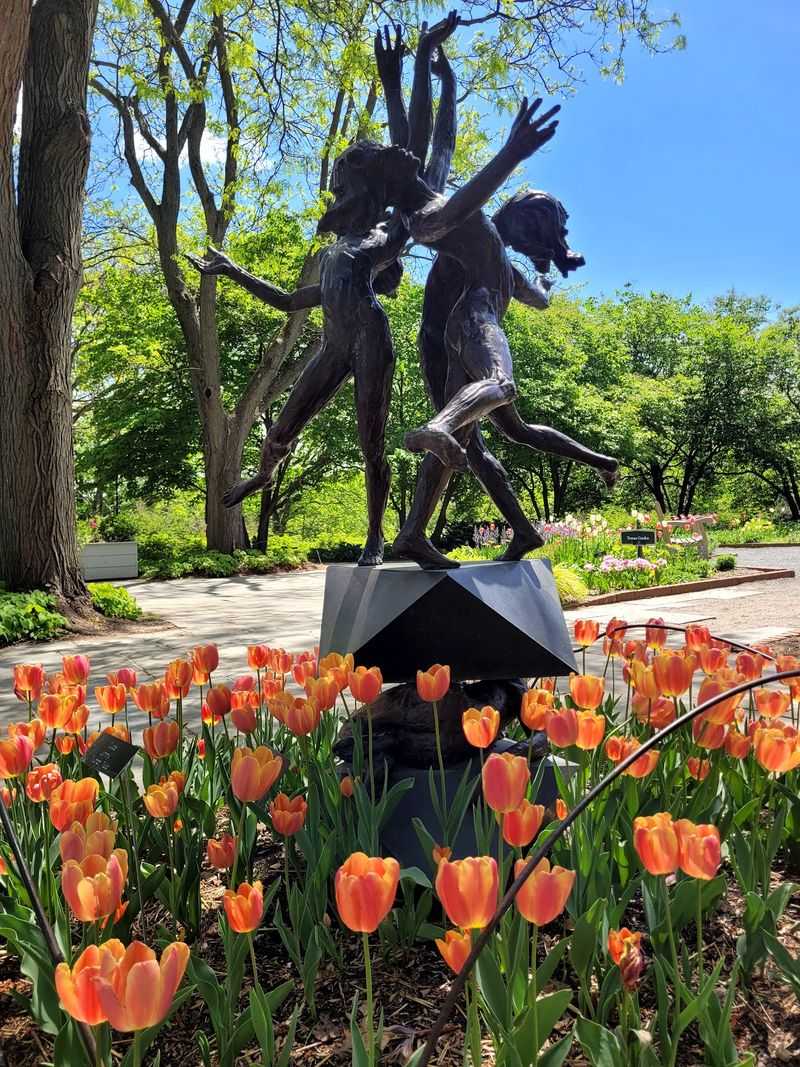
Spring at this place is a full sensory event that no photograph can fully capture. Over 40,000 tulip bulbs burst into color across the grounds, creating carpets of red, pink, orange, and yellow that stretch further than you expect.
Daffodils and native spring ephemerals join the show, filling every corner with life.
The Northern Lights azaleas bloom later in spring and carry a fragrance that drifts across entire sections of the garden. Fragrant lilacs follow closely behind, turning simple walks into something almost poetic.
Arriving in late April through early May gives you the best chance to catch tulips at their peak.
Buying tickets online in advance may save money compared to purchasing them at the gate, depending on current pricing. Early morning visits on weekdays tend to be quieter, giving you space to actually breathe it all in.
Spring here is the kind of beautiful that makes you want to call someone just to tell them about it.
The Three-Mile Drive Is A Surprisingly Brilliant Idea
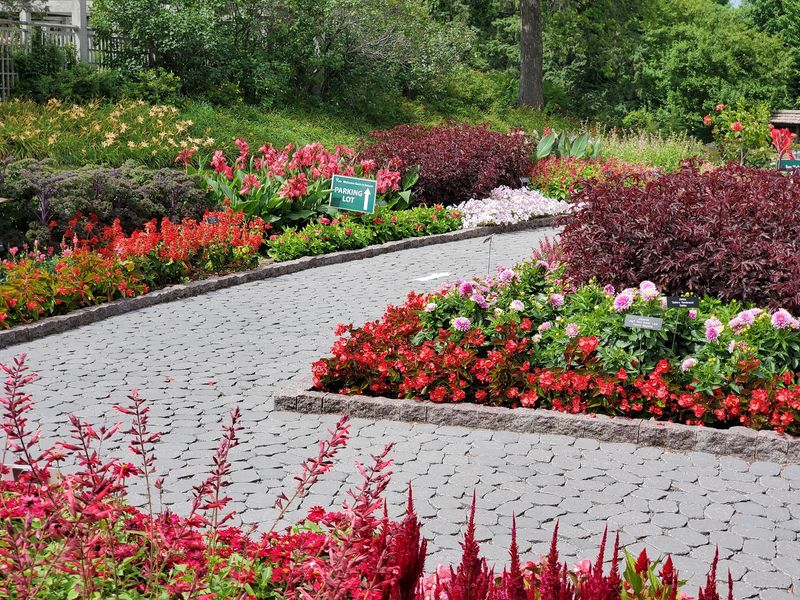
Not every botanical garden lets you explore by car, and that detail alone sets this place apart. The Three-Mile Drive loops through the property with designated parking areas at major garden sections along the way.
You stop, explore on foot, then drive to the next spot at whatever pace suits you.
On rainy days, this option becomes genuinely brilliant. Instead of cutting your visit short, you simply roll up the windows and keep going.
Some visitors drive the loop twice in a single visit because there is always something new to notice at a different speed.
The parking pullouts are well placed near the most photogenic sections, making it easy to hop out with a camera. Tram tours and shuttle services are also available for those who prefer a guided experience.
A Sensory Garden That Engages All Five Senses
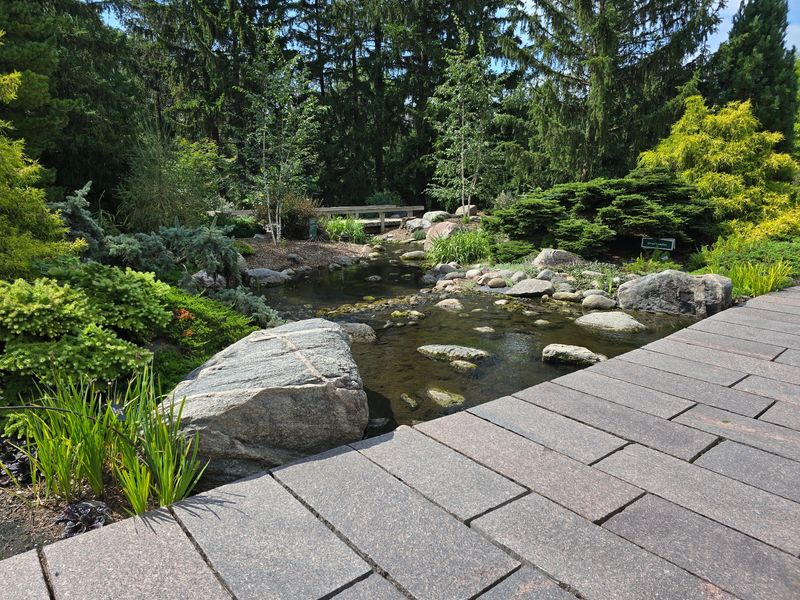
The Clotilde Irvine Sensory Garden is one of those spaces that genuinely surprises you with how thoughtful its design is. Raised beds bring plants up to a comfortable height, making textures, scents, and colors easy to experience without bending down.
The sound of water runs quietly through the space, adding a layer of calm that is hard to describe until you are standing in it.
Herbs, flowers, and edible plants fill the beds with a mix of aromas that shift as you move along the path. Running your fingers across fuzzy lamb’s ear or breathing in fresh lavender feels almost meditative.
The accessible pathways make this garden welcoming to visitors of all mobility levels.
The Nature-Based Therapeutics program also offers guided sensory walks through this and other garden sections. These walks are designed to help visitors reconnect with nature in a deliberate and meaningful way.
Even without a guided tour, spending twenty minutes here resets your mood in a way that feels almost effortless.
World-Class Plant Research You Can Actually See
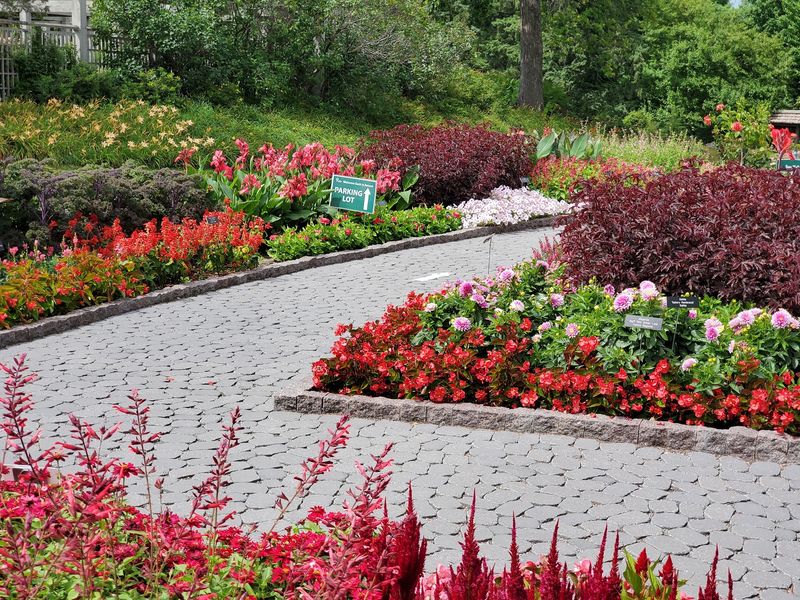
Here is a fun fact that genuinely blew my mind on my first visit. The Honeycrisp apple, one of the most popular apple varieties in American grocery stores, was developed right here at the Horticultural Research Center.
That alone makes this place feel like more than just a pretty garden.
The research center has spent decades breeding cold-hardy plants suited for Minnesota’s brutal winters. The Northern Lights azaleas are another homegrown success story, bred specifically to survive temperatures that would destroy most azalea varieties.
Conservation efforts also protect rare and native plant species that might otherwise disappear from the region.
Visitors can see the results of this research in real time by walking through the collections. Informational signs explain the science behind the plants in language that makes sense to everyone.
Knowing that what you are looking at might someday end up in your local nursery or grocery store adds a genuinely cool layer to the whole experience.
Family Fun That Goes Way Beyond A Nature Walk

Bringing kids here is not a compromise between what adults want and what children can tolerate. This place was clearly designed with families in mind at every level.
Children receive free admission under the arboretum’s current admission policy, making it an affordable outing for many families.
The Farm at the Arb introduces kids to Minnesota-grown crops through hands-on activities that go well beyond touching a tomato plant. Play yards and interactive exhibits keep younger visitors genuinely engaged rather than just tolerating the experience.
StoryTime sessions at the Andersen Horticultural Library add a cozy, educational layer that parents tend to love just as much as the kids.
The Kids Learning Center runs programs throughout the year, and families report that children often complete four or more different projects across multiple visits. Each program is designed to feel like play while sneaking in real learning about plants, ecosystems, and nature.
It is the kind of place where kids beg to come back, which is really saying something.
Art Scattered Across The Landscape Like Easter Eggs
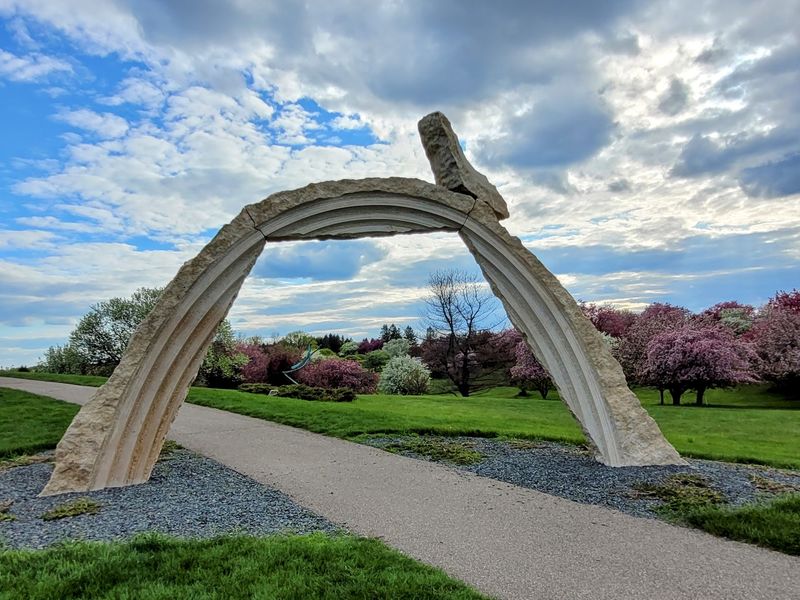
Stumbling across a massive sculpture in the middle of a garden path is the kind of surprise that makes you laugh out loud. Over 150 permanent works of art are spread across the grounds, turning every trail into something closer to a treasure hunt.
The Harrison Sculpture Garden features impressive outdoor installations that interact with the surrounding landscape in unexpected ways.
From the highest point in the sculpture garden area, you can actually spot the downtown Minneapolis skyline on a clear day. That view alone is worth the detour from the main trail.
The Oswald Visitor Center galleries host rotating exhibitions by Minnesota artists, giving the indoor experience its own creative energy.
Art pieces throughout the grounds often interpret natural themes, connecting the human-made with the organically grown in ways that feel intentional rather than forced. Visitors who come primarily for the plants often leave talking more about a sculpture they discovered mid-walk.
The combination of art and nature here creates a layered experience that rewards slow, curious exploration more than any hurried loop ever could.
Visitor Comforts That Make A Long Day Easy

A great outdoor destination falls apart fast if the basics are not handled well. Fortunately, this place gets the practical details right in a way that actually enhances the visit.
The eco-friendly Oswald Visitor Center serves as a welcoming home base with clean facilities, friendly staff, and useful information for first-timers.
The Rootstock cafe inside the visitor center offers a comfortable spot to refuel between garden sections. The Gift and Garden Store is genuinely worth browsing, stocking everything from unique home decor to gardening items and, apparently, some remarkable chocolate.
Picnic areas are available if you prefer to bring your own food and eat outdoors among the scenery.
Annual memberships are available, and current membership and admission prices can be found on the arboretum’s official website. Members receive a 10% discount in the gift shop and unlimited visits throughout the year.
Buying tickets online in advance saves five dollars per person, which is a small but satisfying win.