10 Nebraska Lakes Where Migrating Ducks And Geese Land By The Thousands This November
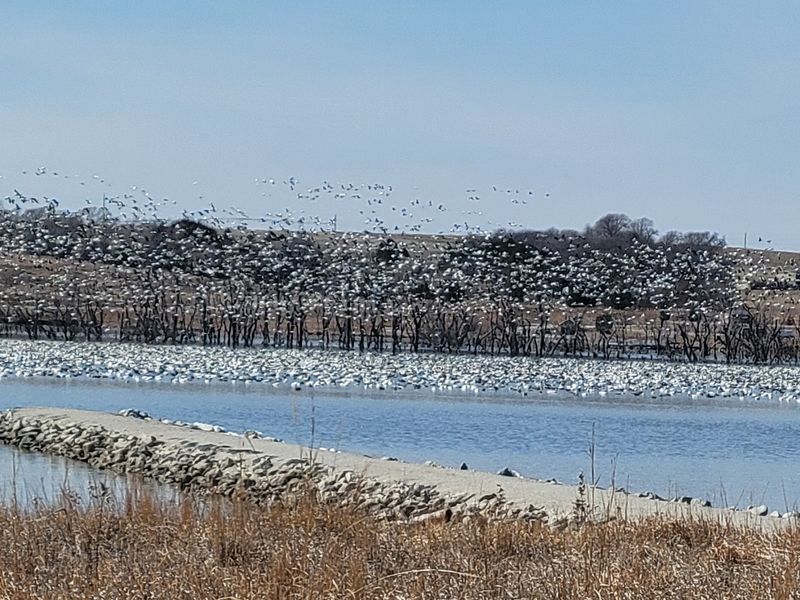
Roughly 90 percent of the mid-continent white-fronted goose population leans on Nebraska wetlands during migration. That number stopped me cold the first time I read it.
November is when the Central Flyway gets crowded. Ducks and geese pour south from the north country and need open water to rest.
Our big reservoirs and Sandhills lakes become giant rest stops with a sky full of traffic.
I love that you don’t need fancy gear to enjoy it. A warm coat, a thermos, and a pair of binoculars will do.
Some of these spots sit an easy drive from home, while others reward you with miles of quiet prairie.
The ten lakes ahead range from a sprawling western giant to a no-wake gem near a county seat. Which one have you been driving past without realizing what lands there each fall?
1. Lake Mcconaughy State Recreation Area And Wildlife Management Area
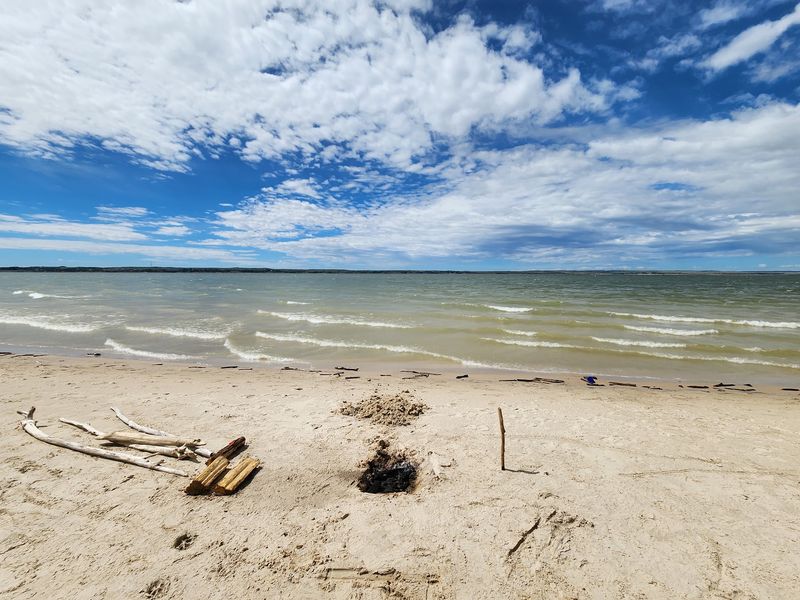
Nebraska calls this one Big Mac, and the nickname fits the appetite of the migrating crowd. It’s the largest reservoir in the state, stretched along the North Platte River near Ogallala.
Summer brings swimmers and boaters to the white sand beaches. November flips the script, because this huge lake is also an active Wildlife Management Area.
That double identity is what earns it the top spot. Ducks and geese use the open water as a rest stop on the Central Flyway, and the surrounding lands draw waterfowl hunters each fall.
The area stays open around the clock, so early risers have options. Sunrise over Lake Ogallala below the dam is a local favorite, and sunsets on the big lake are pretty hard to beat.
Bring a picnic, because grills and picnic tables are scattered around the park. A playground and kid-friendly hikes help if the younger crew loses interest in counting geese.
Dogs are welcome too, which makes it easy to turn a birding trip into a family outing. Weekdays tend to be quieter than Saturdays, so a Tuesday visit may give you more birds and fewer neighbors.
Address: 1475 NE-61, Ogallala, NE 69153
2. Harlan County Lake
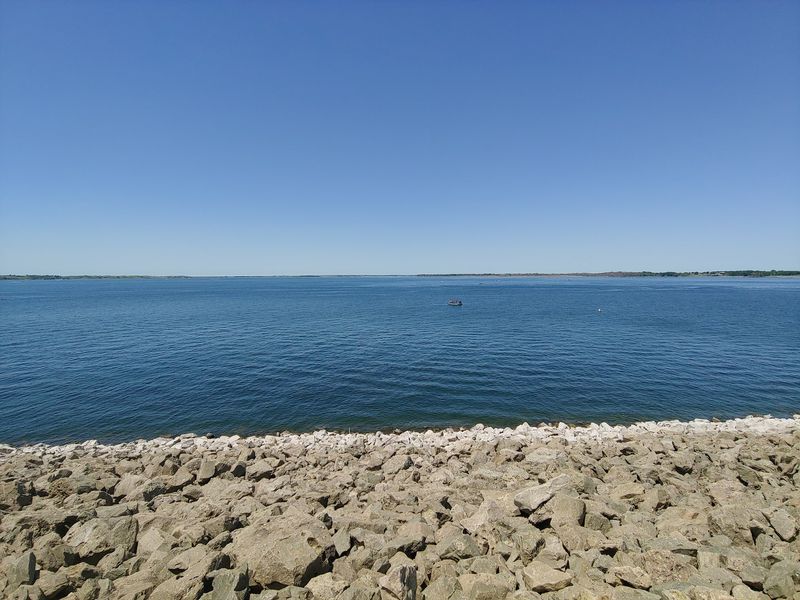
Second place in size, first place in goose hospitality? Harlan County Lake ranks as the second-largest lake in Nebraska, sitting on the Republican River near Alma.
Its sheer surface area matters when the weather turns cold. Big open water gives late-season flocks of Canada geese and mallards room to rest before pushing farther south.
That makes it one of the largest stopover basins in the southern part of the state. If you live near Kearney, Holdrege, or McCook, this is your easy afternoon payoff.
The lake has a quieter personality than some of the busier reservoirs on this list. Hunting, fishing, and boating are the main draws, and the fall season leans heavily toward the first one.
Campers will find primitive sites, plus hot showers for anyone who prefers a little comfort after a chilly morning. Picnics are popular when the wind lets up.
Here’s a tip for timing your trip. Late autumn is prime, so aim for November when flocks build on the water.
Pack layers and binoculars, then scan the coves and calm stretches where birds gather. You may find yourself staying longer than planned.
Address: Harlan County Lake, near Alma, NE
3. Crescent Lake National Wildlife Refuge
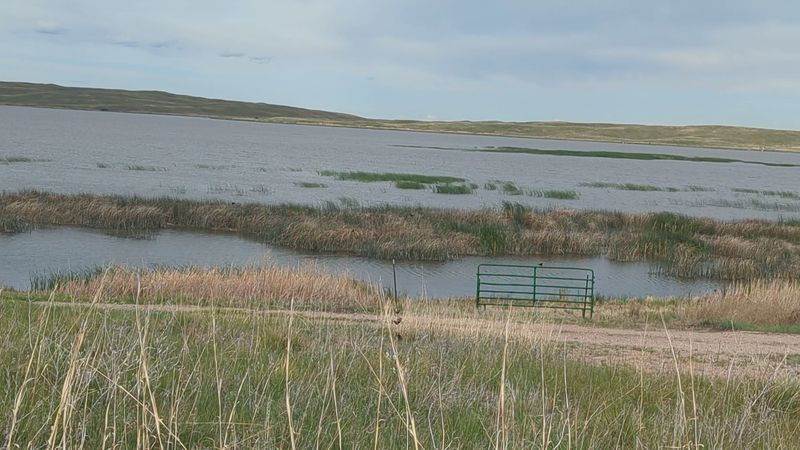
Solitude is the main amenity out here, and the ducks seem to agree. Crescent Lake National Wildlife Refuge sits deep in the Sandhills north of Oshkosh, near the tiny ranching spot of Ellsworth.
The refuge holds a chain of natural freshwater lakes, including Island Lake and Crane Lake. Those shallow waters act as a major autumn staging area along the Central Flyway.
Expect plenty of ducks, and don’t be surprised by deer either. Wildlife pops up often, and good birding comes easy here.
A long one-way road guides you through the landscape. Take it slow, because the best sightings often happen when you least expect them.
Plan around the visitor center schedule, which runs on weekdays only. Restrooms are available, and there are kid-friendly hikes for families.
One small heads-up from the grassy edges. Ticks have shown up around the visitor center, so a quick check afterward is smart.
Getting here takes commitment on rural roads, so fill your tank first. In return, you get a quiet Sandhills morning that feels a world away from traffic.
Address: 10630 Rd 181, Ellsworth, NE 69340
4. Calamus Reservoir State Recreation Area and Wildlife Management Area
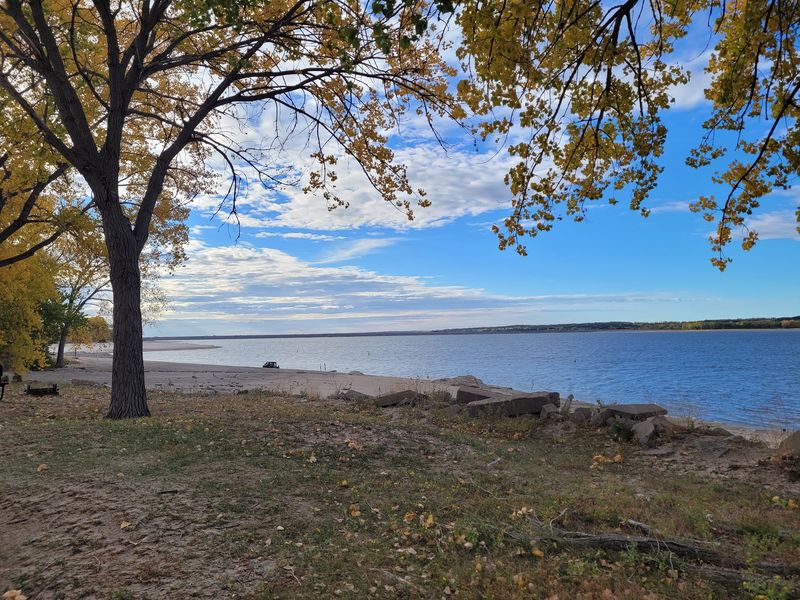
Sand dunes meet open water here, and migrating birds treat the combo like a five-star motel. Calamus Reservoir covers roughly 5,000 acres on the edge of the Sandhills near Burwell.
The reservoir pairs with its own Wildlife Management Area. That setup draws thousands of migrating waterfowl crossing the Loup River basin each autumn.
So what makes Calamus different from the bigger western lakes? It offers lots of separate areas to swim, fish, hike, and boat, which spreads out visitors nicely.
In November, those varied coves and shorelines give ducks and geese plenty of room. You get many viewing angles without needing a boat.
Families have it easy on a day trip. Playgrounds, picnic tables, grills, and kid-friendly hikes are all part of the package.
Leashed dogs can tag along, so the family pup can join the goose patrol. Daily hours run through the afternoon, so plan an earlier start.
Weekdays tend to be calmer than Saturdays. Pick a Wednesday, grab a sandwich in town, and let the Sandhills scenery do the rest.
Address: 42285 York Pt Rd, Burwell, NE 68823
5. Lake Wanahoo NRD Recreation Area
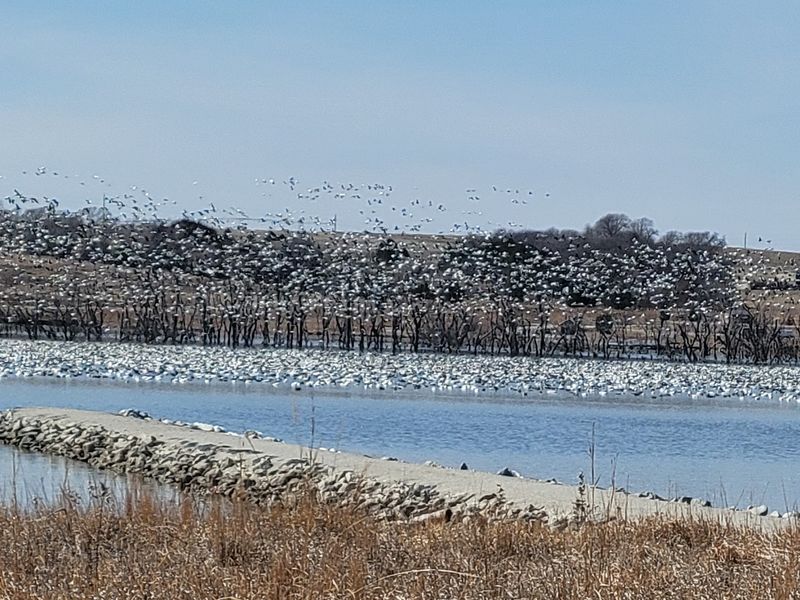
Wahoo already has a fun name, and its lake brings the ducks to match. Lake Wanahoo is a 662-acre reservoir just outside this Saunders County seat.
The Lower Platte North Natural Resources District manages the area with a strong focus on wetland conservation. Breakwaters and wetland zones support waterfowl hunting and draw heavy autumn duck migrations.
What sets it apart is the pace. It’s a no-wake lake, which keeps the water calm and the mood peaceful.
That calm makes it a favorite for kayaking. Paddling quietly in fall can put you closer to resting birds than a roaring motor ever would.
Omaha and Lincoln folks can reach it fast, which makes it a solid after-work or Saturday escape. The campground has clean facilities and hiking trails nearby.
Kids get a playground and slides. Dogs are allowed, and picnic tables make a lunch stop simple.
Hours shift during the week, with full-day access later in the week. Check before heading out early on a Monday.
Address: Lake Wanahoo NRD Recreation Area, Wahoo, NE 68066
6. Branched Oak State Recreation Area
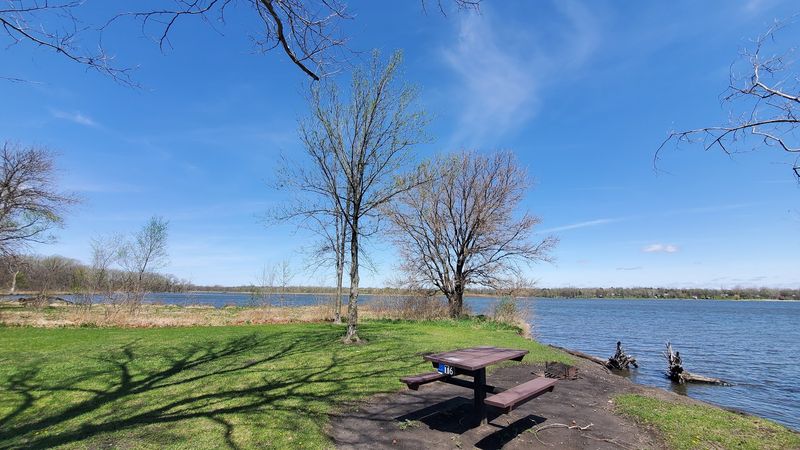
Lincoln residents, your closest big goose show might be just up the road. Branched Oak sits near the tiny village of Raymond, around 160 residents, with an 1,800-acre lake.
That makes it the largest lake in eastern Nebraska. In late fall, its open water serves as a major staging area for resting geese and ducks.
The appeal here is variety on land too. Trails, camping, and hunting share space with the birds.
Summer crowds come for boating, fishing, and a newly redone beach. When November arrives, the beach goes quiet and the waterfowl take over the neighborhood.
Bring the kids, because the park has playgrounds with slides and swings. Horse trails and bike trails give restless legs something to do.
A fish cleaning station hints at how popular angling is here year-round. Grills and picnic tables make lunch easy between scans of the shoreline.
The area is open around the clock, so dawn trips are possible. Weekday mornings tend to be quiet, which suits birding perfectly.
Address: 12000 W Branched Oak Rd, Raymond, NE 68428
7. Lewis and Clark Lake State Recreation Area
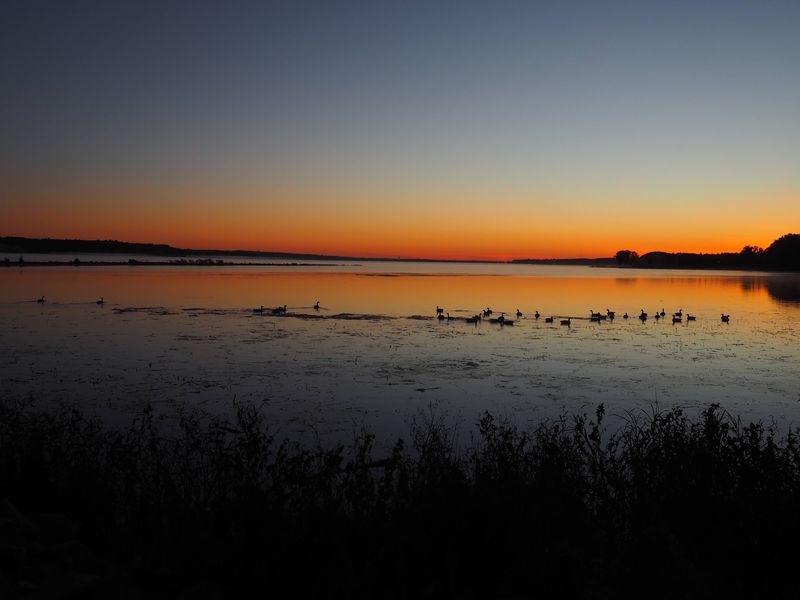
Lewis and Clark paddled this stretch of the Missouri long before the geese had a reservoir waiting. Today, Lewis and Clark Lake spans about 31,000 acres along the Nebraska and South Dakota line near Crofton.
Its position is the big story. The Missouri River acts as a migration corridor, and geese and other waterfowl funnel through by the tens of thousands before freeze-up.
That river connection makes it different from the prairie reservoirs elsewhere on this list. You’re watching birds follow one of the continent’s great waterways.
Want to stretch the trip into a weekend? Rental cabins sit right by the lake, and the campground offers more options.
A marina with a small store carries food, camping supplies, and showers. That’s handy when a chilly morning runs long.
Families will find playgrounds, swings, and kid-friendly hikes. Dogs are welcome, and grills stand ready for a lakeside lunch.
Crofton is a small Knox County town, so this trip pairs well with a northeast Nebraska drive. Bring binoculars and keep your eyes on the horizon.
Address: Lewis and Clark Lake State Recreation Area, Crofton, NE 68730
8. Sutherland Reservoir State Recreation Area
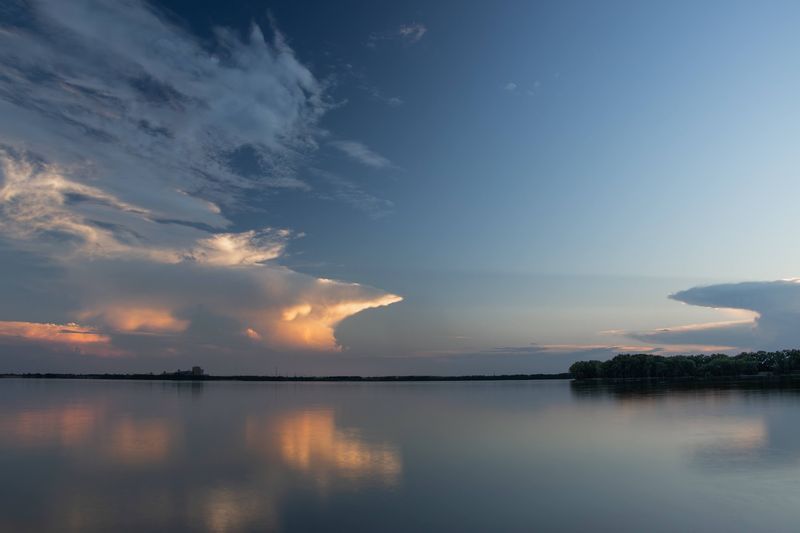
Warm water in December sounds like a sales pitch, but geese seem convinced. Sutherland Reservoir receives warm-water power discharges, which help keep it open late into the season.
That warmth is its secret weapon. While other lakes start freezing, open water here can attract dense concentrations of Canada geese and mallards in November and December.
So if you miss the early migration elsewhere, this is your backup plan. It’s a late-season stage that still has an audience.
The setting near Sutherland, a railroad and farming town in western Nebraska, stays peaceful. Views across the big reservoir can be stunning on clear days.
Summer visitors swim, water ski, and fish here. A boat launch and fish cleaning station show the angling side of its personality.
Campers can grab clean sites, including powered spots. Picnic tables and restrooms round out the basics.
The office keeps weekday hours, so plan questions accordingly. Dogs are welcome, and the quiet shoreline makes a good stroll between bird counts.
Address: Sutherland Reservoir State Recreation Area, Sutherland, NE 69165
9. Lake Minatare State Recreation Area
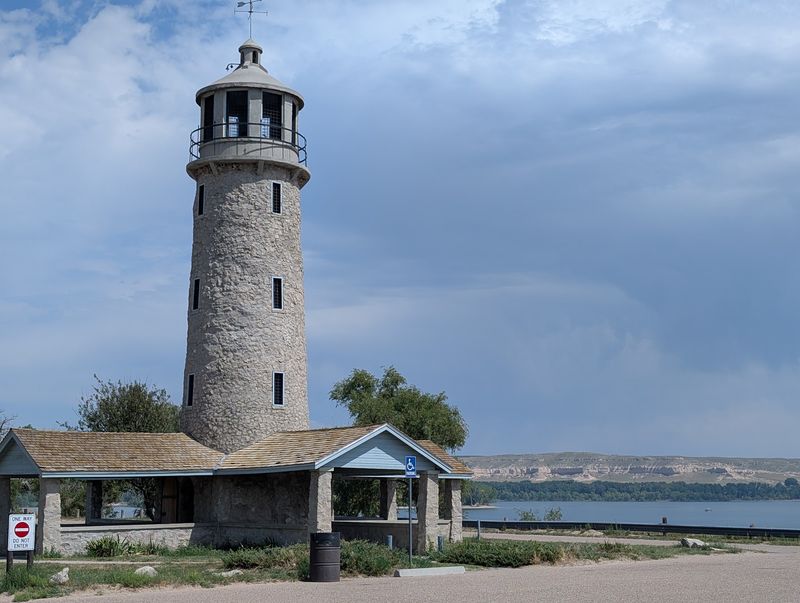
A lighthouse in the Nebraska Panhandle? Yes, and you can climb to the top of it at Lake Minatare.
That quirky tower gives you a bird’s-eye view, which feels fitting here. The 2,100-acre lake doubles as a National Wildlife Refuge sanctuary area during migration.
Peak autumn can bring huge numbers of mallards and Canada geese, up to hundreds of thousands. Few places let you watch that from a lighthouse.
The town of Minatare is a tiny farming community near Scottsbluff. Its lake brings a surprising amount of personality to the region.
Large, shady campsites and clean showers make overnight stays comfortable. A sandy beach invites summer kayaking, canoeing, and boating.
Families have playgrounds and kid-friendly hikes to keep things moving. Grills and picnic tables cover lunch duty.
Plan around daily hours that stretch a bit later on Fridays and Saturdays. Pair your visit with Scotts Bluff scenery for a full Panhandle day.
Address: 290770 Main Rd, Minatare, NE 69356
10. Merritt Reservoir State Recreation Area
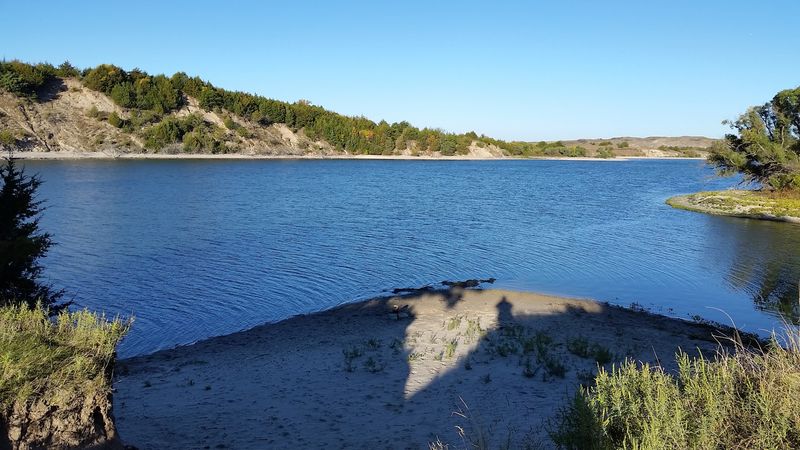
Canyons, trees, and hills in the Sandhills might catch you off guard. Merritt Reservoir delivers exactly that scenery southwest of Valentine.
The rugged country creates a protected refuge feel for waterfowl. Each November, diving ducks, dabblers, and geese gather on the water.
That mix of species gives Merritt its own flavor on this list. You might spot birds bobbing under the surface one minute and geese gliding in the next.
Valentine is an isolated Sandhills town, so the drive itself becomes part of the reward. Highway 97 leads you right to the area.
Campers will find numerous areas, many with electric hookups and shade. A sandy beach overlooks the lake.
Grills and picnic tables make a midday break easy. Dogs can come along for the ride.
Daily hours run into the afternoon, a little later on Fridays and Saturdays. Pack snacks, because services are spread out in this corner of Nebraska.
Finish the day in Valentine with stars overhead. It’s a fitting way to wrap up a goose-chasing road trip.
Address: 88292 NE-97, Valentine, NE 69201