6 Grand Old Nebraska Homes You Tour
A wrong turn off a Nebraska highway once put me in front of a stone porch the size of a small barn, and I sat there in the car for a minute trying to figure out who builds something like that on the plains. Turns out plenty of people did.
Scattered across Nebraska are houses with carved oak staircases, 52 rooms, hand-set stained glass, and front doors that still open for anyone who wants to walk through. Six of them are ready for you right now, and most cost less than a tank of gas to see.
1. Joslyn Castle & Gardens
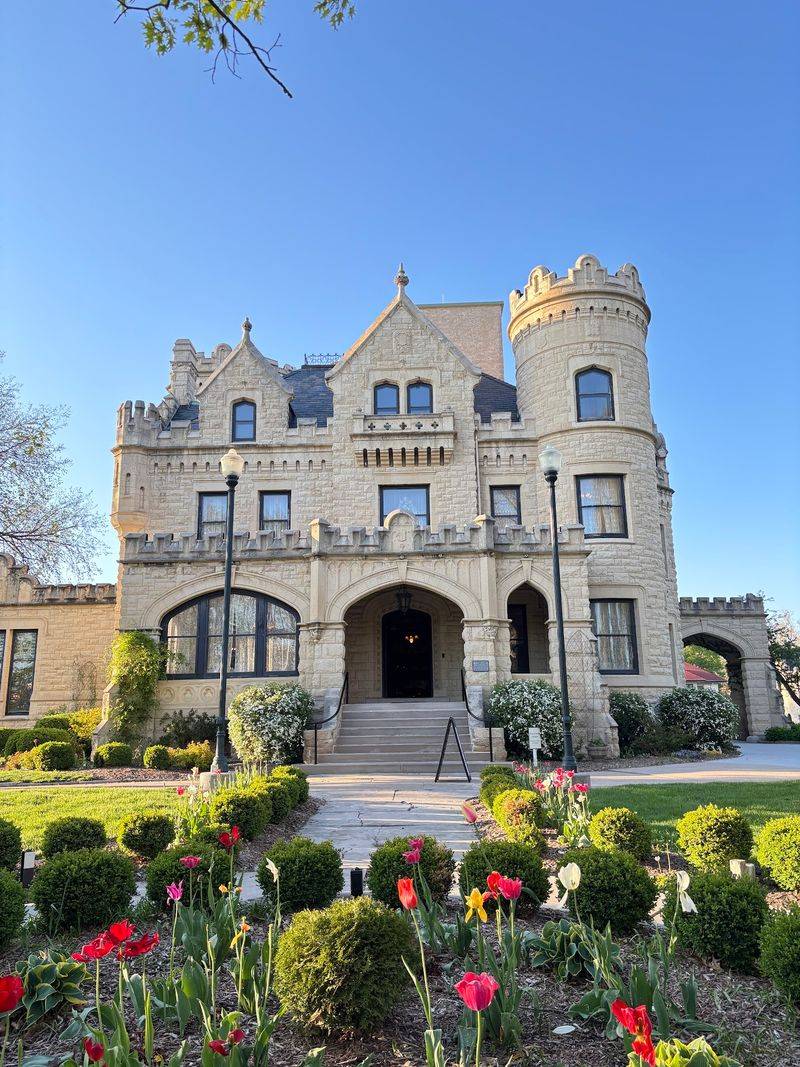
Ramparts. At the entrance of a house on Davenport Street in midtown Omaha, there are actual stone ramparts, which is not something the plains hand you every day.
Built in 1903 and styled after Scottish castle architecture, the Joslyn place was a private residence before it became one of the city’s most recognizable addresses. The woodwork inside is the part that stops people mid-sentence: deep, carved, and detailed to a degree that modern construction rarely attempts.
Guided tours run several times a month rather than daily, so checking the schedule before you drive over matters more here than at most house museums. The grounds are kept immaculately, with gardens, mature trees, and a stable building that now holds a gift shop.
Live performances take place on site, which gives the castle a second life beyond history tours. Parking is free in the lot and along the street, restrooms are available, and there is no restaurant, so eat before or after in the surrounding neighborhood.
Kids do fine here. The scale of the rooms alone tends to hold their attention longer than you would expect.
2. G.W. Frank Museum of History and Culture
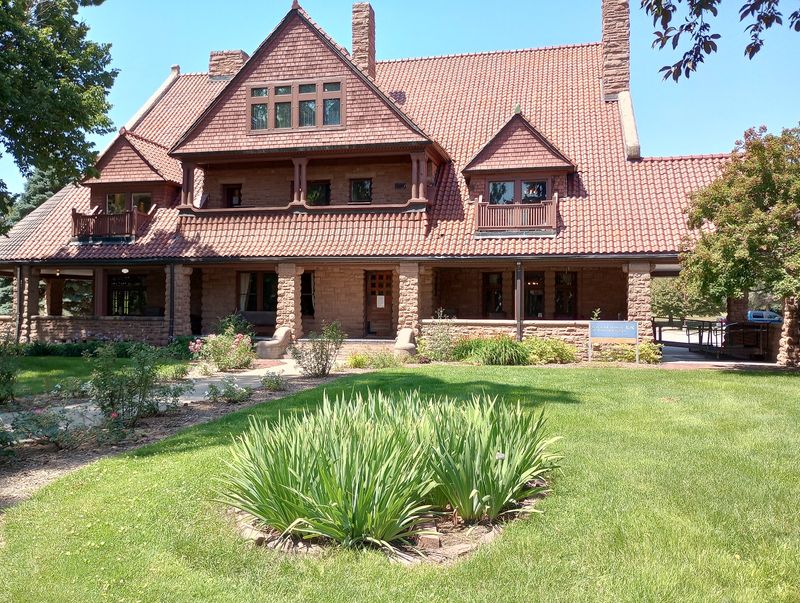
Heavy stone arches, a shingled upper story, and a silhouette that looks borrowed from a much older continent: the Frank mansion sits on the University of Nebraska at Kearney campus looking like it wandered in from somewhere else entirely.
Construction wrapped in 1889, and the Richardsonian Romanesque Shingle style makes it one of the more architecturally unusual houses in central Nebraska. The first floor has been restored to its original appearance, which is remarkable given the family that built it lived there only a handful of years.
Inside, the collection covers local artifacts and art alongside the building’s own story. Tours are led by guides who know the deeper material, including the house’s later chapters and the tunnel system running beneath the campus.
Hours are narrow. The museum opens Friday through Sunday from 1 to 4 PM and stays closed Monday through Thursday, so a spontaneous weekday stop will leave you looking at the outside only.
Parking is free and on site. Restrooms are available, there is no restaurant, and the visit works well for families with school-age children.
3. Arbor Lodge State Historical Park
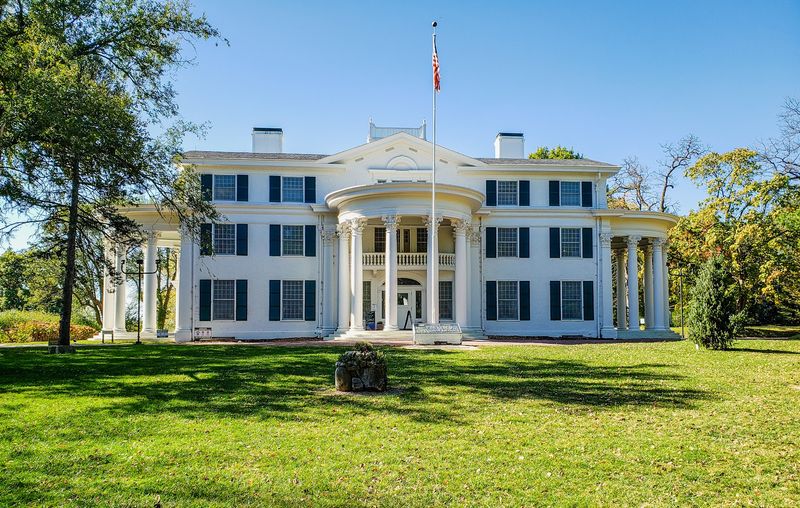
Fifty-two rooms. That number belongs to the house J.
Sterling Morton grew from a modest frame home into the centerpiece of Nebraska City, and the man behind it is the same one who gave the country Arbor Day.
Staff lead guided tours through the 19th-century interior and answer questions as you go, which turns a walk-through into something closer to a conversation. Each room carries its own layer of history, from furnishings to family details, and the guides fill in the parts the labels leave out.
Outside, the estate opens up into an arboretum and trails worth the extra hour. Picnic tables, swings, and a playground make it easy to turn a tour into a full afternoon, and dogs are welcome on the grounds.
The park runs Tuesday through Sunday, 11 AM to 5 PM, and closes Mondays. Botanical displays peak in the warm months, though fall color across the tree collection is the reason plenty of families make the drive down.
Public restrooms are on site. Bring a blanket and stay a while.
4. Buffalo Bill Ranch State Historical Park Museum
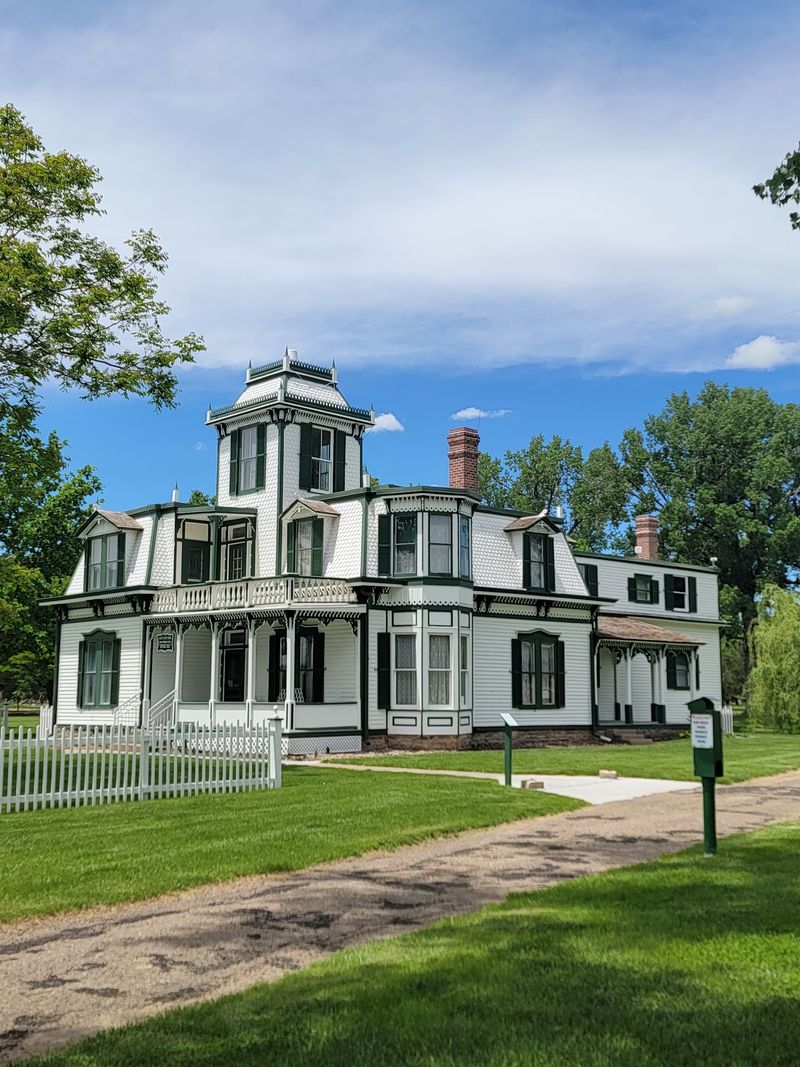
Two dollars gets you inside the house William F. Cody built when the show business money came home to Lincoln County.
Scouts Rest Ranch, just outside North Platte, is about as good a value as Nebraska history offers.
The mansion and the enormous barn are both restored, and the tours are self-guided, so you set your own pace through the rooms. Much of the structure was kept close to original, and the carpentry holds up under a close look.
Family artifacts fill the interior, from furnishings to items connected to the traveling show that made Cody a household name across two continents. A theater on site adds context before or after you wander the house.
Doors open Wednesday through Sunday, 9 AM to 5 PM, with Monday and Tuesday closed. Parking is on site and paid, restrooms are available, and there is no food service, so pack accordingly.
Children tend to latch onto the barn first. Adults usually linger longer in the house, piecing together how a showman lived once the tent came down.
5. General Crook House Museum in North Omaha
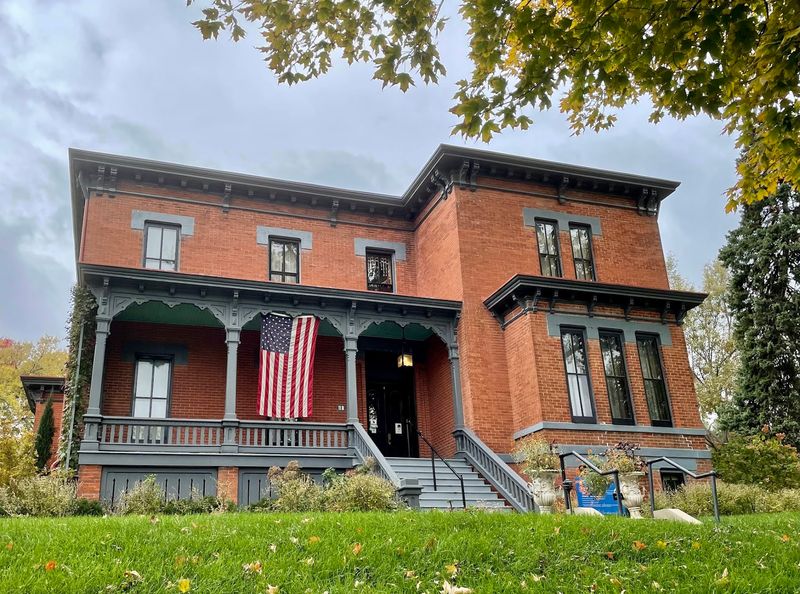
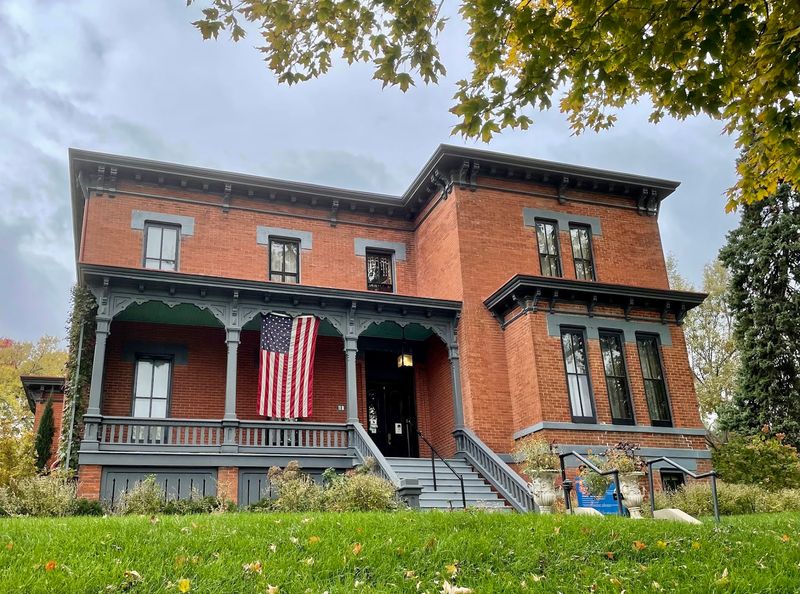
Bracketed eaves, tall narrow windows, brick laid with military precision. The 1879 Italianate house on the old Fort Omaha grounds carries the plain confidence of a building meant to last, and it has.
General George Crook, a Civil War officer, once lived here, though the museum reaches well past one man’s biography. Exhibits balance visuals and written material at a pace that informs without wearing you down, and the older artifacts and local history displays are the strongest pieces.
You can take the house at your own speed on a self-guided walk, or let a guide handle it. Either way the period details, replicated and original alike, are the draw, and the gardens outside are maintained to match.
Hours run Monday through Friday, 10 AM to 4 PM, with a shorter Saturday and Sunday window from 1 to 4 PM. A gift shop and restrooms are on site; there is no restaurant.
Parking sits right on the property. Two hours covers the house and grounds comfortably, and the admission-to-history ratio is hard to beat in north Omaha.
6. George Norris State Historic House
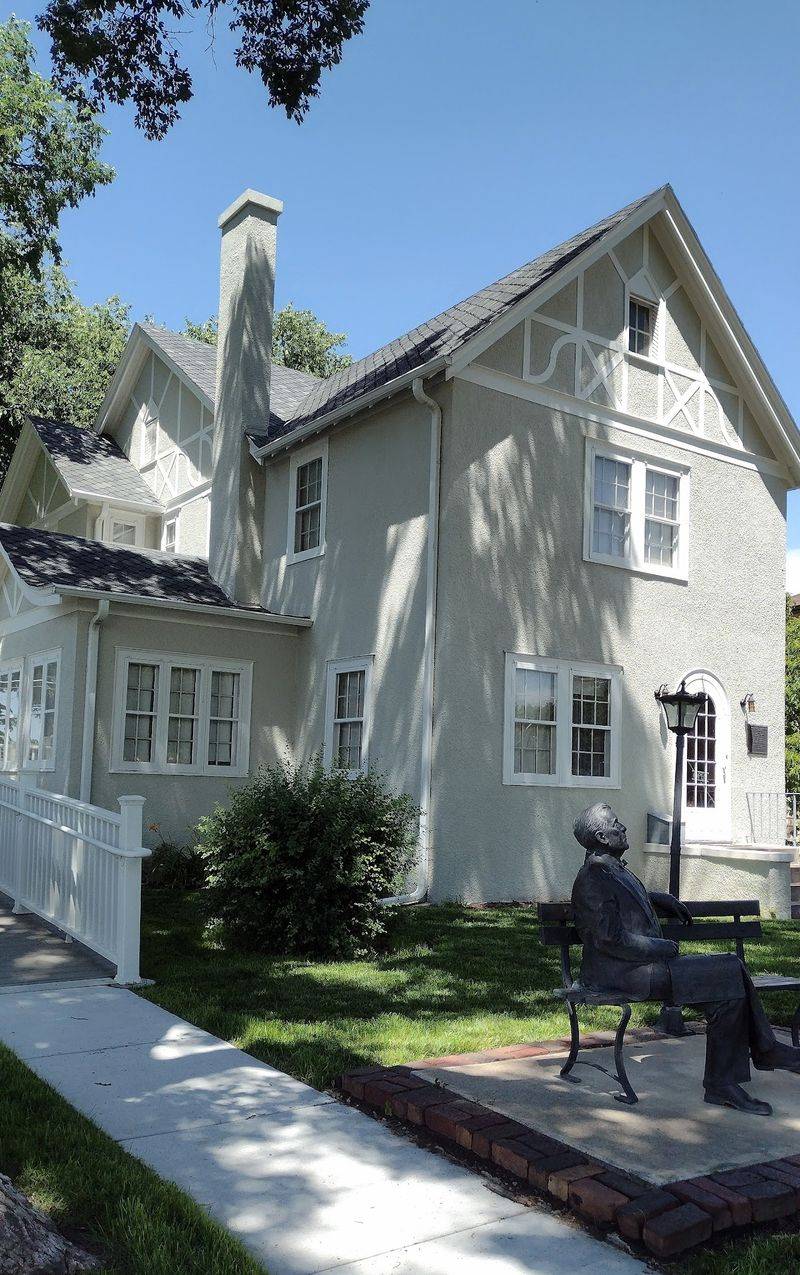
Not every grand house is large. On Norris Avenue in McCook, a modest two-story home holds more national weight than most mansions three times its size.
George Norris lived here from 1902 to 1944 while serving over forty years in Congress. He fathered the Rural Electrification Act, which brought power to farms nationwide, and he convinced Nebraskans that a one-house Unicameral legislature would serve them better than two.
Both decisions still shape daily life in this state.
The interior survives with its early-20th-century woodwork, architecture, and original furnishings intact, which makes walking the rooms feel unusually direct. Tours are led by the site curator, and the depth of what gets covered rewards anyone with an interest in history or politics.
Plan carefully around the schedule. Doors open Thursday through Saturday from 1 to 5 PM only, and the site is closed Sunday through Wednesday.
Street parking out front is free. There are no restrooms and no food service on site, so handle both in McCook before you knock on the door.