8 Idaho Places That Tell The Story Of The Miners Who Built Its Gold Camps
By 1870, Chinese residents made up more than a quarter of Idaho Territory’s population. Most of them came for one reason.
Gold.
That number stopped me cold the first time I read it. Their names rarely show up in old mining legends, yet their work shaped whole towns.
They ran stores, worked claims others gave up on, grew gardens, and built lives in rugged mountain camps.
I love that their story still lives in real places across Idaho. You can stand inside a merchant’s old store, walk a quiet backcountry burial ground, or visit the river ranch of a woman whose life reads like a novel.
Some spots sit right off a highway. Others take real effort to reach.
So who really built the gold camps, and what did they leave behind? The answers are scattered across the state, waiting on boardwalks, back roads, and museum shelves.
1. Pon Yam House
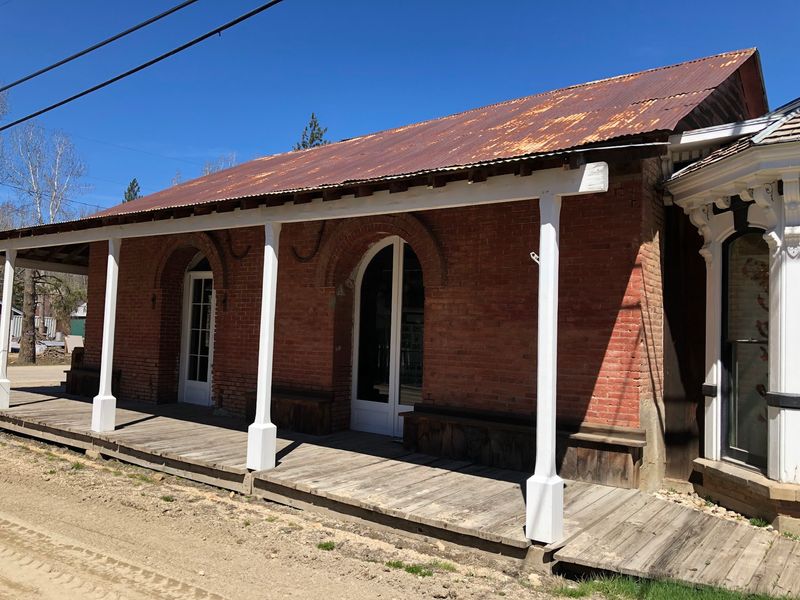
Gold camps needed more than miners, and one of the best surviving proofs stands on Commercial Street. A Chinese merchant once ran his business from this building in Idaho City.
Idaho City sprang up in 1862 during the Boise Basin gold rush. By 1864 it was one of the largest towns in the Pacific Northwest, with an estimated 7,000 people.
Chinese residents arrived in big numbers starting around 1864. They stayed into the early 1900s, which is longer than many of the original rush crowd.
That’s what makes this stop so powerful. The Chinese community here was large, and plenty of visitors leave surprised it ever existed at all.
You get a real sense of how the camp worked from this one building. Merchants supplied food, tools, and goods that kept miners in the gulches and working their claims.
Idaho City also battled several destructive fires in the 1860s and 1870s. So any early building still standing feels like a small victory against the odds.
It’s a quick stop that’s good for kids, and it pairs nicely with a slow stroll through the historic downtown. Afterward, the wooden boardwalks feel a lot less like scenery and a lot more like a story.
Address: 201 Commercial St, Idaho City, ID 83631
2. Chinese Cemetery (Idaho)
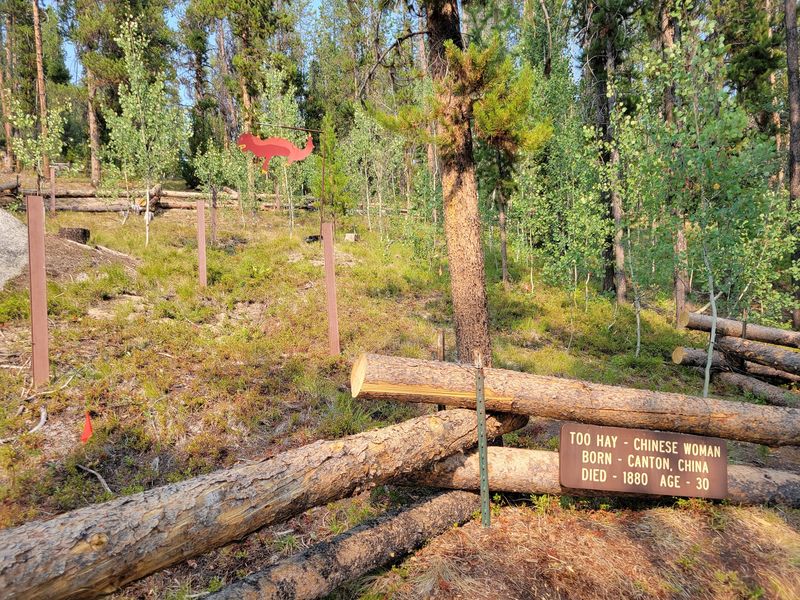
Getting to Warren takes commitment, and that’s part of the lesson. This remote camp sits deep in the Salmon River Mountains, reached by a long backcountry road.
During the late 1800s, Chinese miners became the majority of the population in the Warren Mining District. Let that sink in for a moment.
When the early gold rush crowd moved on, Chinese miners kept working the ground. They built a community with its own customs, gardens, and businesses in one of Idaho’s most isolated corners.
The cemetery is where that community laid its people to rest. It’s a quiet, respectful place, and it shows how deeply rooted these miners became in the district.
Here’s what struck me most about it. Many traveled across an ocean and then into mountains this rugged, all for a chance at gold.
Plan carefully before heading out. The road into Warren is a true backcountry drive, so check conditions, bring supplies, and give yourself plenty of daylight.
Visit with a calm pace and a soft voice. It’s a place for reflection more than photos, and it fills a gap the old mining tales left wide open.
Address: Warren, ID 83671
3. Chinese Hanging Tree
Idaho’s gold rush started near Pierce in 1860, so this little town carries a big title. It’s widely called the birthplace of the state’s first gold boom.
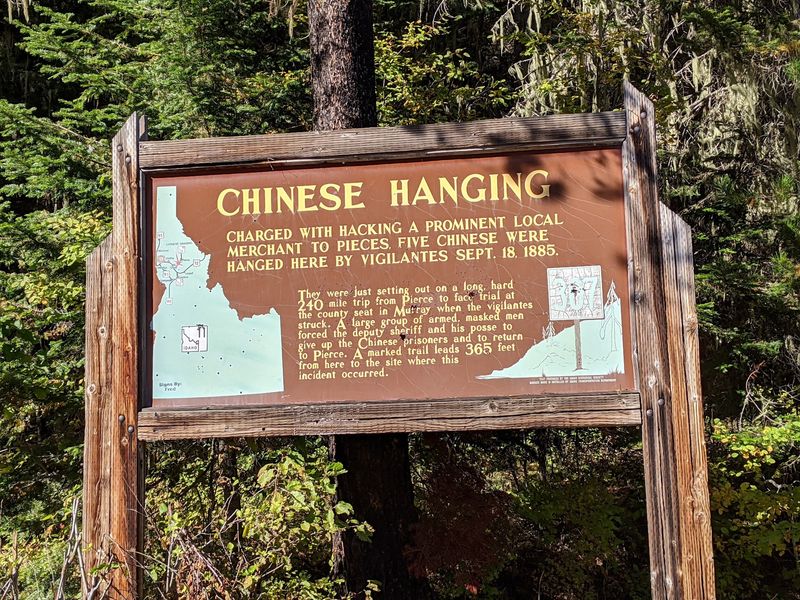
Not every part of that history is easy to read. Just outside town on Highway 11, a roadside landmark marks one of the hardest chapters in the story of Chinese miners.
In 1885, a vigilante mob seized several Chinese residents accused in a local crime. They were taken from custody and never received a trial, and their lives were lost along this road.
The site exists so people remember. It’s a sobering reminder that Chinese miners and merchants faced fierce prejudice while helping build Idaho’s gold camps.
You don’t need much time here. A short stop and a careful read can change how you see the rest of the Clearwater country.
Pierce today is a small rural mountain town of around 500 people. The quiet setting makes the history feel even closer.
I think honest stops like this matter as much as the shiny ones. You can’t really understand the gold camps without hearing the parts that hurt.
Address: 3103 State Hwy 11, Pierce, ID 83546
4. Polly Bemis Ranch
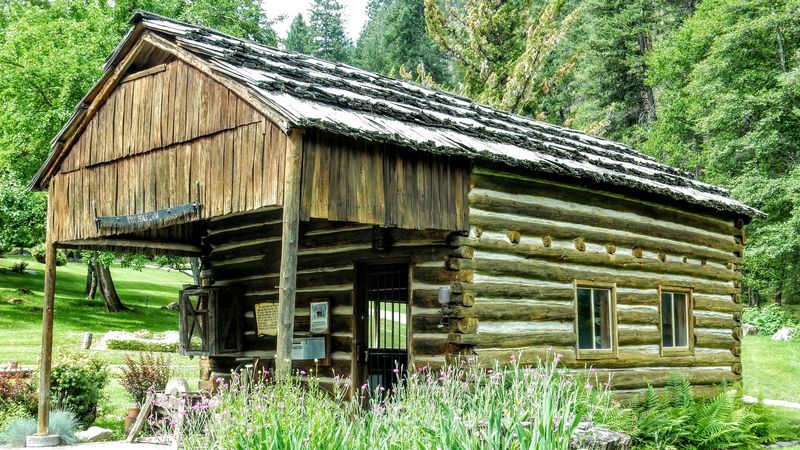
Few Idaho pioneers have a life story as wild as Polly Bemis. Born Lalu Nathoy in China, she was brought to the Warren gold camp during the 1870s rush.
She went on to marry Charles Bemis and settle along the Salmon River. Their homestead now stands as a preserved ranch honoring her remarkable life.
Getting there is half the adventure. The ranch sits in the remote Salmon River Canyon, reachable by jet boat or river raft rather than a casual drive.
That isolation tells you plenty about early mining country. Supplies were hard to come by, neighbors lived far apart, and people had to be tough and resourceful.
Polly’s story gives a human face to the thousands of Chinese immigrants in Idaho’s camps. She went from a gold camp arrival to a respected pioneer of the canyon.
I can’t imagine a better way to meet Idaho history than floating up to her front yard. It turns a textbook chapter into a real place with river sounds.
If you book a river trip on the Salmon, ask whether it includes a stop here. It’s the kind of side trip people talk about for years.
Address: McCall, ID 83638
5. Boise Basin Museum
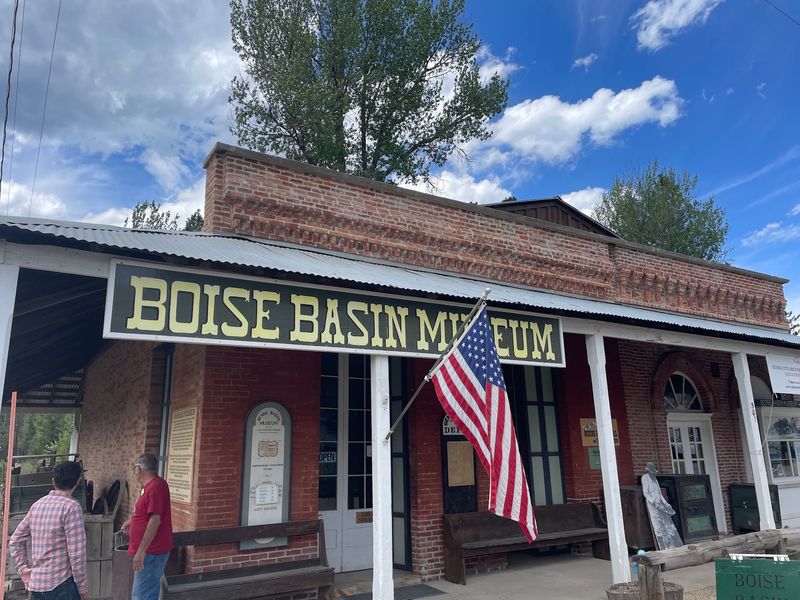
Want the whole Boise Basin gold rush in one stop? This small Idaho City museum packs a surprising amount of history into a compact space.
A small theater sets the scene with an overview of the area’s past. After that, you can wander through an excellent collection of artifacts, photos, and references.
The exhibits cover an historic mining camp along with lode and placer mining equipment. Geological displays explain where the gold came from in the first place.
Chinese miners get real attention here too. That focus helps you connect the dots after visiting other spots in town tied to the Chinese community.
The museum also covers the cultural history of the Basin, including Basque heritage. It’s a reminder that the camps drew people from around the world.
Staff here are friendly and happy to help, and tours are offered. The museum operates seasonally, so check before driving up Highway 21.
It’s a smart first stop in Idaho City. You’ll walk out understanding why the Boise County Courthouse from 1871 and the historic Boot Hill Cemetery matter so much.
Address: 501 Montgomery St, Idaho City, ID 83631
6. Nez Perce County Historical Society
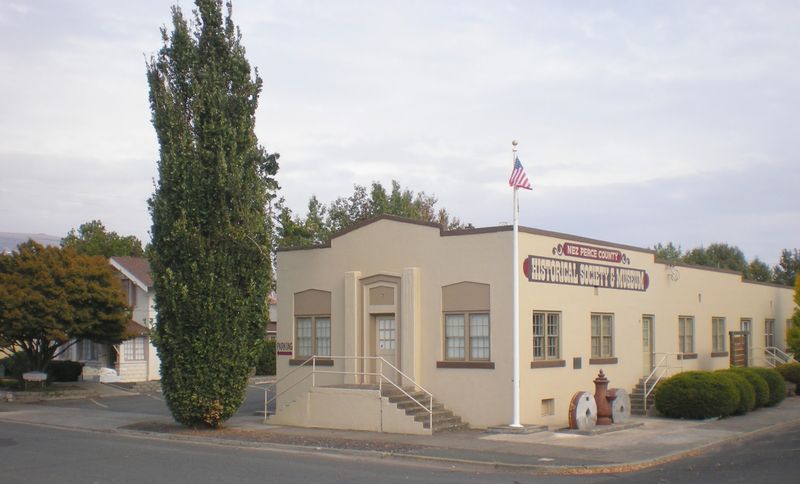
Every gold camp needed a front door, and for the Clearwater mines, Lewiston played that role. Miners and supplies passed through here on the way to the central Idaho gold fields.
Lewiston sits near the meeting point of the Snake and Clearwater rivers. That location made it a key supply depot and gateway port for the rush.
This museum tells the city’s story from pre-settlement days into the 20th century. You’ll find exhibits on Nez Perce history and culture alongside the town’s early growth.
The role of Chinese immigrants in Lewiston is part of that story. So are the struggles and successes of early businessmen and businesswomen who kept the region supplied.
Families get plenty to enjoy here. Kids can try hands-on exhibits, tackle scavenger hunts, and work on a big puzzle or an old typewriter.
The space is small, but it’s loaded with memorabilia. A personal tour is often available, and there’s a gift shop for a souvenir.
It’s a perfect stop before heading up toward Pierce. You’ll understand how the river town fed the mountain camps beyond it.
Address: 45 3rd St, Lewiston, ID 83501
7. Idaho Museum of Mining and Geology
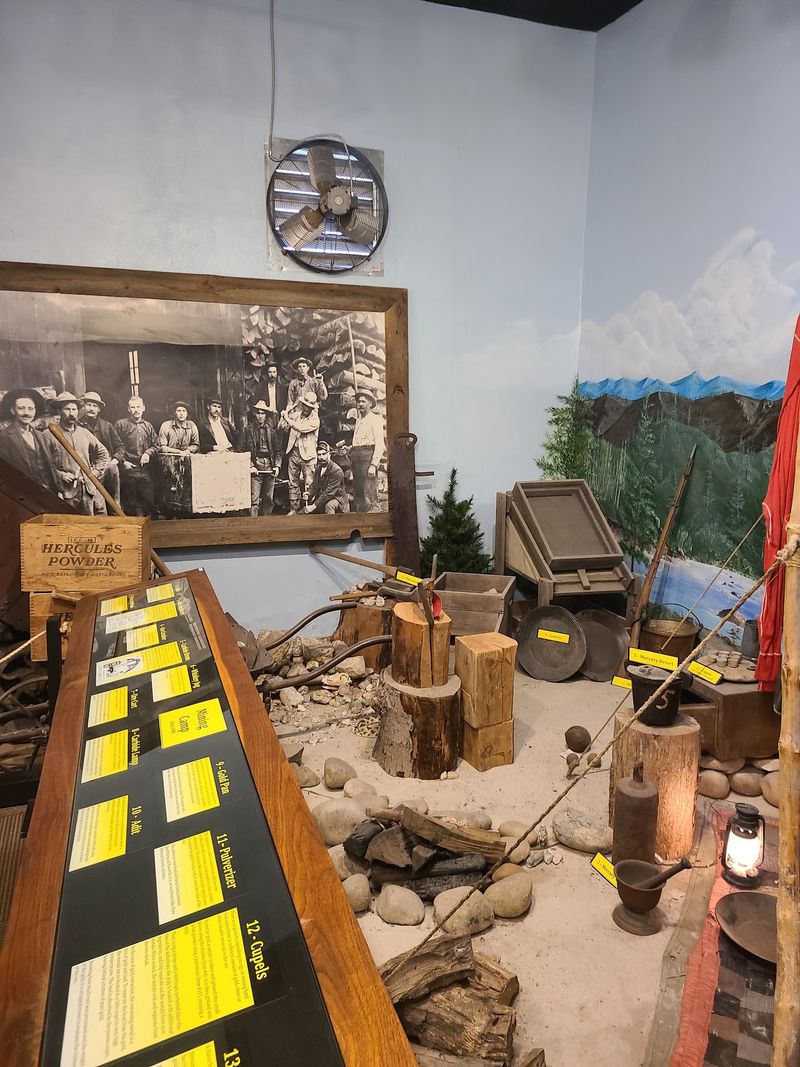
Right next door to the old territorial prison, you’ll find a museum devoted to what came out of Idaho’s ground. It’s tucked against the Boise foothills, with ore cars and a stamp mill wheel on display.
The museum opened in 1994 after starting as a nonprofit in 1989. Its mission centers on Idaho’s mining and geological history.
Touch-screen displays break down the state’s mining districts and individual mines. They include details on early miners and the wealth pulled from the earth.
A video shares the story of a Chinese woman who helped shape Idaho. Exhibits also highlight the contributions of Chinese miners across the state.
Geology fans have plenty to explore too. Look for fossils, meteorites, minerals, a black light exhibit, and a buzz saw shark fossil.
Admission is free, and the gift shop is affordable. A seismograph on site even monitors earthquakes around the world.
It’s open seasonally on a limited weekend schedule, so check before driving. Pair it with a Penitentiary visit for a full afternoon of Boise history.
Address: 2455 Old Penitentiary Rd, Boise, ID 83712
8. Lemhi County Historical Museum
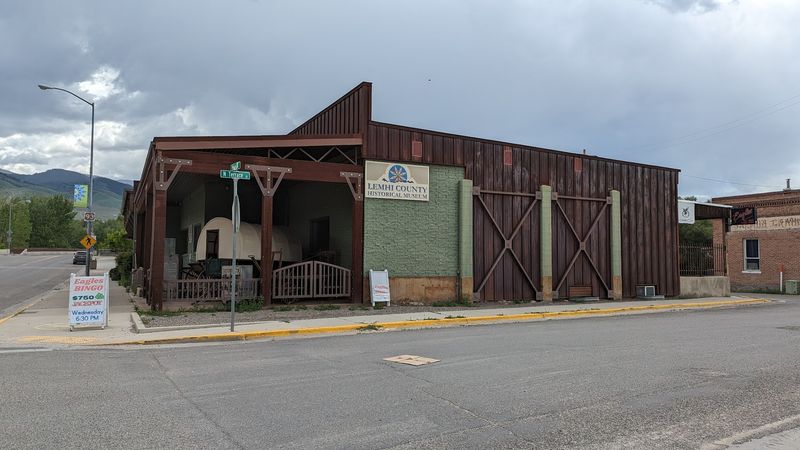
Salmon’s Main Street hides a doorway into the Leesburg gold camp. This small museum keeps artifacts tied to the Chinese mining community that worked those diggings.
Leesburg sat in the mountains west of Salmon during the gold rush years. Today, much of that story survives through items gathered right here.
The museum covers local history and culture across Lemhi County. Mining and ranching displays show how the region made its living over the decades.
That mix helps you see the bigger picture. Gold brought people in, and ranching helped many of them stay.
Salmon itself is a rural mountain river town of around 3,000 people. It makes a great base for exploring the Salmon River country and its old camps.
Staff are friendly, and the gift shop is worth a peek. The museum is a fun, approachable stop for kids and grown-ups alike.
Visiting feels like the perfect final chapter for this list. Idaho’s gold camps weren’t built by one kind of miner, and small museums like this keep the full cast on stage.
Address: 210 Main St, Salmon, ID 83467