8 Nebraska Places Where You Still See Traces Of The Pawnee Or Omaha People
I pulled off a Nebraska highway once just to stretch my legs, and I ended up reading about an Omaha leader for half an hour. That small stop changed how I saw the land outside my windshield.
Long before towns and grain elevators, the Pawnee and Omaha people built villages, farmed river valleys, and named the hills around them. Their stories still sit in museums, on quiet bluffs, and in a few spots you may have driven past a hundred times.
1. Genoa Indian Industrial School Museum In Genoa
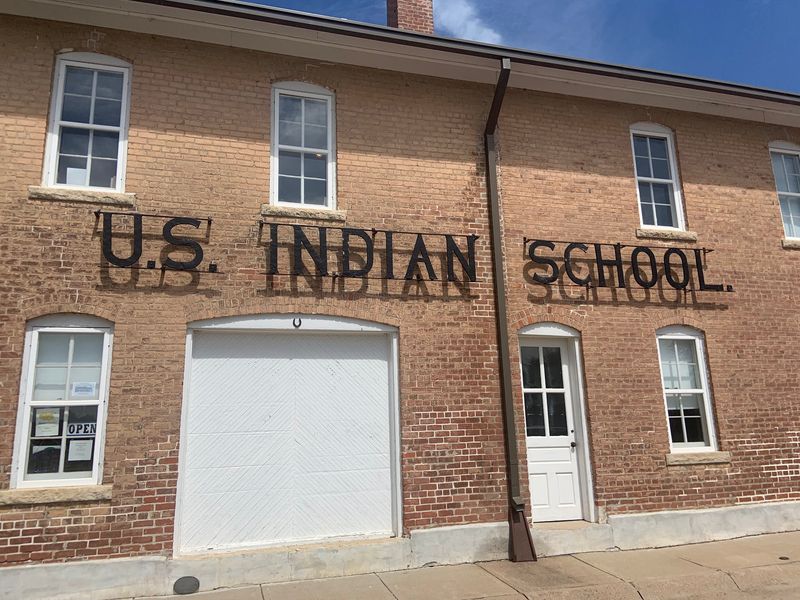
Genoa holds fewer than a thousand people, yet its story stretches across generations of Native families. The town sits on land that once formed the Pawnee Reservation along the Loup River, and later it became home to a large federal boarding school.
Pawnee and Omaha children were among the students sent here. Today the museum uses preserved rooms, photographs, and historic displays to show what daily life looked like for the young people who lived and studied on campus.
The exhibits explain school routines in a clear, honest way that kids can follow without feeling lost.
Why does a school belong on a list like this? Because the building itself is a trace.
It marks a turning point, when tribal nations were moved off ancestral ground and their children were placed into a very different world.
A visit here works well for families with older children who ask big questions. Restrooms are available, though there is no restaurant, so plan lunch elsewhere in town or pack a cooler.
Give yourself time to read slowly. The displays carry a lot of weight, and the quiet setting of a small Nebraska town makes the history feel close enough to touch.
2. Susan LaFlesche Picotte Center In Walthill
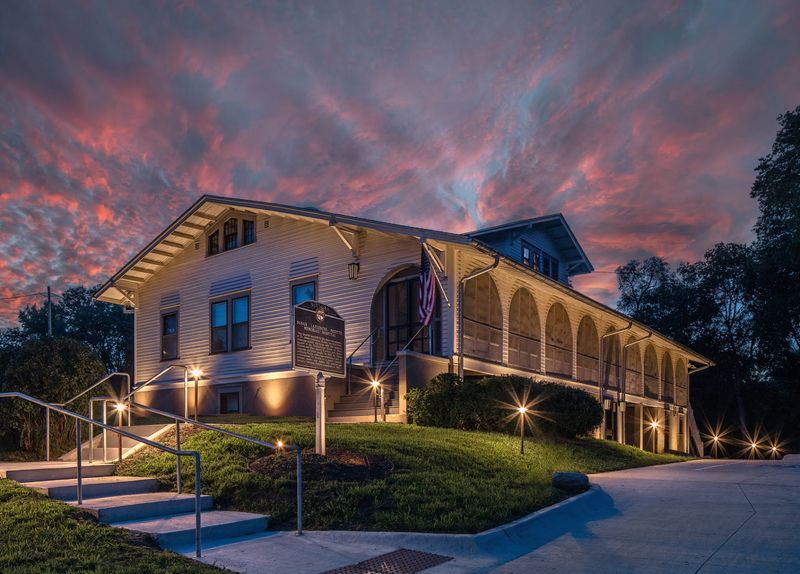
Picture a young Omaha woman in the 1880s heading east to medical school, then coming home to care for her people on horseback across miles of prairie. That woman was Dr. Susan LaFlesche Picotte, the first Native American woman to earn a medical degree.
Her legacy lives on in Walthill, a small community inside the Omaha Reservation. The center occupies the hospital she worked to build, and the setup inside is easy to picture.
A clinic setting fills the lower level, while a small museum and shop spread across the first and second floors.
Exhibits trace her path from childhood on the reservation to her years as a doctor, health advocate, and community leader. You walk away understanding how one determined person reshaped care for an entire tribe.
Hours are limited to a few weekdays, so check before heading out. Large groups should call ahead to plan a tour.
Parking is free, with a lot on site and space along the street.
Of all the stops on this list, this one feels the most personal. It ties the Omaha story to a single face, a single building, and a lifetime of service still honored today.
3. Blackbird Scenic Overlook
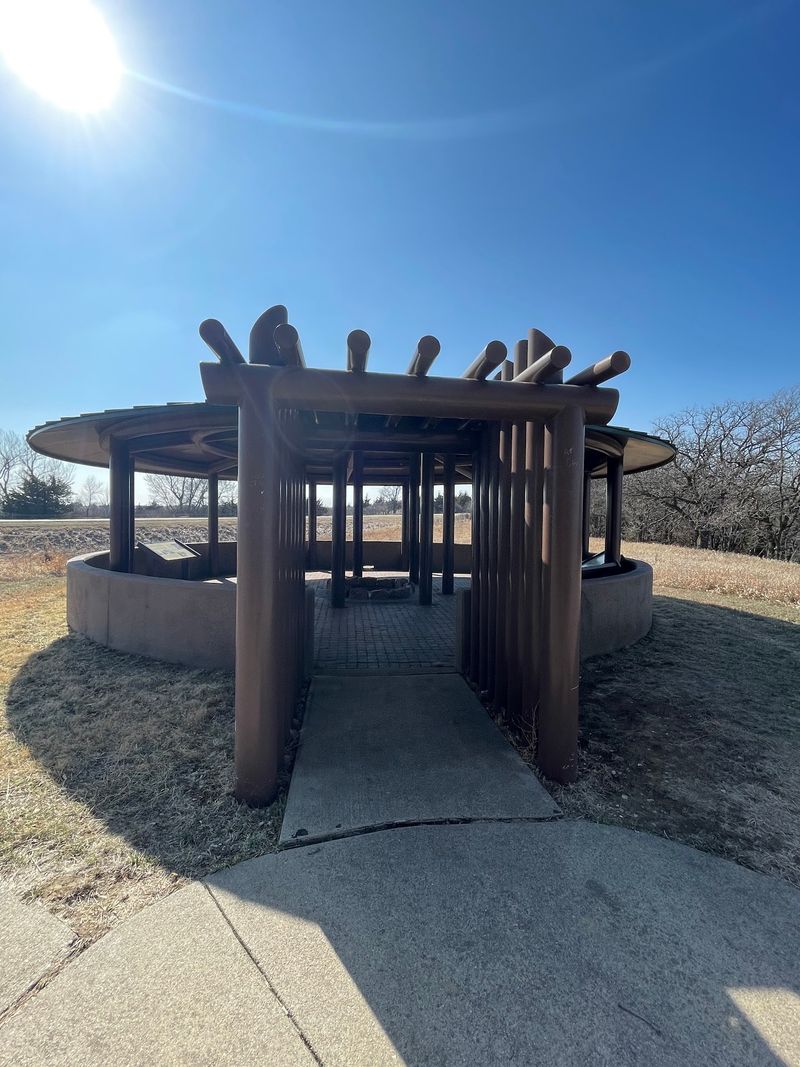
Wind tugs at your jacket the moment you step out of the car. Below, the Missouri River bends through a broad green valley, and on a clear day you can see straight across to Iowa.
The overlook sits along scenic US-75 near Decatur, in the rolling northeast corner of the state. It honors Chief Blackbird, a powerful Omaha leader from the late 1700s whose name still marks the hills of this region.
A shelter with an eye-catching design holds information panels about the Omaha people and the Lewis and Clark expedition, which passed through this stretch of river.
Those panels deserve more than a quick glance. They connect the view in front of you to the villages, trade routes, and leaders who once shaped the valley.
Here’s the beauty of it: there are no tickets or tour schedules. You simply pull in, read, look out over the water, and stretch your legs before getting back on the road.
Fall paints the bluffs in rust and gold, which makes this a great stop on an autumn drive through the Omaha Reservation. Bring a camera, because the river rarely looks the same twice.
4. Pawnee Villages Historical Landmark
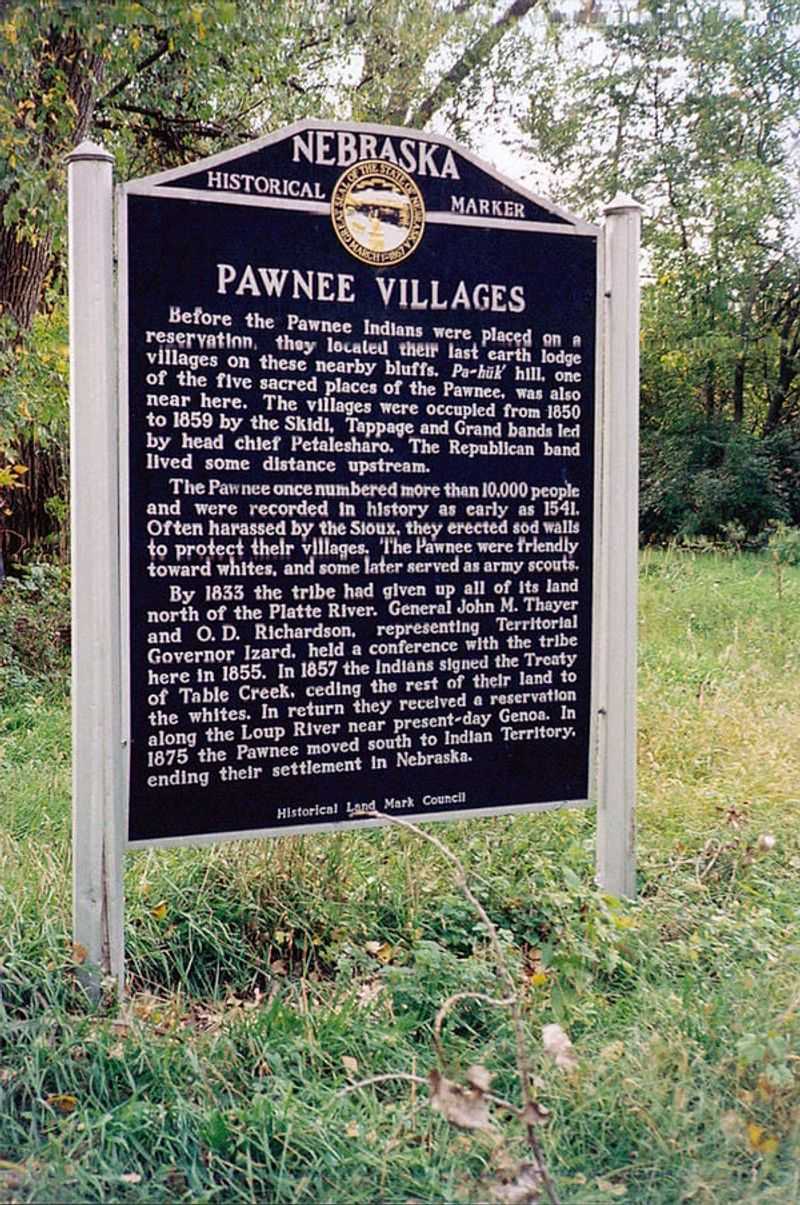
Did you know the Pawnee built their final earthlodge villages in Nebraska just outside Fremont? Before the tribe was placed on a reservation, families settled on the bluffs above the Platte River Valley, and this landmark marks that ground.
Standing here, the reason they chose the spot becomes obvious. The bluffs offer a long view across the valley, with fertile bottomland below and the river close by for water and travel.
Earthlodges were large, dome-shaped homes made of timber frames covered with packed earth and sod. Several families could share one, gathering around a central fire.
Imagining a cluster of those rounded roofs on these hills helps the landscape come alive.
The Pawnee also held this area as spiritually important. Nearby Pa-huk Hill counts among the sacred places in Pawnee tradition, where people once came to make offerings and seek visions.
Kids handle the stop easily, since it’s open, quick, and full of room to look around. Pair it with lunch in Fremont for an easy half-day outing.
Next time you cross the Platte on the way through Dodge County, glance up at the bluffs. Somebody called them home long before the highway arrived.
5. Pike Pawnee Village National Historic Landmark
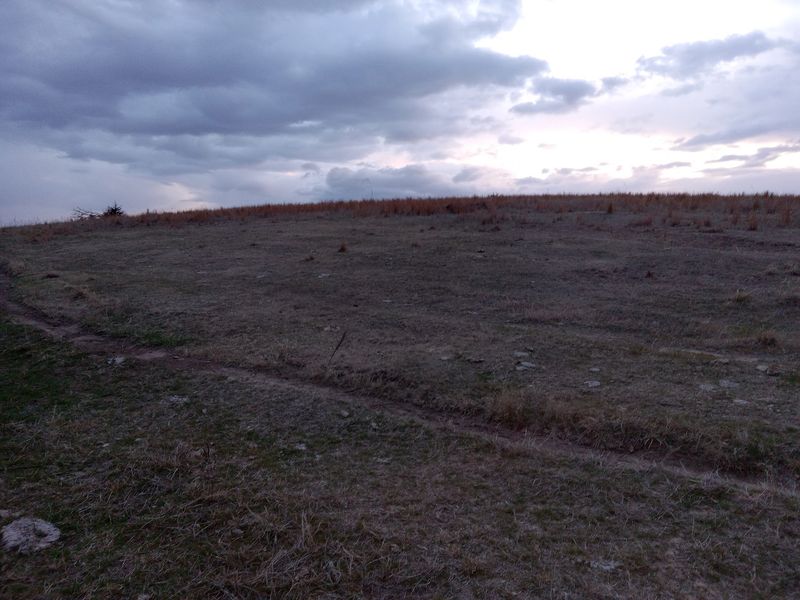
In 1806, Lieutenant Zebulon Pike rode into a busy Pawnee village along the Republican River. More than two centuries later, the ground near Guide Rock still holds the outline of that community.
The Kitkehahki band, also called the Republican Pawnee, lived here for decades. Faint circular depressions in the earth mark where more than a hundred earthlodges once stood, along with spaces used for ball games and a council house.
Look closely and the land starts to speak. Those soft dips in the grass are the clearest physical traces of a Pawnee town anywhere in the state, which is why the site earned National Historic Landmark status.
There’s a fun twist, too. Nebraska and Kansas once argued over where Pike’s meeting took place, and research at this site helped settle the question in Nebraska’s favor.
Guide Rock is a small south-central town, and the landmark functions as a roadside historical stop. It suits curious kids who enjoy a bit of detective work, spotting shapes in the prairie.
Visit when the grass is low in late fall or early spring. The depressions show up best then, and the quiet river valley makes the past feel surprisingly near.
6. Fort Atkinson State Historical Park In Fort Calhoun
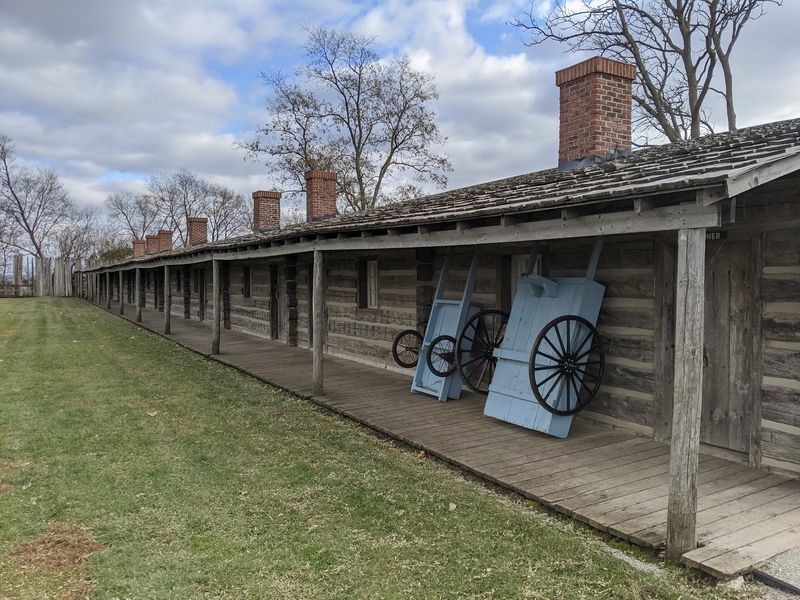
Log walls rise from a grassy bluff, and the smell of woodsmoke drifts across the parade ground on summer weekends. It’s an odd place to look for Omaha history, which is exactly what makes it interesting.
Back in 1804, Lewis and Clark held a council with leaders of the Omaha and Otoe nations on these bluffs above the Missouri River. That meeting gave the area its old name, Council Bluff, and it stands among the earliest diplomatic gatherings on the Plains.
Fort Atkinson rose on the same ground years later.
Today the park in Fort Calhoun features a reconstructed fort with authentic-looking buildings and a museum packed with displays on early 1800s life. Summer brings living-history demonstrations and military reenactments that pull kids right into the story.
Families have plenty to work with. A short hiking trail loops through the grounds, picnic tables sit ready for a packed lunch, and public restrooms are on site.
So how do the Omaha fit in? The fort only exists because tribal nations already held this river corridor, trading and negotiating long before soldiers arrived.
Keep that in mind as you walk the well-kept grounds.
7. Fontenelle Forest In Bellevue
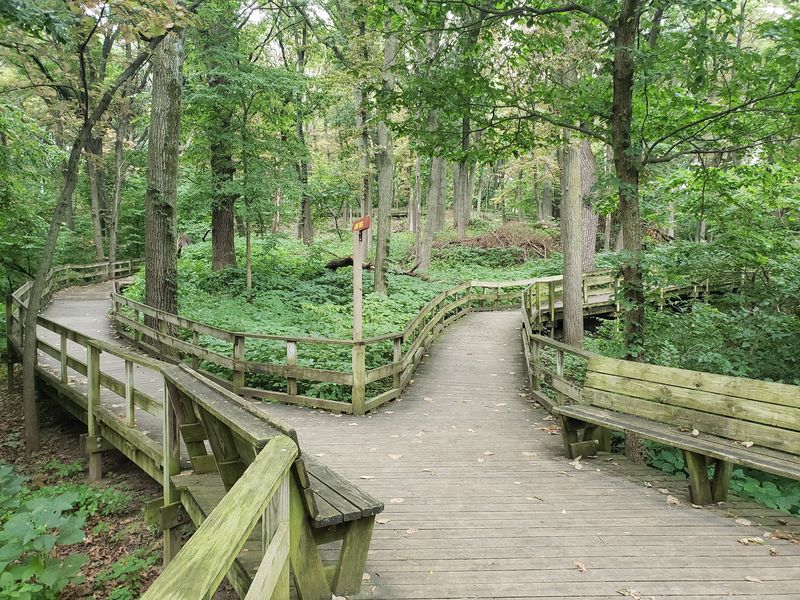
A wooden boardwalk stretches about a mile through the treetops, and the forest floor drops away beneath your feet. Few people stop to ask who the place is named after.
The answer is Logan Fontenelle, also called Shon-ga-ska, an Omaha leader and interpreter from the 1800s. His name now rests on one of the largest stretches of woodland in the state, bordering the Missouri River in Bellevue, a town with deep ties to early Omaha and fur trade history.
Here’s what you’ll find today. Trails wind through the hills, with wheelchair-friendly paths and benches along the way.
A nature center holds a museum, kids’ classes, and an indoor playground.
Birds of prey get special care too. The raptor rehabilitation program houses owls, hawks, and eagles that can’t return to the wild, and a zipline and obstacle course add a jolt of adventure for older kids.
Parking is free. Weekends get busy, so a weekday visit means quieter trails.
Fall turns the canopy orange and red, making October a fine time to walk the boardwalk. As you go, remember the Omaha name tied to these woods and the river people who knew this valley first.
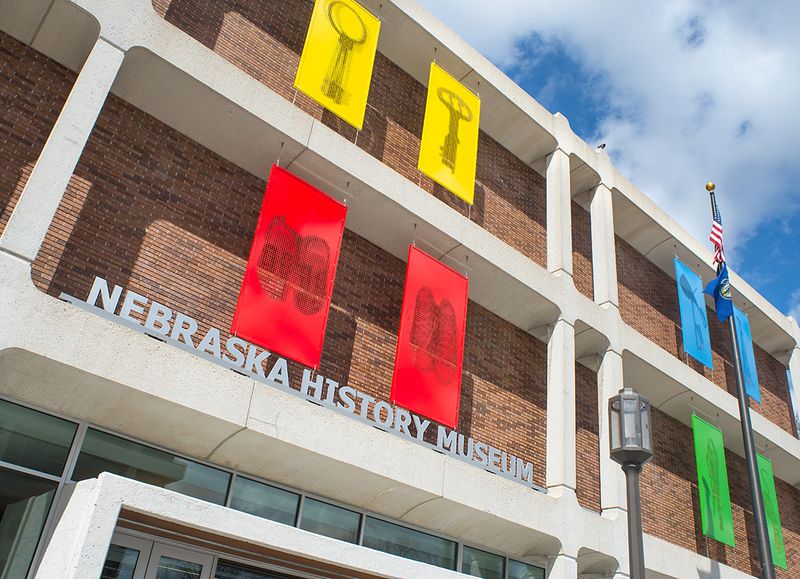
8. Nebraska History Museum In Lincoln
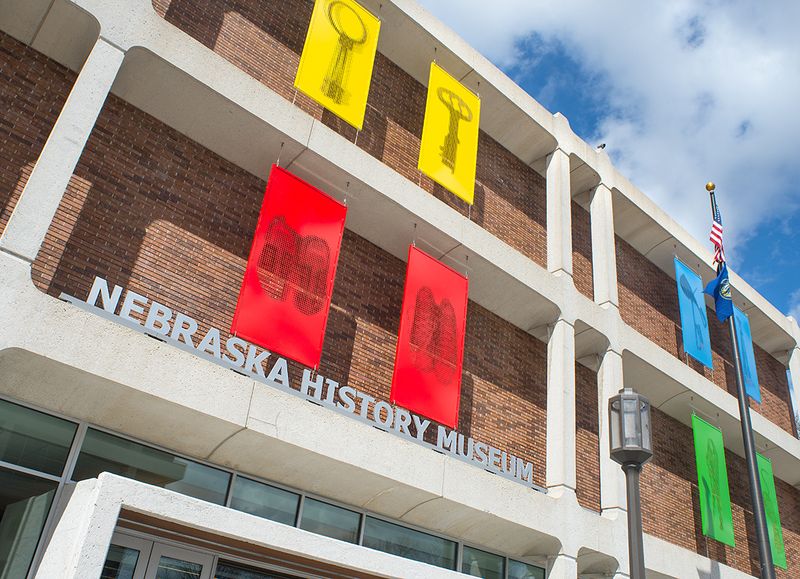
Rain outside? Snow piling up?
The state history museum on Centennial Mall in downtown Lincoln makes a perfect all-weather plan, and admission is free.
Inside, the First Peoples exhibits gather tools, artifacts, and earthlodge details tied to the Pawnee and Omaha nations. Seeing objects up close fills in the gaps that bluffs and markers leave behind.
You start to understand how families farmed, cooked, traveled, and built their homes on the plains.
The rest of the building rounds out the story of the state. Quilts, race cars, and displays on sod houses share space with Native history, so a single trip covers centuries.
Kids get their own corner with a hands-on learning room and kid-friendly activities. Changing tables, restrooms, and free Wi-Fi help the day run smoothly, and guided tours are available.
Plan for parking in a paid garage or along the street. There’s no restaurant inside, but downtown Lincoln has plenty of options within walking distance.
Save this stop for last if you can. After seeing the real places across the state, the artifacts here click into place, and the whole picture of Pawnee and Omaha life finally comes together under one roof.